ابدأ بصلصة بيتسخا الحارة، وكمية وفيرة من الكريما الحامضة، وسوف تفهم مذاق موسكو بالفعل. هذه الحساء ذات اللون الأحمر تعزز ذوقك في تقنيات قديمة منذ قرون وتظهر كيف تتحول المكونات البسيطة إلى وجبات عطرة، مليئة بالروح في مقاهي ومتاجر المدينة.
من الحدائق العشبية إلى أرض السوق، تبدأ هذه المكونات في قطع صغيرة من المزارع وتصل إلى مطابخ موسكو. للاختيار المفضل في المساء من الأسماك، ابحث عن فليتات طازجة وأنواع مدخنة؛ وجبة صغيرة من السمك المدخن على الخبز الأسود تتناسب بشكل جيد مع أوكروشكا في الصيف. أرض سوق دانييلوفسكي تحتوي على كشكات مع المخللات والخضروات الموسمية، مثالية للأطعمة النباتية أيضًا.
هذه الأطباق العشرة تشمل شوربة البورشت، البلميني، البيروجكي، ستيك البيف ستروغانوف، أوكروشكا، السلمون المغطى بالفراء، البليني مع الكافيار أو السمك المدخن، الششي، الغولوبتسي، والكولبياكا. بعض الفطائر تحتوي على نكهة حارة من الفلفل والخرشوف. لكل منها، لاحظ حجم الخدمة الموثوق: البلميني 8-10 قطع، البيروجكي 1-2 لكل شخص، طبق البليني 5-6، والكولبياكا حوالي 500 غرام عندما يتم مشاركتها كوجبة رئيسية. للخيارات النباتية، جرب سلطات الجزر أو البلميني الخضري-هذه موجودة وتذوق قوية.
خطط جدول زمني لتوزيع وجباتك: اليوم الأول يركز على حساء البقدونس والدمبلينغز؛ اليوم الثاني يقدم Stroganoff اللحم البقر والوجبات السمكية؛ اليوم الثالث ينتهي بالبليني والكولبياكا. هذا الجدول الزمني يساعدك في تضمين 10 وجبات في زيارة موسكو دون عجلة، مع تدفق أنيق من المطبخ إلى الطاولة. بعض المطابخ تدمج تقنيات فرنسية في العجين، مما ينتج عنه كعك ماكس خفيف ليرافق الفطائر اللذيذة.
اطلب من السكان المحليين أفضل المطاعم الحكومية والمطاعم الخاصة؛ حجز طاولات في أوقات العشاء المزدحمة؛ واحتفظ بالملاحظات لتحسين برنامجك في المستقبل. هذه الأطباق تكشف عن نبض موسكو الحقيقي من حيث الطهي وتدعوك لتذوق تاريخها.
خطة موسكو العمليّة للطعام والسفر
ادخل مقهى موسكو التقليدي عند الفجر وأمر بقرص مع جبن القريش والفواكه الموسمية على الإفطار. هذا البدء السريع يحدد مسارًا واضحًا لبرنامج موسكو العملي للأكل والسفر.
الوقت المطلوب: 6 دقائق. المسار الصباحي: ادخل إلى المركز التاريخي بالقرب من الساحة الحمراء، ثم يمشي بين جدران الكرملين وشوارع التجار القديمة لمسافة 3-4 كيلومترات، ثم يتوقف في مطعم قديم من القرن الماضي لتناول شوربة البورشت وطبقة مع طعم الثوم.
خيارات الغداء: بعض الأطباق التي يمكنك تجربتها تشمل البلميني، ستروغانوف اللحم، سلطة أوليفييه، شوربة البورشت، والسيرنيكي. في الغالب، شارك الأجزاء للحفاظ على وجبات خفيفة بينما تستمر في استكشاف المدينة. رافقها بمشروبات محلية عندما يتم تقديمها. هذا يغطي كل ما تحتاجه ليوما متوازن.
مسير السوق بعد الظهر: ادخل إلى سوق إيزمايلوفسكي أو أحد الصالات المركزية للطعام لتذوق الفواكه، الخبز الطازج، والأطباق الجاهزة؛ ستجد في الغالب نكهات مميزة ولحظة من التقاليد في كل كشك، ويمكنك مقارنة الكشوف الأخرى من حيث القيمة.
مساء: ختِّم يومك بوجبة خفيفة بالقرب من النهر، اطلب بعض الخمر وخيارًا غير كحولي؛ هذا يحافظ على توازن طاقتك لمشي هادئ في الليل. إذا كنت تقيم في مكان يحتوي على مطبخ صغير، يمكنك طهي وجبة سريعة لتوفير الوقت.
borscht و shchi: أين يمكنك تذوق الحساءين الأصيلين في موسكو
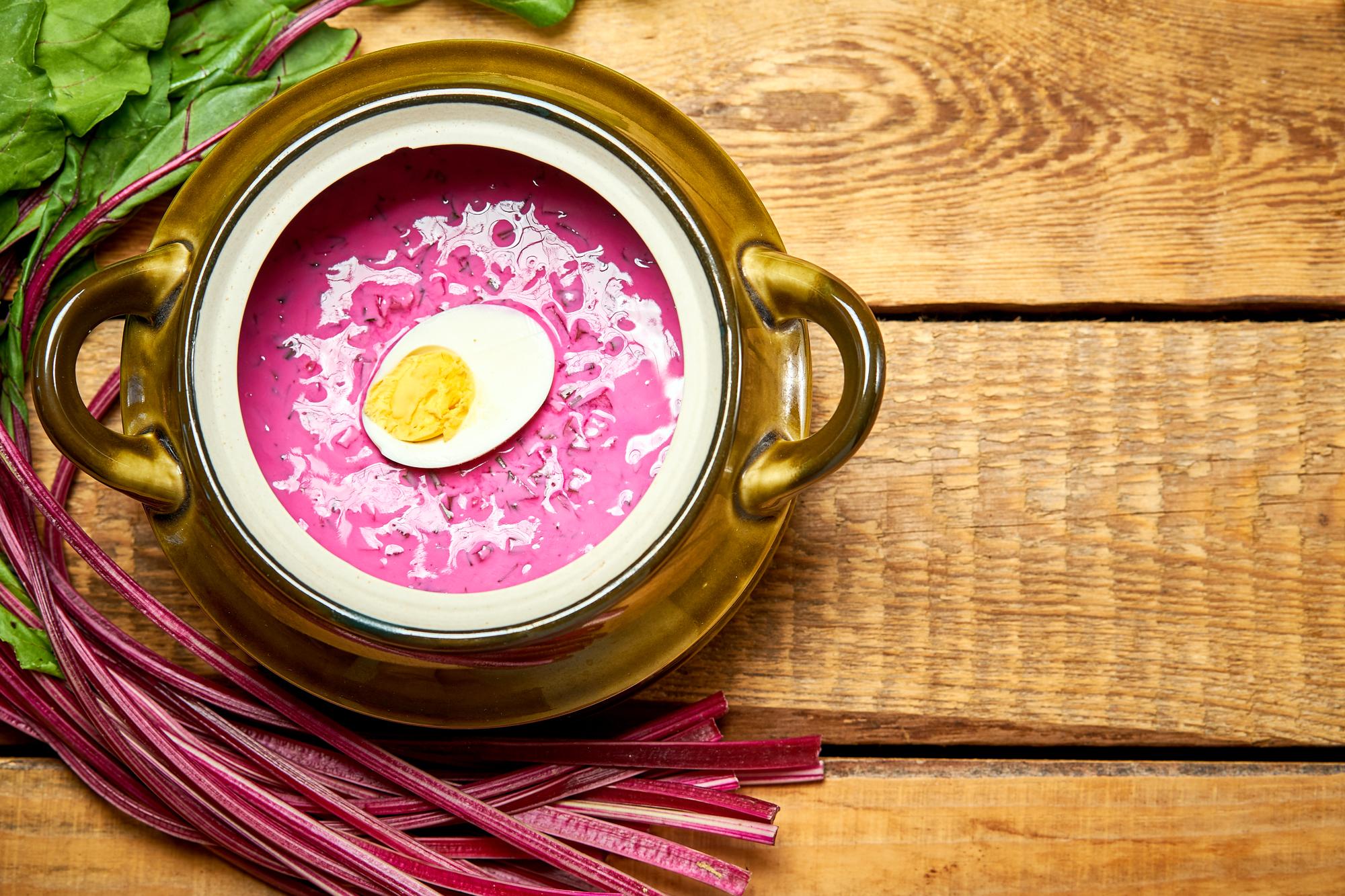
زُور قهوة بوشكين في وسط موسكو لتذوق الشوربة الروسية التقليدية "البورش" والشوربة الروسية "الششي"؛ هذا هو المكان الذي يجب أن تبدأ منه إذا كنت تريد شوربة بيتسوق مصنوعة بعناية. تأتي البيتسوق من مزرعة محلية، مما يوفر لونًا عميقًا وحلاوة طبيعية يتوقعها سكان موسكو. تقع صالة الطعام على أرضية مبلورة، والنوافذ تطل على الشوارع المزدحمة، حيث يتجمع الناس لتناول وجبة المساء ومناقشة نكهات المدينة.
التقليدية، غالبًا ما يحتوي البورش على بيض الرمان، الكرنب، البطاطس، وكمية من الزبادي الحامض؛ حيث يحقق المرق لونًا زاهيًا أرضيًا، وتضيف التزويقات من الخضروات المملحة نكهة حادة متوازنة. تعتمد طريقة التتبيل على الحالة حسب الحالة، مما يضمن أن كل طبق يعكس تأثير الطاهي بينما يحافظ على وصفة ستجدها في مطابخ موسكو القديمة. استعد لنتائج طفيفة الحلاوة التي تأتي من الغلي الدقيق، وهي علامة على الممارسة التقليدية.
شوربة الششي تصل مع جسم غني بفضل سميد القمح الأسود الذي يثخّنها، وهو علامة على تقنية إقليمية تحظى بها العديد من موسكوين. في هذه المنطقة، يضيف الطهاة مرق الفطر لإضافة العمق، ثم يكملون بالزبد الحامض والبقدونس. طعمها مثل الشتاء في وعاء، وتتناسق بشكل جيد مع الخبز الأسود. ملاحظة أخرى: اللون يبقى دافئًا، والنسيج ناعمًا، وريح الفجل الأبيض يظل طافحًا في الغرفة.
للمزيد من المنظور، يقدم الدكتور جيفاغو أو ماري فانا نظرات مألوفة على البورش أو الششي التي يناقشها المحليون بعد مغادرة المطعم. في هذه الأماكن، يشرح الموظفين تأثير تاريخ المدينة على الوصفات، souvent les Moscovites comparent si les betteraves se distinguent ou restent discrètes. إذا كنت تخطط لزيارة خلال عطلات نهاية الأسبوع المزدحمة، يجب أن تحجز مسبقًا لضمان طاولة في الصالة الرئيسية..
في الكشكات السوقية والمطاعم البسيطة، ستذوق حساء يُطهى على الفور باستخدام بيض الرمان من المزارع القريبة والحمضيات على الرف. أرضية هذه الكشكات بسيطة، وجاذبيتها تجذب السكان المحليين والزوار على حد سواء. هذه الخيارات تظهر كيف تنتقل الكلاسيكيات من منطقة إلى أخرى، ويمكنك أن تعتمد على وعاء بسيط ومريح يعكس تاريخ المدينة.
إلى أين تذهب يعتمد على خطتك: إذا كنت تريد استكشاف الشوارع المركزية، ابدأ بمطعم في شارع تفرسكايا أو بالقرب من ميدان الكرملين؛ وإلا، ابحث عن مطعم هادئ في حي بعيد عن الزحام. نصائح تيمريد تساعدك في تنظيم زياراتك لتجنب الطوابير، لكنك يجب أن تتوقع جوًا حيويًا في الأحياء المزدحمة. إذا كنت تبحث عن هدايا تذكارية، احمل صندوقًا واخفِ زجاجة من الخضروات المملحة أو ملح بقدونس تذكاري للعودة إلى المنزل. هذا هو كيفية بناء برنامج سياحي لموسكو مع شوربة البقدونس التي تعتبر تجربة محلية حقيقية.
بسعر البنك المركزي الروسي في 30.09.2026 · powered by tutkakdoma
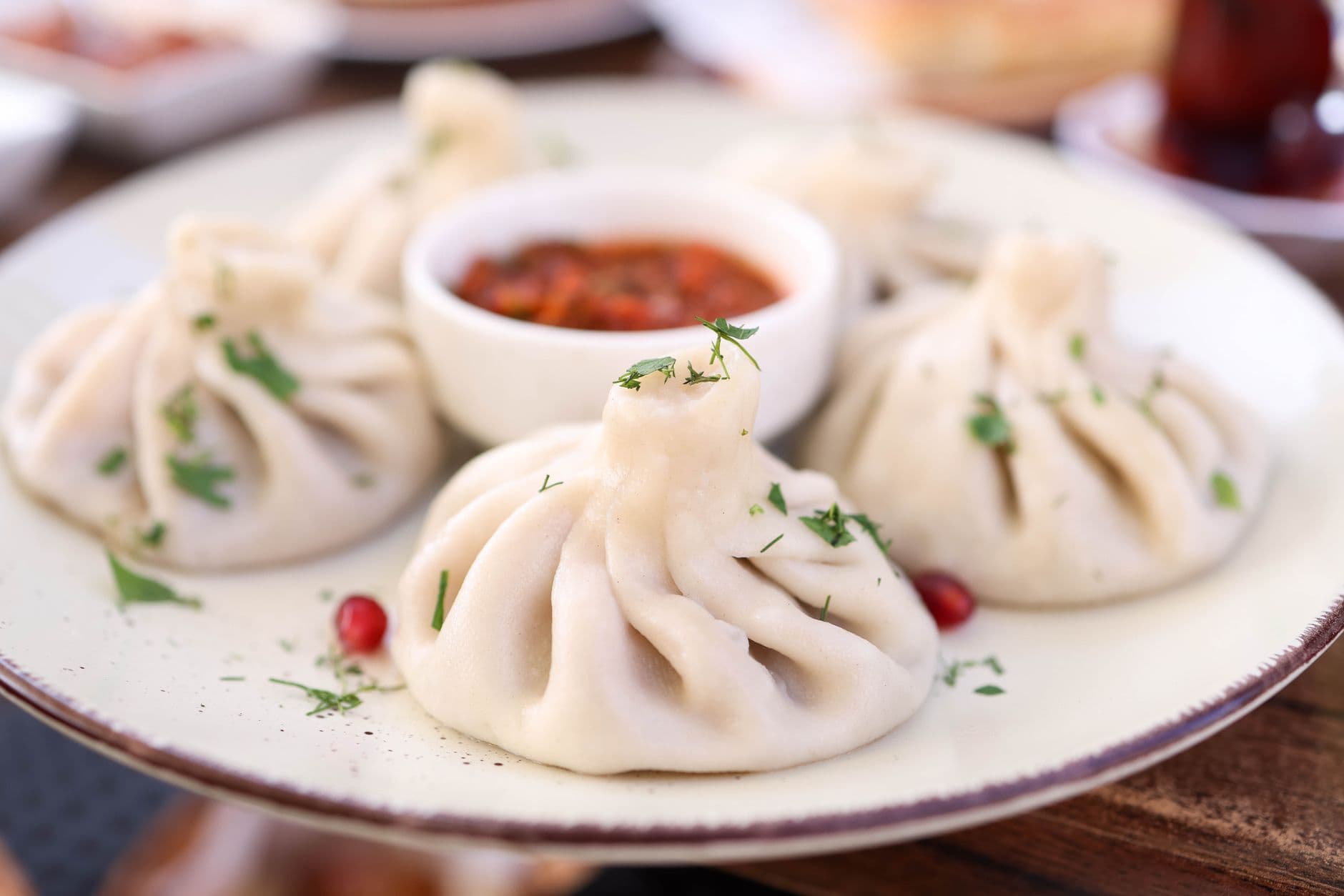
بلمني: المليئات، الكشكات، وأفضل الأماكن لتجربتها
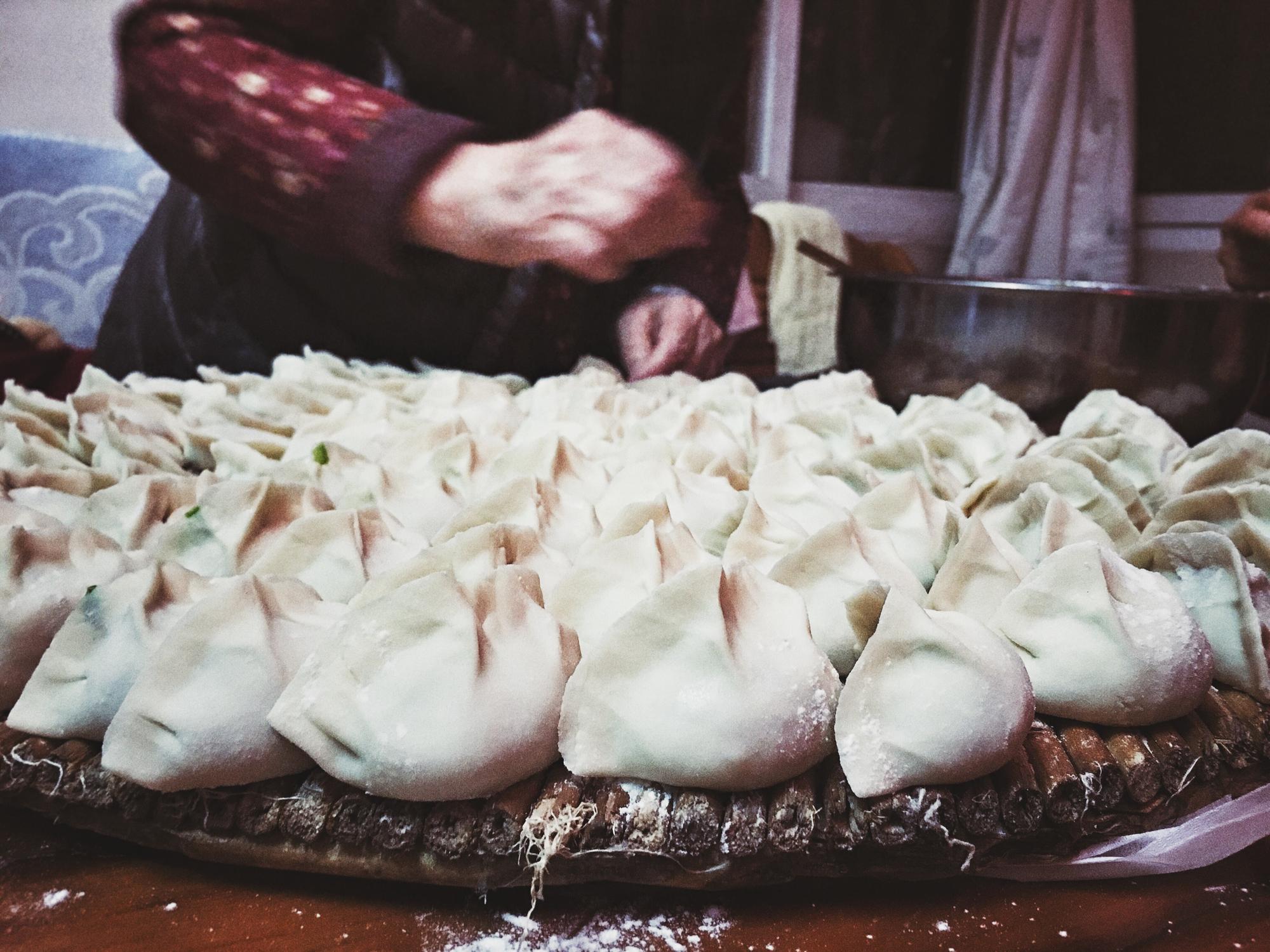
ابدأ من سوق دانيلوفسكي، حيث يلف الطاهي خلف العداد العجين بيديه. السوق مفتوح يوميًا، ويهرول موسكوون إلى هنا للحصول على غداء سريع وممتع. بين الصفوف ستجد العديد من الكواخ التي تقدم مختلف الملايات والحساء، لذا اقرأ التسميات وقارن الروائح قبل أن تقرر أي منها ستجرب أولًا.
ملء الفراغات في معظم الحالات، تشمل:
لحم البقر والخنزير - كلاسيكي ومتوازن، عادةً ما يكون الخيار الموثوق به لعضة موثوقة؛ بعض الكشكول يستخدمون لحوم البقر المفرومة من الستيك للحصول على Texture أكثر لزوجة.
الخروف والخنزير - أكثر غنى، مع نكهات عشبية ساطعة تتناسب مع مرق لذيذ.
دجاج وفطر - أخف وألطف على اللسان، مناسب بشكل أفضل للتوافق مع المرق.
خيارات نباتية مثل البطاطس والجبن - مثل هذه الملايات موجودة في عدة كشكات، وتقدم تغييرًا ممتعًا.
أصناف الأسماك أو المحار - أقل شيوعًا ولكن تستحق التجربة في الأماكن التي تركز على أنماط المحار الإقليمية.
تتنوع هذه التنوع من حيث مصدر اللحم وطريقة إعداد العجين. في العديد من الحالات، يتم لف العجين بشكل رقيق وتمديده حتى يصل إلى نقطة حيث تتحلل الغلافات تقريبًا في فمك. هذا هو المكان الذي يمكنك فيه تقييم الجودة: ابحث عن جلد شفاف، ووقت غليان قصير، و مرق يحمل نكهة اللحم دون أن يغطي عليها. إذا كان البائع يركز على طريقة الطهي، فستسمعهم غالبًا يتحدثون عن غليان خفيف مقابل غليان قوي، مما يغير النسيج والنكهة بطريقة تعتمد على الحالة.
الخيام التي تختارها مهمة مثل المليء بها. في سوق دانيلوفسكي، يتفاخر عدة خيام بخبز مصنوع يدويًا وأوصاف نظيفة. اسأل البائع عن نوع المرقة (واضحة مقابل غنية) وسؤال ما إذا كانت البلميني مشوية أو مغليّة قليلاً قبل التقديم. مثل هذه الأسئلة تعطيك فكرة عن العناية وفلسفة الطهي، وساعدك في اختيار الخيار المناسب لمزاجك بعد صباح مشغول.
أفضل الأماكن لتجربتها، في الممارسة، تنقسم إلى ثلاث فئات. أولاً، تجمع سوق دانيلوفسكي نفسه، حيث يحافظ الإعداد المفتوح والتداول السريع على طازرة البلمني وتواضع النكهات. ثانياً، المقاهي التقليدية في المناطق المركزية التي حافظت على نهج كلاسيكي للبلمني منذ عقود، وتقدم عادةً مرقاً مع ملعقة من الأعشاب وجانب من الخبز. ثالثاً، استوديوهات البلمني الحديثة والمطاعم الخفيفة التي تجري تجارب مع المليء والتقديم، وتقدم خدمة سريعة في يوم مزدحم في المدينة. في جميع الحالات، ستجد العديد من الخيارات، ويمكنك تخطيط جولة صغيرة لتجربة ثلاثة أنماط مختلفة على الأقل في بعد ظهر واحد.
إرشادات التزاوج لأفضل تجربة: طلب البلمني في مرق لتقدير توازن التوابل، وافكر في مشروب فراولة أو شاي بسيط بين اللقمات لتجديد النكهة. إذا كنت جائعًا لتجربة طهي أطول، اقرأ القائمة واطلب مجموعة تذوق؛ ستقدم العديد من الكشكات عينة صغيرة تسمح لك بمقارنة المليء دون التزام بصفحة كاملة. بعد الانتهاء، لاحظ أي منطقة تؤثر على التوابل وأي طريقة طهي تفضلها، لأن مثل هذه الملاحظات تجعل الزيارات المستقبلية أكثر كفاءة ومتعة. في حالة wonder عن السياق الثقافي، فإن البلمني ينتمي إلى تقليد طويل من الطهي المنزلي الذي يسافر جيدًا عبر موسكو، حيث تحافظ الأسواق والمقاهي على هذه الفترة حية للمحليين والزوار على حد سواء.
البداية مع بيلميني الكلاسيكية من اللحم البقر والخنزير، ثم استكشاف التغيرات من اللحم والدجاج، ولا تفوت جودة العجين الملتف ووضوح المرقة. أفضل تجربة تأتي من زيارة عدة كشكات بين أقسام السوق، وإذا كنت مقيدًا بالوقت، يمكن لكشك واحد مختار بعناية أن يعطيك فكرة قوية عن سبب بقاء البيلميني كأطباق المفضلة بين سكان موسكو والضيوف على حد سواء.
بيف ستروجانوف: النسخة الكلاسيكية والتحولات الحديثة في مطاعم موسكو
اختر قطع الفليت الكلاسيكية ستروغانوف مع راغوت ناعم والكريم، وابدأ في عالم المطاعم في موسكو من خلال تناول وجبات في مطابخ مخفية على طول شوارع أنيقة.
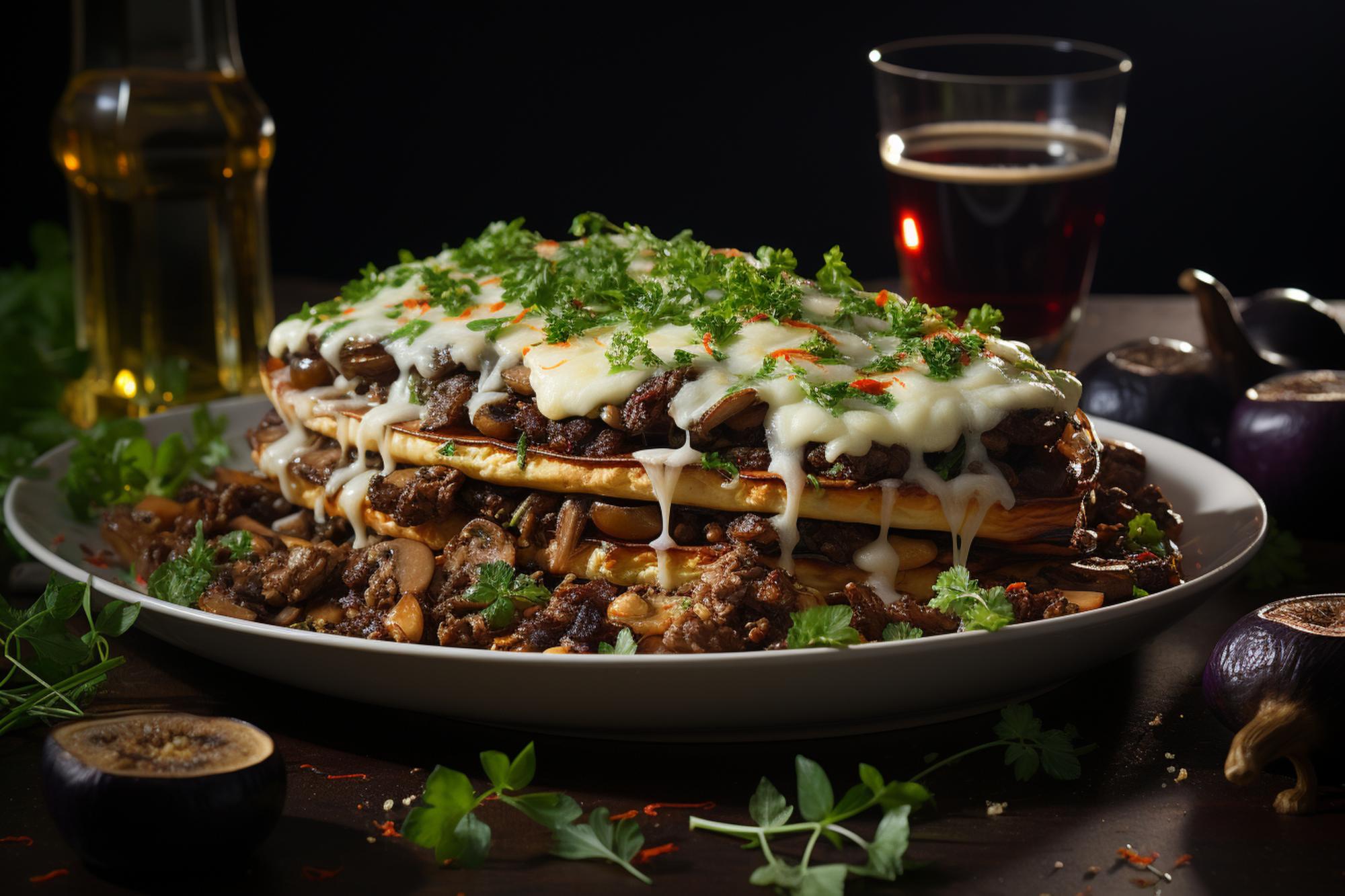
النسخة الكلاسيكية تعتمد على قطع شرائح رقيقة من فليت تندر، وتقلّى بشكل سريع للحفاظ على لذتها. تتخلل الفطريات والبقوليات صوصًا غنيًا بالكريم، مع إضافة لمسة من الخردل والفلفل الحار، وتكتمل باضافة الكريما الحامضة. تقليديًا، تُقدم مع مكسرات مغطاة بالزبدة أو بطاطا مفرومة، مع إضافة بسيطة من الأعشاب الطازجة من الحديقة. هذه التقاليد تظل الأساس الذي يستند إليه العديد من المطاعم عند إنشاء إبداعاتهم الخاصة.
اتبع كل تحول في النكهة والرائحة، حتى تتمكن من اختيار النسخة التي تناسب مزاجك.
في مطاعم موسكو الأنيقة، تظهر لمسات حديثة alongside الوصفات التقليدية. إليك ما ستواجهه وكيف تختار:
تقنية كلاسيكية مع لمسة جديدة: احتفظ بالفيليه، لكن اكمل الراغوت بتقليص نبيذ ومهروس فطر لتعزيز العطر.
اللمس الناعم: أضف قشرة رقيقة ومخملية أو شبكة من العجينة المفلقة على السطح لإعطاء تأثير بصري مذهل مقابل الصوص الكريمي.
خمس نبيذ مرتبطين بالطبقة: مجموعة من خمسة نبيذ ترافق الطبق - اثنان من البيض، اثنان من الأحمر، ونبيذ حلوى مرن - حتى تتمكن من مقارنة كيف يتغير كل زوج من التوازن.
الكفاس والكفاس كمشروبات: العديد من الأماكن تقدم الكفاس كخيار غير كحولي والكفاس كبديل مفرم منعش للماء.
تزيين الحديقة: النعناع البري، الكزبرة، والطرخون يرفعون من طعم الصوص، مع لمسة من قشر الليمون لتوهج النهاية.
ابحث عن مطاعم مخفية خلف واجهات شوارع رئيسية، تقدم مجموعة فريدة من الأطباق التي تحافظ على تقاليد المطبخ.
فطائر وجبائن: فطائر لذيذة أو قوارير عجينة تعكس جو الطهي المنزلي في حدائق موسكو القديمة.
تجاوز الكلاسيكي: توقع تعددات راغوت مع فطر بري، أو بابريكا مدخنة، أو خردل ليرطب حاسة التذوق اليوم.
كنوز مخفية: ابحث عن أماكن تتميز بحدائق هادئة وممرات داخلية خضراء وخدمة غير رسمية تدعوك إلى الاسترخاء والاستمتاع.
بليني وسيرنيكي: وجبات الإفطار بالبليتات والحلويات التي لا يمكنك تفويتها
اجرب خمسة بليني مع جبنة حلوة سميكة ومركبات، ثم اكمل بسرنيكي-فطائر جبنة كريمية مرشوشة بالسكر. هذه الأزواج تثبت أن إفطار موسكو يمكن أن يكون مريحًا ومثيرًا في نفس الوقت، وهو اختيار يعود إليه الكثيرون.
إيجادهم على شارع بتروفسكي وبشارع آخر، في المتاجر القريبة من شارع أوليتسا، وفي محيط مركز تسوم. في موسكو، تقدم العديد من المقاهي كلا الطبقين، وتستضيف جدران المباني التاريخية طوابير طويلة. زادت عدد الأماكن؛ غالبًا ما يجد المسافرون الأمريكيين الأجزاء مرضية والأذواق متوازنة. تتشكل جموع في الأماكن الشعبية، خاصة حول مركز تسوم وشارع بتروفسكي.
للتفاحيات، تُبرز التتبيلات مثل العسل، الزبيب، أو ملعقة من الكريما الحامضة الجبن. أما بالنسبة للبليني، جرب الخيارات الحلو والمالح: لفها مع شرائح لحم الخنزير المدخن والنعناع، أو قدمها مع الزبدة والمربى. في أي حال، تكشف ملاحظات التذوق عن التباين بين المركز الدافئ والحافة المقرمشة، وتساعدك على مقارنة النصوص. بعض الكشكات تقدم أيضًا قطع لحم الخنزير على الجانب، مع التوابل لتعزيز النكهة. يشكّل البيرة الباردة أو الشاي توازنًا مع الغنى ويوفر مكملًا ممتازًا.
للتمتع بالذوق الكامل، زُرْ متجرًا يقدّم تجربة تذوق: صحن صغير من البليني والسرنيكي لمقارنة النسيج. بين اللقمات، استفسر من الموظفين عن خلطات الجبن والتوابل؛ فإرشاداتهم تساعدك في الانتقال من حلاوة بسيطة إلى نكهة لذيذة أكثر غنى. الاختيار النهائي يعتمد على المزاج. فقط أفضل الأماكن تحافظ على الكلاسيكيات بسيطة: نواة هشة، حواف رقيقة، وقرمش خفيف. فيما يتعلق بالأسعار، توقع 200-350 روبل لكل حصة في الأماكن المتوسطة، مع خيارات فاخرة بالقرب من الشوارع المركزية.
Item
أين يمكن تجربة
ما يجب طلبه
مجموعة الأسعار
بليني مع جبنة سميكة ومربى
قهوة منطقة بتروفكا
خمسة بليني، مربى، كريم الحامض
200-320 روبل
سيرنيكي مع عسل
متجر مجاور ل"تسم"
سيرنيكي، عسل أو كريما حامضة
250-350 روبل
بليني مع شرائح الدجاج المدخن
القهوة بالقرب من الجدران
بليني، لحم خنزير مدخن، شبت
300-420 روبل
قطع صغيرة لذيذة: قطع لحم الخنزير على بليني
سوق صغير بالقرب من شارع بتروفكا
قطع لحم الخنزير، التوابل في كومة
250-380 روبل
أوليفر وهيرينغ تحت معطف فرو: طلب السلطات التقليدية والمقويات
بدأ بسلطات أوليفيه وهيرينغ تحت معطف الفراء كسلطاتك التقليدية، ثم قارنها مع كڤاس بارد. هذه المجموعة هي أساس مطاعم موسكو والمقاهي، وتحبها السكان المحليون والسياح على حد سواء.
لأوليفييه، تأكد من أن البطاطس والبيض يظهران بشكل واضح، واختر لحم الخنزير إذا كنت تريد نكهة كلاسيكية ثقيلة، أو الدجاج إذا كنت تفضل خفة. يخلق الطبق عمقًا مشابهًا للراغو، حيث تتقارب الطبقات، بينما تضيف المخللات لمسة لاذعة تحافظ على استيقاظ حاسة التذوق.
شرائح سمك الهرنغ تحت الفراء تتركب من بطاطا، بقدونس، بصل، وهرنغ، مع بيض كلمسة أخيرة في العديد من المطابخ. إنها طعام تراثي مريح يسافر بسهولة في صناديق الغداء في كل مكان، وسوف تجدها غالبًا تُقدم بكميات وفيرة مقابل روبل في المحلات.
اطلب جانبًا من الطماطم أو الجبن لتجديد اللوحة بين اللقمات، خاصة إذا بدأت بالسلطة الروسية. هذه الإضافات رخيصة ومتاحة في معظم المقاهي، مما يوفر لك طريقة بسيطة لتغيير النكهات دون مغادرة الطاولة.
انتهِ بالكريبات مع مرملاد التوت لإضفاء لمسة حلوة. تُعد الكريبات من الأطباق الشائعة في المقاهي، ويمكن طلبها فارغة أو مع الجبنة، كهدية صغيرة بعد وجبة ثقيلة.
تفاصيل thoughtful تساعدك على الاستمتاع: يمكنك ذكر السرطان كلمسة لعبية في بعض السلاطات الإقليمية، وسوف تجد غالبًا مقاصير تقدم سلاطة صغيرة من السرطان كبداية. إذا كنت حريصًا على الميزانية، راقب الروبل؛ لأن الأجزاء كبيرة، والقيمة ممتازة في العديد من الأماكن.
الثقافة في مشهد الطعام في موسكو تبدأ من مكونات بسيطة - البطاطس، البيض، الطماطم، الجبن - وتنمو إلى مجموعة من السلاطات المريحة والمشبعة. يمكنك أن تطلب، أو تشير، وتستمتع بريثم المقهى، والهدوء بين الطاولات، والموظفين الدافعين الذين يساعدونك في التنقل بين قائمة الطعام، على الرغم من أن حواجز اللغة نادراً ما تحجب الابتسامة التي ستتلقاها عند وصول السلاطات.