
ابدأ بنزهة عند الفجر على طول سطح السفينة Yenisey في كراسنويارسك، ثم استقل الترام إلى الواجهة النهرية لالتقاط صورة للجبال عبر الماء والتقاط بعض السلع المحلية لبداية عملية.
تتكشف سبع محطات بتناقضات: كراسنويارسك، إيركوتسك بالقرب من بحيرة بايكال حيث تظهر فقمات نيربا في الصيف، نوفوسيبيرسك - المدينة الأكثر اكتظاظًا بالسكان على الخط، أومسك، أولان أودي، تومسك، وفلاديفوستوك، تقدم كل منها إيقاعًا متميزًا، والطقس، ودورات الطعام. يجب تخصيص الكثير من الوقت لاستكشاف منطقة بايكال والنزهات في الأسواق؛ يوازن الطريق بين السفر البري وامتدادات السكك الحديدية.
انغمس في تناقضات التايغا والسهوب: تذوق الأسماك المدخنة والتوت والسلع المحلية من الأسواق؛ استمتع بالشاي المخمر بالأعشاب البرية؛ في حوض بايكال، قد تشاهد نيربا على الجليد أو الشاطئ في الصيف وتشاهد غروب الشمس الأحمر الدموي فوق الماء. يظهر المزيج الثقافي الأوراسي في الهندسة المعمارية والموسيقى والطعام، بينما تؤطر السهوب والجبال المحيطة الأفق، وتحمي المحميات التنوع البيولوجي وغيرها في المنطقة.
خطط لكل مرحلة بوتيرة عملية: عربات النوم للامتدادات الليلية، وجدولة المقاطع ذات المناظر الخلابة حول ضوء الصيف. للحصول على صور مرئية، اسحب من مجموعات الصور المرخصة بموجب by-sa لتوضيح روايتك.
بعد التوجه إلى ساحل المحيط الهادئ ثم العودة إلى الداخل مرة أخرى، ينطوي هذا القوس المكون من سبعة أجزاء على ذاكرة تبقى معك لفترة طويلة بعد المحطة الأخيرة؛ الكثير من القصة تدور فوق القضبان، وتحت الجبال وعلى طول شواطئ Yenisey وBaikal، مما يحافظ على إيقاع سيبيريا في رئتيك.
خطة عملية للمحطات السبع على طريق Trans-Siberian
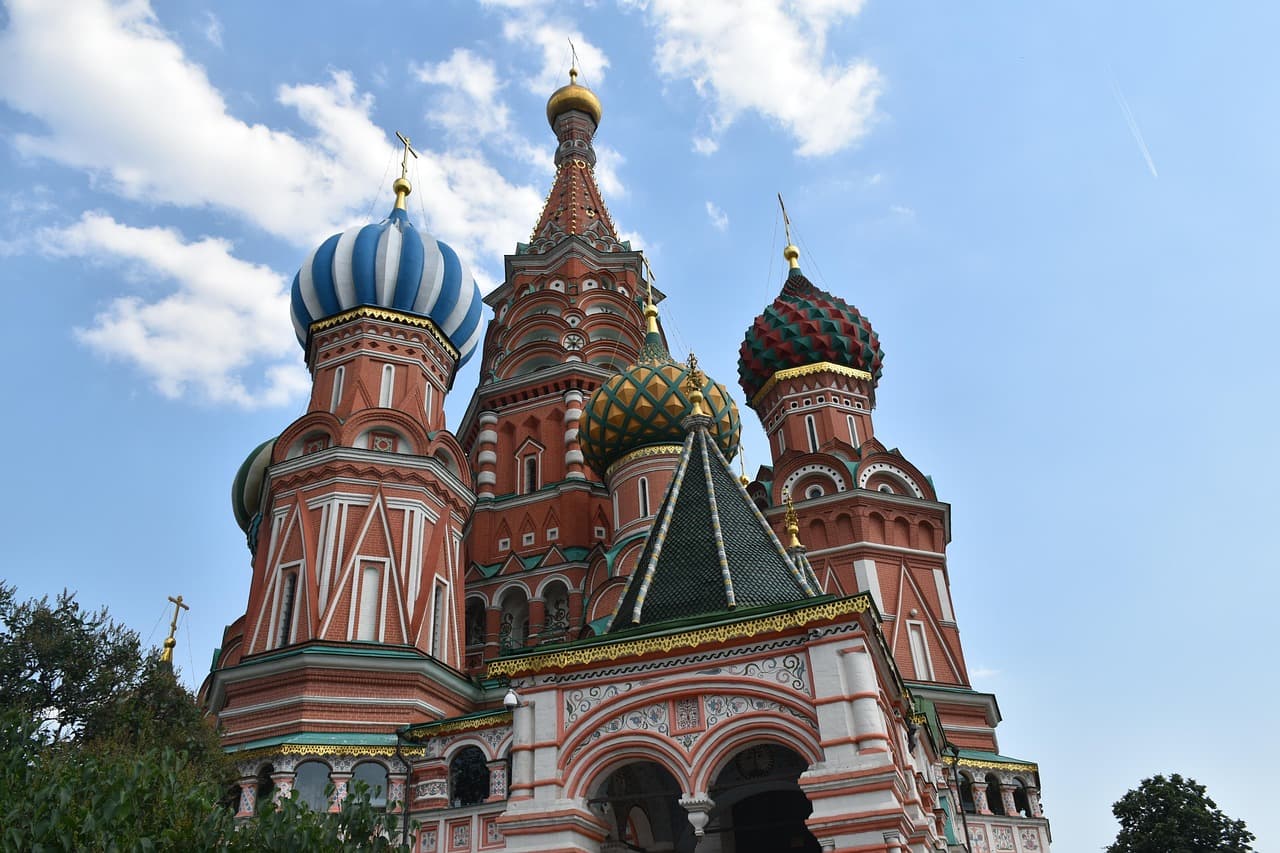
ابدأ في موسكو؛ اقضِ ليلتين لتغطية الساحة الحمراء والكرملين ومتنزه غوركي. التراث القيصري حيوي في القباب البصلية والقصور، المشهورة والسحرية للمستكشفين المباشرين. يوازن الوقت هنا بين كثافة المدينة والنزهات السهلة بالقرب من الساحة وعلى طول مسارات المتنزه لأنه يمكنك تعديل السرعة. ذهب الكثيرون في هذا الامتداد، وتقدم الأسواق القريبة من الساحة سلعًا وريحانًا لتناول وجبة سريعة قبل التوجه إلى الأمام على طول الحزام العابر نحو قازان. سافر العديد من المسافرين في هذا الطريق من قبلك.
المحطة 2، قازان: خصص ليلتين لاستكشاف قلعة قازان، ومسجد قول شريف، وشارع باومان لتناول الطعام والتسوق. الساحة النهرية واسعة، وتمزج المدينة بين التأثيرات الأوروبية والآسيوية، أي الثقافة الأوراسية. جرب أطباق السمك النهري وتصفح الأسواق بحثًا عن السلع؛ تظهر أصداء القيصرية في بعض المتاحف، بينما تدور الحياة الحديثة على طول الطريق. يقضي العديد من السياح وقتًا هنا، وكانت المجموعات السياحية أقل في مواسم الذروة. ويشيرون إلى أسواق قازان باعتبارها نقطة جذب.
المحطة 3، يكاترينبورغ: ابقَ من 1.5 إلى 2 ليلة لمشاهدة كنيسة الدم، ومنظر الأورال البانورامي، والساحة المركزية. استقل قطارًا جبليًا مائلًا سريعًا إلى الجرف للحصول على رؤية واسعة للمدينة ونهر إيسيت. تجول في شارع المشاة، واحتسِ الشاي في مقهى الفناء، وتحقق من كيفية مزج المنطقة بين التراث السوفيتي والفن المعاصر. إذا كنت تريد وتيرة أسرع، فاستقل قطارًا متجهًا شرقًا إلى المحطة التالية؛ يقضي العديد من السياح وقتًا في المتاحف حول تاريخ العصر القيصري وعصر الحصار. ويشيرون إلى أن بعض المعروضات كانت مفيدة للمسافرين.
المحطة 4، نوفوسيبيرسك: خصص ليلتين لاستكشاف دار الأوبرا والباليه الكبرى، وساحة لينين، ورصيف نهر أوب. تستضيف الشوارع التي تصطف على جانبيها المتنزهات أسواقًا حيث يمكنك شراء السلع وتجربة الأسماك الطازجة من أكشاك النهر. يجعل مركز النقل الكبير في المدينة الرحلات اليومية سهلة إلى القرى القريبة، ويوفر الحي العلمي Akademgorodok استراحة هادئة للمسافرين.
المحطة 5، كراسنويارسك: ابقَ ليلتين لزيارة محمية Stolby الطبيعية، ورصيف Yenisei، والساحة الرئيسية. تشتهر المدينة بإطلالات نهرية خلابة وآفاق واسعة؛ يوفر ركوب التلفريك إلى نتوء صخري صورًا بانورامية. تقدم المقاهي المحلية الأسماك والأعشاب؛ التقط الريحان في السوق لإضافة رائحة إلى وجبة عشاء بسيطة. تعتبر النزهة عند غروب الشمس على طول الحزام النهري بالقرب من المتنزه ساحرة عندما يكون الطقس متعاونًا. تحت ظل الأشجار بجوار Yenisei، يمكنك الاسترخاء.
المحطة 6، إيركوتسك: اقضِ من 2 إلى 3 ليالٍ للإقامة بالقرب من بايكال؛ تستحق الرحلات اليومية إلى Listvyanka وصخرة الشامان ذلك. بالعودة إلى المدينة، تجول في الحي التاريخي بجوار النهر، وشاهد كنيسة المخلص، واسترخِ في مقهى في الساحة. إيركوتسك هي في الأساس مركز للهندسة المعمارية المتأثرة بأوروبا الأوراسية والأوروبية، مع منازل خشبية وأسواق حيث يمكنك شراء الحرف اليدوية والأسماك المجففة. يمكن لدش مطر قصير أن ينعش يومًا طويلاً من الاستكشاف.
المحطة 7، هاربين: خصص ليلتين للتنزه في متنزه Zhaolin، والشارع المركزي، وكاتدرائية القديسة صوفيا. لا تزال هاربين مشهورة بشوارعها ذات الطراز الأوروبي والهالة السحرية لعروضها الجليدية الشتوية؛ في الفصول الأخرى، توفر المتنزهات النهرية حزامًا واسعًا من النشاط. تقدم الأسواق المحلية السلع، ويمكنك تذوق الأسماك والحساء الشهي. توفر المدينة نكهة أوراسية مميزة، وهي جسر بين الثقافتين الروسية والصينية. يمكن قضاء الكثير من الوقت في التجول على طول ضفاف النهر والاستمتاع بالأجواء متعددة الثقافات؛ يقولون إن أمسية هادئة بالقرب من النهر هي أفضل نهاية للطريق.
تخصيص الوقت: توزيع الأيام عبر موسكو، يكاترينبورغ، أومسك، نوفوسيبيرسك، كراسنويارسك، إيركوتسك، وفلاديفوستوك
خصص 4 أيام في موسكو، و2-3 أيام في يكاترينبورغ، ويومين في أومسك، و3-4 أيام في نوفوسيبيرسك، و2-3 أيام في كراسنويارسك، و3 أيام في إيركوتسك، و2-3 أيام في فلاديفوستوك. في موسكو، ركز على القلب المصنوع من الطوب الأحمر للمدينة خلال النهار والساعات الذهبية على طول النهر، ثم أضف عرض باليه مسائي ونزهة مع الأضواء على طول الضفاف. قم بتضمين محطة سوق هاربين المحلية للسلع والحرف اليدوية، وبصرف النظر عن المعالم المركزية، استقل خط مترو قصير للحصول على مناظر بانورامية. يكمن الكثير من السحر في التناقضات بين الشوارع القديمة والطاقة الحديثة، لذا حافظ على وتيرة الساعات لتجنب الإرهاق والحفاظ على المرونة للاكتشافات العفوية.
يكاترينبورغ، 2-3 أيام: تجول على الحدود حيث تلتقي أوروبا بآسيا، عبر جبال الأورال وشوارع المدينة المعاصرة. تشمل المعالم البارزة كنيسة الدم، ودار الأوبرا والباليه، والنزهة على طول نهر إيسيت. تكشفت خطة الرحلة بتحالف ثقافي من المتاحف والمعارض؛ ستجد علامات لسلالة عمرها قرن من الزمان في الهندسة المعمارية والتصميم. تجلب الأمسيات الأضواء على الواجهة النهرية؛ قد تسمع موسيقيي الشوارع يدخلون فجأة في لحن، وستتذوق الأطباق المحلية ذات التأثيرات المنغولية التي تردد طرق التجارة الإقليمية وتاريخًا غنيًا عبر الحدود.
أومسك، يومان: استقر في وادي إيرتيش بإيقاع هادئ. قم بزيارة القلعة والمتاحف الإقليمية والعديد من الأسواق حيث تتدفق السلع المحلية من الأكشاك. تساعد الساعات المالية في التخطيط لزيارات المتاحف، ثم يمكنك الاسترخاء في متنزه بجوار الماء أو على طول الشوارع التي تصطف على جانبيها الأشجار الصنوبرية. يمزج جو المدينة بين الحساسيات الأوروبية والآسيوية، مما يوفر الكثير لمراقبته في خط سير رحلة مضغوط.
نوفوسيبيرسك، 3-4 أيام: تستحق أكبر مدينة في سيبيريا وتيرة متعددة الأيام. خصص وقتًا لدار الأوبرا والباليه في نوفوسيبيرسك، ومجموعة المتاحف حول ساحة لينين، وحديقة الحيوان، والحي العلمي أكاديمغورودوك. مع ما يقرب من مليون نسمة، تنبض المدينة بالحياة الحضرية والأنشطة المناسبة للعائلات. تحدد المعالم والمتاحف مدينة سيبيريا الحديثة التي تقع على مفترق طرق التاريخ والبحث، وتكشف عن مجموعة متنوعة من الأنشطة لجميع الأعمار.
كراسنويارسك، 2-3 أيام: استخدم محمية Stolby لترسيخ جزء يركز على التايغا، ثم انزلق على طول نهر Yenisei عبر غابات الصنوبر. كانت الصنوبريات وفيرة في التايغا المحيطة، بما في ذلك البتولا السيبيري وأنواع سيبيريكا في متنزهات المنطقة. تضيف خلفية الجبال دراما إلى المشي لمسافات طويلة في النهار وفرصة للاستمتاع بالهواء النقي، بينما تكشف معروضات المدينة عن روح مدينة نهرية بإيقاع ثقافي مميز ومشهد طعام محلي يمزج بين الأذواق التقليدية والمعاصرة.
إيركوتسك، 3 أيام: استقر بالقرب من بحيرة بايكال لقوس يركز على البحيرة، ثم استكشف الهندسة المعمارية الخشبية التي يعود تاريخها إلى قرن من الزمان والمتاحف في المركز التاريخي. يستمر مزاج التايغا، مع الصنوبريات على طول الخط الساحلي والنزهات على طول الضفاف التي تكشف عن أمسيات هادئة وإحساس بالمساحة الشاسعة. توفر الرحلات اليومية إلى البحيرة سماء صافية ولحظات تأمل، بينما توفر أسواق المدينة وأماكنها الثقافية حرفًا يدوية وعروضًا إضافية تعمق التجربة.
فلاديفوستوك، 2-3 أيام: انتهِ بقوس بحري على طول المحيط الهادئ. تعتبر مناظر الميناء من خليج القرن الذهبي، ومحطات الاتصال في وسط المدينة، والرحلات القصيرة إلى المحميات الطبيعية القريبة مثالية. تمزج الحافة العالمية للمدينة بين التأثيرات الروسية والآسيوية، وستجد نمور آمور في المحميات القريبة التي تجذب الزوار الذين يريدون منظورًا إقليميًا أوسع. عند عبور الشرق الأقصى، تخلق المناظر الطبيعية الساحلية والمأكولات البحرية وأضواء المساء نهاية لا تُنسى للطريق؛ لن تفوتك الإحساس بالاتساع الذي يحدد هذه المرحلة الأخيرة.
الخدمات اللوجستية للسفر بالسكك الحديدية: أنواع القطارات ونوافذ الحجز وحجز المقاعد
احجز المقاعد المحجوزة قبل 60 يومًا على الأقل على معظم الطرق الأساسية؛ خلال مواسم الذروة، ادفع إلى 90-120 يومًا، خاصة بالنسبة للخطوط التي تمر عبر مناطق سيبيريا أو بالقرب من مراكز المدن الرئيسية. الجداول الزمنية دقيقة وغالبًا ما تكون صارمة؛ تشبه الجداول الزمنية الإبر الموجودة على البوصلة، حيث تقلل الخيارات إلى نافذة قليلة الساعات.
- أنواع القطارات وأماكن الإقامة
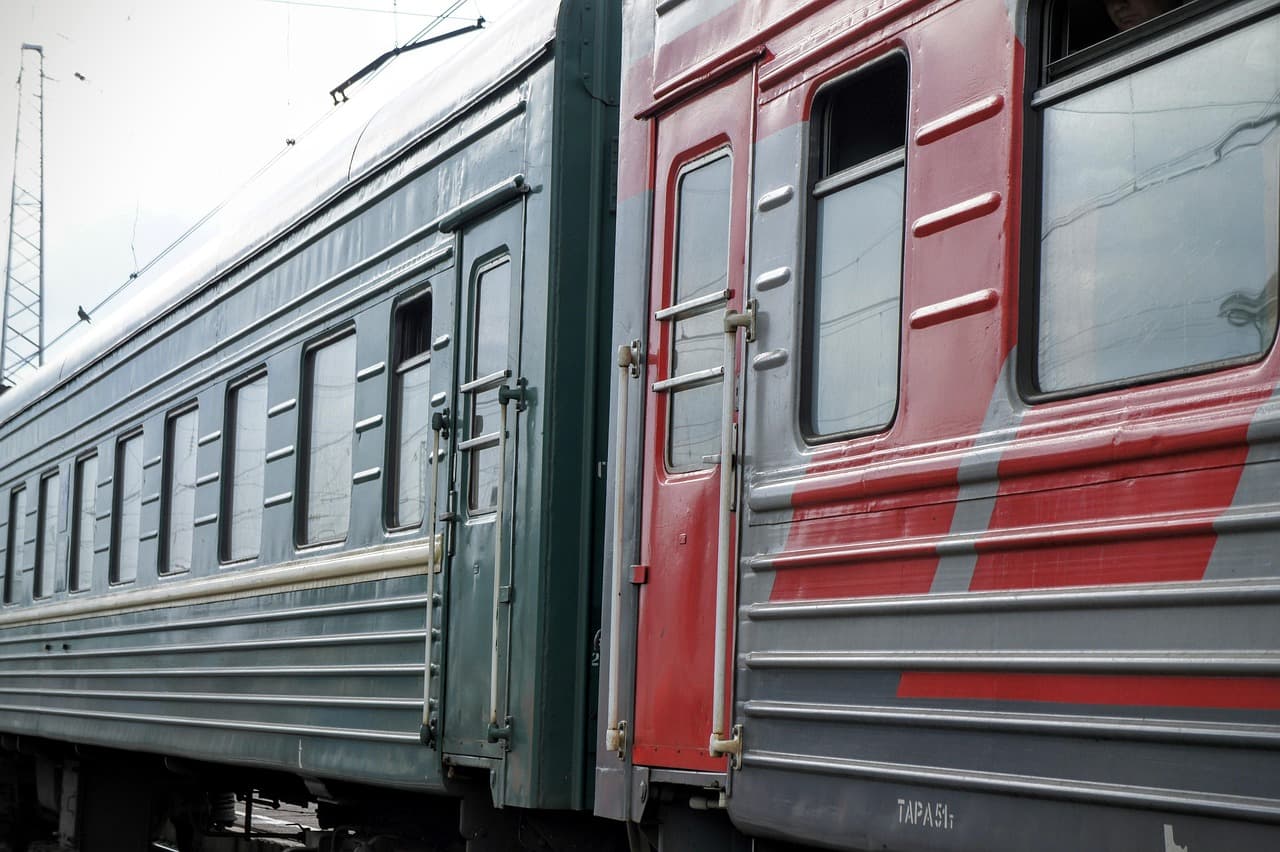
- Platzkartny: عربة مفتوحة ومشتركة مع ثلاثة مسافرين لكل مقصورة؛ فعالة من حيث التكلفة للمسافرين الذين لا يمانعون في البيئات الاجتماعية.
- Kupé: مقصورات مغلقة ذات سريرين مع باب؛ خصوصية أعلى، ومناسبة للمجموعات العائلية أو الأصدقاء.
- خيارات SV والدرجة الأعلى: مقصورات خاصة أو شبه خاصة مع 1-2 سرير؛ راحة محسنة للمراحل الأطول من الرحلة.
- نوافذ الحجز
- تفتح المبيعات العامة قبل حوالي 60 يومًا من المغادرة؛ يمكن أن تتطلب فترات الذروة التخطيط قبل 90-120 يومًا.
- بالنسبة للطرق التي تمر عبر المراكز المزدحمة أو المقاطع ذات المناظر الخلابة بالقرب من البحيرات والأنهار، تمتلئ المحميات بسرعة؛ استخدم موقع السكك الحديدية الرسمي أو الوكلاء الموثوق بهم لتأمين المقاعد وتجنب ضغوط اللحظة الأخيرة.
- حجز المقاعد والنصائح العملية
- المحميات: تأمين المقاعد مسبقًا؛ بالنسبة للعائلات، احجز مجموعة من الأرصفة في نفس السيارة إن أمكن.
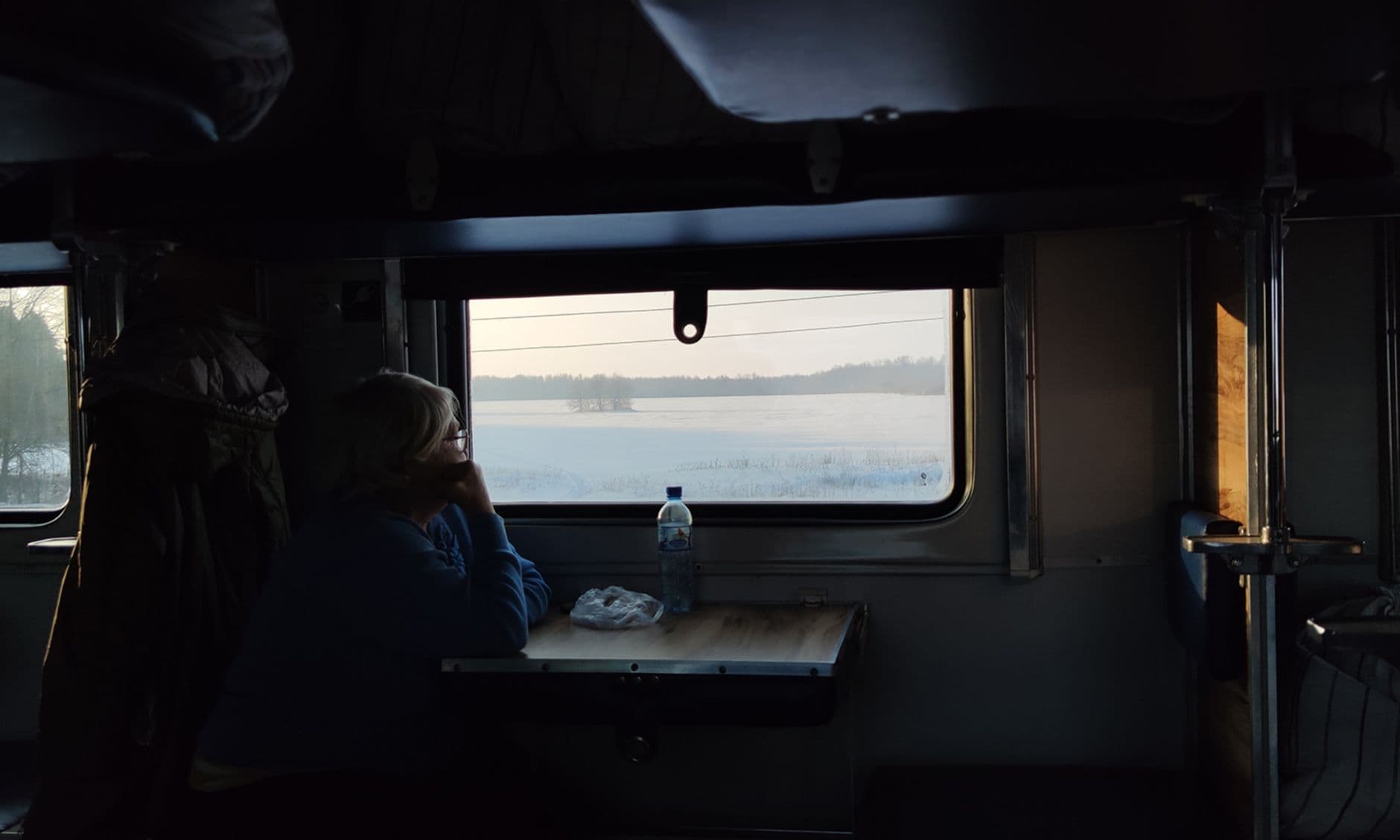
- مواضع النوافذ: تفضل مقاعد النوافذ للاستمتاع بمداخل الأنهار والمناظر البانورامية للبحيرة وأضواء المدينة أثناء الفجر أو الغسق.
- المحطات والوجبات: خطط لتوقف قصير للتمدد؛ عادة ما يتم تقديم العشاء في عربات الطعام أو في العربة، لذا قم بتخزين ما يكفي للمراحل الأطول بين المدن الصغيرة.
- المستندات: جهز جوازات السفر قبل عمليات التحقق من الموقع؛ غالبًا ما تحدث محطات الحدود والجمارك في نقاط محددة على طول الطريق.
- سواء كنت مسافرًا بمفردك أو مع عائلتك، فإن اختيار عربة ذات باب (kupe أو SV) يمكن أن يقلل من الازدحام ويحسن الراحة.
في الطرق التي تمتد عبر السهول الشاسعة والمناظر الطبيعية العابرة، يواجه المسافرون مزيجًا من شوارع المدينة وأقسام الترام وضفاف الأنهار الهادئة؛ تحمل شبكة السكك الحديدية قرونًا من التراث من التصميمات التي تعود إلى الحقبة السوفيتية إلى التحديثات الحديثة، مع القطارات المعروفة والخدمات الجديدة التي تنسج معًا الأحياء الفنية والمواقع المطلة على البحيرة والمدن التجارية. بالنسبة للمخططين، يساعد اتباع نهج استراتيجي - محطة تلو الأخرى، مع تأكيد المحميات مسبقًا، وتحقيق توازن دقيق بين مناظر النوافذ وخصوصية المقصورة - على ضمان رحلة أكثر سلاسة وأمانًا عبر المساحات الشاسعة.