ابدأ بزيارة معرض تريتياكوف للحصول على لمحة عامة عن التراث الفني الروسي. تحتوي مجموعته على أعمال فنية عبر القرون، وتقدم لك مسارًا واضحًا من الرسم الأيقوني إلى الدراسات الحديثة للشكل البشري، مما يوفر لك إطارًا قويًا لكل ما يلي في موسكو.
هل تخطط لزيارة متاحف موسكو؟
دون انتظار — تذاكر وجولات إرشادية لمتاحف موسكو.
احجز جولة →لدراسة التاريخ الطبيعي والعرقي، تقدم قاعة داروين عروضًا في علم الأحافير وأركانًا عرقية مع نماذج ملموسة ودوريات مغمورة تشارك العائلات.
في وسط موسكو، يثبُت هذا المعقد الوطني كأمّ للحياة الثقافية في العاصمة، حيث تضمّ قاعاته أعمالًا لأعظم الفنانين الأوروبيين وأعمالًا روسية عبر العصور.
قاعة التراث الهندسي تجمع بين العلم والتصميم، مع مساحة واسعة تضم نماذج ثلاثية الأبعاد وعروض تفاعلية، مثالية للعائلات والزوار الفضوليين على حد سواء.
في الشتاء، خُطط لزيارة دائرية تبدأ مبكرًا لتجنب التجمعات، وخصص ألف خطوة بين كل مكان؛ حيث تعوض هذه الجولة الصبر بمزاحيات هادئة، ودرجات أمامية، وعمال مستعدين لمساعدتك مع العربات، حتى يمكنك نسيان القلق.
برامج موسمية تشمل غالبًا أعمالًا دولية، بما في ذلك تقاليد النسيج والحرف اليدوية من كيرالا، مما يوضح كيف تسافر الثقافة عبر القرون وتؤثر في الجمهور الحضري.
كل طريق عبر مشهد الفن في موسكو يمكن الوصول إليه مشيًا على الأقدام من محطات المترو، ويمكنك ربط زيارة بمسرحية أوبرا في نفس المنطقة؛ تعال مع خطة، لكن اترك مساحة للاكتشاف لكل سائح.
في الممارسة العملية، هذه النقاط هي بداية أفضل لفهم المشهد الوطني للثقافة البصرية والعلم في العاصمة؛ وتشمل علم الأحافير، علم الأعراق، وحوار فني استمر قرونًا؛ احضر أحذية مريحة وجدول مرن.
المتحف الروسي الوطني: أبرز المعروضات ونصائح عملية لزيارة المتحف
تخطيط جيد وتوقيت لشراء التذاكر عبر الإنترنت يحدد إيقاع جولة مدتها 2.5 ساعة. ابدأ من المدخل الأمامي واختر مسارًا يركز على الأيقونات الوسطى، واللوحات التي تمتد عبر القرون، والفن التجريدي المتقدم في أواخر القرن التاسع عشر وأوائل القرن العشرين. نظام التذاكر بسيط، وهذا النهج المدمج سيحافظ على تركيزك دون ازدحام.
داخل متحف روسيا الدولة، تُرسم المجموعة عوالم الفن الروسي عبر الداخلية المُعاد بناؤها عبر قرون من الإنتاج. تظهر حالة بعد حالة كيف تطورت فنون الأيقونات إلى فن دنيوي على يد فنانين عبر القرون. ومع ذلك، فإن أكثر نقاط الدخول مباشرة هي غرف الأيقونات في الدرجات السفلية وقاعات أواخر القرن التاسع عشر إلى أوائل القرن العشرين.
المجموعات الرئيسية تشمل غرف الأيقونات من القرون الوسطى؛ واللوحات والسينات الجانرية لفناني القرنين الثامن عشر والتاسع عشر البارزين؛ والتجارب في أوائل القرن العشرين التي قام بها كاندينسكي وماليفيتش، والتي تظهر انتقالات في الأسلوب.
نصائح السفر: وصل مبكرًا لتجنب الزحام؛ اشتري عبر الإنترنت، اختر وقتًا محددًا، وخصص 2-3 ساعات. أقرب محطة تضعك على مسافة قصيرة من المدخل؛ وقف في مقهى في منتصف الطريق لتجديد نشاطك. إذا كنت على ميزانية محدودة، استخدم التعليقات الذاتية الإرشاد وRoute مختصرًا بدلاً من جولة كاملة. للخطط العامة، الصباحات أيام الأسبوع أكثر هدوءًا.
بين الزيارات، يمكنك أن تقترن اليوم بتمشية على ضفاف نهر النيفا وزيارة محتملة إلى بيترهوف؛ أما للسائحين المتجهين إلى موسكو، فإن كيتاي غورود يظل نقطة مرجعية كبديل. هذه التجربة هي جوهرة بين كنوز المدينة الثقافية، somewhat under the radar، وتسلط الضوء على تطور الفن عبر القرون والحركات.
ساعات، تذاكر، وكيفية الوصول
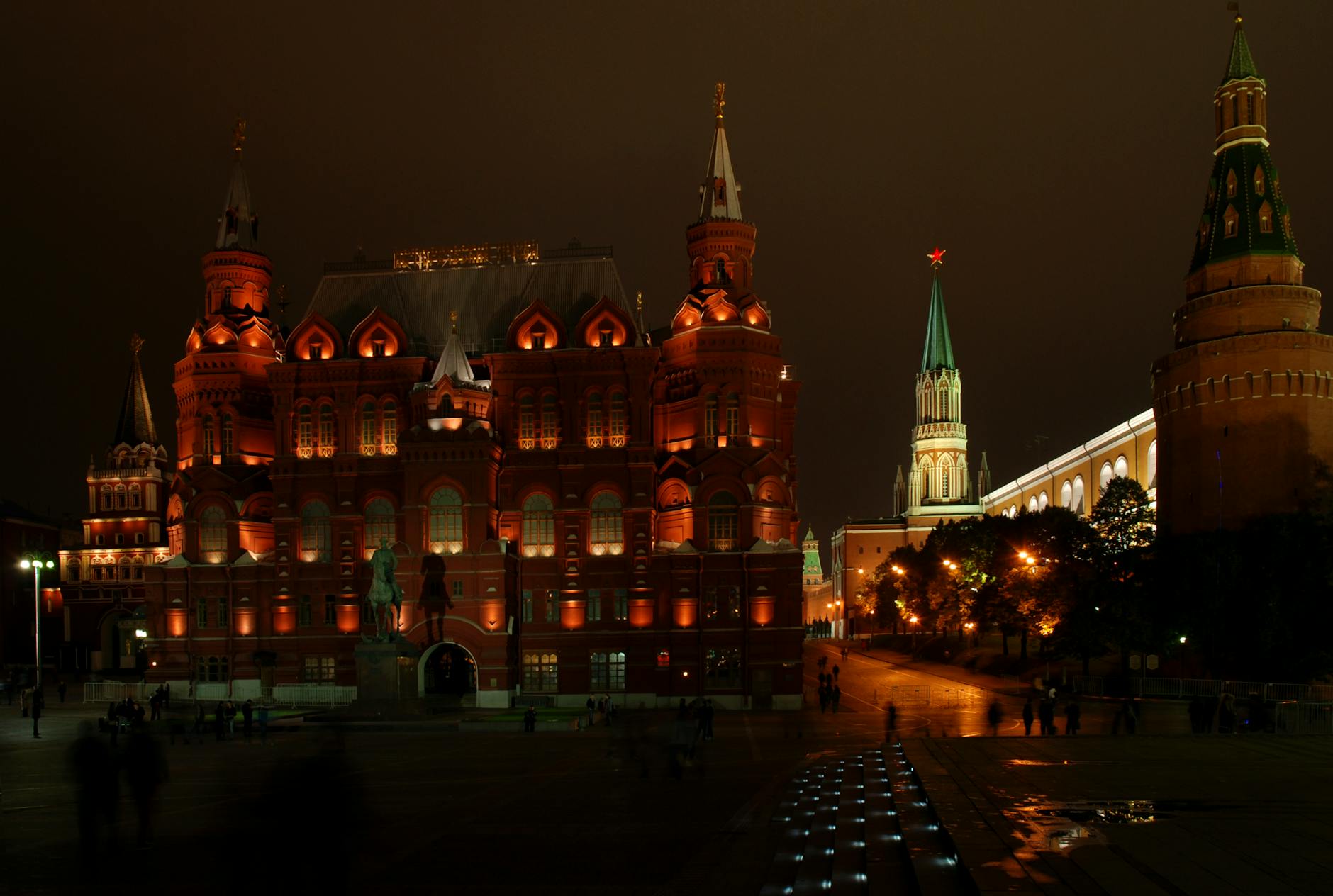
احجز تذاكر الدخول المحدد الوقت عبر الإنترنت قبل 24 ساعة من زيارتك للمواقع الرائدة في العاصمة لضمان الدخول وتجنب الطوابير. تختلف الأسعار حسب المكان؛ عادةً ما تتراوح تذاكر البالغين بين 700 و900 روبل، مع خصومات للطلاب والكبار في السن. الاقتصاد في المال يأتي من استخدام المنصات الرسمية بدلاً من مواقع البيع المتوسطة. تضمين خطة لزيارتين في يوم واحد هو خيار عملي، حيث تقع العديد من المواقع ضمن نظام نقل عام موحد وقريبة من المعالم التاريخية.
ساعات العمل تختلف حسب المكان. معظم المساحات المركزية مفتوحة من الثلاثاء إلى الأحد من الساعة 10:00 حتى 18:00، مع فتحات متأخرة في الجمعة والسبت حتى حوالي الساعة 21:00 في المساء. الإغلاق يوم الاثنين شائع. تأكد دائمًا من وقت الدخول الأخير على الصفحة الرسمية قبل يوم زيارتك. تمتد القاعات الضخمة على عدة طوابق؛ خصص 2-3 ساعات لمكان واحد، و4-5 ساعات إذا كنت تخطط لزيارة عدة مساحات قريبة.
وصولك: استخدم وسائل النقل العام؛ حيث تخدم مترو العاصمة مسارات مركزية بخدمات متكررة حتى وقت متأخر. أقرب محطات تقع على مسيرة قصيرة من كل موقع؛ تحقق من الخريطة على شارات الدخول. لإنهاء مميز، استقل عربة تقليدية حول الساحات المركزية في المساء، مع رؤية قبة كاتدرائيات الأرثوذكسية. توفّر سيارات الأجرة وخدمات مشاركة الركوب بكثرة، لكن احسب تكاليف الزيادة في ساعات الذروة. يوجد مواقف سيارات في المناطق القانونية حول الحي، مع تحديد الأسعار بالساعة. إذا كنت تستكشف بميزانية محدودة، اجمع بين النقل والمشي في المساحات العامة والمتاجر حول المواقع.
الوصول والخدمات: غرف حفظ الملابس، وإرشادات صوتية متعددة اللغات، ورفع كهربائي إلى معظم الطوابق. متاجر الهدايا تعرض نسخًا من الأيقونات والمنسوجات المستوحاة من الألبسة. المساحات العامة القريبة والمقاهي توفر مقاعد، مما يسهل تمديد الزيارة حتى المساء واستمتاعك بأسلوب العمارة المتنوع في العاصمة، والنصب التذكارية، والجو التاريخي، بما في ذلك آلاف التفاصيل التي تثير إعجاب الزوار لأول مرة وكذلك الزوار المتكررون.
المعارض الحالية والمطلوبة للزيارة
ابدأ من متحف غاراج للفن المعاصر بالقرب من حديقة غوركي، حيث تتكشف سردية المدينة المعاد بناؤها عبر مواد أرشيفية وأداء حي؛ تتقاطع المسار عبر جسر للمشاة إلى حي بولشوي وتنتقل عبر كيتاي غورود، وتقدم جولة مختصرة تبرز كيف يعالج كل فضاء الذاكرة والأشياء والعملة. إذا تردد، خذ جولة مدتها ساعتين وحجز وقت للأداء في الفناء-هذه التجربة تستحق الإيقاع الثابت والفضول.
- متحف غاراج للفن المعاصر (حديقة غوركي) - يركز البرنامج الحالي على إعادة بناء مشهد مديني، حيث يجمع بين تركيبات كبيرة وأداء فني يتحرك بين الداخل وفناء المتحف. انتظر سلسلة من العناصر المستمدة من المواد الأرشيفية، مع مراجع زمنية تمتد من أواخر القرن العشرين إلى أوائل الألفية الجديدة؛ حيث يبرز المسار حول الحرم الجامعي كيف يمكن أن يصبح المساحة العامة معرضًا حيًا، مما يجعله جذابًا للزوار لأول مرة وكذلك للمستكشفين المتكررين.
- متحف موسكو للفن الحديث (MMOMA) - بين الأشياء: استكشاف كيفية تواصل الأشياء المادية مع الذاكرة، مع عرض تركيبات نسيجية مستوحاة من كيرالا، إلى جانب قطع من المعدن والزجاج التي تبدو كقطع أثرية ثمينة. يقع المعرض بالقرب من منطقة زارادى، ويقدم جولة متركزة تدمج المشاهدة البطيئة مع التغيرات السريعة في المزاج؛ اتصل مسبقًا لتأكيد أي عروض مرتبطة ببرنامج نهاية الأسبوع.
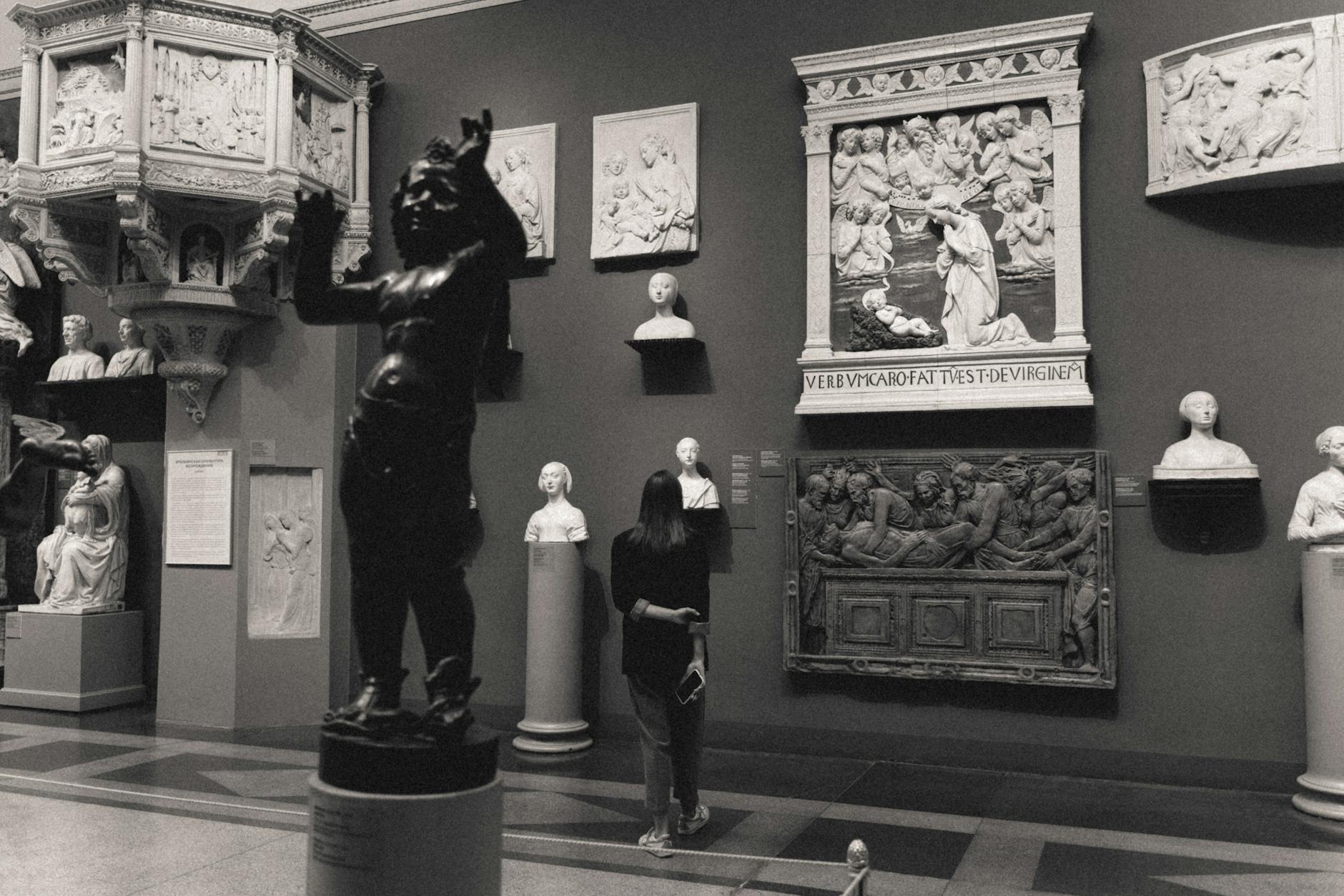
- متحف بوشكين الوطني للفنون الجميلة - صدى المدينة يجمع اللوحات الإعلانية والطباعات والتغليف من عقد العشرينات إلى الستينيات، ويضفي صور العملات والتماثيل النقدية في حوار أوسع حول التصميم والدوران والذوق العام. تعرض المعرض تحديات لمفاهيم شائعة حول الجمالية في تلك الفترة، وتقدم خطًا متواصلًا عبر الغرف، مع إمكانية الوصول حتى نهاية موسم الربيع؛ الموقع سهل الوصول إليه من ممرات بولشوي وكيتاي-غورود.
أعمال وأعمال فنية رئيسية يجب التركيز عليها
ابدأ بزيارة مجموعة المعرض الرئيسي لمتحف تريتياكوف لتعميق فهمك مع الفنانين الروس، من الأيقونات المشهورة إلى اللوحات في أواخر القرن التاسع عشر. هذه القاعة التي تضم الأعمال البارزة تكشف عن قوة التعبير الثقافي الوطني وأثاره؛ خصص 2-3 ساعات لاستكشاف المكان بالكامل، مع وجود خيارات نقل قريبة وواي فاي في معظم القاعات. لرحلات حول منطقة الكاتدرائية، تقدم موسكو، قلبها الثقافي حول منطقة الكاتدرائية والكنائس، سياقًا يثري تجربة المشاهدة.
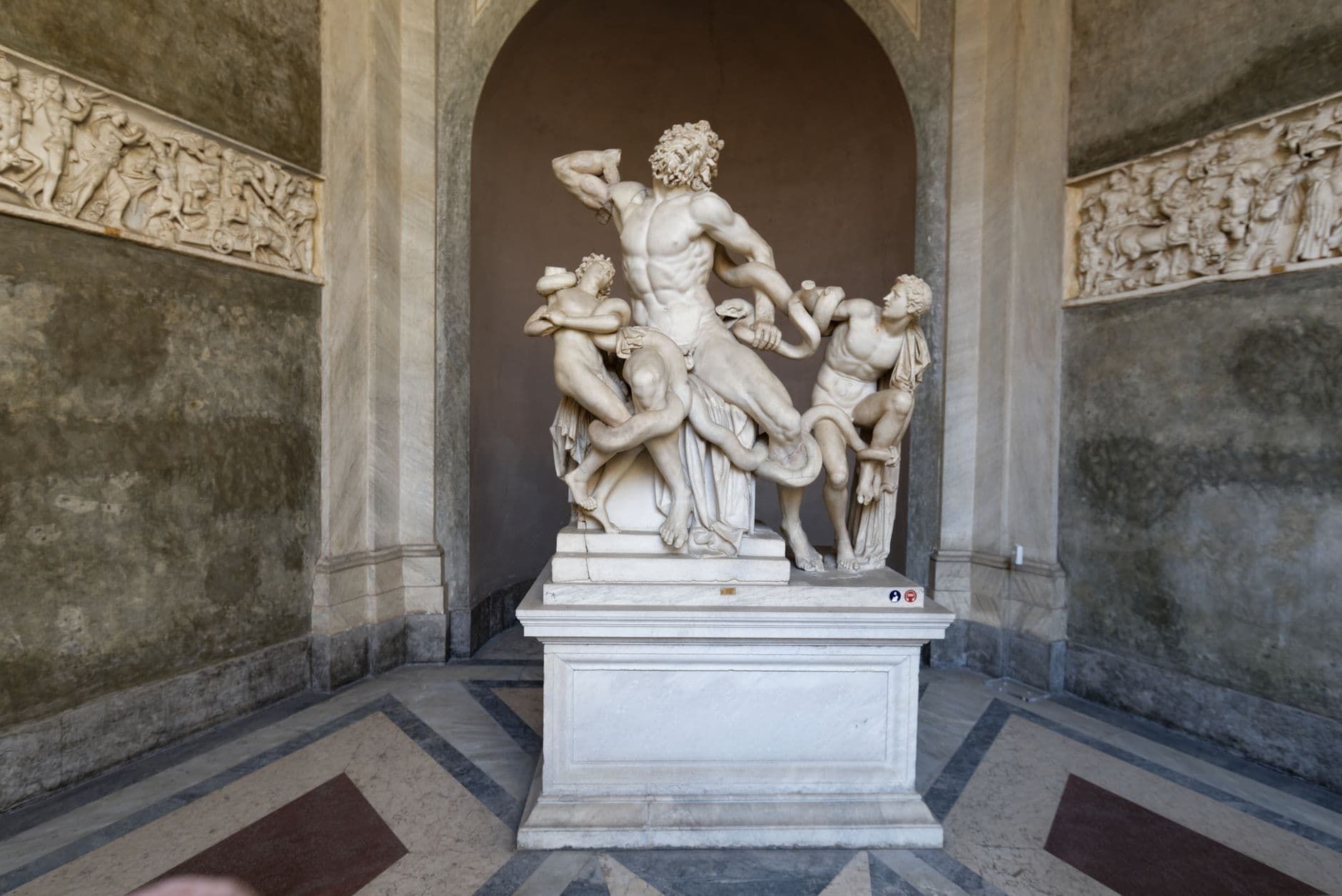
ثم زُرِ متحف الفنون الجميلة بجامعة بوشكين لدراسة أعمال الفنانين الأوروبيين والنحت الكلاسيكي، حيث يوفر عرضًا شاملًا ومتعمقًا يسلط الضوء على الحوار بين المدارس الغربية والردود الروسية. ستجد بعض اللوحات الشهيرة، وقد يوسع هذا الزيارة أفقك الثقافي من خلال قاعات مضاءة جيدًا وفناء هادئ.
المتحف التقني يعرض قطعًا فضاءية، ومجموعات من الأدوات، وأنشطة تفاعلية تشارك الزوار، بما في ذلك المعروضات المتعلقة بالحيوانات لتوضيح الحياة في العلم. الموقع يقدم لافتات عملية باللغة الإنجليزية، وتخطيطات مريحة، وتوفر واي فاي، مما يجعله محطة مريحة بين برامج أخرى للسفر.
داخل الكرملين، تحفظ غرفة الخزانة الرئيسية كنوز الدولة الرئيسية والأدوات التاجية، وهي مرتبطة بالكنائس والكاتدرائيات؛ حيث يعرض هذا المكان قوة موسكو الطقسية ونظام الرموز المحيطة بالسلطة.
| متحف تريتياكوف (المجموعة الرئيسية) | أعمال فنية روسية، أيقونات، من القرن الحادي عشر إلى التاسع عشر؛ تطوير اللغة البصرية الوطنية؛ مخزن رئيسي للكنوز |
| متحف بوشكين الوطني للفنون الجميلة | مدارس أوروبية، نحت، قاعات معرض محدثة؛ بعض اللوحات الكلاسيكية التي شكلت الذوق الحديث |
| متحف البوليتكنيك | علوم، قطع فلكية، من خلال أنشطة تفاعلية؛ معارض مزودة بالواي فاي؛ عروض متعلقة بالحيوانات |
| قصر الأسلحة الكريمليني | كنوز الدولة، أغراض التتويج، وأعمال فنية مرتبطة بالكنائس والكاتدرائيات؛ قاعة رئيسية توضح السلطة والاحتفالات |
زيارة التدفق: المسار، الجدول الزمني، وإدارة الحشود
ابدأ من مسرح تياترالنا في الساعة التاسعة صباحًا بدقة، واشترِ تذكرة دخول موقتة لاثنين من المعالم، وخطط لLoop مكثف لمدة ثلاث ساعات لتجنب التجمعات في جميع أنحاء المدينة. احتفظ بذهنك واضحًا، تحرك دون عجلة، واستمتع بالعمارة الرائعة التي تمتد عبر القرون بينما تجنب التجمعات.
- مخرج "تياترالنايا" → اتجه نحو الحي التاريخي، مع التوقف لتقدير العمارة والسقوف الزخرفية؛ خصص 75-80 دقيقة للمكان الأول، واستخدم المدخل الجانبي إذا كان متاحًا لتجنب الزحام.
- اتجه إلى منطقة الثالوث بالسيارة الأجرة أو مشيًا على قدميك؛ تحقق من أوقات الحدث واهدف إلى 40-50 دقيقة لاستيعاب الجو دون إزعاج الرؤية.
- انتهِ في منطقة على ضفاف النهر أو في مركز المدينة الحديث؛ حدد ميزانية 40-50 دقيقة واغادر حوالي الساعة 12:30-13:00 لتجنب الأوقات الأكثر ازدحامًا؛ يمكن استخدام سيارات الأجرة في المرحلة الأخيرة إذا لزم الأمر.
- احجز عبر الإنترنت مسبقًا واختر فترات غير الذروة للحفاظ على سلامتك وتجنب الطوابير الطويلة.
- وصل خلال ساعات العمل أو بعد الغداء في الأيام المزدحمة؛ إذا لم تستطع، استهدف النوافذ المتأخرة لتقليل حركة الزوار.
- حمل خريطة خفيفة مع علامات واضحة؛ شارك طريقك مع رفيق للحفاظ على التنسيق في الأماكن المزدحمة.
- ابقَ مرنًا: إذا امتلأ مكان ما، انتقل إلى مكان قريب للحفاظ على إيقاع ثابت دون فقدان الزخم.
للمتطلعين إلى تجربة أكثر غنى، يُنصح بالبرامج التي تشمل جولة قصيرة موجهة من مسرحنا إلى مركز قريب على شكل قلعة، يعرض أعمال زوراب والأحداث ذات الصلة؛ حيث تضيف هذه المسارات توقفات موجهة وتوجيهات واضحة. تُرضي هذه المسارات رغبات السياح وتدمج الفن مع العمارة والتاريخ، وتوفر تجارب آمنة ومدارة جيداً للزوار في كل مكان.
الوصولية، المرافق، والخيارات الموجهة
اختر مكانًا في كيتاي-غورود (الحي الصيني) يتوفر فيه دخول بدون درجات، ومصعد، وخيار جولة موجهة محجوز مسبقًا بالروسية أو الإنجليزية لتجنب التجمعات أثناء الزيارة، دون المساس بالرفاهية.
التصاميم الداخلية الرائعة تتناغم مع سهولة التنقل: حيث تتوفر مداخل واسعة، ومصاعد، وعلامات على الأرض لمسها، وورقات وصفية بالبرايل مع معظم المعروضات الرئيسية. تقدم الخرائط الكبيرة مسارات والمكانات القريبة؛ حيث يتم تدريب الموظفين لمساعدة الزوار الذين يعانون من difficulties في الحركة أو الرؤية، وتوفر وصفات صوتية بلغات متعددة. يمكن ترتيب مترجمين للغة الإشارة مسبقًا، وغالبًا ما تتناسب مع جدولك.
المرفقات تشمل مساحات للراحة، حمامات متاحة للجميع، غرفة تخزين للملابس، تخزين لمقاعد الأطفال، ومقهى؛ كما أن مركز تجاري قريب يحتوي على مقاعد ومجالات صديقة للأطفال، مما يوفر راحة للزوار مع مرافقهم. حجم المعرض مهم لتخطيط الزيارة، حيث تقدم المسارات تدفقًا جميلًا بين المعروضات، مع لافتات واضحة تعرض المعلومات بوضوح.
الخيارات الموجهة تشمل جلسات خاصة أو مجموعات صغيرة باللغة الروسية أو الإنجليزية، مع تعليقات تناسب اهتمامات مختلفة. يمكنك الحجز مسبقًا لتوافق مع الفترات المتاحة؛ غالبًا ما يتوسع البرنامج ليشمل مناقشات حول التاريخ، والأعلام الروس، والأشياء notable مثل عروض الماس التي تبرز المهارة الحرفية. بعض المسارات تستكشف تخطيطات عصر البطريركية، وتقدم مقارنة بين الزوايا القديمة والمميزات الحديثة، كجزء من برامج متطورة تحافظ على إبقاء الزيارة جديدة؛ قد يتم تسليط الضوء على أعمال تسيرتلي في هذه المحاضرات.
قريبًا من المعالم والنقل: في كيتاي-غورود، تربط المخرجات شبكة من الأنفاق وميدان رياضي قريب؛ زيارته في وقت متأخر من بعد الظهر يوفر جموعًا هادئة. إذا كنت قادماً مع شركة، خطط لزيارة بعد نزهة في حديقة غوركي أو استخدم مدخل شارع 56 عندما يكون متاحًا لإدارة الوقت وتجنب الجموع خارج ساعات الذروة.