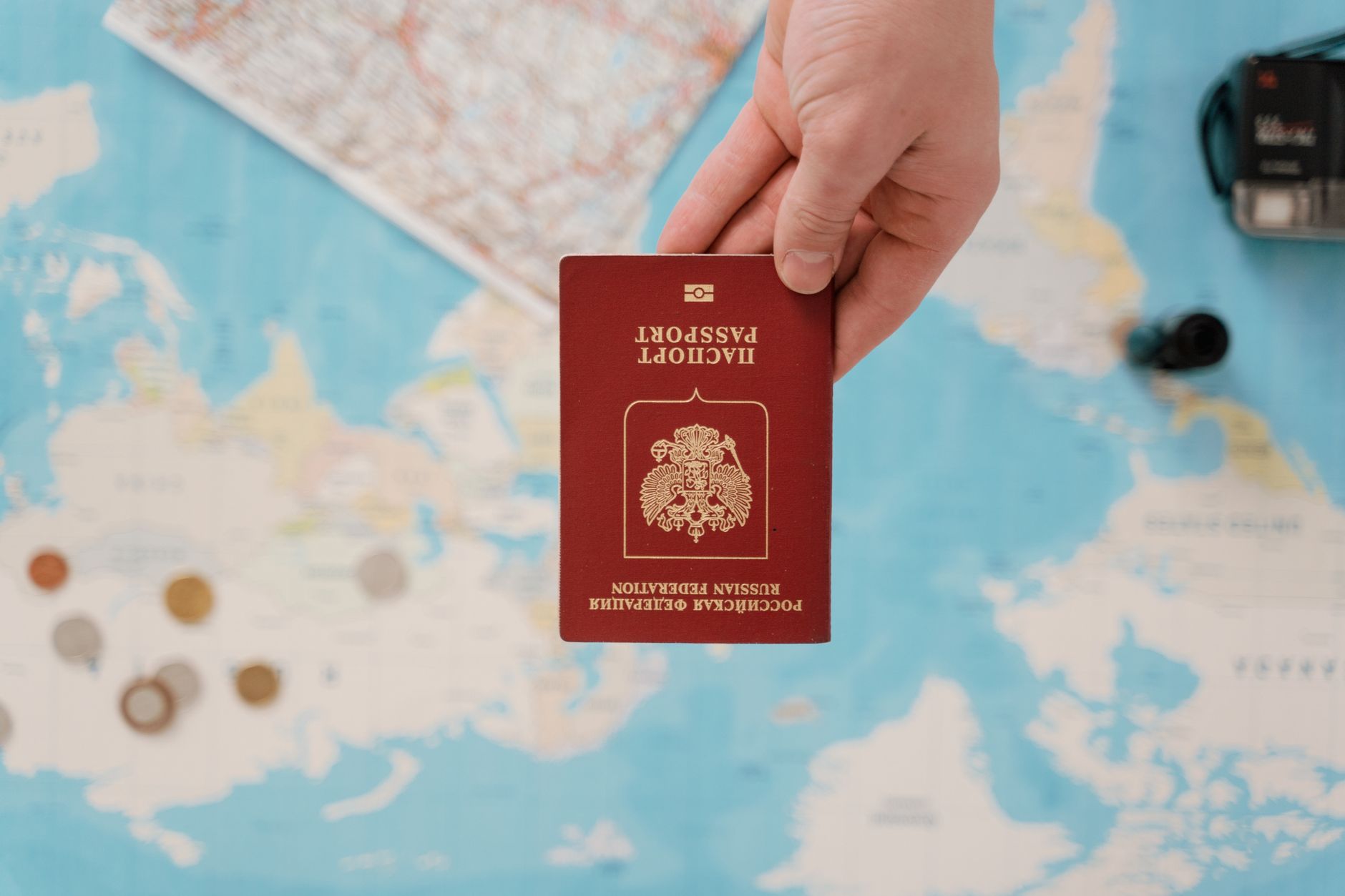
Understanding the various types of visas required for crossing the borders of Russia is an important step for any traveler. The visa application process can be complex, and having clarity on the specific requirements will allow you to make informed decisions regarding your travel plans. Each type of visa serves different purposes, whether for tourism, business, or family visits. By exploring these options in detail, you can ensure that your journey aligns with the relevant authorities’ conditions.
Obtaining a visa to Russia often involves filling out significant paperwork and making appointments. Travelers need to be ready to provide relevant documents, such as an invitation letter, insurance, and a signed application form. The process may seem daunting, especially when considering the number of hours needed for approval and the potential for issues if your application is not submitted correctly. However, understanding the right type of visa will simplify the journey, ensuring that you arrive without complications.
For instance, tourists may require a double-entry visa, while business travelers will need to adopt different protocols. Additionally, it’s vital to keep track of important dates, as visas can be issued with specific time frames and expiration conditions. Whether you are considering a trip to Saint Petersburg or exploring the far reaches of Vladivostok, research into your visa will allow for a smooth disembark upon arrival. As you prepare for your travels, take the time to investigate your options and align them with your planned itinerary.
فهم أنواع التأشيرات إلى روسيا
When planning a trip to Russia, understanding the various visa types is crucial. Different nationalities have specific needs and regulations, so it is important to select the correct visa based on the purpose of your visit. The primary categories are tourist, business, student, and work visas. Each type has its own requirements and procedures.
For example, a single-entry tourist visa allows travelers to enter Russia once for a short duration, typically up to 30 days. This type is particularly popular among visitors from countries like Italy, Luxembourg, and Andorra who wish to discover Russia’s rich culture. Regular entries might require a multi-entry visa, which permits multiple visits within a specified time frame.
Students planning to study in Russia need to apply for a student visa, which generally covers the entirety of their course duration. If students arrive with the intention of enrolling in a Russian educational institution, they must ensure that their applications are submitted well in advance to avoid any delays.
| Visa Type | Purpose | مدة الإقامة | Entries |
|---|---|---|---|
| Tourist Visa | Leisure Travel | Up to 30 days | Single or Multiple |
| Business Visa | Business Activities | Up to 90 days | Single or Multiple |
| Student Visa | Educational Purposes | Duration of Study | Single |
| Work Visa | توظيف | Usually up to 1 year | Single |
As indicated, the application process for each visa can vary significantly. Participants must fill out specific formularies, and documentation, including invitations or acceptance letters, must be submitted. Errors in documentation may lead to deportation or refusal at the border. It is always advisable to double-check your documents and procedures when preparing for your visa application.
Further inquiries can be directed to the Russian embassy in your country, where consular officers are able to provide guidance and information on making your application as smooth as possible. Certain forums online can also offer valuable insights from previous applicants, which may help you navigate your visa process better.
Differences Between Tourist and Business Visas
The choice between a tourist visa and a business visa for Russia primarily depends on the purpose of your visit. A tourist visa is designed for individuals traveling for leisure, while a business visa is intended for those engaging in professional activities.
Tourist visas are typically easier to acquire and generally come at a lower price than business visas. They allow for a short stay in the country, usually granting single-entry access valid for up to 30 days. In contrast, business visas can provide longer durations, with multiple-entry options available, making them suitable for individuals who need to travel frequently for work. Applicants must carefully consider their plans and choose the appropriate type based on their itinerary.
When applying for a tourist visa, individuals typically need to provide a travel itinerary, hotel accommodation details, and a travel insurance letter on letterhead. Business visa applications, however, require additional documentation such as an invitation letter from a Russian company, often signed and stamped, which must outline the purpose of the visit and the duration of stay. This letter serves to prove the legitimacy of the business purpose.
Both visa types require registering with the local authorities upon arrival in Russia if you plan to stay longer than 7 days. This registration step is crucial and should be completed immediately to avoid any legal issues. In cities with high international business activity, such as Moscow and St. Petersburg, the process may be faster, though it is essential to allow sufficient time for potential delays.
The application process for either visa can vary in complexity and processing times. For business visas, applicants might face additional scrutiny, as embassies may need to assess the legitimacy of business relationships. Tourist visa applications, while generally more straightforward, can still have points of rejection if the required documents are not properly filled out.
Once approved, both visa types may offer options for extension, but the process and conditions can differ significantly. Business visa holders often find it easier to extend their stay compared to tourists, especially if they have ongoing engagements with a host company.
In conclusion, the main differences between tourist and business visas involve the purpose of travel, duration of stay, documentation required, and the complexity of the application process. It is essential for applicants from countries such as Switzerland, Hungary, India, Italy, and Monaco to consider these factors carefully when planning their trip to Russia.
Eligibility Criteria for Various Visa Types
Understanding eligibility criteria is crucial for applicants seeking visas to Russia. Each visa type has its own specific rules that pertain to different nationalities and purposes for travel. For instance, the tourist visa typically allows individuals from countries like Luxembourg and Austria to stay for a maximum of 30 days, provided that they have a signed invitation from a registered host or a certificate from a travel agency.
Those applying for an academic visa must submit applications that include proof of enrollment in an educational institution recognized by the Federation. This may involve providing an official invitation from the host university and a copy of the academic identity card. The procedures require applicants to print and sign documents certifying their eligibility well in advance of their intended study period.
Single-entry visas typically apply to short visits rendered for tourism or business purposes. Applicants are advised to avoid expired documents during the submission process. In addition, any required payment for processing should be done promptly to avoid delays. For instance, payment confirmation must be submitted within a specified deadline, usually within ten days of the application date.
For those wishing to work in Russia, a work visa demands a different level of eligibility, including a valid job offer from a Russian employer. This requires the employer to be registered with the correct authorities and to have a certificate proving the need for foreign labor. Employers must also submit documents demonstrating compliance with local labor laws.
Visa registration is a critical step during your stay in Russia. The visa-registrationhseru process must be completed within seven days of disembarkation. Failure to do so could lead to deportation, which emphasizes the importance of adhering to specified instructions provided by consulates and regional representatives.
Lastly, specific visas related to humanitarian or women’s support require applicants to provide evidence of their activities and permissions from respective organizations. Each application must be assessed on an individual basis, so it is essential to thoroughly review all requirements before submission.
Duration of Stay for Different Visa Categories

The duration of stay in Russia varies significantly based on the type of visa held by the traveler. Understanding the specific rules associated with each category can help individuals plan their journey effectively and avoid any issues during their visit.
For a tourist visa, commonly referred to as a “regular” visa, the duration is generally limited to 30 days. Travelers should ensure they have the appropriate documents, including a valid invitation certificate, to cover their stay. However, under certain conditions, this visa may be extended, allowing guests to remain in Russia for a longer period, but approval from a local immigration officer is necessary.
Business visas can be more flexible. They are usually issued for 90 days but can be processed for longer durations, such as 6 months or even a year, depending on the needs of the holder. It is important for business representatives to check the latest rules and make sure their applications are complete to avoid cancellations due to insufficient documentation.
Student visas are also an option for those planning to study in Russia, with durations that typically match the length of the academic program. Students should be aware that they must register their residence and have the proper “dormitory” or “apartment” arrangements to maintain their legal status while residing in the country.
For individuals seeking a longer-term stay, the work visa provides options for extended durations, which can range from 3 months to 5 years. This visa is important for demonstrating a legitimate reason for long-term residence in Russia, whether for employment or other professional activities.
It is also worth noting that different regions, such as Vladivostok or cities in Slovenia, may have specific requirements regarding processing times and eligibility criteria. Travelers should always call the relevant embassy or consulate for the most current information applicable to their situation.
To summarize, the duration of stay based on visa types in Russia varies significantly. Before entering the country, it is crucial to thoroughly understand the specific requirements and prepare all necessary documents, including a recent photograph and valid invitation. This careful preparation will help avoid any dates of stay confusion or issues during immigration procedures.
Common Misconceptions About Russian Visas
When traveling to Russia, many people encounter misconceptions that can lead to confusion and stress. Understanding these common myths can help you navigate the visa application process more smoothly.
- Visa Types Are Limited: Many believe that there are only a few types of visas available. In reality, Russia offers various visa categories, including tourist, business, and academic visas. Each is tailored to specific purposes, ensuring that travelers can find the right option for their journey.
- Registration is Not Necessary: Some travelers think that once they arrive in Russia on a visa, registration is optional. However, the law stipulates that foreigners must register their visas within 7 working days of arrival. Failing to register can lead to fines and complications during your stay.
- Insurance is Optional: There is a perception that travel insurance is not required for obtaining a visa. However, the consulate often requires medical insurance that covers the duration of your stay in Russia. Without it, your visa may be denied.
- Only Hotels Can Register You: A common myth is that only hotels can handle visa registration. While hotels can assist with this process, private individuals or dormitories can also register foreign guests. It is essential to know who is responsible for completing this requirement to avoid being lost in bureaucratic procedures.
- Extension is Impossible: يعتقد البعض أنه لا يمكن تمديد التأشيرات في روسيا بعد الوصول. هذا غير صحيح؛ مع الوثائق المناسبة وطلب مكتمل مسبقًا، من الممكن التقدم بطلب للحصول على تمديد في وزارة الداخلية المحلية.
- الحاجة إلى تحويل الأموال لكل طلب: ثمة اعتقاد خاطئ بأن طلبات الحصول على التأشيرة تتطلب دائمًا رسومًا أو مدفوعات كبيرة مقدمة. يمكن أن تختلف الأسعار، ولكن يحتاج المسافرون إلى التأكد من الرسوم الحالية لدى القنصلية أو مركز التأشيرات المسؤول. قد لا يحتاجون دائمًا إلى تحويل مبالغ كبيرة من المال لمجرد تقديم الطلب.
- لا توجد تأشيرات أكاديمية للبرامج القصيرة: يعتقد الكثير من الناس أن التأشيرات الدراسية متاحة فقط للدراسات طويلة الأجل. ومع ذلك، يمكن لبرامج التعليم قصيرة الأجل، بما في ذلك المدارس الصيفية، أن تكون مؤهلة غالبًا للحصول على تأشيرة دراسية، بشرط أن تكون المؤسسة التعليمية معترف بها.
- لدى لوكسمبورغ وأندورا قواعد مختلفة: غالبًا ما يعتقد المسافرون من لوكسمبورغ أو أندورا أن لديهم قواعد مختلفة يجب اتباعها عند التقدم للحصول على تأشيرة روسية. في الواقع، تتماشى متطلبات هذه البلدان بشكل كبير مع تلك الخاصة بالدول الأخرى في الاتحاد الأوروبي، مما يجعل العملية مماثلة.
- السفر مع العائلة أمر معقد: يشير بعض المشاركين في منتديات السفر إلى أن الحصول على تأشيرات لأفراد الأسرة يمثل مشقة. في حين أنه قد تكون هناك حاجة إلى وثائق إضافية، إلا أن العملية تميل إلى السير بسلاسة عند إعداد جميع الأوراق اللازمة بشكل صحيح.
- السفر إلى مدينة سانت بطرسبرغ تجربة مختلفة: هناك مفاهيم خاطئة مفادها أن إجراءات محددة تنطبق فقط على أولئك المسافرين إلى مدن مثل سانت بطرسبرغ. تنطبق قواعد الحصول على التأشيرات وتسجيلها بشكل عام على جميع مناطق روسيا.
من خلال التعرّف على هذه المفاهيم الخاطئة، يمكنك الاستعداد بشكل أفضل لزيارتك إلى روسيا. احرص دائمًا على قراءة أحدث الإرشادات من المصادر الرسمية وتأكد من استيفاء جميع المتطلبات قبل الشروع في رحلتك.
تصفح عملية طلب الحصول على التأشيرة
قد تبدو عملية طلب التأشيرة إلى روسيا شاقة، ولكن بالتوجيه السليم، يمكنك اجتيازها بنجاح. أولاً، من المهم تحديد نوع التأشيرة التي تحتاجها. تقدم روسيا خيارات متنوعة، مثل تأشيرات الدخول الفردي والمزدوج، اعتمادًا على خطط سفرك. تأكد من جمع جميع المستندات الضرورية قبل البدء في عملية الطلب.
إذا كنت بالفعل في موسكو أو أي مدينة رئيسية أخرى، يمكنك زيارة مركز معالجة أو وكالة متخصصة في خدمات التأشيرات. يمكنهم مساعدتك في ملء نموذج الطلب والتأكد من أن كل شيء على ما يرام. وإذا واجهت أي أخطاء خلال هذه العملية، يُنصح باستشارة متخصص لتجنب التعقيدات.
بالنسبة للتأشيرات الإلكترونية، تكون العملية عادةً أبسط، مما يسمح لك بالتقديم عبر الإنترنت. ومع ذلك، يرجى الانتباه إلى أنه لا تقبل جميع مناطق روسيا التأشيرات الإلكترونية، لذا تحقق مما إذا كانت المنطقة التي تقصدها تسمح بالدخول بهذا النوع من التأشيرات. بعد تقديم طلبك، ستتلقى إشعارًا يؤكد حالة المعالجة. يمكن أن يختلف طول مدة المعالجة، لذا كن على دراية بذلك عند التخطيط لموعد مغادرتك.
تذكر أنه عند الوصول إلى روسيا، يجب عليك تسجيل تأشيرتك في غضون سبعة أيام عمل في مركز الشرطة المحلي. قد يؤدي عدم القيام بذلك إلى غرامات أو مشاكل أثناء إقامتك. تتضمن عملية التسجيل تقديم المستندات اللازمة وتأكيد إقامتك، والتي قد تشمل عنوان سكنك الجامعي أو مكان إقامتك.
إذا كنت مسافرًا برفقة أفراد من عائلتك، فتأكد من معالجة تأشيراتهم بشكل منفصل ولكن اتبع نفس إرشادات التقديم. للاستفسارات المحددة حول وضعك، ضع في اعتبارك الاتصال بوكالة تأشيرات محلية أو التحقق من المنتديات عبر الإنترنت للحصول على رؤى من مسافرين آخرين اجتازوا العملية بنجاح.
في النهاية، سيساعدك تخصيص الوقت لإعداد وفهم كل خطوة من خطوات عملية طلب التأشيرة على تجنب إضاعة الوقت وضمان وصول أكثر سلاسة إلى روسيا. سواء كنت قادمًا من سنغافورة أو إيطاليا أو فرنسا، فإن كونك على اطلاع جيد هو النهج الصحيح الذي يجب اتباعه في هذه الرحلة.
المستندات المطلوبة لطلب التأشيرة
يتطلب التقدم للحصول على تأشيرة إلى روسيا إعدادًا دقيقًا وتقديم مستندات محددة. تختلف المتطلبات حسب الغرض من زيارتك، مثل العمل أو الدراسة أو السياحة أو الأعمال الرسمية. فيما يلي قائمة شاملة بالمستندات الأساسية المطلوبة لأنواع التأشيرات المختلفة.
- نموذج طلب التأشيرة المكتمل: يجب على كل متقدم ملء استمارة الطلب بدقة. قد تؤدي الأخطاء في الطلب إلى تأخيرات أو رفض.
- جواز سفر: جواز سفر ساري المفعول مع صفحتين فارغتين على الأقل وصلاحية متبقية لا تقل عن ستة أشهر مطلوب. تأكد من أنه لم تنته صلاحيته وخالٍ من أي تلف.
- صور فوتوغرافية: يجب تضمين صور حديثة بحجم جواز السفر تستوفي المواصفات الرسمية. قد يختلف عدد الصور المطلوبة حسب نوع التأشيرة.
- رسالة دعوة: لأغراض السياحة والعمل، يلزم وجود خطاب دعوة من مضيف أو منظمة روسية. هذه الوثيقة تؤكد الغرض من زيارتك رسميًا.
- إثبات الإقامة: يجب تقديم وثائق تثبت مكان إقامتك في روسيا، مثل حجوزات الفنادق أو اتفاقية سكن.
- تأمين السفر: يلزم توفر تأمين صحي يغطي إقامتك في روسيا. يجب أن يشمل التأمين تغطية العلاج الطبي والحالات الطارئة خلال فترة وجودك في البلد.
- الوسائل المالية: يجب على المرشحين تقديم دليل على وجود أموال كافية لتغطية إقامتهم. يمكن أن يشمل ذلك البيانات المصرفية أو خطابات الرعاية.
- شهادة قيد (للطلاب): إذا كان الغرض من الزيارة هو الدراسة، شهادة من المؤسسة التعليمية الخاصة بك تؤكد تسجيلك في برنامج ضرورية.
- الوثائق الرسمية: بناءً على نوع التأشيرة الخاصة بك، قد تتضمن المستندات الإضافية عقود عمل، أو تأكيد تسجيل تعليمي، أو رسائل رسمية أخرى. تأكد من ملء كل مستند وتوقيعه بشكل صحيح.
- الرسوم القنصلية: دفع رسوم معالجة التأشيرة إلزامي. قد يختلف المبلغ حسب جنسيتك ونوع التأشيرة.
بعد جمع هذه المستندات، من الضروري التحقق من أي متطلبات إضافية خاصة بمنطقتك أو مكتب التأشيرات. يمكن أن تختلف أوقات المعالجة، لذلك يُنصح بالتقديم قبل وقت كافٍ من تاريخ السفر المقصود. والتأكد من أن طلبك كامل وخالٍ من الأخطاء سيعزز بشكل كبير فرص عملية دخول سلسة.
إذا كنت تتقدم من خلال وكالة، فتأكد من أنها معترف بها رسميًا، حيث أن تقديم طلبك مباشرة إلى القنصلية غالبًا ما يستغرق وقتًا أقل وموارد أقل. بمجرد تقديم جميع المستندات، ابق على اطلاع دائم بحالة طلبك؛ إذا كانت هناك حاجة إلى أي معلومات إضافية، فسوف يتصل بك مكتب التأشيرات.
تذكر، لكل نوع من التأشيرة أغراض محددة، ويجب أن يعكس طلبك ذلك. سواء كنت تدخل للدراسة أو العمل أو الجولات السياحية، فإن الوضوح والاكتمال في مستنداتك هما الأساس.