الخطوة الأولى الموصى بها: ابدأ بخيارات السكن الجامعي في أماكن أقل تكلفة، وحافظ على القدرة على التنبؤ بالنفقات، بينما تختبر الخطط. تنطبق توقعات الميزانية العادية؛ الحياة الرخيصة ممكنة عندما تختار المدينة المناسبة، ووسائل النقل الموثوقة، والمساحات المشتركة.
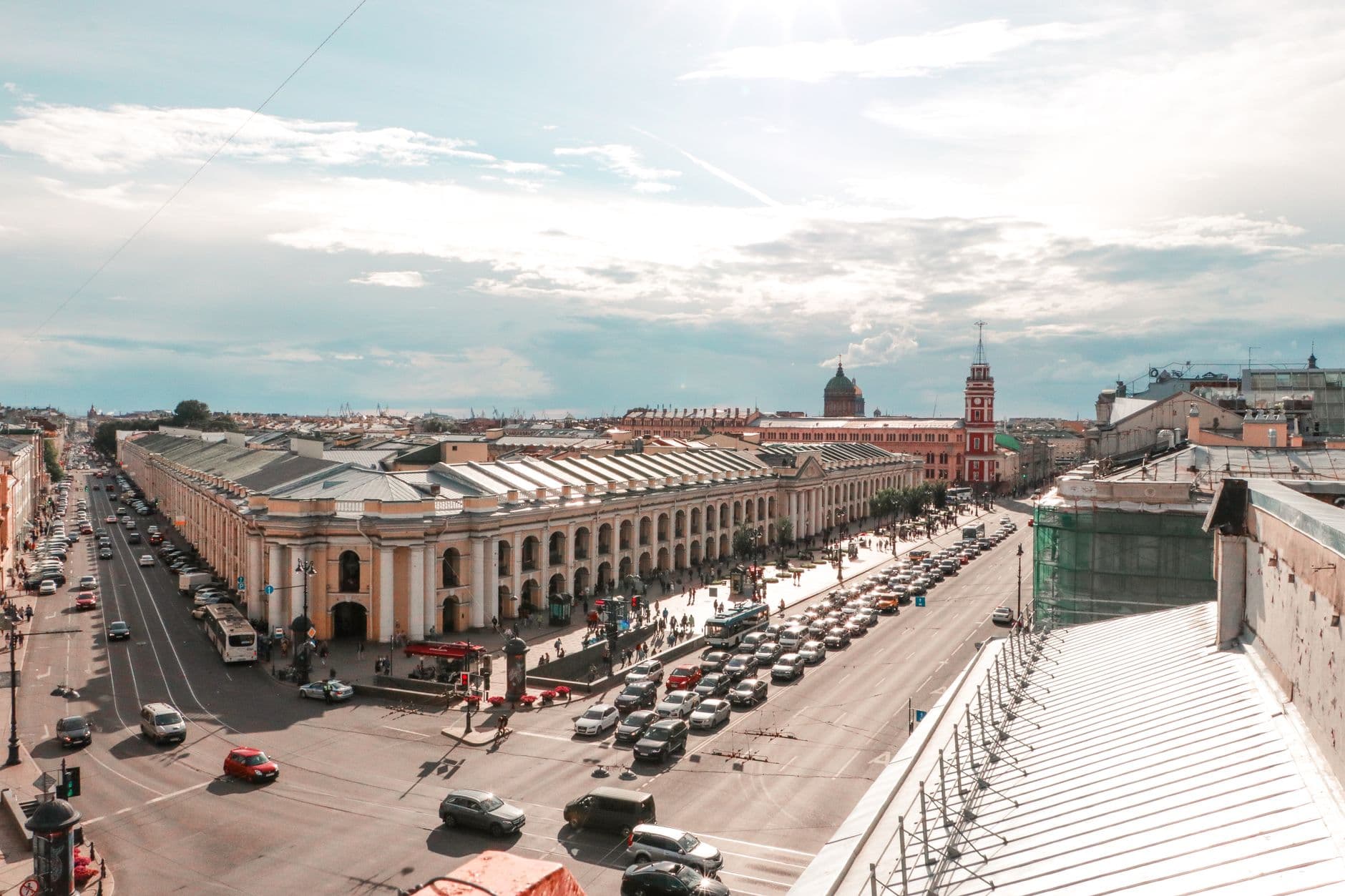
لمحة عن المدينة: مركز موسكو 70,000-120,000 روبل شهريًا لشقة بغرفة نوم واحدة؛ مركز سانت بطرسبرغ 45,000-80,000؛ كازان 25,000-40,000؛ نوفوسيبيرسك 20,000-35,000. المرافق 6,000-12,000 روبل؛ الإنترنت 500-1,000؛ تذكرة المواصلات العامة 1,800-3,800 روبل. تعكس الأسعار الطلب والموقع وعمر المبنى؛ لديك خيارات لتعويض التكاليف عن طريق العيش في الضواحي أو المشاركة؛ ضع في اعتبارك التحولات الموسمية. من الناحية العملية، يساعدك هذا الإطار على البقاء على المسار الصحيح.
إطار الميزانيةملاحظات يغطي البقالة والمرافق والنقل؛ بقالة شهرية لشخص واحد 15,000-25,000 روبل في المدن الصغيرة؛ 25,000-40,000 روبل في المدن الكبيرة؛ المرافق 6,000-12,000 روبل؛ الإنترنت 500-900 روبل؛ تذاكر المواصلات 1,800-3,800 روبل؛ تناول الطعام بالخارج 400-1,200 روبل للوجبة الواحدة؛ تقدم الأسواق الشهيرة خيارات أرخص؛ عليك أن تنسى الوجبات الخفيفة الفاخرة؛ بينما تختبر العروض، حافظ على الخطة بسيطة.
الخيارات تغطي المساكن الجامعية والشقق المشتركة والشقق الصغيرة؛ دليل تجريبي يستمر في التطور؛ ترتفع التطابقات الموصى بها من الاختبارات الميدانية؛ سؤال يجب طرحه: أي مدينة تناسب روتينك الطبيعي؛ جزء من الخطة هو الاحتفاظ بسجل أسعار؛ أعضاء الدوائر الطلابية يشاركون عجائب حول أرخص الطرق؛ خطط تقفز بين المواقع، لديك خيارات أرخص؛ أفق شهير يصرف الانتباه عن الحقائق السعرية الحقيقية؛ ركز على الأرقام.
التحليل العملي للأسعار والإسكان
توصية: استأجر غرفة مدمجة وصديقة لميزانية الطلاب في شقة مشتركة بالقرب من الحرم الجامعي؛ قارن مع عروض yandex قبل التوقيع؛ تجنب المناطق المتميزة؛ قسّم التكاليف مع زميل في الغرفة لتقليل الالتزامات الشهرية؛ سيبسط أيضًا إدارة المرافق.
لمحة تظهر لمحة الالتزامات الشهرية النموذجية للطالب في موسكو: غرفة في شقة مشتركة 18,000-28,000 روبل؛ المرافق 4,000-7,000؛ الإنترنت 400-700؛ تذكرة المواصلات 2,600-3,800؛ البقالة 8,000-12,000؛ يأكل 3,000-5,000؛ وجبات خفيفة 1,000-2,000؛ فاكهة 1,000-2,000؛ المجموع 38,000-60,000. سانت بطرسبرغ مماثلة؛ كازان أرخص 12,000-20,000؛ المرافق 3,000-5,000؛ الطعام 7,000-10,000؛ المجموع 25,000-40,000.
ممر موسكو: غرفة 18,000-28,000 روبل؛ المركز 28,000-38,000 روبل؛ الضواحي 12,000-22,000 روبل؛ المرافق 4,000-7,000؛ النقل 2,600-3,800؛ الإنترنت 500-700؛ البقالة 8,000-12,000.
تكاليف الحياة الليلية: النزهات الليلية عادة 2,000-5,000 روبل شهريًا؛ رحلات عرضية بعد الليالي في الخارج 300-600 روبل للرحلة الواحدة؛ إجمالي الإنفاق الشهري المتعلق بالليل 3,000-8,000 روبل.
أساسيات النقل: تذاكر المترو 2,400-3,800 روبل؛ رحلات عرضية 300-600 للرحلة الواحدة؛ النقل الشهري النموذجي 2,500-4,800 روبل؛ اختر تذكرة لتغطية الرحلات المتكررة؛ تتماشى مع الجدول الزمني للفصول؛ ضع في اعتبارك الأمسيات مع الأنشطة الثقافية في الأحياء التي بها فعاليات مجانية؛ سيساعد ذلك على تمديد الميزانية.
ملاحظة ثقافية: اختيار منطقة بالقرب من الحرم الجامعي يتيح التبادلات الثقافية المتكررة؛ ما هو رخيص غالبًا ما يقع خارج البوليفاردات المركزية؛ ابحث في الخارج عن برامج التبادل؛ اكتشف الثقافة من خلال نوادي الحرم الجامعي؛ تساعد اللقطة في التخطيط للمستقبل؛ سيرشدك ذلك إلى ما تنفقه على الوجبات الخفيفة والفواكه؛ وجبات لذيذة مع الحفاظ على هامش معقول لليالي.
معايير الإيجار حسب المدينة: موسكو مقابل المدن الإقليمية
استهدف المدن الإقليمية التي بها وسائل نقل سريعة إلى مركز رئيسي؛ ستقلل مستويات الإيجار مع الحفاظ على الوصول إلى العمل والدراسة والزيارات.
في مركز موسكو، يبلغ إيجار الشقق المكونة من غرفة نوم واحدة حوالي 70 ألفًا إلى 95 ألف روبل شهريًا؛ في المناطق المجاورة يبلغ حوالي 50 ألفًا إلى 70 ألفًا؛ في المدن الإقليمية يتراوح النطاق بين 25 ألفًا و 40 ألفًا (تكلفة روبل) شهريًا.
توفر الشقق القريبة من مراكز النقل في المدن الإقليمية قيمة؛ تحدد معدلات المركز الشهيرة خطًا أساسيًا مرتفعًا؛ بالنسبة للاحتياجات الصديقة لميزانية الطلاب، تتراوح الاستوديوهات بين 25 ألفًا و 40 ألف روبل؛ الشقق الأكبر 40 ألفًا إلى 60 ألف روبل.
الليالي القريبة من المركز تحمل إيجارًا أعلى؛ تقدم المواقع القريبة وجبات غير مكلفة؛ ستحتفظ بدليل للزيارات، والتعرف على التغطية للمرافق والنقل والبقالة؛ تقدم المطاعم القريبة نكهات.
تكشف الإدخالات من القوائم عن أنماط حسب المنطقة؛ تسلط ملاحظات العناصر الضوء على قرب المترو وخيارات البقالة وساعات الهدوء؛ لا يمكن تجاهل جداول النقل؛ لا يمكن تجاهل الموسمية؛ تظل تكلفة الروبل قابلة للإدارة مع عقود إيجار أطول.
إنها تكشف عن اختيارات سريعة للقراء، والمدن القريبة التي يمكن الوصول إليها من المركز الفرعي تعلمك القيمة والنكهات والأسواق؛ تتطلب التجارب الذروة في المناطق المركزية الشهيرة التخطيط؛ لا يمكن الإفراط في الالتزام بخيار واحد؛ يمكنك تحقيق التوازن بين الليالي والوجبات والتعلم من خلال دليل مركّز؛ تتحسن التغطية عند مقارنة الإدخالات عبر المناطق، فهي تظهر النتائج.
بسعر البنك المركزي الروسي في 17.10.2026 · powered by tutkakdoma
تكاليف المرافق والإنترنت وصيانة الشقق
اختر خطة شهرية واحدة: قم بتجميع الإنترنت مع المرافق؛ اختر حزمة صيانة بسعر ثابت. هذا يبسط وضع الميزانية لعامك القادم؛ يقلل الرسوم؛ يعزز المدخرات.
في المواقع الروسية، تختلف الرسوم حسب المناخ ونوع المبنى والاستخدام. بالنسبة لشقة نموذجية مساحتها 42 مترًا مربعًا، فإن الفواتير الشهرية بعد الضريبة (باستثناء الإيجار) تمتد:
الكهرباء: 5-7 روبل/كيلوواط ساعة؛ موسم دافئ 600-1,500 روبل؛ موسم بارد 1,500-3,500 روبل.
التدفئة: رسوم النظام المركزي؛ نطاق الشتاء 2,000-6,000 روبل لوحدة متوسطة الحجم؛ يمكن لنصائح توفير الطاقة تقليل الإنفاق بنسبة 20-40٪ مع التحكم في منظم الحرارة؛ تقليل استخدام الماء الساخن.
المياه والصرف الصحي: 400-900 روبل شهريًا؛ تختلف المياه الساخنة حسب الاستهلاك.
الإنترنت: 500-900 روبل؛ سرعة أعلى 1,000-1,400 روبل؛ خطة الهاتف 250-700 روبل؛ الخيار المجمع يحقق وفورات 100-300 روبل.
Stolovaya، المرافق الموجودة في الموقع: الغداء في stolovaya الروسية عادة 150-350 روبل؛ تقدم القوائم القريبة نقاط أسعار مماثلة؛ اخرج للمشي لتوفير 50-150 روبل لكل وجبة في بعض المناطق.
رسوم أخرى: تذكرة أو بطاقة دخول 50-200 روبل سنويًا؛ التخلص من النفايات 100-300 روبل شهريًا حسب الموقع.
يوضح التحليل الشهري النموذجي لزوجين في مدينة متوسطة الحجم كيفية تحديد مدخرات العام: الكهرباء 2,200 روبل، التدفئة 3,000 روبل، المياه 650 روبل، الإنترنت 800 روبل، الهاتف 500 روبل، الصيانة 600 روبل، وجبات stolovaya 500 روبل، رسوم أخرى 150 روبل. الإجمالي ≈ 8,800 روبل. سترى كيف يؤثر اختيار الموقع والقوائم ونوع الخطة على المدخرات.
بالمقارنة مع الخيارات الخارجية، غالبًا ما تفرض المواقع الحضرية الروسية رسومًا أعلى في الشتاء؛ يمكن لاختيار الموقع جنبًا إلى جنب مع قوائم stolovaya تحديد المدخرات السنوية. لتقليل الإنفاق، قم بتثبيت خطة شهرية ثابتة، وفضل العدادات التي تعكس الاستخدام الفعلي، وامشِ على الدرج خلال الفترات المزدحمة لتقليل أوقات استخدام الطاقة. إذا كنت تمتلك سيارة أو توقفها بالخارج، ففكر في مساحة مدمجة بها حدائق يمر بها السكان، مما يقلل من رسوم التذاكر ورسوم الصيانة.
البقالة وتناول الطعام بالخارج: الميزانيات الشهرية للأطعمة الأساسية
خصص 40٪ من الإنفاق الشهري للأسرة على البقالة الأساسية؛ تقوم أدلة التخطيط بالتعديل حسب حجم المدينة. تعيش الأسر الخاصة الروسية عادة في شقق؛ تؤثر تكاليف النقل على الرحلات إلى الأسواق؛ ينفق شخصان بالغان في مدينة متوسطة الحجم عادة 18,000-28,000 روبل شهريًا على المواد الغذائية الأساسية؛ في العاصمة يرتفع هذا إلى 28,000-40,000 روبل.
تشمل العناصر الأساسية الخبز ومنتجات الألبان والبيض والحبوب والخضروات والفواكه واللحوم والأسماك والزيوت والتوابل؛ يختلف الإنفاق الشهري النموذجي لهذه السلة في السياقات الروسية حسب الموسم وتنسيق المتجر بالإضافة إلى وتيرة الوجبات.
ميزانية تناول الطعام بالخارج: شخصان بالغان، مدينة متوسطة الحجم 2,000-4,500 روبل؛ العواصم 4,500-9,000 روبل؛ تختلف الوجبات في المؤسسات الشهيرة التي تحتوي على قوائم؛ يمكن أن تكلف عروض الغداء الخاصة في الأماكن الشهيرة 600-1,200 روبل لشخصين؛ يتم تطبيق رسوم القبول الخاصة في بعض الأماكن.
تعتبر الرحلات إلى المؤسسات الشهيرة مهمة أيضًا؛ تكلف تذاكر دخول المتاحف 350-800 روبل للشخص الواحد؛ تضاف الوجبات في الرحلات 600-1,200 روبل للشخص الواحد؛ تبلغ ميزانية النقل الشهرية لمثل هذه النزهات 2,000-4,000 روبل.
نصائح للتحسين: يظل التخطيط ضروريًا؛ توجد خدمة توصيل مجانية للطلبات عالية القيمة مع بعض الخدمات؛ عروض المجموعة تقلل النفقات؛ خصص فترة تسوق أسبوعية؛ نسيان عمليات الشراء الاندفاعية؛ استخدام سلع العلامات التجارية الخاصة؛ شراء الخضروات الموسمية؛ اختر العناصر ذات العمر الافتراضي الطويل؛ التسوق خلال ساعات الذروة للحصول على سعر أقل؛ اعتمادًا على حجم الأسرة، اضبط السلة؛ تساعد الأضواء في نوافذ المتاجر في اكتشاف المنتجات الطازجة؛ تجنب العلامات التجارية المتميزة؛ وتيرة التسوق مهمة.
أسعار النقل العام والتذاكر الشهرية في المدن الكبرى
يؤدي اختيار التذاكر الشهرية في موسكو وسانت بطرسبرغ بالإضافة إلى المراكز الكبيرة الأخرى إلى تحقيق أفضل توفير في رسوم النقل؛ تتغير الأسعار من سنة إلى أخرى. تساعد هذه الخطة على توفير المال.
في موسكو، تبلغ تكلفة الرحلة الواحدة حوالي 60 روبل؛ تغطي تذكرة Troika الشهرية معظم الطرق مقابل حوالي 2,700 روبل.
تتميز سانت بطرسبرغ برحلة واحدة بالقرب من 55 روبل؛ عادة ما تقع التذاكر الشهرية في نطاق 2,200-2,800 روبل.
توفر المدن الروسية الأخرى مثل كازان ونوفوسيبيرسك ويكاترينبورغ خيارات أرخص؛ تتضمن التذكرة الشهرية التحويلات بين المترو والحافلة والترام؛ نطاق المصروفات النموذجي 1,900-2,500 روبل؛ رحلات فردية 24-50 روبل.
لاستخدام التذاكر، ابحث عن العلامات الرسمية في المحطات؛ قم بتحميل Troika أو ما شابه ذلك عبر تطبيقات الإنترنت؛ توفر أكشاك المكاتب عمليات إعادة شحن سريعة؛ تقبل نقاط الدفع بالقرب من المداخل عمليات التعبئة؛ تجنب عمليات التعبئة الخاطئة.
تتيح مشاركة الدفع باستخدام تذكرة إمكانية التنبؤ بالسفر اليومي؛ يقارن المسافرون العائدون الطرق، ويوازنونها بالوقت؛ تساعد الزلابية ومجموعات الغداء بالقرب من المحطات على موازنة الوجبات؛ الحصول على مزيد من التنقل مع تجنب النقد عند البوابات.
الاستوديوهات القريبة من الخطوط شائعة في المناطق الخارجية؛ الشقق القريبة من الخطوط تميل إلى أن تكون شائعة؛ تتراوح الإيجارات عادة بين 25 ألفًا و 50 ألف روبل شهريًا في المراكز الرئيسية.
تزدهر ثقافة المكاتب بالقرب من المراكز؛ توفر المتاحف والمواقع تنوعًا؛ يصبح الاستمتاع بها أسهل مع النقل الفعال؛ يساعد هذا التوازن في النظر إلى الحياة في المدينة من خلال عدسة أوسع؛ يساعد تعلم المزيد عن التخطيط والطرق عبر الإنترنت في وضع خطة سنوية أكثر ذكاءً.
تكاليف المعيشة الإضافية: الرعاية الصحية والتعليم والترفيه حسب مستوى الدخل
اختر خطة رعاية صحية متوسطة المدى تجمع بين التغطية العامة والزيارات الخاصة الانتقائية للحفاظ على القدرة على التنبؤ بالرسوم النثرية على مدار عام. في المراكز الحضرية، تقدم العيادات الصغيرة والفعالة وصولاً سريعًا؛ تظل العيادات المتعددة العامة مجانية أو منخفضة الرسوم للخدمات الأساسية؛ تغطي الخيارات الخاصة باهظة الثمن الاختبارات الروتينية واستشارات المتخصصين والأدوية، مع فواتير شهرية تقع ضمن نطاقات 1,500-6,000 روبل حسب الحاجة. يظهر هذا مسارًا واضحًا لتحقيق التوازن بين الجودة والقدرة على تحمل التكاليف.
تنقسم رسوم التعليم حسب مستوى الدخل إلى مسارين: توفر الجامعات الحكومية حصصًا بدون رسوم دراسية للسكان المحليين؛ تفرض المؤسسات الخاصة 150,000-350,000 روبل سنويًا لبرامج البكالوريوس؛ يواجه الوافدون الدوليون أرقامًا أعلى. عادة ما يكون السكن الجامعي 4,000-12,000 روبل شهريًا؛ وجبات بالقرب من الحرم الجامعي 2,000-4,000. يعتمد الإعداد الصديق لميزانية الطلاب على المساكن الجامعية والمنح الدراسية؛ وجبات مدعومة للحفاظ على النفقات قابلة للإدارة.
يتراوح الإنفاق الترفيهي حسب مستوى الدخل على نطاق واسع. تشمل تجارب مشاهدة المعالم السياحية النموذجية المتاحف 300-900 روبل؛ المسارح 800-2,000؛ وجبات الحياة الليلية 1,000-3,000؛ جولات مشاهدة المعالم السياحية 1,000-3,000 في اليوم؛ تذاكر الترام 30-60 روبل للرحلة الواحدة؛ التنقل الشهري بالقرب من 2,000-3,500. تظل السياحة الداخلية جزءًا من الصورة؛ تنتج عطلات نهاية الأسبوع الطويلة والرحلات خارج الموسم قيمة إضافية.
تنتج المنتجات بما في ذلك منتجات الألبان في محلات السوبر ماركت النموذجية إجماليًا شهريًا متوسط المدى بالقرب من 8,000-15,000 روبل لشخص واحد؛ أقل لزوجين أو أسرة مشتركة. تعتمد الخطة متوسطة المدى على مزيج لذيذ من الوجبات المنزلية؛ تناول الطعام بالخارج في بعض الأحيان؛ وجبات سريعة لملء يوم حافل. توفر أسواق الحرم الجامعي أسعارًا أقل؛ منتجات الألبان والفواكه الطازجة؛ تشكل الخضروات جوهر الروتين؛ تتضمن نصائح الميزانية الشراء بكميات كبيرة قدر الإمكان.
فيما يلي خطة عملية: يتوافق توقيت العودة إلى الحرم الجامعي مع الربيع أو الخريف عندما تفتح الشواغر في المساكن الجامعية؛ الحجز المسبق للخدمات الطبية أو الاختبارات يقلل من ارتفاع الأسعار؛ ابحث عن صفقات ليلية خارج أوقات الذروة؛ دمج التسوق لدى منتجي الألبان المحليين؛ استكشف طرق الترام للسفر الحضري الفعال؛ استخدم موارد الحرم الجامعي للحصول على التوجيه؛ شرح؛ ملاحظات للبقاء في حدود الميزانية.