
 العربية
  English (UK)
  Русский
  日本語
日本語  한국어
한국어  Magyar
  Türkçe
  Español
  Čeština
  Svenska
  Português
  Ελληνικά
  Suomi
Suomi  Nederlands
  Română
  Italiano
  Français
  Polski
  Українська
  Deutsch
  简体中文
简体中文  Slovenčina
  تبديد أساطير الفودكا - أبرز المفاهيم الخاطئة التي يجب أن تتوقف عن تصديقها">

First, do this practical check: compare two samples side by side–the premium label and a craft blend–then log data on aroma, texture, and finish. Watch for things like how the water (watering) changes mouthfeel. Across bottles, marketing images rarely tell the whole story; never rely on the pretty copy on the label.
One stubborn belief is that this neutral spirit is flavorless. Data from tasting panels shows subtle notes: soft grain sweetness, mineral sharpness from water quality, and a clean finish when filtration removes sulfur compounds. Their base matters; أربعة variables drive character: grain or potato source, watering quality and mineral balance, distillation count, and filtration media – thats four variables, assessed with literary benchmarks. Images of flawless labels rarely reflect these differences.
Brand prestige does not guarantee purity. Data from independent tastings shows price and perceived prestige correlate poorly with test results. In many markets, legal standards fix 40% ABV and still allow different filtration paths. Been there: some producers claim ultra-high purity, yet little measurable difference shows in blind tests. Aromas can echo notes resembling smoke, including cigarettes, as these cues derive from solvents or reduction compounds during processing. dont rely on slogans; examine the ingredients list and the production steps. The cause of misperception often lies in branding rather than base material, which is why blind comparisons matter.
Four concrete checks guide a reliable assessment. First, verify ingredients: only sugar-rich grains or potatoes plus clean water; second, review the distillation count and filtration method; third, confirm legal labeling claims about origin and processing; fourth, compare with a control sample in a blinded setup. These checks log data and allow comparisons across trials. An insight that comes from controlled processes helps separate noise from signal. In practice, one finds that subtle differences appear in aroma and mouthfeel during side-by-side tastings; data found in trials supports these observations. This knowledge becomes a good tool when markets vary, where labeling differs.
Common Vodka Myths Debunked: Practical Facts You Can Use
توصية: store the spirits in temperatures around 15°C in a cool, stable space; the freezer isn’t ideal for daily use, since fluctuations can dull odorless aroma and flavor and affect safety. Surely, a steady environment preserves consistency across bottles.
Stirred versus shaken reality – stereotypical belief says stirred drinks preserve flavor; actually, both stirred and shaken approaches work, depending on the goal of the mix. Distillers emphasize that the differences lie in dilution and texture, not safety; there seems to be no harmful effect when ice quality and technique are sound. For those concerned about flavor changing for them, the effect is minimal with proper method.
Freezer storage fact – Freezer temperatures can keep beverages very cold, but there is no safety gain and aroma tends to be muted. weve learned in tasting labs that a brief chill in a fridge or a glass rinse yields better odorless flavor clarity around serving time. For brands such as delcheva, preserving a clean profile benefits from avoiding prolonged freezing.
Odorless misconception – although many describe the base as odorless, there are like subtle flavor notes that vary by grain or base, distillation, and filtration. Experts help clarify that odorless does not equal flavorless; there is a light flavor around the grain or corn, even in neutral styles. This awareness matters when want to evaluate quality without relying on aroma alone.
Culture and selection – babushka stories and brand songs aside, the real gauge is consistency in quality, temperature control, and clean distillation. With proper practices, harmful impurities are minimized and the profile remains safe and smooth. Though the profile may be mild, it helps to compare multiple brands, including delcheva for a reference taste.
الوجبات السريعة العملية – to optimize the experience, keep bottles away from heat and light and avoid frequent temperature swings; serve neat at around 6–12°C or use cold for cocktails at 4–6°C. There is surely no need for exotic rituals; use clean glass, and ensure there are no lingering odors in the room, as this can influence perception. If a tasting session is planned, start with a small amount and assess progression at proper temperatures; this helps reveal reliable quality and safe characteristics.
Is vodka flavorless or does it carry detectable notes?
Answer: Not tasteless; detectable notes exist around most bottles. In reality, the notion of a flavorless spirit is a simplification. Four factors shape profile: mash bill (rye, wheat, corn, or potato), fermentation congeners, distillation cuts, and filtration. Differences between brands come from these elements, alone, and how the liquid is stored before release. Against the tasteless myth, reality shows notes appear around each bottle, not in isolation.
Notes commonly spot include grain sweetness, peppery spice, citrus zest, vanilla, and mineral edge from water. Across brands, you may find a spectrum from crisp, neutral lines to fuller, bread-like or creamy finishes. The reality is that many modern expressions are designed for smoothness, but theyre rarely completely without character. The government framework ensures safety and purity, while a blend of process choices and technique drive flavor–not luck. Filtration can act as a suppressant for harsher notes, shifting the balance toward more approachable profiles. Lets compare around four typical paths: grain-forward profiles, corn-sweet lines, potato-rich textures, and blended styles that combine ingredients. A blend helps explain why two bottles may taste differently even if they come from the same brand.
To judge notes reliably, readers should read the label for mash bill, distillation method, and filtration steps. The particular details contribute to aroma and mouthfeel. When tasting around the store, let samples rest in the hand to warm slightly, spot the aroma before sipping, and consider the finish. youll notice differences in four samples side-by-side: rye-forward blends may deliver pepper and dried fruit; wheat-based bottlings tend toward light bread crust and cream; corn-based varieties emphasize sweetness and a clean mouthfeel; potato-based expressions can feel creamy with subtle earth tones. The differences, though subtle, matter for cocktail balance or sipping style. This usually holds true across brands, and youll likely spot variation based on mash and filtration too.
Practical takeaway: seek brands that publish mash bills, use refined distillation regimes, and apply targeted filtration. If a reader wants more expressiveness, babushka-inspired or craft houses often deliver more pronounced notes than mass-market bottles. Store in a cool, dark, dry place, away from sunlight, and hand them with care during tasting to preserve aroma. In liquorcom discussions and reading, youll find guidance on how to store, handle, and serve; these factors contribute to aroma and flavor over the beverage’s life. If you want a reliable partner for cocktails, a brand with controlled filtration usually yields a balanced, enjoyable experience that spot pleasant notes rather than a tasteless profile.
Do Russians really drink vodka by the liter?
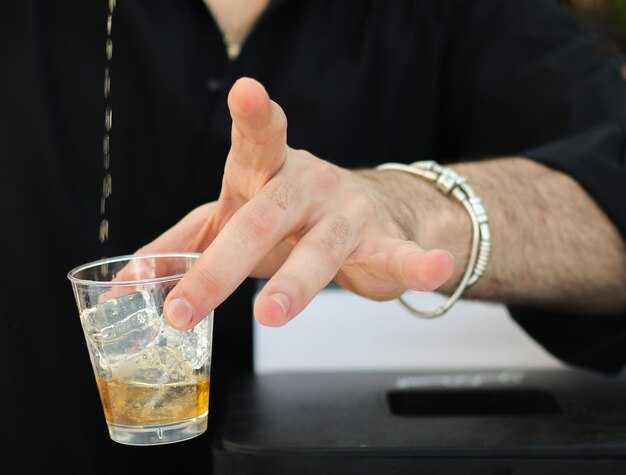
Reality check: liter-size sessions are not the norm. For someone ordering a bottle, the usual size is 0.5 or 0.7 liters, which keeps per-person portions modest; 1 liter appears mostly in bulk orders or larger gatherings. The legal drinking age is 18, and stores follow strict verification and responsible-service norms. Thus, the image of continual, gallon-like consumption is not representative of typical behavior. An order for a bottle by a group usually results in 1–2 bottles over an evening.
In Russia, drinking is a cultural practice tied to meals and toasts; typical servings are around 25–40 ml per shot, often followed by water. Data found by observers show a decline in binge episodes since the 2000s, though regional variation exists. When someone orders a bottle for a party, the total volume over several hours tends toward 1–2 bottles, not a single liter. This is not the only pattern around the country.
Brand and quality considerations: choose products from licensed producers; check the label for legal origin, ABV, and distillation method. In particular, seek a brand with clean filtration and a clear creation story; some stores stock the teodora line, alongside international names. For a smoother experience, some producers offer odorless variants marketed for easy sipping, but taste remains distinct. For those curious about the process, remember that the base distilled spirit is produced from grains or potatoes and blended with water to achieve the desired strength; the truth about cleanliness lies in impartial testing and transparent labeling. Lets compare options on price, reviews, and brand heritage to make a wise choice that helps them feel confident in what they buy.
Truth vs. stereotype: the long-held idea that Russians drink by the liter is an oversimplification found in some images. The reality depends on region, age, and context. The practice usually involves moderate pacing, with toasts and water between rounds, and a diversity of preferences including beer or wine in many households. If a spectacle is desired, plan the event with responsible ordering of toasts and ensure access to non-alcoholic options. Although heavy drinking remains a concern in some areas, current patterns around major cities and rural areas show variation; the goose is not the master of culture, and the idea of unending pours is not accurate in most everyday settings. This approach respects legal norms and cultural context, and helps everyone enjoy a balanced creation of experiences with brands that surely reflect truth rather than sensational images.
Is vodka the strongest common spirit by ABV?

Not by a wide margin. In mainstream retail, baseline for this clear, neutral distillate sits near 40% ABV; higher proofs exist, but they aren’t typical in everyday bottles.
Where ABV varies by category, concentration and flavor differ. For those seeking stronger options, navy-strength gin runs about 57% ABV, while overproof rums and absinthe-style bottles span roughly 50–75% ABV. Between these mainstream tiers, a few bottles emphasize potency, but the standard 40% ABV remains the anchor, before any water is added in a cocktail.
For those tracking a diet or celiac considerations, most distillates are gluten-free by distillation, unless flavorings introduce gluten traces. assume that higher ABV does not guarantee better flavor. Always check labels, unless a product explicitly states gluten-free. those with gluten sensitivity should approach flavored or infusion variants with caution. weve observed that some brands maintain distinctive, flavorful profiles while keeping a mindful concentration of alcohol.
Short take:
- Baseline: 40% ABV is the norm; most bottles sit here.
- Higher range: gin at 57% ABV; overproof rums and absinthe-family products reach 50–75% ABV.
- Brand examples: delcheva and teodora have released high-ABV editions, showing that strength can sit alongside balance.
- Labels, campaigns and ambassadors: read the ABV on the label; campaigns may emphasize potency, but real strength is what’s in the bottle.
- Flavor vs strength: those with distinctive, flavorful notes can still thrive at lower ABV, while higher concentration shifts mouthfeel; memory of aroma matters in a tasting.
- ملاحظة: توجد أنواع عديمة النكهة في هذه الفئة أيضًا؛ فبدون رائحة أو ملمس، تكون التجربة محدودة.
هل يعكس السعر الجودة في الفودكا؟
الإجابة واضحة ومباشرة: السعر لا يضمن جودة عالية؛ التعريف الأدبي للجودة يرتكز على المادة الأساسية، ونقاء التقطير، واللمسة النهائية النظيفة، وليس على هيبة العلامة التجارية.
توفر القاعدة التي تعتمد على الحبوب تحكمًا أكثر دقة في النكهة، بينما يسهّل المظهر عديم الرائحة الاقتران بالكوكتيلات. عند تجربة زجاجة جديدة، قم بتقييم الرائحة الأولية والمذاق النهائي؛ إذا كان هناك احتراق لاذع، فأعد النظر. يمكن أن تكون الصور الموجودة على الملصق مضللة، وحتى الصور الملتقطة في جلسات التسويق قد لا تعكس المذاق.
غالبًا ما تعكس الأسعار التعبئة والتغليف والتسويق والتوزيع، وليس فقط النقاء. عند 15-25 دولارًا أمريكيًا، يمكن لزجاجة أن تقدم وضوحًا مدهشًا؛ وعند 30-50 دولارًا أمريكيًا، يميل الاتساق إلى التحسن؛ وعند 60-100+ دولارًا أمريكيًا، قد يكون الملمس أكثر نعومة، على الرغم من عدم وجود قاعدة عالمية مفادها أن السعر الأعلى يعني نكهة أفضل أو نهاية أطول. إنها تحتفظ بقيمتها للحرفية الكامنة وراء القاعدة، لكن العلاقة المتحركة بين السعر والجودة ليست ثابتة وتختلف باختلاف المنتج.
بعد اختبار عملي، تحقق من مصدر قائم على الحبوب ومياه نظيفة وترشيح قوي. في مقارنات عمياء، يمكن للزجاجات متوسطة المدى أن تضاهي الخيارات باهظة الثمن؛ تجربة عدة أنواع جنبًا إلى جنب يساعد الحنك على تحديد الأمور المهمة. يرجى تدوين ملاحظة تذوق يدويًا؛ تسجيل نكهة عديمة الرائحة وناعمة ومتوازنة يدعم اتخاذ قرارات أفضل للشرب ولوصفات المارتيني.
اكتشف، ثم حدد القيمة بمعايير تتجاوز السعر: منتج يتميز بنقاء عالٍ، وملف نكهة مُحكم، ولمسة نهائية ثابتة. ينمو حب الزجاجة المصنوعة جيدًا عندما تظل الرائحة هادئة ويحافظ الملمس على قوامه؛ قد تجذب العلامة التجارية الجذابة الأنظار، ويمكن أن تكون الصور الموجودة على الملصق مقنعة، ولكن تظل تجربة الشرب هي الاختبار النهائي. تعريف الجودة في هذا السياق هو الإحساس النظيف والمنعش في الفم الذي يتناسب جيدًا مع الخلاط أو يقف بمفرده في جرعة مباشرة.
هل يمكن للفودكا أن تدعي فوائد صحية أو تعالج الأمراض؟
توصية: لا يوجد أساس قائم على الأدلة للمزايا الصحية أو العلاجات الناتجة عن الإيثانول بأي كمية؛ فالبيانات الواردة من الدراسات لا تدعم مثل هذه النتائج، ولا يسوغ إلا التفسير الحذر.
تظهر البيانات الموجودة في التجارب المضبوطة عدم وجود فوائد قوية؛ غالبًا ما تكشف النتائج الرصدية عن ارتباطات صغيرة، تتراوح عادةً بين ثلاثة وخمسة بالمائة، ولكن هذه الإشارات لا تثبت السببية وتتأثر بشدة بنمط الحياة والعوامل الصحية المصاحبة.
بين الادعاءات التسويقية والتقارير العلمية، فإن تأثيرات الدفء أو الحالة المزاجية مؤقتة ولا تُترجم إلى الوقاية من الأمراض أو علاجها. لا يُنصح بالاستهلاك اليومي كاستراتيجية صحية؛ بدلاً من ذلك، توفر أنماط الغذاء الكامل والنشاط البدني المنتظم والنوم الكافي والتطعيمات مزايا أكثر وضوحًا وثباتًا. يؤكد سفراء الصحة على الاعتدال والسياق، وليس المكاسب الشاملة.
في أسواق سان بطرسبرغ وفي العديد من المنافذ الإعلامية، تنتشر صور وتصريحات بأسلوب أدبي تبدو مقنعة؛ ومع ذلك، يعتمد الكثير من هذا الخطاب على الإثارة الرخيصة بدلًا من البيانات الصلبة. ما يساهم في الرفاهية الحقيقية يبقى مدعومًا بالأبحاث، وليس بالإشارات أو الشعارات البراقة.
ثلاث خلاصات عملية: أولًا، لا يوجد علاج للإيثانول؛ ثانيًا، الارتباطات المحتملة بانخفاض المخاطر ليست دليلًا موثوقًا على الفائدة؛ ثالثًا، تتحقق نتائج أفضل من خلال النهج القائمة على الأدلة بدلًا من أي تناول يومي.
| مطالبة | دليل | خلاصة عملية |
|---|---|---|
| فوائد صحية أو علاجات | تُظهر التجارب العشوائية عدم وجود ميزة سببية؛ غالبًا ما تكون البيانات مربكة وتختلف النتائج بين الدراسات. | اعتمد على تدابير نمط الحياة المثبتة لتحسين صحة الجسم بالكامل. |
| دفعة مزاجية أم دفء كعلاج | آثار نفسية قصيرة الأجل، لا تعدل مسار المرض؛ الاستخدام اليومي يزيد من خطر الضرر والاعتماد. | ابحث عن استراتيجيات غير كحولية لدعم المزاج والطاقة. |
| استراتيجية الصحة الوقائية | لا يفي بمعايير الأدلة لخفض المخاطر؛ وزيادة المدخول تزيد من خطر الإصابة بالسرطان وأمراض الكبد. | فضّل الممارسات المدعومة بالأدلة على أي مدخول منتظم. |
 اطلب خطاب دعوة للحصول على تأشيرة روسية عبر الإنترنت | معالجة سريعة وآمنة">
 جولة في شارع أربات - أشهر شوارع موسكو">
 هل يمكنني تغيير خط سير الرحلة وتجديد تأشيرة روسيا الخاصة بي؟ دليل عملي">
 دعم التأشيرة – الدليل الكامل لطلبات التأشيرة والوثائق وأوقات المعالجة">
 هل أحتاج إلى تأمين صحي للسفر إلى روسيا بدون تأشيرة؟">
 قطار زارينغولد الخاص - رحلات قطارات خاصة فاخرة في روسيا">
 المأكولات النباتية الروسية - 25 طبقًا لذيذًا يجب عليك تجربتها">
 أفضل 10 نشاطات شتوية في موسكو وسانت بطرسبرغ">
 عطلات الشتاء - التقاليد الروسية لعيد الميلاد الأرثوذكسي">
 أفضل أماكن الاسترخاء في روسيا - إلى أين تذهب هذا الصيف 2019">