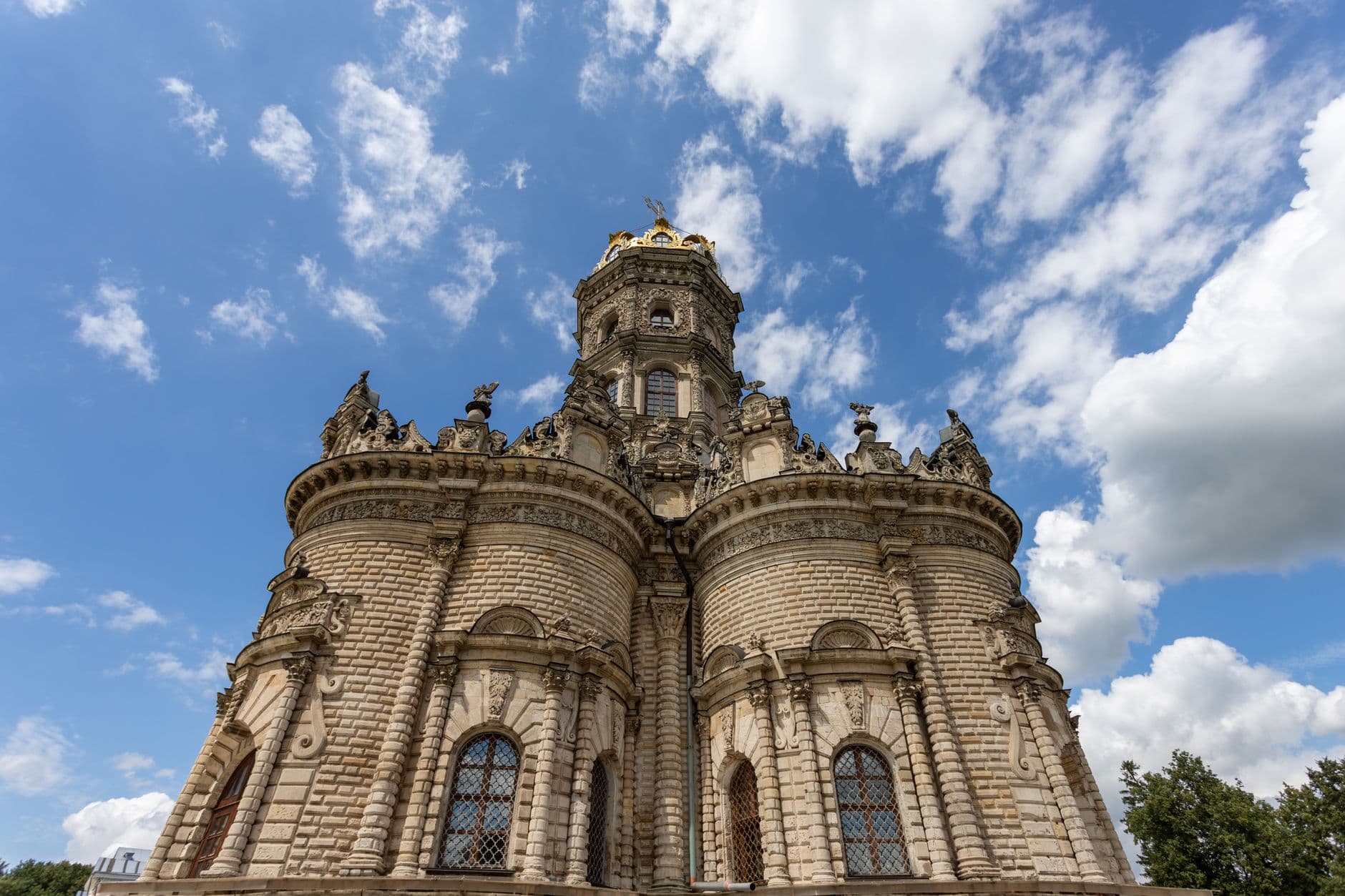
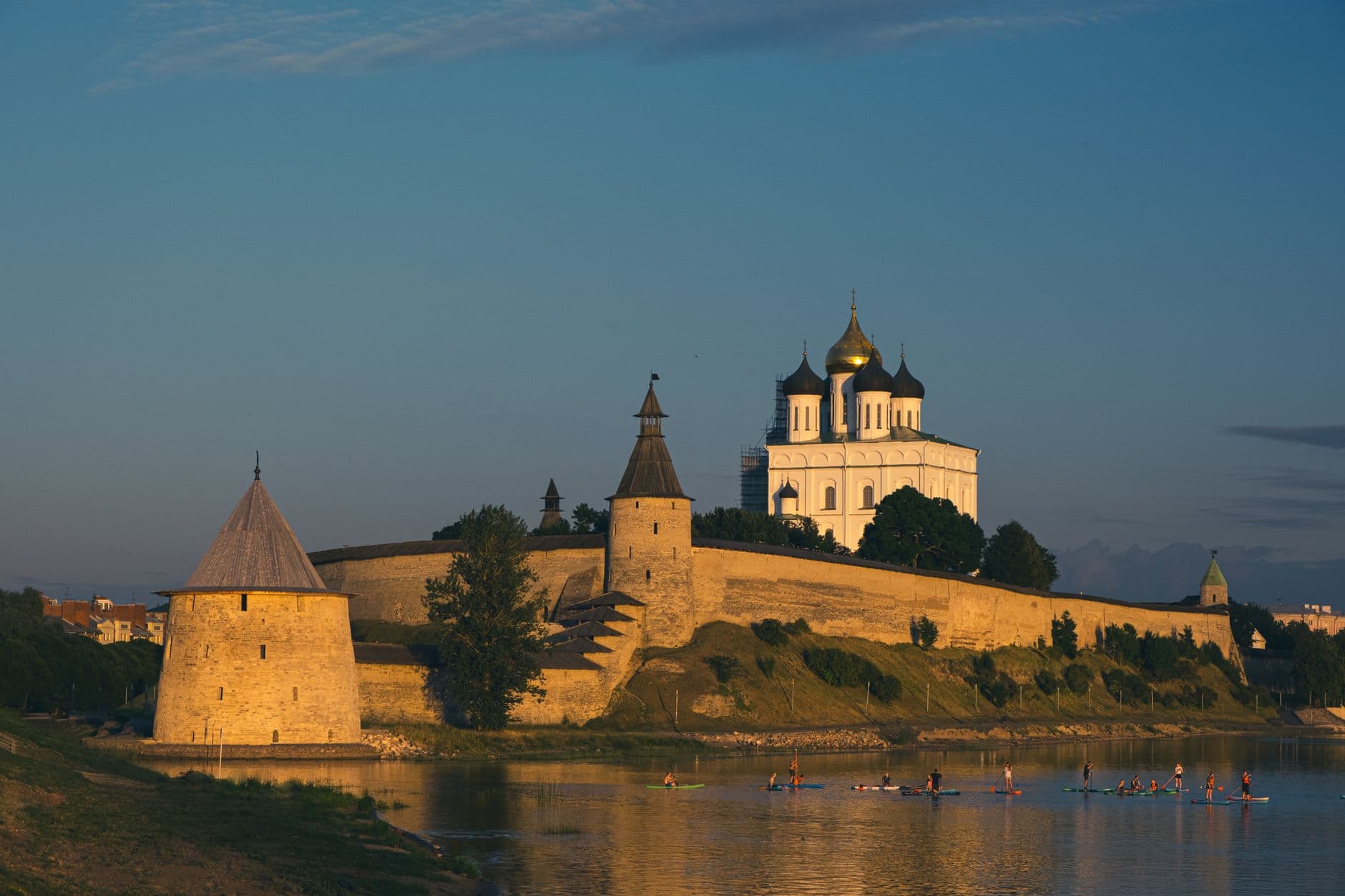
زور المركز في أوائل الصيف للحصول على أعلى تركيز لمظهر تلك الفترة وتجنب التفسيرات الخاطئة. تم تصميم هذا المسار لتقليل العودة إلى الخلف وزيادة فرص التقاط الصور: الشعار على البناء الطيني، قاعدة مرتفعة، وأقبية مزخرفة.
قم بتقييم الواجهات بشكل نقدي: بعض الكتل تبدو قديمة، لكن أكثر المجموعات متماسكة تم ترميمها إلى حالتها السابقة مع أعمال طوب موثوقة وقاعدة قوية. لاحظ كيف تتناسب صفوف النوافذ على محور مركزي، وهو إيقاع يتكرر في القصر والمنازل العامة المجمعة حول المركز.
التصميم يجمع بين الزخرفة الفرنسية والعملية السوفيتية، ويجب أن تتبع الخطوط التي تفصل بين الزخرفة والعملية. تتناول الدلائل المكتوبة كيفية تبني الحساسية الفرنسية دون تقليدها، حيث تعمل الرموز الشعارية كهدايا تذكارية للزوار.
التخطيط والميزانية: احسب بالروبل، وتأكد من أي قاعات تسمح بالتصوير خلال ساعات الزيارة الرسمية. أفضل وقت للتصوير الخارجي هو في الصيف، حيث تكشف خطوط السقف كيف عملت الأيدي من مناطق مختلفة؛ ترك أب العديد من الاستوديوهات آثارًا دائمة.
اختر طريقًا مختصرًا: خُطط لزمن زيارته ساعتين، ركز على المجموعات المركزية المتاخمة، واختر هدايا تذكارية مصممة بعناية تحترم العصر. في المصادر المكتوبة ولوحات الموقع ستجد كيف نشأت الشعار والمركز والرموز القصورية من موضوع مشترك يربط بين التأثيرات المحلية والأجنبية.
موسكو: العمارة في Style Russian الكاذبة و إرث إزمايلو
خُطط لدراسة ميدانية مركزة في إزمايلو لملاحظة كيف تم تبني وإعادة تشكيل الجمالية الروسية المتجددة من قبل السكان المحليين في موسكو. ابدأ من مجموعة العقارات الكبيرة على حافة الجنوب، حيث تقف كنيسة بجانب صالة استقبال وصف من محلات الأنتيك. هذا الموقع محمي رسميًا كتراث ثقافي، ويستند إلى مزيج من النحت الخشبي التقليدي، والمفروشات ذات الإطارات الفضية، واللمسات المستمدة من التصميم الإنجليزي، والرموز المتجددة في أوائل القرن العشرين. القطار القريب يحافظ على سهولة الوصول إلى المنطقة، وقد زار فريق تصوير الميدان بشكل متكرر، مما شكل جوًا من العصر المفقود.
ما يجب ملاحظته في الموقع:
تفحص تفاصيل الداخلية: امتحن الأرضيات والنوافذ والمرايا في الصالة، ولاحظ كيف تتفاعل الضوء مع المساحة.
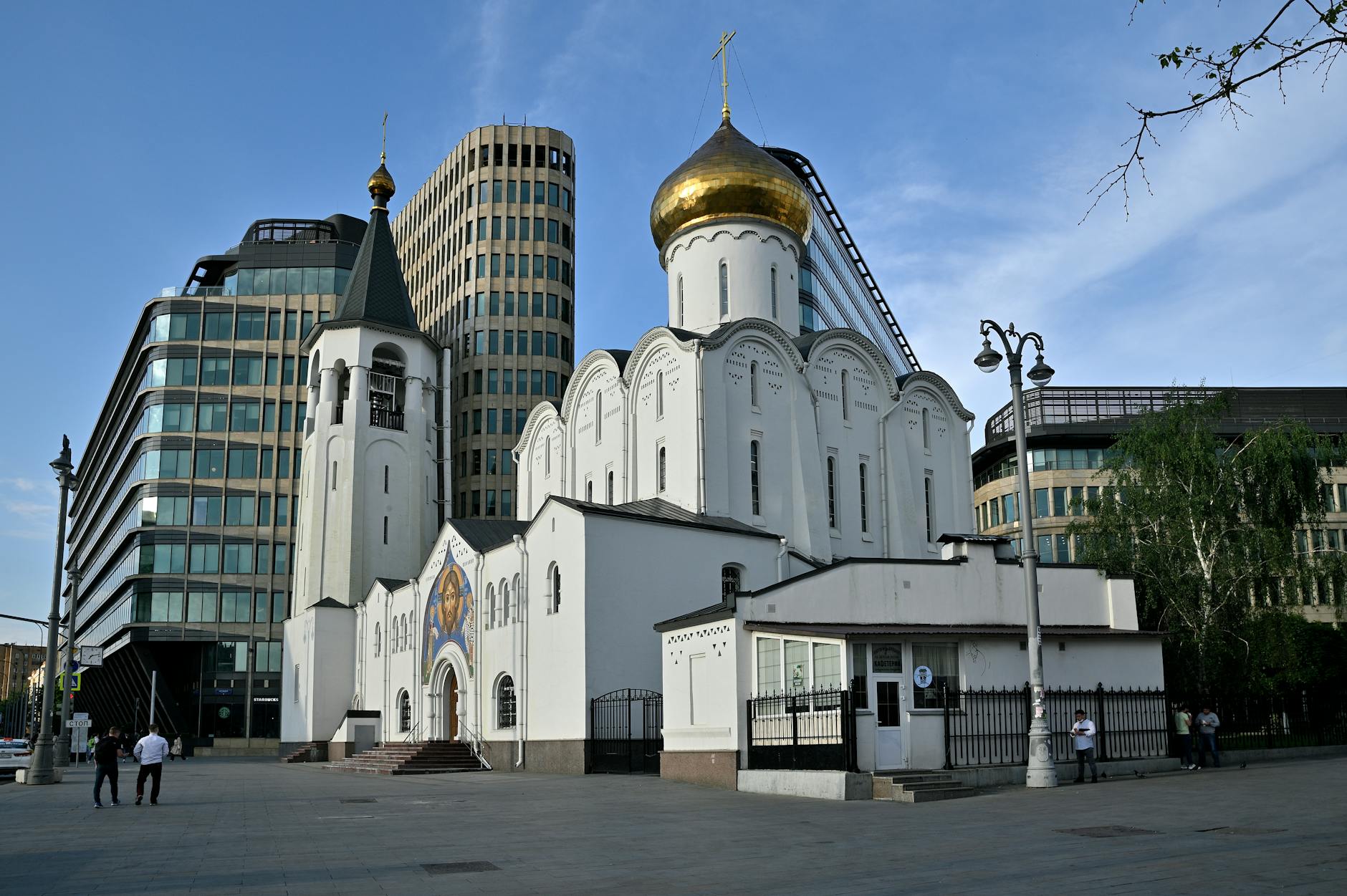
تحليل الواجهة الخارجية: تحليل واجهات الكنيسة والزخارف التاجية التي تشير إلى لغة إحيائية؛ التمييز بين الحرف الأصيل والإدراجات اللاحقة.
تخطيط العقار: رسم خريطة للبيت الرئيسي، المباني الملحقة، والحديقة المحيطة؛ ملاحظة كيفية ارتباط المسارات بالبوابات والواجهات المواجهة للجنوب.
الثقافة المادية: تفحص القطع القديمة والفضة المعروضة في الصالة والممرات؛ سجل كيف تم إعادة استخدام هذه العناصر أو تخزينها لمقاومة التدهور.
المرصد الفلكي في موسكو هو أحد المعالم الثقافية الهامة في المدينة، حيث يجذب الزوار من مختلف أنحاء العالم. في أيام الثلاثاء والأسبوعية، يمكن ملاحظة كيفية تفاعل موسكوين مع هذا الموقع، وكيفية عمل الفنانين في ورش العمل القريبة.
الملفات والاتصال: جمع الملاحظات أو جهات الاتصال عبر البريد الإلكتروني من المكاتب المحلية؛ مقارنة السجلات الرسمية بما يلاحظه الزوار في الموقع.
إزمايلو: من عصر القياصرة إلى المدينة الحديثة
خطط لزيارة مركزة لمدة ساعتين على طول ممر إيزمايلوفسكي الذي يربط بين قصور عصر القياصرة مع الكتل الحديثة. ابدأ من بوابات العقار السابق، اتبع الشوارع الرئيسية، وادخل إلى الفناء المفتوح حيث لمسات نسيم النهر تلمس جدران الجص. تكشف هذه المسار كيف تطورت التخطيطات: من الغرف المغلقة الضيقة إلى المساحات التي تتنفس حول باحات الضوء المركزية.
داخل مناطق السكن السابقة، لاحظ لغة المواد: أرضيات رخامية في القاعات، نوافذ زجاجية ملونة ولوحات تحدد الأبواب والقوس، سقوف منحوتة، وألواح زخرفية تلتقط ضوء الصباح والمساء. يحافظ العديد من الداخلية على التصميم الأصلي حيث تتصل الغرف بعضها ببعض؛ أصبح بعض الأبواب والفتحات انتقالات إلى ملحقات جديدة بينما يحافظ على النغمة الرئيسية حول الصالات الخاصة.
المباني الحديثة في المنطقة تقدم جوًا مختلفًا: سلالم معززة، أروقة مفتوحة، وفناءات خاصة توازن بين الوظيفة والتصميم. في الكتل الجديدة، استعمل المصممون تركيبات إضاءة تفاعلية، سقوف مفتوحة في الأروقة، وغرف قابلة للتعديل؛ بعض الواجهات أعادت إحياء المخططات القديمة ولكن مع لوحات جديدة وألواح بلاط محايدة.
نصائح لزيارة المكان: احمل كاميرا لتوثيق تفاصيل البلاط والزجاج الملون؛ قارن بين سقوف المناطق الأصلية والمصممة حديثًا؛ راقب كيف تم الحفاظ على الأبواب الرئيسية في المساحات المجاورة أو استبدالها؛ استكشف صالات الرخام والمقاعد الخاصة لفهم التطور؛ خيار التوقف في صالة الشاي الصغيرة يوضح كيف يخلق الضوء والتصميم واللوحات تجربة متكاملة.
بسعر البنك المركزي الروسي في 03.10.2026 · powered by tutkakdoma
البحث عن الميزات الروسية المزيفة في الكرملين الإزمايلي: الواجهات، القباب، ونماذج الألوان
قم ببدء قائمة مرجعية ضيقة: الواجهات، القباب، ورموز الألوان. قارن بين المينا والبلاط مع المراجع التاريخية في المتاحف المحلية واتبع ملاحظات الدليل؛ حدد الأنماط التي تعكس جمالية عصر الثورة بدلاً من الحرف الأصيل. إذا كان الزخرف ملحقًا بالهيكل ولكن يبدو زخرفيًا في ألوان زاهية، اعتبره مصطنعًا بدلاً من أن يكون جذرًا في الحياة اليومية. جدد الزيارات يوم الاثنين والأحد لمراقبة المسارات الموجهة والمعارض التفاعلية.
داخلاً، افحص الداخلية بحثاً عن مدافئ، مرايا، وأثاث ينتمي إلى منزل حققي من فترة معينة. عندما تشعر بأن الغرف غير مسكونة، يصبح واضحاً أن الطبيعة هي منسقة؛ تظهر لوحات تحمل أسماء ناديجدا ولوري على التسميات، مما يشير إلى عرض منظم من قبل الموظفين. الأسواق القريبة وحافة الحديقة تربط سرداً بدلاً من الممارسة الحية. يجب أن تتوافق الرموز الرمزية مع الحرف المحلي الحقيقي؛ فاستخدامات غير صحيحة تكشف عن جو مصطنع؛ قد تظهر لوحات مستوحاة من روبليف كمراجع زخرفية بدلاً من أيقونات أصيلة.
اتخذ ملاحظات من الدروس التفاعلية التي يقدمها فريق الدليل؛ سيفرق القارئ الحذر بين العرض العالمي الحقيقي واللفظية الحقيقية. إذا كانت الغرف تظهر أسطحًا زجاجية وخزائن مرفقة، تتبع ما إذا كانت هذه العناصر مصممة لتتناسب مع قصة بدلاً من منزل وظيفي، وقارن الألوان مع المباني القريبة لتقييم الاتساق عبر المجموعة.
Feature
كيفية التعرف
التعليمات العملية
Facades
لوحات ألوان زاهية، وتحف منحوتة ملونة، وطبقة زجاجية على الطبقات السطحية التي تقليد البناء الحقيقي لكنها تفتقر إلى تفاصيل التآكل الطبيعي
عبر عن مراجع الفترة في المتاحف؛ اعتبر أي لون موحد علامة على تصميم مصطنع
Domes
قباب متجمعة على شكل بصل أو ثمرات مع بلاطات زجاجية؛ تكرار منتظم لكن مع مقاييس غير متساوية
قارن مع الأشكال التقليدية من تقاليد الحرف القريبة؛ إذا شعرت بأن الهندسة تبدو مكرهة، فذلك إشارة إلى مصطلحات مزيفة.
الألوان
ألوان زرقاء عميقة، وردية، وتلميعات ذهبية تتناقض مع المباني المجاورة أو النصوص الحديثة
قم بتقييم توحيد اللوحة اللونية بين المباني المجاورة؛ حيث تظهر المجموعات التاريخية الحقيقية تباينًا أكثر اعتدالًا.
داخل
مواقد، مرايا، وأثاث مزخرف يبدو جاهزًا للعرض بدلاً من الاستخدام اليومي
ابحث عن إدراجات حديثة أو رفوف مرفقة تعمل كدعم؛ ركز على المساحات التي تتميز بنماذج ارتداء أصيلة.
شعار و لافتات
تكرارات على الجدران واللوحات؛ أحيانًا ترتبط بقراءة مصنوعة بدلاً من تاريخ معاش.
الترجمة:
الترجمة إلى العربية:
"قصر الشتاء" (قصر الشتاء في سانت بطرسبرغ) هو أحد أهم المعالم التاريخية في روسيا. يقع في وسط المدينة، بالقرب من "ميدان القديس إسحاق" (ميدان القديس إسحاق) و"كاتدرائية القديس إسحاق" (كاتدرائية القديس إسحاق). يُعد القصر مثالًا بارزًا على العمارة الباروكية الروسية، حيث تم بناؤه في القرن الثامن عشر تحت حكم الإمبراطورة إليزابيث. اليوم، يُعد متحفًا يعرض تاريخ روسيا الإمبراطوري، ويجذب ملايين الزوار سنويًا.
إذا كنت تبحث عن تجربة فريدة، يمكنك زيارة "المتحف الروسي" (المتحف الروسي) القريب، الذي يحتوي على مجموعة كبيرة من الأعمال الفنية الروسية. كما يمكنك الاستمتاع بوجبة في أحد المطاعم المحلية، مثل "Café Pushkin" (قهوة بوشكين)، الذي يخدم الأطباق الروسية التقليدية.
إذا كنت تبحث عن معلومات أكثر دقة، يمكنك الاتصال بـ "InfoTour" (InfoTour) على الرقم 8-800-555-35-35 أو زيارة موقعهم على الإنترنت.
دليل سوق التذكارات: أين تشتري، أفضل الكشكات، ونصائح عملية للتفاوض
ابدأ من شارع بارتيزانسكايا يوم الأحد: هذا الجزء يوفر مزيجًا واسعًا من الهدايا التذكارية، من الصغرى المعدنية إلى الأقمشة الملونة، مع إيجارات أقل في العديد من الكيوسكات وإشارات واضحة للأثمان.
أين تشتري: على طول خط بارتيزانسكايا، تتدفق الكشكات من ممر سكة حديدية إلى الضوء. ابحث عن الصف الأيمن بالقرب من المنصات الخلفية؛ غالبًا ما تحتوي الكشكات ذات واجهات النوافذ على أفضل العروض. تشمل المواد المعدن، الخشب، الفخار، القطن، والجلود؛ ستجد أنماطًا تتراوح من الديكورات التاريخية الحقيقية إلى إعادة تفسيرات حديثة، وتقدم مختلف الأذواق، حيث يتم إنشاء بعض العناصر لإثارة عصور سابقة بينما يتم تصميم الأخرى للمكانات المعاصرة، وسيساعدك التاريخ المعروض على اختيار العناصر التي تحافظ على جاذبيتها. قد توجهك لافتات السلامة من الحريق في الممرات المزدحمة.
أفضل الكشكات والعروض: يتجمع التجار الموثوق بهم الذين لديهم عقود من الخبرة التجارية حول النماذج الصغيرة التي تستوحى من العمارة، والنماذج التاريخية، والتزيينات المنزلية. يقدمون شيئًا لكل ميزانية: تماثيل البرونز، الصناديق المغطاة باللاك، الخزف، والعينات النسيجية؛ انتظر نماذج صغيرة على نطاق قصور للمجمعين، بالإضافة إلى قطع أصغر تلتقط روح العقارات الفخمة. سيقدمون لك التفاصيل إذا سألتهم عن الأصل، أو الدافع الرئيسي، أو ملاحظات الباني.
نصائح للتفاوض للحصول على أفضل الأسعار: ابدأ بالتحية بابتسامة، قارن بين الأقل من حائزين للرجوع، وافحص مواد القطعة ونهايتها. ابدأ بعرض 40-50% من السعر المطلوب وتعديل العرض بعد تقييم الوزن، العلامات التالفة، ومدى أصالة القطعة. حاول الدفع نقدًا؛ تقديم المبلغ الدقيق بالعملات الصغيرة قد يضمن الصفقة. إذا اشتريت عدة قطع، اطلب سعرًا جماعيًا وربما هدية صغيرة أو تغليف مجاني. احتفظ بنبرة احترام وصبر؛ ستجدهم يستجيبون مرونة في تحديد سعر عادل أخير.
الفسيفساء والفنون الزخرفية في إزماييلوفو: الأصول، المواقع، ونصائح المشاهدة
ابدأ زيارتك بتمشية مدتها ساعتين على طول المحور الشمالي لممتلكات إزماييلوفو، حيث تحييك الأسطح الفلورنتية المبلطة عند المدخل، وتجعل الضوء الساقط من فوق البلاطات الصغيرة الماجوليكا تلمع. تربط هذه المسار الفناءات المجاورة والقصر الكبير، مما يوفر بداية متماسكة للزيارة.
الأساس يعود إلى طموحات عبر العصور: تم تعديل تقنيات الفسيفساء الفلورنسية لتتناسب مع البناء المحلي في الفترة السوفيتية المبكرة، بحثًا عن مزيج مميز من اللوحات الزخرفية والمواد العملية. تُزخرف الأعمال بالرموز والأشكال، مما يعكس حوارًا بين عظمة المدينة وحياتها اليومية؛ النتيجة تاريخية، لكنها مصنوعة من الماجوليكا والمواد المحروقة الأخرى.
المواقع تمتد عبر عدة عقارات داخل دائرة إزمايلو: قاعات عالية على طول المسار المركزي، وفناءات مجاورة حول المنزل الرئيسي، وكتلة من المباني الملحقة، وكتل سكنية قريبة تعكس نفس لغة الزخرفة، جميعها مرتبطة بمرحلة البناء. تمتد اللوحات الفسيفسائية المكونة من ألف قطعة بين طبقات الزمن: بعض اللوحات تظهر نماذج مبكرة بينما تجلب الإضافات اللاحقة Styles جديدة. ابحث عن رموز الشعار عند المداخل؛ بعض اللوحات متضررة لكن قابلة للقراءة، تكشف عن التخطيط الأصلي واستخدام المواد المشتركة من الطوب والستوكو والماجوليكا.
للمشاهدات: حدد وقت زيارتك في الصباح الباكر أو في وقت متأخر من بعد الظهر، حيث يكون الضوء من الأعلى أكثر وضوحًا. تحرك ببطء في كل مسلك، مراقبًا كيف يتم تركيب اللوحات الزخرفية من مواد مميزة وتكاملها مع الجدران المجاورة. في الصيف، يخلق نسيم هادئ وشمس دافئة حركة في الألوان؛ استخدم هاتفك للتكبير على تفاصيل الرموز. تجمع الواجهات العظيمة على طول المسار الرئيسي اللون والطلاء والعلو العالي، مع رموز عصر نيكولاي التي تربط السرد التاريخي. كل لوحة تروي قصة، وتخريطة بينهن ذاكرتها الاجتماعية للمدينة.
نصائح عملية: ارتدِ حذاءً مريحًا، ابقَ على المسارات العامة؛ بعض اللوحات متضررة لكن مستقرة؛ تشير اللافتات إلى ساعات الوصول. يعكس هذا الموقع سردًا طويلًا لبناء بدأ في decades الأولى من القرن العشرين، مع ترميمات سوفيتية لاحقة. يوفر الحديقة المجاورة والقناة نقاطًا إضافية للتصوير والتأمل. يضيف السياق الحضري طبقة من الحياة الحديثة إلى الأشكال القديمة؛ خُطط لزيارة في مواسم مختلفة لمشاهدة كيف تغير الضوء الصيفي perception المجوليكا والرموز الملونة.
متحف البunker ستاليني، ومتحف تحت الأرض، ومجمع إزمايلو الرياضي: تفاصيل الوصول، ساعات العمل، والمعارض
اشتر يتم عبر زقاق ضيق يؤدي إلى المدخل الرئيسي. داخلها، تمر عبر غرف مزينة بلوحات من النحاس ومدافئ من الصلب؛ يحافظ المكان على تخطيطات تاريخية تكشف عن غايات الحرب. يربط الحديقة القريبة والبحيرات بخطوط المترو، مع محطات يمكن الوصول إليها عبر مشي قصير من البوابة الرئيسية. يجمع المعقد بأكمله بين المباني القديمة ووحدة تحت الأرض.
ساعات العمل: متحف البنكر والمتحف الأرضي: من الثلاثاء إلى الأحد، من الساعة 10:00 إلى 17:00؛ آخر دخول في الساعة 16:30؛ مغلق في أيام الاثنين. جولات ملعب إزمايلو في أيام السبت والأحد في الساعة 11:00 و14:00؛ قد تتغير الأوقات في أيام الأحداث، لذا تحقق من الإشعار المكتوب في القاعة الرئيسية قبل الوصول.
المرافق: يحفظ البunker غرفًا رئيسية، بما في ذلك غرفة رئيسية ومجالات خدمة، مع مدافئ ولوحات من النحاس، وأبواب فولاذية تظهر وظيفتها الأصلية. ترفق اللوحات المكتوبة والورقات الفورية المعروضات، بينما يوضحان فسيفساء مضيئة وقطع رسومية تقليدية الحياة اليومية في تلك الفترة. يتم عرض المعدات المستخدمة سابقًا في حجرة مخصصة، وبعض العناصر تشير إلى صور العصر ألكسندري وإرث قصر قريب. يضيف متحف المترو سياقًا مع معروضات موجهة إلى الفضاء وأبراج تشير إلى الغرض الحقيقي للمجمع. يقدم ملعب إزمايلوو منطقة الملعب الرئيسية، وأبراج المقاعد، ولوحات توضح البناء والرياضة والأدوار التكيفية للمبنى.