
Moscow, a city celebrated for its unique blend of architectural styles and profound historical narratives, holds a fascinating secret behind its modernization: the Nemetskaya Sloboda, or German Quarter. This historical settlement, nestled on the banks of the Yauza River, was much more than a residential area for foreigners. It served as a vibrant gateway to Western culture, technology, and ideas. Its influence fundamentally shaped Russia's trajectory, particularly during the reign of Peter the Great. Therefore, exploring the Moscow German Quarter is essential for understanding the roots of European influence in Russian history. This enclave was a crucible of modernization.
The Genesis of Nemetskaya Sloboda
The origins of the Nemetskaya Sloboda trace back to the 16th century. It was specifically designated as a district for foreign residents. The term "Nemetskaya" derives from the Russian word nemtsy, which originally meant "mute" or "people who cannot speak our language." While many residents were indeed German speakers, the quarter was home to a diverse group of foreigners. This included people from the Netherlands, England, Switzerland, and other European countries. They were merchants, military specialists, craftsmen, and diplomats.
The authorities established the quarter to isolate these foreigners from the predominantly Orthodox Muscovite population. This was an attempt to protect Russian traditions from perceived foreign influences. However, ironically, this isolation allowed the quarter to flourish as a unique hub of Western life. This settlement became a distinct cultural entity within the city. It operated under its own rules.
A Hub of Western Knowledge and Influence
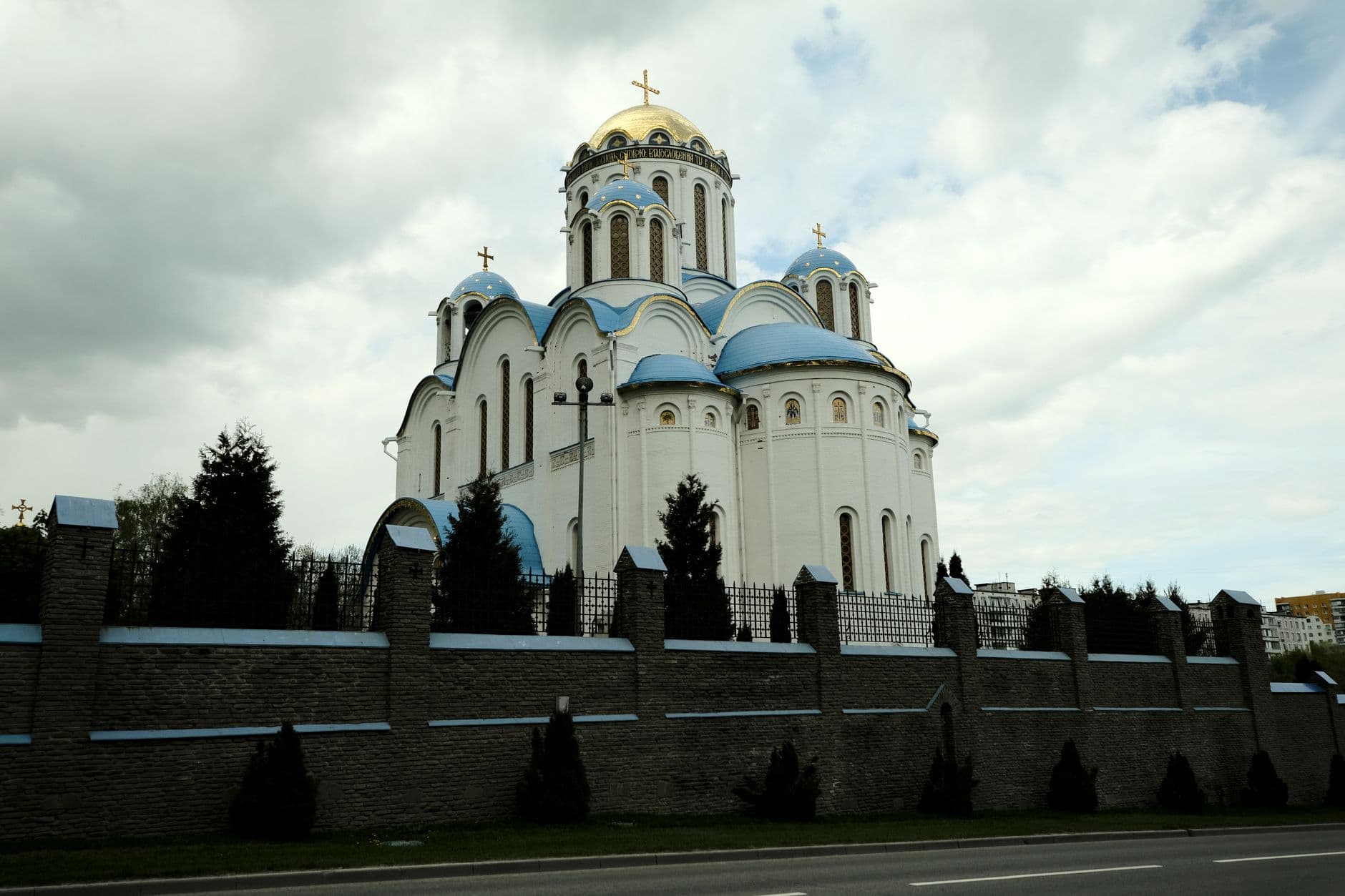
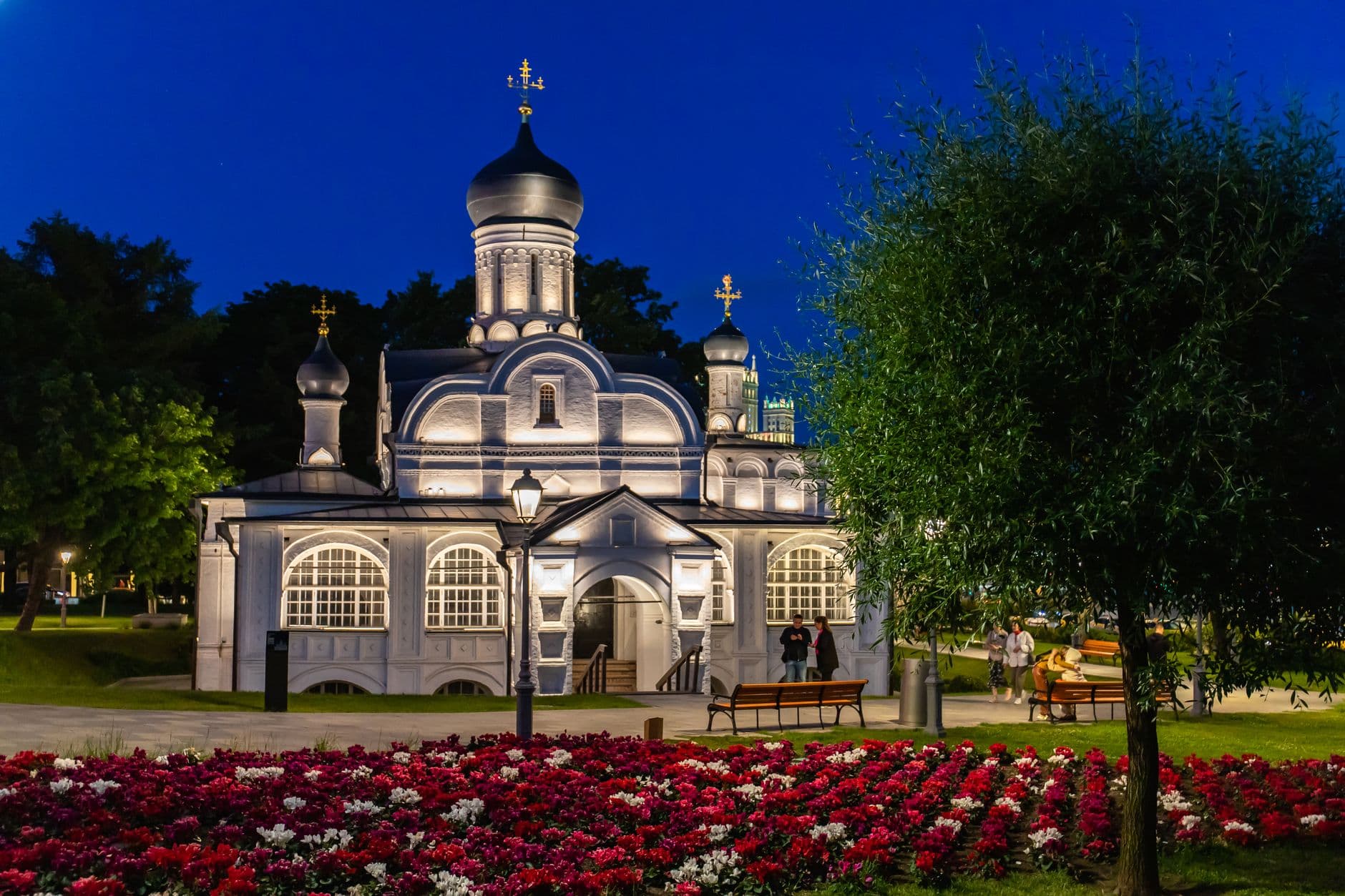
Life in the Moscow German Quarter was markedly different from life in traditional Moscow. Residents built houses in European styles. They established Lutheran and Calvinist churches, which contrasted sharply with the surrounding Orthodox churches. Furthermore, foreigners maintained Western social customs and lifestyles. They also introduced new technologies.
The Sloboda became a crucial center for the exchange of knowledge. It housed skilled engineers, doctors, and military experts. These professionals brought advanced techniques in shipbuilding, metallurgy, and military strategy. They also introduced Western concepts of education and governance. Many Muscovite noble families began employing tutors from the German Quarter. They desired to expose their children to European knowledge and languages. Thus, the quarter served as an informal conduit for modernization. It played a significant role in fostering European influence Moscow absorbed.
Peter the Great's Training Ground
The German Quarter's impact on Russian history reached its zenith during the early life of Peter the Great. The young Tsar spent considerable time in the Nemetskaya Sloboda. He found himself captivated by the Western technologies and lifestyle he observed there. The quarter became Peter's "training ground." He learned about shipbuilding, artillery, and military tactics directly from the foreign specialists residing there.
Peter formed close friendships with several residents of the quarter. Franz Lefort, a Swiss-born military officer, became one of Peter's closest advisors and confidants. Similarly, Patrick Gordon, a Scottish general, mentored Peter in military strategy. These relationships were pivotal. They solidified Peter's commitment to modernizing Russia along Western lines. Consequently, the German settlement Moscow hosted was instrumental in shaping the Tsar's vision for a reformed Russia. It provided the practical expertise needed for his grand reforms.