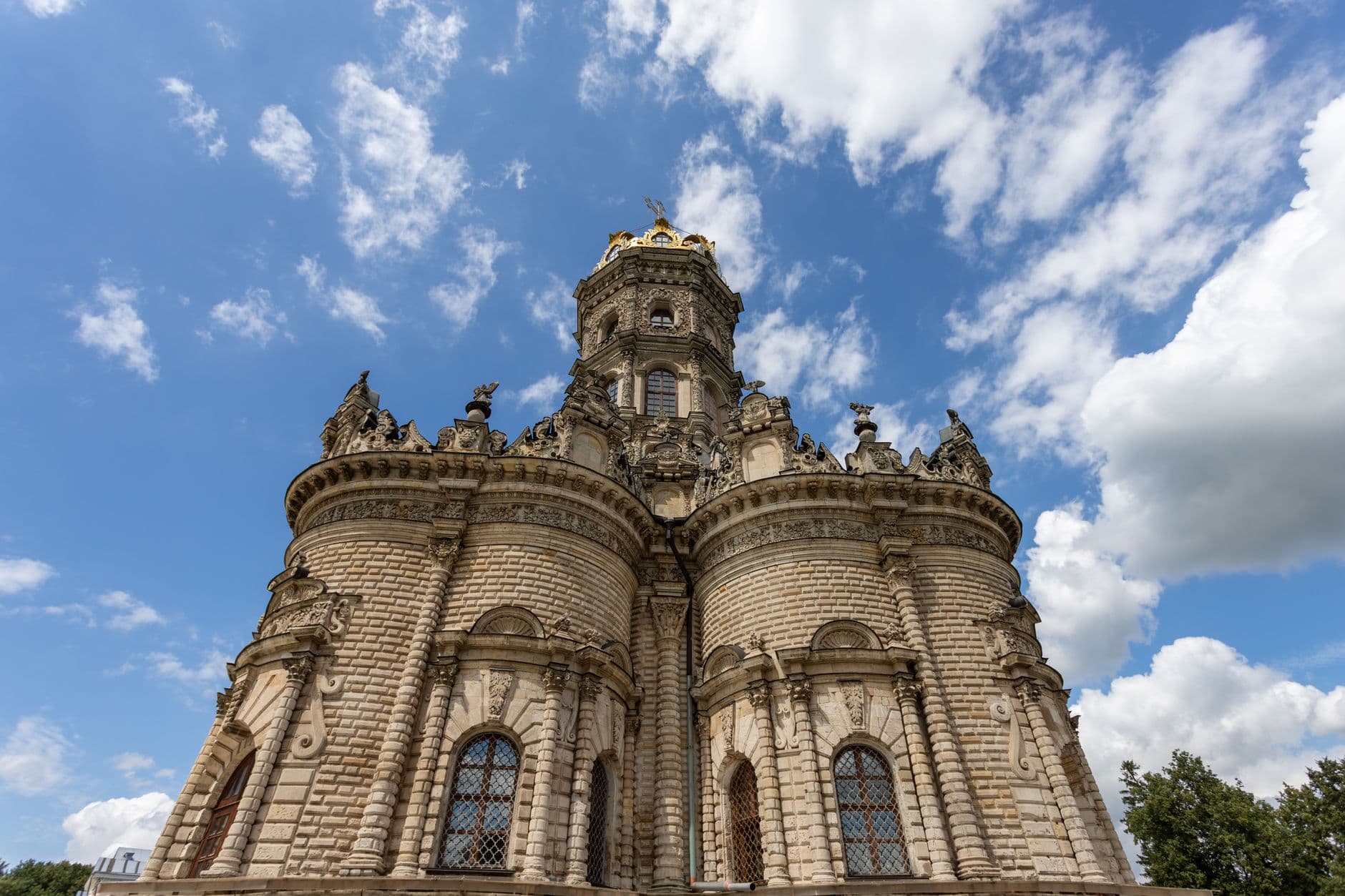
الوصول في وقت الافتتاح؛ استمتع بأفضل إضاءة، وأقل حشود، وإحساس أوضح بالمشاهد. بداية سريعة تساعدك على رسم مسارات عبر المنطقة، مما يترك وقتًا لدراسة أعمق للنقوش البارزة، والكتابات، والساحات الصغيرة.
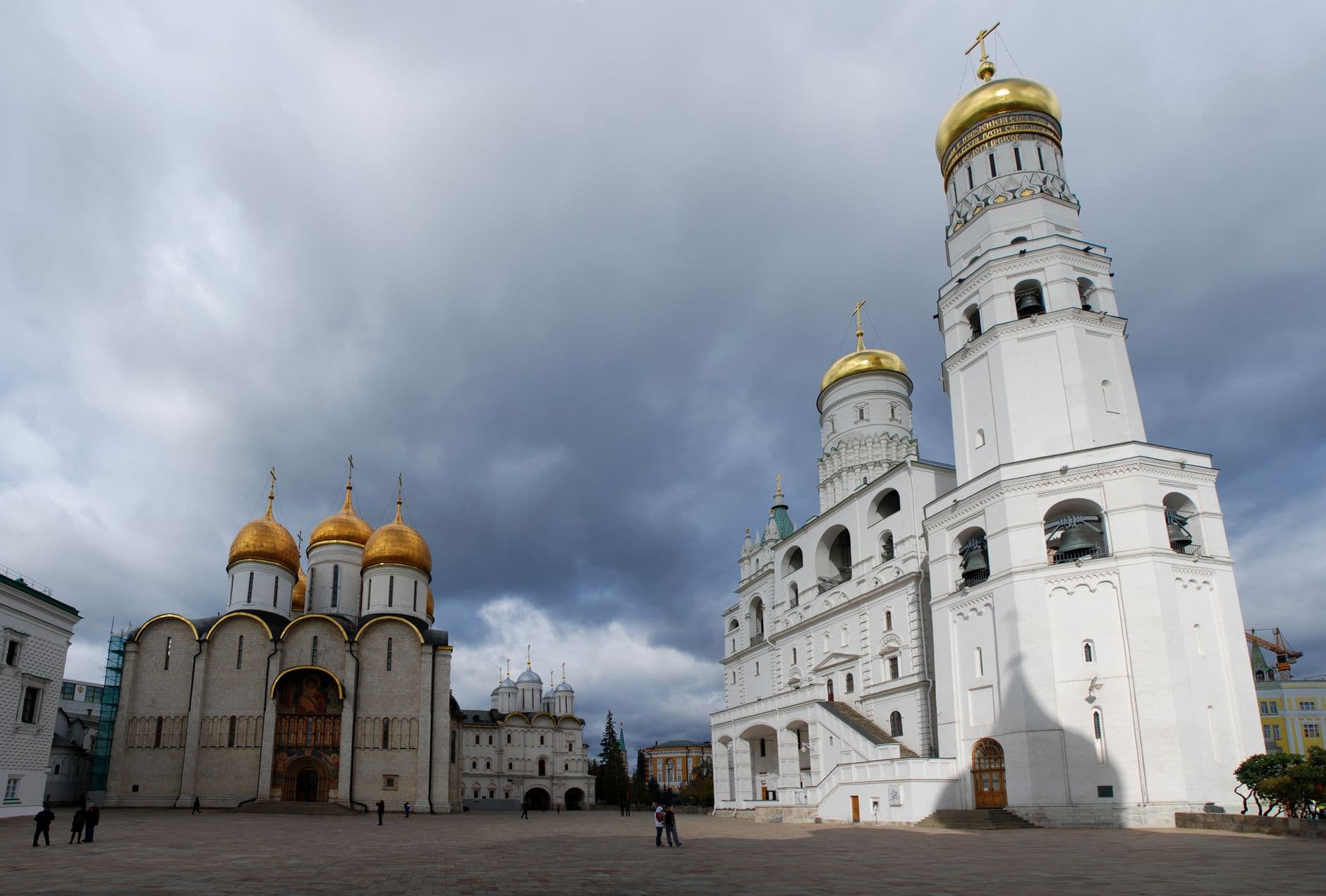
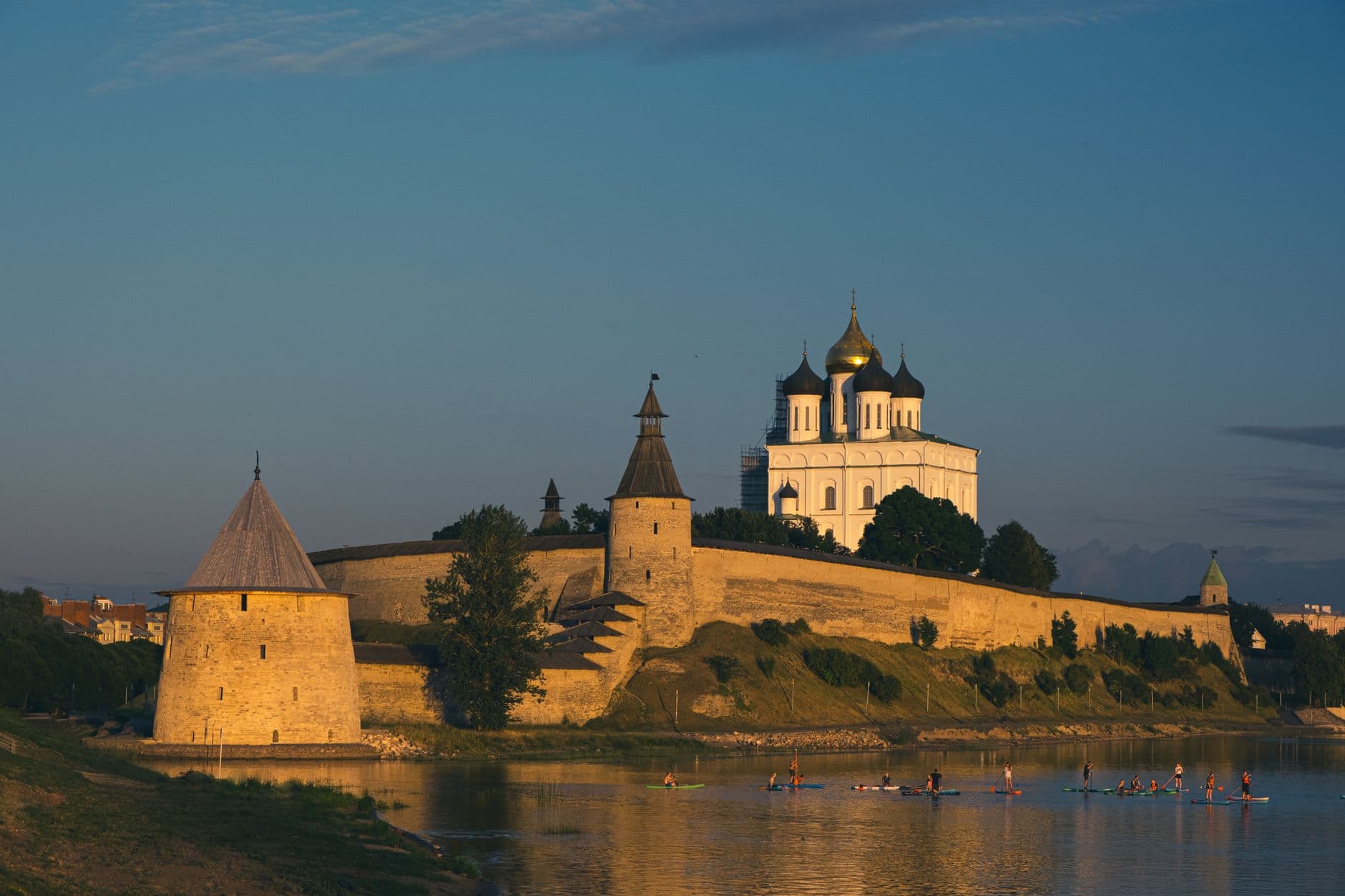
الإطار الخارجي الشبيه بالحصن، والجدران المحصنة التي تمتد لمئات الأمتار، يؤطر مجموعة من الكنائس، وزوج من المصليات، بالإضافة إلى برج الجرس. بنيت في القرن السادس عشر، تعرض هذه المباني مزيجًا من التقنيات الروسية والأجنبية؛ يبلغ ارتفاع برج الجرس ذروته في صورة ظلية نحيلة على طول ضفة النهر.
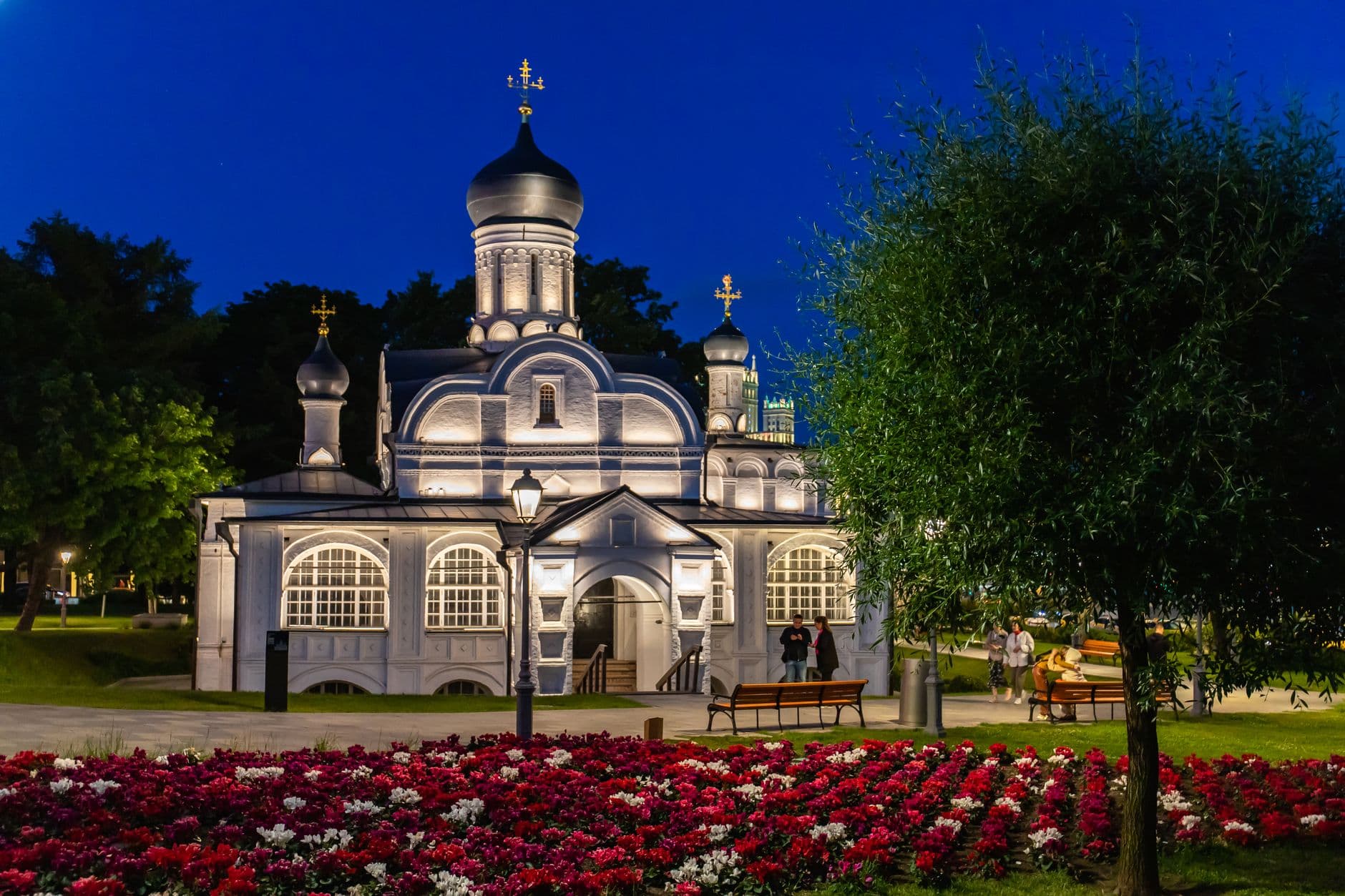
داخل المصلى، تجذب أيقونة هوديجيتريا الحجاج، وهي نقطة محورية للأنشطة التعبدية، مع رفوف من الأيقونات تصطف على الجدران. تشرح إيرينا، وهي مرشدة محلية، مسارات الدخول نحو المقابر، بينما تتتبع قوس التاريخ من خلال النقوش الرخامية.
تذكر الأساطير أخت غير شقيقة لحاكم تستريح داخل الأراضي؛ تظهر مثل هذه الحكايات خلال الأعياد عندما يتذكر السكان المحليون الأحداث البارزة في النصب التذكاري. لقد تم سردها من قبل القائمين على الرعاية قبل ظهور الزوار المعاصرين بوقت طويل؛ اليوم، ينظم المرشدون جولات قصيرة تسلط الضوء على الجذور الإمبراطورية، والحياة الرهبانية، والذاكرة المدنية للمقابر في مدينة موسكو.
نصائح عملية: تتطلب التذاكر الموجودة في المكتب الدفع نقدًا؛ قم بالشراء قبل الاقتراب من البوابات لتجنب الطوابير. تتشابك الممرات عبر المنطقة، وتكشف عن المعالم الرئيسية والجدران المحصنة والصور الظلية للمباني المبنية من الطوب. يرشدك التصميم الإمبراطوري في خطواتك؛ ستلاحظ ارتفاع قبة الكنيسة المركزية التي تؤطر أفق حي موسكو خلال الأعياد، مما يخلق صورًا لا تُنسى. يظل هذا المنظور مهمًا للزوار الذين يبحثون عن السياق.
المعالم القريبة والطرق ونصائح الزيارة العملية
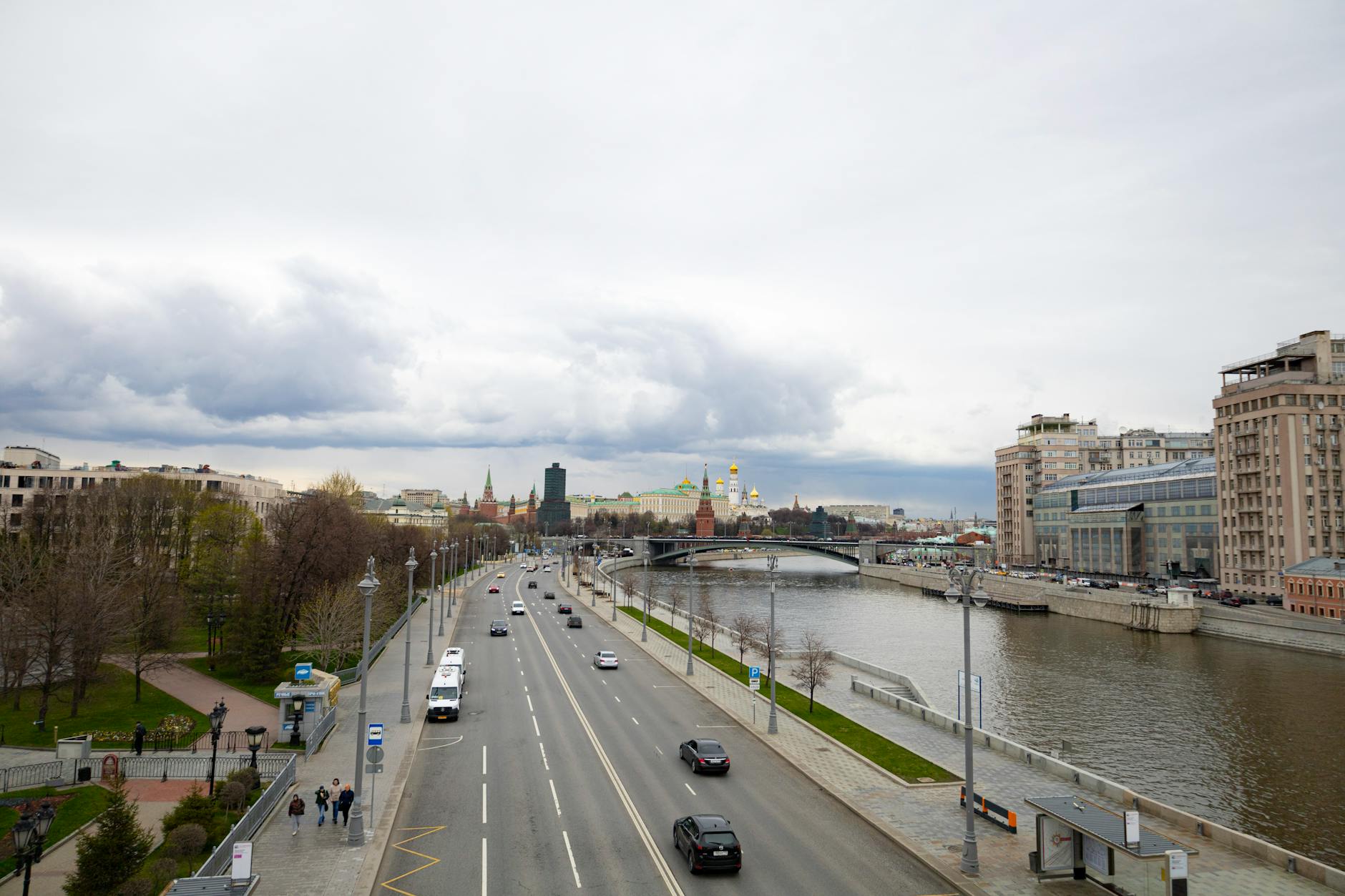
ابدأ بجولة إرشادية على الجانب الجنوبي في أول ضوء للتغلب على الحشود.
خطط لدورة واحدة على طول المسار الجنوبي الذي يغطي المواقع الرئيسية: المبنى الذي يعود إلى قرن من الزمان، والساحات الهادئة، وورشة عمل جانبية، ومبنى مستشفى سابق.
لشراء تصاريح الدخول، تحقق من البوابات الرسمية مسبقًا؛ تجذب الأعياد خطوطًا أكبر.
خلال أعياد الربيع، تمتد الفعاليات إلى الساحات المحيطة، وتحول تلك الزوايا الهادئة إلى أماكن حيوية.
تشمل المعالم القريبة مجمع دير نوفوسباسكي، وكنيسة شهيرة ذات تاريخ يمتد لقرن من الزمان، ومبنى متحف يعرض الأعمال الفنية الدينية، بالإضافة إلى جناح مستشفى مرئي من الجانب.
للانغماس بشكل أعمق، اتبع أول مائة موقع على طول المسار الرئيسي، مع ملاحظة المداخل الجانبية، والشاشات، وورشة العمل، بالإضافة إلى مبنى مستشفى صغير.
عند التخطيط للزيارة، ضع في اعتبارك أيام الأسبوع بدلاً من الأعياد، لأن الساعات الأكثر هدوءًا تسمح بدراسة أوثق للتفاصيل المعمارية.
توجد مجموعات إرشادية؛ تتوفر روايات باللغة الروسية.
تشمل المطاعم القريبة المقاهي غير الرسمية؛ يقدم مطعم روسي للأطعمة الجاهزة المخبوزات والشاي والمعجنات.
يجب أن يكون الحذاء مريحًا؛ احمل الماء وواقي الشمس للأيام الدافئة.
الوصول إلى هناك بالمترو أو الحافلة أو التاكسي
خيار المترو: استقل المترو إلى تقاطع مركزي بالقرب من النهر؛ اخرج باتجاه السد؛ استقل حافلة المدينة المتجهة إلى حدائق لوبوخينا؛ انزل في محطة لوبوخينا؛ يؤدي المشي لمدة 5-7 دقائق على هذا المسار إلى المدخل الغربي. يوفر هذا الطريق مناظر خفية للمجموعة؛ يظهر جمال الواجهات التي يعود تاريخها إلى قرن من الزمان عند الاقتراب. يمكن أن تتكشف لحظة شخصية أثناء النزهة؛ الطريق مجاني لأولئك الذين لديهم بطاقة عبور، مما يجعله مثالًا للمسافرين ذوي الميزانية المحدودة. بالنسبة لأولئك الذين يغادرون المدينة، مثل الأمير، تهمس قصص الأمس عبر النباتات المحيطة بالحدائق. يكشف منعطف قصير نحو منطقة لوبوخينا عن مساحات أكثر هدوءًا. بالأمس استقبلت المنطقة عددًا أقل من الزوار.
خيار الحافلة: من ساحة مركزية، استقل حافلة متكررة باتجاه الواجهة النهرية؛ انزل بالقرب من المدخل الغربي؛ المشي لمدة 10-15 دقيقة يربط ممرًا من الحدائق؛ تصطف النباتات على الرصيف؛ تدعو الزوايا المخفية إلى محطات صور سريعة تحت الأشجار القديمة؛ القبور التي تحمل علامات بسيطة تستحضر أجيالًا؛ تذكر لوحة صغيرة دافيدوف؛ تقف شخصيات ستريلتسي على قاعدة؛ تلمح نقوش صوفيا إلى غرف الإرث؛ تستحضر لافتات الأمس على طول الطريق العمل الخيري؛ تزين النقوش الشبيهة بالتطريز أجزاء من واجهات المباني.
خيار التاكسي: اتصل بسيارة أجرة في المدينة أو استأجر سيارة في ساحة مزدحمة؛ تقلل الرحلة المباشرة من مغادرة التحويلات؛ أسرع من وسائل النقل العام؛ تختلف الأجرة النموذجية حسب المسافة؛ من نقطة مركزية، يستغرق وقت السفر حوالي عشرين دقيقة؛ بالنسبة للسائح الذي يبحث عن النكهة المحلية، يمكنك حجز مرشد شخصي؛ يغلق آخر دخول عند الغسق؛ خطط لترك حشود الأمس وراءك.
ساعات العمل وخيارات التذاكر وأفضل أوقات الزيارة
توفر صباحات منتصف الأسبوع خطوط رؤية أكثر وضوحًا، وعددًا أقل من الزوار، وسهولة الوصول إلى البرج، وتصويرًا أكثر هدوءًا. ساعات العمل: 9:00-18:00 يوميًا؛ آخر دخول 17:00. ساعات الشتاء: 9:00-17:00 مع آخر دخول 16:30. تم إعادة فتح الأقسام بعد التجديد؛ تحقق من الموقع الإلكتروني لمعرفة التغييرات الموسمية. ازدهار أرجواني على طول المسار النباتي مجزٍ بشكل خاص في أواخر الربيع.
خيارات التذاكر: يغطي الدخول الفردي المعالم الرئيسية؛ الحجوزات عبر الإنترنت فقط تضمن الدخول؛ يتم تحويل التذاكر إلى محافظ الهاتف المحمول. توجد تصاريح منفصلة للمسار النباتي؛ يتطلب تسلق البرج فترة زمنية محددة؛ خصومات للطلاب وكبار السن والأطفال. توجد باقة عائلية؛ أدلة صوتية بأسعار منفصلة؛ تتضمن الترجمات على الشاشات اللغتين الإنجليزية والروسية. تعرض مساحة المعرض معارض متناوبة؛ يتم سرد العروض الحالية على الموقع الإلكتروني. مجموعة نوفوديفيتشي هي وجهة شهيرة بين الزوار الروس؛ تساعد المسارات المختارة على التركيز على المعالم المفضلة.
أفضل الأوقات: الصباح الباكر 9:00-11:00؛ بعد الظهر المتأخر 15:00-17:00. تقلل زيارات منتصف الأسبوع من الحشود؛ اختر جولة إرشادية لمسار مختار عبر المجموعة. يشمل جاذبية الربيع أزهار أرجواني على طول المسار النباتي باتجاه البرج؛ أواخر مايو حتى أوائل يونيو تحظى بشعبية كبيرة لالتقاط الصور. تقع أشهر المعالم بالقرب من القباب؛ تتجول المسارات عبر المنطقة برائحة أرجواني في ازدهار.
سياسة التصوير: يتطلب التصوير الفوتوغرافي داخل بعض التصميمات الداخلية إذنًا؛ التصوير بالخارج غير مقيد. نظرًا لأن القواعد تختلف حسب الموقع، راجع الموقع الإلكتروني قبل الزيارة للحصول على أحدث الإرشادات؛ توفر لوحات الترجمة مرجعًا سريعًا باللغة الروسية.
خطط لزيارتك بنفسك باستخدام الموقع الإلكتروني الرسمي؛ اختر المسار الذي يناسب اهتماماتك. يشتمل المجمع على برج وعدة كنائس ذات قباب ومنطقة مقبرة؛ هذه المعالم متصلة بشبكة من المسارات. تعرض المعارض شاشات عرض متناوبة موسميًا؛ يتم عرض شاشات العرض مع الإشعارات عند المدخل. يسرد الموقع الإلكتروني خيارات التذاكر؛ نوفوديفيتشي هي مجموعة روسية كلاسيكية معترف بها لقيمتها المعمارية والثقافية؛ تم إعادة فتح الأقسام بعد التجديدات. النقل: أقرب مترو بوليانكا؛ الحافلات 34 و 40 تتوقف في مكان قريب؛ وقوف السيارات محدود؛ استخدم وسائل النقل العام قدر الإمكان. تختلف مستويات الإضاءة؛ يوفر موسم أرجواني خلفية ناعمة للتصوير الفوتوغرافي.
المعالم الرئيسية داخل مجمع الدير
ابدأ بنفسك عند كنيسة البوابة، وهي نقطة دخول ملحوظة ترسي تجربتك في الدير. تظهر المعالم الأولى هنا.
يؤطر الجدار المحيط سلسلة متناغمة من الساحات، مع أروقة مفتوحة ومصليات صغيرة توضح أسلوب القرنين السادس عشر والسابع عشر، عندما تم بناء معظم الهياكل. إنها تظهر كيف شكل السكان المحليون والنبلاء المكان على مر السنين.
بالقرب من الفناء، يضم معرض الأيقونات أيقونات مبجلة، بما في ذلك أيقونة المخلص التي يلاحظها المرشدون على أنها يجب أن يراها الحجاج والزوار القدامى.
في جميع أنحاء جدرانه، تُروى قصص النبلاء والرعاة النبلاء من خلال النقوش المضمنة والغرف المحفوظة - تأثيرهم هو مثال واضح على كيفية تمويل المحسنين للترميم والتوسع منذ سنوات.
تشمل المعروضات الأوعية الليتورجية والمخطوطات والأعمال المعدنية؛ تشمل العناصر الشائعة الكؤوس الاحتفالية والأردية والألواح المطلية من القرن السابع عشر.
تعرض المجموعة أسلوبًا متأثرًا بالباروك تم تكييفه مع الحرف المحلية؛ ستلاحظ الساحات المفتوحة وأنسجة الجدران والأيقونات المنحوتة التي تكشف عن قرون من الرعاية.
تم تسجيل اسم متبرع يدعى قسطنطين على لوح، وهو إيماءة صغيرة لكيفية الحفاظ على هذه المساهمات لك للتفكير فيها.
للتخطيط بشكل صحيح، تحقق من الموقع الإلكتروني الرسمي لمعرفة ساعات العمل والإغلاق الحالية؛ إذا كنت تريد زيارة مركزة، فخصص 60-90 دقيقة للمعرض الرئيسي و 30 دقيقة لمسار الجدار المحيط؛ فترات ما بعد الظهر المتأخرة نموذجية، لذا خطط وفقًا لذلك.
القبور البارزة وآداب المقبرة
احصل على تصريح تصوير قبل التصوير؛ يُسمح بالتصوير الفوتوغرافي فقط في المناطق المخصصة على طول الطرق الرئيسية. الوصول إلى الأراضي بالمترو واتباع تعليمات الموظفين إلى المدخل الرئيسي؛ ابق على الطرق المعبدة وامتنع عن لمس العلامات. حافظ على أصوات منخفضة وأظهر التسامح مع التأمل الهادئ في الأماكن العامة.
تتجمع العلامات البارزة من القرنين السادس عشر والسابع عشر على طول الشوارع المركزية، مع طبقات من الأحجار التي تحدد القادة المختارين وخطوط العائلة الأقل شهرة وراء القوس. على الرغم من أن بعض الأحجار بسيطة، إلا أن أفضل مثال يظهر حروفًا دقيقة ومواد عالية التباين. تحافظ المساحة على علامات العصر الإمبراطوري، بما في ذلك مبعوث الإمبراطور، وتساهم سلالة نوفوسباسكي بعدة علامات. يقع بعضها داخل المنطقة الداخلية، بينما يقع البعض الآخر على طول الممرات الخارجية. تقع آثار الراهبات بالقرب من الجوقة والممرات الداخلية، مما يوفر نافذة على التاريخ الديني.
يجب أن تكون العناصر المتروكة صغيرة وتوضع في حوامل مخصصة؛ تجنب وضع العناصر مباشرة على العلامات. تظهر باقات أرجواني في الربيع، ولكن يجب أن تظل الشاشات مرتبة؛ يجب إزالة العناصر المتحللة على الفور. تحدد اللافتات المناطق التي يمكنك فيها وضع القرابين والمكان الذي يُسمح فيه بالتصوير الفوتوغرافي؛ قدم دائمًا تصريحًا للتصوير إذا كنت تخطط لالتقاط التصميمات الداخلية أو المعالم الأثرية داخل الجزء الداخلي من الدير. يستضيف جناح نوفوسباسكي معارض تلقي الضوء على التاريخ المحلي، مع وجود بعض الغرف كجزء من مشاريع تفسيرية لما بعد الحقبة السوفيتية؛ اتبع التعليمات المنشورة واحترم التسامح مع الزوار، وتنطبق هذه القواعد على جميع المستويات.
في النقوش، تظهر أسماء مثل سيرجي، مما يدل على أن أولئك المدفونين هنا يشملون شخصيات من الدوائر المجاورة للعائلة المالكة والعائلات العادية على حد سواء. يكشف الجدول الزمني الطويل عن كيفية قيام المنازل المحلية داخل المنطقة بالحفاظ على المواد الأرشيفية، وفي سنوات ما بعد الحقبة السوفيتية، تستضيف معارض صغيرة تكمل العلامات الخارجية. إذا قمت بزيارة مع الأطفال، اشرح القواعد الهادئة وأشر إلى كيف شكلت ذاكرة القرنين السادس عشر والسابع عشر مواقف الزوار تجاه الحفاظ على التراث، بما في ذلك كيف تستضيف المنازل والتصميمات الداخلية اليوم معارض صغيرة تلقي الضوء على هذا الاستمرارية خارج حقبة واحدة. هذا المنظور أوسع من أي حقبة واحدة.
أماكن يجب مشاهدتها على بعد مسافة قصيرة سيرًا على الأقدام: المتاحف والحدائق ووجهات النظر
ابدأ عند البوابة الجنوبية؛ تنزه نحو الساحات، واستمتع بالمتاحف القريبة والمساحات الخضراء ووجهات النظر.
-
المتاحف القريبة
يكشف مكانان حميمان عن الإبداع المحلي: معرض صغير يركز على فنون النسيج، بما في ذلك التطريز؛ مجموعة حديثة تمتد لقرون من الحياة اليومية. توقع دخولًا مجانيًا في أيام معينة من العطلات؛ تحقق من الساعات الحالية قبل الوصول. يضم مصلى على الطراز الباروكي في أحد المباني قبة مذهبة تشكل خلفية درامية للصور.
-
الحدائق والطبيعة
توفر المساحات الخضراء المطلة على النهر مسارات مظللة؛ أحواض نباتات عطرية؛ مقاعد يجلس عليها الزوار. توفر الزهور الموسمية اللون في الربيع، وتجذب أوراق الشجر الخريفية المصورين. المسارات مناسبة للتنزه غير الرسمي؛ مثالية للاستراحة السريعة أثناء الرحلة.
-
وجهات النظر والمطلات على الأفق
يؤدي صعود مضغوط إلى شرفة ذات إطلالة بانورامية عبر الأفق الحضري، حيث تقطع الكنائس ذات القباب الأفق. توفر منصة مراقبة خشبية نسيمًا منعشًا، بينما تضيف حديقة هادئة أدناه لحظة من التأمل.
نصيحة: الوصول مبكرًا للاستمتاع بالهواء البارد؛ تتوفر جولات صوتية بلغات متعددة للحصول على سرد أكثر ثراءً.