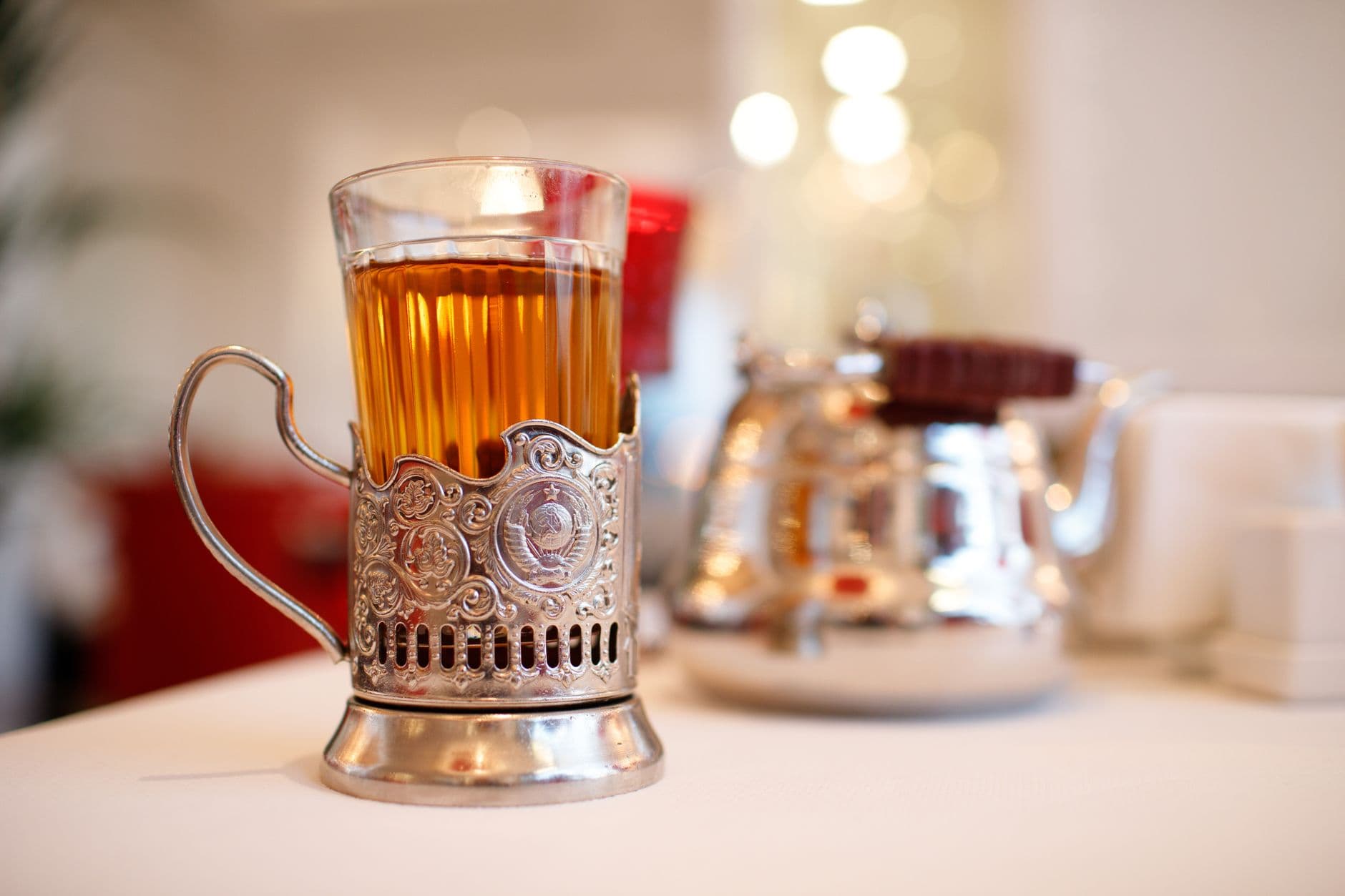
اغلي الماء إلى حوالي 95-100 درجة مئوية، ثم صبّه على حفنة من الأعشاب وانقعه لمدة 5-7 دقائق لاستخلاص الرائحة. هذه الطريقة الأصلية تعطي طعمًا متوازنًا أعجب الكثيرين في الشتاء، عندما تكون الدفء مهمًا. يساعد اختيار الخلطات الخالية من الكافيين على تقليل تناول الكافيين مع الحفاظ على تجربة غنية ومريحة.
جرب الأعشاب مثل النعناع و زهرة البيلسان و البابونج و بلسم الليمون لصنع مشروبات أصلية. هذا النهج يعطي نكهات عديدة، و عندما تستخدم نكهات أخف يمكنك تحسين الرائحة بدون مرارة. للحصول على خيارات خالية من الكافيين، ضع في اعتبارك قاعدة من البابونج و بلسم الليمون؛ هذه الأعشاب تقدم عادةً طابعًا لطيفًا ومريحًا.
خزن الخلطات المجففة بعيدًا عن الضوء واحتسيها خلال أمسيات الشتاء. تعتمد العديد من الأسر على هذا المصدر للدفء؛ تقدر التقاليد الأعشاب البسيطة على أي معالجة كيميائية. يساعد استخدام برطمانات زجاجية صغيرة على الحفاظ على الرائحة سليمة، و هذا يسهل المساعدة في الحفاظ على العطر لأيام.
كما يقول المثل، ضع في اعتبارك التخمير بقاعدة من الماء العادي بالإضافة إلى عدد قليل من الأعشاب، ثم اضبط حسب الذوق. يمكنك تقليل وقت النقع إذا كان طعم المشروب قويًا، أو تحسين التوازن بإضافة قليل من قشر الحمضيات. عندما تستخدم الأوراق المجففة، يمكن أن تظل وصفتك الأصلية ثابتة لعدة أيام في الثلاجة، على الرغم من أن دفء الشتاء غالبًا ما يحفز التحضير المتكرر.
اجعل الأمر بسيطًا: بدون أدوات معقدة، يكفي غلاية ومصفاة و أعشاب. تساعد النتيجة على تقليل تناول الكافيين، ويمكن الاستمتاع بها كطقوس خالية من الكافيين تحسن المزاج خلال الشتاء. ضع في اعتبارك أن مصدر النكهة يكمن في الأعشاب، وليس في المواد المضافة؛ المصدر للعديد من الأسر يظل أصليًا.
Zavarka: تقنيات عملية للشاي الروسي التقليدي وشاي الأعشاب المريمية

ابدأ بملعقتين إلى ثلاث ملاعق كبيرة من المريمية المجففة ومزيج من أوراق الشاي السوداء لكل لتر في الزافاركا. اشطف الوعاء بالماء الساخن لتدفئته، وأضف المزيج، ثم صب الماء المغلي. قلّبهم لفترة وجيزة، وغطّهم، وانقعهم لمدة خمس إلى سبع دقائق للحصول على مشروب نظيف ومشرق.
يزداد خطر الإفراط في الاستخلاص إذا تركته لفترة طويلة جدًا؛ بعد المؤقت، ارفعه عن النار وصبه في أكواب دافئة. هذا يقلل من المرارة ويحمي القلب من النوتات القاسية. كل شيء آخر - التوقيت ودرجة الحرارة - يحدد النتيجة.
تشمل معززات النكهة قشر البرتقال أو اليوسفي، وعدد قليل من التوت لإضفاء نكهة لاذعة، ولمسة من عسل أو شراب النار لإضفاء حلاوة أعمق. ربما تضيف رشة صغيرة من القرفة أو الزنجبيل العمق دون إخفاء المريمية. اختياريًا، أضف رشة من الكاشايام للحصول على ميزة إضافية.
توازن خاص: لرفع أسرع، قم بزيادة الحرارة قليلاً أو اضبط وقت النقع؛ على عكس المريمية العادية، يظل هذا المزيج متناغمًا عند تقديمه في الخارج. مثل أي مشروب، تذوق أثناء تقدمك.
أفكار للتقديم: استمتع بالمشروب سادة، أو مع شريحة خبز على الجانب. طعمه لطيف ولذيذ، مع تلميح مشرق من الحمضيات التي تدوم بعد الرشفة. لا توجد طرق مختصرة.
العناية بالزافاركاس: اشطفها بعد الاستخدام، وجففها جيدًا، وجفف الأوعية بالهواء. تقلل هذه الممارسة من البقايا وتحافظ على نظافة المشروبات المستقبلية.
نصائح التخزين: بردها، ثم ضع بقايا الطعام في الثلاجة في وعاء نظيف لمدة تصل إلى 24 ساعة؛ أعد تسخينها برفق، وتجنب الغليان الزائد لحماية النكهة.
اختيار إبريق الشاي المناسب ومصدر الحرارة للزافاركا
اختر وعاءً قويًا متوسط الحجم بغطاء محكم وقاع سميك، ويفضل أن يكون من النحاس أو الحديد الزهر؛ قم بإقرانه بمصدر حرارة يمكن التحكم فيه مثل صفيحة تسخين كهربائية أو موقد فحم صغير للحفاظ على المشروب على نار هادئة ثابتة لعدة أكواب. يركز هذا الدليل على التطبيق العملي ويساعدك على اختيار وعاء يحافظ على الرائحة قوية والمستخلص متوازنًا.
- المواد والبناء
- تحتفظ المعادن المتينة مثل النحاس أو النحاس الأصفر أو الحديد المطلي بالمينا بالحرارة لفترة أطول وتنقلها بالتساوي؛ على عكس الفولاذ الرقيق، فإنها تحتفظ بالحرارة بشكل أفضل وتدوم لفترة أطول عندما تكون ساخنة.
- تأكد من وجود غطاء محكم وقاعدة عريضة ومسطحة لمنع فقدان الحرارة وتعزيز الاستخلاص المتساوي؛ تضيف هذه السمة الرئيسية عمقًا إلى المشروب النهائي.
- الحجم والسعة
- الأواني الصغيرة (0.5-1 لتر) تناسب التجمعات الحميمة؛ يزداد شعبية الخيار الصغير عندما تقدم عدة أكواب على التوالي.
- للاستخدام العائلي، اهدف إلى حوالي 0.8-1.2 لتر لتحقيق التوازن بين الراحة والأداء دون تقييد أولئك الذين يريدون ثوانٍ.
- خيارات مصدر الحرارة
- توفر مواقد الغاز أو الكهرباء تحكمًا دقيقًا لرفع اللهب أو خفضه وتجنب الاحتراق؛ هذا هو السبب الرئيسي الذي يجعل العديد من الأسر تفضل هذه الإعدادات.
- في المناطق الريفية أو أثناء التخييم، يوفر حامل يعمل بالخشب أو الفحم فارقًا بسيطًا ودخانيًا؛ بدأ هذا النهج منذ فترة طويلة ولا يزال يُنظر إليه على أنه موثوق به في الخارج وفي مواقع داشا.
- ملاحظات النكهة والماء
- أضف الأعشاب وشرائح الفاكهة لرفع الرائحة؛ يقدم النعناع أو قشر الحمضيات أو التوت الفيتامينات وحموضة مشرقة؛ يمكن أن تشحذ النوتات الحمضية من الليمون النهاية إذا استخدمت باعتدال.
- استخدم الماء بصلابة متوازنة؛ يمكن أن يقلل الماء المعدني المفرط من النكهات، لذا قم بتصفيته إذا لزم الأمر وتذوقه قبل الصب لتحديد مدى قوة المشروب لكل كوب.
- الحفاظ على الرائحة والملمس
- قم بتسخين إبريق الشاي مسبقًا لتقليل فقدان الحرارة؛ تساعد هذه الخطوة في الحفاظ على السائل ساخنًا لفترة أطول وتحافظ على الزيوت الأساسية التي يقدرها العديد من الروس.
- اخفض الحرارة بمجرد أن يظهر السطح فقاعة لطيفة؛ هذا يمنع النوتات المرة ويحافظ على المشروب سلسًا لجميع من يشربه.
- الصيانة والعناية
- اشطفه بعد كل استخدام وجففه تمامًا لمنع التآكل؛ نظف المينا أو التشطيبات المطلية بالورنيش بقطعة قماش ناعمة لتجنب الخدش.
- يخزن في مكان جاف لتجنب الصدأ والحفاظ على المعدن في حالة جيدة للجلسات المستقبلية.
الأهم هو الإعداد الموثوق به الذي يناسب مساحتك وروتينك؛ لدى روسيا تقاليد طويلة في تكييف الأوعية وطرق التسخين، وتقدر العديد من الأسر خيارًا بسيطًا وصغير الحجم يمكن استخدامه في المنزل أو اصطحابه في رحلات إلى الخارج. يُرى هذا النهج في المطابخ عبر المناطق، ويؤكد على اليد الثابتة، وإضافات الأعشاب والفواكه المدروسة، واحترام الغرض الرئيسي من المشروب: تقديم رفع قوي ولذيذ يحافظ على الفيتامينات والرائحة لكل شخص حول المائدة. إذا كان الإكزيما أو حساسية الجلد مصدر قلق، فحافظ على محتوى الكافيين متواضعًا وتجنب ارتفاع درجة حرارة الوعاء؛ تظل النتيجة مرضية لأولئك الذين يبحثون عن طقوس دقيقة وغير مكلفة يمكن أن تنحني لاحتياجاتك وأذواقك ومساحتك. باختصار، وعاء جيد البناء ومصدر حرارة يمكن التحكم فيه وإضافات مدروسة تحول المشروب البسيط إلى عادة يومية عزيزة.
أصناف أعشاب المريمية ومصادر الأوراق عالية الجودة
اشترِ أوراق المريمية الطازجة الكاملة من بائع حسن السمعة؛ ابحث عن ملمس ثابت ولون زاهي ورائحة قوية تشبه الكافور. تجنب السيقان المترهلة أو الحواف البنية أو الأسطح المتربة. بالنسبة للزافاركاس، ابدأ بملعقتين كبيرتين من الأوراق المقطعة لكل 4 أكواب من الماء، واغليها على نار هادئة لمدة 8-10 دقائق، ثم قلبها وصفيها. استخدم الأوراق الطازجة في غضون يوم واحد من الشراء للحصول على أفضل النكهات.
- المريمية الشائعة (Salvia officinalis) - نكهات قوية ولذيذة؛ الأوراق كبيرة وقوية، ومثالية للخلطات؛ استخدم 4-6 أوراق لكل كوب من المشروب للحصول على نتيجة جريئة. يتم تخزين الأوراق المجففة بشكل أفضل في برطمانات محكمة الإغلاق بعيدًا عن الضوء؛ إنها تعطي العمود الفقري المتسق للعديد من الوصفات.
- مريمية الأناناس (Salvia elegans) - نكهات أخف من الحمضيات والصنوبر؛ تضيف الأزهار القرمزية لونًا في الحدائق وتؤثر على الرائحة عندما تكون طازجة. من الأفضل قطفها قبل الإزهار للحصول على مشروب دقيق؛ اقطع 1-2 ورقة لكل كوب لتخفيف اللدغة. قد تغير بعض الصلبان الرائحة، لذا اختر أشكالًا نقية إذا كنت تريد الاتساق.
- المريمية البيضاء (Salvia apiana) - رائحة قوية وراتنجية؛ استخدمها باعتدال في المشروبات (1-2 ورقة لكل كوب) وتجنب الغليان الطويل. في المطابخ الروسية، يستخدمها البعض جنبًا إلى جنب مع النعناع في الخلطات الصغيرة لأن هذه الأعشاب توازن النوتات الأثقل، على الرغم من أنها لا ينبغي أن تهيمن أبدًا.
- المريمية المتصلبة (Salvia sclarea) - زهرية، مع تلميح من الفاكهة؛ تتناسب جيدًا مع الحمضيات والتوابل الخفيفة؛ استخدم 1 ملعقة كبيرة لكل 2 كوب للحصول على نوتة لطيفة في الخلطات. على عكس المريمية الشائعة، فإنها تميل نحو الروائح التي ترفع بدلاً من أن تطغى.
- أصناف أخرى - يمكن أن تضيف المريمية الأرجواني والمريمية المتنوعة والأنواع ذات الأوراق الخضراء لونًا ولسعة أكثر اعتدالًا إلى الخلطات؛ يتم تهجين هذه الأعشاب أحيانًا، مما قد يغير النكهات - اختبر دفعة واحدة أولاً. إذا سأل شخص ما عما يجب اختياره، فابدأ بالمريمية الشائعة للحصول على الموثوقية وتفرع بأحد الأصناف الزخرفية لاستكشاف النكهات المختلفة.
ملاحظات المصادر: ابحث عن شهادة عضوية وتعبئة نظيفة؛ تفضل النباتات التي تزرع بدون مبيدات حشرية، وتحقق من وجود أوراق سليمة بدلاً من الغبار المسحوق. إذا اشتريت أوراقًا مجففة، فتأكد من أنها كاملة وعطرية وخالية من السيقان؛ تتشكل قرون البذور بعد الإزهار، لذا احصد قبل أن تتشكل القرون لتجنب المرارة. قم بتخزين الأوراق المجففة في مكان بارد ومظلم لمدة تصل إلى 6-12 شهرًا. عند الحصاد، اقطف الأوراق بدون براعم إذا كنت تريد مشروبًا أكثر اعتدالًا؛ وإلا، قم بالتقليم لتشجيع النمو الجديد وترك بعض البراعم لمواصلة إنتاج الأوراق. للمزج مع الأعشاب الأخرى، ادمج نوعين أو ثلاثة أنواع في خلطات الزافاركاس؛ يمكن أن تعطي هذه التركيبات نكهات أكثر تنوعًا ورائحة محسنة.
تخمير الزافاركا التقليدي: طريقة خطوة بخطوة
ابدأ بـ 2-3 ملاعق كبيرة من مزيج مطحون خشن في الوعاء السفلي، ثم صب 200-250 مل من الماء الساخن. ومع ذلك، فإن هذه النسبة تعطي قوامًا قويًا بحواف محددة جيدًا. حافظت عائلة كوبورسكي من سانت بطرسبرغ على هذه القصة باسم ثابت. يوفر الحلبة والكمون نوتات خفية تتماسك مع تطور المشروب. تضيف السيقان في المزيج ملمسًا، ويستعير المظهر الدقيق الشبيه بالشاي الصيني الأسود من الأكسدة الدقيقة.
أولئك الذين يرغبون في تحسين النتائج يستخدمون نهجًا محسوبًا: 2-3 ملاعق كبيرة لكل 200-250 مل، ووقت النقع 5-7 دقائق. متى شئت قوة أخف، قم بتخفيفها بمزيد من الماء الساخن في الكوب؛ تتحول مستويات النكهة دون إجبار المرارة. يكمن منع الإفراط في الاستخلاص في إبقاء المشروب أقل من سبع دقائق والتحكم في الحرارة. تؤكد المقالة على أن القوام يظل مرضيًا بينما تظل السعرات الحرارية لكل وجبة متواضعة؛ يطور هذا المزيج عمقًا مع بناء الرائحة، مما يعكس تراث سانت بطرسبرغ واسم كوبورسكي.
الخطوة 1. قم بتسخين الوعاء العلوي بالماء الساخن، ثم ضع 2-3 ملاعق كبيرة من المزيج في الوعاء السفلي وأضف 200-250 مل من الماء الساخن لبدء الاستخلاص. تأكد من أن تخفيف الحرارة يحافظ على الروائح العطرية ويتجنب القسوة الجذرية.
الخطوة 2. غطيه وانقعه لمدة 5-7 دقائق دون تحريك للحفاظ على حواف نظيفة؛ يزيد الاتصال الأطول من خطر المرارة والجذور الصديقة للمرارة في درجات حرارة أعلى.
الخطوة 3. صب المركز في كل كوب وقم بتغطيته بالماء الساخن للوصول إلى القوة المطلوبة؛ يمكن لأولئك الذين يهدفون إلى الحصول على قوام كامل استخدام تخفيف أقل، بينما يضيف أولئك الذين يبحثون عن الدقة المزيد من الماء. يجب أن تظل النتائج متوازنة، مع تلبية ترابية الحلبة لدفء الكمون.
الخطوة 4. قلّب برفق وتذوق وقدم؛ تعمل الصبّات الأطول على تعميق الرائحة ولكنها تتطلب نقعًا أوليًا أقصر لمنع الإفراط في الاستخلاص. للحماية من التعب في الاستخدام الروتيني، حافظ على حصص متواضعة وتذوق القصة وراء المزيج.
| الخطوة | الإجراء | الوقت | ملاحظات |
|---|
| 1 | قم بتسخين الوعاء العلوي؛ أضف 2-3 ملاعق كبيرة من المزيج إلى الوعاء السفلي؛ أضف 200-250 مل من الماء الساخن | 5-7 دقائق | التسخين المسبق يساعد على القوام والحواف؛ يشمل الحلبة والكمون |
| 2 | غطيه وانقعه دون تحريك | 5-7 دقائق | تجنب الإفراط في الاستخلاص؛ يمنع النوتات المرة |
| 3 | صب المركز في الأكواب؛ يخفف بالماء الساخن حسب الذوق | 1-2 دقيقة | تضمن ملاعق القياس الاتساق |
| 4 | قلّب وقدم؛ اضبط حسب التفضيل | - | راقب السعرات الحرارية؛ حافظ على التوازن |
أوقات التخمير المثالية ودرجات الحرارة ونسب الشاي إلى الماء
توصية: عند استهداف مشروب قوي ومتوازن جيدًا، استخدم 18-20 جرامًا من مزيج قوي مقطّع جيدًا لكل 1 لتر من الماء؛ سخن إلى 95-100 درجة مئوية؛ انقع لمدة 4-5 دقائق لاستخلاص الرائحة والقوام الكاملين؛ اتركيه لفترة وجيزة، ثم خففه بالماء الساخن أو الحليب بنسبة 1:3-1:4 للتقديم.
كوب يومي: 6-8 جرام لكل 250 مل؛ ماء 90-95 درجة مئوية؛ 2-3 دقائق؛ هذا يعطي قاعدة مشرقة وسريعة. متى قدمت، صب بينما لا يزال السطح يتلألأ؛ بالقرب من المائدة يضمن بقاء الأذواق طازجة. عندما تريد طعمًا أقوى، قم بتمديده إلى 3-4 دقائق، على الرغم من أن الأطول يمكن أن يقدم المرارة. إذا كنت تفضل كوبًا أخف، فقم بتقليله إلى دقيقتين.
مركز للخدمة القابلة للمشاركة: 18-22 جرامًا لكل لتر؛ 4-5 دقائق؛ اتركيه لفترة وجيزة، ثم خففه حسب الذوق بنسبة 1:2 إلى 1:3 تقريبًا بالماء الساخن أو الحليب. يقلل هذا النهج من خطر الإفراط في الاستخلاص ويحافظ على لون كهرماني عميق يشعر بالراحة بشكل خاص في الشتاء. نشأ بالقرب من حواف ساحل البلطيق، حول سانت بطرسبرغ؛ يتم تصدير هذه الخلطات على نطاق واسع إلى الأسواق التي تبحث عن الدفء.
ملاحظات النكهة والإضافات: يكمل قشر البرتقال ولمسة من المريمية القواعد الأمامية للشاي تشاي؛ يجب أن تكون هذه اللمسات مقيدة (1-2 جرام لكل لتر) لتجنب إخفاء قلب المزيج وتجنب إجهاد الجلد المعرض للإكزيما. عند استخدامه، تكون النتيجة أكثر ثراءً وطبقات، مما يترك دفئًا دمويًا على الحنك بعد الرشفة الأخيرة.
استخدام الكبسولات: إذا كنت تستخدم الكبسولات، فقم بتخمير كبسولتين لكل 250 مل عند 90-95 درجة مئوية لمدة 1-2 دقيقة؛ بعد النقع، قم بإزالتها على الفور لتجنب الإفراط في الاستخلاص والحافة القاسية؛ هذه الطريقة مناسبة تمامًا لإعادة التعبئة السريعة بالقرب من المائدة، خاصة أثناء التجمعات الشتوية.
تقديم وتذوق وتخزين الزافاركا وشاي المريمية في المنزل
ابدأ بمركز زافاركا قوي في غلاية كبيرة، وانقع أوراق المريمية الطازجة والأعشاب الإضافية لمدة 10-12 دقيقة حتى تكون الرائحة راتنجية ويتعمق لون السائل.
للتقديم، صب كمية محددة من المركز في كوب وخففها بالماء الساخن حسب الذوق؛ للحصول على نتيجة على طراز اللاتيه، قم بتغطيته بالحليب المبخر الطازج.
ملاحظات التذوق عديدة: المريمية الراتنجية وعمق الأعشاب الخضراء وحلاوة خفية يمكن رفعها بلمسة من السكر أو تزيينها بالتوت.
تعديل النهاية: يمكن لرشة ملح أن تقرب النهاية وتبرز طابع الأعشاب؛ مثل هذا التوازن الملحي سيساعد في تخفيف المرارة.
التخزين والمناولة المريحة: انقل المركز المتبقي إلى زجاجة زجاجية نظيفة، واحتفظ به خاليًا من الضوء والروائح القوية، وضعه في الثلاجة؛ استخدمه في غضون 3-4 أيام؛ للتخزين لفترة أطول، قم بتجميده في أجزاء صغيرة. هذا النهج مريح ويمكن أن يسمح بالتكرار السريع.
ملاحظة تاريخية: تظهر أعشاب كوبورسكي في العديد من الخلطات المنزلية في جميع أنحاء الأسر؛ يشير مصدر Koporsky إلى أن هذه الخلطات تم تصديرها إلى شبكات السوق حيث تم تقدير هذه الخلطات لهم يوميًا. تتتبع هذه المقالة التاريخ، وتقول أين ومتى ظهرت الممارسة، وتصف كيف انتشرت مع تبني المزيد من الأسر لها. يقول البعض أن مشروب المريمية يساعد في علاج الإكزيما؛ قائلين إن له خصائص مهدئة، على الرغم من أن هذه ليست نصيحة طبية.