


Nestled in the heart of Moscow, the Darwin Museum stands as a testament to the wonders of evolution, biodiversity, and the intricate interconnectedness of life on Earth. Established in 1907 by Alexander Kots, this iconic institution is not just a museum—it is a living tribute to Charles Darwin's groundbreaking theory of evolution. With over 400,000 exhibits spanning zoology, anthropology, and paleontology, the Darwin Museum invites visitors on an awe-inspiring journey through time, exploring the origins of life, the diversity of species, and humanity's place within the natural world.
The Genesis of the Darwin Museum: From Vision to Reality
The story of the Darwin Museum begins with its founder, Alexander Kots, a passionate biologist and educator who sought to create a space where people could explore the principles of evolution and the beauty of nature. Inspired by Charles Darwin's revolutionary work, On the Origin of Species , Kots envisioned a museum that would not only educate but also inspire curiosity about the natural world.
In 1907, Kots opened the first iteration of the museum in his own home, displaying a modest collection of taxidermy specimens, fossils, and anthropological artifacts. Over the decades, the Darwin Museum grew exponentially, eventually moving to its current location in Moscow in 1934. Today, it occupies a sprawling complex that seamlessly blends historical charm with modern technology, making it one of the largest natural history museums in Europe.
Architectural Design: A Natural History Museum Like No Other
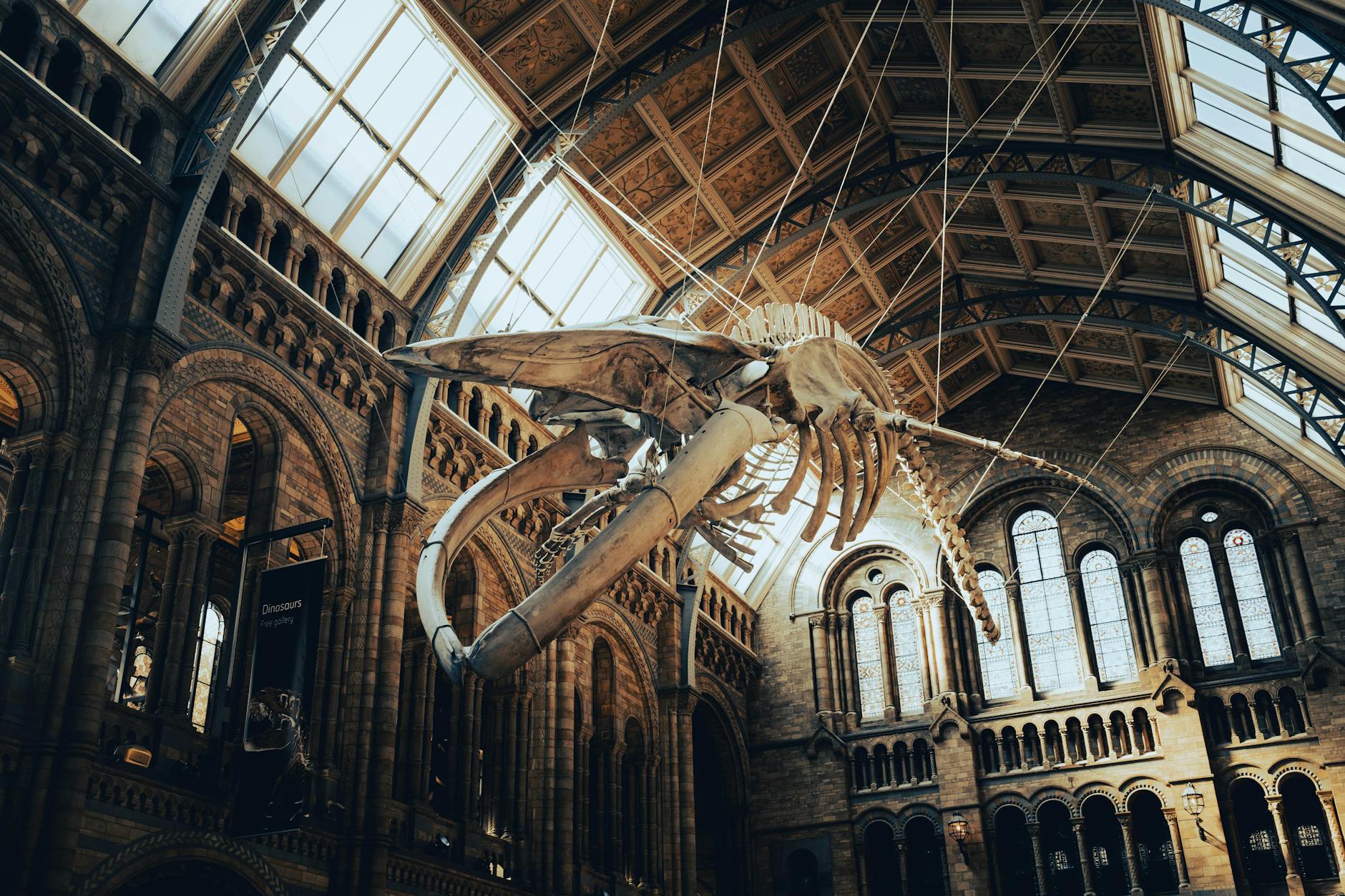
The Darwin Museum's architecture reflects its mission—to bridge the past and the future. The main building features classical elements, such as ornate facades and grand halls, while incorporating state-of-the-art facilities for exhibitions, research, and education. Its design symbolizes the museum's dual focus on preserving natural history and advancing scientific understanding.
One of the most striking features of the Darwin Museum is its planetarium, which offers immersive experiences of the cosmos, further emphasizing the interconnectedness of life on Earth and the universe beyond. This blend of traditional and futuristic elements makes the Darwin Museum a unique cultural landmark.
Exploring the Exhibits: A Journey Through Time and Life
Planning your Moscow museum visit?
Skip the queues — book museum tickets and guided tours in Moscow.
Book a tour →
The Origins of Life at the Darwin Museum
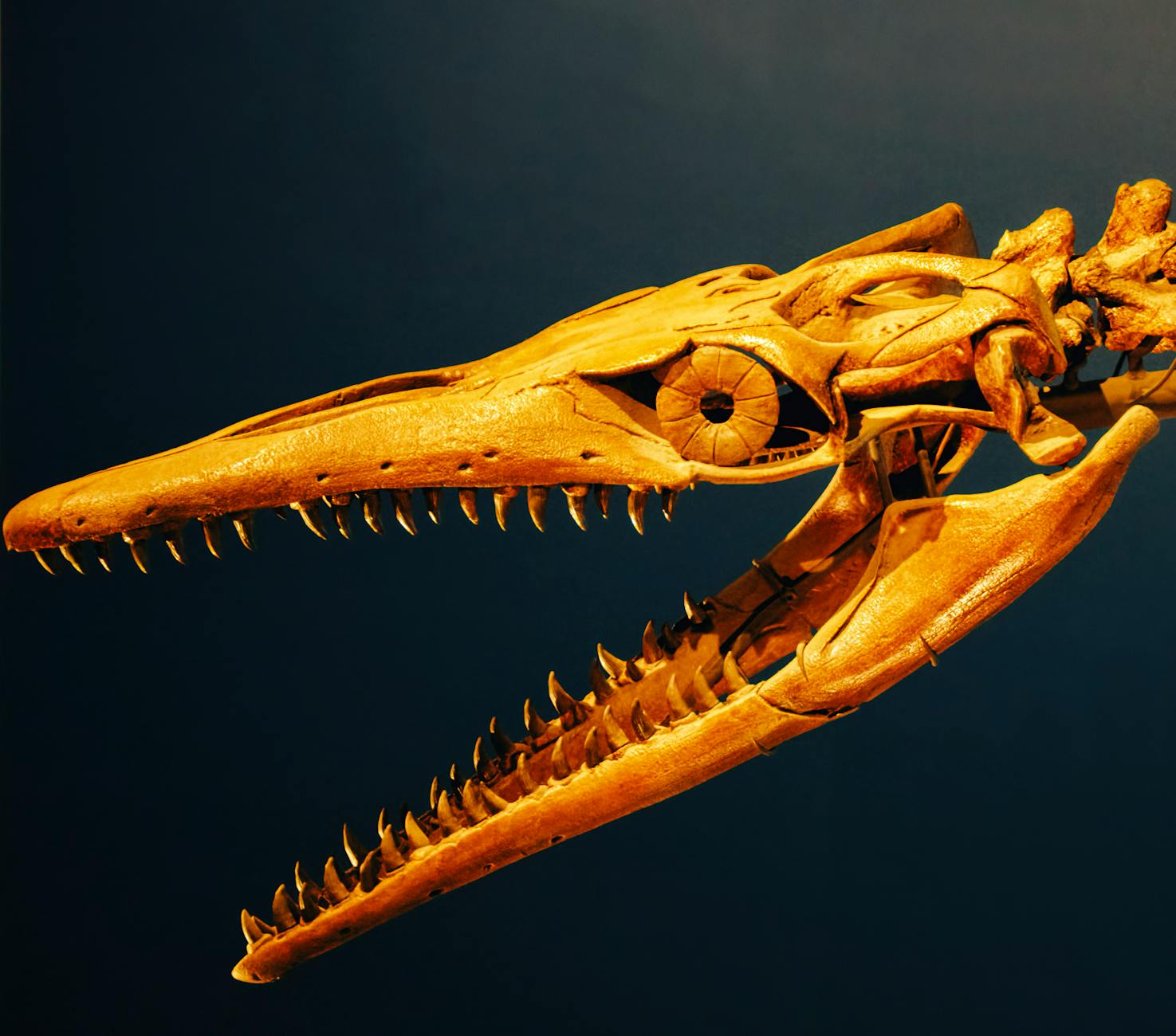
At the heart of the Darwin Museum lies its exploration of the origins of life. This section takes visitors on a chronological journey from the primordial soup to the emergence of complex organisms. Highlights include:
- Fossils of Ancient Creatures : Rare specimens of trilobites, ammonites, and other prehistoric life forms provide tangible evidence of Earth's earliest inhabitants.
- Interactive Displays : Visitors can engage with simulations of evolutionary processes, such as natural selection and adaptation, to better understand how species evolve over millions of years.
- Artistic Interpretations : Striking dioramas and sculptures bring ancient ecosystems to life, offering a vivid glimpse into Earth's distant past.
The Diversity of Species: Celebrating Biodiversity at the Evolution Museum
The Darwin Museum's extensive collection of taxidermy specimens showcases the incredible diversity of life on our planet. From majestic mammals like lions and elephants to delicate butterflies and beetles, each exhibit highlights the unique adaptations that allow species to thrive in their environments.
- Birds of Paradise : A special gallery dedicated to these vibrant avian wonders explores their role in sexual selection and the evolution of elaborate plumage.
- Marine Life : Aquatic ecosystems are represented through preserved specimens of sharks, whales, and coral reefs, illustrating the complexity of underwater biodiversity.
- Endangered Species : A poignant section focuses on animals facing extinction, raising awareness about conservation efforts and humanity's responsibility to protect vulnerable species.
Human Evolution: Our Place in Nature at the Darwin Museum
One of the museum's most compelling sections examines human evolution. Through a combination of fossils, reconstructions, and interactive displays, visitors can trace the journey of Homo sapiens from early hominins to modern humans.
- Lucy's Legacy : A replica of the famous Australopithecus afarensis skeleton provides insight into our ancient ancestors.
- Cultural Artifacts : Tools, clothing, and artwork from various human civilizations highlight the interplay between biology and culture in shaping human societies.
- Ethical Reflections : Thought-provoking panels encourage visitors to consider humanity's impact on the environment and the ethical implications of our dominance as a species.
Interactive Learning Zones: Engaging Minds at the Darwin Museum
Hands-On Science: Exploring Evolution at the Darwin Museum
The Darwin Museum places a strong emphasis on education, offering numerous opportunities for hands-on learning. The "Evolution Lab" allows visitors to conduct virtual experiments, simulate genetic mutations, and observe the effects of environmental changes on populations. These activities make complex scientific concepts accessible and engaging for audiences of all ages.
Virtual Reality Experiences: Immersive Adventures at the Evolution Museum
Cutting-edge VR technology transports guests into different ecosystems, from lush rainforests to arid deserts. Visitors can witness animal behaviors up close, explore hidden corners of the natural world, and even travel back in time to witness pivotal moments in evolutionary history. At the Darwin Museum , visitors can truly step into the shoes of scientists and explorers.
Workshops and Activities: Fostering Curiosity at the Darwin Museum
Regular workshops cater to diverse interests, including:
- Paleontology Workshops: Participants learn how fossils are discovered and analyzed.
- Art Classes: Inspired by nature, these sessions teach participants to create scientifically accurate illustrations of plants and animals.
- Conservation Projects: Hands-on initiatives encourage visitors to contribute to real-world conservation efforts.


