English (UK)
  Русский
  العربية
  日本語
日本語  한국어
한국어  Magyar
  Türkçe
  Español
  Čeština
  Svenska
  Português
  Ελληνικά
  Suomi
Suomi  Nederlands
  Română
  Italiano
  Français
  Polski
  Українська
  Deutsch
  简体中文
简体中文  Slovenčina

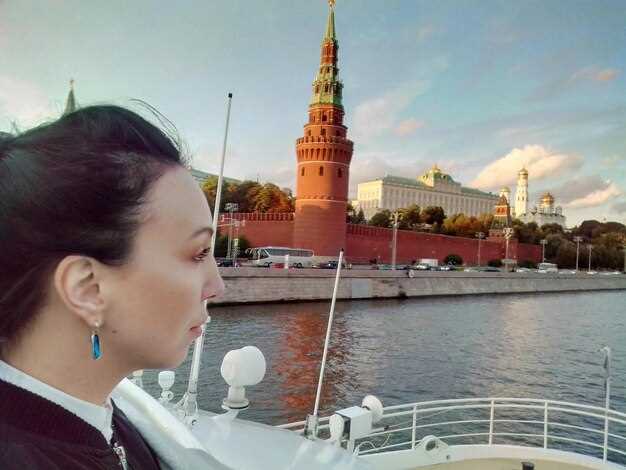
Start with a private canal cruise along the city’s networks of canals to orient yourself between cathedrals and fortress walls. This approach, using the calm intro, helps you map distances between the center and downtown and reveals how transport links between the two hubs function without overwhelming day one.
What you see in the mornings anchors your plan: the historic center’s onion domes, the riverfront museums, and the tsarskoe heritage that spills into nearby parks. A private guide can illuminate stories behind each fortress wall while you compare prices for entry to major museums and select combination passes for the center’s top venues. If you want to avoid crowds, plan separate routes for weekends and weekdays, and consider what you can save with a bundled pass.
Between attractions, pick transport options that save energy: use the metro for rapid moves, or a private car for a relaxed pace. The center-to-downtown strolls are short enough to mix on foot, with canal vistas breaking up the day. If you’re tired, schedule a shorter afternoon and a longer evening at an extravagant venue, such as a palace reception or a private gallery visit.
On the latter days, focus on the museums, cathedrals, and the waterfront neighborhoods that showcase experiences across countries and cultures. Reserve time for a fortress tour and a stroll through the canal districts, with stops for photos along grand façades. Downtown lanes offer amazing street food and refined cafés, with prices posted outside each venue to help you plan without surprises.
Wrap up with a relaxed return to the main area, bookmarking canal views and cathedral façades for your next trip. A well-paced mix of museums, center walks, and canal rides yields memories without fatigue. using this approach, you can gather experiences from two major hubs and their surroundings while keeping plans flexible and enjoyable.
Day 1 (Moscow): Red Square, Kremlin Grounds, and Alexander Garden Walk

Head to Red Square at opening time, then move onto the sprawling Kremlin grounds. The massive walls enclose a cluster of sites where centuries of tsars lived, and the route packs cathedrals, towers, and museums into a compact circuit. One notable house within the grounds hosts rotating exhibitions. Depending on your plan, book tickets online to access the main museums; keep your passport handy at the desk, as entry rules vary by venue. If you’re staying with a budget in mind, reserve a couple of hours for the Kremlin complex and consider bundled tours to save time and spend less. For tourists, a guided option can be a time-saver, while a self-guided route gives flexibility. Look for combination tickets that cover multiple buildings to streamline the day, then adjust your plan for the rest of the afternoon. Then follow with lunch at a suitable restaurant in the area.
Ticket information and garden stroll: The Kremlin Museums typically operate roughly 9:00–18:00 with last entries around 17:00, though times can shift by season. Ticket prices commonly range from about 600–1500 rubles depending on the site, and some sections require separate passes. The Alexander Garden is free and open year-round, offering a calm contrast to the historic halls. A stroll here starts near the garden’s origin by the wall and moves toward the river, with statues and benches for photos. For a comfortable pace, plan 1.5–2 hours for Kremlin visits and another 40–60 minutes for the garden. If you’re visiting with groups, a guided tour can help you cover the highlights efficiently; otherwise, a map and time plan will do the job. There are several nearby cafés if you want a quick budget-friendly bite after your walk, with options that span European and local dishes.
Alexander Garden Walk: From the Kremlin, exit toward Alexander Garden, a long green corridor that links history with daylight. The space is sprawling in parts and features statues, fountains, and shaded benches. The path is wide enough for a relaxed stroll and offers views of the Spasskaya Tower from multiple angles. It’s free to wander here, so you can combine it with a riverside look or a short photo stop near the embankment; bring your camera and look towards the river to catch nice silhouettes as the day progresses. If you have time, continue along the canal toward the river bank for additional photo opportunities and a peaceful end to your afternoon toward sunset.
Practical tips: clothing layers matter; in shoulder seasons a light jacket is wise, in summer a hat and water bottle help. Head protection for sunny days will keep you comfortable as you walk. Times change with seasons, so check official pages the day you go. Have your passport ready for ticket desks and security checks, and consider a budget-friendly option near the square if you’d rather spend on food rather than extra tickets. Towards the end of the day, the area fills with both locals and visitors, making for a relaxed finale before heading to your next stop or a restaurant along the line.
Day 2 (Moscow): Arbat Street, GUM, and a Compact Metro Plan
Begin at Arbat Street for a 45-minute stroll; here you’ll encounter classic house facades and architecture that blend european and russian styles, with cobblestones and street musicians setting a holiday mood. Take a moment at the souvenirs stalls to browse and grab a coffee before you proceed to GUM.
GUM’s facade opens to a vast interior with marble floors and a soaring atrium–the kind of place ideal for buying souvenirs. The experiences here showcase russian craftsmanship inside a european-inspired shell, underscoring the importance of traditional retail during a holiday.
Because it’s compact, this itinerary fits mid-morning walking with a short metro hop, mixing architecture, house facades, and quick stops along the way. The second segment focuses on the historic center and the kremlin silhouette, adding depth to the day.
Along the route you’ll sense tsar-era influence in the surrounding façades; tsarskoe-inspired features appear in a few corners, and you’ll note last-century details on the houses. Departure from Arbat toward central squares is easy to manage, and the plan works well during march when rain is a possibility.
Links to official maps can help you navigate the city’s layout, and card payments are accepted at most shops. The speed of the metro makes this plan practical for a short break, keeping you staying close to the core while you soak in the featured experiences across the area.
This simple route keeps the pace quick and lets you cover the key place in one morning. This approach always keeps the day balanced, leaving room for spontaneous experiences or a second stroll along the kremlin’s silhouette between stops.
Compact Metro Plan
Departure from the Arbat area: walk to the nearest hub and take a line toward the center. After two stops, transfer to the line that serves Teatralnaya/Okhotny Ryad, then exit for a short walk to GUM. This route minimizes backtracking while delivering a direct link to the kremlin-facing precincts.
If rain threatens, plan for indoor pauses and keep the route flexible; during march, crowds can be lighter early in the day, and the plan still works. Staying in the area, you’ll find that this compact approach delivers featured experiences because it combines architectural highlights, house facades, and convenient links to the kremlin, making it a memorable holiday.
Travel Day: Moscow to St. Petersburg by Sapsan – Ticket Tips and Seat Selection
Reserve a private, center-seat in the second class for the morning departure from the capital’s main rail hub; this setup minimizes crowding and keeps you close to the onboard restaurants, making the ride comfortable for a few hours. Book 4–8 weeks ahead, as December and January demand climbs; use Yandex to compare fares and place the order, then pick up an e-ticket with your passport details. Having the passport handy at check-in speeds things up, and english-language help is usually available at the counter or on the app. thats why booking early would save money.
Ticketing and pickup tips
Prefer digital confirmation and save the order number; you can present the e-ticket on your phone and show passport on request. If you travel in winter, start early; trains run frequently, but prices rise as the departure date approaches; monthly passes are rare for tourist routes, so a one-time ticket is common. Onboard dining offers light meals at the cafe, so if you want something heavier, consider eating before the start or after a short stop at the stop along the way.
Seat selection and onboard experience
Choose a seat toward the middle to reduce engine noise; a window seat on the right-hand side offers sunrise views in the morning. The second-class car provides reliable power outlets; avoid seats near the doors or near the restrooms if you want quiet; that way you can learn about saint places and palaces you might visit later. When you land, lots of interesting spots await, and a short stay helps you maximize your week; staying near the center gives good access to public transport, so start with a winter day of sightseeing and see if that would work for your plans.
Day 3 (St. Petersburg): The Hermitage, Palace Square, and Neva River Sunset
Book timed-entry tickets online to skip lines and save time. Have your passport handy for identity checks at the entrance. In january daylight is brief; wear warm layers and bring a compact umbrella for sudden showers.
Morning focus: inside the Hermitage
- Use a tight, Empire style route to see the main rooms, the European galleries, and the highlights gallery; plan 2–3 hours so you can actually enjoy the space without rushing.
- Decide between a guided tour and a self-guided path; tours range in duration and price, and separate tickets exist for special expositions – this can feel expensive, so choose what fits this trip.
- Note the complex is made of separate buildings; use the official map to move between wings, and open the possibility to compare similar works across holdings.
Lunch and herb notes
- Nearby cafés offer quick bites; look for dishes with basils on the menu, a small aromatic detail that brightens the indoor-and-outdoor dining vibe.
Afternoon plan: Palace Square and tsarskoe park area
- Depart the Hermitage via the eastern wing and step onto Palace Square to view the Alexander Column and the General Staff Building façade–an iconic focal point for visitors.
- Stroll towards the Neva embankment along the city streets; this outdoor corridor provides open sightlines toward the river and bridges, with the area around the square offering plenty of photo opportunities.
- Consider a short pause in tsarskoe park to breathe and reflect on the day; this kind of pause is nice for kids and adults alike.
Neva River sunset: photography and atmosphere
- Head towards the river towards late afternoon to catch the golden hour on water; the sky over the city often shifts from pale blue to warm pinks, creating an amazing palette for pictures.
- Find a comfortable vantage along the embankment or a pedestrian bridge to compare views between the river, the palace complex, and the fading light.
- For culture lovers, optional ballet evenings are common in the area; if available, a short performance can be a memorable addition to this city stay.
Practical notes for this area
- January features cold winds; dress warmly and layer up for long periods outdoors.
- Public transit is efficient, but a lot of the magic happens on foot; plan 30–40 minutes between sights or use a taxi for longer legs.
- Visiting with a passport streamlines entry and verification; carry a copy if needed.
- Stay flexible: if weather deteriorates, switch to indoor galleries or add a quick indoor exhibit at a nearby museum to extend your day.
- Using guided tours provides deeper context; tours range in length and price, and a well-chosen option can turn an ordinary visit into a memorable experience.
Day 4 (St. Petersburg): Peterhof Gardens, Grand Palace, and Fountain Views
Take a taxi from the city center to peterhof first thing in the morning to beat crowds; buy tickets online via official links to skip lines; in january expect winter hours and limited outdoor access, so dress warmly.
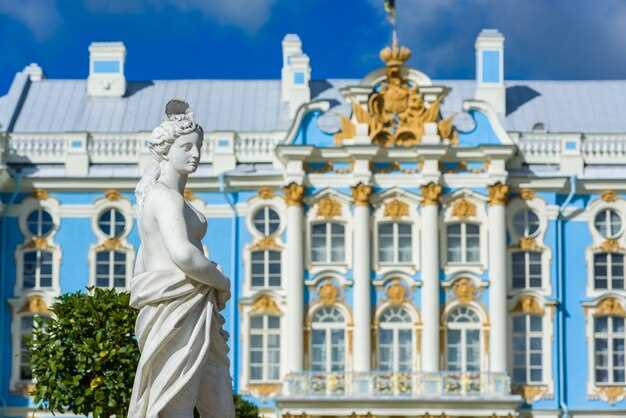
peterhof blends historical charm across centuries with a central axis that links the Grand Palace to expansive gardens and water features; the Grand Cascade and iconic fountains are the heart of the site, and the walking routes along the canal offer very photogenic views. Built to reflect russian imperial tastes, the palace facade hints at fortress-like strength while inside you’ll find opulent rooms that reveal centuries of ceremonial life.
Plan the day so you don’t miss either the palace interiors or the garden highlights; entrance to the Grand Palace and to the fountain zones may be separate, so pick a route that covers both if possible. There are interesting english-language tours available, but you can also explore with self-guided paths and good apps; these options let you choose a pace that suits your week and mood, with central areas offering pleasant strolls and good photo opportunities.
Practical notes: open times vary by season; january often brings reduced outdoor access, so verify the current schedule and ticket types on the official site. If you want to move quickly, an express shuttle or taxi might save time between stops; they offer reliable transit near the entrance areas. After the main circuit, take some free time along the waterfront to enjoy the fortress-like architecture, nearby museums, and the calm river views–a very good balance to the garden grandeur.
Day 5–6 (St. Petersburg Weekend): Nevsky Prospect Dining, Canal Cruise, and Savior on the Spilled Blood
Book a dinner at a restaurant on Nevsky Prospect with river-facing views to set the tone for the evening. Head out around 7 pm to enjoy sunset over historic houses and palaces, then heading toward the canal for a 60–90 minute cruise that reveals the city’s iconic reflections.
Evening Dining and Nevsky Views
Choose a dining spot along Nevsky with balcony seating to maximize views; prices for a mid-range dinner typically run 3000–7000 RUB per person, depending on wine and dessert. Before selecting, check if the option includes a fixed menu or á la carte, as the difference can be noticeable yet not overly challenging for a late meal. Those who want a compact stroll after dinner can explore the normal rhythm of the streets toward the canal, pausing to admire the façades that line the water.
For a small detour, those curious would try krutitskoye-inspired cafés near the canal; it’s a short train ride or a longer stroll, but the contrast between the historic center and a quieter corner is worth the effort. Itself a reminder that experiences in this city are often found between the grand sights and intimate corners tucked along the water.
Canal Cruise, Savior on the Spilled Blood, and Practical Tips
Evening cruises depart from several embankments along the Griboedov and Fontanka canals and last about 60–90 minutes. A boat with open decks provides ideal views of the river and the church’s onion domes, while a covered option keeps you warm if the weather shifts. If you speak with staff or a guide, you’ll hear about the houses along the way and the importance of preserving these monuments–the vibe on the water is really memorable.
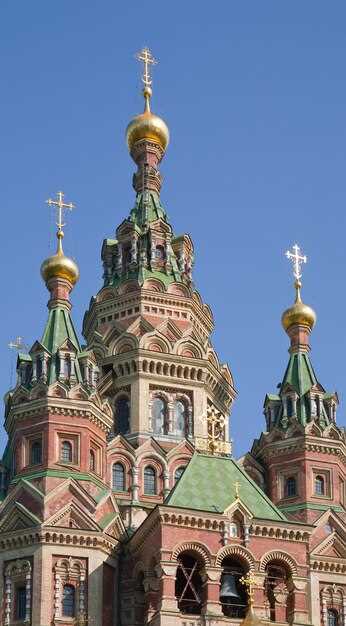
Visiting the Savior on the Spilled Blood is iconic; tickets usually fall in the mid-hundreds of rubles and can be bought online to save time. The interior mosaics merit careful viewing, so plan to spend 30–40 minutes inside. To optimize your weekend, book ahead and aim to arrive early; the crowd grows toward sunset, and some spaces may be closed during services. Between the exterior photos on the quay and the interior art, you’ll see how the same city offers both grand scale and intimate detail–a perfect closer to this pairing of highlights.