English (UK)
  Русский
  العربية
  日本語
日本語  한국어
한국어  Magyar
  Türkçe
  Español
  Čeština
  Svenska
  Português
  Ελληνικά
  Suomi
Suomi  Nederlands
  Română
  Italiano
  Français
  Polski
  Українська
  Deutsch
  简体中文
简体中文  Slovenčina

Secure tickets to must-see museums and rail routes two months ahead, ensuring access to key sites and avoiding crowding during celebration days.
In russias frost-bound towns, daylight length drops to around 7–9 hours during the cold season; wear multiple layers and keep a compact umbrella handy, so you can maximize relaxation between indoor visits and courtyard explorations. Those chasing taiga-adjacent scenery will find routes toward the taiga rewarding yet time-consuming, so add buffer days when crossing vast distances. This approach helps reliability.
Choose marriott properties with a welcoming courtyard and heated lounges; many include breakfast and access to a gym, which helps keep energy steady after night walks to domes and around historic walls.
For royal venues, check if tickets deliver access to a recorded collection and domes; some locations offer English-language audio guides and evening tours, which add to a celebration while keeping the pace manageable.
each itinerary piece can be tailored to length and pace: short museum blocks, longer strolls through quaint courtyards, and quiet moments near a riverside ice edge. until tickets are confirmed, never miss deadlines; keep notes on what’s included and what remains outside your plan.
Visiting Russia in Winter: Practical Tips for Planning Your Trip
First move: secure Hermitage entries online in the first available afternoon slot; cold-season light spills into halls, photos gain contrast, and crowds thin after around 15:00.
- Tickets: lock in access to the Hermitage, tsarskoye Pushkin complexes, and island gems via official portals; check day-by-day hours, then confirm a midweek window to keep lines short and energy high; always verify cancellation rules before purchase.
- Transit: public trains run frequently from the city center to tsarskoye Pushkin areas; ride times hover near 30–40 minutes; tickets are available at stations or online; pick a mid-afternoon slot to balance daylight with indoor attractions.
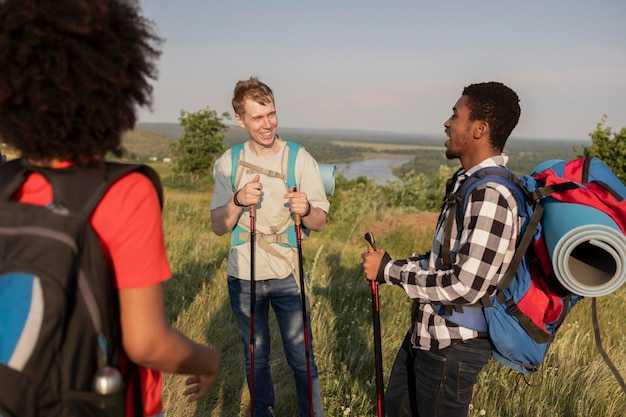
- Gear: waterproof outerwear, insulated gloves, and a warm hat are nonnegotiable; use a base layer plus a mid-layer and a sturdy layer on top; waterproof boots and extra socks prevent numb toes; a small backpack holds a layer and snacks.
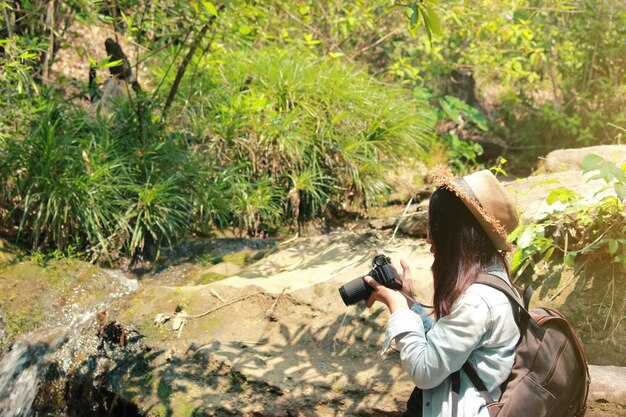
- Outdoor moments: frozen lakes and windswept landscapes create breathtaking scenes; a sleigh ride along a prepared road adds motion and charm; sunglasses cut glare on sunlit snow; bring a charged camera and spare memory.
- Islands and scenery: anticipate quiet corners near the gulf, where islands dot the ice-locked water; ancient stones and church facades stand out against white surroundings, offering dramatic contrasts for photos.
- Daylight and rhythm: daylight is brief in the cold season, so arrange museum hours around warm interiors first, then light outdoor hours in the afternoon while visibility remains good; keep a flexible mindset as weather can shift quickly.
- Preparation tips: water resistant tote for damp gloves, compact rain cover for your bag, and a small dry bag for electronics help maintain readiness; pack a thermos with hot tea or broth for warming breaks during street strolls.
- Safety and backups: frostbite risk rises with wind and humidity, so limit exposed skin, stay hydrated, and monitor wind chills; have a backup indoor plan in case streets close or transport stalls due to snow.
Reason to include hermitage and pushkin sites is their efficiency in winter light: vast halls, gilded stairs, and ancient stones in sun or shade create moments that feel above the ordinary; days filled with balanced indoor-outdoor time yield reasoned itineraries rather than rushed loops; if you crave a deeper, more authentic experience, arrange a neighborly chat with a local guide who can point to historic sites and hidden courtyards that feel like a quiet, timeless retreat.
What to Avoid During Winter in Russia
Wear waterproof boots, pack warm gloves, and build outfits around a breathable base layer under a windproof shell.
Skip cotton; moisture-laden fabrics sap warmth, slowing the process of warming. Choose wool or synthetic base layers and a thick mid-layer, plus a windproof outer shell.
Daylight is brief; map routes ahead, avoid icy sidewalks by sticking to main roads and bridges. In heavy snow, taxis and transit become safer choices than walking long distances. If youre moving between sites, pace yourself to avoid fatigue.
In petersburgs and across palace interiors, the former stalin era leaves a fascinating backdrop; dress with a draped scarf and warming layers to cope with gusts near krasnaya square and the palace entrances.
Photo opportunities abound along elegant facades; many interiors reveal murals reminiscent of picasso palettes, adding a colorful contrast to stark scenery.
Shopping trips to ethnic boutiques yield compact, wearable items; what you buy should mix with existing outfits, leaving room for more gear later on.
Rivers can freeze irregularly; avoid risky crossings and choose road routes or transit on days with wind and snow.
Monitor your physical signals: numb fingers or toes require extra layers and a warmer stop, not a prolonged walk.
Expert guidance improves experiences; an expert guide explains architecture, former quarters, and how to capture memorable photo moments while managing cold exposure. The process involves stalin-era stories, krasnaya landmarks, and petersburgs highlights.
Clothing and Gear for Subzero Weather
Begin with a moisture-wicking base layer, add a mid-weight fleece or down layer, then a windproof, water-repellent outer shell with sealed seams. A draped scarf at the neck and a hat that covers ears reduce drafts while you move between heated venues.
Feet stay warm with merino wool socks (two layers), waterproof boots with a stiff sole, and insulated liners; heated insoles help during long waits outside. When indoors, relax in well-warmed foyers.
Head and hands demand layered protection: a windproof hat or balaclava, a glove liner that can be removed, and mittens for prolonged exposures; a neck gaiter seals the gap at the jacket. Consider mittens with titian accents for warmth and visibility.
Snowmobiling gear includes a DOT-approved helmet, goggles, insulated gloves, neck warmer, and a breathable outer layer that wicks moisture; carry a dry bag with electronics.
Evening routines include concerts and music in venues with exquisite architecture around palace interiors and public landmarks. Several days along the taiga and western territory offer look at frozen lakes, frost on trees, and cave formations. The former estate tours reveal rite-like stories around ancient sites. Mid-winter conditions demand gear that stays dry and warm, while draped scarves soften gusts. Know that snowmobiling takes place on several guided routes; bring a spare battery and a small headlamp.
Short Daylight and Cold-Season Planning
Carry a compact headlamp and spare batteries; daylight lasts approximately 4 to 5 hours by mid-December, so base outdoor experiences around the strongest sun, ideally between 10:00 and 14:00.
lowest daylight hours occur in late December; in moscows, the sun stays low and is visible roughly six hours, complicating long walks. Build an itinerary that pairs outdoor segments with heated interiors, like museums, galleries, and cafés, to maintain momentum across a single day. On clear days, you may catch vivid blue skies and snow-white façades that create stunning contrasts.
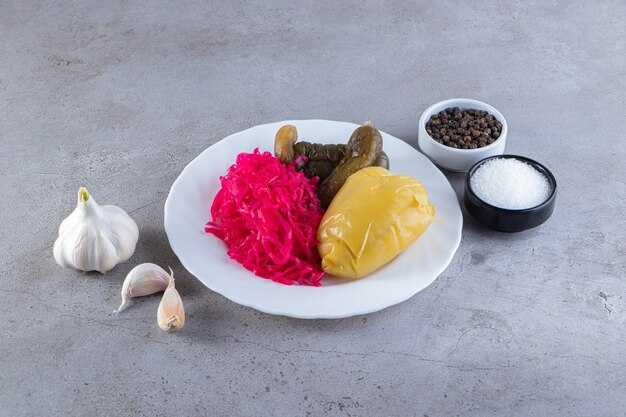
Gear essentials: a weatherproof backpack, warm layers, and a hat; anna from a local guide notes to include a compact umbrella during flurries and to carry a thermos with hot drink. Besides, keep a spare pair of gloves and socks; cabbage soups and pickled cabbage snacks are common on the street and warm quickly, with something hot tucked in your pocket.
When mapping a route, include a stop near an island district and visit chochur-muran markets to explore traditions and contemporary crafts; besides, the scene across moscows consists of museums, galleries, and heated cafés.
March brings a noticeable shift: daylight increases across approximately half of the day, and sidewalks begin to thaw; roughly 8–9 hours of daylight becomes possible by late March, enabling longer strolls through moscows and nearby towns. The weather grows milder, making the overall experience more comfortable; reason to plan longer outdoor segments while keeping wind chill in mind.
To maximize a short daylight window, keep the itinerary flexible, carry a lightweight backpack, and sample traditions that stay vibrant here; the stunning mix of traditions and contemporary life across moscows awaits, including visits to island districts and chochur-muran enclaves. anna can share practical routes and rest stops, enriching the experience.
Winter Transport: Trains, Buses, and Road Safety
Book thermal sleeper cabins on long-haul legs; they keep temperatures steady, minimize the need to rush to heated waiting rooms, and this option lets you reach seasonal stops ready for morning tours.
On colder days, regional and intercity buses remain popular, and they have seating lining the windows to maximize warmth. Verify dates of seasonal services, as some rural routes are suspended during heavy snowfall. Pack footwear that grips slick surfaces and bring souvenirs from the road to remember the ride.
When driving or riding on icy lanes, fit winter tires and keep a following distance of at least 2–3 seconds, increasing it on bridges and downhill segments. Reduce speed to a level compatible with temperatures and visibility. Use headlights in overcast conditions and pull over at safe sites if fatigue hits. Older travelers or those with seasonal sensitivities, take extra breaks without adding delays; this slow process protects everyone from sudden weather changes. The following precautions apply to all legs of the journey.
At stations, arrive at least 15 minutes before departures and watch platform lining that marks icy patches. Follow signs to your platform and verify the same information boards for arrivals and departures. In rural village hubs, folk often queue at ticket windows; local celebrations may spill into open-air markets with crafts and souvenirs, so take time to browse after a ride to remember the route.
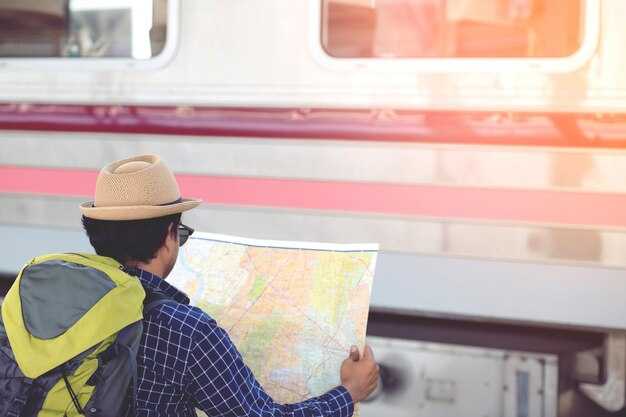
During a winter itinerary, minimize transfers to reduce exposure to wind and snow. When you arrive at a new stop, take a short walk to adjust to the vibes of the season, then continue with deliberate pacing. Follow dates announced by operators and use thermal layers, gloves, and waterproof footwear to stay comfortable while exploring popular routes and nearby village spaces. These practices can become lasting habits during vacations and beyond.
They help travelers stay on track in colder climates.
Health Precautions: Frostbite, Hypothermia, and Indoor Heating
Wear windproof outerwear and layered clothing from the first step outside; base layer wicks moisture, mid-layer adds insulation, and an outer shell blocks wind and traps heat. Insulated boots and moisture-wicking socks keep feet dry. A hat, scarf, and gloves are better; mitten-style gloves offer warmer hands during extended cold. When strolling through moscows citys parks or along the arbat, a hot breakfast after exposure helps energy, and an afternoon stroll feels more comfortable here.
Frostbite risk rises when skin is exposed to low temperatures and wind, especially if humidity is low. Signs include numbness, pale waxy skin, and tingling on fingers, toes, ears, or the nose. Areas most at risk are extremities; if skin has been wet, danger increases. Upon noticing symptoms, seek heated shelter; remove damp gloves and socks, warm gradually using body heat or warm water around 37-40°C. Do not rub. Recorded data from neva clinics show frostbite onset within minutes at temperatures well below zero with wind, so shorter outdoor stints are prudent during times of high wind and humidity. Small actions, like keeping gloves dry, help reduce heat loss that impacts the planet.
Hypothermia signs include intense shivering, confusion, slurred speech, and drowsiness. Upon detecting symptoms, move indoors to a warm space, replace wet clothing with dry layers, and cover the torso and head; sip warm non-alcoholic beverages. If symptoms worsen, seek medical help immediately. When attending popular celebration in citys areas, carry a compact emergency blanket; here, a quick warm start helps after a long outdoor period.
Indoor heating lowers humidity; aim 30-50% to protect mucous membranes. Use a humidifier or bowls of water near radiators to maintain moisture. Ventilate briefly to renew air and reduce condensation. Install a carbon monoxide detector in rooms with fuel-based heating. Do not overheat spaces; keep a steady 18-22°C. After an outdoor session, gradual warming feels better. In discounted hotels with reliable climate control and in famous properties, check room climate. Shopping districts like arbat attract visitors; here a comforting cabbage soup and hot tea sustain warmth after a day of cultural exploration in nature, an impressive way to end an outing.
| Situation | Actions | Notes |
|---|---|---|
| Outdoor exposure | Windproof shell, layered gear, protect head and hands; limit outdoor time; take breaks after 20-30 minutes | Temperatures and humidity recorded influence risk |
| Indoor climate | Maintain humidity 30-50%; use humidifier; ventilate briefly | CO detectors recommended in rooms with fuel-based heating |
| Emergency signs | Frostbite: numbness, pale skin; Hypothermia: shivering, confusion | Move to heat, seek help if needed |
Money and Payments in Winter: Cash, Cards, and Fees
Use a flexible payment kit: a visa card plus cash, with a spare card kept in a warm hand pocket. Carry 3000–5000 rubles in cash to cover small purchases and public transport; the remainder can be charged to a card, covering meals, museum entries, and excursion deposits. This approach reduces risk when temperatures drop; card readers can be frozen in extreme cold. This setup also provides reason to mix methods, offering greater resilience across a day.
In western cities and breathtaking sites like peterhof, card payments dominate; in snow-covered village stalls and yakutia outposts, cash remains king. Cards are used widely in western hubs. Public-market stalls and small shops in some areas rely on cash, while several tourist hubs accept visa and other cards. At fewer rural stops, ATMs are scarce, so withdraw ahead of time and keep cash on hand as backup. Card readers may freeze in subzero temperatures; carry a hand warmer and a cash reserve. You can participate in local markets and observe the tipping rite using cash when needed.
ATM withdrawals incur a fixed fee around 200–300 rubles plus a percentage on foreign-issued cards; avoid dynamic currency conversion by choosing local currency at the terminal. Many public spaces accept visa and other cards, while cash remains available at ticket desks and small shops in regional centers. In rural zones, cash-only remains common; plan accordingly by stocking different denominations and keeping receipts. Political disruptions can briefly affect networks, so carry extra cash when headlines warn of delays.
Special excursions to grand palaces or cliffside trails require payment options; deposits can be paid by visa or cash. freeriding outfits may require a deposit in cash or card; confirm in advance. During New Year fireworks and street events attract crowds near historic walls, so carry a small sum for snacks and warm drinks. In school trips, organizers arrange group rates with cash or card; ensure a clear split among participants, and avoid keeping all funds in one bag. If you encounter long waits and temperatures drop, staying flexible with payment methods helps participate without delays.