Doporučený první krok: začněte s ubytováním v levnějších lokalitách, udržujte náklady předvídatelné, zatímco testujete plány. Platí normální rozpočtové očekávání; levný život je možné, když si vyberete správné město, spolehlivou dopravu, sdílené prostory.
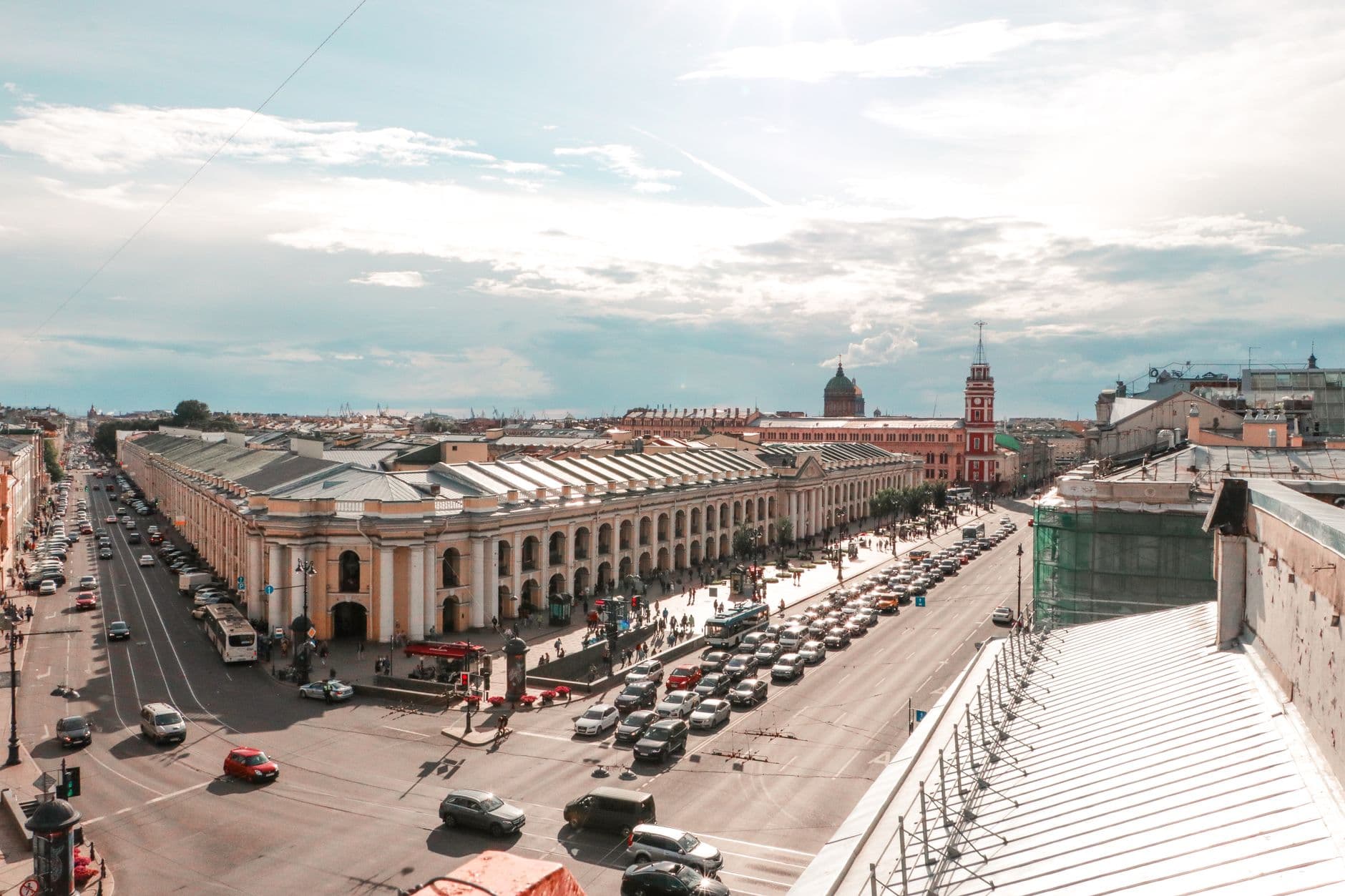
Městský přehled: Moskva centrum 70 000-120 000 RUB měsíčně za jednopokojový byt; Petrohrad centrum 45 000-80 000; Kazan 25 000-40 000; Novosibirsk 20 000-35 000. Komunální poplatky 6 000-12 000 RUB; internet 500-1 000; měsíční jízdenka na MHD 1 800-3 800 RUB. Ceny odrážejí poptávku, polohu, věk budovy; máte možnost snížit náklady životem v předměstích nebo sdílením bytu; zvažte sezónní výkyvy. V praxi vám tento rámec pomáhá zůstat na správné cestě.
Rámcový rozpočet zahrnuje nákupy, služby a dopravu; měsíční nákupy pro jednu osobu 15 000-25 000 RUB v menších městech; 25 000-40 000 RUB ve velkých městech; služby 6 000-12 000 RUB; internet 500-900 RUB; jízdenky na MHD 1 800-3 800 RUB; jídlo venku 400-1 200 RUB za jídlo; ikonické trhy nabízejí levnější možnosti; musíš zapomenout na luxusní pochutiny; zatímco testuješ nabídky, udržuj plán úsporný.
Možnosti zahrnují koleje, sdílené byty, mikroapartmány; beta průvodce se neustále vyvíjí; doporučené nabídky vycházejí z terénních testů; otázka, kterou si položit: které město se hodí k vašemu běžnému režimu; součástí plánu je vedení cenníku; členové studentských kruhů sdílejí zkušenosti s nejlevnějšími trasami; plány skáčou mezi místy, máte levnější možnosti; ikonické siluety odklánějí pozornost od skutečných cenových realit; zaměřte se na čísla.
Praktický přehled cen a ubytování
Poraďte si pronájem kompaktního pokoje v pronájmu bytu poblíž kampusu; porovnejte nabídky na Yandexu před podpisem; vyhněte se premium čtvrtím; rozdělte náklady s spolubydlícím, aby se snížily měsíční závazky; usnadní to také správu služeb.
Snapshot snapshot ukazuje typické měsíční výdaje studenta v Moskvě: pokoj v bytě s nájemníky 18 000-28 000 RUB; komunální poplatky 4 000-7 000; internet 400-700; jízdenka na MHD 2 600-3 800; potraviny 8 000-12 000; jídlo venku 3 000-5 000; svačiny 1 000-2 000; ovoce 1 000-2 000; celkem 38 000-60 000. Petrohrad podobně; v Kazani levnější 12 000-20 000; komunální poplatky 3 000-5 000; jídlo 7 000-10 000; celkem 25 000-40 000.
Nocní život: výdaje na noční výlety obvykle 2 000-5 000 RUB měsíčně; občasné jízdné po večírku 300-600 RUB za jízdu; celkové měsíční výdaje spojené s nočním životem 3 000-8 000 RUB.
Jídlový rozpočet: chutné jídlo z pouličních stánků 150-350 RUB; domácí jídlo 300-700; ovoce 120-250 za kg; svačiny 100-250; nápoje 100-200; celkové měsíční nákupy potravin 7 000-12 000.
Doprava: jízdenky na metro 2 400-3 800 RUB; jednotlivé jízdy 300-600 RUB za cestu; typická měsíční doprava 2 500-4 800 RUB; vyberte si jízdenku pro časté jízdy; přizpůsobte jízdní řád; zvažte večery s kulturními aktivitami v čtvrtích s bezplatnými akcemi; pomůže to rozložit rozpočet.
Kulturní poznámka: výběr obvodu poblíž kampusu umožňuje časté kulturní výměny; co je levné, často leží za centrálními bulváry; hledejte zahraniční výměnné programy; objevujte kulturu prostřednictvím studentských klubů; Snapshot vám pomůže naplánovat dopředu; ukáže, na co utratit za občerstvení, ovoce; chutné jídlo, přičemž si ponecháte rozumný prostor pro večery.
Nákladové ukazatele podle města: Moskva vs. regionální města
Cílové menší města s rychlou dopravní dostupností do velkého centra; snížíte náklady na bydlení, ale zachováte přístup k práci, studiu a návštěvám.
V centru Moskvy se pronajímá jednoizbový byt za cca 70 000-95 000 rublů měsíčně; v blízkých čtvrtích je to kolem 50 000-70 000; v regionálních městech se pohybuje cena mezi 25 000-40 000 rublů měsíčně.
Byty v blízkosti dopravních uzlů v regionálních městech nabízejí dobrý poměr ceny a kvality; ikonické centrum stanovuje vysokou základní úroveň; pro potřeby studentů s omezeným rozpočtem se ceny studií pohybují v rozmezí 25 000-40 000 rublů; větší byty 40 000-60 000 rublů.
Noci blízko centra mají vyšší nájem; místní restaurace nabízejí levné jídlo; budete se řídit průvodcem pro návštěvy, dozvíte se o pokrytí nákladů na služby, dopravu, potraviny; místní restaurace nabízejí chutě.
Vstupy z seznamů odhalují vzory podle čtvrtí; poznámky k položkám zdůrazňují blízkost metra, možnosti nákupu potravin, tiché hodiny; nelze ignorovat jízdní řády; nelze ignorovat sezónnost; náklady na bydlení zůstávají přijatelné s delšími nájmy.
Odkrývají rychlé tipy pro čtenáře, blízká města s přístupem k podcentrům vám ukážou hodnotu, chutě, trhy; vrcholové zážitky v ikonických centrálních zónách vyžadují plánování; nemůžete se přece jen věnovat jediné možnosti; můžete vyvážit noci, jídla, učení prostřednictvím zaměřeného průvodce; pokrytí se zlepšuje, když porovnáváte záznamy v rámci regionů, ukazují výsledky.
kurzem Ruské centrální banky k 17.10.2026 · powered by tutkakdoma
Komunální poplatky, internet a náklady na údržbu bytu
Vyberte si jeden měsíční plán: spojte internet s komunálními službami; zvolte si balíček s pevnou cenou za údržbu. To usnadní plánování rozpočtu na celý rok; sníží poplatky; zvýší úspory.
V ruských lokalitách se poplatky liší podle klimatu, typu budovy a využití. Za typický byt o rozloze 42 m² se měsíční účty po zdanění (bez nájmu) pohybují:
Vytápění: centrální systém s poplatky; v zimě 2 000-6 000 rublů za středně velkou jednotku; tipy na úsporu energie mohou snížit náklady o 20-40 % pomocí termostatu; snižte spotřebu teplé vody.
Voda a kanalizace: 400-900 rublů měsíčně; teplá voda se mění podle spotřeby.
Internet: 500-900 rub; vyšší rychlost 1 000-1 400 rub; tarif pro telefon 250-700 rub; kombinovaná možnost ušetří 100-300 rub.
Údržbové poplatky za budovu: 200-1 200 rublů měsíčně; zahrnují výtah, bezpečnost, úklid a údržbu zahrad.
Stolovaya, zařízení na místě: oběd v ruské stolovaji obvykle stojí 150-350 rublů; nabídky v blízkosti mají podobné ceny; venku si můžete ušetřit 50-150 rublů za jídlo v některých oblastech.
Další poplatky: průkaz nebo přístupová karta 50-200 rublů ročně; likvidace odpadu 100-300 rublů měsíčně v závislosti na místě.
Příklad měsíčního rozpočtu pro pár v městě střední velikosti ukazuje, jak určit roční úspory: elektřina 2,200 rub, topení 3,000 rub, voda 650 rub, internet 800 rub, telefon 500 rub, údržba 600 rub, jídlo ve stravovně 500 rub, další poplatky 150 rub. Celkem ≈ 8,800 rub. Uvidíte, jak volba místa, jídelní lístků a typu plánu ovlivňuje úspory.
Srovnáním s možnostmi v zahraničí často ruské městské lokality nabízejí vyšší zimní poplatky; výběr lokality spolu s nabídkou stolovny může ovlivnit roční úspory. Aby se minimalizovaly náklady, nainstalujte pevný měsíční plán, preferujte měřiče, které odrážejí skutečnou spotřebu, a chodte po schodech v rušných obdobích, aby se snížila doba spotřeby energie. Pokud vlastníte auto nebo parkujete venku, zvažte kompaktní místo s zahradami, kterými procházejí obyvatelé, což snižuje poplatky za průjezd a údržbu.
Nákupy a jídlo venku: měsíční rozpočty na základní potraviny
Vyčleňte 40 % měsíčního domácního rozpočtu na základní potraviny; plánovací průvodce se přizpůsobují velikosti města. Ruské soukromé domácnosti obvykle žijí v bytech; náklady na dopravu ovlivňují cesty na trhy; dva dospělí v středně velkém městě obvykle utrácejí 18 000-28 000 rublů měsíčně na základní potraviny; v hlavním městě se to zvyšuje na 28 000-40 000 rublů.
Základní položky zahrnují chleba, mléčné výrobky, vejce, obiloviny, zeleninu, ovoce, maso, ryby, oleje, koření; typická měsíční výdajová částka na tento košík v ruském kontextu se liší podle ročního období, formátu obchodu a tempa stravování.
Dining out budget: dva dospělí, středně velké město 2 000-4 500 rublů; hlavní města 4 500-9 000 rublů; jídla v ikonických zařízeních se liší; obědové speciály v oblíbených místech mohou stát 600-1 200 rublů pro dva; platí se vstupné za soukromé prohlídky.
Návštěvy ikonických míst také hrají roli; vstupné do muzeí stojí 350-800 rublů na osobu; jídla během výletů přidávají 600-1 200 rublů na osobu; měsíční rozpočet na dopravu při takových výletech činí 2 000-4 000 rublů.
Tipy na optimalizaci: plánování zůstává zásadní; zdarma doručení u vysokohodnotných objednávek existuje u některých služeb; kombinované nabídky snižují náklady; vyhraďte si týdenní nákupní slot; zapomeňte na impulzivní nákupy; používejte vlastní značky; kupujte sezónní zeleninu; vybírejte zboží s dlouhou trvanlivostí; nakupujte v mimošpičkových hodinách, aby jste zachytili nižší cenu; v závislosti na velikosti domácnosti upravte košík; světla v obchodních výlohách pomáhají najít čerstvější zboží; vyhýbejte se premium značkám; tempo nákupu má význam.
Veřejná doprava - jízdné a měsíční jízdenky v hlavních městech
Výběr měsíčních jízdenek v Moskvě, Petrohradě a dalších velkých městech vám přinese největší úsporu na dopravě; ceny se mění každý rok. Tento plán vám pomůže ušetřit peníze.
V Moskvě stojí jedna jízda kolem 60 rublů; měsíční předplatné Troika pokrývá většinu tras za přibližně 2 700 rublů.
Petrohrad nabízí jednu jízdu za přibližně 55 rublů; měsíční jízdenky se obvykle pohybují v rozmezí 2 200-2 800 rublů.
Jiná ruská města jako Kazan, Novosibirsk, Jekatěrinburg nabízejí levnější možnosti; měsíční jízdenka zahrnuje přestupy mezi metrem, autobusem a tramvají; typické náklady se pohybují v rozmezí 1 900-2 500 rublů; jednotlivé jízdy stojí 24-50 rublů.
K využití průkazů zjistěte oficiální značky na stanicích; nabijte Troiku nebo podobné prostřednictvím internetových aplikací; kiosky v kancelářích nabízejí rychlé nabíjení; platící body u vchodů přijímají doplňování; vyhněte se špatným doplňováním.
Placení s průkazem sdílené cesty udržuje denní cestování předvídatelné; návštěvníci, kteří se vracejí, porovnávají trasy, zvažují je vzhledem k času; knedlíky, obědové menu poblíž stanic pomáhají vyvážit jídla; získání větší mobility při vyhýbání se hotovosti u branek.
Studia poblíž linek jsou běžná v odlehlých částech města; byty poblíž linek bývají oblíbené; nájem se pohybuje obvykle v rozmezí 25 000-50 000 rublů měsíčně v hlavních centrách.
Kancelářská kultura kvete v centru; muzea, památky nabízejí rozmanitost; užívat si je je snazší díky efektivní dopravě; tento rovnováha pomáhá vidět městský život z širšího úhlu; učit se více o uspořádání, trasách přes internet podporuje chytřejší plánování roku.
Doplnkové náklady na život: zdravotní péče, vzdělání a zábava podle příjmové úrovně
Vyberte si středně cenový zdravotní plán, který kombinuje veřejné krytí s výběrovými soukromými návštěvami, aby byly náklady předvídatelné po celý rok. Ve velkých městech malé, efektivní kliniky nabízejí rychlý přístup; veřejné polikliniky zůstávají zdarma nebo za nízkou poplatky za základní služby; soukromé, dražší možnosti pokrývají rutinní testy, konzultace s odborníky a léky, s měsíčními účty v rozmezí 1,500-6,000 rublů v závislosti na potřebě. To ukazuje jasnou cestu k vyvážení kvality s dostupností.
Výdaje na vzdělání podle příjmů rozděleny do dvou směrů: veřejné univerzity nabízejí bezplatná místa pro místní studenty; soukromé instituce účtují 150 000-350 000 rublů ročně za bakalářské programy; zahraniční uchazeči čelí vyšším částkám. Ubytování na kampusu obvykle 4 000-12 000 rublů měsíčně; jídlo v blízkosti kampusu 2 000-4 000. Studentům přátelský rozpočet závisí na kolejích, stipendiích; dotovaném stravování, aby byly náklady zvládnutelné.
Výdaje na volný čas se liší podle příjmů. Typické zážitky zahrnují návštěvy muzeí (300-900 rublů), divadla (800-2 000 rublů), večerní jídla (1 000-3 000 rublů), exkurze (1 000-3 000 rublů za den), jízdenky na tramvaj (30-60 rublů za jízdu) a měsíční mobility (2 000-3 500 rublů). Domácí turistika zůstává součástí obrazu; dlouhé víkendy a mimo sezónní cesty nabízejí další hodnotu.
Výdaje na potraviny včetně mléčných výrobků v typických supermarketech se pohybují pro jednu osobu kolem 8 000-15 000 rublů měsíčně; pro pár nebo sdílený domácnost jsou nižší. Středně nákladný plán zahrnuje chutné domácí jídlo, občasné jídlo venku a rychlé občerstvení pro náročné dny. Trhy na kampusu nabízejí nižší ceny; mléčné výrobky, čerstvé ovoce a zelenina tvoří základ rutiny; tipy na úsporu zahrnují nákup v větších množstvích, pokud je to možné.
Níže je uveden praktický plán: přesun zpět na kampus se nejlépe plánuje na jaro nebo podzim, kdy se uvolňují volné místa v kolejích; předčasné rezervace lékařských služeb nebo zkoušek snižují náklady; hledejte slevy v nočních tarifách mimo hlavní dobu; nakupujte u místních mlékáren; zkoumejte tramvajové linky pro efektivní městskou dopravu; využívejte zdroje kampusu pro rady; vysvětlení; zpětnou vazbu, aby se zůstal v rozpočtu.