
 Čeština
  English (UK)
  Русский
  العربية
  日本語
日本語  한국어
한국어  Magyar
  Türkçe
  Español
  Svenska
  Português
  Ελληνικά
  Suomi
Suomi  Nederlands
  Română
  Italiano
  Français
  Polski
  Українська
  Deutsch
  简体中文
简体中文  Slovenčina
  Vyvracíme mýty o vodce – Nejčastější mylné představy, kterým byste měli přestat věřit">

First, do this practical check: compare two samples side by side–the premium label and a craft směs–then log data on aroma, texture, and finish. Watch for things like how the water (watering) changes mouthfeel. Across bottles, marketing obrázky rarely tell the whole story; never rely on the pretty copy on the label.
One stubborn belief is that this neutral spirit is flavorless. Data from tasting panels shows subtle notes: soft grain sweetness, mineral sharpness from water quality, and a clean finish when filtration removes sulfur compounds. Their base matters; čtyři variables drive character: grain or potato source, watering quality and mineral balance, distillation count, and filtration media – thats four variables, assessed with literary benchmarks. Images of flawless labels rarely reflect these differences.
Brand prestige does not guarantee purity. Data from independent tastings shows price and perceived prestige correlate poorly with test results. In many markets, legal standards fix 40% ABV and still allow different filtration paths. Been there: some producers claim ultra-high purity, yet little measurable difference shows in blind tests. Aromas can echo notes resembling smoke, including cigarettes, as these cues derive from solvents or reduction compounds during processing. dont rely on slogans; examine the ingredients list and the production steps. The cause of misperception often lies in branding rather than base material, which is why blind comparisons matter.
Four concrete checks guide a reliable assessment. First, verify ingredients: only sugar-rich grains or potatoes plus clean water; second, review the distillation count and filtration method; third, confirm legal labeling claims about origin and processing; fourth, compare with a control sample in a blinded setup. These checks log data and allow comparisons across trials. An insight that comes from controlled processes helps separate noise from signal. In practice, one finds that subtle differences appear in aroma and mouthfeel during side-by-side tastings; data found in trials supports these observations. This knowledge becomes a good tool when markets vary, where labeling differs.
Common Vodka Myths Debunked: Practical Facts You Can Use
Doporučení: store the spirits in temperatures around 15°C in a cool, stable space; the freezer isn’t ideal for daily use, since fluctuations can dull odorless aroma and flavor and affect safety. Surely, a steady environment preserves consistency across bottles.
Stirred versus shaken reality – stereotypical belief says stirred drinks preserve flavor; actually, both stirred and shaken approaches work, depending on the goal of the mix. Distillers emphasize that the differences lie in dilution and texture, not safety; there seems to be no harmful effect when ice quality and technique are sound. For those concerned about flavor changing for them, the effect is minimal with proper method.
Freezer storage fact – Freezer temperatures can keep beverages very cold, but there is no safety gain and aroma tends to be muted. weve learned in tasting labs that a brief chill in a fridge or a glass rinse yields better odorless flavor clarity around serving time. For brands such as delcheva, preserving a clean profile benefits from avoiding prolonged freezing.
Odorless misconception – although many describe the base as odorless, there are like subtle flavor notes that vary by grain or base, distillation, and filtration. Experts help clarify that odorless does not equal flavorless; there is a light flavor around the grain or corn, even in neutral styles. This awareness matters when want to evaluate quality without relying on aroma alone.
Culture and selection – babushka stories and brand songs aside, the real gauge is consistency in quality, temperature control, and clean distillation. With proper practices, harmful impurities are minimized and the profile remains safe and smooth. Though the profile may be mild, it helps to compare multiple brands, including delcheva for a reference taste.
Practical takeaways – to optimize the experience, keep bottles away from heat and light and avoid frequent temperature swings; serve neat at around 6–12°C or use cold for cocktails at 4–6°C. There is surely no need for exotic rituals; use clean glass, and ensure there are no lingering odors in the room, as this can influence perception. If a tasting session is planned, start with a small amount and assess progression at proper temperatures; this helps reveal reliable quality and safe characteristics.
Is vodka flavorless or does it carry detectable notes?
Answer: Not tasteless; detectable notes exist around most bottles. In reality, the notion of a flavorless spirit is a simplification. Four factors shape profile: mash bill (rye, wheat, corn, or potato), fermentation congeners, distillation cuts, and filtration. Differences between brands come from these elements, alone, and how the liquid is stored before release. Against the tasteless myth, reality shows notes appear around each bottle, not in isolation.
Notes commonly spot include grain sweetness, peppery spice, citrus zest, vanilla, and mineral edge from water. Across brands, you may find a spectrum from crisp, neutral lines to fuller, bread-like or creamy finishes. The reality is that many modern expressions are designed for smoothness, but theyre rarely completely without character. The government framework ensures safety and purity, while a blend of process choices and technique drive flavor–not luck. Filtration can act as a suppressant for harsher notes, shifting the balance toward more approachable profiles. Lets compare around four typical paths: grain-forward profiles, corn-sweet lines, potato-rich textures, and blended styles that combine ingredients. A blend helps explain why two bottles may taste differently even if they come from the same brand.
To judge notes reliably, readers should read the label for mash bill, distillation method, and filtration steps. The particular details contribute to aroma and mouthfeel. When tasting around the store, let samples rest in the hand to warm slightly, spot the aroma before sipping, and consider the finish. youll notice differences in four samples side-by-side: rye-forward blends may deliver pepper and dried fruit; wheat-based bottlings tend toward light bread crust and cream; corn-based varieties emphasize sweetness and a clean mouthfeel; potato-based expressions can feel creamy with subtle earth tones. The differences, though subtle, matter for cocktail balance or sipping style. This usually holds true across brands, and youll likely spot variation based on mash and filtration too.
Practical takeaway: seek brands that publish mash bills, use refined distillation regimes, and apply targeted filtration. If a reader wants more expressiveness, babushka-inspired or craft houses often deliver more pronounced notes than mass-market bottles. Store in a cool, dark, dry place, away from sunlight, and hand them with care during tasting to preserve aroma. In liquorcom discussions and reading, youll find guidance on how to store, handle, and serve; these factors contribute to aroma and flavor over the beverage’s life. If you want a reliable partner for cocktails, a brand with controlled filtration usually yields a balanced, enjoyable experience that spot pleasant notes rather than a tasteless profile.
Do Russians really drink vodka by the liter?
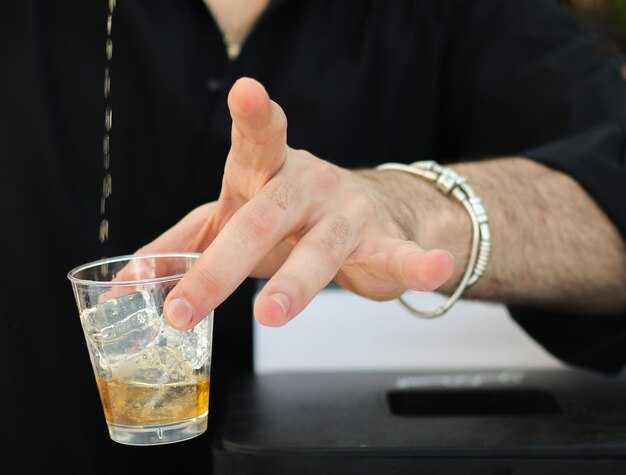
Reality check: liter-size sessions are not the norm. For someone ordering a bottle, the usual size is 0.5 or 0.7 liters, which keeps per-person portions modest; 1 liter appears mostly in bulk orders or larger gatherings. The legal drinking age is 18, and stores follow strict verification and responsible-service norms. Thus, the image of continual, gallon-like consumption is not representative of typical behavior. An order for a bottle by a group usually results in 1–2 bottles over an evening.
In Russia, drinking is a cultural practice tied to meals and toasts; typical servings are around 25–40 ml per shot, often followed by water. Data found by observers show a decline in binge episodes since the 2000s, though regional variation exists. When someone orders a bottle for a party, the total volume over several hours tends toward 1–2 bottles, not a single liter. This is not the only pattern around the country.
Brand and quality considerations: choose products from licensed producers; check the label for legal origin, ABV, and distillation method. In particular, seek a brand with clean filtration and a clear creation story; some stores stock the teodora line, alongside international names. For a smoother experience, some producers offer odorless variants marketed for easy sipping, but taste remains distinct. For those curious about the process, remember that the base distilled spirit is produced from grains or potatoes and blended with water to achieve the desired strength; the truth about cleanliness lies in impartial testing and transparent labeling. Lets compare options on price, reviews, and brand heritage to make a wise choice that helps them feel confident in what they buy.
Truth vs. stereotype: the long-held idea that Russians drink by the liter is an oversimplification found in some images. The reality depends on region, age, and context. The practice usually involves moderate pacing, with toasts and water between rounds, and a diversity of preferences including beer or wine in many households. If a spectacle is desired, plan the event with responsible ordering of toasts and ensure access to non-alcoholic options. Although heavy drinking remains a concern in some areas, current patterns around major cities and rural areas show variation; the goose is not the master of culture, and the idea of unending pours is not accurate in most everyday settings. This approach respects legal norms and cultural context, and helps everyone enjoy a balanced creation of experiences with brands that surely reflect truth rather than sensational images.
Is vodka the strongest common spirit by ABV?

Not by a wide margin. In mainstream retail, baseline for this clear, neutral distillate sits near 40% ABV; higher proofs exist, but they aren’t typical in everyday bottles.
Where ABV varies by category, concentration and flavor differ. For those seeking stronger options, navy-strength gin runs about 57% ABV, while overproof rums and absinthe-style bottles span roughly 50–75% ABV. Between these mainstream tiers, a few bottles emphasize potency, but the standard 40% ABV remains the anchor, before any water is added in a cocktail.
For those tracking a diet or celiac considerations, most distillates are gluten-free by distillation, unless flavorings introduce gluten traces. assume that higher ABV does not guarantee better flavor. Always check labels, unless a product explicitly states gluten-free. those with gluten sensitivity should approach flavored or infusion variants with caution. weve observed that some brands maintain distinctive, flavorful profiles while keeping a mindful concentration of alcohol.
Short take:
- Baseline: 40% ABV is the norm; most bottles sit here.
- Higher range: gin at 57% ABV; overproof rums and absinthe-family products reach 50–75% ABV.
- Brand examples: delcheva and teodora have released high-ABV editions, showing that strength can sit alongside balance.
- Labels, campaigns and ambassadors: read the ABV on the label; campaigns may emphasize potency, but real strength is what’s in the bottle.
- Chuť versus síla: ti s výraznými, chuťově bohatými tóny mohou prospívat i při nižším ABV, zatímco vyšší koncentrace ovlivňuje pocit v ústech; paměť na aroma je při degustaci důležitá.
- Poznámka: V kategorii existují i bezchybné varianty; bez aroma nebo textury je zážitek omezený.
Odráží cena kvalitu vodky?
Odpověď je přímočará: cena nezaručuje vysokou kvalitu; literární definice kvality spočívá spíše na základním materiálu, čistotě destilace a čistém závěru než na prestiži značky.
Základ na bázi obilí obvykle nabízí lepší kontrolu nad chutí, zatímco profil bez zápachu usnadňuje kombinování s koktejly. Při zkoušení nové láhve posuďte počáteční vůni a pachuť; pokud je tam nepříjemný štiplavý pocit, zvažte to. Obrázky na etiketě mohou být zavádějící a dokonce i snímky pořízené při marketingových foceních nemusí odrážet chuť.
Ceny často odrážejí balení, marketing a distribuci, nejen čistotu. Lahev za 15–25 USD může nabídnout překvapivou čistotu; u 30–50 USD má konzistence tendenci se zlepšovat; u 60–100+ USD může být textura hladší, i když neplatí žádné univerzální pravidlo, že vyšší cena znamená lepší chuť nebo delší závěr. Mají hodnotu pro řemeslo za základem, ale proměnlivý vztah mezi cenou a kvalitou není pevně daný a liší se podle výrobce.
Po praktickém testu ověřte zdroj na bázi obilí, čistou vodu a robustní filtraci. V slepých porovnáních se lahve střední třídy mohou vyrovnat drahým variantám; zkouška několika vedle sebe pomůže chuťovým pohárkům identifikovat, na čem záleží. Prosím, ručně si udělejte degustační poznámku; zaznamenejte bez zápachu, jemnou a vyváženou chuť, která podporuje lepší rozhodování pro pití a pro recepty na martini.
Objevte a poté se rozhodněte o hodnotě na základě kritérií přesahujících cenu: produkt s vysokou čistotou, stručným chuťovým profilem a konzistentním zakončením. Láska k dobře vyrobené láhvi roste, když aroma zůstává tiché a textura drží; hezká značka může upoutat pozornost a obrázky na etiketě mohou být přesvědčivé, ale zážitek z pití zůstává konečným testem. Definice kvality v tomto kontextu je čistý, svěží pocit v ústech, který se dobře hodí do míchaného nápoje nebo vynikne v čistém panáku.
Může vodka prohlašovat zdravotní výhody nebo léčit nemoci?
Doporučení: neexistuje žádný vědecky podložený základ pro zdravotní výhody nebo léčení ethanolem v jakémkoli množství; data pocházející ze studií takové výsledky nepodporují a je nutná pouze opatrná interpretace.
Data z kontrolovaných studií nevykazují žádné robustní přínosy; observační výsledky často odhalují malé asociace, obvykle mezi třemi a pěti procenty, ale tyto signály nedokazují kauzalitu a jsou silně ovlivněny životním stylem a souběžnými zdravotními faktory.
Mezi marketingovými tvrzeními a vědeckými zprávami jsou pocity tepla nebo zlepšení nálady dočasné a nepřetavují se v prevenci nebo léčbu onemocnění. Každodenní konzumace se nedoporučuje jako strategie pro zdraví; místo toho celistvé potraviny, pravidelná fyzická aktivita, dostatečný spánek a očkování poskytují jasnější a prokázané výhody. Propagátoři zdraví zdůrazňují umírněnost a kontext, nikoli všeobecné zisky.
Na petrohradských trzích a v mnoha médiích kolují obrazy a literární prohlášení, která působí přesvědčivě; nicméně velká část tohoto diskurzu se spoléhá spíše na nevkusnou senzacechtivost než na solidní data. To, co přispívá ke skutečné pohodě, je doloženo výzkumem, nikoli efektními signály nebo slogany.
Tři praktické poznatky: za prvé, neexistuje žádný lék na ethanol; za druhé, potenciální souvislosti se sníženým rizikem nejsou spolehlivým důkazem prospěchu; za třetí, lepších výsledků se dosahuje pomocí přístupů založených na důkazech, nikoli jakýmkoli denním příjmem.
| Žádost | Důkaz | Practical takeaway |
|---|---|---|
| Zdravotní benefity nebo léky | Randomizované studie neprokazují žádnou kauzální výhodu; data jsou často zkreslená a výsledky mezi studiemi se liší. | Spolehněte se na osvědčené postupy pro zdravý životní styl pro lepší zdraví celého těla. |
| Zlepšení nálady nebo teplo jako terapie | Krátkodobé psychologické účinky, nikoli modifikace průběhu onemocnění; každodenní užívání zvyšuje riziko poškození a závislosti. | Hledejte nealkoholické strategie pro zlepšení nálady a energie. |
| Preventivní zdravotní strategie | Nesplňuje standardy dokazování pro snížení rizika; vyšší příjem zvyšuje riziko rakoviny a onemocnění jater. | Preferujte postupy podložené důkazy před běžnou praxí. |
 Objednejte si ruský zvací dopis online | Rychlé a bezpečné zpracování">
 Prohlídka Arbatu – nejslavnější ulice Moskvy">
 Mohu změnit svůj itinerář a prodloužit ruské vízum? Praktický průvodce">
 Podpora víz – Kompletní průvodce žádostmi o víza, dokumentací a dobou zpracování">
 Potřebuji zdravotní pojištění pro cestu do Ruska bez víza?">
 Zarengold Private Train – Luxusní soukromé cestování vlakem po Rusku">
 Ruská vegetariánská kuchyně – 25 lahodných jídel, která musíte vyzkoušet">
 Top 10 zimních aktivit v Moskvě a Petrohradu">
 Zimní svátky – Ruské pravoslavné vánoční tradice">
 Nejlepší místa k odpočinku v Rusku – kam vyrazit v létě 2019">