St. Petersburg ist eine Stadt, die ihre reiche Geschichte und atemberaubende Architektur zelebriert, wo jedes Gebäude eine Geschichte der Vergangenheit erzählt. Unter diesen Bauwerken stechen die russisch-orthodoxen Kathedralen und historischen Kirchen als außergewöhnliche Orte hervor, die das Erbe der Zaren und engagierter Persönlichkeiten aus verschiedenen Epochen ehren. Die farbenfrohen Kuppeln und heiligen Designs dieser Kirchen dienen nicht nur einem religiösen Zweck; sie sind ein wesentlicher Bestandteil des kulturellen Gefüges der Stadt und rufen ein Gefühl des Staunens hervor, das sowohl Einheimische als auch Besucher gleichermaßen fesselt.
Während Sie durch das Herz von Санкт-Петербурге streifen, werden Sie feststellen, dass einige der bemerkenswertesten Kathedralen, wie die Kasaner Kathedrale und die Auferstehungskirche, als wahre Meisterwerke der Architektur hervortreten. Diese Gebäude zeichnen sich durch kunstvolle Verzierungen und heilige Räume aus, die die Spiritualität und den künstlerischen Eifer ihrer Zeit feiern. Sie spiegeln aber auch eine turbulente Geschichte wider - einige wurden während verschiedener Regime geschlossen oder umfunktioniert, während andere zerstört wurden. Doch trotz allem bleibt ihr Geist ungebrochen und lädt zur Erkundung und Reflexion ein.
Für diejenigen, die tiefer in diese Welt architektonischer Wunder eintauchen möchten, kann ein Führer sowohl die visuelle Schönheit als auch die historische Bedeutung jedes Ortes enthüllen. Ob Sie einen ruhigen Nachmittag in den feierlichen Mauern verbringen oder sich nach draußen wagen, um Fotos vor ihrer atemberaubenden Kulisse zu machen, jeder Eingang hat etwas wirklich Außergewöhnliches. Mit Anklängen an Barock- und Neoklassizismus prägen diese Kirchen eine einzigartige Mischung künstlerischer Trends, die so vielfältig sind wie die Stadt selbst. Im Februar bietet der krasse Kontrast zwischen den schneebedeckten Außenbereichen und den leuchtenden Farben der Kuppeldekorationen einen unvergleichlichen Anblick, der jeden Besuch erhaben macht.
Architektonische Highlights der orthodoxen Kirchen von St. Petersburg
St. Petersburg ist bekannt für seine atemberaubende Architektur, insbesondere seine orthodoxen Kirchen, die eine Mischung aus verschiedenen Stilen zeigen. Jede Kirche erzählt mit ihren einzigartigen Merkmalen eine Geschichte der kulturellen Identität und religiösen Bedeutung der Stadt.
Isaakskathedrale: Als eines der größten Wahrzeichen der Stadt ist diese Kathedrale ein Beispiel für russisches neoklassizistisches Design. Ihre vergoldete Kuppel dominiert die Skyline und bietet von ihrer Aussichtsplattform aus einen atemberaubenden Blick auf die Stadt.
Die Auferstehungskirche: Diese Kirche ist bekannt für ihre lebendigen Mosaike und exquisiten Details und ist ein Paradebeispiel für russische Wiederbelebungsarchitektur. Sie wurde an der Stelle erbaut, an der Zar Alexander II. ermordet wurde, und fängt die Essenz der russischen Kultur ein.
Katharinenkirche: Dieses architektonische Wunderwerk zeichnet sich durch ein barockes Design aus, das die Schönheit des 18. Jahrhunderts verkörpert. Ihr strukturierter Aufbau und die kunstvollen Innenräume ziehen viele Besucher an, die ihre historische Bedeutung erkunden möchten.
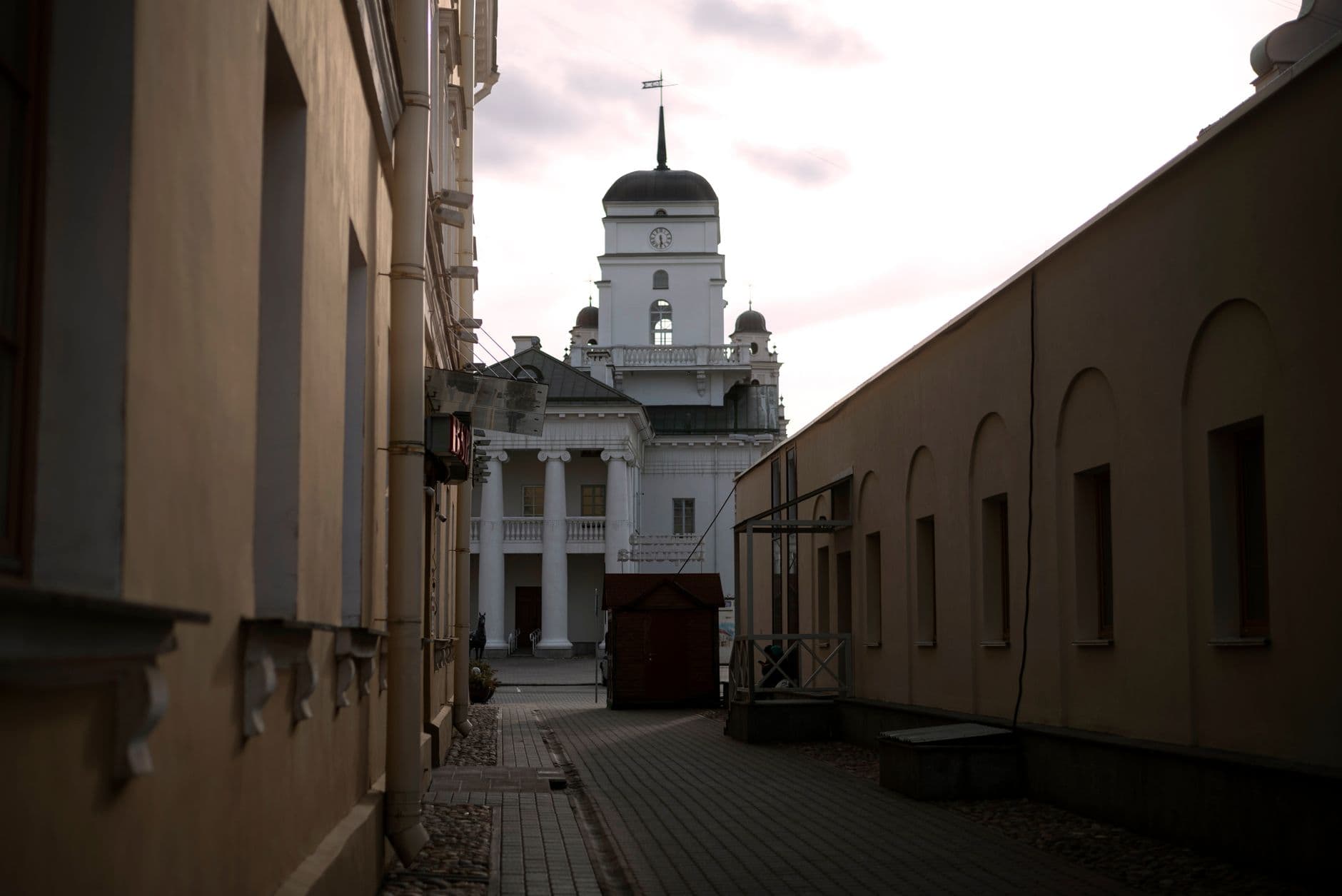
Die Architektur von St. Petersburg ermöglicht es Besuchern, sowohl seine Vergangenheit als auch seine Gegenwart zu erleben, wobei viele Gebäude Designs implementieren, die Trends aus Rom und anderen europäischen Hauptstädten widerspiegeln. Ein Spaziergang durch Straßen wie Tschernyschewskaja und die Beobachtung der fesselnden Szenen, die von den Kanälen und historischen Häusern geboten werden, sorgen für fesselnde Momente.
Mosaike und Details: Die komplizierten Mosaike, die in vielen dieser Kirchen zu finden sind, sind ein Highlight und werden oft aus Materialien hergestellt, die Geschichten über Glauben und Hingabe erzählen.
Dach und Fenster: Die einzigartigen Dachkonstruktionen und großen, oft farbenfrohen Fenster tragen zum Charme und Charakter jeder Kathedrale bei und lassen natürliches Licht die Innenräume erhellen.
Ziegel und Mauerwerk: Viele dieser Kirchen wurden aus Ziegeln und anderen haltbaren Materialien gebaut und haben die Zeit überdauert, auch wenn andere im Laufe der Jahrhunderte zerstört wurden.
Wenn Sie diese prächtigen Bauwerke erkunden, weisen Sie auf die architektonischen Details hin, die ihre Schönheit ausmachen. Diese Liste dient als Ausgangspunkt für alle, die sich für die prächtigen Designs interessieren, die die reiche Geschichte von St. Petersburg prägen. Wöchentliche Besuche dieser Wahrzeichen können das Verständnis für ihre Bedeutung und das kulturelle Erbe, das sie schützen, vertiefen.
Zusammenfassend lässt sich sagen, dass die orthodoxen Kirchen von St. Petersburg, von der Pracht ihrer Fassaden bis zu den Feinheiten ihrer Innenräume, die Identität der Stadt wirklich repräsentieren. Jeder Besuch enthüllt nicht nur die künstlerischen Leistungen vergangener Epochen, sondern fördert auch die Wertschätzung für das fortwährende Engagement für die Erhaltung dieser außergewöhnlichen Wahrzeichen.
Unterscheidungsmerkmale der russisch-orthodoxen Architektur
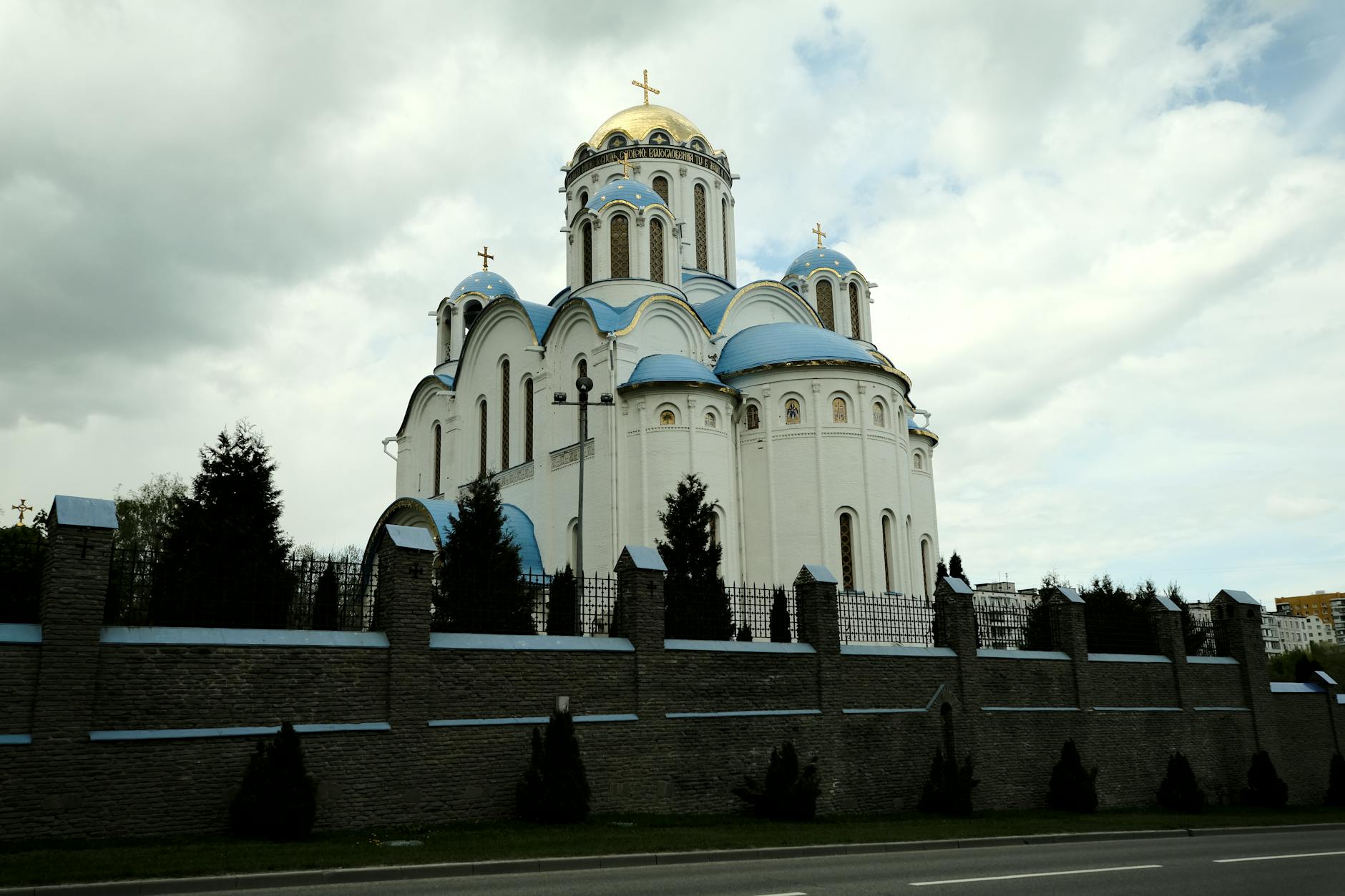
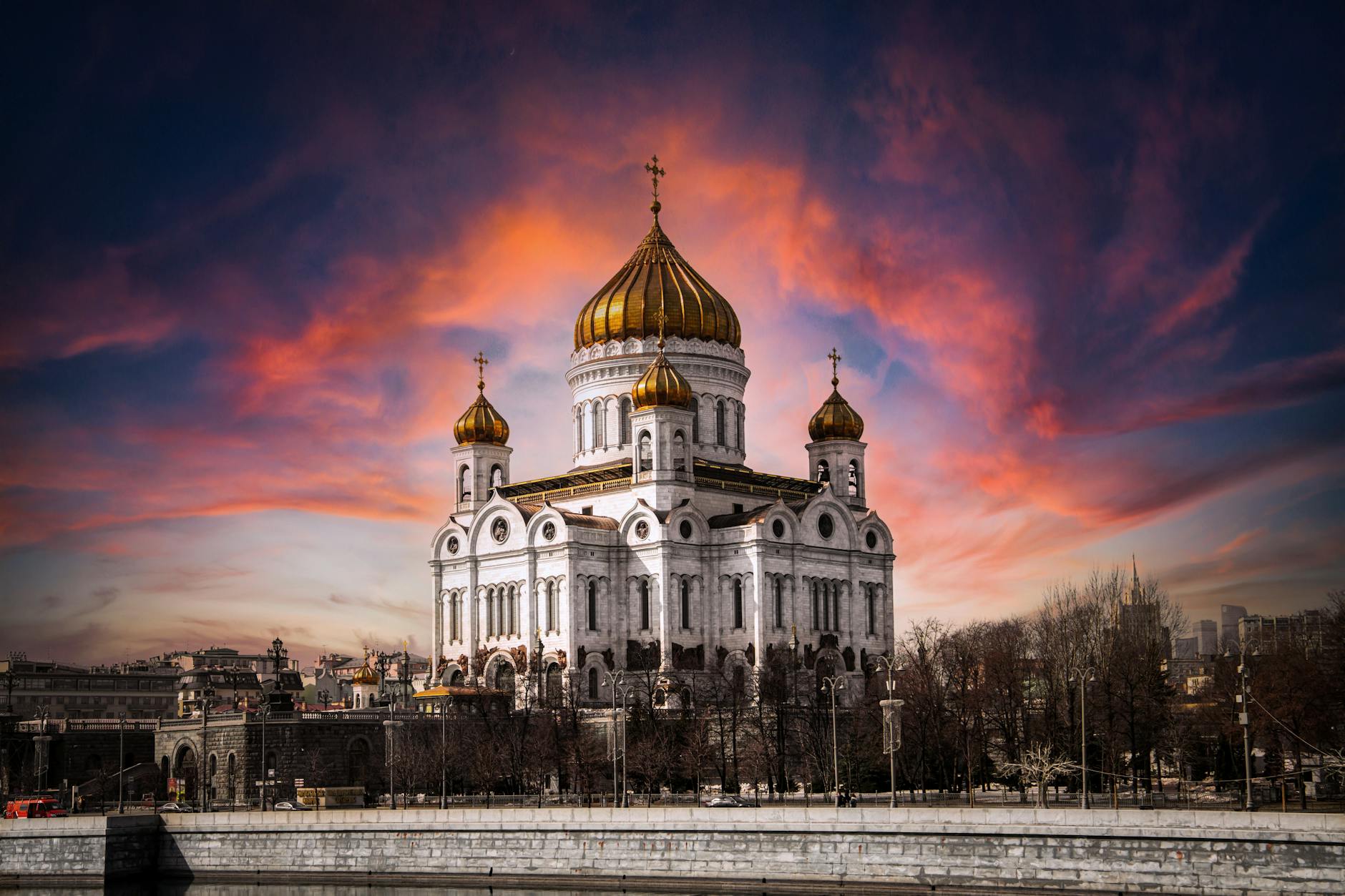
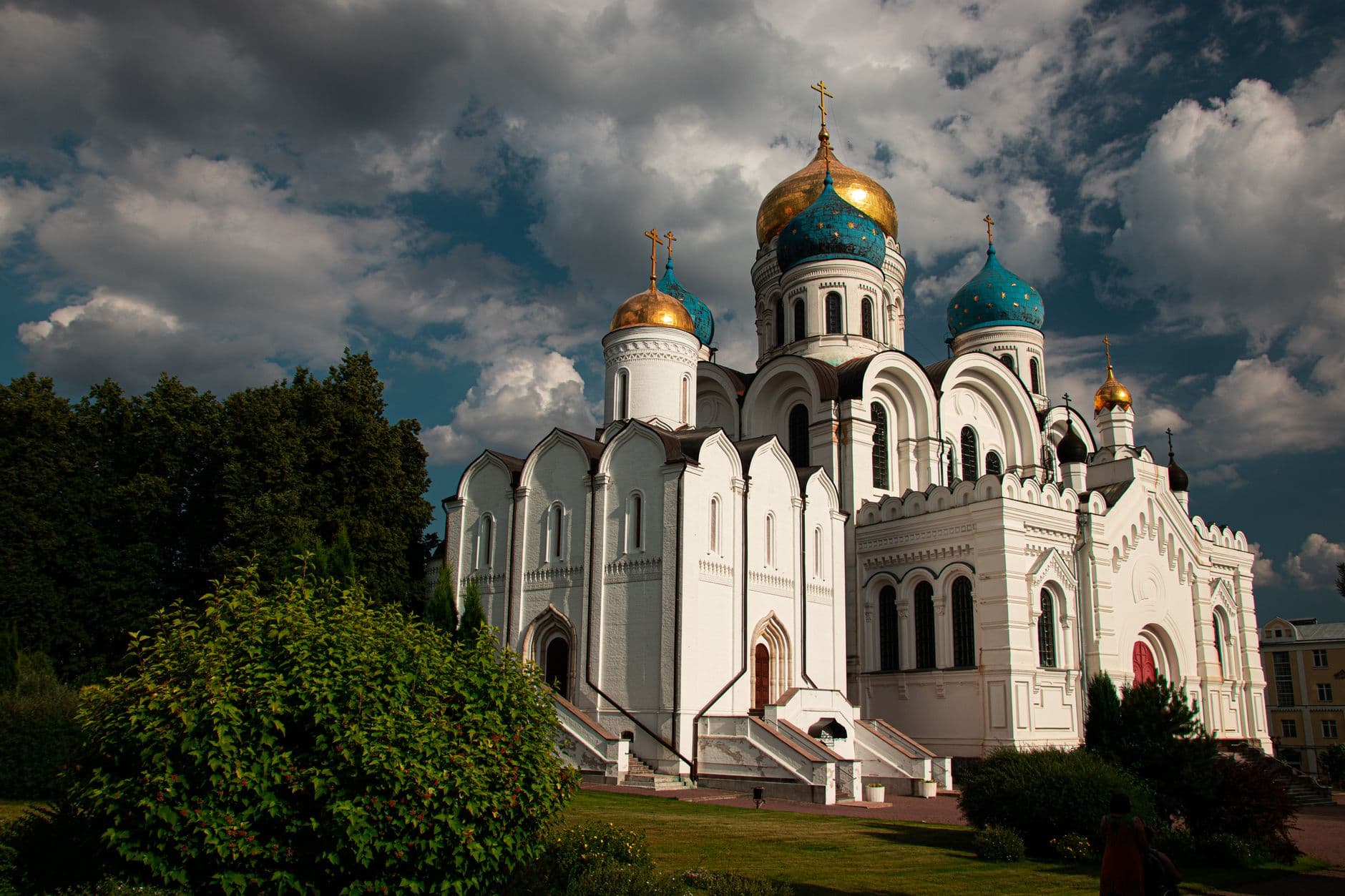
Die russisch-orthodoxe Architektur ist bekannt für ihre einzigartigen stilistischen Merkmale, die sie von anderen Kirchenentwürfen auf der ganzen Welt unterscheiden. Eines der herausragendsten Merkmale ist die Verwendung mehrerer Kuppeln, die das himmlische Reich symbolisieren und eine beeindruckende Silhouette vor dem Horizont bilden. Oft mit Gold verziert, reflektieren diese Kuppeln das Licht und sorgen für ein lebendiges Aussehen, das die heilige Atmosphäre der Kirchen verstärkt.
Die Kirchen sind typischerweise in großem Maßstab gebaut und verfügen oft über große zentrale Glockentürme, die nicht nur als Ort für die Glocken dienen, sondern auch als visueller Anker für das Gebäude fungieren. Die Glockentürme waren historisch gesehen ein herausragendes Merkmal, das die Gläubigen zum Gebet rufen sollte und eine Praxis widerspiegelte, die in den Traditionen des alten Roms verwurzelt war.
Ein weiteres charakteristisches Merkmal sind kunstvolle Fenster, die Licht in die Innenräume strömen lassen und so einen warmen und reflektierenden Raum innerhalb der heiligen Stätten schaffen. Die Verwendung von farbenfrohen Fliesen und komplizierten Bronze-Details veranschaulicht das künstlerische Können, das in diesen monumentalen Bauwerken zu finden ist, die für ihre Schönheit und Handwerkskunst gefeiert werden.
Viele dieser Kirchen sind mit einem Gefühl der Demut gebaut, das das Leben der Heiligen und die Hingabe der Menschen widerspiegelt. Die Erzählung hinter jedem Bauwerk bezieht sich oft auf die Zaren und ihren Wunsch, sich in der Geschichte zu verewigen, so dass diese Gebäude nicht nur als Kultstätten, sondern auch als historische Denkmäler dienen, die die russische Identität repräsentieren.
Die Auferstehungskirche, die im späten Barockstil entworfen wurde, ist eines der größten Beispiele für diese einzigartige Architektur. Sie befindet sich auf Ploschtschad und ist einem bedeutenden Ereignis gewidmet. Sie ist ein Ort, an dem die Öffentlichkeit über das künstlerische und religiöse Erbe der Region nachdenken kann. In ähnlicher Weise zeigt das Alexander-Newski-Kloster diese Identität und macht es zu einem kulturellen Wahrzeichen in St. Petersburg.
Darüber hinaus ziert die Fassade russisch-orthodoxer Kirchen oft lebendige Fresken und komplizierte Verzierungen, die die Geschichten der Heiligen Schrift und der Heiligen erzählen. Diese künstlerischen Elemente schöpfen Inspiration aus verschiedenen europäischen Stilen, bewahren aber dennoch eine unverwechselbar russische Essenz, die über Jahrhunderte der Evolution sorgfältig implementiert wurde.
Für Besucher, die diese bemerkenswerten Institutionen erkunden, bietet jede Kathedrale einen Einblick in eine einzigartige Mischung aus Geschichte, Glauben und Kunst. Mit prominenten Beispielen wie der Isaakskathedrale und der Peter-und-Paul-Festung verkörpern diese historischen Orte das Herz und die Seele der russisch-orthodoxen Architektur und symbolisieren das tiefe spirituelle Leben und das reiche kulturelle Erbe des russischen Volkes.
Wenn Sie durch diese architektonischen Wunderwerke navigieren, werden Sie feststellen, dass sie mehr als nur Gebäude sind; sie sind monumentale Darstellungen des Glaubens, der Geschichte und der Kunstfertigkeit des russischen Volkes im Laufe der Jahrhunderte, wo jedes Grab, jedes Fenster und jede Kuppel das tiefe Erbe einer lebendigen Kultur widerspiegelt.
Vergleich von Barock- und Byzantinischem Stil
St. Petersburg beherbergt eine Vielzahl beeindruckender Kathedralen, die verschiedene architektonische Stile zeigen, die die reiche Geschichte der Stadt widerspiegeln. Zwei der bekanntesten Stile sind Barock und Byzantinisch, jeder mit seinen einzigartigen Merkmalen und seiner Bedeutung.
Barockarchitektur
Die Barockarchitektur in St. Petersburg, die durch Gebäude wie die Isaakskathedrale und die Auferstehungskirche veranschaulicht wird, ist bekannt für ihre Pracht und ihre komplizierten Details. Zu den wichtigsten Merkmalen gehören:
Verwendung von Licht und Schatten, die den dramatischen Effekt verstärken.
Goldene Kuppeln und kunstvolle Innenräume voller Mosaike und Skulpturen.
Dynamische Formen und ein Gefühl von Bewegung, oft dazu bestimmt, Ehrfurcht zu erwecken.
Der Barockstil entstand im 17. Jahrhundert und war ein Zeichen für eine Zeit, in der die russisch-orthodoxe Kirche ihre Gemeinde beeindrucken und überwältigen wollte, was ihn bei der Elite der Stadt beliebt machte.
Byzantinische Architektur
Im Gegensatz dazu hat die byzantinische Architektur ihre Wurzeln in frühen christlichen Bauwerken und hat einen bleibenden Einfluss auf russische Kathedralen gehabt. Bemerkenswerte Beispiele sind die Kirche St. Paul und das Gunzechoinei-Kloster. Zu den wichtigsten Elementen gehören:
Verwendung großer Kuppeln, die den Himmel und das Göttliche darstellen.
Reichhaltige Mosaike und Ikonen, die Geschichten von Heiligen und biblischen Ereignissen erzählen.
Ein Fokus auf Vertikalität, wobei Strukturen entworfen wurden, um die Augen nach oben zu lenken.
Die byzantinische Architektur betont eher spirituelle als protzige Schönheit und schafft Räume, die zur Kontemplation und Ehrfurcht einladen.
zum Kurs der Bank von Russland vom 26.09.2026 · powered by tutkakdoma
Vergleichspunkte
Beim Vergleich von Barock- und Byzantinischem Stil ergeben sich mehrere Punkte:
Barockdesigns sind verspielter mit einem Fokus auf Verzierungen, während Byzantinisch typischerweise einfacher, aber hochsymbolisch ist.
Der Barock zeichnet sich durch seine dramatische Raumnutzung aus, während die byzantinische Architektur ein konsistenteres und symmetrischeres Layout aufweist.
Der Zweck von Barockbauten umfasste oft Konzerte und Versammlungen, die die Macht der Kirche feierten, während byzantinische Kirchen Zentren spiritueller Bildung und Kontemplation waren.
Fazit
Sowohl der Barock- als auch der Byzantinische Stil haben bedeutende Spuren in der architektonischen Landschaft von St. Petersburg hinterlassen. Wenn Sie Orte wie die berühmten Kathedralen der Stadt besuchen, gibt es viel zu bewundern an den aufwendigen Details der Barockdesigns sowie an der heiteren Schönheit der byzantinischen Strukturen. Fotogen und lehrreich ehren diese Gebäude das religiöse Erbe der Stadt und machen sie zu beliebten Zielen für Einheimische und Touristen.
Einfluss der russischen Geschichte auf die Kirchenarchitektur
Die Architektur der russisch-orthodoxen Kathedralen und historischen Kirchen spiegelt ein reiches Geschichtsbild wider, das die einzigartige Identität der Nation sowohl ehrt als auch symbolisiert. Vor dem Aufstieg St. Petersburgs zu einem kulturellen Zentrum war Moskau die dominierende Stadt, die maßgeblich zum architektonischen Stil beitrug, der als "зодчество" bekannt ist. Viele der Merkmale, die in Kirchen aus dieser Zeit zu sehen sind, darunter die Verwendung von weißem Stein und farbenfrohen Kuppeln, sind noch immer in Kathedralen wie der Isaakskathedrale und der Auferstehungskirche zu sehen.
Der Übergang zwischen verschiedenen architektonischen Stilen, wie Barock und Neoklassizismus, lässt sich auf bedeutende historische Momente zurückführen, darunter die Herrschaft der Zaren. Das Design dieser Kirchen umfasste oft vergoldete Türme und komplizierte Mosaike, die nicht nur religiöse Hingabe, sondern auch den Reichtum und die Macht der herrschenden Klasse widerspiegelten. Dies zeigt sich in der goldenen Kuppel der St.-Pauls-Kathedrale, die majestätisch vor dem blauen Himmel von St. Petersburg steht.
Bemerkenswert ist, dass viele dieser Bauwerke als monumentale Ehrungen für Heilige und Ereignisse in der russisch-orthodoxen Geschichte errichtet wurden. Einige Kirchen, wie die auf der Wassiljewski-Insel, dienen als bescheidene Erinnerungen an den Glauben und die Hingabe gewöhnlicher Gläubiger. Ihre Gräber und Ikonen symbolisieren die Verbindung zwischen dem Irdischen und dem Göttlichen.
Im Gegensatz dazu setzt sich das Erbe einiger Kirchen, obwohl sie geschlossen oder umfunktioniert wurden, durch wissenschaftliche Forschung und öffentliches Interesse fort. Das Gebiet des Gribojedow-Kanals beispielsweise bietet fotogene und historisch bedeutsame Stätten, die veranschaulichen, wie die Vergangenheit die zeitgenössische russische Identität beeinflusst. Jede Straße zeigt einen Rahmen der Existenz, in dem die Geschichte mit dem täglichen Leben verwoben ist.
Zusammenfassend lässt sich sagen, dass der Einfluss der russischen Geschichte auf die Kirchenarchitektur unbestreitbar ist. Von den Mosaiken bis zu den Türmen dient jede Struktur als Zeugnis für die Schönheit und Komplexität des Glaubens in Russland. Ob Sie ein Gelegenheitsbesucher oder ein engagierter Historiker sind, die Erkundung dieser prächtigen Kathedralen bietet einen Einblick in die Seele einer Nation, die in Tradition und spiritueller Ehrfurcht verwurzelt ist.
Bedeutende Kathedralen und ihre Geschichten
St. Petersburg ist bekannt für seine beeindruckenden russisch-orthodoxen Kathedralen, die die reiche Geschichte und Identität der Stadt widerspiegeln. Viele dieser Kirchen symbolisieren die Entwicklung der russischen Architektur und Spiritualität und stehen als Zeugnisse für die künstlerische Vision ihrer Architekten.
Eine der ältesten und bekanntesten Kirchen ist die Auferstehungskirche, die zum Gedenken an Zar Alexander II. erbaut wurde. Ihre Architektur ist charakteristisch für den russischen Wiederbelebungsstil und zeichnet sich durch komplizierte Mosaike und blaue Zwiebelkuppeln aus, die das Erbe des Zaren ehren. Diese Kathedrale wurde an genau der Stelle errichtet, an der der Zar während einer Revolution tödlich verwundet wurde, und erinnert sowohl an Trauer als auch an Widerstandsfähigkeit.
Eine weitere bedeutende Kathedrale ist die Isaakskathedrale. Sie wurde von dem bedeutenden Architekten Auguste Montferrand entworfen und zeigt grandiose Säulen und goldene Kuppeln, die die Skyline dominieren. Die immensen Innenräume der Isaakskathedrale nehmen die Besucher mit auf eine Reise der Kunst und des Glaubens und beherbergen zahlreiche Stücke, die sowohl religiöse als auch nicht-religiöse Themen widerspiegeln. Sie war während der Sowjetzeit geschlossen, wurde aber inzwischen als Museum umfunktioniert, so dass die Menschen ihre Schönheit neu schätzen können.
Kathedrale
Baujahr
Architekt
Bedeutung
Auferstehungskirche
1883
Alfred Napoleon
Erbaut zu Ehren von Alexander II.; symbolisiert Widerstandsfähigkeit
Isaakskathedrale
1858
Auguste Montferrand
Unabhängiges Museum; repräsentiert Kunst und Glauben
Smolny-Kathedrale
1764
Francesco Bartolomeo Rastrelli
Anerkannt für seinen atemberaubenden Barockstil
Kasaner Kathedrale
1811
Andrey Voronikhin
Ein Denkmal für diejenigen, die in den Napoleonischen Kriegen gekämpft haben
Überall in der Stadt laden beeindruckende Glockentürme und wunderschön gestaltete Innenszenen Besucher ein, das tief verwurzelte spirituelle Erbe von St. Petersburg zu erkunden. Diese Kathedralen dienen nicht nur als Kultstätten, sondern auch als Museen, die die lebendige Kunstgeschichte der Stadt zeigen. Von den Bronzeskulpturen bis zu den sorgfältig gemalten Fresken bieten die Kirchen eine breite Palette von Erlebnissen, die das vielfältige Gefüge des Lebens in dieser bemerkenswerten Stadt symbolisieren.
Isaakskathedrale: Ein Meisterwerk der Kuppeln
Die Isaakskathedrale, eines der bekanntesten Gebäude in St. Petersburg, symbolisiert die architektonische Pracht der Stadt. Die Kathedrale wurde zwischen 1818 und 1858 unter der Leitung des französischen Architekten Auguste de Montferrand erbaut, der ihre beeindruckende Struktur sorgfältig plante. Die Kuppel, die ein Wahrzeichen der Stadt ist, ist mit vergoldeten Elementen geschmückt, die das Licht einfangen und sie zu einem Anziehungspunkt für Einheimische und Besucher machen.
Dieses unglaubliche Bauwerk befindet sich am Isaakievskaya Ploshchad und ist nicht nur ein Ort der Anbetung, sondern dient auch als Museum, das wertvolle Kunst beherbergt und Bildungsmöglichkeiten über russisch-orthodoxe Traditionen bietet. Die einzigartige Mischung architektonischer Einflüsse spiegelt die Trends des frühen 19. Jahrhunderts wider, insbesondere den italienischen Neoklassizismus, der der Kathedrale ihre unabhängige Identität unter den unzähligen Gebäuden der Stadt verleiht.
Im Inneren erzählen die Wände der Isaakskathedrale eine Geschichte von Unbehagen und Freude und spiegeln die печали (Trauer) und Feiern derer wider, die ihre Tore betreten haben. Zahlreiche Gräber bedeutender Persönlichkeiten befinden sich innerhalb des Bauwerks, was seiner Pracht ein feierliches Element verleiht. Die komplizierten Mosaike und atemberaubenden Fresken verstärken die Atmosphäre zusätzlich und ermöglichen es den Besuchern, ein spirituelles und künstlerisches Erbe zu erkunden, das über das Greifbare hinausgeht.
Obwohl einige es vielleicht nur als ein weiteres religiöses Gebäude betrachten, ist es wichtig, die kulturelle Bedeutung zu verstehen, die es hat; es spiegelt den Geist des zaristischen Regimes wider, das eine grandiose Darstellung von Macht und Glauben wünschte. Der Konzertsaal bietet Klavieraufführungen, die in der Kuppel widerhallen und einen fast ätherischen Klang erzeugen, der oft von Teilnehmern aus der ganzen Welt gehört wurde.
Wenn Sie die prächtige Kuppel aus verschiedenen Blickwinkeln bewundern, nehmen Sie sich einen Moment Zeit, um die Details zu betrachten, die in das Design des Gebäudes einfließen. Die harmonische Kombination aus modernen und historischen Elementen in der Architektur der Isaakskathedrale lädt Sie ein, ihren Platz in der Landschaft der Stadt zu würdigen. Die Kathedrale markiert zweifellos eine der ältesten und am meisten verehrten Stätten und verkörpert die ereignisreiche Geschichte von St. Petersburg.
Die Auferstehungskirche: Kunst und Tragödie
Die Auferstehungskirche, eine der bekanntesten Kirchen St. Petersburgs, ist ein Zeugnis für künstlerische Brillanz und historische Tragödie. Dieses architektonische Meisterwerk, das von Architekten wie Alfred Mikhaïlovich Parland entworfen wurde, wurde im späten 19. Jahrhundert in Auftrag gegeben, um die Ermordung von Kaiser Alexander II. zu gedenken. Ihr Bau spiegelt eine bedeutende Periode in der russischen Geschichte wider, in der die Identität der Nation inmitten kultureller Umwälzungen geprägt wurde.
Diese Kirche zeichnet sich durch ihre atemberaubenden stilistischen Elemente aus, darunter eine Vielzahl von farbenfrohen Zwiebelkuppeln und komplizierten Mosaiken, die die Geschichte der russisch-orthodoxen Kultur erzählen. Die Wände sind mit über 7.500 Quadratmetern Mosaiken bedeckt, die die Arbeit renommierter russischer Künstler der Akademie der Schönen Künste zeigen und Geschichten aus der Bibel und dem Leben der Heiligen zusammenfassen.
Die Kirche liegt am Ufer des Katharinenkanals und ist ein markanter Ort für Fotos, insbesondere mit ihren leuchtend blauen Kuppeln vor dem Horizont. Besucher von St. Petersburg entscheiden sich oft dafür, dieses architektonische Juwel in ihre Reiseroute aufzunehmen, angezogen von seiner Schönheit und der tiefgründigen Geschichte, die in seinen Mauern liegt. Im Inneren ist die Atmosphäre von Ehrfurcht erfüllt, wo viele kommen, um ihren Respekt zu erweisen und über die tragische Vergangenheit nachzudenken, die ihr Leben einhauchte.
Die Kirche wird oft als Symbol der Widerstandsfähigkeit angesehen, das die Vergangenheit mit der Gegenwart verbindet und gleichzeitig eine Abweichung von den klassischen Stilen von Gebäuden wie der Isaakskathedrale aufzeigt. Das reine Design der Kirche schwingt mit der Marinegeschichte von St. Petersburg mit und spiegelt das Erbe der Marine und ihre Verbindung zur Entwicklung der Stadt wider. Künstler und Architekten, die zu dieser Stätte beigetragen haben, verdienen Anerkennung für ihre Vision und Handwerkskunst, die ein Denkmal geschaffen haben, das Bände über Russlands reiches Erbe spricht.
Die Auferstehungskirche erinnert nicht nur an einen entscheidenden Moment in der russischen Geschichte, sondern dient auch als Ausdrucksmittel für die Kultur. Dank der Vision einer anderen Generation von Architekten bleibt die Kirche ein Leuchtfeuer der Kultur, das uns an die Tragödien erinnert, die diese Nation geprägt haben. Daher nimmt sie einen besonderen Platz in den Herzen derer ein, die ihre Geschichte gehört haben, und viele Besucher drücken ihre Dankbarkeit für die Möglichkeit aus, ihre Schönheit aus erster Hand zu erleben. Heute fungiert sie als Museum und zieht unzählige Touristen und Einheimische an, die ein bedeutendes Kapitel der reichen Geschichte St. Petersburgs erkunden möchten.
Zusammenfassend lässt sich sagen, dass die Auferstehungskirche das Zusammenspiel von Kunst und Tragödie veranschaulicht und als eindringliche Erinnerung an Russlands komplexe Geschichte und seinen unbezwingbaren Geist dient. Sie ist ein Ort, an dem Kultur gedeiht und Identität gefeiert wird, um sicherzustellen, dass die Erinnerungen an die Vergangenheit niemals vergessen werden.