Besorgen Sie sich zunächst eine Einladung eines lokalen Gastgebers und ein Sponsorenzertifikat; dies bildet die Grundlage für Reisende, die eine Einreise über die Föderation anstreben. Die Einladung muss die Besuchszwecke, die Aufenthaltsdauer, die Reisedaten und die Kontaktdaten des Gastgebers enthalten. Stellen Sie sicher, dass das Dokument mit korrekten Daten ausgefüllt und vom offiziellen Kontakt zwischen dem Gastgeber und einer kommunalen Behörde bestätigt ist; diese Unterstützung reduziert Verzögerungen in der Überprüfungsphase.
Als Nächstes stellen Sie die Kerndokumente zusammen: einen Reisepass, der mindestens sechs Monate gültig ist, einen Satz Fotos, die den Anforderungen entsprechen, einen Nachweis über eine Auslandskrankenversicherung für die gesamte Aufenthaltsdauer und die Einladungsurkunde. Fügen Sie gegebenenfalls Nachweise über Bindungen wie eine Ehe bei; ein Zeugnis, das die Beziehung belegt, hilft, legitime Zwecke wie Geschäft, Familienbesuch, Tourismus oder offizielle Pflichten nachzuweisen. In vielen Fällen dauert das Ausfüllen des Formulars Zeit, und jedes Feld muss mit der Urkunde übereinstimmen; Fehler verlängern die Bearbeitung und können eine Neuanmeldung auslösen.
Gebühren und Merkmale: Lokale Behörden veröffentlichen eine einfache Gebührenordnung; die Akzeptanz hängt von den Zwecken, den Staatsangehörigen und der klaren Verbindung des Antragstellers zum Gastgeber ab. Ein Nachweis über die Beziehung zwischen Gastgeber und Besucher hilft, legitime Zwecke nachzuweisen. Für Reisende im Ausland legen Sie einen gültigen Kontaktpunkt und eine genaue Reiseroute vor; dies reduziert den Schriftverkehr mit dem örtlichen Büro und deckt verschiedene Szenarien ab.
Verarbeitungszeitplan und Kontakt: Gemäß offiziellen Richtlinien können Genehmigungen je nach Region und Vollständigkeit des Pakets einige Tage bis mehrere Wochen dauern. Überprüfen Sie die Details immer bei den lokalen Behörden; ein einziges fehlendes Feld kann den gesamten Prozess verlangsamen. Wenn Sie für eine kurze Reise abreisen, stellen Sie sicher, dass Ihr Zertifikat den beabsichtigten Besuch und die Dauer widerspiegelt. Der Zeitpunkt Ihrer Abreise sollte mit den im Antrag angegebenen Daten übereinstimmen, und halten Sie ständigen Kontakt mit dem Sponsor.
Nach der Genehmigung erhalten Sie eine Einreiseerlaubnis mit Merkmalen wie einem Gültigkeitsfenster, der Anzahl der Einreisen und allen Bedingungen, die an Ihren Aufenthalt gebunden sind. Bewahren Sie das Zertifikat auf und teilen Sie es mit Ihren Reisebegleitern; halten Sie eine Kopie für Ihre Reisen ins Ausland bereit. Wenn Ihre Situation Ehebande oder andere familiäre Verbindungen einschließt, legen Sie unterstützende Dokumente vor; solche Verbindungen werden manchmal genutzt, um längere Besuche zwischen Familienmitgliedern zu rechtfertigen. Reisende sollten den Kontakt mit dem lokalen Sponsor und der zuständigen Behörde aufrechterhalten, um einen reibungslosen Ausreisevorgang zu gewährleisten und Missverständnisse zu vermeiden.
Privates Visum für Russland: Praktische Schritte für Einladung und Voucher
Einladung Sehr geehrte/r Herr/Frau [Ihr vollständiger Name], hiermit beehre ich mich, Sie herzlich zu meiner bevorstehenden Feier einzuladen. Die Veranstaltung findet am [Datum] statt und ich würde mich sehr freuen, Sie persönlich an diesem besonderen Tag begrüßen zu dürfen. Bitte bestätigen Sie Ihre Anwesenheit bis zum [Datum der Rückmeldung]. Mit freundlichen Grüßen, [Name des Einladenden] ----- Bestätigung durch Notar Ich, der unterzeichnete Notar, bestätige hiermit, dass die oben genannte Einladung von [Name des Einladenden] ausgestellt wurde und alle erforderlichen Informationen für die Reise
Beantragen Sie einen Unterkunftsgutschein (Voucher), falls vom Konsulat verlangt; der Gutschein kann von einem Gastgeber oder einem lizenzierten Dienstleister ausgestellt werden und muss die Adresse, die Ein- und Auscheckdaten sowie die Anzahl der Nächte enthalten. Wenn Sie an mehreren Orten übernachten, legen Sie für jede Unterkunft einen separaten Abschnitt vor.
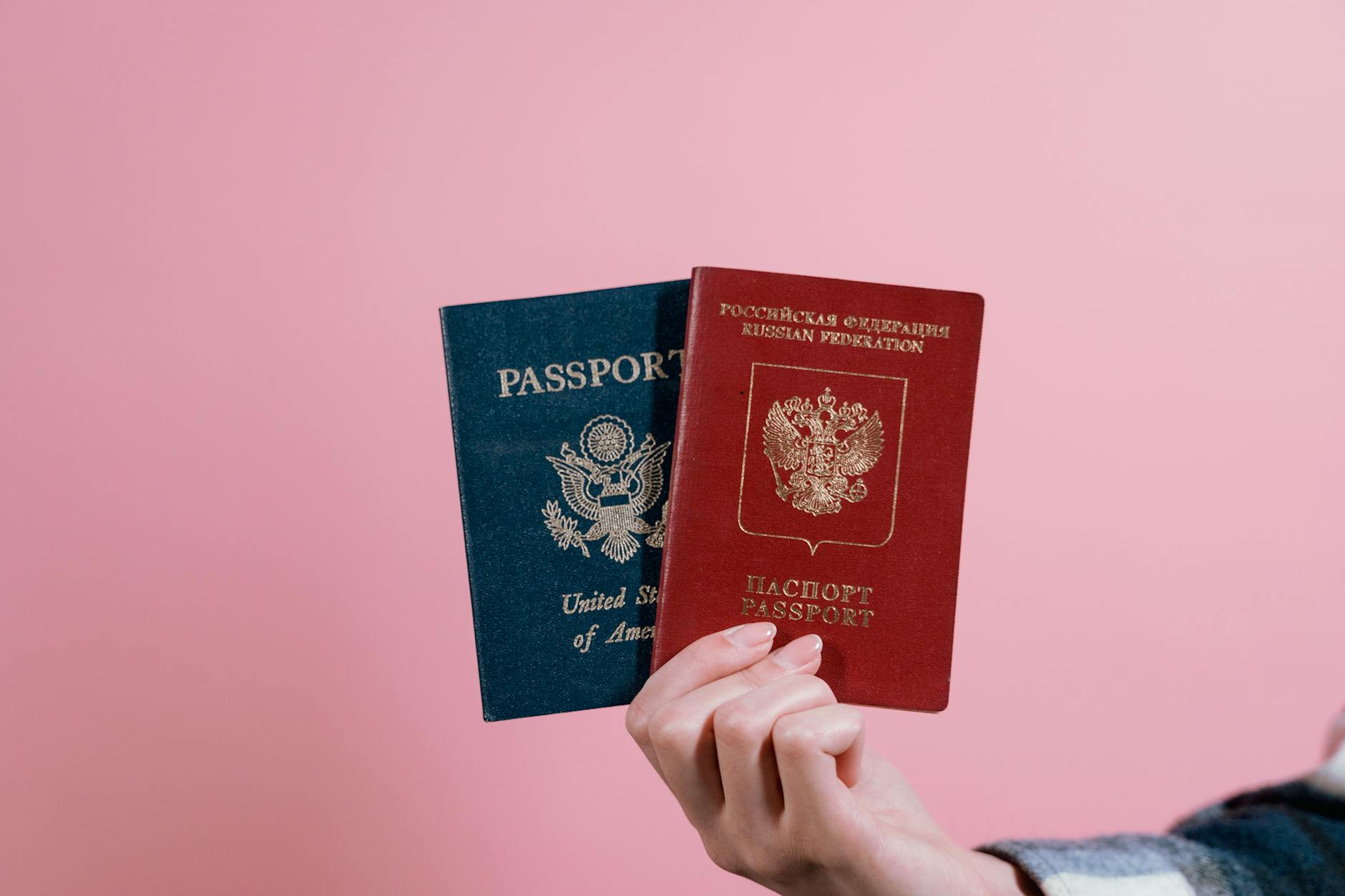
Sammeln Sie die Kerndokumente: ein Reisepass, der noch mindestens sechs Monate über die geplante Abreise hinaus gültig ist, aktuelle Fotos, das Einladungsschreiben, den Voucher und den Nachweis über Unterkunft oder Gastfreundschaft. Wenn Sie die Staatsbürgerschaft mehrerer Länder besitzen, bringen Sie beide Reisepässe mit; Übersetzungen können erforderlich sein. Dies beschleunigt die Bearbeitung.
Reichen Sie Ihr Paket beim Konsulat oder über ein autorisiertes Servicecenter ein. Bringen Sie weiße Originale und Kopien aller Dokumente mit. Gebühren erfordern möglicherweise eine Anzahlung; bewahren Sie die Anzahlungsquittung auf. Die Bearbeitung dauert mehrere Tage, planen Sie also im Voraus.
Religiöse Besuche oder Touren erfordern zusätzliche Dokumente: Ein Schreiben der Religionsgemeinschaft und ein Reiseplan können angefordert werden; stellen Sie sicher, dass die Informationen des Gastgebers mit der Einladung übereinstimmen; berechtigte Antragsteller werden bevorzugt behandelt. Wenn Sie mit Verwandten reisen möchten, stellen Sie sicher, dass die Nachweise die gesamte Gruppe abdecken; russischsprachiges Personal steht bei Bedarf zur Verfügung.
Wenn Sie Zugang zu einem Botschafter oder diplomatischen Personal haben oder wenn Verwandte Diplomaten sind, wenden Sie sich an das Büro des Botschafters, um genaue Anweisungen zu erhalten. Fachleute können komplexe Szenarien bewältigen und Dienstleistungen vereinfachen die Schritte.
In seltenen Fällen kann auf die Aufgabe eines anderen Status verzichtet werden; vergewissern Sie sich dies bei einem seriösen Notar oder Einwanderungsanwalt und stellen Sie sicher, dass der Abschnitt über Staatsbürgerschaft und Verzicht korrekt ist. Dies verringert das Risiko eines späteren Widerrufs und unterstützt ein reibungsloses Ergebnis.
Füllen Sie den Abschnitt vollständig aus, fügen Sie zusätzliche Dokumente bei und halten Sie weiße Kopien bereit. Vermeiden Sie Auslassungen und stellen Sie sicher, dass alle Details mit der Einladung und dem Gutschein übereinstimmen. Zögern Sie nicht, die Hilfe eines vertrauenswürdigen Dienstleisters in Anspruch zu nehmen; ein positives Ergebnis wird sich einstellen, wenn die Vorbereitungen gründlich und rechtzeitig erfolgen.
Wer qual
Holen Sie sich eine Einladung von einem Einwohner des Staates, den Sie besuchen möchten; dies ist die wesentliche Voraussetzung für die Teilnahmeberechtigung. Die Einladung muss den vollständigen Namen, das Geburtsdatum, die Adresse, die Kontaktdaten des Gastgebers sowie Ihre Beziehung beinhalten und Details enthalten, die mit den staatlichen Unterlagen übereinstimmen. Eine saubere, ausgedruckte Kopie in weiß beschleunigt die Validierung.
Ihr Reisepass muss für mindestens sechs Monate über Ihren geplanten Aufenthalt hinaus gültig sein und mindestens zwei leere Seiten enthalten. Erstellen Sie einen Reiseplan, der Daten, Einreiseort, Aufenthaltsorte und eine geplante Ausreise über denselben Einreiseort auflistet.
Erforderliche Nachweise über ausreichende finanzielle Mittel für Unterkunft, Verpflegung, Transport und Nebenkosten,
Reichen Sie dies über das offizielle Portal ein; geben Sie dabei Informationen über den Zweck des Besuchs und den Gastgeber an. Wenn die Angaben des Gastgebers bereitgestellt wurden, generiert das Portal eine Fallnummer zur Nachverfolgung. Die Informationen werden auf Vollständigkeit und Konsistenz geprüft, um die nächsten Schritte zu erleichtern.
Die Validierung durch konsularische Mitarbeiter wird die Dokumente überprüfen; achten Sie auf negative Hinweise oder Inkonsistenzen. Stellen Sie sicher, dass die Informationen mit den Details übereinstimmen und vermeiden Sie jegliche Abweichungen, die eine Aufforderung nach weiteren Daten auslösen könnten.
In Fällen, in denen ein Botschafter beteiligt ist, kann dieser zusätzliche Prüfungen oder Dokumente anfordern. Die Einladung sollte vom Gastgeber vorbereitet werden und die notwendigen Details für die Überprüfung enthalten.
Zeitplanung bei der Vorbereitung ist wichtig: Planen Sie weit im Voraus, da die Bearbeitung mehrere Wochen dauern kann. Wochenenden sind in der Regel keine Arbeitstage für Konsulate, planen Sie daher entsprechend. Überwachen Sie nach der Einreichung das Portal und die Informationsaktualisierungen häufig, um Verzögerungen zu vermeiden.
Nach der Genehmigung bringen Sie die Einladung und die Kontaktdaten des Gastgebers zusammen mit Ihrem Reisepass mit. Wenn Sie einen anderen Status besitzen, der die Einreise beeinträchtigen könnte, führen Sie vor der Reise eine Verzichtserklärung durch, um eine Ablehnung an der Grenze zu vermeiden. Wenn dies nicht gelöst wird, seien Sie auf Verzögerungen oder Ablehnung vorbereitet.
Die nächsten Schritte umfassen die Einreichung angeforderter Dokumente über das Portal und die Bestätigung der Reisepläne mit dem Gastgeber. Als nächster Schritt besteht, falls erforderlich, die Möglichkeit, ergänzende Dokumente einzureichen; ein Botschafter kann zusätzliche Maßnahmen empfehlen, um die Erfolgsaussichten zu erhöhen.
Einladungsschreiben: Rolle, Format und ausstellende Behörden
Muss vor der Reiseplanung vorbereitet werden: Holen Sie sich eine offizielle Einladung, die an Sie gerichtet ist, von einem Gastgeber im Zielland. Die Einladung sollte den vollständigen Namen des Antragstellers, das Geburtsdatum, die Passnummer und die geplanten Aufenthaltsdaten enthalten, mit Angaben zur Unterkunft und wie der Gastgeber die Reise unterstützen wird. Wenn von den Behörden danach gefragt wird, stellen Sie sicher, dass der Brief auf offiziellem Briefpapier verfasst und von einer autorisierten Person unterschrieben ist.
Rolle: Das Einladungsschreiben dient als Nachweis für ernsthafte Planungen und die Unterstützung durch den Gastgeber, was die Grenzverfahren erleichtert, indem es die Absicht des Gastes und einen klaren Besuchsplan bestätigt.
Ausstellende Behörden: Die Schreiben werden von offiziellen Stellen im Zielland ausgestellt - Ausländerbehörden, Konsulaten oder Arbeitgebern/Universitäten mit Rechtsstatus. Das Dokument sollte den Namen des Gastgebers, Kontaktdaten, Adresse und die Beziehung zum Antragsteller enthalten; es muss die Unterschrift einer autorisierten Person und, wo erforderlich, einen offiziellen Stempel tragen.
Spezifische Formatierung: Die Einladung muss an den Antragsteller gerichtet sein und Folgendes enthalten: vollständiger Name, Geburtsdatum, Reisepassnummer, Staatsangehörigkeit, Adresse während des geplanten Aufenthalts, Name und Kontaktdaten des Gastgebers, Reisezweck (Konferenzen, Veranstaltungen, Treffen), beabsichtigtes Einreisedatum, geplanter Grenzübertritt, geschätzte Unterkunft und ob der Gastgeber finanzielle Unterstützung anbietet. Falls Begleitpersonen mitreisen, listen Sie die Passagiere und deren Details auf; das Schreiben sollte Flexibilität für Verlängerungen bei Bedarf erwähnen.
Gültigkeit und Verlängerung: Das Dokument kann eine Gültigkeit von bis zu 3 Jahren für mehrere Einreisen vorsehen; jede Einreise muss jedoch den Bestimmungen der Einreisebestimmungen entsprechen. Wenn Sie planen, Aufenthalte zu verlängern, beantragen Sie eine längere Gültigkeitsdauer, wo dies zulässig ist, und stellen Sie sicher, dass das Schreiben die Planung von Aus- und Rückreisen abdeckt.
Unterlagen und Prozess: Fügen Sie Ihrer Bewerbung eine Kopie des Ausweises oder der Gewerbeanmeldung des Gastgebers, einen Adressnachweis und alle erforderlichen Nachweise über Finanzmittel oder Sponsoring bei. Fügen Sie Hotelbuchungen oder einen detaillierten Unterkunftsplan bei; legen Sie eine Übersicht über den Reiseverlauf vor, die einen schlüssigen Plan für Aufenthalte und Abreisen zeigt.
Praktische Tipps: Stellen Sie sicher, dass der Brief an die richtige Behörde gerichtet ist, eine leserliche Unterschrift trägt und ein aktuelles Datum aufweist. Der Brief sollte jede aufgeführte Person namentlich nennen, bei Besuchen von Konferenzen oder Veranstaltungen die Namen und Daten der Veranstaltungen angeben und geplante Abreisen nach dem Besuch bestätigen. Bereiten Sie Kopien für jeden Reisenden vor und behalten Sie eine Kopie in der Reiseakte.
Häufige Fallstricke und Prüfpunkte: Vermeiden Sie allgemeine Formulierungen; bestätigen Sie, dass der Grenzhafen dem beabsichtigten Einreiseort entspricht; überprüfen Sie, ob die Daten mit Ihrem Reisekalender vereinbar sind und ob genügend Zeit für mögliche Fahrplanänderungen bleibt. Klären Sie, ob die Einladung mehrere Einreisen erlaubt und ob sie alle in der Bewerbung genannten Personen abdeckt.