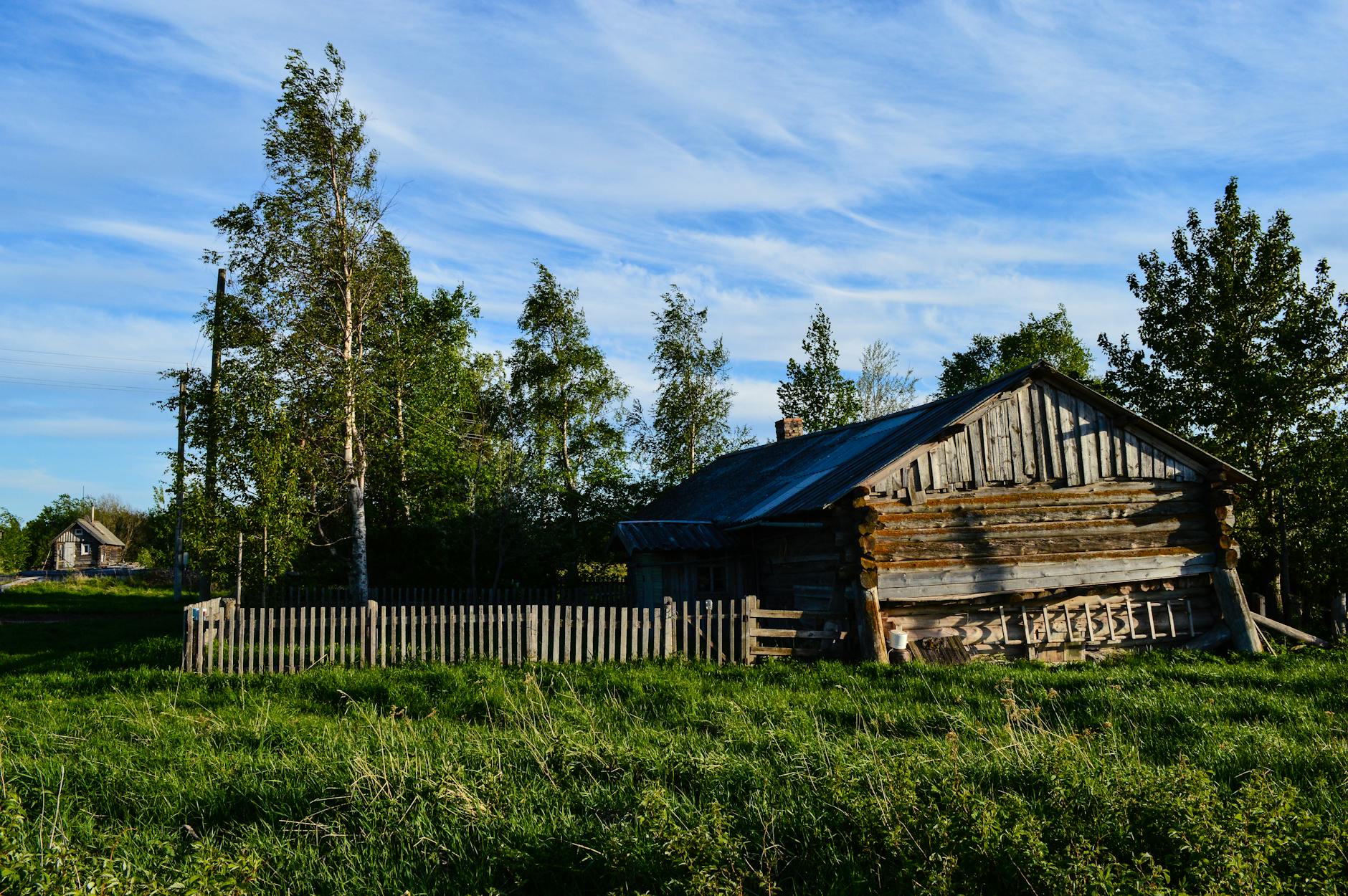
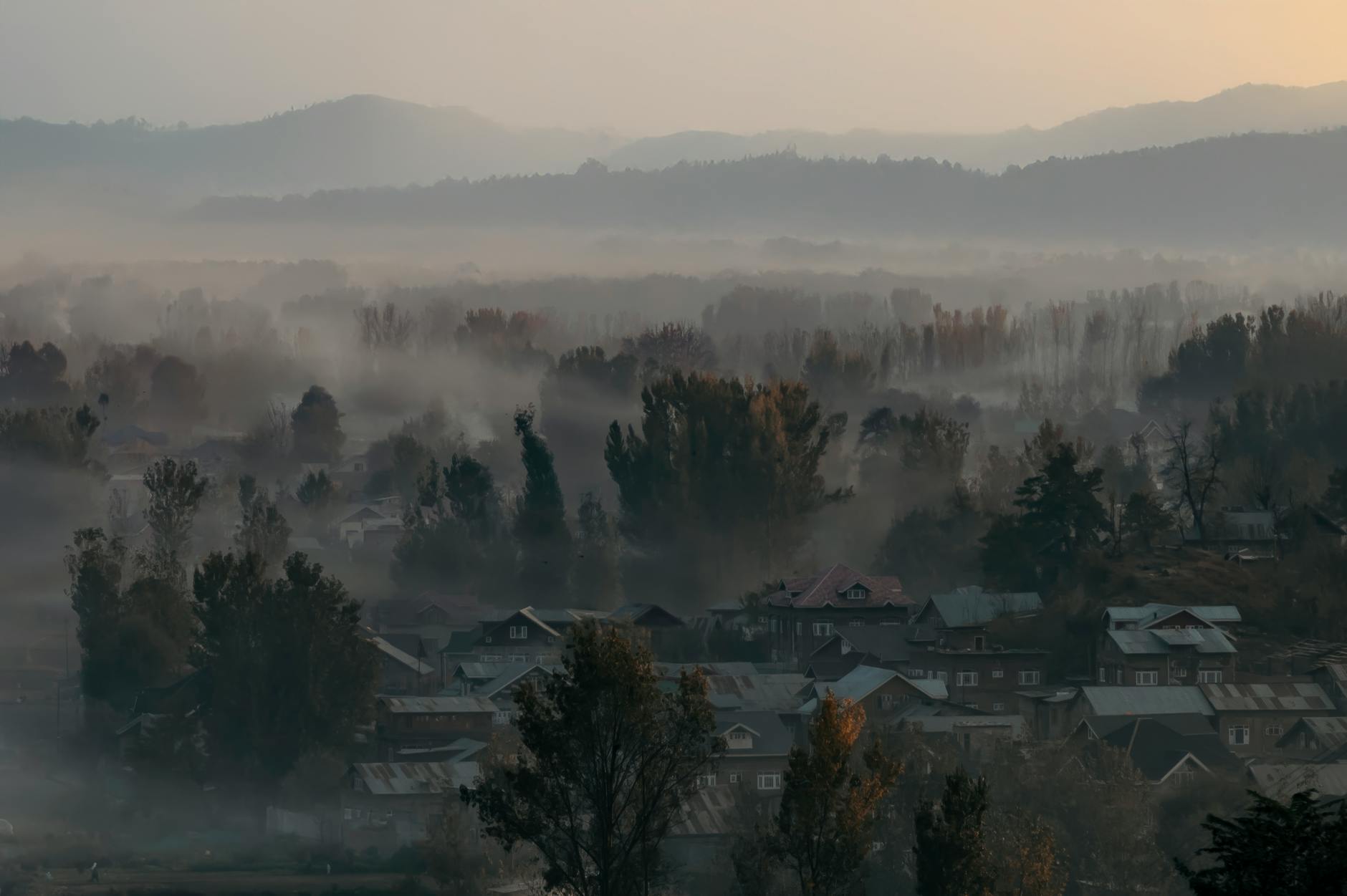
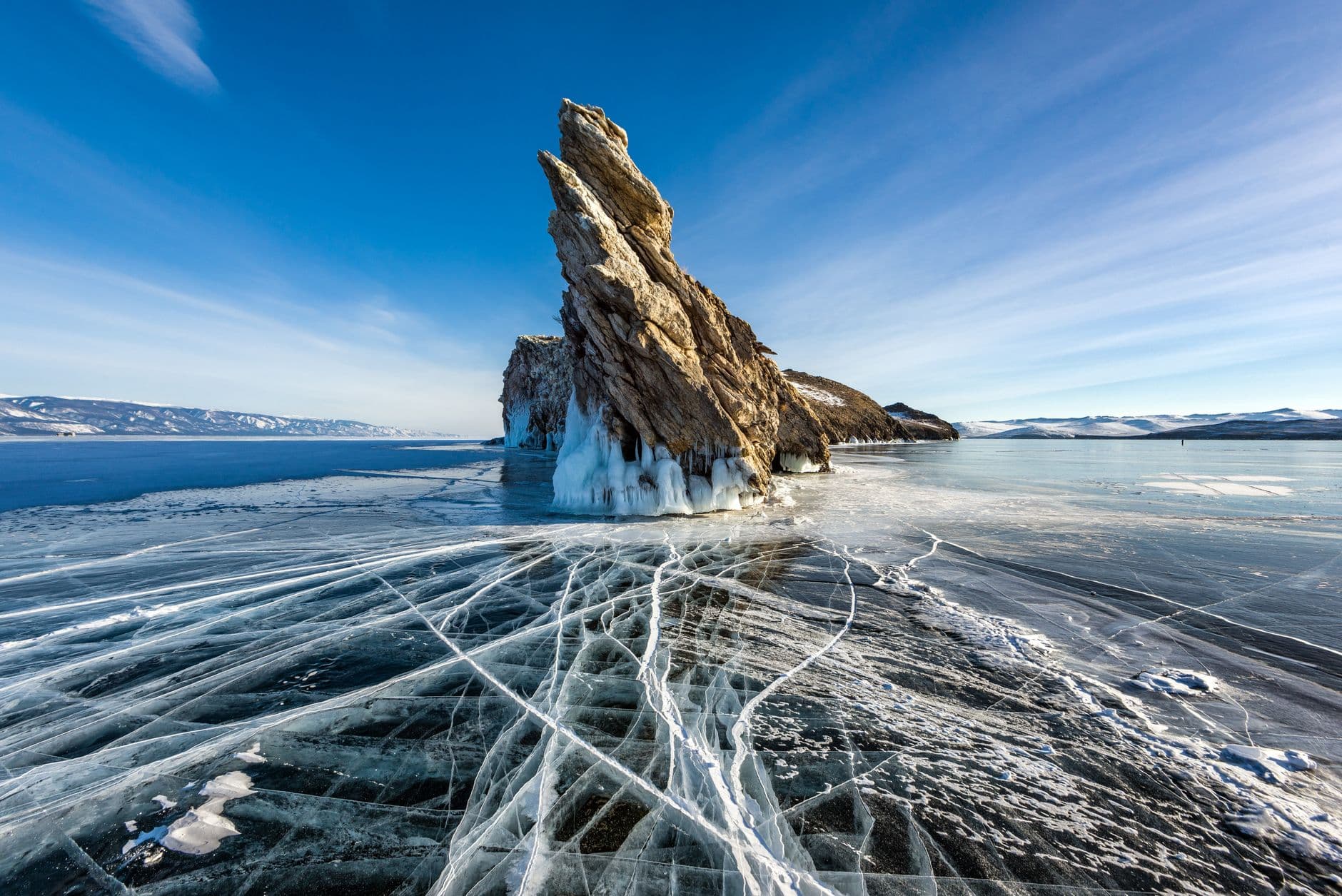
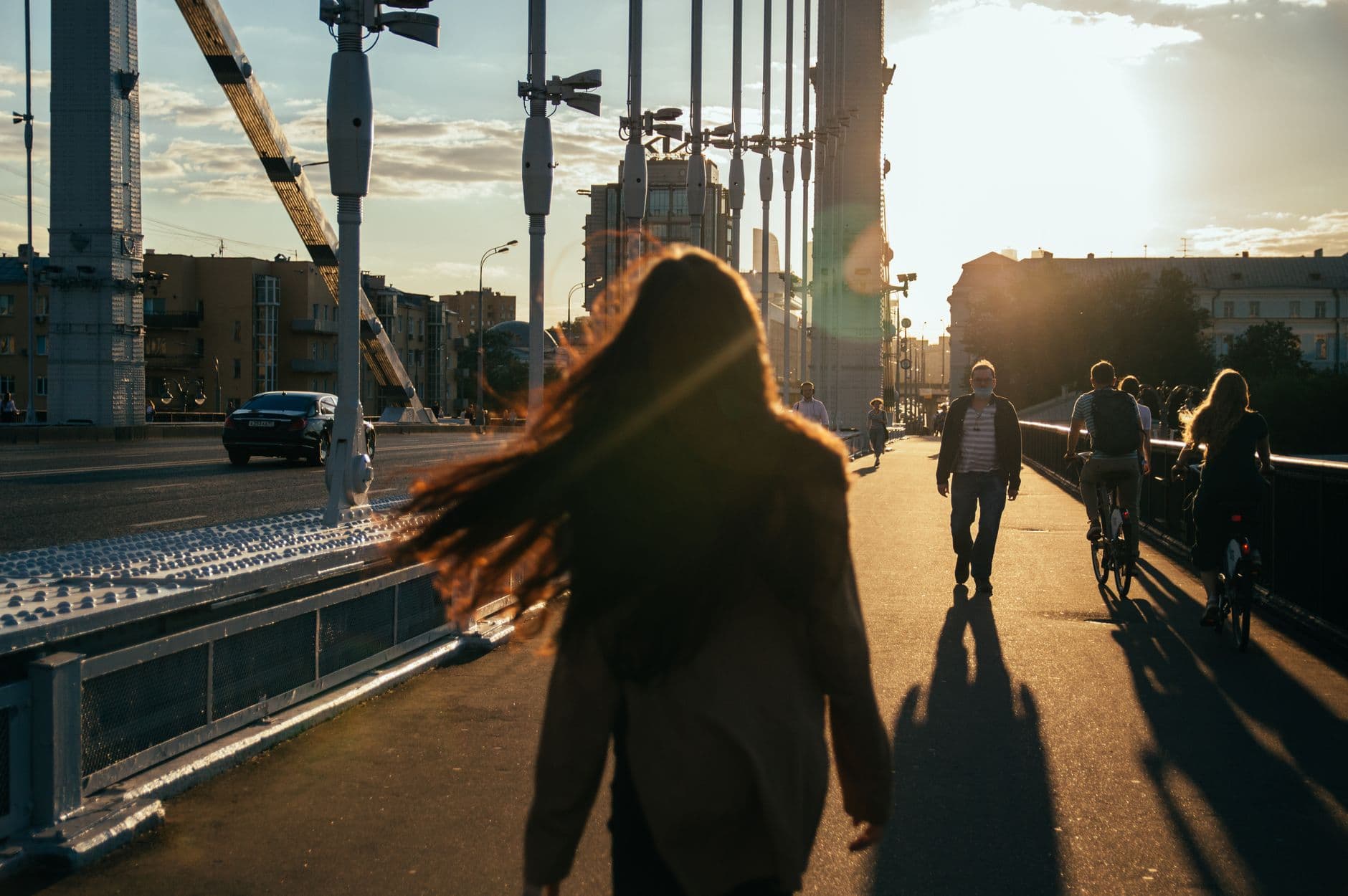
Beginne deine Reise mit einem konkreten Plan: mache dich auf den Weg zur Nordküste, buche Übernachtungen in kleinen Gasthäusern und gönne dir Zeit, um die Atmosphäre zu genießen, die in jeder Ecke am Wasser verweilt.
In dieser handverlesenen Abfolge entdecken sieben abgelegene Dörfer einen russischen Stil, der alte Holzhäuser mit Flüssen und Wasserblicken entlang ruhiger Ufer verbindet. Diese Stationen bieten Mahlzeiten von lokalen Bauernhöfen, aufmerksame Dienstleistungen und die Möglichkeit, mit Einheimischen in Kontakt zu treten, die Geschichten weitergeben, die seit Jahrhunderten überliefert wurden - und machen so jeden Halt zu einem bedeutsamen Kapitel dieser Reise.
Um die Schönheit der Bilder wirklich zu schätzen, nimm dir Zeit bei Tagesanbruch für Reflexionen auf dem Wasser, beobachte den Sonnenaufgang über ruhigen Kais und höre den Geschichten der Einwohner zu, die harte Winter überstanden und ihre Traditionen lebendig gehalten haben - eine Stimmung, die du mit jedem Schritt spüren kannst.
Planen Sie Ihre Route mit bewussten Pausen in ruhigen Häfen, damit Sie anhalten, beobachten und sich von der Erfahrung leiten lassen können. Da Mahlzeiten und herzliche Gespräche oft einen Besuch prägen, wählen Sie Unterkünfte mit hausgemachten Dienstleistungen und gastfreundlichen Gastgebern, die auch an nebligen Abenden Komfort bieten.
Jeder Halt hat seinen eigenen Wert, eine Chance, von Einheimischen zu lernen, und eine Stimmung, die dich einlädt, langsamer zu reisen, nachzudenken und vielleicht glückliche Momente mit Familie und Mitreisenden zu teilen. Die Welt fühlt sich näher an, wenn du deinen Alltag hinter dir lässt und die Landschaft deinen Tag prägt.
Die 7 Schönsten Dörfer in Russland: Foto-Galerie & Essen & Trinken
Kick off mit Izborsk - einer klosterbewachten Klippenstadt, wo Steinmauern über dem Fluss aufragen. Ein Wanderweg führt an Türmen vorbei und lädt zu einem bedachten Tempo ein. Lokale Mahlzeiten werden aus Gartenprodukten zubereitet, Schüsseln mit Suppe und Roggenbrot werden mit Einheimischen geteilt. Zwischen der Festung und dem Kai gibt es Dutzende ruhige Ecken, um zu verweilen; man erfährt, dass dieser Ort Besucher tagelang anzieht. Izborsk gibt Einblicke in einen ländlichen, typisch russischen Rhythmus.
Kaliningrad liegt am Rand der Ostsee, wo du zwischen Seebrise und Waldpfaden Tage entlang der Kopfsteinpflasterstraßen wandern wirst. Frische Meeresfrüchte und Gerichte auf Roggenbasis werden von lokalen Köchen zubereitet; Dutzende von Ständen auf den Märkten bieten geräucherten Fisch, Honig und Pumpernickel. Der lokale Charme ist bezaubernd, und ein gemächlicher Spaziergang enthüllt eine Landschaft, die sich von der Binnenland-Region unterscheidet. Es gibt ein lebendiges Caféangebot, in dem du Tee und Gebäck probieren kannst, und du wirst mit Einblicken darüber gehen, wie das Küstenleben den Geschmack prägt.
Buryatien erstreckt sich jenseits der Ufer des Baikalsees, wo sich achtsame Wanderungen zwischen Grasland und Steppen entfalten. Die Mahlzeiten hier sind deftig, mit Teigtaschen, Fisch und Milchprodukten, die von einheimischen Familien hergestellt werden. Kleidungsstücke aus Filz mit Mustern werden auf den Dorfmärkten angeboten; Sie werden lokale Handwerkskunst in Aktion sehen und können an einer Kochvorführung teilnehmen, bei der jemand zeigt, wie Kräuter zu einer Suppengrundlage verarbeitet werden. Sie werden erfahren, dass Dutzende kleiner Imbisse einen täglichen Kreislauf aus Genuss und Geschichten bilden.
Khotkovo beherbergt ein verehrtes Kloster und eine ruhige Kultur der Gassen. Das Kloster ist mit Ikonen verbunden, die den Heiligen Sergius feiern; man hört Besucher über lokale Gerichte sprechen, die mit Flussfisch und Kräutern zubereitet werden. Ein stetiger Spaziergang durch Fichtenhaine führt zwischen Feldern und Kapellen hindurch, und man kann die traditionelle Kleidung bei Hirtenfamilien bewundern, die Gäste willkommen heißen. Eine Tatsache bleibt, dass dieser Ort ein beschauliches Tempo bewahrt - perfekt für einen halbtägigen Aufenthalt, bevor es zum nächsten Ziel weitergeht.
Ivanowo zeigt ein anderes Tempo, mit Textilateliers, die Fasern zu Stoff verarbeiten. Hier teilen sich lokale Familien einfache Mahlzeiten und Geschichten über Handwerk, und Kleidung aus gemusterten Stoffen ist üblich. Eine Tatsache ist, dass Iwan ein vertrauter Name in Räumen ist, in denen Lehrlinge arbeiten, und man kann achtsame Demonstrationen des Webstuhlaufbaus beobachten. Die Tage entfalten sich mit Wanderrouten entlang des Flusses und durch grüne Gassen, die sich zwischen Fabriken und Gärten befinden.
Suzdal begrüßt mit Holzwänden und goldenen Kuppeln, ein Tempo langsamer als die Bahnstrecken. Man kann herzhafte Suppen und Gebäck in lokalen Gaststätten genießen; Dutzende Läden bieten hölzerne Löffel und bestickte Stoffe an, und Besucher schätzen die Trachten der Region bei Straßenfesten. Die Tage hier verbinden ruhiges Spazierengehen mit weiten Plätzen und dem Wechsel zwischen Sonne und Schatten - eine Tatsache, die Reiseführer nutzen, um Touren für achtsame Reisende zu gestalten.
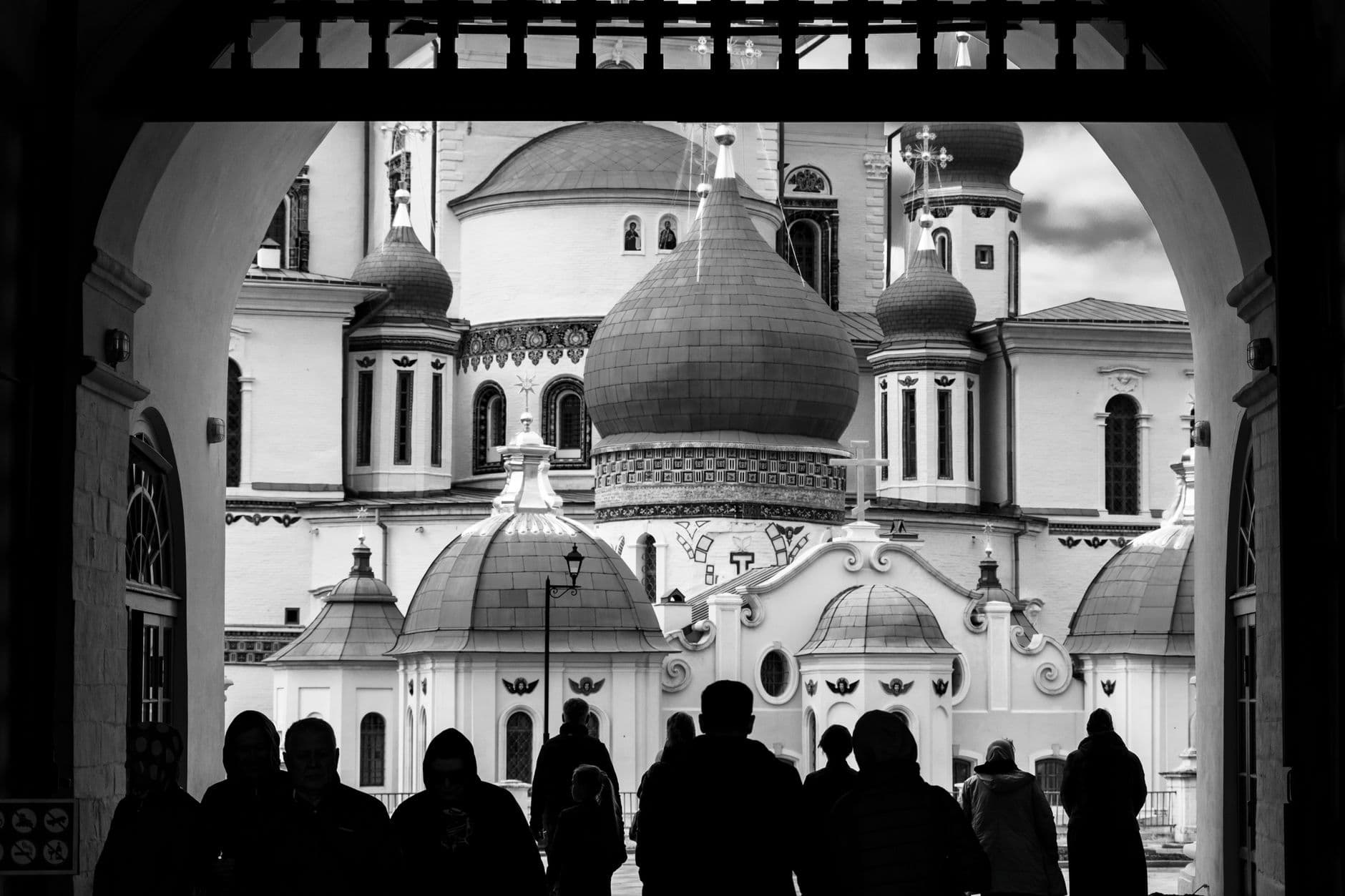
Sergijew Possad und seine mit Sergius verbundenen Klöster strahlen spirituelle Tiefe aus. Die Klosteranlagen beherbergen Ikonenwerkstätten, während lokale Köche Mahlzeiten aus Gartenkräutern und Fisch zubereiten; man hört einen Chor von Glocken, der den Gehrythmus prägt. Die Gassen dazwischen, das achtsame Tempo und die Erkenntnisse aus Jahrhunderten des Glaubens machen diesen Halt zu einem natürlichen Übergang für jede letzte Etappe. Es gibt immer die Möglichkeit, ein kleines Souvenir mitzunehmen, und der Markt in der Nähe der Tore bietet Dutzende von Artikeln zum Mitnehmen.
Praktischer Reiseführer für den Besuch russischer Dörfer: Licht, Essen und Einfangen
Wähle einen fünf- bis siebentägigen Plan, der auf einer UNESCO-geschützten Stätte, einem Holzdorf nach Art von Chotkowo und Kimzha-Kunsthandwerk zentriert ist. Buche die Unterkunft im Voraus, kontaktiere offizielle Guides für Rabatte und organisiere die Anreise von einem Drehkreuz wie Petrosawodsk oder Wologda, um Rückfahrten zu minimieren.
Reiseplanungsrahmen
Die Route umfasst Städte mit sakralen Kuppeln und Charme des 19. Jahrhunderts sowie umliegende Dörfer, um Fototermine und Mahlzeiten auszugleichen. Jeder Tag beinhaltet eine Morgendämmerungs-Session, einen Mittagsspaziergang und eine Abenddämmerungs-Session in der Nähe von Wasser.
Plant fünf Tage ein, wenn Sie in der Nähe einer UNESCO-Weltkulturerbestätte bleiben möchten; sieben Tage ermöglichen ein langsameres Tempo in nahegelegenen Dörfern wie Kimzha und Chotkow, mit Zeit für Gespräche mit Einheimischen und Besuche in Museen.
Basisoptionen und Transport
Basis in einem Dorf mit gut erhaltener Hausarchitektur und einer nahen orthodoxen Kapelle sorgt für Licht und Sicherheit. Die Entfernungen zwischen den Städten liegen meist zwischen 20 und 60 km, was einen entspannten Reise-Rhythmus ermöglicht.
Von Finnland oder einem nördlichen Drehkreuz aus können Sie Regionalzüge oder Sammeltaxis nutzen; offizielle Transportschalter können Ihnen Kontaktdaten und Fahrpläne bereitstellen.
Essen und Mahlzeiten
Mahlzeiten konzentrieren sich auf lokale Spezialitäten: Suppen, Fisch, Beeren, Roggenbrote. Fordern Sie Last-Minute-Menüs von den Gastgebern an, um frische Optionen für Morgenaufnahmen und späte Abendessen zu gewährleisten.
Fragen Sie nach Rabatten bei der Buchung mehrerer Mahlzeiten oder eines längeren Aufenthalts; einige Häuser bieten Paketpreise für Unterkunft plus Verpflegung an.
Fotografie-Timing und -Etikette
Licht ist meistens bei Tagesanbruch und am späten Nachmittag am besten; nehmen Sie ein kompaktes Objektivset und ein Stativ für stabile Aufnahmen bei Kuppeln und heiligen Ikonen mit.
Kontaktiere die Gastgeber, bevor du Häuser oder Werkstätten betrittst, um das tägliche Leben nicht zu stören; respektiere heilige Stätten und offizielle Beschränkungen für den Einsatz von Drohnen.
Kontakte, Budgetierung und offizielle Angaben
Sammeln Sie Leads von lokalen Tourismusbüros und Gemeinde-Museen; Dutzende kleiner Museen in den umliegenden Städten bieten kurze Führungen und praktische Demonstrationen.
Budget-Tipp: Buchen Sie einen lokalen Guide für einen halben oder ganzen Tag; erfahrene Guides bieten historischen Kontext, helfen bei Genehmigungen und ermöglichen den Zugang zu weniger bekannten Orten wie zerstörten oder wiederaufgebauten Strukturen aus dem 19. Jahrhundert.
Immer bestätigen Sie die offiziellen Preise schriftlich, fordern Sie gedruckte Quittungen an und fragen Sie nach Ermäßigungen für Studenten, Senioren oder Gruppen ab drei Personen.
Sehenswürdigkeiten und Kulturstätten
Fokus auf heilige Ikonenklöster, orthodoxe Kirchen mit originalen Kuppeln und Holzhäuser in den Städten Chotkowo und Kimscha. Museen zeigen oft regionale Handwerkskunst, Folklore und Alltagsgegenstände des 19. Jahrhunderts.
Besuchen Sie einen nahegelegenen Dorfverbund, um die Hausstile, Handwerksbetriebe und lokale Feste zu vergleichen, die von Reiseführern und Regionalführern erwähnt werden.
Hier sind einige Tipps für deine Fototour:
Dokumentiere jeden Halt mit einer kompakten Serie von Aufnahmen, halte die Mahlzeiten vor den Shootings leicht und bleibe flexibel, um die saisonalen Farben in den umliegenden Kiefernwäldern und Flusswindungen einzufangen.
zum Kurs der Bank von Russland vom 15.10.2026 · powered by tutkakdoma
Beste Fotospots bei Licht: Wann in jedem Dorf fotografieren
Fotografiere während der blauen Stunde im Zentrum von Sortawala, um Reflexionen zu maximieren und die Schnitzereien an den Fassaden hervorzuheben.
Sortavala Goldene Stunde nach Sonnenaufgang oder vor Sonnenuntergang; dieses Zeitfenster dauert im Sommer etwa eine Stunde, im Winter kürzer, also planen Sie entsprechend, da sich das Licht schnell verschiebt.
Hauptattraktionen: Kai am Wasser, eine Reihe von Holzhäusern entlang der Mitte und ein mittelalterliches Tor mit filigranen Schnitzereien; imposante Texturen treten hervor, wenn die Sonne tief steht.
Aufnahmen zum Verfolgen: sowohl weite Außenaufnahmen als auch enge Texturen; die Atmosphäre, erfüllt vom Duft von Kiefern, schafft eine authentische Stimmung; unter der Woche ist es ruhiger, was Gruppen leichter zu handhaben macht; das Zentrum ist gut erreichbar und in der Nähe gibt es Restaurants für schnelle Stärkungen.
Strategie: Beginne mit langen Einstellungen der gebauten Umgebung, zoome dann auf Details heran und beende mit einer schnellen Sequenz für eine Sammlung, die du später zeigst.
Buryatien Morgendämmerung über dem Wasser oder blaue Stunde über niedrigen Hügeln; planen Sie ein paar Stopps in der Nähe von Tempelanlagen, wo die Farben leuchten.
Höhenlagen mit geschnitzten Toren, eine ruhige Anlegestelle und eine kleine hölzerne Kapelle; die Atmosphäre ist oft friedlich, was es einfacher macht, authentische Momente einzufangen.
Fotos: Kombiniere ruhige Reflexionen mit Textur-Nahaufnahmen; kleine Gruppen verleihen Leben ohne Gedränge; Wochentage helfen, Wege frei zu halten; die Wege sind zugänglich und nahegelegene Imbisse bieten schnelle Snacks.
Tipps: Schnelle Anpassungen zwischen den Orten halten den Schwung; dann auf Sonnenuntergangstöne umstellen, um mit warmen Farben abzuschließen.
Dorf-3 Blaue Stunde Fenster an einer Flussbiegung; Morgennebel verleiht Stimmung, also passe die Blende für weiche Silhouetten an.
Spots: alte Mühle mit verwittertem Holz, eine Steinbrücke und eine Kirche mit geschnitzten Fensterläden.
Aufnahmen: Verschmelzung von Weitwinkelpanoramen und engen Texturen; die Atmosphäre leuchtet, wenn das Licht die Wände in flachem Winkel streift.
Schnelle Rundfahrt durch Zentrum und Vororte; unter der Woche ist es oft ruhiger; Optionen sind kleine Imbisse für eine schnelle Pause.
Dorf-4 Abendsonne auf einer Platzstatue; Morgendunst über den nahen Feldern bietet zwei unterschiedliche Ansichten.
Spots: Steinbrücke über einen Kanal, ein traditionelles Haus mit geschnitzten Fensterrahmen, eine Ladenfront mit saisonalen Bannern.
Schüsse: Rhythmus des Alltags plus Texturen; dann zu weiteren Einstellungen wechseln, um die Anordnung zu zeigen; glückliche Gesichter können auf Märkten und in Höfen auftauchen.
Hier ist die Übersetzung:
Planen Sie eine Abfolge, die eine kohärente Erzählung für die Show schafft; halten Sie die Gruppen in Bewegung, um Staus zu vermeiden.
Dorf-5 Spätnachmittagssonne durch Bäume; Blaue Stunde entlang einer Wasserstraße fügt kühle Töne für Kontrast hinzu.
Spots: Aussichtspunkt auf einem Hügel, ein ländlicher Hof mit Tongefäßen und eine Fassade eines Imbisses zur Größenveranschaulichung.
Aufnahmen: Mische Weitwinkelaufnahmen mit Texturaufnahmen; die Stimmung ändert sich mit der Bewölkung, also fotografiere in einem kurzen Zeitfenster für jede Stimmung.
Oft belohnt dieser Ort Geduld; planen Sie einen flexiblen Zeitplan, dann widmen Sie sich einer kompakten Abfolge von Dingen, die Sie authentisch finden.
Dorf-6 Morgendunst oder Sonnenuntergangsreflexionen über einem See; Belichtung anpassen, um Details in den Schatten zu erhalten.
Spots: ein Dampfbad mit aufsteigendem Dampf in der Nähe eines Holzwindschutzes und eine in den Hang eingebaute Kapelle mit geschnitzten Verzierungen.
Aufnahmen: Mischen Sie Rauch- und Dampftexturen mit architektonischen Linien; sowohl Nah- als auch Weitaufnahmen funktionieren gut.
Planen Sie im Voraus für eine schnelle Reihe von Läufen; Gruppen können Szenen füllen, ohne die Stimmung zu überlagern, wenn sie klein gehalten werden.
Dorf-7 Goldene Stunde auf einer ländlichen Straße, dann Blaue Stunde über einem ruhigen Wasserlauf zum Abschluss.
Spots: geschnitzte Wände entlang eines Kanals, eine kleine Kapelle und ein Steg mit Spiegelungen auf ruhigem Wasser; Imbisse säumen die Straße für schnelle Stärkung.
Fotos: Einfangen authentischer Momente mit warmen und kühlen Tönen; dann zu längeren Belichtungszeiten wechseln, um Bewegung in Wolken oder Wasser auszudrücken.
Hier ist die Übersetzung:
Planen Sie eine einzelne Schleife, die Freiflächen und bebaute Elemente umfasst; dieser Ansatz hilft Ihnen, eine starke Sammlung für die Ausstellung zusammenzustellen.
Top-Gerichte, die man in den Dörfern probieren sollte und wo man sie findet
Kuskov, rustikales Brei mit Oreshek und Honig, serviert an Holzbuden in der Nähe der Festung Swijashsk für den ersten direkten Bissen.
Zentrale Märkte sind werktags geöffnet und bieten Khotkov, geräucherten Fisch und Kräutertee an; Karten zeigen malerische Stände, an denen Handwerker traditionelle Handwerkskunst vorführen und Reisenden helfen, authentische Leckereien zu finden, auch wenn einige zusätzliche regionale Köstlichkeiten anbieten.
In Swijeschsk präsentiert eine berühmte Hausküche geräucherten Fisch, Roggenbrot und regionale Teigtaschen; Durchgänge führen zu historischen Stätten, und die Mitnahmeportionen eignen sich gut für Besucher, die sie zu Hause genießen möchten.
Ivan, ein lokaler Koch, teilt direkt Notizen zu Portionsgrößen und Herkunft; sein Rezept für Chotki erscheint in Reddit-Threads und auf saisonalen Speisekarten.
Diese Küche vereint östliche Traditionen; saisonale Einflüsse prägen die Menüs, während künstlerische Akzente Texturen verfeinern und Süße mit Salzigkeit ausbalancieren.
Fakt: Reiseplaner können Routen über Karten finden, um zum Tor, Zentrum und kleinen Ateliers zu gelangen; eine kurze Route kann Swijashsk, Iwan, Kuskow, Chotkow und einige Hausküchen direkt einschließen.
Anreise: Öffentliche Verkehrsmittel, Autostrecken und Parktipps
Plan, um Izborsk mit der Bahn nach Pskow zu erreichen, dann mit einem Regionalbus nach Izborsk; tagsüber fahren die Busse etwa alle 60-120 Minuten; die Gesamtfahrzeit von Pskow beträgt 60-90 Minuten; Fahrkarten können am Bahnhof Pskow oder über die Website des regionalen Verkehrs gekauft werden; Parkmöglichkeiten in der Nähe des zentralen Platzes bieten Kurzzeitparkplätze; prüfen Sie die ausgeschilderten Öffnungszeiten und meiden Sie Stoßzeiten.
Autobahnrouten: Von den Großstädten aus den Autobahnen in Richtung Pskow folgen, dann auf die lokale Straße nach Izborsk wechseln; Entfernung 40-50 km, Fahrzeit 50-75 Minuten je nach Wetter und Verkehr; die Straßen sind asphaltiert und malerisch, besonders in der Nähe der Seen; Tankstellen entlang der Strecke bieten Snacks und Wasser; planen Sie, vor Erreichen des Osjewensk-Gebiets aufzutanken, wenn Sie weiter nach Norden fahren; für Verbindungen in Richtung Wolga-Städte einen separaten Reiseplan erstellen.
Parktipps: Im Zentrum gibt es einen kommunalen Parkplatz am Seeufer oder Straßenparkplätze in der Nähe des Marktplatzes; frühes Eintreffen sichert die besten Plätze; Fahrwege nicht blockieren; während der Gottesdienste können Straßen gesperrt werden; Kleingeld für Parkuhren bereithalten; Besucher aus der Oshevensk-Region können in Stoßzeiten nahegelegene Parkplätze nutzen.
Praktische Hinweise: Beginne die Erkundung bei Tagesanbruch für die besten Bilder; Kirchenglocken verleihen Atmosphäre; reise respektvoll gegenüber den Einwohnern und religiösen Stätten; plane Snacks für Tagesausflüge ein; Reisezeiten variieren je nach Menschenmengen; TikTok- und Dreamstime-taugliche Clips können gemacht werden; diese Region bietet malerische, atemberaubende Aussichten auf Izborsk, den See und die umliegende Landschaft; Tatsache: Oshevensk ist eine nahegelegene Ortschaft mit kulturellen Verbindungen; Reisen umfasst oft andere Städte und Bildreihen von Dreamstime; kulturelle Highlights machen die Reise bereichernder.
1-2-Tage-Dörfer-Itinerar: Effiziente Routen und Zeitplanung
Beginne in Posad und fahre in Richtung Wyatskoye Festung; plane 1,5-2 Stunden Fahrt mit dem Auto ein, je nach Verkehr. Für optimales Licht starte zwischen 08:00 und 09:00 Uhr; plane einen 2- bis 3-stündigen Stopp an der Festung und dem Klosterkomplex ein, um die Architektur und Atmosphäre zu genießen.
In Wyatskoje besichtigen Sie die Klosteranlage und die Festungsmauern; achten Sie auf kleinere Kapellen, heilige Ikonen und die zurückhaltende Spiritualität, die sich in den Fresken zeigt. Anschließend fahren Sie in ein Flussdorf mit Wasserblick; die Szene umfasst oft Holzhäuser und die schlichte Kleidung der Einheimischen.
Zwei-Tage-Option umfasst einen Stopp in den Befestigungsanlagen von Posad und einer nahegelegenen Wassermühle; planen Sie, eine Kirche mit guter Architektur einzubeziehen. Besucher entdecken oft Einblicke in das lokale Leben und die Spiritualität; die von Finnland beeinflusste Holzarbeit kann an einigen Fensterläden entdeckt werden.
Praktische Tipps: Nimm Wasser mit, trage bequeme Schuhe und habe Schichten dabei; die Zeiten können sich je nach Wetter verschieben. Gegen Ende kehre zu deinem Ausgangspunkt zurück oder beende die Tour an einem kleineren Stopp, um das Erlebnis zu verlängern. Reddit-Tipps betonen frühes Licht und kleinere Menschenmengen; Tatsache: Die Vyatskoye-Festung geht auf das 18. Jahrhundert zurück und spiegelt eine reiche architektonische Geschichte wider. Ein leichter Plan und gute Wetterausrüstung machen die Route für deinen Besuch angenehmer.
Time
Route / Haltestelle
Aktivität
Notes
08:00
Posad → Wyatskoje
Fahre nach Norden in Richtung Festung
1.5-2 h
10:30
Wjatskoje
Erkunden Sie das Klosterensemble und die Festungsmauern
Architektonische Details; heilige Atmosphäre
12:30
Flussdorf
Mittagessen + Wasserblick
Gutes Licht für Fotos
14:30
kleiner Stopp
Schlendern Sie am Wasser entlang, beobachten Sie die lokale Kleidung
Kleinere Siedlung
17:00
Basis oder nächster Halt
Packe zusammen, fahre zurück
Zeiten können sich ändern
Ausrüstung und Kameraeinstellungen für ländliche russische Landschaften
Wähle ein vielseitiges 24-70mm-Zoomobjektiv für eine Vollformatkamera; fotografiere im RAW-Format, um den Tonumfang zu erhalten. Der manuelle Modus gibt dir die Kontrolle über Schatten und Himmel; ISO 100-400; Blende f/8-f/11 für Landschaften; Verschlusszeit 1/125-1/250 für statische Motive; belichte 3 Aufnahmen mit +/-1 Blendenstufe für einen kräftigen Sonnenuntergangshimmel. Packe ein stabiles Stativ und eine Ersatzbatterie ein. Heute steht eine tolle Fahrt entlang ruhiger ländlicher Strecken bevor; mach Dutzende weitere Aufnahmen bei wechselndem Licht; nimm Holzgriff-Werkzeuge und Ersatzspeicherkarten mit, um stets bereit zu sein.
Linsen für ländliche Landschaften: 24-70mm eignet sich gut für allgemeine Szenen; 70-200mm isoliert entfernte Kathedralen und preußisch blaue Himmel; das Ultra-Weitwinkel 14-24mm erweitert die Wolga-Horizonte; ein Stativ hilft bei Langzeitbelichtungen entlang von Holzzäunen und Flussufern; Fokus-Stacking verbessert die schärfste Detailtreue bei texturierten Vordergründen; der Rückfokus-Assistent ist nützlich, wenn man flüchtige Momente einfängt.
Fototipps: Nutzen Sie tiefe Perspektiven, um die Pracht gegen den offenen Himmel zu betonen; rahmen Sie imposante Kathedralen neben weißen Fassaden ein; bringen Sie Holztexturen im Vordergrund als Anker ein; lassen Sie führende Linien von Flussufern den Blick zu fernen Horizonten lenken; das Licht bei Sonnenauf- oder -untergang ergibt heute atemberaubende Farben; diese Szenen belohnen geduldiges Einrahmen an Dutzenden von Orten; das ist eine Erinnerung, langsamer zu werden.
Hier die Übersetzung:
Verarbeite RAW; passe den Weißabgleich an die Stimmung an; vermeide starke Sättigung; bewahre natürliche Töne; rette Highlight-Details an weißen Wänden; nutze selektive Klarheit für Holztöne; exportiere hochwertige JPEGs für Websites und deine letzte Testrunde.
Feldlogistik: an Wochentagen liefern ruhige Morgenstunden an ländlichen Orten Licht; planen Sie Dutzende Aufnahmen entlang der Wolga-Ufer und -Grundstücke; fahren Sie über Landstraßen zu weiß getünchten Kirchen und imposanten Kathedralen; vegetarische Mahlzeiten sind in Gästehäusern erhältlich; nehmen Sie zusätzliche Speicherkarten und Akkus mit; überprüfen Sie die Ausrüstung und Ladegeräte vor langen Fahrten; denken Sie an Jahre der Feldarbeit und vergessen Sie nie, Ihre Aufnahmen zu dosieren; das letzte Licht auf Holzzäunen verleiht atemberaubende Farben.