St. Petersburg, founded over three hundred years ago, is a city rich in history and artistry. It boasts magnificent buildings and a vibrant atmosphere that draws in millions of visitors each year. However, the essence of this enchanting place extends far beyond its official boundaries. Just outside the city, a treasure trove of hidden gems awaits those willing to embark on exciting day trips. From picturesque countryside estates to historical fortresses, these destinations cater to a variety of interests and provide a delightful escape from the urban landscape.
One such location is Kronstadt, an ancient fortress that has stood for centuries and could easily inspire a cruise around the waters of the Gulf of Finland. Only a short train ride from the city, it is a perfect spot for those looking to enjoy a good walk while exploring the rich maritime history of the area. Equally captivating is Pavlovsk, home to lush gardens and a splendid palace, making it an ideal place for a summer day trip. Visitors can indulge in local cafes and enjoy a buffet of culinary delights, all while soaking in the stunning scenery that once served as a residence for Russian royalty.
For those who really want to dive deeper into the region's historical contexts, a visit to Vyborg is highly recommended. This charming town, about a hundred kilometers from St. Petersburg, offers English-speaking guided tours that ensure a comprehensive understanding of the local culture. Its medieval architecture and narrow cobblestone streets create a unique setting that transports you back to the days of Italy's architectural influence in the area. Every stop along the way presents an opportunity for fabulous photographs, making it a heavenly destination for both history buffs and casual travelers alike.
In December, when tourists flock to the city for holiday festivities, venturing outside to explore these gems becomes a necessity. The rich tapestry of experiences available, from local artisan workshops to intricate craft markets, ensures that your journey remains fulfilling and memorable. With an array of affordable accommodation options and guided programs, every traveler has the chance to really enjoy the hidden spots that St. Petersburg and its surroundings have to offer. So, pack your bags and get ready to uncover the secrets of this enchanting region!
The Historical Significance of Alexander Nevsky Lavra
ALEXANDER NEVSKY LAVRA, a regal monastery in St. Petersburg, is not just a religious site; it is a treasure trove of Russian history and culture. Founded in 1710 by Tsar Peter the Great, the Lavra honors Alexander Nevsky, a revered saint and military leader known for his defense of the western frontiers of Russia. The site includes a series of beautiful gardens, churches, and tombs of greats from Russian history, making it an absolute must-see for those wanting to delve into the past.
The Lavra, nicknamed the 'second' most important religious site in Russia, surrounded by breathtaking landscapes, will transport visitors back in time. The main cathedral, dedicated to the saint, is a stunning example of traditional Baroque architecture, filled with artistic beauty. The Lavra also holds a significant place in the history of Russian education, serving as a school for monks, which offers insight into the spiritual and educational development of the time.
Exploring this site presents visitors with the chance to see the tombs of prominent figures, including notable tsars and artists, as well as those who spent time in prison there during the turbulent periods of Russian history. It's not just a stroll; it's a journey through the rich tapestry of Russia's past. In the evening, the location transforms into a serene space for reflection, with the peaceful ambiance delighting visitors.
While visiting Alexander Nevsky Lavra, you may find it delightful to explore the surrounding area. Nearby, one can enjoy a leisurely lunch at local establishments where traditional Russian soups are served fresh. Options like seasonal dishes filled with flavors will enhance your experience, making it unforgettable.
If you want to explore additional historical sites, a guided road trip to nearby towns like Kronstadt can be easily included in your itinerary. Alternatively, you could drive further west towards the Gulf of Finland to see historical castles and gardens that echo with the grandeur of the past.
| Location |
Historical Importance |
Things to See |
| St. Petersburg |
Foundation by Peter the Great |
Main Cathedral |
| Kronstadt |
Naval Fortress |
Fortifications |
| Gulf of Finland |
Western Front Defense |
Coastal Castles |
Planning your visit should also include recommendations for ticket acquisition and guided options to maximize the experience. Whether you're interested in the grandeur of the Hermitage or appreciating the beauty of nature that surrounds these historical sites, Alexander Nevsky Lavra holds a special place in the heart of those who visit.
Founding and Early Years
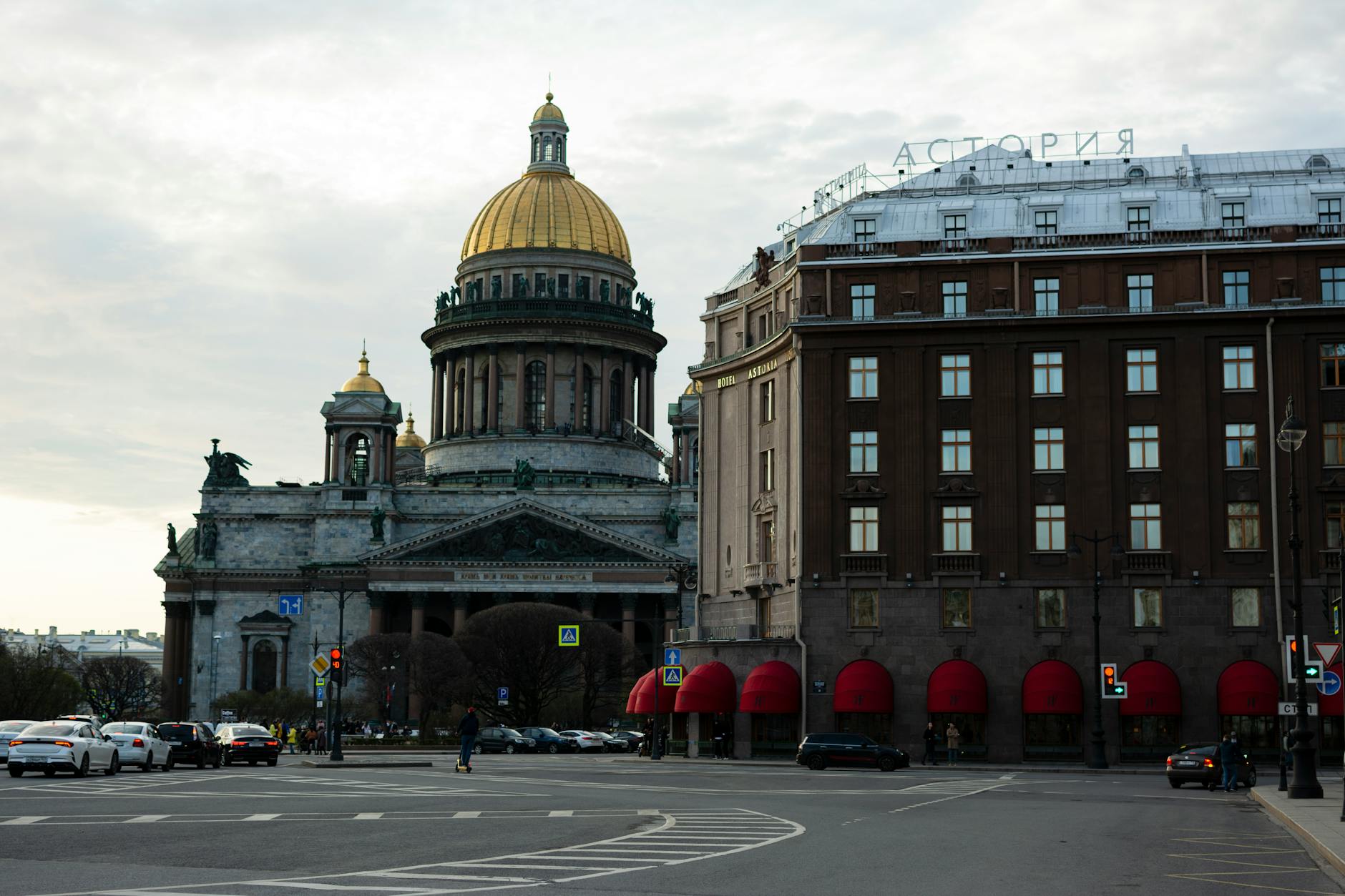
St. Petersburg, often referred to as a jewel of Russia, was founded in 1703 by Tsar Peter the Great. Its strategic location near the Baltic Sea was essential for the expansion and development of Russian trade and military power. The city's early years were marked by a fervent ambition to emulate European culture, particularly that of London.
The construction of grand palaces and elegant gardens began immediately, with the city serving as a canvas for artistic and architectural masterpieces. Among the most notable is the Peterhof Palace, a stunning example of Russian baroque architecture, set amidst meticulously designed gardens. Thus, St. Petersburg quickly became a full-fledged cultural hub.
In the following years, the city's business landscape flourished, with developments in various sectors including trade and transportation. The creation of the canal system, connecting the numerous rivers and lakes-including Lake Ladoga-further bolstered trade routes. Visitors could also engage in leisurely activities, such as a stroll along the canals, which would have been equally captivating.
As the city grew, so did the need for services. Cafés and buffets began to emerge, offering residents and tourists alike a place to enjoy traditional Russian dishes. The cuisine became an integral part of the city's identity, providing a taste of local culture during any holiday.
For those looking to explore farther, guided tours to nearby treasures like Zelenogorsk and the historic Shlisselburg castle were established. A weekend trip to these destinations would definitely enhance one's St. Petersburg experience. With passionate guides and good services readily available, travelers could navigate the intricacies of the city's rich history with relative ease.
As the city developed, the warmth of its surroundings inspired artists, poets, and musicians, establishing St. Petersburg as a cultural beacon within Russia and beyond. The early years of its founding not only shaped its physical landscape but also laid the foundation for its enduring legacy as a center of culture and innovation.
Influence on Russian Orthodoxy
The evolution of Russian Orthodoxy has been significantly shaped by various historical and cultural influences, particularly in St. Petersburg and its nearby destinations. Among these, the city itself stands as a remarkable testament to religious architecture and cultural fusion.
One notable influence is the presence of the Lavra, which is an essential element of Orthodox Christianity. This monastic complex not only serves as a center for spiritual growth but also showcases impressive mosaics and marble structures that attract both the faithful and tourists alike. Located in the city, the Lavra holds historical significance that traces back to the reign of the Tsars.
- Kronstadt: Situated a limited distance from the city, it is an important naval port with a rich religious history. Many visit Kronstadt to experience its unique architecture and serene parks.
- Tsarskoye Selo: Known for its stunning palaces and gardens, this destination offers a glimpse into the lives of the Russian nobility and their connection to Orthodoxy.
- Zelenogorsk: This nearby coastal town provides a peaceful retreat, known for its beautiful landscapes and is a popular spot for spiritual reflection.
In addition, the influence of Western European culture, particularly from Italy and France, has enriched Russian Orthodox practices. The French architectural style can be seen in some churches, creating a unique blend that speaks to the city's diverse heritage.
Agencies offer various tours that highlight these religious sites, providing information about their historical and cultural significance. This chance to delve into the roots of Orthodox Christianity in the region is unmatched.
For those interested in culinary experiences, the local cuisine includes traditional soups and dishes that reflect the region's religious holidays, making dining a cultural attraction as well.
Overall, St. Petersburg and its nearby treasures remain a vital destination for exploring the deep connections of Russian Orthodoxy, offering experiences that are as rich as the faith itself.
Key Historical Events
Unveiling the rich tapestry of St. Petersburg's history, several key events shaped the city's cultural and political landscape. Founded by Tsar Peter the Great in 1703, this location became a symbol of Russian power and a gateway to Europe. The city served as the Russian capital until 1918, witnessing the reign of tsars, including the remarkable Catherine the Great, who expanded the city and its gardens.
One of the defining moments in St. Petersburg's history was the establishment of the Baltic Fleet in the early 18th century, which positioned Russia as a significant maritime power. Moreover, the city was a backdrop for critical movements, such as the Decembrist uprising in 1825. This event highlighted the growing demand for political reforms, stirring the soul of the nation.
As visitors explore the stunning architecture, they will find the magnificent St. Isaac's Cathedral with its breathtaking mosaics and the beautiful gardens of Pavlovsk. Guided tours often include hidden gems that provide insights into those historical periods, ensuring an exciting experience. Each location holds its story, from the lavish palaces to the imposing prisons that once housed dissidents.
In the summer, the city awakens with seasonal events, celebrating its culinary delights and vodka craftsmanship. Visitors can even customize their day trips; a professional driver can take you outside the city to places like Kronstadt, an essential naval base with a rich history.
While you're in St. Petersburg, you're sure to appreciate the profound beauty and significance of each site. Whether you're sampling local cuisine or enjoying a boat ride along the Neva River, this city never fails to meet the desires of those yearning for a connection to the past.
Exploring the Architectural Beauty
Saint Petersburg is a city that should be on every traveler's itinerary, as it is not just known for its rich history but also for its stunning architectural splendor. A guided trip to nearby treasures, such as Shlisselburg, offers an unparalleled setting for exploring some of the most impressive buildings. Here, one can see the remarkable blend of European and Russian architectural styles, including the magnificent Cathedral of St. Alexander Nevsky.
According to these reviews, the city's structures take you back in time with their grand columns and intricate mosaics. The picturesque scenery is perfect for those who love photography, making it easy to capture amazing pictures from every angle.
For a great day trip, consider visiting Zelenets, located just a few meters from the bustling center of Petersburg. This peaceful locale not only provides a comfortable escape from the city, but it also showcases fascinating examples of historical architecture. Whether you're interested in museums or just want to explore the beautiful landscape, it will never disappoint.
Travelers often move around the city's highlights via e-visa, which makes access to these hidden gems smooth and convenient. With an English-speaking guide, visitors can gain insightful information about the buildings and their respective histories. Spending four nights in the metropolitan setting of Saint Petersburg allows for ample time to absorb the captivating atmosphere.
In conclusion, seeing the architectural beauty of Saint Petersburg and its surroundings is a journey that one should not pass up. Each structure tells a story, and every corner holds a piece of history that helps enrich your overall experience. Be sure to include these architectural wonders in your travel plans to fully appreciate the jewel that is Saint Petersburg.
Baroque and Neoclassical Elements
The architectural landscape surrounding St. Petersburg is a treasure trove of Baroque and Neoclassical styles. These elements, prominently featured in many buildings, reflect the city's rich history and cultural evolution. The grand cupola of the Smolny Cathedral, a stunning Baroque masterpiece, stands as a testament to the opulence of the era. While visiting this jewel of architecture, you'll find that the intricate details offer something new upon each exploration.
As you venture beyond the city, destinations like Pavlovsk and Repino showcase neoclassical structures that provide a fascinating transition from the grandeur of Baroque. These locations, founded shortly after the establishment of St. Petersburg, were designed to enhance the cultural experience of those looking for a retreat from urban life. The parks and gardens surrounding these buildings are perfect for a warm afternoon stroll, especially during the seasonal bloom of flowers.
For lunch, visitors have a range of options, from traditional Russian cuisine to more modern buffets that include seasonal dishes. Whether you're dining at a local café or enjoying a meal in a historic manor, the culinary experience is definitely a highlight of your trip.
Guides will offer detailed tours that explain the significance of each building, ensuring that you're well-informed about the historical context. The interplay between French and Italian design elements is another intriguing aspect of these architectural marvels. As you admire these structures, take the chance to appreciate the craftsmanship that has lasted for over a hundred years.
There are limited trains available for day trips to these nearby towns, so planning ahead is essential. This allows you to maximize your time while exploring the exquisite architecture and natural beauty that surrounds St. Petersburg. Whether you find yourself along a serene canal or in the grand rooms of a neoclassical palace, the experience will be both enriching and memorable.
In conclusion, the Baroque and Neoclassical elements found around St. Petersburg not only represent the architectural splendor of the past but are also an invitation to experience the richness of Russian culture. You're sure to leave with a deeper appreciation for these historical treasures.


