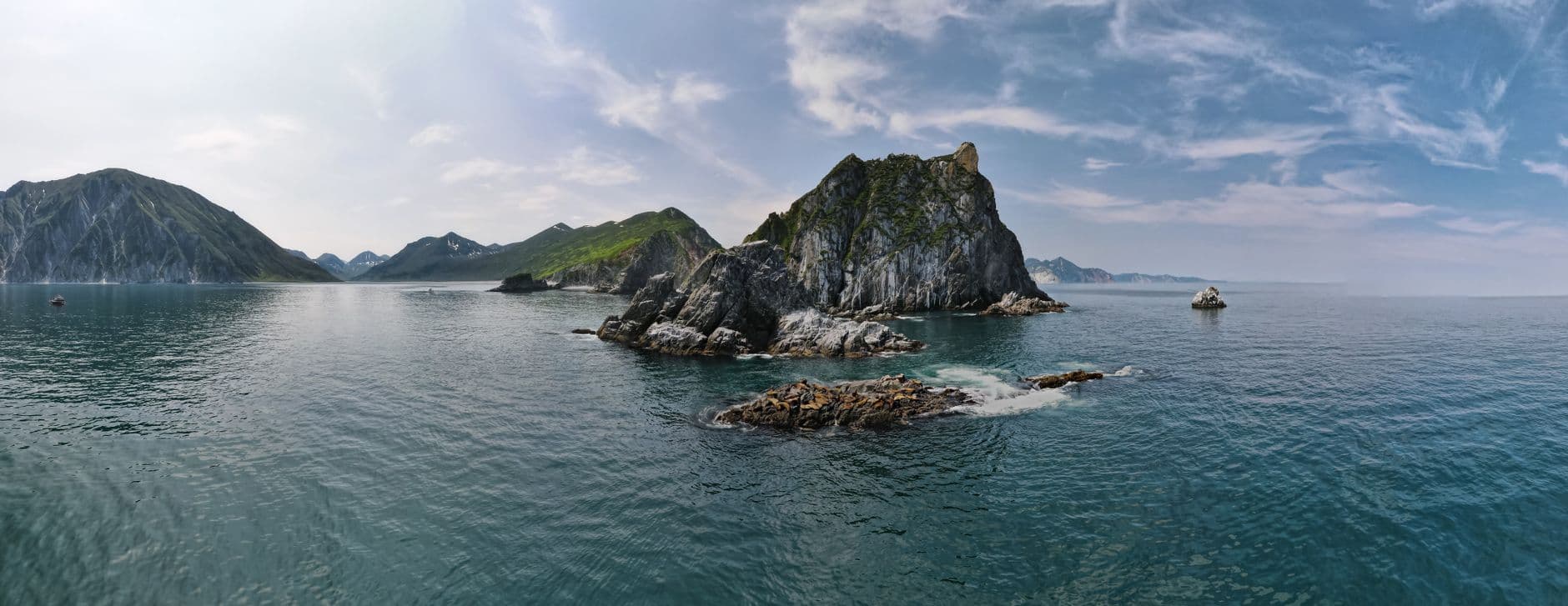

Σύσταση: Το ταξίδι κατά τη διάρκεια του καλοκαιριού αυξάνει τις πιθανότητες τσιμπήματος, οπότε προγραμματίστε αρκετό χρόνο για να ευθυγραμμιστούν οι παλίρροιες, ο καιρός και οι διαδικασίες αδειοδότησης που διαχειρίζονται οι τοπικές αρχές. Ο οδηγός θα παρέχει ένα προσαρμοσμένο σχέδιο και ένα ρεαλιστικό χρονοδιάγραμμα για να αποφύγετε τις χαμένες μέρες.
Τα στατιστικά στοιχεία δείχνουν ότι το παράθυρο αιχμής διαρκεί από τα τέλη Μαΐου έως τις αρχές Σεπτεμβρίου. Ο αριθμός των ανοιχτών ημερών ανά σεζόν είναι κατά μέσο όρο 16-22 ανά σκάφος, με τις περισσότερες εκδρομές να διαρκούν 3-4 ημέρες. Οι άδειες για τις παράκτιες ζώνες εκδίδονται από τις περιφερειακές αρχές και μπορούν να παρασχεθούν από τον πάροχο υπηρεσιών, ο οποίος πρέπει να συμπληρώσει τα έγγραφα εκ των προτέρων. Οι ταξιδιώτες πρέπει να κάνουν κράτηση 2-3 μήνες νωρίτερα για να εξασφαλίσουν μια θέση.
Οι περισσότερες ψαριές γίνονται με τεχνητά δολώματα και φυσικές παρουσιάσεις, με σπάνια τρόπαια να εμφανίζονται όταν οι συνθήκες ευθυγραμμίζονται. Ο καιρός μπορεί να αλλάξει γρήγορα, οπότε φέρτε ένα ζευγάρι εξοπλισμού ρυθμισμένο τόσο για ήρεμες όσο και για δύσκολες μέρες. Οι τυπικές σειρές βαρών χρησιμοποιούν ηγέτες δοκιμής 60-120 lb για πελαγικούς στόχους. βαρύτερα σετ είναι χρήσιμα ενάντια σε μεγαλύτερα ψάρια. Αναζητήστε ανοιχτές τράπεζες νερού μακριά από πολυσύχναστα λιμάνια, πίσω προς παραγωγικές γραμμές παρασυρμού μετά από κάθε πύλη παλίρροιας και μείνετε έτοιμοι να προσαρμοστείτε εν κινήσει.
Η επιλογή του χειριστή εξαρτάται από την ασφάλεια, τη διαφάνεια και το ιστορικό. Αναζητήστε στατιστικά στοιχεία από έτος σε έτος και μια σαφή πολιτική ασφάλειας. οι πιο αξιόπιστες στολές παρέχουν ένα απλό σχέδιο και μια σταθερή τιμή. Η τοπική διαχείριση της αλιείας περιλαμβάνει κοντινές φάρμες και εκκολαπτήρια που ενημερώνουν τις εκτιμήσεις αποθεμάτων και τις ποσοστώσεις, οπότε επιλέξτε ένα πλήρωμα που σέβεται τις ποσοστώσεις και ακολουθεί τις βέλτιστες πρακτικές. Φέρτε την αυτοπεποίθησή σας και ο οδηγός θα προσαρμόσει ένα πρόγραμμα γύρω από το βάρος, τον ρυθμό και τους προτιμώμενους στόχους σας, ενώ εσείς θα εστιάσετε στα πιο ανταποδοτικά τσιμπήματα.
Πρακτικές συμβουλές συσκευασίας και ταξιδιού: φέρτε αδιάβροχα, ένα ανθεκτικό ψυγείο και εφεδρικές μπαταρίες. τα ανοιχτά καταστρώματα επιτρέπουν την εύκολη μετακίνηση ενώ παλεύετε με ένα ψάρι. η κατανομή βάρους έχει σημασία όταν ένα ψάρι κάνει μια μεγάλη διαδρομή και τα εφεδρικά σχέδια βοηθούν εάν ο καιρός αλλάξει. Η ακτή του Ειρηνικού προσφέρει τις καλύτερες πιθανότητες όταν ταξιδεύετε ελαφρά και κινείστε με το νερό και όχι ενάντια σε αυτό.
Ψάρεμα βαθέων υδάτων στην Καμτσάτκα: Ενοικιάσεις σκαφών ανοιχτής θαλάσσης, Είδη & Κάμερα για να τεκμηριώσετε
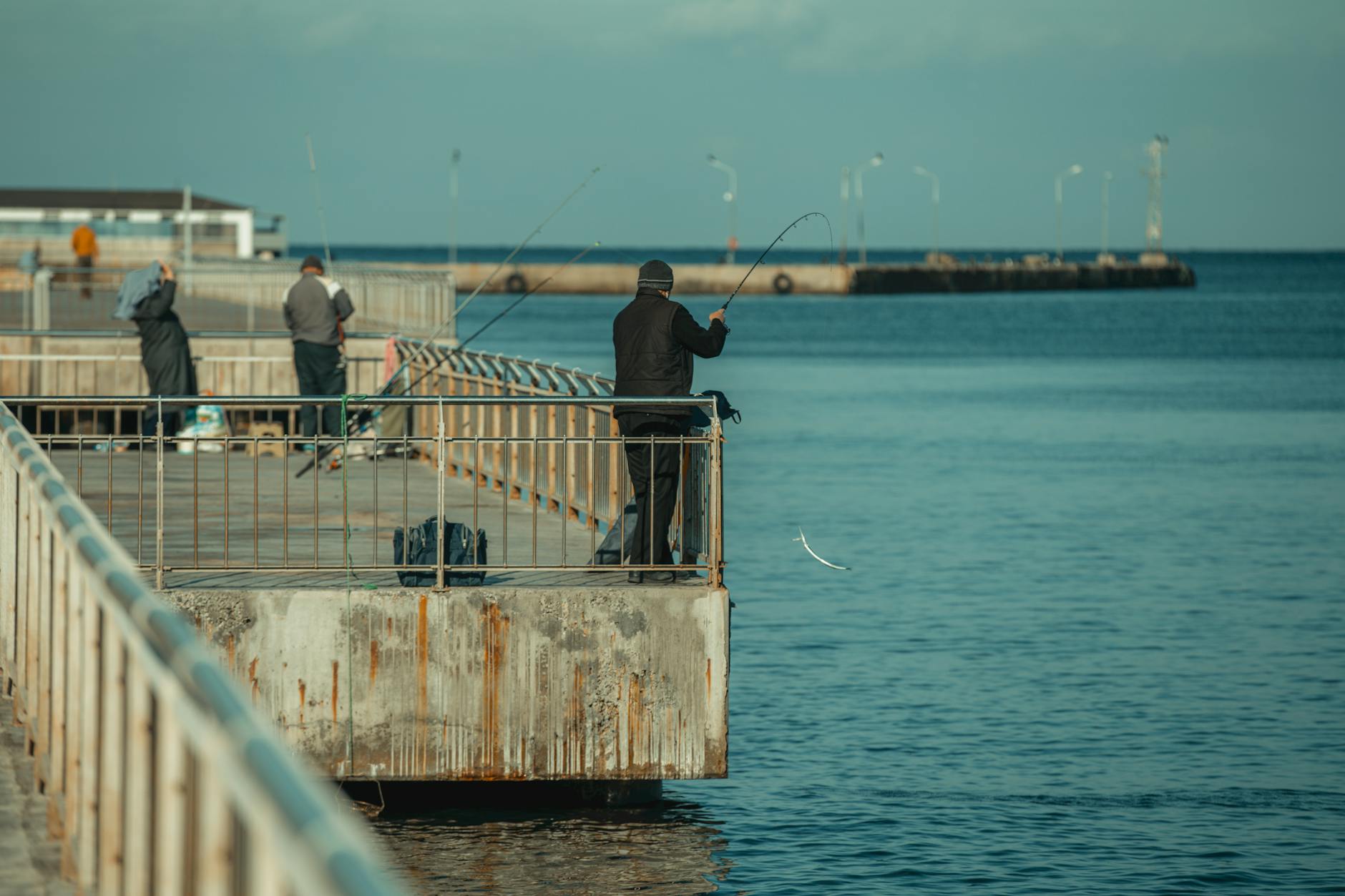
Σύσταση: Κάντε κράτηση για μια 4-5ήμερη αποστολή στα βόρεια ύδατα με έναν αδειοδοτημένο χειριστή κατά τη διάρκεια του Ιουλίου-Αυγούστου για να μεγιστοποιήσετε τις ψαριές και να ελαχιστοποιήσετε τις δύσκολες μέρες. Επιπλέον, περιμένετε μεγάλες μέρες στη θάλασσα και σχεδιάστε αλλαγές μεταξύ των τοποθεσιών καθώς κινούνται τα ρεύματα. Τότε έρχονται τα περισσότερα τσιμπήματα και οι ώρες στο νερό μπορεί να είναι ανταποδοτικές για τους αρχάριους που παραμένουν συγκεντρωμένοι.
Τύποι στόχων και προσέγγιση: οι πιο αξιόπιστες ψαριές προέρχονται από ιππόγλωσσο, σαμουράι, λινγκκόντ, πετρόψαρα και καλκάνι κατά μήκος του ραφιού και κοντά στις όχθες. Τα αδελφά σκάφη μοιράζονται μια απλή προσέγγιση: ξεκινήστε ρηχά για να μάθετε το χειρισμό της γραμμής και, στη συνέχεια, μετακινηθείτε βαθύτερα όπως υπαγορεύει το δάγκωμα. Οι αρχάριοι επωφελούνται από σταθερές συνεδρίες χαμηλού στρες. οι γυναίκες και οι πρωτάρηδες συχνά αποκτούν αυτοπεποίθηση με υπομονετική καθοδήγηση από το πλήρωμα. Εδώ, το δάγκωμα έρχεται συχνά το πρωί και αργά το απόγευμα, και οι πελαγικές ευκαιρίες μπορεί να εμφανιστούν όταν σχολεία περνούν από τα κανάλια. ενώ τα ιστιοφόρα είναι σπάνια σε αυτά τα νερά, μπορεί να δείτε άλλα ψάρια μεγάλου παιχνιδιού για λίγο μεταξύ των παρασυρμών. Οι σφυρίδες είναι ασυνήθιστες εδώ, αλλά μερικές φορές εμφανίζονται σε προστατευμένες τσέπες κοντά στην κατασκευή.
Εξοπλισμός και εργαλεία: χρησιμοποιήστε μια ράβδο κατηγορίας 50-80 lb με πλεξούδα 50-80 lb, συν έναν φθοράνθρακα ηγέτη 60-100 lb. Για στόχους στο βυθό και στα μέσα του νερού, ρυθμίστε 8-16 oz σταθμισμένα βάρη για να φτάσετε γρήγορα στο βάθος. Τα κυκλικά άγκιστρα σε μεγέθη 4/0-6/0 λειτουργούν καλά για ιππόγλωσσο και λινγκκόντ. μεταφέρετε εφεδρικά άγκιστρα και ένα μαχαίρι για αρματωσιά. Έχετε μια δεύτερη ελαφριά ράβδο (30-40 lb) για καλκάνι ή μικρότερα πετρόψαρα. Ένα ανθεκτικό ψυγείο διατηρεί τα ψάρια φρέσκα και διευκολύνει τη μεταφορά φωτογραφιών. φέρτε επιπλέον πένσες, ένα γκαφ με προσοχή και έναν κόφτη γραμμής. Ο εξοπλισμός πρέπει να ελέγχεται καθημερινά για φθορά και συσσώρευση αλατιού και το πλήρωμα του σκάφους μπορεί να προσαρμόσει τον εξοπλισμό μεταξύ των διαδρομών για να μεγιστοποιήσει την πιθανότητα σύνδεσης μαζί τους.
Ασφάλεια και προσβασιμότητα: οι αρχάριοι και οι γυναίκες επωφελούνται από τον ήρεμο ρυθμό της ημέρας και τη σαφή καθοδήγηση από τους ψαράδες. φορέστε ένα PFD, χρησιμοποιήστε μια ζώνη ασφαλείας όταν περπατάτε στο κατάστρωμα και ασφαλίστε τον εξοπλισμό κατά τη διάρκεια των παύσεων. Το πλήρωμα βοηθά στην προσγείωση βαριών ψαριών για την πρόληψη τραυματισμών. απομακρυνθείτε από τις γραμμές κατά τη διάρκεια ενός αγώνα και επικοινωνήστε με το πλήρωμα του καταστρώματος για να συντονίσετε τις κινήσεις μεταξύ των τσιμπημάτων. Με τη σωστή προσέγγιση, οι περισσότεροι συμμετέχοντες αισθάνονται άνετα να χειρίζονται γραμμές, καρούλια και εξοπλισμό σε μεταβαλλόμενες συνθήκες και απομακρύνονται με μια ενισχυμένη ισορροπία ζωής από τη θάλασσα.
Στρατηγική κάμερας για το ταξίδι: φέρτε ένα σώμα με στεγανοποίηση ή μια ανθεκτική συμπαγή με αδιάβροχο περίβλημα, συν εφεδρικές μπαταρίες και κάρτες μνήμης. Τραβήξτε σε RAW για να διατηρήσετε το χρώμα και τις λεπτομέρειες. χρησιμοποιήστε ταχύτητα κλείστρου 1/1000 s ή ταχύτερη για δράση και διάφραγμα μεσαίας εμβέλειας (f/5.6-f/8) για βάθος πεδίου. Ένας ευρυγώνιος φακός (16-35 mm) καταγράφει σκηνές καταστρώματος και τις γραμμές, ενώ ένας τηλεφακός (70-200 mm) απομονώνει τον ψαρά και το ψάρι στόχο. Τραβήξτε μερικές λήψεις πίσω από τον ώμο για να δείξετε τις γραμμές και τον ρυθμό του jigging και χρονομετρήστε τις λήψεις μεταξύ των χτυπημάτων για να αποφύγετε την εμπλοκή. Αποθηκεύστε τον εξοπλισμό σε μια στεγνή τσάντα μεταξύ των περασμάτων και κρατήστε έναν μικρό φορητό σταθεροποιητή για πιο ομαλά βίντεο κλιπ. αυτό γίνεται μια πλούσια προσθήκη στην ταξιδιωτική σας ζωή και βοηθά τις αδελφές και τους φίλους στο σπίτι να αισθάνονται πιο κοντά στη στιγμή.
Επιμελητεία και επιλογή: σχεδιάστε ένα ευέλικτο πρόγραμμα, επειδή ο καιρός μπορεί να αλλάξει γρήγορα. οι περισσότερες εκδρομές λειτουργούν καλύτερα όταν επιλέγετε ένα σκάφος με σταθεροποιημένες θέσεις, άφθονο χώρο καταστρώματος και αξιόπιστο εξοπλισμό ασφαλείας. Εάν ταξιδεύετε με συντρόφους, μοιράστε τις εργασίες έτσι ώστε όλοι να συμμετέχουν στην αρματωσιά, την προσγείωση και τη φωτογράφηση της στιγμής. Ένα μεγαλύτερο σκάφος συνήθως προσφέρει περισσότερο χώρο αποθήκευσης εξοπλισμού και χώρο ψυγείου για ψάρια και αναψυκτικά, καθιστώντας τη συνολική εμπειρία πιο ευχάριστη τόσο για αρχάριους όσο και για έμπειρους ψαράδες και αυξάνοντας τις πιθανότητές σας να απομακρυνθείτε με ζωντανές αναμνήσεις από τα βόρεια ύδατα.
Επιλογή ναύλωσης ανοιχτής θαλάσσης: τύπος σκάφους, εμπειρία καπετάνιου και πακέτα ταξιδιού
Σύσταση: ξεκινήστε με ένα σταθεροποιημένο, ζεστό, άνετο σκάφος 28-36 ft που διαθέτει κλειστή καμπίνα και αποδεδειγμένη διαδρομή σε ανοιχτή θάλασσα. απαιτήστε έναν καπετάνιο με τουλάχιστον πέντε σεζόν εργασίας στην ακτή του Ειρηνικού, συμπεριλαμβανομένης της αποδεδειγμένης επιτυχίας κοντά σε φαράγγια και ράφια βαθέων υδάτων. Για σταθερή αξία, κλειδώστε ένα σχέδιο 2-4 ημερών που εξισορροπεί τα τσιμπήματα της ημέρας με μεγαλύτερα παράθυρα και μην διστάσετε να προσαρμόσετε το πρόγραμμα εάν συμβούν αλλαγές ανέμου.
Ο τύπος του σκάφους έχει σημασία: επιλέξτε ένα σχέδιο καταστρώματος περιπάτου ή ένα σπορ σκάφος μεσαίου μεγέθους που προσγειώνεται άνετα σε 2-6 ψαράδες. Ένα μίνι κενό μεταξύ μιας συμπαγούς διάταξης και ενός μεγαλύτερου μεταφορέα συχνά αποδίδει τον καλύτερο συνδυασμό ευελιξίας και κοινόχρηστου χώρου. το χειμώνα, δώστε προτεραιότητα σε ένα σκάφος με θερμαινόμενη καμπίνα, αξιόπιστο εξοπλισμό αποπάγωσης και μια σταθερή πλατφόρμα για μεγάλες αποστάσεις. Ένα καλά εξοπλισμένο σκάφος με θήκες καλαμιών, ηλεκτρικά καρούλια και μια αποτελεσματική κουζίνα διατηρεί το πλήρωμα με κίνητρο και την ημέρα παραγωγική όταν το δάγκωμα είναι αργό κοντά στα φαράγγια.
Εμπειρία καπετάνιου: εξετάστε ένα επαληθεύσιμο αρχείο καταγραφής νυχτών στη θάλασσα κατά μήκος της ρωσικής ακτής και ζητήστε συστάσεις από αλιευτικές επιχειρήσεις κοντά στο ponoi και το starichkov. Ο σωστός καπετάνιος επικοινωνεί με σαφήνεια σχετικά με τις ενημερώσεις καιρού, τις ασκήσεις ασφαλείας και τα αλιευτικά σχέδια και έρχεται με μια σταθερή κατανόηση των εποχιακών χώρων σίτισης και των κοινών αλλαγών μοτίβων. Η ηγεσία τους θέτει τον ρυθμό για την ομάδα, διαμορφώνοντας πόσο συχνά σφίγγει η γραμμή και πόσο καιρό μένετε σε ένα παραγωγικό σημείο.
Πακέτα ταξιδιού: οι ιδιωτικές ναυλώσεις και τα δρομολόγια μικρών ομάδων είναι κοινά, με επιλογές 2-3 ημερών ως βασική γραμμή και μεγαλύτερα προγράμματα για σοβαρούς ψαράδες. Τα πακέτα θα πρέπει να περιλαμβάνουν εργαλεία, δολώματα και βασικό εξοπλισμό, καθώς και πάγο, καύσιμα και χειρισμό αδειών. Τα γεύματα και τα ζεστά ροφήματα συνήθως προσθέτουν αξία το χειμώνα. Αναζητήστε δρομολόγια που καλύπτουν πολλαπλούς στόχους - σνάπερ, σκουμπρί, σφυρίδα - και προσφέρουν ένα σαφές σχέδιο για προσγειώσεις, διαλείμματα ακτής και ευέλικτα σημεία αποβίβασης για να μεγιστοποιήσετε τις ώρες που τρέφονται τα ψάρια.
Στόχοι και γεωγραφία: οι καλύτερες διαδρομές συμβαίνουν όπου η γη πέφτει σε υπεράκτια φαράγγια και προεξοχές, με γνωστά σημεία κοντά στο ponoi και το starichkov. περιμένετε ότι τα χειμερινά περιτυλίγματα θα επιβραδύνουν κάποιες μέρες, αλλά ένας ικανός καπετάνιος θα προσαρμοστεί μεταβαίνοντας σε παρακείμενες όχθες, ρεύματα ή άκρες κατασκευών. Συζητήστε τη δυναμική της αλιείας με τον χειριστή και βεβαιωθείτε ότι το σχέδιό σας περιλαμβάνει ένα μείγμα συνεδριών μεγάλης διάρκειας και σύντομων αναμονών, ώστε το πάρτι σας να παραμείνει παραγωγικό χωρίς να εξαντληθεί. ο στόχος είναι η σταθερή δράση και όχι ένα μόνο μεγάλο δάγκωμα.
Συμβουλές κράτησης: ζητήστε ένα γραπτό δρομολόγιο, συμπεριλάβετε μια σαφή ενδεχόμενη περίπτωση καιρού και επιβεβαιώστε τι συμβαίνει εάν οι θάλασσες κλείσουν τη διαδρομή. Μην καθυστερείτε εάν ένας προτιμώμενος καπετάνιος ή σκάφος είναι διαθέσιμος. η πρωτεύουσα των καλών εμπειριών έγκειται στην σταθερή προετοιμασία, τον αξιόπιστο εξοπλισμό και ένα πλήρωμα που εισέρχεται και εξέρχεται ομαλά από μια πολυάσχολη μέρα ψαρέματος. Εάν φτάσετε μαθαίνοντας από προηγούμενα ταξίδια και ετοιμότητα να προσαρμοστείτε, το επίπεδο άνεσής σας και η πιθανότητα να προσγειώσετε ψάρια όπως σνάπερ, σκουμπρί και σφυρίδα αυξάνονται γρήγορα - σύντομα θα γνωρίζετε ποιο μέρος, ποιο σκάφος και ποιος καπετάνιος κάνουν τον καλύτερο μακροπρόθεσμο αγώνα.