
 Ελληνικά
  English (UK)
  Русский
  العربية
  日本語
日本語  한국어
한국어  Magyar
  Türkçe
  Español
  Čeština
  Svenska
  Português
  Suomi
Suomi  Nederlands
  Română
  Italiano
  Français
  Polski
  Українська
  Deutsch
  简体中文
简体中文  Slovenčina
 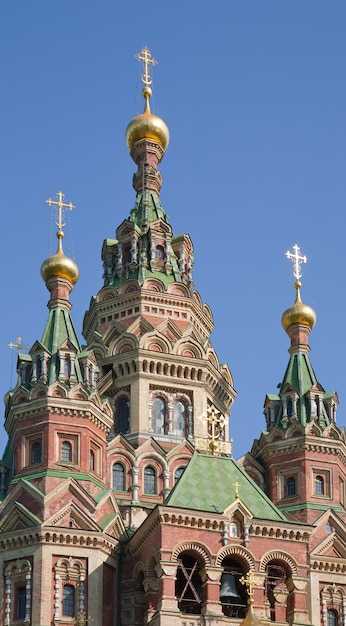 Τα 5 κορυφαία αξιοθέατα της Μόσχας – Αξιοθέατα που πρέπει να δείτε & Κρυμμένοι θησαυροί για τους επισκέπτες">

Recommendation: Begin at the embankment at dawn; space between river and cathedrals glows, the beginning of the day, right, an open, calm circuit. Use public trolleys to reach teatralnaya district and start the plan.
First stop: the tsar-era fortress complex with its cathedral ensemble. Once the center of imperial power, ediny grounds host open cathedrals and sweeping river views. Interior visit times differ by season, but starting before 9:00 avoids crowds; the area is safe and well signposted, with numerous photo points along the embankment. A troika ride adds a tangible link to the estate’s past, and you can compare details of domes and arches at each corner.
Second stop: teatralnaya district around the Bolshoi and adjacent venues. The public square offers elegant façades and a string of theatres; booking a guided tour yields English options and a background on the building’s history. If you visit on open days when performances are off, you can tour backstage areas; otherwise, enjoy exterior frescoes and the street rhythm right before a show. A trolleys stop nearby, and a short troika ride can circle the district to share a glimpse of the capital’s culture.
The Tretyakov Gallery collection features various schools of painting, from icons to modern works. Start early to catch light that streams through tall windows; time inside runs around 2–3 hours, enabling a thorough look. The venue is accessible by the public transit network, with a direct subway stop nearby; opening times vary by season. Includes access to permanent collections and rotating exhibitions. Plan a right-length visit and check English-language descriptions.
Arbat Street offers ediny experiences: cafes, galleries, and street performances. Walk along the pedestrian lanes when the day is warming, open until late; the route includes numerous shops and artists. With trolleys nearby, you can return to the central quarters quickly; always leave space in your timetable to accommodate spontaneous stops and tea breaks on benches that face the old houses.
Kolomenskoye estate sits on a hillside with open spaces, a royal palace complex, and the Church of the Ascension. It is a safe escape from the urban core with space for quiet walks and picnic spots; this estate includes walking paths, a timber church, and seasonal troika rides on selected days. Tickets are modest and open from 9:00 to 18:00 in typical seasons; access by public lines or the Kolomenskaya stop nearby. Beginning days bring lighter crowds, while weekends offer more events in the park’s public sections.
Moscow Attractions Guide
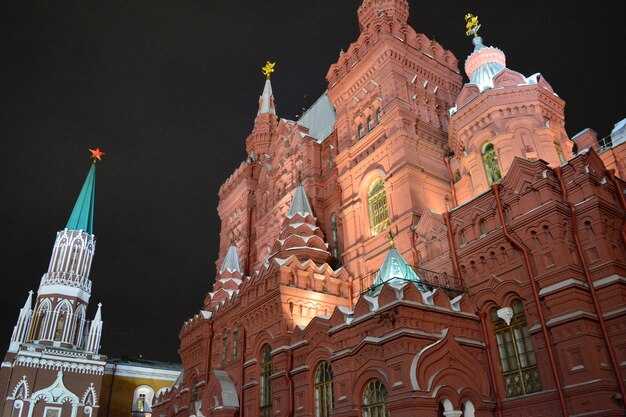
Armory Treasury lead: five greatest pieces illustrate royal arms, holy regalia, and battle-era materials; these pieces were crafted across centuries, this opening segment creates a clear view of imperial power, then the route continues with a sequence of iconic stops.
Inside the Kremlin complex, walk the halls where the crown jewels and ceremonial arms are displayed, with gilded details and glass cases that reveal expert craftsmanship; the fire-lit displays emphasize the treasury’s intricate design and historical significance.
St. Basil’s Cathedral rises with holy color and a size that dominates red square; the exterior view offers dramatic angles, while interior chapels preserve icons seen by many centuries, inviting reflective seeing.
Pushkin State Museum of Fine Arts sits on lavrushinsky Lane; Pushkin memories and alexei pieces mingle with russian classics; galleries host various shows, and shops nearby offer books, prints, and small souvenirs to commemorate visits; the lane’s creative buzz reflects trends in Renaissance to contemporary culture.
Nearby basil motifs appear in signage around the arcades, reminding guests of the site’s heritage; late-day light on domes creates a dramatic view, inviting seeing from river embankments and city terraces; days with lighter crowds allow a calmer pace to examine details.
Peak times bring waiting lines; late afternoon hours reduce waiting, then guests continue along the river walk to a final view of illuminated silhouettes against the sky.
Evening embankment views amplify details; late light heightens colors and closes the circle on a memorable route.
Red Square & Saint Basil’s Cathedral: best times to visit and photo tips
Arrive at dawn to catch soft light on the domes and to photograph Saint Basil’s Cathedral with minimal crowds. Mind the changing tones, as the monuments reveal beauty in freshly updated light that has developed over centuries.
In summer, long days extend windows of opportunity; late afternoon reveals warmer tones on brickwork, including the iconic church and its unique bells. People will gather, adding human scale that enhances each composition.
Nearby ponds in the Alexander Garden reflect color from the towers, helping you create a serene composition with a personal touch.
Wartime damage shaped the skyline; after battles the monuments were rebuilt through coordinated effort by the culture department, with Yuri contributing to lighting and stonework. University archives add context to these waves of reconstruction.
Look at the places where space opens between structures; the labyrinth of paths invites a unique, personal view of centuries of craft. The bell towers rise above a church and other monuments–respect the spaces and mind the media crew that hosts photography sessions.
Best days include Tuesday mornings when crowds ease; avoid weekends if you seek quiet symmetry. Some quiet moments appear after rain, when pavements look like glass and colors pop against the well-preserved facades.
| Παράθυρο | Φωτογραφική συμβουλή | Σημειώσεις |
|---|---|---|
| Dawn (approx. 05:30–07:00) | Use a wide lens (16–24 mm) for the full silhouette; a tripod helps capture subtle shadows on domes | Quiet ambience, strong verticals, good for monuments and bell details |
| Golden hour (late afternoon) | Warm tones on brick; reflections in ponds nearby; compose with both towers and church bells | Vibrant color; watch crowds building toward sunset |
| Μεσημέρι | Shade under arches; look for human scale and silhouettes; balance bright sky with darker foreground | Higher contrast; faster shutter speeds recommended |
| Blue hour (after sunset) | Subtle tones, city lights glow; frame the spires with street lamps | Great drama; keep ISO low to preserve detail |
Kremlin Complex & Armoury: ticketing hacks and must-see artifacts
Buy official online tickets 2–3 weeks ahead and select morning hours to beat queues at the Armoury complex.
Use the official Kremlin site or app, confirm the Armoury slot, and skip third-party resellers. Bring passport or national ID; entry window with precise times; morning slots usually less crowded. Basil-green tones appear in some enamelwork.
Consider a guided route that includes the Palace facade and Armoury; combined tickets with other Kremlin museums may reduce total spent money and speed entry; pick the option with fixed group times so delays are avoided.
The collection is known internationally as significant; highlights include crowns, orbs, scepters, ceremonial robes; arms and armour spanning beginning of the 16th century through the 20th-century period; works by famous sculptors in gold and enamel; 20th-century insignia illustrate newer state rituals; some pieces reveal gory battle gear from earlier centuries; known pieces attract tourists worldwide.
Street access is public, with taxis waiting outside the complex; money savings: use the bundled ticket, check hours posted near the street; once inside, the palace precincts offer a city view; guides from foreign countries join tourists; many travel company reps brought groups, buying tickets together, which speeds the entry at the Armoury; if you are staying near the palace, your best starting point is the main square toward the Armoury.
neva-inspired motifs exist, but this is only one angle among trends everywhere in the complex; from the palace era to later 20th-century pieces, the point remains to observe how arms, regalia, and ceremonial items reflect geographical exchange, with foreign influences arriving from many countries.
Tretyakov Gallery vs. Pushkin Museum: which collection fits your itinerary
Either approach pays off; choose Tretyakov Gallery when days are limited and you want a focused arc of Russian painting, or Pushkin Museum when you crave a broad, cross-continental dialogue with European masters.
Tretyakov preserves a state estate of Russian art, spanning centuries from icon painting to late-19th‑century realism. The lavrushinsky entrance places you within a compact, coherent route that keeps development and heroism in view as you walk through the exposition; look for the way the collection flows within the main buildings, somewhat more dramatic in the late rooms, and notice how the shape of each composition evolves, while the fire of national style ignites again with every step.
Pushkin Museum offers a parallel track with European masterworks alongside sculpture, ethnography, and genres outside Russia; the exposition spaces use glass cases and a restrained blue light that helps you focus on the form. The bolshoy canvases of European masters dominate the main halls, while other rooms present Jewish art history and anthropology objects, all kept within a calm, civic state of display. In some rooms you can spot casts from classical sculpture, reinforcing a dialogue across centuries.
Practical pacing: nearly two days let you digest both contexts unless a single focus dominates. Winter daylight makes the blue glass glow differently; neva skies outside tint the rooms with a cool cast, so start at lavrushinsky early, then cross to Pushkin’s Volkhonka complex, and rest in little courtyards between expositions. Staff keeps trolleys away from artworks, ensuring you can look without interruption.
Your choice hinges on preference: either deep Russian heritage or a broad continental conversation. Tretyakov shines when beauty and development inside a national estate appeal most, while Pushkin expands the frame with a mix of European painting, sculpture, and ethnographic material. Within these halls, you glimpse centuries of craft, look again at the way casts and glass support the display, and note how anthropology and Jewish themes add nuance to your itinerary. They reward patient lookers.
Museum of Cosmonautics: top exhibits and planning your route
Begin at the glass-front entrance hall and head straight to the yuri exhibit, the anchor that frames a tight circuit through the history of spaceflight above Earth.
These displays show you learn quickly, with signage that highlights milestones, designers, and the steps that turned virgin ambition into modern missions, and a little patience reveals subtle details that were missed at first glance.
- yuri Gagarin’s flight suit, helmet, and training photos – the key anchor of the collection, presented with a clear timeline and captions that place the first orbital flight above Earth within the decree that spurred the era.
- Vostok 1 capsule replica – compact, glass-fronted, and accompanied by panels that explain the launch push, the angle of ascent, and the small but decisive steps that would lead to later crews.
- Lunokhod 1, σεληνιακό όχημα – μια σπάνια περίπτωση ρομποτικών βραχιόνων και συστημάτων τροχών· διαδραστικά πάνελ περιγράφουν πώς το όχημα διέσχισε το φυσικό έδαφος της Σελήνης και τις προκλήσεις της απομακρυσμένης λειτουργίας.
- Εκπαιδευτικό ομοίωμα μονάδας πρόσδεσης και μεταφοράς πληρώματος Soyuz – παρατηρήστε τους μηχανισμούς πρόσδεσης, τους κύκλους υποστήριξης ζωής και τον τρόπο με τον οποίο εκπαιδεύονταν τα πληρώματα να μετακινούνται παράλληλα μεταξύ σκαφών κατά την ύστερη σοβιετική περίοδο.
- Μονάδα του διαστημικού σταθμού Mir και έκθεμα της εποχής Salyut – μελέτη της αρθρωτής αρχιτεκτονικής, της υποστήριξης ζωής μακράς διάρκειας και της εξέλιξης της αποδοτικότητας του πληρώματος, με αυθεντικά εργαλεία και μερικά αντικείμενα από έργα με έδρα την Αγία Πετρούπολη και άλλα.
- Διαστημικό λεωφορείο Buran και σχετικά τεχνουργήματα μηχανικής – συγκρίνετε τις αρχές πτήσης με εκείνες των πρώτων διαστημικών οχημάτων σε τροχιά, επιθεωρήστε τα πλακίδια και δείτε πώς σχεδιάστηκε η θερμική προστασία για να αντιστέκεται στη φωτιά και τις ακραίες θερμοκρασίες.
- Θησαυρός τεχνουργημάτων – ένα μικρό θησαυροφυλάκιο μοντέλων, εξαρτημάτων και διοραμάτων που απεικονίζουν τις σχεδιαστικές ευαισθησίες του 18ου αιώνα, τις οποίες αρχιτέκτονες ανά τους αιώνες μετέφρασαν σε σύγχρονες λύσεις, και άλλες.
- Οι γωνιές μάθησης και η λίστα των διαδραστικών ζωνών – αυτοί οι χώροι προσκαλούν σε πρακτική ενασχόληση. Ένας σταθμός σάρωσης καρτών παρακολουθεί την πρόοδό σας και σας βοηθά να σχεδιάσετε τα επόμενα βήματα μαζί με τους συνοδούς σας.
Στρατηγική διαδρομής: ξεκινήστε με τη yuri στιγμή, μετά προχωρήστε σε κάθε έκθεμα με τη σειρά, περίπου 15–20 λεπτά ανά προβολή, και κρατήστε 20–25 λεπτά για το θησαυροφυλάκιο και τις διαδραστικές γωνιές. Για να μεγιστοποιήσετε την αποτελεσματικότητα, διατηρήστε ολόκληρο το κύκλωμα συμπαγές ακολουθώντας την μπροστινή διάταξη και αποφεύγοντας την αναδρομή. αφήστε επιπλέον χρόνο εάν θέλετε να απορροφήσετε το αρχιτεκτονικό πλαίσιο και τις σχεδιαστικές επιλογές που άντλησαν οι αρχιτέκτονες από εκκλησίες σε περιοχές της πόλης για να διαμορφώσουν το φως της ημέρας και τον ρυθμό.
Συμβουλές: αγοράστε μια κάρτα μίας εισόδου από το γραφείο, φορέστε άνετα παπούτσια και ελέγξτε τις πινακίδες σχετικά με την πολιτική περί φωτογραφίας· αυτά τα πρακτικά βήματα σάς βοηθούν να παραμείνετε μαζί με την ομάδα σας, ενώ μαθαίνετε βασικά ορόσημα.
Κρυμμένος θησαυρός: Η Αγορά Izmailovo και άλλες ασυνήθιστες οπτικές γωνίες για μια μοναδική προοπτική της Μόσχας
Ξεκινήστε με ένα πρακτικό σχέδιο: φτάστε νωρίς, γύρω στις 9:00, με το μετρό στην Partizanskaya και μπείτε στους ανοιχτούς διαδρόμους της Αγοράς Izmailovo. Εκατοντάδες πάγκοι παρατάσσονται σε ξύλινους διαδρόμους, πουλώντας λακαριστά κουτιά, ματριόσκες, κοσμήματα από σμάλτο και vintage αφίσες. εμπορεύματα που περιμένουν να ανακαλυφθούν και τιμές συχνά φθηνότερες από τα κεντρικά περίπτερα. Το παζάρεμα προσθέτει ενέργεια, κάρτες γίνονται δεκτές σε λίγους πάγκους, συνιστώνται μετρητά σε μικρά χαρτονομίσματα.
Πέρα από τους πάγκους, το Κτήμα Ιζμαΐλοβο προσφέρει μια γαλάζια εκκλησία και ένα άλσος όπου η σκιά του γρασιδιού στέφει έναν ήσυχο χώρο. Ο χώρος αντικατοπτρίζει την ανάπτυξη που σηματοδοτεί την πολιτιστική εξέλιξη της Ρωσίας. μνημεία γύρω από το κτήμα δείχνουν ένα μείγμα παραδόσεων, ενώ ένα φρούριο-παρατηρητήριο προσφέρει μια άποψη που ανοίγει το μυαλό πάνω από τις στέγες. Αυτό, πράγματι, προσφέρει μια ήρεμη, νέα προοπτική.
Συνδυάστε το αυτό με μια συζήτηση από έναν τοπικό ξεναγό γιούρι ή ένα ζευγάρι έμπειρων πωλητών· ενθαρρύνουν την κοινωνική αλληλεπίδραση, μοιράζοντας ιστορίες για το πώς οι αγορές φέρνουν κοντά χειροτεχνίες και οικογενειακές ιστορίες. Αναμένετε τεχνίτες που προσφέρουν καπέλα με θέμα την τρόικα, χυτά ξύλινα ζώα και αναμνηστικά εμπνευσμένα από την περιουσία που αντανακλούν την κουλτούρα. Οι παιδικοί πάγκοι που πωλούν μαλακά παιχνίδια δημιουργούν μια ήπια αντίθεση με το μεταλλικό και γυάλινο πανδαιμόνιο των κεντρικών δρόμων. Μια τοπική εταιρεία διοργανώνει σύντομους περιπάτους που προσθέτουν πλαίσιο, μια στροφή που συνδέει τη χειροτεχνία με τον πολιτισμό.
Ανοιχτοί δρόμοι κοντά στην αγορά συνδέονται με καφέ δυτικού τύπου, όπου μπορείτε να πιείτε ποτά και να παρακολουθήσετε τους περαστικούς. Πολλοί ταξιδιώτες έρχονται με χρήματα, μνήμη και νου σε ισορροπία με τον ρυθμό. Αυτή η υπαίθρια σκηνή είναι εντυπωσιακή, ένα μείγμα εποχών που μοιάζει αυθεντικό αλλά και ζωντανό. Ενθαρρυμένοι από τον ρυθμό, προσθέστε μια στροφή προς τον μεγάλο περιφερειακό δρόμο ή μια γρήγορη πεζοπορία προς προσόψεις εμπνευσμένες από την Αγία Πετρούπολη. Κοιτάξτε ψηλά, κοιτάξτε γύρω και αφήστε τη θέα να διδάξει πώς το Ιζμαΐλοβο φέρνει μια μοναδική προοπτική, μαζί με την αίσθηση ότι η ανάπτυξη κρατά την πόλη ψηλά, ζωντανεμένη από την τοπική κουλτούρα.
 Οι Καλύτερες 10 Αποδράσεις για το Σαββατοκύριακο στη Ρωσία το 2025">
 Ο καταψύκτης ως πύλη προς τη ρωσική ψυχή – Μια γαστρονομική εξερεύνηση">
 Ο Απόλυτος Οδηγός Ρωσικής Κουζίνας – 50 Πιάτα που Πρέπει να Δοκιμάσετε">
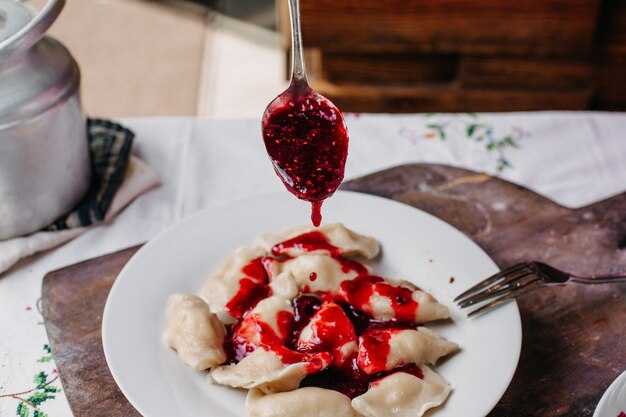 Πού να Δοκιμάσετε Πελμένι με Χαβιάρι, Μπορς και Ρωσικές Σπεσιαλιτέ στη Μόσχα">
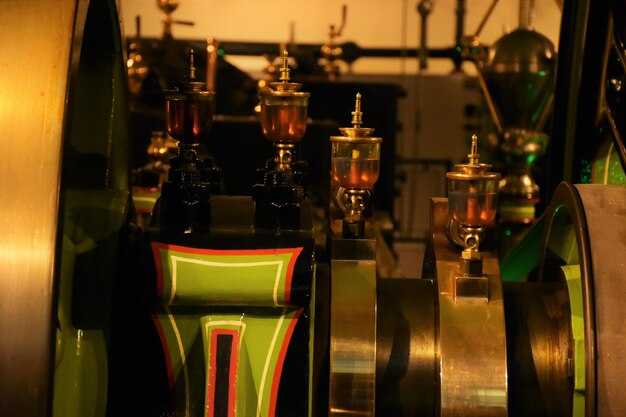 16 Καλύτερες Ζυθοποιίες Μόσχας &">
 Russia Extends Electronic Visa Validity – Implications for Travelers">
 Πώς να Φτιάξετε Αυθεντικό Κεφίρ Γάλακτος στο Σπίτι – Ένας Οδηγός Βήμα προς Βήμα για την Παραδοσιακή Ζύμωση">
 Πώς να Φτιάξετε Αυθεντικό Ρώσικο Τβόρογκ στο Σπίτι – Ένας Οδηγός Βήμα προς Βήμα">
 Κατοικία στη Ρωσία – Τι Πρέπει να Γνωρίζετε Πριν Αγοράσετε">
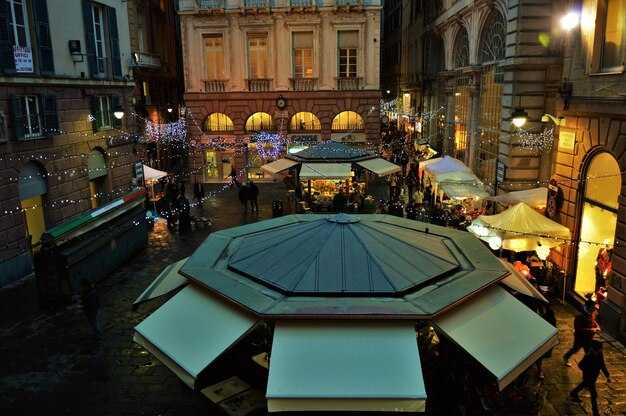 21 Μοντέρνα Εστιατόρια στη Μόσχα – Κορυφαία Μέρη για Foodies">