
Aloita Bunker-42:sta ensimmäisenä pysähdyspaikkana. Yksityinen opastettu kierros paljastaa kunnostetut käytävät, joissa on selkeät linjat ja äänimaailma, joka on ihanteellinen himmeästi valaistujen otosten vangitsemiseen. Sisäänpääsyajat ovat tiukat, joten varaa etukäteen ja saavu ajoissa; vähemmän vierailijoita tarkoittaa terävämpiä tuloksia. Jaa istunnon jälkeen moscowchannelissa ja seuraa russiatouria liittyäksesi laajempaan luojien yhteisöön.
Keskustassa useat asemat tarjoavat vahvan tunnelman sinisen hetken aikana. Arbatskajassa ja Majakovskajassa on lasikatokset, jotka heijastavat neonvaloja, kun taas Oktjabrskaja tarjoaa tiilipintoja, jotka sopivat erinomaisesti pitkillä valotusajoilla. Suunnittele rauhallinen reitti reittien välillä, ota mukaan jalusta ja pienikokoinen kaukolaukaisin ja kuvaa laajakulma-telezoomilla arkkitehtuurin ja katuelämän vangitsemiseksi.
Ydinvyöhykkeen ulkopuolella kannattaa harkita VDNKh:n kunnostettuja paviljonkeja, jotka on rakennettu uudelleen pitkän remontin jälkeen; selkeät linjat ja tilavat kadut tuottavat kuvia, joissa on vähemmän ihmisiä. Bunker-42 on edelleen erinomainen, kun taas sekä sisä- että ulkotilat tarjoavat upeita mahdollisuuksia, mukaan lukien yksityiset sisäänpääsyjärjestelyt maamerkkien portaikkojen ja asemien tutkimiseen kaupungin keskustassa.
Koordinointivinkkejä: laadi ytimekkäitä kuvatekstejä tiktokissa, merkitse moscowchannel ja luo tarina opastetuilla reiteillä ja yksityisillä kierroksilla. Jokaisessa otosjoukossa on sijainti, päivämäärä ja varusteet kuvatekstissä; huomioi sisäänpääsyajat, pidä melutaso alhaisena ja käytä jalustaa terävämpien tulosten takaamiseksi. Haluamasi sana on selkeys, joten poista sotku kehyksistä ja pidä yllä johdonmukaista editointirytmiä. Muokkauksen jälkeen jaa suosittuja klippejä tavoittaaksesi laajemman yleisön noudattaen samalla kaupungin yhteisön etikettiä.
Yökuvaus Moskovassa
Aloita Punaiselta torilta kello 21.30 jälkeen tukevalla jalustalla ja 24-70 mm:n objektiivilla. Aseta ISO 200, aukko f/8, suljin 6-10 s; kuvaa RAW-muodossa; manuaalinen tarkennus kaukaisiin valoihin; haarukoi kolme kuvaa korostaaksesi kohokohtia; käytä kaukolaukaisinta kätevän hallinnan ylläpitämiseksi. Tämä tahti tasapainottaa autojen jäljet ja siluetit. Kremlin muurin valaistus on upea pimeän tultua, ja heijastukset märällä jalkakäytävällä lisäävät tekstuuria. Lisää kuvatekstiin fypシ, kun julkaiset.
Punaisen torin alue ja muuri lähellä Kremliä: Varvarkan muurin (andvarvarka) puolelta voit kohdistaa Spasskaja-tornin valaistun GUM-julkisivun kanssa. Optimaaliset ajat: 23.00-01.00; polttovälialue 24-70 mm; valotukset 8-12 s; ISO 200-400; laajakulma vangitsee muurin tekstuurit, pidempi pituus korostaa torneja. Huomioi turvallisuus; aukion ympärillä olevat entiset toimistorakennukset lisäävät lämpimiä sävyjä kehykseen. Venäjällä on öitä, jotka palkitsevat kärsivällisyyden, mutta ole tietoinen sulkemisista. Slavyanskaja sijaitsee joen toisella puolella ja tarjoaa rauhallisemman näköalan keskiyön jälkeen.
Zaryadye-puiston näköalapaikka tarjoaa modernin siluetin Moskvajokea vasten. Lasisillan lähellä olevalta kävelytieltä pääset upeisiin heijastuksiin vedessä. Käytä 16-35 mm tai 24-70 mm; suljin 4-10 s; ISO 200-400; valkotasapaino noin 3200K volframilampuille. Valaistus on kätevä ja tasainen, mikä vähentää värisiirtymiä; kuvaa useita ruutuja sekoittaaksesi myöhemmin.
Varvarkan muurilta kohti keskustaa valojen linja kadun varrella muuttuu virtaavaksi nopeuden metaforaksi. Aseta 35 mm:n kulma, 6-12 s:n valotukset, ISO 200-400; haarukoi. Varo etualan siluetteja; liikenteen tahti tuottaa pehmeitä kaaria kehyksen poikki. Jos haluat kutoa hevosia metaforaksi, kehystä korkeammalta ja anna ajovalojen viiruuntua kuin laukkaavat hahmot.
Yömuotokuvat mallien kanssa vaativat suostumuksen ja nopean kommunikoinnin. Slavyanskajan ympärillä voit harjoitella asentoja lähellä maamerkkejä ilman väkijoukkoja. Aamuisin kuvauksen jälkeen voit säätää väriä ja kontrastia RAW-muokkauksilla; kokemuksesi muovautuivat kylmien öiden ja kirkkaiden lamppujen myötä. Lisää kuvatekstiin fypシ sosiaalisessa mediassa.
Mitkä varusteet ja kamera-asetukset tuottavat selkeitä yökuvia Moskovan kaduilla?
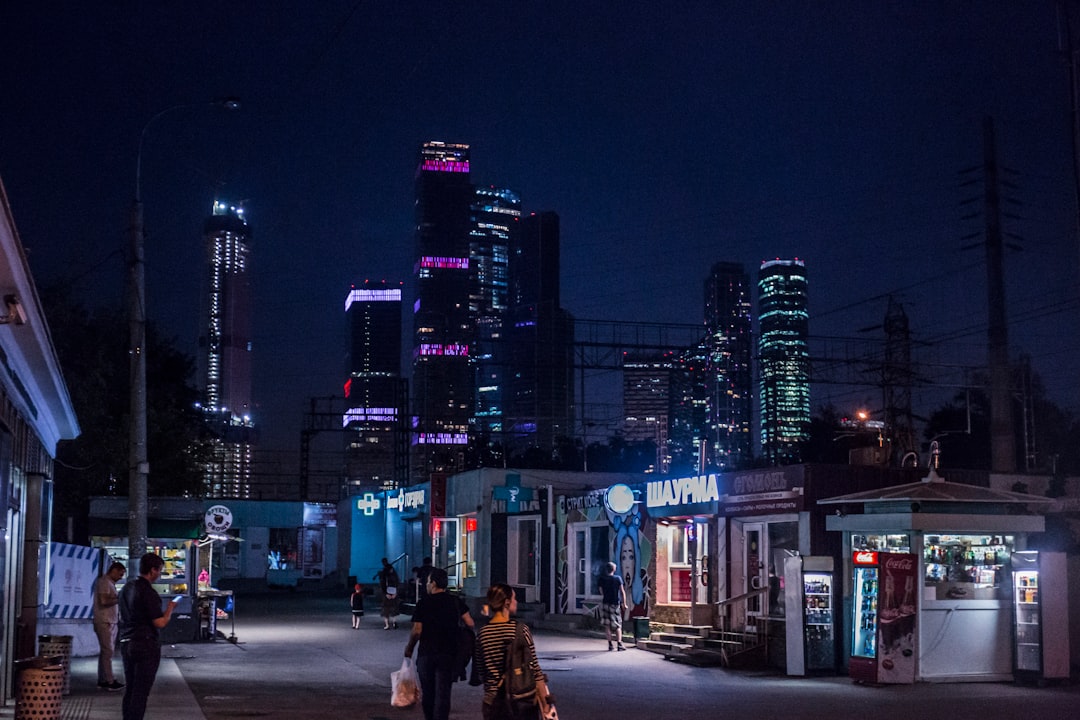
Aloita nopealla, monipuolisella kiinteällä objektiivilla (35 mm f/1.4) tai vakiozoomilla (24-70 mm), joka on asennettu tehokkaaseen peilittömään runkoon; kuvaa RAW-muodossa, manuaalitilassa, ISO 800-3200, suljin 1/60-1/125 s, aukko f/1.8-2.8 ja valkotasapaino noin 3200-3600K; käytä kaukolaukaisinta tai itselaukaisinta välttääksesi kameran tärinää ja maksimoidaksesi selkeyden liikkuvissa kohteissa, kuten jalankulkijoissa tai lyhtyjen valaisemissa julkisivuissa.
Vakaus ja tekniikka ovat suuressa roolissa: pidä AF yhden pisteen päällä tai suurenna live-näkymää vaikeita reunoja varten; jos valoa on vähän, ota käyttöön rungon sisäinen tai objektiivin sisäinen vakautus (jos saatavilla) ja tue itseäsi kaidetta tai seinää vasten; ruuhkaisilla alueilla asemien lähellä ole tietoinen jalustojen ja suurten varusteiden rajoituksista; kaupungin valon ohjaamana voit haarukoida valotuksia ja säätää väriä pitääksesi ikkunat, kyltit ja tekstuurit rikkaina; pyri tasapainoon, joka on ihanteellinen sekä arkkitehtonisille yksityiskohdille että liikkeessä oleville ihmisille.
Varusteet yhdellä silmäyksellä ovat alla. Tuotteet ja niiden asetukset ovat käytännöllisiä ja toistettavia, eivät teoreettisia, ja heijastavat yleisiä nimiä kuvantamisessa. Ne auttavat sinua luomaan valokuvia, jotka tuntuvat luonnollisilta ja valmiilta lisättäväksi albumeihin ja kokoelmiin, ja jokainen otos kunnioittaa kohtausta.
| Tuote | Suositellut asetukset | Miksi |
|---|---|---|
| Kameran runko | Peilitön tai DSLR, jolla on hyvä korkea ISO -suorituskyky | Terävät, puhtaat yökuvat; saavuta 1/60-1/125 s ilman liiallista kohinaa |
| Objektiivi | 35 mm f/1.4 tai 50 mm f/1.8 | Ihanteellinen tasapaino näkökentän ja valonkeräyksen välillä |
| Vakaus | Päällä, jos kädessä pidetty; pois päältä jalustalla | Vähentää tärinää lyhyemmillä suljinajoilla |
| Suljin | 1/60-1/125 s | Pysäyttää pienen liikkeen, pitää kaupunkielämän kehyksessä |
| Aukko | f/1.8-2.8 | Tuottaa valoa säilyttäen samalla syvyyden |
| ISO | 800-3200 | Riittävän kirkkaat valotukset ilman liiallista kohinaa |
| Valkotasapaino | 3200-3600K | Säilyttää lamppujen lämpimän hehkun |
| Tarkennus | Yhden pisteen AF tai manuaalinen; suurenna | Kriittinen kylteissä ja arkkitehtonisissa yksityiskohdissa |
| Tiedostomuoto | RAW | Maksimaalinen liikkumavara jälkikäsittelyssä |
| Lisävarusteet | Kaukolaukaisin, pienikokoinen monopod | Vakaus rajoitetuissa tiloissa; kätevä kuljetus |
Ehkä olet kiinnostunut rakentamaan albumeita ja kokoelmia; tulevat yöt paljastavat jännittävämpiä kohtauksia. Niille, jotka ovat kiinnostuneita rakentamaan albumeita ja kokoelmia, valaistun ikkunan lähellä istuva varpunen kutsuu sinut hidastamaan ja huomaamaan pieniä yksityiskohtia, jotka saattavat muuten jäädä huomaamatta. Aukioloaikojen jälkeen uudelleenrakennettujen julkisivujen maaginen hehku paljastaa vuosisatoja vanhoja tekstuureja, jotka kunnioittavat kaupungin historiaa. Sana RAW on edelleen liittolaisesi, jonka avulla voit avata itsesi laajemmalle valikoimalle arvosanoja jälkikäsittelyssä, ja ohjattu lähestymistapa auttaa valokuvaajia saavuttamaan johdonmukaisen sävyn eri alueilla ja aikoina. Pidä myös työn rytmi joustavana, jotta voit sopeutua rajoituksiin ja mahdollisuuksiin historiallisten asemien ja vilkkaiden katujen ympärillä.
Mitkä ISO-, aukko- ja suljinnopeusyhdistelmät auttavat pitkissä valotuksissa Varvarkalla?
Perusasetus: kuvaa ISO 100, f/8, 12-15 s jalustalla ja manuaalisella tarkennuksella. Tämä suora asetus tuottaa terävän tekstuurin vuosisatoja vanhoissa julkisivuissa, minimaalisen kohinan ja puhtaat lamppujen halot valokuvakävelylle pääkadun varrella. Moskovassa Varvarka muodostaa historiallisen käytävän, jossa valaistus muuttuu nopeasti, joten aloita tästä perusasetuksesta ja säädä kohtauksen ja mieltymysten mukaan.
- Sininen hetki pääkadun varrella: ISO 200, f/5.6, 12-14 s. Vangitse taivaan liukuväri ja lämmin katuvalaistus puhaltamatta kohokohtia; haarukoi ±1 aukko myöhempää sekoittamista varten, mikä auttaa, kun taivas muuttuu siniseksi lamppujen hehkuessa pehmeästi.
- Yö, jolloin uskonnollisten ja historiallisten julkisivujen lamppujen säteily on voimakasta: ISO 100, f/8, 20-25 s. Pidä etualan yksityiskohdat terävinä ja vältä lamppujen leikkaamista; jos kohokohdat kukkivat, vaihda f/9:ään ja 15-20 s:iin tai laske ISO 125:een ja pidennä 22-25 s:iin tasaisempien sävyjen saavuttamiseksi.
- Liikenne- ja jalankulkijoiden valojuovat (liike kaistalla): ISO 200-400, f/4, 8-12 s. Käytä laajakulmaobjektiivia maksimoidaksesi juovat ja pitääksesi arkkitehtoniset elementit tarkennuksessa; kuvaa useita ruutuja sekoittaaksesi yhtenäiseksi valon vedoksi tekstuurilla.
- Arkkitehtuuri lähellä museo-suojelualuetta ja lähellä olevaa uskonnollista kohdetta: ISO 100-125, f/11, 20-30 s. Tämä yhdistelmä korostaa kiven yksityiskohtia, hiljaisia heijastuksia ja kävellyyn historian tunnetta; käytä pidempää suljinta hienovaraiseen ympäristön hehkuun ja vältä kovia hotspotteja kivipinnoilla.
- Aikainen iltavierailu opastetulla suunnittelulla: ISO 200, f/8, 10 s. Liiku hitaasti kaistaa pitkin pitäen suoran näköyhteyden kaariin; useat ruudut tuottavat tyylikkään sarjan, joka osoittaa, kuinka valaistus kehittyy tunnin aikana.
Tulosten maksimoimiseksi kuvaa RAW-muodossa, ota käyttöön kauko- tai ajastinlaukaus ja kuvaa pieni haarukkasarja jokaiselle kohtaukselle. Yksinkertainen, luotettava lähestymistapa - pohjimmiltaan perusasetus 100/8/12-15 s - osoittautuu usein paremmaksi aloittelijoille, kun taas kokeneet valokuvaajat suosivat pieniä muunnelmia 1-2 aukon valotuseroilla mieltymysten mukaan. Tämä menetelmä tarjoaa upean mahdollisuuden kertoa Varvarkan tarinaa elävänä metaforana: katu, joka on nimetty monta kertaa uudelleen, jatkaa liikkumistaan kutsuen innokkaiden silmien vierailevia esi-isiä kävelemään ja näyttämään hetken sellaisena kuin se muuttuu valaistuksessa.
Saumattomia tuloksia syntyy, kun tasapainotat suljinajan kohinan ja liikkeen kanssa. Keskeisellä, historiallisella osuudella aloita perusasetuksesta ja säädä ISO:a ja aukkoa säilyttääksesi sekä arkkitehtonisen tekstuurin että tunnelmallisen hehkun. Useita testattuja yhdistelmiä on olemassa, ja sen valinta, mitä soveltaa, riippuu tunnelmasta, jonka haluat esittää, ja kuvaustahdistasi tällä keskeisellä, valokuvauksellisella kaistalla.