Aloita kelpoisuuden tarkistuksella nyt. On olemassa selkeitä reittejä, jotka myöntävät pitkäaikaisen oleskeluluvan yhteisten etujen luvan kautta. Käsittelyajat vaihtelevat alueen ja taustatarkastusten mukaan. Valmistele valokuvat, passikopiot, todisteet varoista ja saatekirje nopeuttaaksesi käsittelyä. Harkitse huolellisesti vaadittavia vaiheita ja määräaikoja.
Saattaa herätä kysymyksiä kelpoisuudesta, vaadittavista asiakirjoista ja aikatauluista. Jos olet Sveitsissä, paikalliset viranomaiset voivat auttaa asiakirjojen vahvistamisessa, mikä lyhentää aikajanaa. Tällaiset huolenaiheet ovat yleisiä, ja tarkat vastaukset nopeuttavat edistymistä.
Poliittiset muutokset voivat tapahtua lyhyellä varoitusajalla; muutokset voivat vaikuttaa työhön oikeuttamiseen, verotukseen tai terveydenhuoltoon. Ajattele eteenpäin, tee varasuunnitelmia äläkä oleta, että yksi polku sopii kaikille. Virkamiesten tunteminen asioiden hoidossa auttaa; varojen turvallinen säilyttäminen on edelleen olennaista. Tarvitsee suorittaa vahvistavia vaiheita ja kerätä tukimateriaaleja pysyäksesi valmiina. Pidä vaihtoehdot avoinna pitämällä yhteydenpito viranomaisten kanssa selkeänä.
On olemassa useita sisääntuloreittejä; matkasuunnitelmien tulisi vastata työnantajan tarpeita, kielikoulutusta ja asumisvaihtoehtoja. Jos aiot työskennellä, keskity aloihin, jotka tarjoavat etäperehdytyksen tai paikallisia työpaikkoja, ja harkitse pitkäaikaisia kotoutumisvelvoitteita. Varmista, että asiakirjat pysyvät ajan tasalla viivästysten välttämiseksi.
Jaettujen arvojen viisumin kelpoisuusvaatimukset: kuka on oikeutettu
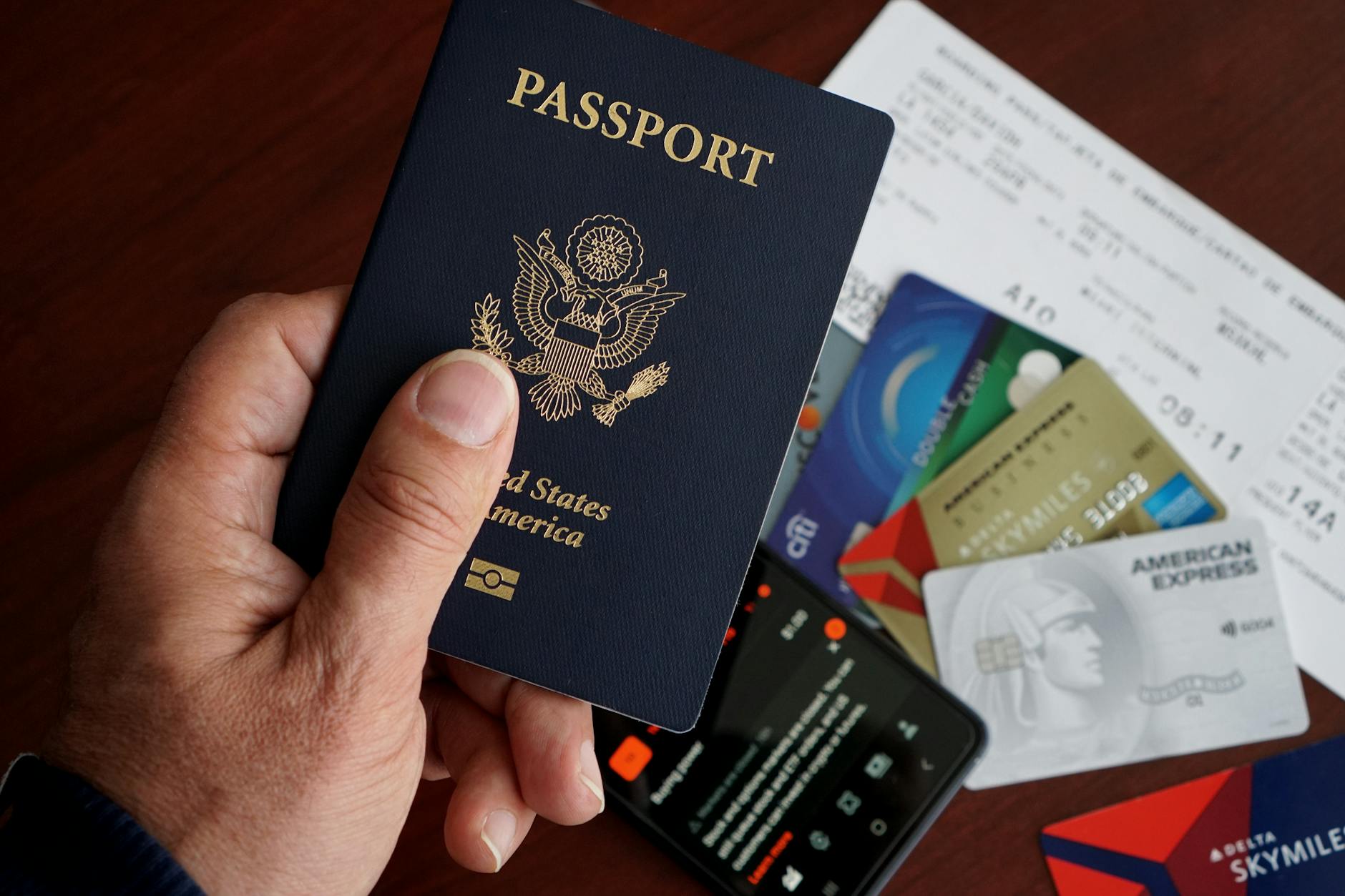
Kerää vahvistetut asiakirjat: poliisin todistus, syntymätodistukset, avioliittotodistukset tarvittaessa, kiinteistöjen omistuskirjat tai vuokrasopimukset ja todisteet varoista sijoitustodistuksista. Toimita käännökset muille kuin englanninkielisille kohteille, jotka on myöntänyt auktorisoitu kääntäjä. Säilytä online-kopiot nopeaa käyttöä varten.
Useimmat hakijat ovat päteviä, jos he täyttävät kolme ydinkriteeriä: puhdas rikosrekisteri, joka osoitetaan poliisitarkastuksilla, uskottava siirtosuunnitelma ja todennetut varat tai taloudellinen mahdollisuus sijoituksesta tai kiinteistön omistuksesta. Tulokset vaihtelevat maittain ja nykyisen politiikan mukaan suunnittelu- ja tarkastuskierrosten kautta. Virallisten portaalien kautta tehtävä tutkimus auttaa, ja käännösten tulisi olla valmiina online-lähetystä varten. Pidä todistukset ajan tasalla.
Todiste omistuksesta tai pitkäaikaisesta vuokrasuhteesta tukee vakautta siirtosuunnitelmassa ja asumistilannetta. Kiinteistöjen osalta sisällytä omistuskirjat tai vuokrasopimukset; sijoitusreitin osalta sisällytä viralliset lausunnot, jotka osoittavat pääoman saatavuuden. Dokumentaation tulee olla ajantasaista, johdonmukaista ja todennettavissa.
Asiakirjojen tarkistuslista
Valmisteltavat asiakirjat: poliisitodistukset; syntymä- ja avioliittotodistukset; passisivut; kiinteistöjen omistuskirjat tai vuokrasopimukset; sijoitustodistukset; pankkiviittaukset; auktorisoidut käännökset; kaikkien kohteiden on oltava sertifioituja ja niihin on liitettävä ytimekäs saatekirje. Säilytä kopiot verkossa ja paperimuodossa; varmista, että päivämäärät ovat ajantasaisia. Online-latausten tulee olla selkeitä, luettavia ja oikein skannattuja.
Lähetysvaiheet ja aikataulut
Lähetä online-portaalin kautta asiakirjojen latauksilla, taustatarkastuksilla ja haastatteluilla. Tulokset riippuvat poliisin ja virallisten tietokantojen kautta tapahtuvasta tarkistuksesta. Tšekin tasavallasta tai Uudesta-Seelannista tulevat hakijat saattavat kohdata ylimääräisiä tarkastuksia tai pyyntöjä lisädokumentaatiosta; etukäteen suunnittelu auttaa läpäisyssä. Käsittely kestää tyypillisesti 6-12 viikkoa, mikä vaihtelee työmäärän ja politiikan muutosten mukaan. Avoimet tilatarkistukset pitävät sinut ajan tasalla; ole valmis toimittamaan päivitettyä tai uutta dokumentaatiota pyydettäessä.
Luotettavien tietojen ja selkeän oleskeluluvan lisääminen lisää suotuisten tulosten mahdollisuuksia. Tutki virallisten lähteiden resursseja ja pidä kaikki materiaalit järjestyksessä siirtoprosessin yksinkertaistamiseksi. Jos viittaat tietoihin tai viittauksiin, suosi virallisia tietokantoja ja vältä Gettyä kelpoisuuden todisteena. Tullien tuntemus ja rajat ylittävä suunnittelu vahvistavat valmiutta tutkimuksen ja käytännön vaiheiden avulla.
Asiakirjojen tarkistuslista: passit, henkilöllisyystodistukset, käännökset ja notaarivahvistukset

Kokoa välittömästi passit, henkilöllisyystodistukset, käännökset ja notaarivahvistukset; tämä vaihe on ollut ehdoton ulkomailla tehtävissä hakemuksissa.
Viisi ydinasakirjaryhmää, jotka kattavat valmistelut: passit, henkilöllisyystodistukset, käännökset, notaarivahvistukset ja todisteet taloudellisista resursseista.
Passit: varmista, että voimassaoloaika on vähintään kuusi kuukautta suunnitellun oleskelun jälkeen; varmista, että vähintään kaksi tyhjää sivua; tee värikopiot tietosivusta ja myöntävästä viranomaisesta; säilytä alkuperäiset erillään kopioista.
Henkilöllisyystodistukset: sisällytä kansallinen henkilökortti ja ajokortti; varmista, että nimet, syntymäajat ja kirjoitusasut vastaavat passitietoja; tuo alkuperäiset sekä valokopiot.
Käännökset: hanki auktorisoidut käännökset kaikista muista kuin englanninkielisistä asiakirjoista; käännöksissä tulee olla kääntäjän nimi, leima, päivämäärä ja tarkkuusmerkintä; kirjoitusasun on vastattava alkuperäisiä, jopa lyhenteiden osalta.
Notaarivahvistukset: kerää notaarivahvistetut kopiot tarvittaessa; apostille-todistus saattaa olla tarpeen joillekin asiakirjoille; ota yhteyttä valtuutettuun notaariin, pyydä vahvistettuja kopioita ja varmista viranomaisten hyväksyntä.
Todiste tulosta ja taloudellisista resursseista: toimita pankkitiliotteet viimeiseltä kuudelta kuukaudelta, työnantajan kirjeet, palkkalaskelmat ja todisteet elinkustannuksiin tarkoitetuista varoista; jos asiakirjat ovat peräisin ulkomailta, osoita tulon lähde ja jatkuvuus; tulisi sisältää sekä alkuperäiset että vahvistetut kopiot.
Todiste asuinpaikasta: sähkölaskut hakijan nimellä, vuokrasopimukset, viranomaisten kirjeenvaihto; liitä käännökset tarvittaessa; varmista, että osoitetiedot vastaavat muita asiakirjoja.
Menetelmät ja säilytys: tallenna kopiot kahdessa muodossa (fyysinen ja digitaalinen); nimeä tiedostot selkeästi (Sukunimi_Asiakirjatyyppi_Päivämäärä); säilytä digitaaliset kopiot salatussa pilvessä vaihtoehtona; varmista kirjoitusasut kaikissa papereissa johdonmukaisuuden vuoksi; se auttaa tekemään hakemuksista sujuvampia.
Ukrainan konteksti ja vaihtoehdot: ukrainalaisten hakijoiden osalta valmistele lisäasiakirjoja tai -merkintöjä ja tutki yksinkertaistettuja reittejä tai vaihtoehtoista paikkaa sertifioinnille; käytä verkkosivustoa ja luotettavia lähteitä nykyisten vaatimusten osalta.
Kysymykset tulisi kirjata erilliseen tiedostoon; merkitse myöntävien viranomaisten ja suurlähetystöjen yhteystiedot; tämä tutkimusmerkintä auttaa muuttamaan Venäjälle sujuvammin ja vähentää edestakaisia tiedusteluja.