


Aloita Varpushaagalta aamunkoitteessa ja nappaa hehku, kun kaupunki herää ja joki peilaa ensimmäistä valoa; hetki, jolloin valo on kirkkaimmillaan, tapahtuu tyypillisesti 30 minuutin sisällä auringonnoususta. Tyynellä säällä valotukset kasvavat, kun auringon kulmat hipovat kupoleita, ja laajakulmainen kuva vangitsee siististi laajan horisontin. Pääsy on helppo jalankulkureittien verkoston kautta, ja halli ja näköalatasanteet houkuttelevat osallistujia, jotka etsivät selkeitä siluetteja. Pakkauksessasi tulisi olla asteittainen ND-suodin, jos kuvaat kirkkaana päivänä, ja jalusta voi auttaa vakauttamaan pitkiä varjoja.
Nouse Ostankinon tv-tornista hissillä näköalatasanteelle; huippu on avoinna vierailijoille ja tarjoaa valokuvauksellisen näkymän, joka ulottuu pääkaupungin keskiakselin yli ja kauemmaksi. Siihen liittyvät säätilat ovat tärkeitä: selkeinä päivinä voit pidentää valotuksia, ja lasisissa käytävissä esitetty kaupunki tarjoaa vahvaa videomateriaalia. Suunnittele ikkuna auringonnousun tai -laskun ympärille, jolloin värit kyllästyvät, ja tarkista lippujen aukioloajat etukäteen varmistaaksesi pääsyn.
Toinen klassinen näköalapaikka on joen yläpuolella oleva näköalapaikka, jossa maa viettää loivasti ja useat polut hahmottelevat reittejä puiston hallimaisen promenadin reunalle. Värit kukkivat ja maisema näyttää valokuvaukselliselta kaukaa, kun kirkot täplittävät horisonttia ja joki kiemurtelee kehyksen läpi. Kun kohdistat linssin tyynen tuulen kanssa, heijastuksista tulee luonnollinen peili, ja laajakulmakuvasi voivat vangita kaupungin yhtenäiseen, tiiviiseen sommitteluun, joka edustaa maisemaa siististi.
Keskustan rantakadulla kaupungin siluetti muuttuu sään mukaan; suunnittele useita reittejä vertaillaksesi, miten tornien kerrokset esitetään vaihtelevassa valossa. Väripaletti muuttuu teräksen sinisestä lämpimään kultaan, ja tyyni ilta tuottaa selkeämpiä heijastuksia veteen. Ota mukaan pienikokoinen kamera videoleikkeitä varten ja älypuhelin nopeita still-kuvia varten; kirkkojen ja katedraalien tornien valotuksista tulee pääkaupungin hehkun eläviä symboleja.
Kiitos.
Moskovan parhaat panoraamanäkymät
Aloita Varpushaagalta aamunkoitteessa; tämä tuottaa kaupungin laajimman panoraaman tänään, kun Kremlinin kupolit saavat ensimmäisen valon ja Moskvajoki leventää kehystä.
Vorobjovy Gory tarjoaa 261 metrin korkean niemekkeen, jossa on laaja näköala-alue, joka ulottuu joen laakson yli; tästä kohdasta katat keskustan alueet ja Kremlinin siluetin, ja paikka on edelleen saavutettavissa ilman lippua.
Ostankinon tv-torni tarjoaa korkeamman, 340 metrin näköalapaikan, joka ulottuu Moskovan yli. Näköalatasanne tarjoaa 360 asteen panoraaman pääkaupungista ja ympäröivästä maisemasta; aukioloajat ovat yleensä myöhäisestä aamusta iltaan, ja lippujen hinnat vaihtelevat satojen ruplien välillä.
Moscow City OKO -tornit tarjoavat erinomaisen 360 asteen panoraaman East Towerin näköalapaikalta 89. kerroksessa, noin 375 metrin korkeudessa. Kannella on rajoitettu вместимость, johon mahtuu muutama tusina vierailijaa per kierros; hissillä pääsee nopeasti ja pohjakerroksen aulassa on kahviloita ja lippukassoja.
Kolomenskojen puisto, Korauskirkon mäellä, tarjoaa maadoitetun panoraaman eteläisille alueille ja joen mutkaan; paikka sijaitsee museoiden ja historiallisen luostarialueen lähellä, mikä tarjoaa kontekstin kuvan ottamisen jälkeen.
Bolotnajan rantakatu ja läheinen Novodevitšin luostarialue tarjoavat toisen näkökulman keskustan kupoleihin ja siltoihin; tämä reitti sopii rauhallisempaan aamupäivän istuntoon ja yhdistyy kävelyyn alueen ympäri.
Sokolnikin alue tarjoaa kompaktin, helposti saavutettavan vaihtoehdon, jossa on loiva mäki ja puistopolkuja; osallistu aamunäkymään, kerro tarpeesi ja suunnittele reitti, joka ulottuu aulan ulkopuolelle, jossa kartat ovat esillä.
Varpushaaga (Vorobyovy Gory): parhaat näköalapaikat ja reitit auringonnousu- ja auringonlaskukuviin
Suuntaa vorobyovy goryn ylemmälle näköalaterassille auringonnousun aikaan; tämä näköalapaikka tuottaa hehkun joen ja kaukana olevien palatsien ylle, kun kaupunki herää vaaleassa valossa.
Lähimmät pääsypisteet ovat Universitetin ja Frunzenskayan asemat, joista on tasainen nousu mäen reunaa pitkin pääpaikalle.
Universitetista pitkät portaat kulkevat puiden läpi ja akatemian ohi saapuen hallimaiseen tasanteeseen, jossa joskus järjestetään erityistapahtumia. Tämä reitti luo siluetteja joen lähellä olevista luostareista ja kirkon kupoleista kaukaisella rannalla, mikä tarjoaa selkeän välähdyksen alla olevaan uima-altaaseen.
Marraskuun aamuina on vaalea ilma; aamunkoiton hehku laskeutuu joen mutkiin, kun goryn harjanne vorobyovy goryn varrella pysyy tunnistettavana siluettina. Jos kartoitat aluetta, هذا الاسم näkyy paikallisissa oppaissa ja kartoissa pääpolkujen lähellä.
Auringonlasku länsipuolella antaa lämpimämpiä sävyjä; seiso lähellä oikeanpuoleista kaidetta saadaksesi laajat näkymät ja dramaattisen kaupungin hehkun, joka heijastuu veteen. Iltahämärän valo on yleensä rikkaampaa, kun ilma on kuivaa, mikä tekee kuvasta erityisen.
Käytännön huomautuksia: ota mukaan jalusta, aloita laajalla linssillä joen mutkan kehystämiseksi ja vaihda sitten pidempään polttoväliin eristääksesi luostareiden lähellä olevat tornit. Jos olet uusi tässä paikassa, harkitse nopeaa opastusta paikallisilta valokuvaajilta tai valokuvausyrityksiltä, jotka toimivat akatemian lähellä.
Lisäksi ole tietoinen väkijoukoista lähellä olevalla sirkusalueella järjestettävien tapahtumien aikana; pääsy on edelleen kätevää lähimmiltä asemilta, ja ympäröivät rakennukset joen varrella tarjoavat runsaasti näköalapaikkoja tutkittavaksi. lähde: paikalliset oppaat korostavat, että marraskuun aamunkoitto ja iltahämärä tarjoavat voimakkaimman hehkun, ja harjoitukset ja kaupunkitapahtumat muokkaavat väkijoukon rytmiä.
Parhaat ajat Moskovan siluettikuvien ottamiseen: kultainen hetki, sininen hetki ja säätilat
Suositus: Kuvaa kaupungin siluetti kultaisen tunnin aikana Poklonnaja-kukkulalta tai Varpushaagalta maksimoidaksesi värin ja syvyyden. Kaukaiset kupolit ja jokilinja luovat monipuolisen panoraaman, joka ponnahtaa esiin yhdessä kehyksessä.
Ajoitusikkunat: kultainen hetki kestää noin 60 minuuttia auringonlaskun ympärillä; sininen hetki seuraa noin 20–40 minuuttia auringonlaskun jälkeen vuodenajasta riippuen. Loppukeväällä auringonlaskut tapahtuvat noin klo 21.00–21.30; talvella noin klo 16.15–16.45. Parhaimpina päivinä valokulma pyyhkäisee pehmeästi kartanoita ja historiallisia kortteleita tuottaen hienovaraisia gradientteja panoraaman poikki.
Säähuomautuksia: raikas ilma tuottaa teräviä reunoja; kirkas taivas tuottaa rohkeita siluetteja, kun taas kevyt usva lisää uima-hehkuja, kun kosteus on kohtalaista. Saastuneet päivät luovat lämpimämpiä sävyjä joen lähellä, kun taas tuuliset illat voivat horjuttaa jalustan vakautta; käytä siinä tapauksessa raskaampaa kokoonpanoa. Jos pilvet pitävät vaaleanpunaisia sävyjä auringonlaskun jälkeen, odota muutama minuutti, että sininen hetki voimistuu, erityisesti joen tarkkailupisteiden lähellä.
Varustevinkkejä: käytä jalustaa, kaukolaukaisinta tai ajastinta ja kuvaa RAW-muodossa; haarukoi valotukset vangitaksesi yksityiskohdat sekä taivaalta että kaupungista; aloita ISO 100–200:lla, aukko noin f/8–f/11; vaihtele polttoväliä laajasta keskipitkään korostaaksesi kulmaa, joka sisältää kaukaisia elementtejä. Suojaa linssit roiskeilta pitämällä hiha tai mikrokuitu käden ulottuvilla.
Jokivarsireitit tuottavat vaihtelevia näköalapaikkoja; tämän vaihtoehdon avulla voit verrata kulmia. Sunnuntaina arseny Akatemia tarjoaa säännöllisesti opastettuja valokuvakävelyitä; ne, jotka uskaltavat kokeilla uusia kulmia, saavat havainnointimahdollisuuksia, ja voit seurata jokipolkua kohti panoraamaa, joka sisältää historiallisia kartanoita ja moderneja torneja. Jos haluat terävöittää taitojasi, nämä istunnot auttavat.
Ruuhkaisten istuntojen aikana pysy merkityillä poluilla, pidä etäisyyttä ihmisiin ja varmista varusteet; ota aina vesipullo mukaan. Jos kävelet rantakatuja pitkin, noudata julkaistuja sääntöjä ja turvallisuusohjeita ja tarkkaile katuvalojen ja kaukaisten siluettien luomia herkkiä linjoja.
Kulmat ja sommittelut: siluetin kehystäminen joen rannoilta, silloilta ja kukkuloilta
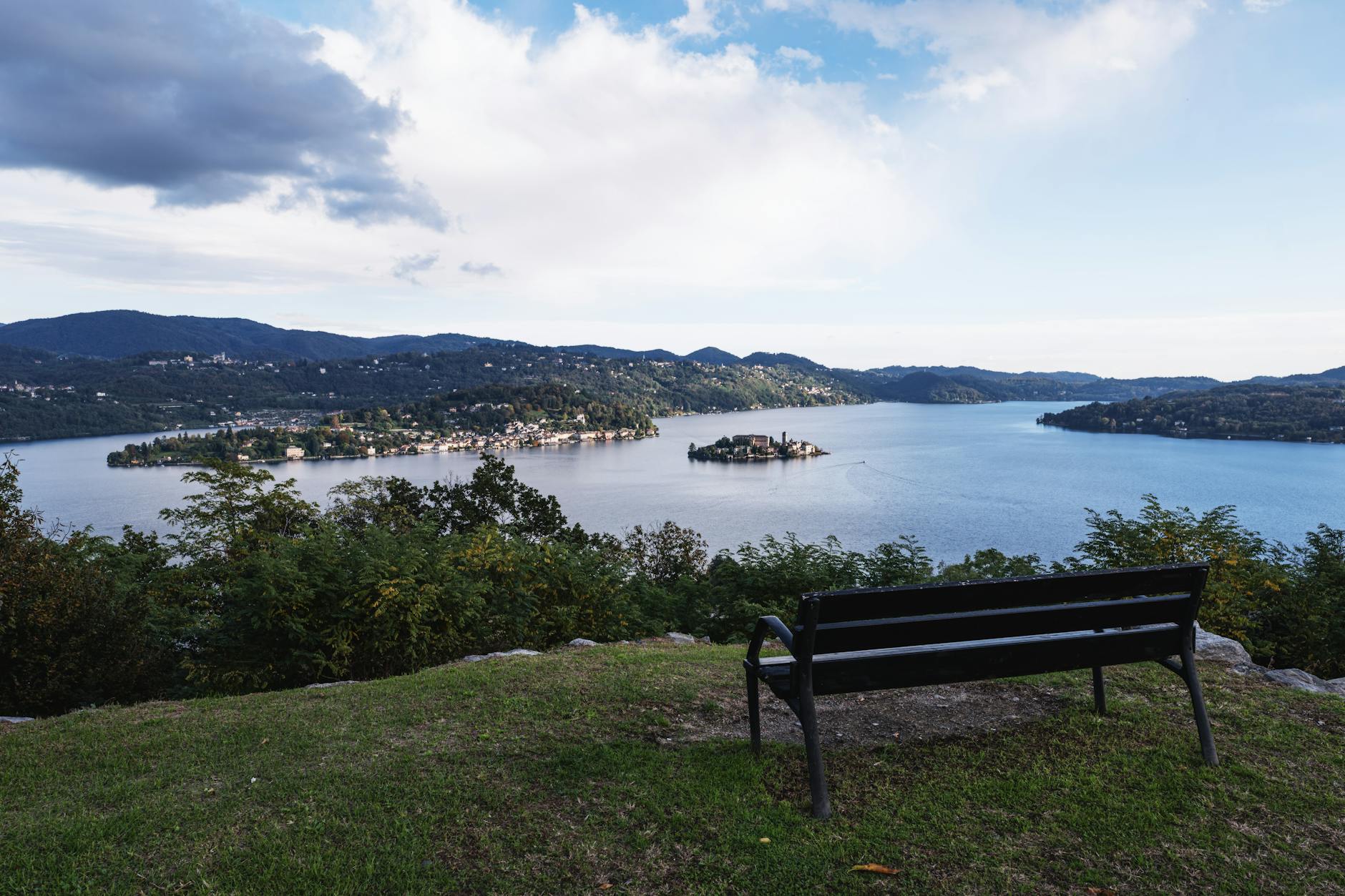
Asetu joen rannalle kultaisen tunnin aikana, käytä laajakulmalinssiä ja lukitse heijastava kuva, joka sisältää vettä ja taivasta, mikä tuottaa dramaattisen kehyksen.
- Joenrantakehystys: valitse matala kulma laituria pitkin, anna veden heijastusten täyttää alempi kolmannes, pidä rakennusten siluetit keskellä ja tarkkaile, miten valo muuttuu julkisivuja pitkin. Lyhyet valotukset jäädyttävät aallot; vaihda pidempään valotukseen sinisen tunnin aikana hehkun parantamiseksi. Ota mukaan pienikokoinen jalusta; tämä hyvä kokoonpano auttaa vakautta tuulessa ja pitää sinut valmiina vaihtamaan sommittelujen välillä. Tämä perinne vaatii kärsivällisyyttä.
- Siltanäkymä: etsi kulmia, joissa sillan kaaret kehystävät siluetin; kohdista kaiteiden linjat kohti korkeimpia torneja; kuvaa pystysuunnassa korkeuden korostamiseksi; muutamien veneiden tai jalankulkijoiden sisällyttäminen lisää inhimillistä mittakaavaa. He pysyvät kärsivällisinä, kunnes väkijoukko harvenee; vältä kaiteella tungeksivia hölmöjä; syytä huomata, kun aurinko laskee tornien taakse.
- Kukkulastrategia: kukkulalta saat luonnollisen etualan; sisällytä puurivit tai penkki syvyyden lisäämiseksi; tähtää f/8–f/11:een pitääksesi lähellä ja kaukana olevat elementit terävinä; käytä pienempää aukkoa säilyttääksesi kaukaiset tornit; tämä asento palkitsee huomiosi kerrostamiseen ja tilalliseen rytmiin.
Sommittelun rytmi: noudata muutamia erityisiä periaatteita, mutta pysy joustavana. Käytä johtavia linjoja joen rannoilta tai sillan jänneväleiltä; kehystä rakennus pystysuoraksi ankkuriksi; harkitse kehys-kehyksessä-kehystä käyttämällä ikkunoita tai kaaria. Ne auttavat korostamaan muotoa, kun taas ympäristö tarjoaa kontekstin, mukaan lukien palmira-alue, asuinkorttelit ja muut yksityiskohdat, jotka antavat mittakaavan.
Valo ja ajoitus: sininen hetki tai kultainen hetki tuovat tunnelmaa ja väriä. Suunnittele useita ajoja, koska valo muuttuu nopeasti. Monikerroksiset kuvat, joissa on useita valotuksia, auttavat vangitsemaan dynaamisia alueita; tämä on hyödyllistä, kun jaat materiaalia internetissä tai viihtyisissä gallerioissa. Lyhyet säädöt kuvauksen aikana pitävät sinut hallinnassa; menetät hetken, voit palautua jälkikäteen, mutta pyri vangitsemaan ydintunnelma livenä.
Käytännön vinkkejä: Kevyen jalustan, pienen laukun ja vara-akun mukana tuominen varmistaa, että pysyt virrassa; liiku paikkojen välillä verrataksesi näkökulmia – joen rantoja, siltoja ja kukkuloita. Voit nauttia lyhyestä sarjasta, joka esittelee erilaisia kulmia; tästä voi tulla hyvää materiaalia alueprofiilissa tai online-artikkelissa. Tuo itsellesi rytmin ja rauhan tunne – läheinen musiikillinen katutunnelma voi lisätä tunnelmaa häiritsemättä linjaa ja valoa; ympäristön tietoisuus auttaa sinua kunnioittamaan muita, mukaan lukien asukkaat ja vierailijat.
Moscow City ja OKO-torni: pääsy, ajoitukset ja turvallisuusvinkkejä kattopanoraamoihin
Varaa aamupäivän aika verkossa ja saavu 15 minuuttia aikaisemmin varmistaaksesi parhaan sijainnin ja puhtaan kehystyksen, maksimoiden valon ja minimoiden väkijoukot; se on käytännöllinen alku ja asettaa tahdin vierailulle.
Pääsy alkaa Moscow City -kompleksin aulasta; turvatarkastus edeltää matkaa suurnopeushisseillä OKO-tornin tarkkailupodiumille; kannelle pääsyyn vaaditaan voimassa oleva lippu tai passi, ilman sitä sisäänpääsy pysähtyy aulaan.
Ajoitukset ja pääsyikkunat vaihtelevat vuodenajan mukaan; vuonna 2025 ne ovat yleensä klo 10.00–22.00, viimeinen nousu noin klo 21.30; tarkista viralliselta sivulta nykyinen aikataulu. Jos haluat vierailla uudelleen, aamut ovat edelleen mukavinta aikaa.
Turvallisuusvinkkejä: käytä mukavia kenkiä, pukeudu tuuleen, ota mukaan kevyt takki ja vettä, pidä kädet näkyvissä, pidä kiinni varusteistasi; pysy puuskissa kaiteiden takana ja vältä nojaamasta lasiin; valokuvausta jalustalla voidaan rajoittaa; lapsia on valvottava; laukut voidaan tarkistaa. Kansi tarjoaa selkeät näkölinjat ja luotettavat turvallisuusvalvontatoimenpiteet.
Valokuvaus- ja kehystysvinkkejä: pyri sisällyttämään kuvaan sekä Moscow Cityn että OKO:n siluetti; kannella on useita näköalapaikkoja ja läheiset paviljongit voivat lisätä syvyyttä; jos haluat dokumentoida kaupunkimuutoksia, voit seurata kehitystä niiden edetessä; venäläisten yliopistojen tutkijat analysoivat usein panoraamoja, ja palmira-studiot osallistuivat opasteiden asetteluun ohjaamaan huomiota jotenkin; sisällytä läheisiä rakennuksia mittakaavan välittämiseksi.
Huomio: tuulet korkealla voivat yllättää; siluetti sisältää raketin kaltaisen siluetin OKO:ssa; joitain läheisiä julkisivuja tuhoutui menneissä myrskyissä; noudata aina julkaistuja ohjeita ja pysy esteiden sisällä; jos olosuhteet huononevat, osiot voidaan sulkea väliaikaisesti; jotkut laatat muistavat kaupungin virstanpylväitä.
Muista ja tutki: tämä näköalapaikka tukee huomiota kaupungin virstanpylväisiin; venäläiset yliopistot ja tutkijat tutkivat kaupunkien kasvua useista näkökulmista rikastuttaen vierailuja kontekstilla ja tiedoilla.
Zaryadye-puisto ja Kremlinin joenranta: käytännöllisiä paikkoja ja sommitteluideoita
Vieraile Zaryadye-puiston joenrantaterassilla ensimmäisessä valossa varmistaaksesi laajan, dramaattisen näkymän, joka yhdistää joen virtauksen Kremlinin siluetteihin. Tämä siirto rakentaa itsellesi vankan aloitusäänisanaston kaupunkikuvaustutkimuksissa ja tuottaa vaikuttavan peruslinjan, joka tukee myöhempiä kuvia.
Puiston reunalta saat laajan näköalapaikan joen ja historiallisen keskustan ylle. Kultaisen tunnin valaistus pyöristää kivisen rantapenkereen ja lisää väriä tiilitorneihin.
Suunnittele kompakti kierros, joka yhdistää Zaryadyen ja joenrannan valinnaisella jatkeella Kolomenskojeen mittakaavojen vertaamiseksi. Vaihtelevia aiheita, kuten arkkitehtuuria, veden tekstuuria, katuelämää ja heijastuksia, voidaan jäljittää kävellessäsi.
Sommitteluideoita: kohdista joki vinosti käyttämällä leveää linssiä; pidä horisontti ylemmässä kolmanneksessa; sijoita kiviseinät tai puun siluetit etualalle. Käänny joen mukana välittääksesi liikettä; uskalla kuvata alemmista kulmista paljastaaksesi muinaisen kiven ja modernin lasin välisen kontrastin. Kun valo muuttuu, säädä ISO ja suljin säilyttääksesi tekstuurin, ja olet tyytyväinen monipuoliseen valokuvakokoelmaan.
Jos haluat, varaa lyhyt istunto paikallisen valokuvaajan kanssa keskustellaksesi aiheista, tahdista ja sommittelusta; se miellyttää osallistujia ja tuottaa valokuvia, jotka ovat valmiita jaettavaksi verkossa internetin kautta.
Suosittele reitin suunnittelua muutamien käytännöllisten paikkojen ympärille joen rannalla: aloita Zaryadye-puiston terassilta, kävele sitten kivistä laituria pitkin kohti Kremlinin rantaa ja lopuksi kierrä rantakadun läpi lähellä katukeittiökioskeja saadaksesi avoimia kohtauksia ja ihmisen mittakaavan kehyksiä.
| Alue | Sommitteluidea | Ihanteellinen valo | Huomautuksia |
| Zaryadye-puiston terassi | Kaiteen reuna kehystämään jokilinjaa Kremlinin kanssa takana; etualan tekstuurit kivestä ja lasipaneeleista | Kultainen hetki tai sininen hetki | Ota mukaan pienikokoinen linssi; tarkkaile väkijoukkoja, jotka saattavat kiertää reunaa |
| Kremlinin joenrantapenger (lähellä Bolshoy Kamenny -siltaa) | Diagonaaliset johtavat jokilinja; sisällytä kivinen laituri ja satunnaiset veneet mittakaavan vuoksi | Sininen hetki tai varhainen aamu | Ole tietoinen jalankulkijoista; ajoita kuvasi heijastusten vangitsemiseksi |
| Kolomenskojen näköalapaikka (etäisyysvaihtoehto) | Pitkän matkan panoraama, jossa joki on johtava linja; pakkaa tornit veden yli käyttämällä teleobjektiivia | Auringonlaskun hehku | Suunnittele päivä julkisilla kulkuneuvoilla; vertaa aiheita eri mittakaavoissa |
| Joenranta lähellä ruoka- ja keittiökioskeja | Ihmisten liike ja avoimet osallistujat laituria pitkin; käytä hitaampaa suljinta liikkeen välittämiseksi | Illan neonhehku | Etsi mahdollisuus muokata paikan päällä; huomioi väkijoukon kapasiteetti |


