
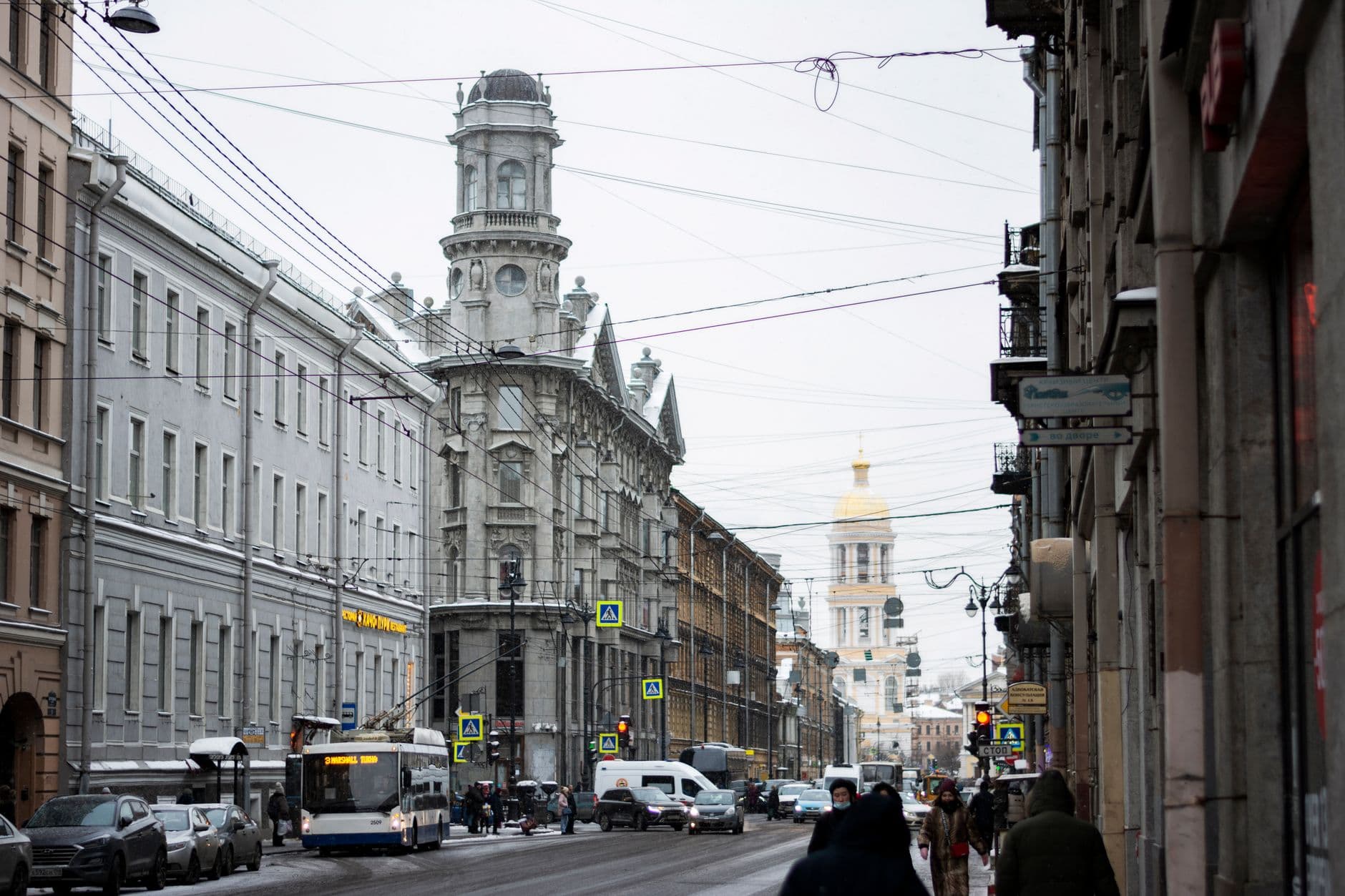

Sovelluspohjaiset varaukset avaavat edullisimmat liput ja reaaliaikaiset etäisyydet, joten suunnittele reitit ennen kotoa lähtöä. Venäjällä vieraileville tämä lähestymistapa nopeuttaa matkoja Pietarien ja alueellisten keskusten välillä, samalla kun hyvitysvaihtoehdot pidetään selvästi näkyvissä. Erinomainen verkon kattavuus kaupungeissa varmistaa luotettavat yhteydet.
Etäisyydet suurimpien keskusten välillä ovat noin 635 km rautateitse, ja suurnopeusradat tarjoavat 3,5-4 tunnin matkan. Yöjunat tarjoavat lisäsäästöjä, kun taas päiväsaikaiset vaihtoehdot antavat sinun saapua levänneenä. Sovelluspohjaiset alustat näyttävät saatavuuden reaaliajassa ja luetteloivat odotetut ajat, lipputyypin ja valinnaiset lisävarusteet.
Edullisimmat hinnat näkyvät, kun varaat aikaisin, valitset turistiluokan paikat tai valitset makuuvaunut sesonkiaikojen ulkopuolella. Jotkut vaihtoehdot sisältävät pidempiä matkasuunnitelmia, jotka yhdistävät useita osuuksia yhdeksi kierrokseksi rikkaamman kokemuksen saamiseksi, erityisesti Venäjän kulttuuriperintöalueilla ja rannoilla. Ominaisuudet, kuten mukavat makuupaikat ja hiljaiset vaunut, voivat parantaa mukavuutta pidemmillä matkoilla.
Hyvityssäännöt vaihtelevat operaattorin mukaan; mahdollisesti voit peruuttaa 24-48 tunnin sisällä saadaksesi osittaisen tai täyden hyvityksen. Etsi lippuja, joissa on hyvitettäviä ominaisuuksia ja joustavia päivämääränmuutosvaihtoehtoja, ja varmista, että sovelluspohjainen lompakkosi tukee hyvityksiä alkuperäiselle maksutavalle.
Pitkien matkojen lisäksi paikallinen liikenne Venäjän kaupungeissa käyttää integroitua lipunmyyntiä, joka kattaa metro-, bussi- ja raitiovaunupalvelut, mikä yksinkertaistaa lyhyitä matkoja kaupunkien laitamailta keskustoihin. Saatavilla olevat liput virtaviivaistavat kierrosta museoiden, markkinoiden ja arkkitehtonisten rakennusten läpi, kun taas hälytysominaisuudet pitävät sinut ajan tasalla viivästyksistä tai palveluiden keskeytyksistä.
Lopputulos: suunnittele sovelluspohjaisilla työkaluilla, vertaa vaihtoehtoja ja pidä silmällä etäisyyksiä ja lippujen ominaisuuksia maksimoidaksesi arvon - erityisesti vieraillessasi Pietareissa ja muissa Venäjän keskuksissa.
Kaupunkiliikenteen kustannukset ja maksutavat suurimmissa kaupungeissa
Osta kaupungin laajuinen älykortti ennen ensimmäistä matkaasi säästääksesi rahaa ja nopeuttaaksesi kyytiin nousua. Kortit, kuten Troika (Moskova), Podorozhnik (Pietari) tai alueelliset vastineet, tarjoavat automaattisen latauksen, saldon seurannan ja siirrot metron, bussien ja raitiovaunujen välillä kaupungin sääntöjen mukaan.
Kustannuskuvaus kaupungeittain (karkeat alueet):
- Moskova: yksittäinen matka 60-70 ruplaa; 24 tunnin yläraja noin 250-300 ruplaa; siirrot 90 minuutin sisällä; lipun haltijat matkustavat halvemmalla kuin per matka maksavat, mikä on selvä etu. Maksu lähimaksukorteilla tai mobiililompakoilla on laajalti tuettu; käyttämättömien saldojen hyvitykset käsitellään virallisen sovelluksen kautta tai lippukassoilla; peruutusehtoja on saatavilla monissa tapauksissa; ruuhkaiset keskusta-alueet vaativat nopeaa navigointia; raitiovaunut ja bussit laajentavat pääsyä syrjäisiin ympäristöihin; joitain vanhoja busseja on edelleen käytössä, mikä tarjoaa enemmän vaihtoehtoja matkoille ympäri kaupunkia.
- Pietari: yksittäinen matka 60-70 ruplaa; päivälippu 200-280 ruplaa; Podorozhnik tuettu yhdessä lähimaksun kanssa; saldoa voidaan seurata sovelluksessa; käyttämättömien varojen hyvitykset; peruutusaika vaihtelee korttityypin mukaan; rannikkoreitit tarjoavat maisemallisia ympäristöjä työmatkoilla; jotkut matkat ovat lyhyitä hyppyjä keskustaan tai pitkin, jota pitkin ohitat monia museoita.
- Kazan: yksittäinen matka 28-46 ruplaa; päivälippu 150-230 ruplaa; älykortit ja mobiililompakot laajalti tuettu; saldon seuranta kätevää; käyttämättömien matkojen hyvitykset; keskustan reitit voivat olla ruuhkaisia sesonkiaikana; keskustan navigointi auttaa matkailijoita, kun taas laitamilla on halvempia vaihtoehtoja.
- Novosibirsk: yksittäinen matka 28-50 ruplaa; päivälippu 120-200 ruplaa; bussit, raitiovaunut ja kompakti metromainen verkko; lähimaksut hyväksytään; saldon seuranta sovelluksessa; käyttämättömien osien hyvitykset; keskusta-alueen matkat ovat yleensä ruuhkaisia; mutta ulommat reitit auttavat pitämään istuimet vapaina ja navigoinnin sujuvana.
- Jekaterinburg: yksittäinen matka 30-50 ruplaa; päivälippu 150-230 ruplaa; korttipohjainen järjestelmä, jossa on lataus- ja mobiililompakkotuki; hyvitykset ja peruutukset sovelluksen kautta; keskeisillä käytävillä on paljon jalankulkijoita; raitiovaunut tarjoavat näkymiä teollisuusympäristöihin.
- Sotši (rannikkokeskus): yksittäinen matka 25-60 ruplaa; päivälippu 140-220 ruplaa; kausihinnoittelua voidaan soveltaa; kausiluonteiset mukautukset toimivat kysynnän mukaan; lähimaksut ja kortit laajalti hyväksytty; saldoa voidaan seurata; hyvitykset saatavilla; etikettiohjeita sovelletaan busseihin ja raitiovaunuihin sesonkiaikojen ruuhkien aikana; upeat rannikkomaisemat seuraavat monia matkoja.
Maksutavat
- Kaupungin laajuiset kortit: Troika, Podorozhnik ja alueelliset vastineet. Saatavilla metroasemilla tai virallisissa kioskeissa; lataa verkossa tai terminaaleissa; hyvitykset tai peruutukset hallitaan sovelluksen tai tiskin kautta; viisas valinta usein matkustaville; saldon seuranta pitää sinut ajan tasalla.
- Lähimaksut: napauta matkustaaksesi Apple Paylla, Google Paylla tai pankkikorteilla; laajalti tuettu metroissa, raitiovaunuissa ja busseissa; varmista, että laitteesi on käytössä ennen kyytiin nousua.
- Mobiilisovellukset ja valmiiksi käännetyt vaihtoehdot: viralliset kaupunkisovellukset tarjoavat nopeita latauksia, reaaliaikaista seurantaa ja chat-tukivaihtoehdon; valmiiksi käännetyt käyttöliittymät auttavat matkailijoita hallitsemaan navigointia ja maksuja ilman kielimuuria.
- Käteisen hyväksyminen: rajoitettu tietyillä reiteillä tai ajoneuvoissa; pidä pieniä seteleitä varalla; digitaaliset menetelmät ovat edelleen nopeampia ja turvallisempia pidemmillä matkoilla.
Etiketti ja käytännön vinkkejä
- Jonota asianmukaisesti; anna poistuvien matkustajien poistua ennen kyytiin nousua; pidä ruuhkaisissa osastoissa käytävät vapaina ja tarjoa istuimia vanhuksille tai matkustajille, joilla on liikuntarajoitteita.
- Pidä tavarat näkyvissä; kultainen sääntö on pitää tilat mukavina muille; vältä kovaäänisiä keskusteluja; käytä kuulokkeita medialle.
- Navigointiapuvälineet: käytä virallisia sovelluksia reaaliaikaisiin päivityksiin ja valmiiksi käännettyihin valikoihin; chat-tuki voi vahvistaa siirtoajat tai hintaluokat.
- Hintaluokat: vakio, opiskelija, lapsi, eläkeläiset. Vahvista kaikki henkilöllisyystodistusvaatimukset ennen kyytiin nousua tai latausta; kaupungista riippuen opiskelijakortteja tai passeja voidaan tarvita.
- Tunne olosi turvalliseksi: hyvitykset ja peruutukset tulisi käsitellä virallisten kanavien kautta; suojaa henkilötietoja äläkä koskaan paljasta PIN-koodeja tai koodeja.
- Raitiovaunut ja keskustan matkat: ruuhkaiset olosuhteet vaikuttavat virtaukseen; suunnittele reitit pidemmillä matka-ajoilla ruuhka-aikoina; harkitse etäisyyttä ympäröivään keskustaan minimoidaksesi siirrot.
- Matkailijat voivat nauttia upeista reiteistä rannikkokeskuksissa, kuten Sotšissa; navigointi ja chat-tuki helpottavat matkojen varaamista tai säätämistä lennossa.
Junamatkailu ympäri maata: aikataulut, luokat ja varausvinkkejä
Varaa pitkän matkan junat hyvissä ajoin sovelluspohjaisten järjestelmien kautta varmistaaksesi paikan valitussa luokassa ja minimoidaksesi peruutuksen riskin.
Keskeiset reitit säteilevät suurimpien keskusten välillä; Moskova-Pietari-linjalla on tiheät lähdöt, ja ajat ovat noin 3h40m suurnopeusjunissa Sapsan ja 6-9 tuntia perinteisillä reiteillä. Kalustoon kuuluvat Sapsan, Lastochka, Strizh suosituilla käytävillä.
Valitse mukavista vaihtoehdoista: ensimmäisen luokan osastot, toisen luokan istuimet tai salonkitila makuuvaunuissa; monet matkat tarjoavat myös erillisen hiljaisen vaunun.
Suosi virallisia alustoja ja sovelluspohjaista varausta; valitse hinnat, joissa on joustavuutta ja kattavat ehdot, jotka sisältävät peruutusehdot ja mahdollistavat muutokset valitussa ajassa varauksen jälkeen.
Mustat yöreitit antavat sinun saapua levänneenä; makuuvaunut tarjoavat osastoja, joissa on pienet vuodepaikat ja näkymät maaseudulle, välttäen päiväsaikaista väsymystä.
Halpoja matkoja varten valitse valitut reitit ruuhka-aikojen ulkopuolella; arkipäivien lähdöt ovat usein halvempia, erityisesti muilla kuin suurnopeuslinjoilla. Kultainen sääntö: varaa etukäteen lukitaksesi halvemmat hinnat, vertaa vain vaihtoehtoja.
Mukavat istuimet ja sovelluspohjainen chat-tuki auttavat sinua säätämään vaihtoehtoja; automaattiset kuulutukset pitävät sinut ajan tasalla, kun liikut laiturien ja salonkialueiden välillä. Sovellus näyttää reaaliaikaiset viivepäivitykset.
Viimeisen mailin liikkuvuutta varten käytä metroyhteyksiä keskuksiin; kyytipalvelut, kuten Uber, ovat yleisiä monissa kaupungeissa, ja niissä on nimettyjä pysähdyspaikkoja ja nopeita noutoalueita kaupungin rajojen sisällä. Jotkut sovellukset linkittyvät Uberiin viimeistä osuutta varten.
Peruutussäännöt vaihtelevat hintaluokan mukaan; etsi kattavia käytäntöjä, jotka mahdollistavat osittaiset hyvitykset lyhyen ajan kuluttua muutosten varalta.
Saavu 15 minuuttia ennen kyytiin nousua, tarkista linjanumerot aseman tauluilta ja luota sovellushälytyksiin sujuvien yhteyksien luomiseksi.
Varmuuden vuoksi pidä valokuva lipustasi.


