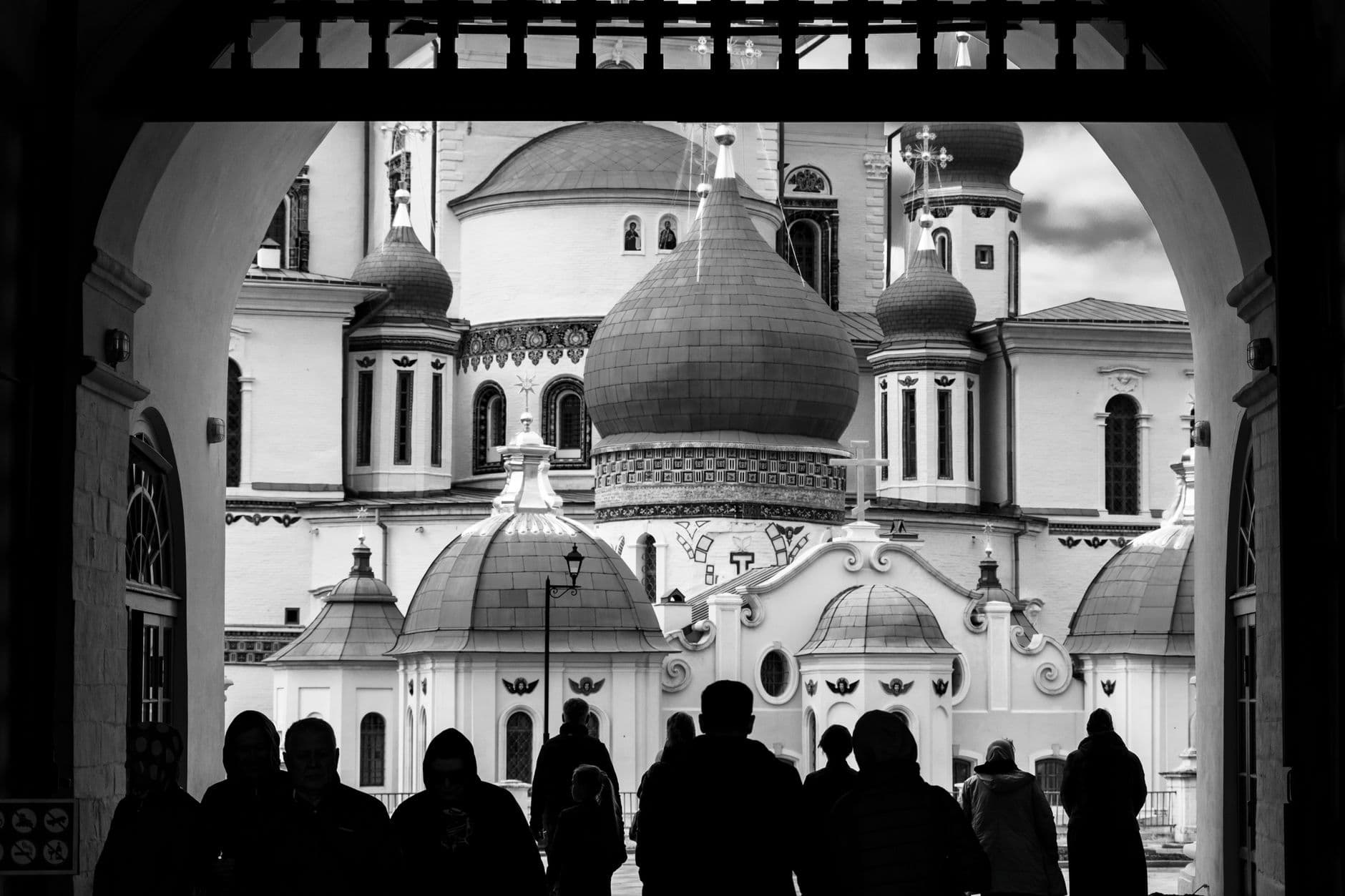
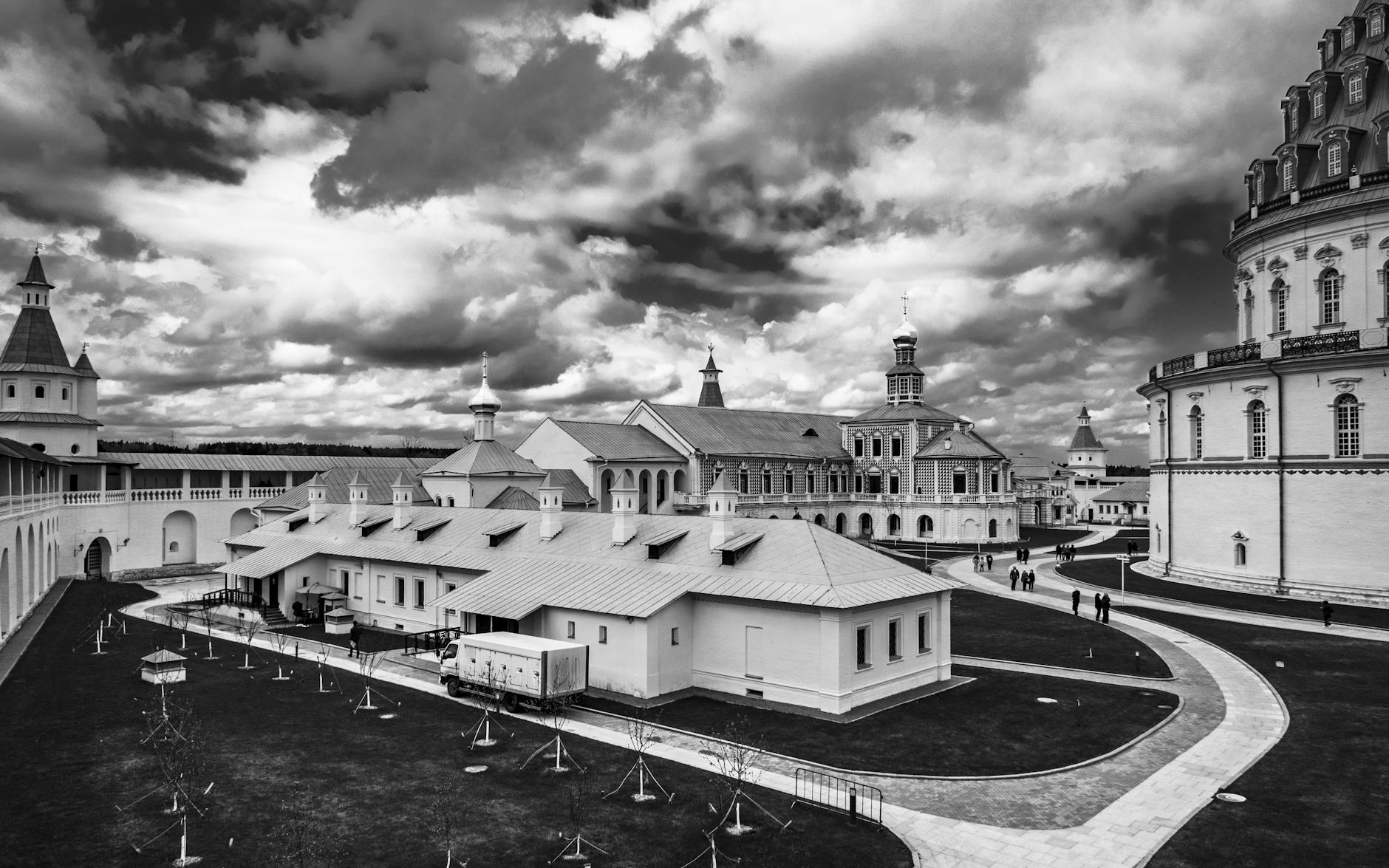
Tervezzen egy célzott ünnepi útvonalat: kezdje a városközpontban, és kövessen egy szűk útvonalat öt kolostorhoz, ahol minden megállónál gyűjthet ajándéktárgyakat és jegyzeteket. A séta kiemeli a szerkezetet és azt, ahogyan egyetlen komplexum képes egyesíteni a rituális teret a lakónegyedekkel.
Minden komplexum megőrzi a szándékos szerkezetet és a rétegzett kronológiát; az eredet a 15. századra nyúlik vissza, a kő és a tégla évszázadok során fejlődött. Néhány kolostor sztavropegialis státusszal rendelkezik, míg egy nekropolisz a területen belül található, a téglában és a mészben rögzítve az emlékezetet.
Az útvonal közepén csendes elmélkedésre és közösségi rituálékra tervezett terekkel találkozhat; harcos hercegek és tiszteletreméltó írnokok történetei visszhangoznak a faragott domborműveken és freskótöredékeken, arra ösztönözve, hogy álljon meg és hallgasson, miközben a galériák között mozog.
Rubljovnak tulajdonított ikonok díszítenek több templomot az úton, és az napéjegyenlőség fénye a kupolákat és a tornyokat finom liturgikus ragyogássá változtathatja, amely a nappal együtt változik. Ez a megvilágítás fokozza a hang, a textúra és a történelem hosszú ívének érzékelését, amely minden csarnokban megtalálható.
A Baszmannajától a Goncsari utcák felé a séta egy olyan állomás felé halad, ahol a nap lelassul egy kis szünetre. Egy közeli pékség sütiket kínál, egy egyszerű ünnepi frissítőt, amely kézzelfogható helyérzettel és lehetőséggel jár, hogy emlékezzen a pillanatra, mielőtt visszatérne a központi utcákon.
Feltételezhetően ez az útvonal életre kelne minden utazó számára, aki lassan mozog, elolvassa a feliratokat, és a fény óráját használja a tempó irányítására. Többel távozna, mint fényképekkel - talán egy kis emléktárggyal vagy egy csendes érzéssel, hogy a történelem még mindig előrehalad a téglában, a habarcsban és a történetekben, amelyek a jelenhez kötik.
Pillantás az ókori Oroszországra: Moszkva kolostorai és katedrálisai - Gyakorlati útmutató
Kezdje hétfőn a Tverszkaja téren, és sétáljon egy kompakt hurkot Moszkva történelmi magján keresztül, összekötve két fő részt: a Danilov kolostorkomplexumot és a Kreml katedrálisait. Ez a közvetlen útvonal kiemeli a műemlékeket és az orosz szellemi örökség legjobb darabjait, miközben minimalizálja a visszakövetést.
Okos útvonalterv
Kezdje a Tverszkaja állomás kijáratánál, majd induljon a Katedrális-domb felé, hogy elérje a Mennybemenetel katedrálist a Katedrális téren. A látogatás után tegyen egy rövid utat a Danilov kolostorba, hogy közelebbről megvizsgálja a városi szövetben megőrzött szerzetesi életet.
A sorrend tiszteletben tartja az időket: tervezzen 4-5 órát a központi körre; akár gyalog, akár metrókapcsolatokat használ, a legtöbb évszakban befejezheti szürkület előtt.
Főbb helyszínek és amire figyelni kell
Danilov kolostor - 1282-ben alapította Moszkvai Dániel; ötvözi a vallási gyakorlatot az adminisztratív funkciókkal, és egy kincstárat tartalmaz, amely Moszkva örökségéhez kapcsolódó tárgyakat mutat be. A helyszínt az uralkodók által kiadott rendeletek alakították; egy idegenvezető elmagyarázhatja a kapcsolatot a közeli bankkal és a polgári intézményekkel.
Mennybemenetel (dormition) katedrális a Katedrális téren - központi szerepet játszik Moszkva szellemi történetében; keresse az ikonosztázt és a koronázással kapcsolatos feliratokat. A helyszínen található egy kis múzeum és egy legenda egy harcos szoborról, amely a bejáratot őrzi (megjegyzés: a szobor helye évenként változik).
Novogyevicsi kolostor - történelmi, erődítményszerű együttes a város szloboda szélén; 1524-ben alapították; falain belül örmény kápolna található, a környező park pedig nyugodt ellentétet biztosít a város nyüzsgéséhez. A terület kulcsfontosságú műemlék és UNESCO-helyszín, ünnepi kapui pedig az évek során számos királyi eseménynek voltak tanúi.
Simonov kolostor - folyóparti környezet magas harangtoronnyal és ikongalériával; kiváló példa arra, hogyan alkalmazkodott az orosz vallási élet a városi növekedéshez.
Andronikov kolostor - Moszkva irodalmi kultúrájához kapcsolódik; a helyszínen gyakran rendeznek kiállításokat és egy kis múzeumot, ahol az idegenvezetők az Andrej-korszak krónikáiról és a várost alakító történelmi személyiségekről mesélnek.
Gyakorlati tippek
Az átváltozás és más ikonográfiai programok néha galériákban vagy kápolnákban láthatók; ellenőrizze a napi időpontokat, és hogy vannak-e szertartások a látogatásakor.
Öltözzön visszafogottan a belső terekhez; a fényképezési szabályok számos kápolnában érvényesek; hozzon magával térképet a dombmászásokhoz és a metróállomásokhoz vezető hátsó útvonalakhoz.
A nyitvatartási idő évszakonként és helyszínenként változik; a naptári évben egyes helyszínek bizonyos napokon korábban nyitnak vagy zárnak; az aktuális évi naptárak a hivatalos oldalakon jelennek meg.
A közeli látnivalók közé tartozik egy kis mecset és egy örmény templom, amelyek Moszkva sokszínű vallási történelmét illusztrálják; egy rövid séta a Tverszkaja körüli mellékutcákon feltárhat egy banképületet és adminisztratív irodákat, amelyek egykor a város intézményeit támogatták.
Hasznos helyi idegenvezetőt, Andrejt bérelni, hogy mélyebben belemerüljön a műemlékek mögötti történetekbe, és segítsen eligazodni az útvonalakon; jegyzetei tisztázhatják, hogy mit rendeltek el az uralkodók, és mi maradt meg a látogatók számára ma.
A Tihvin ikonra való hivatkozások néha megjelennek a templomi múzeumokban; kérdezze meg a személyzetet az aktuális kiállításokról, és hogy van-e dedikált túra - ezek az autentikus emlékek jellegzetes réteget adnak az élményhez.
A kolostorok, templomok, Szergijev Poszad és az utazási kellékek áttekintése
Tervezzen egy egész napos kört Szergijev Poszad szent komplexuma körül, hogy lefedje a kulcsfontosságú pontokat, beleértve a Mennybemenetel katedrálist és a Szretenszkij projektet. A legnagyobb templom uralja a helyet; a falakon belül barokk oltárok és orosz ikonográfia tárja fel a közös örökséget.
Jakimankától induljon regionális vonattal Szergijev Poszad felé; a jegyeket a jegypénztárban vagy online lehet megvásárolni. A Baszmannaja csomópont buszok és taxik bankjának ad otthont, amelyek a kolostorkomplexumhoz közlekednek, az utazási idő körülbelül 40-60 perc.
Belül fedezze fel a Mennybemenetel zónát és a Szretenszkij kápolnát; a belső körzet szűzi ikonoknak ad otthont; a hely a látogatók, szerzetesek és zarándokok széles családjához tartozik, csendes udvarokkal és harcos domborművekkel.
A kiemelések közé tartozik az orosz barokk építészet és a körzetet körülvevő park. Számos templom funkciója egész nap működik; sok szoba egyedi örökséget őriz.
Utazási kellékek: vásároljon kombinált jegyet a bejáratnál, hogy több helyre is bejuthasson; fontolja meg az időzítést a napéjegyenlőség körül a lágyabb fény érdekében; hozzon magával visszafogott ruházatot és kényelmes cipőt; a fényképezés bizonyos kápolnákban korlátozott lehet; a közeli Baszmannaja és Jakimanka kapcsolatok segítik az érkezést és a visszatérést.
az Orosz Központi Bank 17.10.2026 árfolyamán · powered by tutkakdoma
Top 5 moszkvai kolostor: Főbb látnivalók, történelem és látogatási tippek
Kezdje a Novogyevicsi kolostorral (novodevichiy); ez a komplexum az UNESCO-hoz tartozik, és a folyóparton található, kompakt, intenzív bevezetést nyújtva Moszkva szerzetesi életébe.
Novogyevicsi kolostor (novodevichiy)
Főbb látnivalók: komplexum a folyóparton fehér falakkal és karcsú tornyokkal; az Átváltozás temploma gazdag freskókkal rendelkezik; nyugodt udvarok és egy híres temető, ahol sok kiemelkedő személyiség van eltemetve; a szomszédos park és tó békés környezetet teremt, amely híres a fényképezésről.
Történelem: a 16. században alapították a déli védelem megerősítésére; az idő múlásával a komplexum bővült, és szellemi otthonként szolgált apácák és a város adminisztratív elitje számára; harangjai és kerengői Moszkva szent kultúrájának szimbólumává váltak.
Látogatási tippek: öltözzön visszafogottan, érkezzen korán, hogy elkerülje a tömeget, és tervezzen egy kombinált látogatást egy folyóparti sétával; a fényképezés általában megengedett a külső zónákban, de ellenőrizze a korlátozásokat a templomokban; karácsonyi szertartások idején a komplexum megtelik hívőkkel és zarándokokkal.
Donszkoj kolostor
Főbb látnivalók: erőteljes, erődítményszerű falak, több torony és egy nyugodt belső udvar; a fő templomkomplexum egy nyugodt, partjellegű lejtőn található, kilátást nyújtva a környező városra; a helyszínen fontos ikonok találhatók, és napi liturgiákat tartanak áldott, áhítatos légkörért.
Történelem: a késő középkorban alapították, és az évszázadok során bővítették; a viharos korszakokban kiemelkedő vallási központtá vált, és az uralkodók és a lakosok számára egyaránt az ima és a szertartás helye maradt.
Látogatási tippek: szánjon extra időt a kiterjedt területekre; a belső terekben visszafogott ruházat szükséges; nézze meg a reggeli istentiszteleteket, ha közelről szeretne megfigyelni egy szertartást; a közeli kerületekben mecset és evangélikus kápolnák találhatók, amelyek a város sokszínű szellemi táját illusztrálják.
Simonov kolostor
Főbb látnivalók: a Jauza folyó mellett található, a városi útvonalak jól ismert kereszteződésében; a fehér falak és egy magas harangtorony feltűnő sziluettet alkotnak; a kolostor ikonoknak és egy kis kápolnának ad otthont, amelyek vonzzák a zarándokokat és a helyieket egyaránt.
Történelem: eredete a 14. század végére nyúlik vissza, és a tanulás és az ima központjává nőtte ki magát; területe megőrizte a középkori együtteseket és a megvilágított kéziratokat, hozzájárulva Moszkva szerzetesi presztízséhez.
Látogatási tippek: hétköznap látogasson el a csendesebb élményért; tartsa be a csendes órákat a kápolnákban; a fényképezés a szent helyeken korlátozott lehet; a helyszín könnyen kombinálható egy sétával a folyó mentén és egy sétával a közeli utcákon, amelyek az adminisztratív kerületekhez kapcsolódnak.
Andronikov kolostor
Főbb látnivalók: a város egyik legrégebbi kolostora, robusztus falakkal és egy kompakt, meghitt területtel; irodalmi múzeumnak és archívumnak ad otthont, amely a régi orosz irodalomra összpontosít; a környező utcák történelmi légkört teremtenek, amely olyan érzés, mintha visszalépnénk az időben.
Történelem: a 14. században alapították, majd később bővítették; a kolostorkomplexum tudósok és írók otthonává vált, megerősítve Moszkva kulturális szövetét és a művészet és a levelek általi átalakulás hosszú hagyományát.
Látogatási tippek: szánjon időt a csatolt múzeum és könyvtár felfedezésére; egyes belső terek személyzet felügyeletét igénylik; a jó lábbeli segít az egyenetlen utakon; az öreg kövekben van egy otthonérzet, amely vonzza a mélyebb kulturális szálat kereső látogatókat.
Danilov kolostor
Főbb látnivalók: történelmi komplexum a Moszkva folyó közelében, jelentős falakkal és tornyokkal; a fő katedrális belső terei az ikonográfia és az istentisztelet rétegzett hagyományát mutatják; a helyszín elhelyezkedése a város szívében erőteljes horgonyponttá teszi a más történelmi helyszínek felé vezető gyalogos útvonalak számára.
Történelem: Moszkvai Dániel alapította a 13. században, majd később beépítették Moszkva központi szent tájába; hozzájárult a város szellemi életéhez és folytonosságához a változások évszázadai során.
Látogatási tippek: tervezzen egy reggeli látogatást, hogy élvezze a nyugodtabb tereket és a lágy fényt a kápolnákban; tartsa tiszteletben az öltözködési szabályokat és a fényképezési korlátozásokat bizonyos zónákban; a közeli utcák és terek lehetőséget kínálnak arra, hogy megfigyelje, hogyan mozog a mindennapi élet a főváros ezen adminisztratív negyedében; a terület tükrözi Moszkva sokrétű szellemi kárpitját is, beleértve a közeli evangélikus és más vallási közösségeket.
Öt gyönyörű templom és katedrális Moszkvában és környékén: Építészeti jellemzők
Kezdje a Mennybemenetel katedrálissal a Kreml közepén, ahol a cár lenyomata és a korai egyházi élet öröksége látható a kőben. A fehér kőfalak téglatornyokkal találkoznak, míg az aranyozott kupolák elkapják a vízkereszt fényét. Belül egy ikonosztáz és freskóciklusok tükröznek egy 15. századi hagyományt, amely nagyban befolyásolta Moszkva történelmi központját. Ott kezdett formát ölteni a város hitének és államának egysége.
Következő, Arkangyal katedrális, a hatalom központja a Kremlben. Az 1500-as évek elején épült, fehér kőből készült tömege és karcsú harangtornyai visszafogott nagyságot fejeznek ki. A belső tér szenteknek és királyi felajánlásoknak ad otthont, míg a kupolák felemelkednek, hogy olyan sziluettet hozzanak létre, amely sok külvárosi templomot inspirált. Ugyanez az ünnepi háttér a férfi papság és az udvari élet számára összekapcsolta a hitet és a cári rituálét.
A Vörös téren található Szent Bazil-székesegyház egyedülálló a város nevezetességei között alaprajza és színe miatt: kilenc kápolna, amelyet élénk hagymakupolák és sátortetők vesznek körül. A 16. század közepén befejezett tervezése a 15. századi hagyomány visszhangjait hordozza, miközben szakít a korábbi ortodoxiával. Belül a kápolnák szenteket és ünnepeket tisztelnek; a külső szimmetriát és népművészetet egyensúlyoz. Híressé vált, mint szimbólum, ahol szüzek, népek és kereskedők gyűltek össze vízkereszt és ünnepi napok alkalmából.
A Megváltó Krisztus katedrálisa, amelyet a 19. század végén, a helyreállítás után nyitottak meg, hatalmas kereszt alakú alaprajzával és tornyosuló központi kupolájával uralja a városközpontot. A posztszovjet helyreállítás újra összekapcsolta Oroszország szellemi energiáját a folyóparti környezettel. A külső tér merész téglafalazatot használ, a belső tér pedig monumentális ikonosztáznak és freskóciklusoknak ad otthont, amelyek Oroszország örökségének újjáéledését és e nagyszerű hely újjáépítésének költségeit fejezik ki.
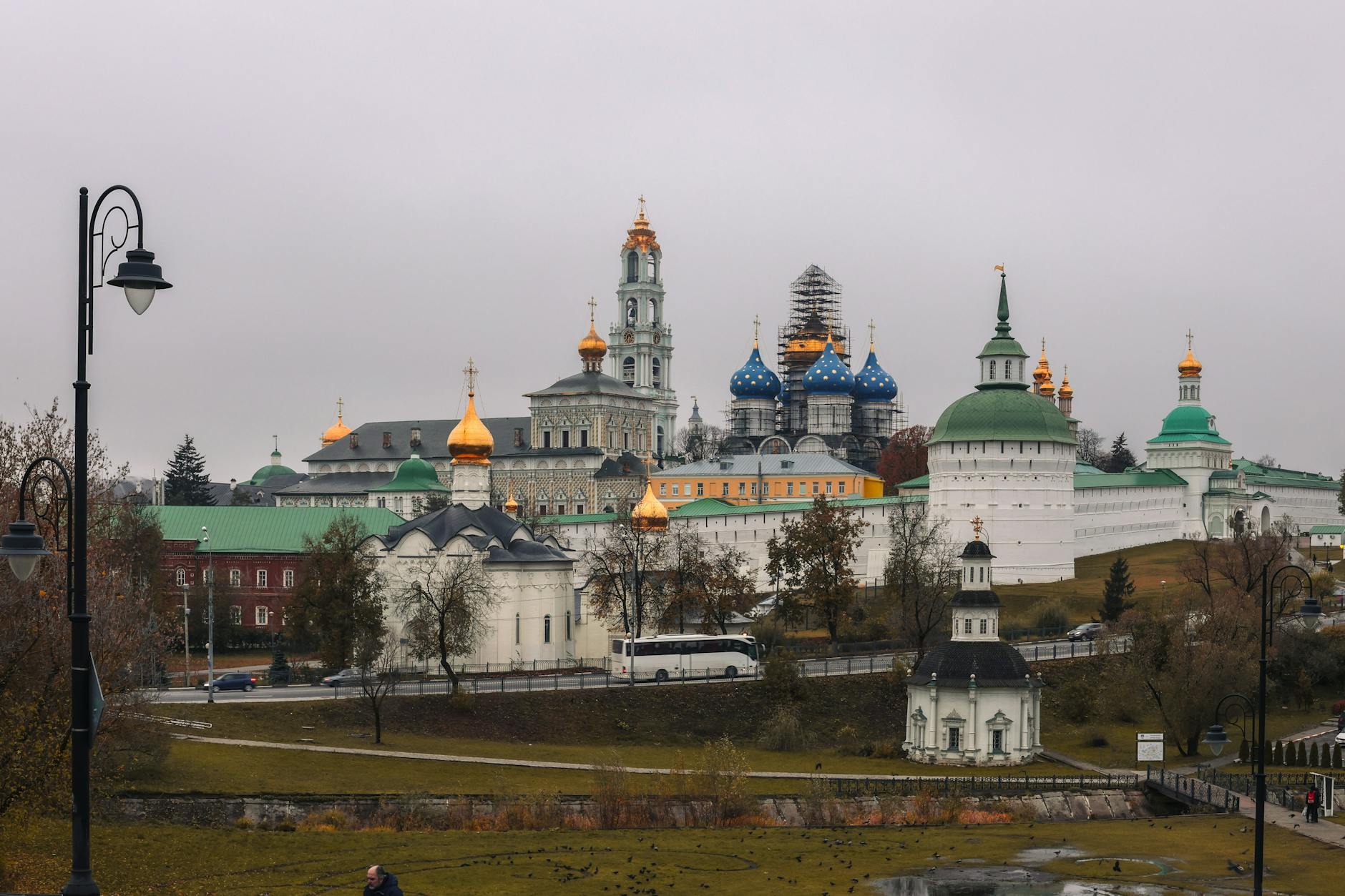
A Szentháromság-Szergij Lavra Mennybemenetel katedrálisa a külvárosi Szergijev Poszadban horgonyozza le Oroszország szellemi örökségét a fővároson kívül. A 15. században befejezett fehér kőből és téglából készült homlokzata kupolákat és íveket egyesít egy olyan nyelven, amely mércét állított a környező templomok számára. Belül ősi freskóciklusok és egy díszes ikonosztáz tárja fel a hosszú hagyományt; ez a hely továbbra is fontos zarándokhely mind a fiatal látogatók, mind az idősek számára, az évek és generációk közötti egység szimbóluma, a odaadás Trang emlékeztetője évszázadok óta.
Odaút: Szállítás, jegyek és a legjobb látogatási időpontok
Tervezze meg, hogy pénteken korán érkezik, hogy elcsípje a nyitvatartási időt, és elkerülje a tömeget; ha a teljes kolostorkomplexum elérhető az első szertartás előtt, ez az idő lehetővé teszi, hogy megfigyelje a születési és vízkereszt szertartásokat, és megvizsgálja az ikonok gyűjteményét. Ennek ellenére a légkör csendes és tiszteletteljes marad, így az élmény inkább tartalmasnak, mintsem sietősnek érződik.
A közlekedés praktikus: használja Moszkva metróját a közeli csomópontok eléréséhez, majd sétáljon vagy tegyen egy rövid villamos- vagy buszutat a kolostorokhoz. A szélesebb örökségi csomópontokhoz az orosz vonatok a nagyobb állomásokról összekötik Moszkvát a közeli városokkal; a Szergijev Poszadba tartó vonatok, ahol a lavra található, körülbelül 1,25-1,5 órát vesznek igénybe, és osztálytól függően körülbelül 500-900 rubelbe kerülnek. Ha egy másik városból költözött, kombinálhat egy egynapos kirándulást egy megállóval a Taganka vagy a Jauza negyedben, hogy bővítse a látnivalók listáját.
A jegyek és a belépés általában egyszerűek: a templomi területekre való belépés gyakran ingyenes, míg a múzeumok vagy a belső ikonok gyűjteményei 200-600 rubel közötti jegyet igényelhetnek. Egyes vezetett túrák csoportonként 1000-2000 rubelbe kerülnek, és ezeket előre megrendelheti a hivatalos oldalakon vagy ügynökségeken keresztül; egy célzott látogatáshoz egy Andrej nevű idegenvezető gyakran vezet tematikus programokat, amelyek a vízkereszt és a születés témáit fedik le.
A legjobb látogatási időpontok egyensúlyt teremtenek a csendes pillanatok és a szertartásrend között: törekedjen a 9:00-11:00 vagy 14:00-16:00 közötti időpontokra hétköznapokon, amikor a tömeg ritkul, és kerülje a csúcsidőket péntek délutánonként vagy a nagyobb ünnepek közelében. Télen a nappali fény rövid, ezért a nappali órákhoz igazítsa a tervezést; nyáron az órák meghosszabbodnak, és a késő délutáni fény kiemelheti a tornyokat és a kupolákat. Azok számára, akik a Taganka körüli Jauza területét fedezik fel, kombináljanak egy sétát a téren egy kolostorkomplexum látogatásával, hogy kontextust és hangulatot szerezzenek.
Gyakorlati tippek: öltözzön visszafogottan, és tartsa tiszteletben az öltözködési szabályokat a szentélyekben; a fényképezési szabályok helyszínenként eltérőek, és egyes belső terek korlátozzák a vakukat vagy a kötéllel elzárt területek mögötti utakat; hozzon magával egy kompakt térképet, hogy az egész útvonalat szervezetten tartsa, különösen, ha egy nap alatt szeretné látni a Viszoko-Petrovszkij komplexumot és a Pokrovszkij együtteseket; az élmény gyakran összefonja a műveket, az anyaikonokat és a születési jeleneteket egy koherens narratívává, amelyet hazavihet az orosz szellemi történelem emlékeként, inkább a pillanatok csendes gyűjteményeként, mint egyetlen eseményként.
Helyszín
Helyszín / Terület
Megközelítés és szállítás
Jegyek
Legjobb időpontok
Novogyevicsi kolostor
Délnyugat-Moszkva, a Park Kulturi közelében
Metró a Park Kulturi vagy a Barrikadnaya állomásra; 15-25 perc séta
9:00-11:00; 14:00-16:00; a hétköznapi látogatások előnyösek
Egynapos kirándulás Szergijev Poszadba: Útvonal és gyakorlati tudnivalók
Kezdje a moszkvai Jaroszlavszkij pályaudvaron jóval hajnal előtt; menjen közvetlen elektromos vonattal Szergijev Poszadba, az idő körülbelül 1,5 óra. Ez a hely a népi hagyományok szívében található, és kulcsfontosságú láncszem egy kulturális projektben, amely összeköti a fővárost a történelmi vallási helyekkel azon túl. Érkezéskor induljon a Szent Szergij Szentháromság Lavrájába, egy templomkomplexumba katedrálisokkal és egy szentéllyel; a Születés temploma a helyszín része, és a Pokrovszkij szentély is jelentős. A Pokrovszkij katedrálist fő építményként említik; a mesterépítők által tervezett együttesek zöld udvarokkal és nyugodt légkörrel rendelkeznek. A kápolnában található betlehemet a hagyomány részeként őrzik. Egy idegenvezető segíthet, és egy Andrej nevű helyi elmagyarázza, hogyan alakítja a Szretenszkij és a Moszkvoreckij történelem a történetet. Tervezzen két-három órát a Lavrában, majd döntse el, hogy szeretne-e egy gyors látogatást egy közeli múzeumban, vagy egy sétát a Szergijev Poszadhoz tartozó történelmi utcákon.
Második szakasz: a Lavra után sétáljon a folyópart felé a Zamoszkvorecsje utcákon, ahol a népi kézművesség virágzik, és hagyományos üzletek szegélyezik az utat; láthat egy magányos hattyút a csatorna mellett. Ha az idő engedi, tegyen egy gyors látogatást egy helyi ikonműhelyben vagy egy kis múzeumban. Ha egy kompakt programot szeretne, koncentráljon a Pokrovszkij szentélyre és a Születés templom belső tereire a célzott, jól ütemezett élmény érdekében.
Gyakorlati tudnivalók: A vonatok rendszeres időközönként indulnak az állomásról; vásároljon retúrjegyet az ablaknál vagy alkalmazáson keresztül. Szergijev Poszad történelmi együttesét a helyreállítás után hivatalosan megnyitották a látogatók előtt, és továbbra is működő zarándokhelyként működik. Öltözzön visszafogottan, viseljen kényelmes cipőt, és hozzon magával vizet; a fényképezés a legtöbb helyen megengedett, de kerülje a belső istentiszteleti területeket. Az egynapos kirándulás általában estére tér vissza Moszkvába; tervezzen egy második tartalmas megállót a Moszkvoreckij kerületben, ha van ideje, vagy térjen vissza közvetlen vonallal a Szergijev Poszad állomásról a városba.