
Moszkva, egy folyamatosan megújuló város, magán viseli szovjet múltjának megkerülhetetlen lenyomatát. Az 1917 és 1991 közötti évtizedek radikális átalakulások tanúi voltak, amelyeket a kommunista ideológia és ambiciózus építészeti víziók hajtottak. Ez az időszak alapjaiban formálta át Moszkva városképét. A régi császári pompa helyére a szocialista hatalom és a kollektív törekvések új kifejezései kerültek. Ezért a szovjet korszakbeli Moszkva megértése kulcsfontosságú a város egyedi identitásának megfejtéséhez. Épületei nem csupán építmények; kőből, acélból és betonból készült, erős manifesztumok, amelyek mindegyike a szovjet kísérlet egy-egy specifikus fejezetét tükrözi.
Egy új korszak hajnala: Konstruktivizmus (1920-as évek - 1930-as évek eleje)
Az 1917-es forradalom közvetlen utóhatásaként a forradalmi hevület az építészetbe is begyűrűzött. Ezt az időszakot a konstruktivizmus dominálta. Ez egy radikális művészeti és építészeti filozófia volt, amely elvetette a hagyományos formákat. A konstruktivisták támogatták a funkcionalitást, a racionalitást és az új ipari anyagokat, mint például a betont, az acélt és az üveget. Olyan épületeket kívántak létrehozni, amelyek az új szocialista társadalom dinamizmusát és kollektív szellemét szimbolizálják.
Olyan építészek, mint Konsztantyin Melnyikov, Mojszej Ginzburg és Vlagyimir Suhov úttörő épületeket terveztek. A Suhov-torony, egy elegáns, hiperboloid acélszerkezetű torony, továbbra is e korszak mérnöki zsenialitásának ikonikus szimbóluma. Hasonlóképpen, a Narkomfin épület, egy kommunális lakóépület, a szocialista élet új formáit kutatta. A Bakhmetjevszkij buszgarázs innovatív, görbületes kialakításával a radikális funkcionalizmust mutatta be. Ezek a gyakran puritán épületek egy utópisztikus víziót testesítettek meg a jövőre nézve. Drámai szakítást jelentettek a múlttal. A kommunista építészetnek ez a moszkvai kezdeti szakasza valóban forradalmi volt.
Sztálini nagyszerűség: Az Empire stílus (1930-as-1950-es évek)
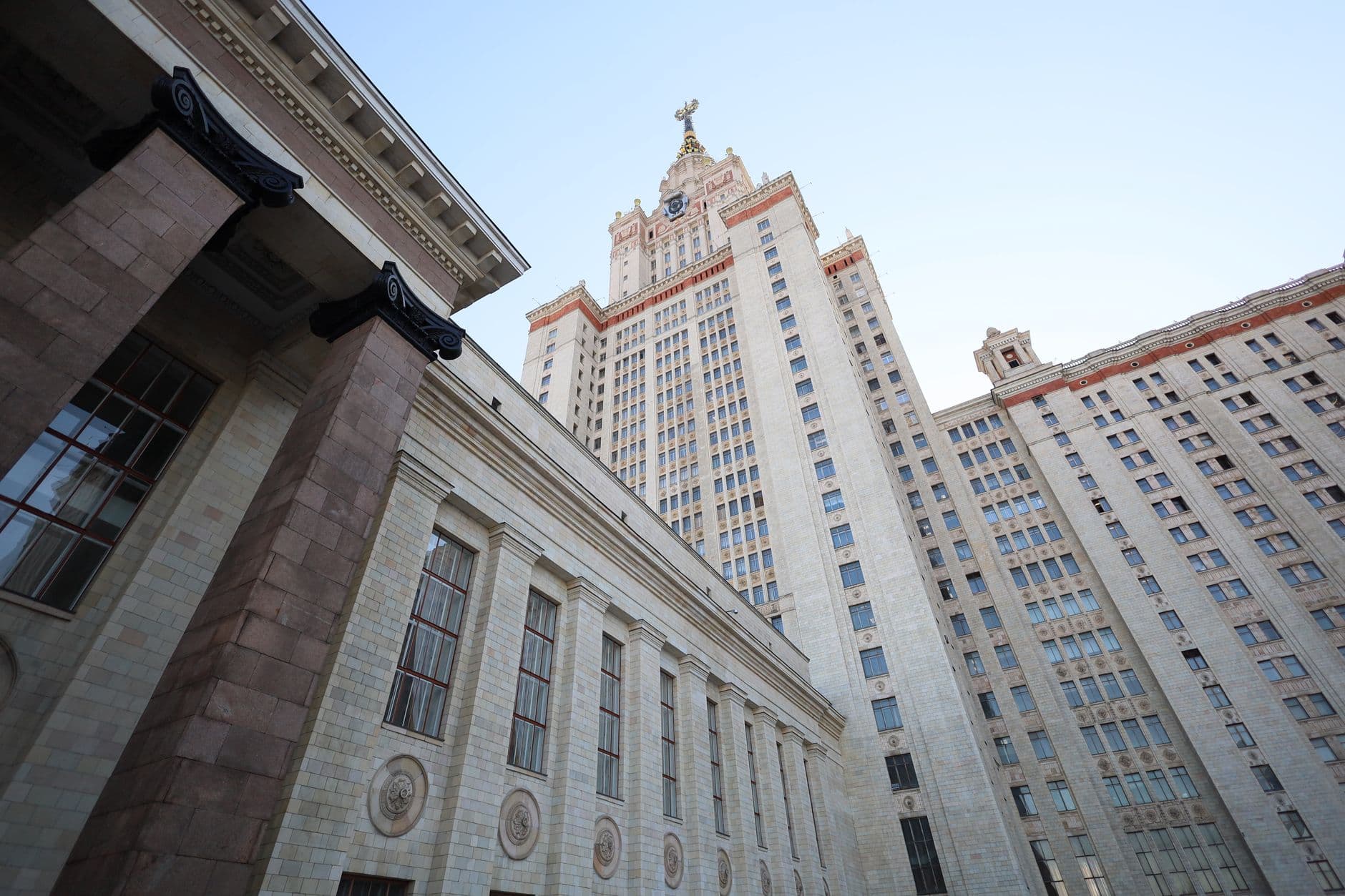
A konstruktivizmus avantgárd kísérletezését a sztálinizmus alatt drámaian eltérő esztétika váltotta fel. Az 1930-as évek közepétől a szovjet építészet a monumentalizmus és a szocialista realizmus, vagy sztálinista birodalmi stílus néven ismert nagyszabású irányzat felé tolódott el. Ez az építészeti váltás az állami ideológia változását tükrözte. Hangsúlyozta a hatalmat, a stabilitást és a szovjet rendszer győzelmét.
Az e korszak épületeire a neoklasszicista elemek, a monumentális magasságok és a pompás díszítés volt jellemző, gyakran szovjet szimbólumokkal - csillagokkal, kalapácsokkal és sarlókkal, valamint hősi munkásfigurákkal. Sztálin Hét Nővére, egy hét toronyházból álló csoport, amelyet 1947 és 1953 között építettek, e korszak megtestesítője. Ezeket a "Vysotki"-kat" (felhőkarcolókat) úgy tervezték, hogy Moszkvát a győztes szocialista birodalom fővárosaként szimbolizálják. Mindegyik épület, legyen az egyetem, minisztérium vagy szálloda, meghatározta a horizontot. Impozáns jelenlétük ma is Moszkva központjának nagy részét jellemzi.
Továbbá a moszkvai metró az emberek földalatti palotájává vált. Minden állomást egyedi műalkotásként fogtak fel. Márvány, mozaikok, szobrok és csillárok díszítették őket. Ezek a kidolgozott tervek dicsőítették a Szovjetunió eredményeit. Emellett a hétköznapi polgárok számára is emlékművészeti adagot nyújtottak. Az Össz-szövetségi Mezőgazdasági Kiállítás (VDNH), később a Nemzetgazdasági Eredmények Kiállítása hasonlóképpen mutatta be a szovjet fejlődést különböző területeken. Pavilonjai, amelyek mindegyike építészeti csoda volt, propagandaszolgálatot teljesítettek. Még a Vörös téren található GUM áruház is nagyszabású felújításon esett át. Fenséges bevásárlócsarnokká vált, amely a szovjet fogyasztói erő szimbóluma volt.
A Hruscsov-olvadás: Funkcionalizmus és tömeglakás (1950-es évek vége-1960-as évek eleje)
Sztálin halála után Nyikita Hruscsov megkezdte a desztalinizáció időszakát. Ez mélyreható hatással volt az építészetre. A hangsúly hirtelen az impozantizmustól a gyakorlatiasság, a sebesség és a hatékonyság felé tolódott. Az elsődleges cél a szovjet városokat sújtó súlyos lakáshiány megoldása lett. Ez vezetett a "Hruscsovkák" lakóépületek széleskörű építéséhez.
Ezeket a szabványosított, előregyártott, ötemeletes épületeket gyors összeszerelésre tervezték. Viszonylag egyszerűek voltak, és hiányoztak belőlük a sztálinista korszak díszítései. Bár gyakran bírálták őket egyhangú megjelenésük és kis lakásaik miatt, a „Hruscsovka"-k több millió szovjet állampolgárnak adták meg az első önálló lakóterületüket. Ez jelentős javulást jelentett a kommunális lakásokhoz képest. Ezért ez az időszak kulcsfontosságú fordulópontot jelentett a szovjet városrendezésben, amit Moszkva is átélt. A tömeggyártást helyezte előtérbe az egyéni építészeti kifejezésmód fölé.
Brezsnyev-korszak: Késő-szovjet modernizmus és brutalizmus (1960-as-1980-as évek)
A Hruscsov-korszak építészeti trendjei a Brezsnyev-időszakban folytatódtak és fejlődtek. Ez a szakasz a funkcionalizmus további elterjedését, valamint nagyszabású, gyakran brutalista betonépületek felé való elmozdulást hozott. A lakótelepek még nagyobbá váltak. Gyakran előregyártott betonelemeket használtak. Míg ennek a kornak néhány épülete rendelkezett jellegzetes építészeti elemekkel, sokukat a célszerűség érzése és az esztétikai ambíció hiánya jellemezte.
Figyelemre méltó példák közé tartoznak a város peremén elhelyezkedő hatalmas lakótelepek és bizonyos közigazgatási épületek. Ebben az időszakban épültek az 1980-as moszkvai olimpia sportlétesítményei is. Ezek a struktúrák gyakran ötvözték a funkcionalitást a impozáns méretekkel. Folytatták a szovjet hagyományt, miszerint az építészetet az erő és a képesség megjelenítésére használják.