
 Magyar
  English (UK)
  Русский
  العربية
  日本語
日本語  한국어
한국어  Türkçe
  Español
  Čeština
  Svenska
  Português
  Ελληνικά
  Suomi
Suomi  Nederlands
  Română
  Italiano
  Français
  Polski
  Українська
  Deutsch
  简体中文
简体中文  Slovenčina
 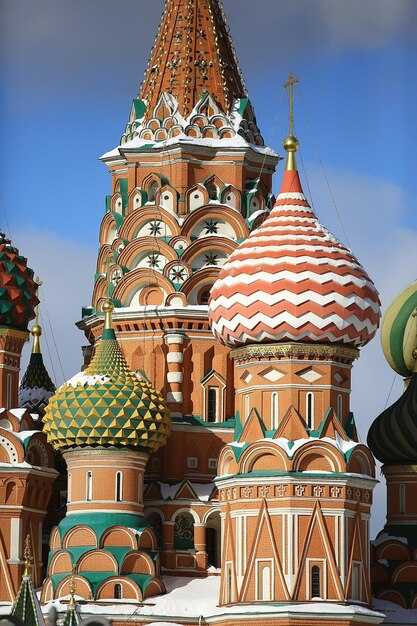 Vaszilij-székesegyház, Moszkva – Ikonikus Vörös téri látványosság, történelem és látogatói útmutató">

Vásároljon időpontra szóló jegyeket online, hogy elkerülje a sorokat, és a legjobb reggeli fényben kezdje látogatását. A főváros központi terén található ez a székesegyház, amely Moszkva kulturális központjává és a világ minden tájáról érkező látogatók számára is kiemelt ponttá vált. A wikimedia adatai szerint a komplexum főként kilenc kupolából áll, amelyek téglából és cserépből álló palettán helyezkednek el, ablakaik pedig a hajnalt fogják be és színezik a felületeket. A bizánci hatások színezték a tervezést, így egy rétegzett narratívát ágyaztak be, amelyet a kutatók kívülről befelé szeretnének tanulmányozni. Mindegyik rész egy réteget ad a város emlékezetéhez, így téve a helyet a helyiek és az utazók számára egyaránt vonzóvá, valamint a hivatalos túrák és képi megjelenítések stabil elemévé.
Történelmi szempontból az együttes főként egy központi hajóból áll, amelyet kisebb kápolnák szegélyeznek, így egy kompakt tervet alkotva, amely a középkori fővárosi törekvésekre vezethető vissza. A kilenc kupola egy erődítmény kerületén ül, egy khutynsky-ihlette elrendezéssel, amely segített formálni a látogatók fő tengelyét, egy csoportok számára szinte kiszámítható útvonalat. A térbeli tervezés minden rétege egy különálló korszakot mutat, a bizánci szál a hagymakupolákban és az ablakok mérművében érhető tetten, míg a jellemzők a vallásgyakorlás és a városi védelem közötti párbeszédet hangsúlyozzák.
Az utazók számára praktikus stratégia a hivatalos nyitvatartási időhöz igazodó tervezés és a szeptemberi tömeg figyelembevétele. A korai érkezők elcsíphetik a legjobb fényt és a kupolák tükröződését; a hely népszerű a családok és az egyéni felfedezők körében, a belső terek pedig csendes pillanatokkal jutalmazzák a türelmet az ikonok közelében. Egy nagy udvar árnyékot és teret biztosít a hely város emlékezetében betöltött súlyos jelentőségének átgondolására. A bejáratoknál hivatalos fotózási szabályok érvényesek; tájékozódjon az esetleges ideiglenes lezárásokról és a megközelíthetőségi tudnivalókról.
Vaszilij-székesegyház: Alapvető tudnivalók látogatóknak
Vásároljon időzített jegyet online érkezés előtt, hogy biztosítsa a belépést. Látogasson el szeptemberben a enyhébb időjárásért; tovább tart a nappali világosság.
Ez az együttes egy kőalapból emelkedik ki; egy geometriai elrendezés egy középső hajót, egy sobor-oldalkápolnák gyűrűjét és két harangtornyot foglal magában. A két harangtorony harangjai jelzik a rituális időket; a vasilys koronázza meg a tetejét.
Eredete a 16. század közepére nyúlik vissza; források a kazáni pártfogást, olasz mestereket említik a kőmunkák, díszes felületek kapcsán. A kazáni hatás díszítő motívumokban jelenik meg.
Bentül, szigorú falak keretezik az ikonokat; közbenjárási motívumok vezetik a spirituális teret, a padlólapok lágy napfényt tükröznek. A homlokzat a kezdetektől fogva szigorú vonalakat őrzött.
A legtöbb látogató a vezetőktől hallott becenevén ismeri ezt a helyet; a források a közbenjáráshoz kapcsolódó spirituális szimbolizmusát hangsúlyozzák. Ez a hely a vezetőktől hallott becenevéről ismert.
A közeli városok templomai kiegészítő útvonalakat kínálnak; e megállók nélkül a látogatásból hiányzik a kontextus.
Az esti fény átalakíthatja a kőfelületek megjelenését.
Építkezés ütemterve és a tervezés mögötti legenda
A nyomon követhető mérföldkövekből megragadható, hogyan fejlődött az építmény; a tervezés mögötti legenda vallási szimbolikát tár fel, mely Jeruzsálemhez, spirituális áramlatokhoz és politikai célokhoz kötődik.
1555–1561: Rettegett Iván megbízása egy nagyszabású építkezés kezdetét jelzi; olyan mesterépítészek formálják a központi mag köré a kilenc kápolnát, mint Posztnyik Jakovlev.
Egy tartós legenda szerint a mester vaszilist megvakították a befejezés után, hogy ugyanaz a terv ne kerülhessen ki erről a helyszínről. Korabeli források alátámasztják ezt a történetet; a krónikák eltérő változatokat kínálnak.
A kilenc kupola templomok szűk csoportját koronázza; minden elem a szent élet szimbólumát hordozza, a fény a vastag falak között festészeti részleteken szűrődik át.
talán a központi terv nagyobb lett, mint a korai vázlatok; a kupolák rétege az ég felé emelkedik, a falak magas sziluettet formálnak; ez az elrendezés a moszkvai utcák legünnepeltebb szimbólumává vált, amelyet a város emlékezete örökké idéz.
Ma egy mélyreható élményre vágyó turista számára tervezz egy látogatást reggeli fényben; a belsők felfedik a festmények részleteit, a szent nyugalmat, különösen, amikor a nap átsüt a keskeny ablakokon, tenyér imába kulcsolva, lenyűgözve a fénytől; érdekes módon a hangulat a felhőborítottsággal változik.
Tizenegy kápolna egyesülése egyedi katedrálissá: építészeti kiemelések
Fegyelmezett kezdet. daily útvonal be september napfény; közelebbről megvizsgálva, hogyan olvad össze tizenegy kápolna egyetlen, összefüggő egésszé.
Építészeti logika rétegezi a komplexust: egy erődítményszerű alap alkotja a legalsó réteg; összekapcsolódó kötetek sora emelkedik; a nagyobb központi tömeg aranyozott kupolákkal magasodik; a hivatalos tervek különálló kápolnákat egyes szerkezeti egységgé fűznek össze; szörnyű árat szed az időjárás; hanyagság, valamint A terhelések eltolódása veszélyeztette a stabilitást; a helyreállítás ezt orvosolta.
A homlokzat és a belső részletek ismétlődő motívumokon keresztül olvadnak össze: aranyozott díszítés a téglafalon, a elegáns ívek ritmusa; közbenjáró szimbólumok visszhangoznak a folyosókon; a színek a fénnyel változnak; történeteik a domborművekbe kódolva maradnak.
A belső összeköttetések összekapcsolják a kápolnákat, egységes szentéllyé alakítva az elkülönült helyiségeket; az élet belül naponta megújuló rituálék által növekszik; egy harangtorony jelzi az eseményeket; védelem ereklyék óvatos, ünnepélyes rendjét tartották fenn; ez az elrendezés arra ösztönzi a látogatókat, hogy a sorozatot egy nekik elmesélt történetként olvassák.
unesco elismerése a világörökség részévé teszi az együttest; egy történelmi tengely mentén helyezkedik el, annak kulturális a lábnyom az nagyobb több, mint részeinek összege; védelem, hivatalos a természetvédelem biztosítja az élet folytatását.
A domborműveken lévő nevek emlékeztetnek a császárok; a mecenások rendelték meg a projektet; nem lehetett egyetlen műhely eredménye; az erőfeszítés támaszkodhatott egy family a mestereké.
Ütemezze a látogatást a következő időpontra: csúcsidőn kívüli órák; vásároljon egy hivatalos jegy; viseljen illő öltözéket; a belső rétegek nyomon követése során formák sorozata tárul elénk; szinte minden sarok új perspektívát kínál.
Az életet és az emlékezetet épségben tartva, az együttes továbbra is egy living hagyomány műhelye; a ugyanaz a motívumok korszakokon átívelnek, összekapcsolva a múltat a contemporary gyakorlás.
Praktikus Útmutató Látogatóknak: Nyitvatartás, Jegyek és Idegenvezetések
Vásároljon elővételben jegyeket online, és foglaljon nyelvspecifikus túrát, hogy maximalizálja az idejét és minimalizálja a sorban állást.
- Nyitvatartás és időzítés: A hivatalos nyitvatartás évszakonként változó; a szokásos nyitás késő délelőttől késő délutánig tart, az utolsó belépés körülbelül egy órával zárás előtt; látogatása előtt egy nappal ellenőrizze a hivatalos oldalt; események és rituálék módosíthatják a hozzáférést.
- Jegyvásárlás: Jegyek hivatalosan online és a helyszíni pultnál kaphatók; az alapjegy a külső területekre és a legtöbb belső térbe való belépést fedezi; a kiegészítők közé tartozik a vezetett túra és a korlátozott területekre való belépés; különböző árkategóriák érvényesek életkor és diák/nyugdíjas státusz szerint; a hitelesítéshez hozza magával a személyi igazolványát.
- Idegenvezetés: A nyelvi lehetőségek közé tartozik az angol, a spanyol és más nyelvek; a túrák 60–90 percig tartanak; a találkozási pont az északi bejárat közelében, a harangnál van; az idegenvezetők hivatalosan engedélyezettek; a csoportok mérete a minőség érdekében korlátozott; az előzetes foglalás erősen ajánlott.
- Mire számíthat belül és kívül: A külső fotózásra alkalmas; a belső terek biztonsági ellenőrzésen esnek át; egyes terek istentiszteletek alatt korlátozottak lehetnek; bizonyos templomokban és terekben fényképezési szabályok érvényesek; kerülje a vakut; tervezzen időt a aranyozott kupolák és a külső díszítés megfigyelésére.
- Történelmi háttér a látogatás gazdagításához: A helyszín a kereszténység és a Krisztus-szimbolizmus évszázadait jelképezi; Ivánok és császárok által alakított alakok és események; a revolutszi-korszak változásai és a szélesebb építészet orosz-kazáni és örmény hagyományok hatásait mutatja; a harang feltűnő jellegzetesség.
- Gyakorlati tanácsok: Érkezz korán, hogy kiváló minőségű külső fotókat készíthess; vigyél magaddal útlevelet vagy személyi igazolványt az életkor igazolásához; viselj kényelmes cipőt; tartsd tiszteletben a védelmi szabályokat; a nagy táskák korlátozva lehetnek; szánj rá extra időt, ha több templomot és katedrálist is szeretnél meglátogatni a csoportban.
- Akadálymentesítés és védelem: A hivatalos védelmi intézkedések célja a helyszín megőrzése az elkövetkező évekre; egyes zónákban korlátozott a hozzáférés; tájékoztassa a személyzetet a mozgáskorlátozottságról; a túrák lehetőség szerint módosíthatják az útvonalakat.
- Tervezze meg az útvonalat és az időzítést: A jellegzetes jegyek és műemlékek rövid tervvel figyelhetők meg a legjobban; az észak felé néző homlokzat kedvező fényt kínál a fényképekhez; ha át akarja tekinteni a fő elemeket és az aranyozott kupolák alakját, kezdje a külső nézetekkel, majd csatlakozzon egy túrához, hogy mélyebb kontextust kapjon.
- További tippek a teljes élményhez: Ha többet szeretne megtudni az eseményekről és azok éveiről, kérdezzen a revolutsii kontextusáról és az Ivánok és császárok szerepéről a vallási táj alakításában; ez érdekes adalék lehet a történelem szerelmeseinek, akik szeretnék megismerni a Krisztus-hagyományokat és azok helyét a narratívában.
Érdekes módon ez a terv gyakran megfelel az építészet és történelem iránt élénken érdeklődő utazóknak; segít megragadni a főbb pontokat, miközben a külső látványra, az aranyozott kupolákra és az északi homlokzatra összpontosít, ezáltal fokozva az emlékművekkel kapcsolatos látogatásod összességét.
Belső belépés, öltözködési szabályzat és fotózási szabályok
Konkrét javaslat: foglaljon hivatalos időpontot a belső belépéshez a hivatalos címen keresztül, erősítse meg a bejáratot a személyzettel, és érkezzen 15 perccel korábban; a biztonsági ellenőrzés és a táskák átvizsgálása kötelező; a tűzvédelmi szabályok tiltják a nyílt láng használatát; ez a megközelítés minimalizálja a késéseket, és biztosítja, hogy megtekinthesse a székesegyház belső kápolnáit és a közbenjárói galériát. Tájékozódásképpen a wikimedia oldalak kontextust adhatnak, de mindig kövesse a helyszíni jelzéseket és a személyzet utasításait.
- Belső bejáratok és útvonalak: A központi terekhez való hozzáférés csak vezetett csoportok számára engedélyezett; a Khutinszkij folyosó és a Teatralnaja terület általában a látogatókat a székesegyház belső kápolnái és a közbenjárói kamra felé terelik. A komplexum évszázadok alatt épült épületekből áll, a 17. századi színvilág továbbra is jelentős és ikonikus. A kutatók megjegyzik a harangok és mozaikok által teremtett földhözragadt légkört, és a legcsodálatosabb kilátás gyakran az ikonosztáz közelében lévő korlátozott kilátópontokról és annak pálmamotívumos díszítéseiről nyílik.
- Öltözködési szabályzat: Elvárás a visszafogott öltözet; a vállaknak és a térdeknek fedve kell lenniük; a kalapokat le kell venni, mielőtt belépünk a szent helyekre; kerüljük a sportruházatot vagy a strandöltözéket; az elegáns öltözetek ajánlottak a vallási helyek iránti tiszteletből; a táskáknak kompakt méretűeknek kell lenniük, a tartalmuknak diszkrétnek, a külső ruházatot pedig szükség esetén el kell tárolni.
- Fényképezés és viselkedés: A fényképezés nyilvános helyeken vaku nélkül engedélyezett; állványok vagy professzionális felszerelés használata előzetes engedélyhez kötött. Ne fényképezzen aktív szertartások alatt vagy zárt területeken; tartsa alacsonyan a zajszintet, és kövesse a kihelyezett szabályokat, hogy megőrizze a belső tér ünnepélyes hangulatát. A belső tér színei és fényei szinte monumentális hatást keltenek, amelyet a látogatók gyakran egyszerre földinek és spirituálisnak írnak le; a közbenjárási jelenetek és a harangok hozzájárulnak a kontemplatív hangulathoz.
A legjobb fotózási lehetőségek és a Vörös tér körüli kilátások
Kezdd a hivatalosan kijelölt kék órában az északi oldalról; használj nagylátószögű objektívet a szimmetrikus formák rögzítéséhez; foglalj bele fehér falakat; emeld ki a hagymakupolák díszítését.
a szeptemberi reggelek hűvösebb levegőt hoznak; kevesebb embert a műemlék közelében; ma egy csendesebb ritmus tisztább vonalakat eredményez.
Kompozíciós tippek: helyezd a műemléket a harmadolási szabály mentén; örökítsd meg a teret körülvevő életet; figyeld a tükröződéseket az eső utáni nedves burkolaton; tartsd stabilan az álláspontodat a szimmetria megőrzéséhez.
A közeli kilátópontok közé tartozik a keleti árkádsor kilátója; az északnyugati sarok a boltok mögül; a perem körül pedig a fehér falakkal, a színes kupolákkal keretezheti a látképet.
útvonalakat térképeztek volna fel a területen; több képet készítve minden pontról; ez a megközelítés ma lehetőségeket kínál a szerkesztőknek; a kutatók szerint az eredet a bizánci élet motívumaiban rejlik.
Oroszország fővárosában a helyszín ma élő vászonként tárul elénk; a szent élet képi világa visszhangzik a fehér falak és a díszes kupolák mellett; a város hivatalos kampányai estig nyitva tartják a teret.
| Helyszín | Tipp | Legjobb idő |
|---|---|---|
| Északi szárny kilátópont | Használjon 16–35 mm-t; igazítsa a középső fehér falat a kupolákhoz; állítsa f/8-ra; örökítse meg a szimmetriát. | szeptemberi hajnal |
| Keleti árkádsor kilátás | Teleobjektív a bizánci formák elkülönítésére; hangsúlyozza a díszítést; figyeljen a tömegre | reggeli fény |
| A nyugati homlokzat mögött | Tükröződések a nedves aszfalton eső után; állvány rögzítése; több kép készítése HDR-hez | késő délután vagy eső után |
| Közeli kerület | Egyszerűsítsd le a kompozíciót, beleértve az életet a környéken; keretezd a látóhatárt fehér falakkal; vágd úgy, hogy hangsúlyozd a vonalakat. | kék óra |
| Eredeti megjegyzés | Emelje ki a fehér bizánci díszítést; használjon széles-tele objektívet az előtérbeli méretarány összehasonlításához | arany óra |
 A legjobb 10 hétvégi kiruccanás Oroszországban 2025-ben">
 A fagyasztóláda mint kapu az orosz lélekhez – Kulináris felfedezés">
 Az Orosz Konyha Legjobb Fogásai – 50 Kihagyhatatlan Étel">
 Hol Kóstolhatunk Kaviáros Pelmenit, Borst és Orosz Különlegességeket Moszkvában">
 Sörfőzdék Moszkvában – A 16 legjobb hely">
 Oroszország meghosszabbítja az elektronikus vízum érvényességét – Hatások az utazókra nézve">
 Hogyan készítsünk autentikus tejkefirt otthon – Lépésről lépésre útmutató a hagyományos fermentáláshoz">
 Hogyan készítsünk otthon eredeti orosz túrót – Lépésről lépésre útmutató">
 Lakóingatlan Oroszországban – Amit tudni kell vásárlás előtt">
 21 trendi étterem Moszkvában – Top helyek ínyenceknek">