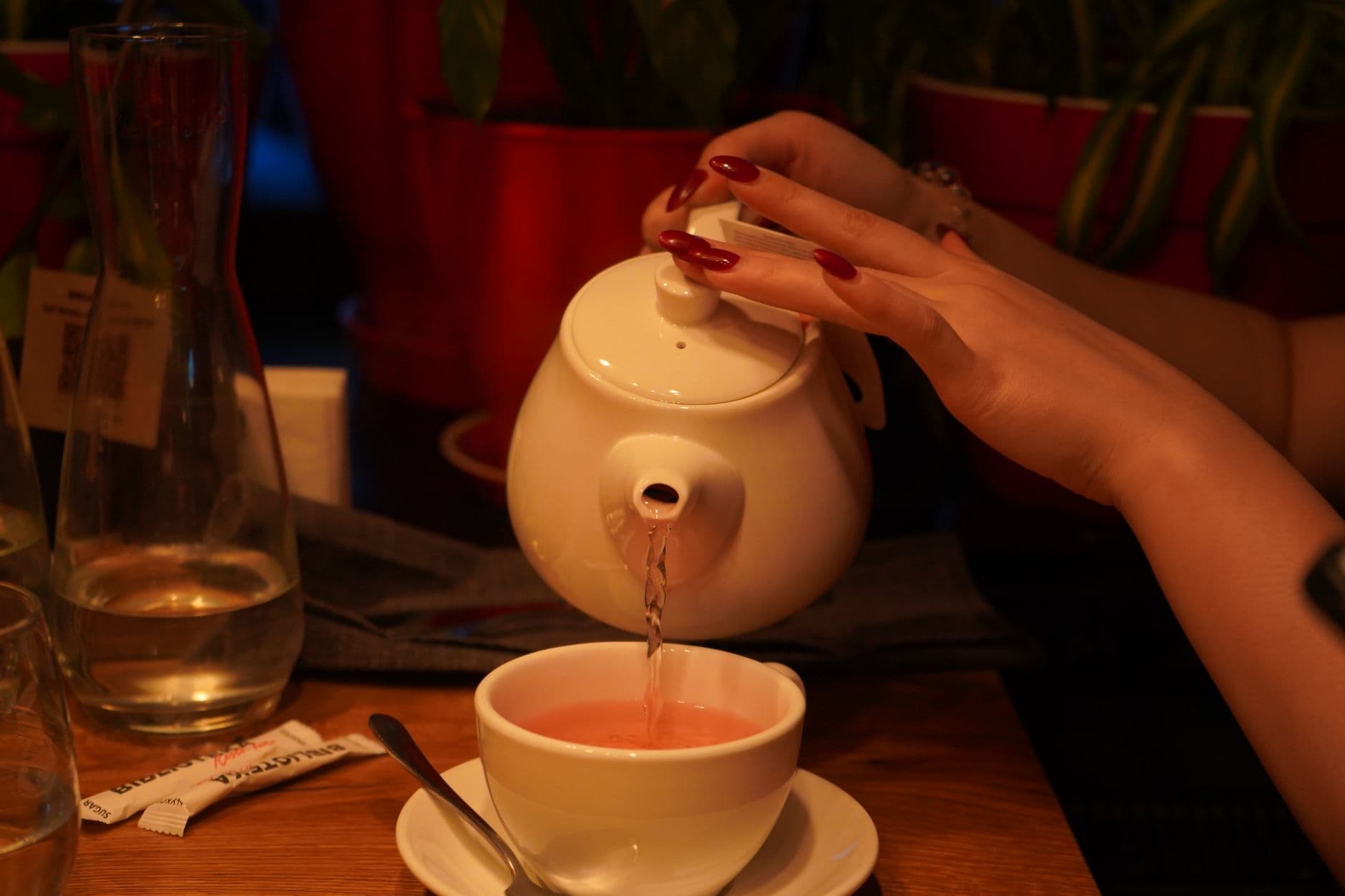
Kezdje utazását Nuwara Eliya-ban, Sri Lankán - 1900-2100 méteren a ültetvények finom, virágos főzetet adnak. Ez a hely hűvös reggeleiről és ködös dombjairól ismert, ahol a kézzel szedett leveleket fa teraszokon szárítják. A "first flush" (első szüret) idején (február-április) tett látogatás egy élénk, citrusos jegyekkel rendelkező italt tár fel, amelyet a gondos feldolgozás és a 19. századig visszanyúló hosszú hagyomány hoz létre.
Darjeeling, Nyugat-Bengál, India magasan a hegyekben fekszik; az 1800-2400 méteres magasság muskotályos aromát kölcsönöz. A birtokrendszert a 19. században alapították, és a megmaradt kertek vezetett túrákat kínálnak, amelyek keverési foglalkozásokat is tartalmaznak. Összehasonlíthatja az aromát Assam merészebb stílusával, hogy lássa, a terroir hogyan teszi egyedivé az egyes főzeteket. A régiót a gyarmati kereskedelem emelte világhírre, és továbbra is a szakértők mágneseként szolgál.
Nilgiris, Munnar és Wayanad India Nyugati-Ghátjaiban három mikroklímát kínálnak: Nilgiris 1500-1800 m-en, Munnar 1500-2100 m körül, Wayanad pedig 700-1500 m-en. Az itt termesztett levelek édesebb, élénkebb infúziókat eredményeznek; sok ültetvény megőrizte a gyarmati korszak állomásait, ahol a látogatók megtekinthetik a kézzel szedett tételeket és a régi csomagolási módszereket. Az útitervnek tartalmaznia kell egy kóstolót és egy rövid sétát a kertekben hajnalban, amikor a köd a dombokra telepszik.
Hangzhou régió Longjingja és Fujian Anxija két különböző terroirt mutat be. Hangzhou 100-600 m körül fekszik, a tavaszi szüret áprilisban van, ami könnyű, füves főzetet eredményez; a fujian Anxi 600-900 m-en fekszik, és gondos pörköléssel mélyebb jegyeket ad. Mindkettő meglátogatása lehetőséget kínál a feldolgozási stílusok összehasonlítására és a helyi áruk vásárlására, miközben a camellia sinensis levelekkel beültetett teraszok mellett élvezheti a helyet. Ez a kontraszt teszi az utazást kifizetődővé az ízlelőbimbóinak.
Xishuangbanna és a Wuyi-hegység Kínában megmutatja, hogy a magasság és a csapadék hogyan alakít ki különböző profilokat. Xishuangbanna 700-1200 m-en fekszik, párás körülményekkel, amelyek robusztus infúziókat eredményeznek; a Wuyi-hegység 300-800 m-en árnyalt füstös jegyeket ad. A vezetett szedési és kézzel készített foglalkozások betekintést nyújtanak a mesterségbe, és hallhat történeteket a fajták keveréséről, és arról, hogy bizonyos tételeket miért tartanak meg a szezon hátralévő hónapjaiban.
Tajvan: Alishan és Nantou felföldi övezetei elérik az 1700-2500 m-t, aromás, édes infúziókat kínálva. Az itteni látogatás jól párosítható egy sajtkóstolóval és egy sétával a fenyők között; a helyi kávézók néha kis francia péksüteményes tányérokat rendeznek a kultúrák közötti keveredés bemutatására. A megállóhely hosszú, nyugodt teraszairól és erős helyérzetéről ismert.
Japán Uji és Shizuoka régiói a precíz kezelést és a szezonális ritmust mutatják be. Uji a tengerszint közelében, 150 m-ig fekszik, míg Shizuoka 100-500 m körül; mindkettő a szabályozott feldolgozást hangsúlyozza, helyszíni műhelyekkel, amelyek megtanítják, hogyan befolyásolja a szezonális szedés a végső ízt. A menetrendnek össze kell hangolnia a helyi piacok látogatását, hogy megfigyelhesse, ahogy a gazdák és a kereskedők megosztják ezt a mesterséget.
Kenya Kericho övezete 1700-2100 m-en fekszik, és erős, malátás infúziót termel, amely következetes minőségéről ismert. A gyakorlati gazdaságok meglátogatása lehetővé teszi, hogy lássa, hogyan találkozik az árnyék, a talaj és a magasság; az itt készült keverékeket gyakran gyorsan piacra dobják a frissesség megőrzése érdekében, és a közeli vendégházak könnyű harapnivalókat szolgálnak fel, beleértve a helyi gyümölcslekvárokkal készült édességeket is. Az élmény ellentétben áll az ázsiai terroirokkal, és hasznos összehasonlítást kínál a saját preferenciáihoz.
Nepál Ilam körzete a Himalájában 1500-2000 m körül fekszik, és élénk, finom profilt mutat be. Az itt alapított sok szövetkezet képzést tart a termelők és a látogatók számára egyaránt; sétálhat a teraszos parcellák közötti keskeny ösvényeken, és élvezheti a helyet egy gerincen, miközben megismerheti a kézi betakarítás időzítését és a monszun szezon kezdete előtti hátralévő termésszinteket.
Vietnam Moc Chau és Da Lat felföldjei illatos infúziókat kínálnak, Da Lat 1500-1800 m-en, Moc Chau pedig 1600-1900 m körül. A száraz évszak a legjobb a szabadtéri felfedezéshez; számítson helyi édességekre és könnyű harapnivalókra egy csésze mellé, és találkozzon olyan termelőkkel, akik továbbviszik a hagyományos kézművességet és a modern feldolgozósorokat. Az útvonal összekapcsolódik a történelemmel és a piacokkal, amelyek tükrözik a nyugati és keleti hatásokat a kortárs keverésben.
Kompakt opció: Virginia hegyi farmjai fókuszált kóstolókat és keverési foglalkozásokat kínálnak az útitervéhez. Ez a célpont kevésbé zsúfolt, de mégis bemutatja a termelés, a betakarítás időzítésének és a látogatók bevonásának alapvető elképzeléseit; az itt szerzett oktatás mélységet ad az átfogó tervének, és segít összehasonlítani a szélesebb régiókat egy kompakt, gyakorlati tapasztalattal.
A gyakorlati időzítés azt jelzi, hogy a virágzási szezon a régiókban eltérő időpontokban következik be; tervezzen a helyi betakarítások körül, mert a csúcs utáni hátralévő hónapok enyhék lehetnek a kóstolók és a kirándulások szempontjából. Ha kiegyensúlyozottabb útitervet szeretne, kezdje délnyugati vagy nyugati zónákban, és hurkoljon át a hegyeken észak felé; ez a megközelítés csökkenti a jet lag-et, és segít egy szélesebb infúziós és történeti portfólió felhalmozásában.
Top 20 Tea Turisztikai Célpont: Teaültetvények, Teaházak és Uji, Japán
Kezdje körútját egy hajnali sétával Uji környékén a legrégebbi matcha ligetekben, majd telepedjen le egy történelmi matcha szalonban, hogy tanúja legyen egy ünnepélyes habverésnek és egy adag infúzió kóstolásának - a helyiek szerint ez az élmény évszázados hagyományokat testesít meg.
Ujiban a Byōdō-in és a folyópart nyugodt hátteret biztosít az évszázados módszerekhez; egy vezetett kirándulás (экскурсией) elvezetheti Önt csendes helyekre, ahol a mesterek bemutatják a habverést, és elmagyarázzák az édesség és az umami egyensúlyát egyetlen infúzióban, miközben kis falatokat kóstol.
A Nilgirisben Ooty ködbe burkolt lejtőin számos ültetvény található, ahol tamil munkások finom leveleket termesztenek; tegyen egy örökségi utat és egy kóstolót egy gyarmati korszakbeli szállodában, majd vacsorázzon egy közeli étteremben, amely egy kortyot párosít a regionális ételekkel, megjegyezve, hogy a cukorszint hogyan igazítja a profilt az Ön ízléséhez, és melyik tetszett a legjobban.
Anglia mór ihletésű udvarokat kínál számos butikszálláson, ahol a vendégek felfrissülnek a történelmi kertek és a modern műhelyek felfedezésének napjai után; számos útvonal létezik, a festői farmösvényektől a városi kóstolótermekig, amelyek bemutatják az infúziókat és a feldolgozási történeteket - mondja egy helyi idegenvezető, aki megjegyzi a hagyomány folytonosságát.
Japánban Ujin túl Shizuoka vulkanikus talajai támogatják a régóta működő családi parcellákat; a legrégebbi bemutató programok az ünnepélyes habverést és a levélfeldolgozást ünneplik, megőrizve a hagyományos hagyományokat, összehasonlítva több infúziót, miközben megfigyeli, hogy az éghajlat hogyan alakítja az aromát és a testet - ezek a foglalkozások élénkítőnek és informatívnak érződnek.
A Darjeelingbe és a közeli Nilgirisbe tett kitérők jó kontrasztot kínálnak: a zord vasúti utazások összekötik a ködös ültetvényeket a kényelmes szállodákkal, és az idegenvezetők elmagyarázzák, hogy a magasság és a talaj hogyan eredményez különböző profilokat; számos kóstoló lehetővé teszi, hogy a kedvenc jegyei felé irányítson, és sok vendég arról számol be, hogy az élmények frissítőek és élénkek, которые могут удивить.
Egy kompakt tervhez állítsa be Ujit horgonynak; ez a program lehetővé teszi, hogy személyre szabja az útvonalat, és beilleszthesse Ootyt, angliai birtokokat és indiai felföldeket; egy kéthetes útvonal néhány megállóval lehetővé teszi, hogy élvezze a reggeli betakarítást, a déli infúziót és a naplemente kóstolóját egy tóparti szállodában; ott foglalhat egy vezetett sétát és egy éttermi vacsorát a nap lezárásaként, és gondolkodhat a szezonalitáson és a hozzáférhetőségen. стоит
A táj, az építészet és a vendégszeretet együttesen kínálja az íz, a kultúra és a történelem teljes szféráját; ez az út hitelesnek érződik, és elmélkedésre hív, és segít elgondolkodni azon, hogy ezek a zöldellő régiók miért maradnak a mélységet, az ízt és a frissítő szünetet kereső utazók kedvencei a mindennapi rutinból.
az Orosz Központi Bank 17.10.2026 árfolyamán · powered by tutkakdoma
Gyakorlati tervező teaültetvények, teaházak és Uji látogatásához
Kezdje az Uji állomáson, induljon el a folyó melletti domboldali ültetvények felé, és foglaljon egy idegenvezetővel vezetett kört, amely egy folyóparti teaszalonban tett kóstolóval zárul ebéd előtt. Ez a terv nagyon praktikus egy családi kiránduláshoz, és kényelmes tempót tart mindenki számára.
Az útvonal ötvözi a természeti tájat, a friss levelek illatát és a gyakorlati tanulást a növények termesztéséről és feldolgozásáról; együtt megoszthatja jegyzeteit a családdal, és felidézheti azt a pillanatot, amely először inspirálta érdeklődését a tea 世界 iránt. Az alábbi útmutató azért jelent meg, hogy segítsen zökkenőmentesen haladni, nem a szerencsére támaszkodik, és egyenletes tempóban tartja Önt.
Odaérkezés és időzítés
Kiotóból a JR Nara vonattal Ujiba (kb. 25 perc) vagy a Keihan vonattal Ujiba (15-20 perc). A domboldali parcellák a folyó mellett találhatók рядом, és a legillatosabb foglalkozások nem sokkal napkelte után kezdődnek.
Legjobb időszak: kora reggel, amikor friss a levegő, és a levelek kiengedik illatukat; a fény egész nap kedvező a fényképekhez.
A visszatérési lehetőségek változóak; tervezze meg, hogy késő délutánra visszatérjen az állomás közelébe, hogy helyet hagyjon egy nyugodt sétának vagy egy harapnivalónak.
Foglalás és idegenvezetők
Válasszon egy közzétett útvonalat vagy egy magán idegenvezetőt, aki az Ön nyelvén beszél; tegyen egy kört, amely lefedi a termesztést, a feldolgozó üzemeket és a kóstolást.
Csoportméret: 2-6 fő ideális egy család számára; valószínűleg személyre szabottabb figyelmet kap egy kisebb csoporttal.
Kérjen egy kóstoló szegmenst: 3-4 mintainfúzió, mindegyik 2-3 perc; jegyezze fel az aromákat és az ízjegyeket.
Mit viseljen és hozzon magával
Jó túracipő, könnyű esőkabát és egy kompakt hátizsák, hogy szabadon maradjon a keze; hozzon magával egy üveg vizet és napkrémet.
A könnyű rétegek a legjobban működnek; a reggelek hűvösek lehetnek, míg a déli nap növeli a meleget a mezők és a tavak közelében.
Kóstolás és harapnivalók
Próbálja ki az oolongot és más zöld fajtákat, amelyek illatos aromájukról ismertek; az illat a felföldre emlékeztet, ahol a leveleket termesztik.
Készítsen jegyzeteket és kóstolja meg az infúziókat; a jegyzetek emlékekké válnak, amelyeket később megoszthat a családdal 가족; a gőz rize, miközben kortyol, felejthetetlen.
Ebédtervek a közelben: szendvicsek vagy crostini friss levelekkel; nagyon kellemes, ha egy hűsítő csésze zöld teával párosítják.
Ételpárosítások és piknik ötletek
Szendvicsek uborkával és krémsajttal; crostini sűrű tejszínnel és fűszernövényekkel; adjon hozzá egy kis gyümölcstálat az ízek kiegyensúlyozásához.
Tartsa a porciókat könnyűnek, hogy energiát kapjon a délutáni sétához; csomagoljon szalvétákat és egy kis törölközőt a kezekhez kóstolás után.
Mit érdemes megnézni Uji közelében
A Byodoin templom világszerte ismert, és nyugodt területet kínál egy rövid sétához; a környező kertek olyan façonban illatosítják a levegőt, amely az egész látogatás során megmarad.
A helyi üzletek regionális harapnivalókat és gyógynövénykészleteket tesznek közzé, amelyek jól párosíthatók a jegyzeteivel, és serkentik a beszélgetést a tea 世界-járól.
Mintanap terv (helyalapú ütemezés)
08:30 érkezés az Uji állomásra; séta a domboldali parcellákhoz; 09:15-11:00 vezetett útvonal; 11:00-11:30 kóstolás; 12:30 ebéd a folyóparton; 14:00 opcionális séta; 15:00 visszatérés az állomásra.
A nap folyamán tartson egy kis jegyzetfüzetet, hogy rögzítse a benyomásokat; tiszta emlékekkel és néhány képpel térhet vissza, amelyeket megoszthat családjával és barátaival.
A tea Мирe-jában az aroma gyorsan terjed - ne felejtsen el megállni, mélyen belélegezni, és hagyja, hogy a feje és a keze vezesse végig az élményen.
Gyakorlati tippek az induláshoz
Hozzon magával egy kompakt térképet, vagy töltsön le egy egyszerű útvonalat; a helyjelzők segítenek a pályán maradni és elkerülni az időveszteséget.
Mindig tartsa együtt a csoportot; az egyenletes tempó a legjobb a gyermekek és az idős utazók számára egyaránt; ez egy nagyszerű módja annak, hogy az emlékeket összefüggővé és megosztottá tegye.
A legjobb szezon a teaültetvény túrákhoz (betakarítás, időjárás és láthatóság)
Ajánlás: Célozza meg a tavaszi első szüretet a kiváló fényviszonyok, a legerősebb aroma és a könnyű séta érdekében az ültetvény sorai mentén. A legtöbb felföldi övezetben ez az időszak februártól áprilisig tart, a nappali hőmérséklet 12-22 °C körül van, és a reggelek elég tiszták ahhoz, hogy elolvashassa a tájat a legrégebbi bokrok között.
A betakarítási ciklusok országonként eltérőek, de a legjobb esélyek a szedés megfigyelésére a korai szüret és a korai második szüret idején vannak, amikor a zsenge csúcsok élénkzölden ragyognak, és az út menti személyzet folyamatosan dolgozik. A hagyományos плантация hálózatokban a legrégebbi birtokok szívesen fogadják a látogatókat; a tisztek gyakran vezetnek bemutatókat, és elmagyarázzák a feldolgozási lépéseket, beleértve azt is, amikor a leveleket fonnyasztják és hengerelik a következő szakaszhoz. Néhány helyen emellett kétnyelvű idegenvezetőket is kínáltak, köztük japánul beszélő személyzetet, hogy segítsenek az utazóknak megérteni a keveréket és annak eredetét.
Az időjárás és a láthatóság javul, amikor az égbolt hajnal után kitisztul: a hűvös reggelek 10-18 °C körül, alacsony páratartalommal a levélszíneket kiemelik, és az elülső teraszokat könnyen követhetővé teszik. A köd a magasabb dombokra telepszik, majd reggel 9-11 órára felszáll, hosszú látóvonalakat biztosítva a sorok mentén, és feltárva a táj méretét. Az esős időszakok csökkentik a láthatóságot, de fokozzák a színtelítettséget, míg a feldolgozó helyiségekből származó gőzbuborékok fokozzák a friss levél illatát, egy pillanatot, amelyet sokan terveznek megragadni a közeli tájékoztató tábla gyors elolvasásával. Mindig ellenőrizze a 7-10 napos előrejelzést, és készüljön fel a hirtelen záporokra, különösen hétvégén, amikor a tömeg csúcsot ér el.
Gyakorlati tippek: a hétvégéket gyakran kínálják, és az árak akkor magasabbak lehetnek; foglaljon előre, hogy biztosítsa a helyeket és az idegenvezetőket. A túrák általában tartalmaznak egy rövid sétát, egy látogatást egy feldolgozó fészerben és egy kóstolót; az angol és japán nyelven elérhető idegenvezetők növelik a hozzáférhetőséget. Ha rövid frissítőre vágyik, yerba opciók is rendelkezésre állhatnak, és a forró csészékből származó buborékok kísérhetnek egy könnyű süteményt vagy péksüteményt, segítve a fáradtság elfelejtését és a jó légzést a séta során. Olvassa el a véleményeket, hogy megtudja, mely birtokok biztosítanak következetesen tiszta útvonalakat, megbízható időzítéseket és jól karbantartott ösvényeket a teraszok közötti úton; a плантация táblák gyakran kiemelik, hogy mire számíthat, és hogyan tervezheti meg a napját.
Országspecifikus megjegyzések: a választott évszak a magasságtól és az éghajlattól függ; a japán övezetben gyakran kora tavasszal indultak a túrák, míg a déli ültetvények késő téli felfedezéseket is kínálhatnak. A legrégebbi ültetvények megőrzik annak élő történetét, hogy a betakarítások hogyan alakították a regionális utazást; было évekig tartó folyamatos termesztés alakította a mai látogatói élményeket. Ha van kedvenc keveréke, kérdezze meg, mely bokrok járultak hozzá az aromájához, és miben különböznek az elülső sorok a belső teraszoktól. Mindig tartson magánál egy kis jegyzetfüzetet, hogy olvasson az árakról, a pálmafákról és a tisztek által megosztott apró részletekről, és ne felejtsen el megkóstolni egy csészét, hogy érezze, hogyan párosul az illat és az íz a helyi süteményekkel - ez egy kellemes emlékeztető az ország utazási kultúrájára és kézművességére.
Kötelezően meglátogatandó teaházak Ujiban: Foglalási tippek és jellegzetes főzetek
Foglaljon két héttel előre a hétvégi foglalkozásokra a hivatalos oldalon keresztül; adja meg az ülőhelyet - tatami szoba vagy pult -, a hangulattól függően. A helyi idegenvezetők могут felvázolják a legjobb lehetőségeket, és segítenek biztosítani egy olyan helyet, amely megfelel az Ön ritmusának. Ha elolvassa a véleményeket, látni fogja, hogy a korai érkezés gyakran csendesebb ütemet és tisztább fényt eredményez a hegyeken, ami igazán szép légkört teremt a kortyolgatáshoz és az elmélkedéshez.
A jellegzetes főzetek Uji matchára összpontosítanak, amelyet bambusz chasen-nel habvernek, és finom teáscsészében szolgálnak fel. Várjon koicha (sűrű) és usucha (vékony) változatokat, amelyek hangsúlyai a füves és frissítőtől a diós és édesig terjedhetnek. Néhány hely modern keverékeket és frissítő lehetőségeket kínál, amelyeket a rajongók értékelnek, miközben tiszteletben tartják a hagyományos szertartást és a minden csészébe öntött aprólékos gondosságot.
Sós és édes párosítások kis falatokként jelennek meg: a szendvicsek és a crostini kiegészítik az ital umamiját, míg a könnyű desszertek kiegyensúlyozzák a befejezést. Az eladók gyakran kiemelik a helyben előállított termékeket, így felfedezhet egy mini kóstolót, amely gyógynövényeket, szezonális édességeket és ropogós kísérőket tartalmaz. A szoba hangulata - a poharak koccanása, a szép textúrák, valamint a fa ládákból és polcokból áradó ragyogás - fokozza az élményt, és teljessé teszi a pillanatot azok számára, akik egy figyelmes szünetre jöttek.
A helyszín logisztikája helyenként eltérő: egyesek elfogadnak kártyákat, mások csak készpénzt; vegye figyelembe a foglalási időszakokat és a lemondási feltételeket. Az ülőhelyek típusai a pulttól, a társalgótól és a hagyományos szobáktól terjednek, a tereket pedig arra tervezték, hogy beszélgetésre vagy csendes elmélkedésre ösztönözzenek. Olvassa el előre az étlapot, és fontolja meg egy kombinált látogatást a közeli látnivalókkal, mivel az élmény magában foglal egy rövid sétát a folyó mentén és ősi fák alatt, amelyek frissítő levegőt és a történelem érzését kínálják. Az egyedül utazók, хочу élvezzék a rituálét lassabb tempóban, míg a csoportok tervezhetnek egy közös kóstolót, amely tanulási pillanatként szolgál mindenki számára, a kíváncsi kezdőktől a tapasztalt rajongókig, teljes, közös emléket teremtve, amely teljesnek és hiányosnak is érződik e kis rituálék nélkül.
Tea kóstoló 101: Etikett, párosítások és népszerű fajták
Kezdje egy öt mintás kóstolósorral egy elegáns létesítményben, majd állítsa vissza a főzetek között. youll jegyezze fel az aroma, a test és a befejezés különbségeit, miközben összehasonlítja a könnyű, közepes és teljesebb infúziókat. Ezeken a területeken a hely számít; a munnar körzetet vagy szocsiadleret meglátogató utazók megkóstolják, hogy a magasság és az éghajlat hogyan alakítja a növekedést, és hogy az ivók véleményei hogyan változnak évszakonként. Az infúziós rituálék körüli szertartások tükrözik az útvonalakon élő népek identitását, és ezek az összejövetelek virágoztak, amikor a látogatók tisztelettel csatlakoztak. been
Etikett alapjai: melegítsen fel csészéket, fogja meg az edényt a fogantyúnál, szagoljon finoman, majd kortyoljon és nyeljen kis adagokban. Mindig tisztítsa meg a szájpadlást sima vízzel a minták között. Ha ismer egy kóstolótermet, a pincér tudja, hogyan kell vezetni egy öt mintás sort, így rohanás nélkül összehasonlíthatja a különbségeket. Készítsen jegyzeteket az aromáról, az édességről, a fanyarságról és a koffein jelenlétéről; ezek a jelzések segítenek osztályozni a mindennapi élményeket és az egyes főzetek élénkítő éleit.
Párosítások: válasszon könnyű falatokat, amelyek nem nyomják el az italt; a gyümölcsök, a diófélék és az enyhe sajtok jól működnek. Egy mindennapi rituáléhoz próbáljon ki citrusféléket egy virágos oolonggal, vagy dinnyét egy lágy gyógynövényes keverékkel. Azok az ivók, akik meglátogatják az ajánlásokat, gyakran említik, hogy a kontrasztok hogyan tárják fel a textúrát és az egyensúlyt; youll látni, hogy egy egyszerű párosítás hogyan emeli ki az infúzió finomságait, és elegáns kontextust ad a pillanatnak egy csendes helyen.
Népszerű fajták: az oolong kiemelkedik a fényerő és a szájérzet széles skálájával; a zöld infúziók ropogós, friss jegyeket adnak; a sötétebb, oxidált keverékek pirítóst és mélységet kínálnak; a koffeinmentes gyógynövényes keverékek vigaszt nyújtanak étkezések után. A régiókat összehasonlító utazók számára a termesztési körülmények, a magasság és a feldolgozás megjegyzése segít megérteni, hogy a munnar brooks levelei miért ízlenek másképp, mint az alföldi birtokok levelei. A koffeintartalom változó, és sok ivó értékeli az élénkítő kontrasztot egy gazdag kávéval egy hosszú nap után. Ezek az opciók kiegyensúlyozott rutint kínálnak, amely illeszkedik a mindennapi élethez, és kielégíti a szokást túlzott stimuláció nélkül.
Fajta
Jegyzetek
Párosítások
Oolong
A részleges oxidáció virágos és pirítós jegyeket eredményez; főzzük kb. 90 C-on 2-3 percig; koffein középkategóriás
mandula, citrusfélék, étcsokoládé
Zöld infúziók
Könnyű, füves karakter; főzzük 75-85 C-on 2-3 percig; viszonylag élénk
joghurt, uborka, mangó
Sötét infúziók
Teljes testű, pirított és karamellizált tónusok; főzzük 95 C-on 3-4 percig; gazdagabb be