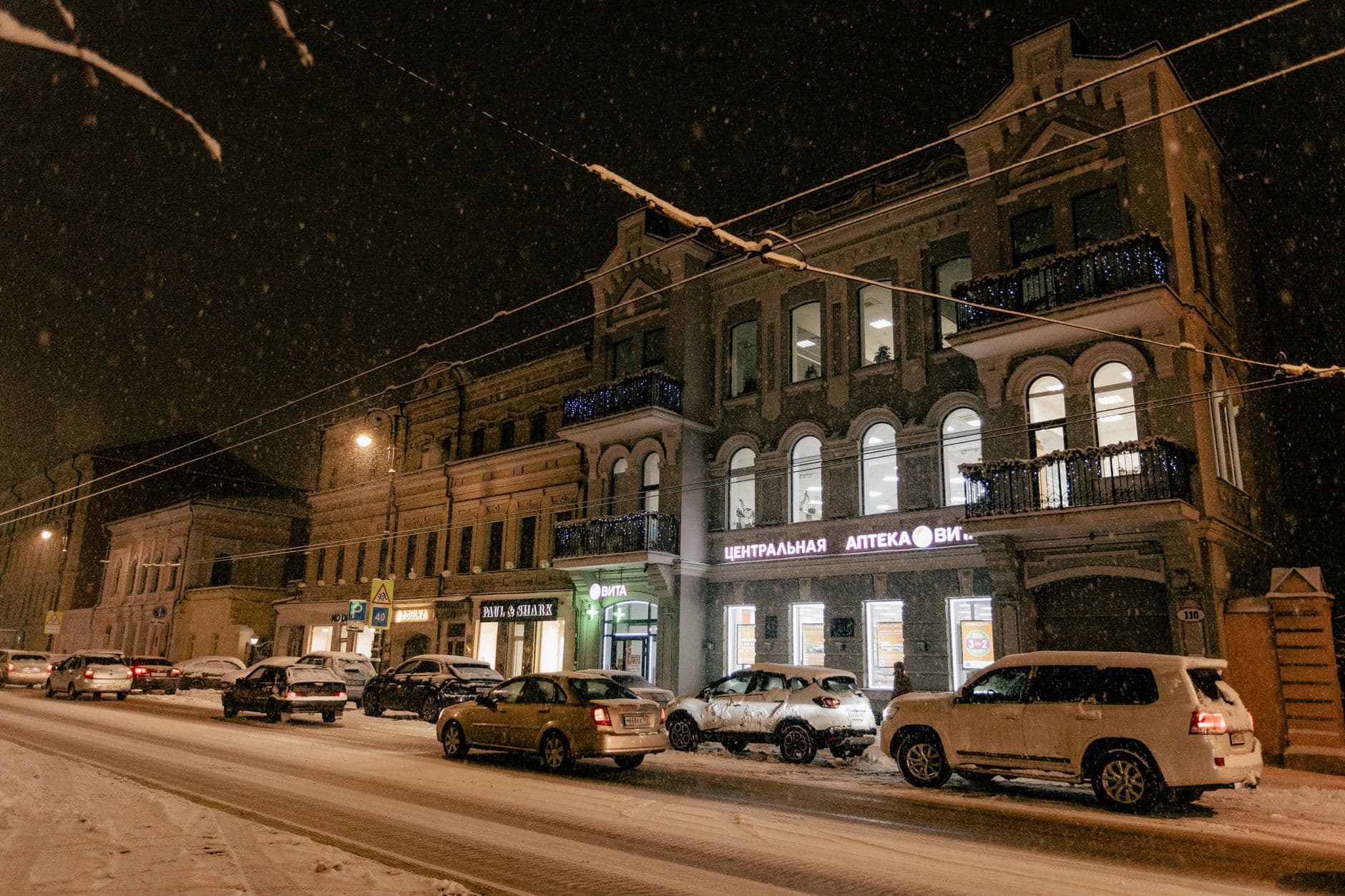
Dalla registrazione all'ora in cui guidi, questo articolo spiega come funziona l'assicurazione auto in Russia. Il sistema organizza la protezione obbligatoria e una gamma di extra offerti da molti assicuratori. Lo schema bonus-malus può regolare il tuo tasso, e una chiara suddivisione della polizza mostra cosa è coperto e cosa no. Scopri i pagamenti e le commissioni, il processo di registrazione e come valutare i tipi di copertura per il tuo veicolo. Per i termini in inglese o in russo, questa fonte fornisce un ottimo punto di partenza.
La copertura dettagliata include i tipi di polizze, cosa copre ciascuna polizza e come viene affrontato il rischio di furto con copertura contro il furto. Le polizze possono combinare responsabilità civile, collisione, protezione completa e extra all'interno di un unico pacchetto. Utilizza fonti affidabili, inclusa la legislazione ufficiale, per verificare cosa è obbligatorio e cosa è opzionale. Alcuni assicuratori offrono una gamma flessibile di condizioni, permettendoti di personalizzare il piano in base alla tua auto e alle tue abitudini di guida. Puoi ricevere preventivi tramite messaggero o altri canali diretti per accelerare l'invio delle informazioni e evitare lunghe attese.
I costi variano in base alla regione, al valore del veicolo e alla storia di guida. Il tasso e il costo dipendono dal livello di protezione della polizza, dalle valute e dalla scadenza dei pagamenti. In Russia, è possibile pagare in rubli o in euro, e le cifre della polizza includono le commissioni e la possibilità di qualificarsi per uno sconto attraverso il sistema bonus-malus. Il conducente registrato e l'equipaggiamento del veicolo influenzano il premio. Le polizze possono essere a lungo termine o a breve termine, a seconda della forma che si sceglie e della legislazione che regola i costi nella tua zona.
Per fare la scelta migliore, confronta più offerte affiancate, concentrandoti sull'ambito di protezione e sul costo in relazione ai benefici. Questo corso ti aiuta a decidere quali tipi di copertura si adattano alle tue esigenze, come il sistema bonus-malus, le penalità in caso di sinistro e la presenza di extra come il servizio di assistenza stradale o l'attrezzatura di sostituzione. Cerca una fonte affidabile o un articolo ufficiale da parte delle compagnie assicurative per verificare i dettagli, e ricorda che esiste la possibilità di modificare la copertura all'interno del range offerto dalla polizza.
La legislazione regolamentare disciplina ciò che gli assicuratori devono fornire e come vengono gestite le richieste di risarcimento. In caso di domande o reclami, contattare gli assicuratori registrati; molti offrono canali online, inclusi servizi di messaggistica, per accelerare le risposte nel mondo dei fornitori. Se si stipula un'assicurazione all'estero o con assicuratori stranieri, assicurarsi che la polizza sia conforme alla legge locale e alla struttura dei costi, evitando spese impreviste e garantendo che la copertura rimanga valida quando si guida in diverse giurisdizioni.
Assicurazione Auto in Russia: Copertura e Costi, CASCO e OSAGO - Piano da 543 Parole (Traduzione Automatica)
Il mercato delle assicurazioni auto in Russia offre due principali tipi: l'OSAGO, la polizza obbligatoria di responsabilità civile verso terzi, e il CASCO, una copertura completa facoltativa per il proprio veicolo. Capire cosa copre ciascun piano e come vengono calcolati i costi oggi aiuta un cliente a confrontare le assicurazioni di diverse aziende e a prendere una decisione immediata. L'OSAGO è noto per coprire la responsabilità verso gli altri, mentre il CASCO affronta il furto e altri rischi per il veicolo durante la proprietà e il viaggio. Il piano che sceglierai dipenderà dalla tua situazione finanziaria e dal livello di protezione che desideri, inclusa la copertura per eventuali imprevisti.
La copertura differisce: l'OSAGO è generalmente fornito dalla maggior parte delle compagnie e rappresenta la copertura di base che devi avere registrata con l'autorità di licenza. Il CASCO può essere nominato come polizza separata o aggiunto come pacchetto completo chiamato copertura completa. In caso di furto o altri eventi imprevisti, il CASCO aiuta a coprire il veicolo stesso, mentre l'OSAGO gestisce la responsabilità per i danni a terzi, inclusi l'uso di viaggio e di lavoro. Il significato della copertura dipende dai limiti della polizza, dal valore assicurato e da eventuali ulteriori assicurazioni che scegli. In pratica, il mercato offre ampie opzioni: protezione per una vasta gamma di rischi, oltre a opzioni aggiuntive come la difesa legale e il veicolo sostitutivo temporaneo.
I costi dipendono da molti fattori: l'età e l'esperienza di guida degli automobilisti, il tipo di veicolo, l'anno, l'immatricolazione e la regione. Le compagnie assicurative utilizzano database e metodi di punteggio elettronici per calcolare un premio, spesso utilizzando un punteggio che combina fattori di rischio provenienti da grandi database. Prima di acquistare, confronta il prezzo con diverse compagnie assicurative e verifica se la polizza include la protezione contro il furto, la copertura dei vetri e la copertura medica per te e i passeggeri. Le cifre contano: premi, franchigie e limiti influenzano il costo totale dell'assicurazione della tua auto oggi.
Per scegliere una polizza, esamina il mercato visitando un grande sito web o parlando con il tuo agente di assicurazione auto. Tra le diverse compagnie puoi trovare una vasta gamma di offerte. Puoi trovare i mezzi per contattare le assicurazioni per telefono o via e-mail e richiedere un preventivo online. Alcune aziende offrono una stima preliminare gratuita; altre richiedono una domanda formale. Quando confronti, chiedi dove si applica la copertura (il territorio), se la copertura ti segue al di fuori dei confini e cosa succede in caso di incidente all'estero. Le assicurazioni potrebbero richiedere un numero di licenza o i dettagli della registrazione del veicolo. Tieni la tua carta a portata di mano e pronta per presentarla come parte del processo di verifica. Questo fa ciò che è necessario per assicurarti di essere pronto a firmare il contratto.
Un cliente deve comprendere che i documenti della polizza rivelano la copertura esatta, i suoi limiti e le condizioni indicate. Se vieni ferito, l'assicuratore ti guiderà su come segnalare l'incidente e come inviare documenti elettronici o cartacei. Il sito web dell'assicuratore ospita spesso un riassunto della polizza, un database degli eventi coperti e un modulo di contatto per presentare una richiesta di risarcimento. Nella maggior parte dei casi, il team delle richieste verifica se l'incidente è avvenuto durante il periodo di validità della polizza e se sono state intraprese azioni da parte tua o dell'altra parte. Una lunga relazione con un'assicuratore affidabile supporta la stabilità, mentre un database ben tenuto aiuta a velocizzare le decisioni perché fornisce un registro delle registrazioni, dei veicoli assicurati e dei conducenti, rendendo il processo più fluido sia per il cliente che per l'azienda.
Un buon piano include i documenti che dimostrano la proprietà legale, la validità della licenza e l'immatricolazione del veicolo assicurato. Se devi viaggiare, verifica che la polizza copra la guida nella regione in cui ti trovi. Per le aziende e i clienti con flotte, il segmento business offre condizioni su misura e coperture più lunghe, dove l'assicurazione di più veicoli offre vantaggi come una tariffa fissa e database più ampi di autisti affidabili. Conferma sempre chi è indicato nella polizza, chi è idoneo a guidare e cosa accade in caso di incidente con automobilisti non assicurati. Con una ricerca accurata oggi, puoi scegliere una polizza che si adatti alle tue possibilità e al tuo budget, e puoi stare tranquillo sapendo che le tue informazioni assicurative sono conservate in modo sicuro nel sistema e accessibili per telefono, email o tramite il portale clienti. Non dimenticare di rivedere i termini di rinnovo e come il punteggio utilizzato dall'assicuratore potrebbe cambiare l'anno prossimo.
Analisi pratica di OSAGO, CASCO e costi
L'OSAGO è l'assicurazione obbligatoria per veicoli in Russia, a volte chiamata страховки, che copre la responsabilità verso terzi in caso di incidente. È obbligatoria per legge e viene generalmente emessa per un periodo annuale. La CASCO è facoltativa e protegge completamente il proprio veicolo da una gamma più ampia di eventi, tra cui collisioni, furto, incendio e calamità naturali. Questa guida spiega come funzionano queste coperture e cosa influisce sui premi, in modo che tu possa confrontare le offerte di diverse società e prendere una decisione ben informata, con una visione chiara e trasparente dei costi e dei risarcimenti.
Ecco la traduzione:
OSAGO copre i danni e le spese mediche a terzi entro i limiti di legge; CASCO copre il tuo veicolo indipendentemente dalla colpa, con livelli di franchigia opzionali. Poiché i preventivi provengono da più fornitori, dovresti controllare il sito ufficiale dell'assicuratore e contattare il loro supporto in inglese se necessario. Le informazioni seguenti sono progettate per aiutarti a preparare un confronto completo tra i fornitori, non solo un'azione singola. Quando sarai pronto a informarti al momento di valutare i preventivi sul portale di un'azienda, vedrai come vengono calcolati i pagamenti e quando vengono emessi dopo la liquidazione di un sinistro.
I costi sono altamente specifici per regione. Gli extra possono superare le stime di base in alcuni profili di rischio regionali, ma una buona suddivisione ti aiuterà ad evitare sorprese. La tabella seguente suddivide gli elementi tipici che influenzano i costi di OSAGO e casco, inclusi come i bonus e il sistema bonus-malus influenzano il tuo prezzo e cosa aspettarti durante il processo di rimborso.
Feature
| OSAGO |
CASCO (casco) |
Notes |
| Ambito di copertura |
Responsabilità verso terzi, compresi danni a cose e spese mediche, nei limiti di legge |
Danni al tuo veicolo per molti rischi (collisione, furto, incendio, calamità naturali), con opzioni aggiuntive facoltative |
Ecco la traduzione:
Sempre verifica i limiti esatti con la конкретная azienda; alcune note sono basate sulla regione e variano in base all'organizzazione. |
| Fattori di costo |
Regione, categoria del veicolo, potenza del motore, età del conducente, storia di guida, chilometraggio annuale |
Valore del veicolo, anno, modello, livello di copertura scelto, franchigia (scoperto), storico sinistri |
Le aziende possono offrire sconti per pacchetti o programmi fedeltà; il confronto online può aiutarti a rispettare il budget. |
| Struttura premium |
Tasso base aggiustato in base ai fattori di rischio; può includere bonus offerti da alcune compagnie assicurative. |
Tasso base più scelte di copertura; bonus o sconti applicabili con anni senza sinistri |
I bonus (bonus-malus) influenzano i due prodotti in modi diversi a seconda dell'azienda. |
| Franchigia / scoperto |
Tipicamente minimo o nullo; alcuni piani offrono opzioni di franchigia per rischi specifici. |
La franchigia è comune; una franchigia più alta abbassa il premio, una franchigia più bassa aumenta il costo. |
Scegliere un franchigia è un modo rapido per modificare i premi annuali |
| Ambito e tempistica di pagamento |
Pagamento a terzi per danni assicurati; i tempi variano in base alla richiesta e all'azienda |
Rimborso all'assicurato per danni al veicolo coperto; l'elaborazione più rapida dipende dai flussi di lavoro interni |
Le scadenze per la segnalazione dei reclami esistono; la tempestività della notifica migliora le probabilità di risarcimento. |
| Documentazione richiesta |
Registrazione del veicolo, dettagli della patente di guida, VIN possono essere richiesti |
VIN, numero di telaio, foto, preventivi di riparazione, rapporto della polizia se applicabile |
Prepara un set completo di documenti per accelerare l'elaborazione e evitare ritardi |
| Pagamento e amministrazione |
Annuale o a rate; i pagamenti possono avvenire tramite bonifico bancario (IBAN), sito web o ufficio. |
Annuale o a rate; canali di pagamento simili; alcune aziende richiedono il pagamento diretto |
Utilizza l'indirizzo e-mail registrato con l'assicuratore per la comunicazione delle richieste di risarcimento. |
| Rinnovo, cessazione e modifiche |
Rinnovo annuale della polizza; termine o modifica dei termini entro la scadenza e secondo le normative |
Le modifiche alla policy o l'annullamento seguono l'accordo; potrebbero applicarsi penali per la risoluzione anticipata. |
Osserva le scadenze per evitare lacune nella copertura; consulta i rappresentanti dell'azienda per un trattamento rapido. |
| Riduzione dei costi |
Ecco la traduzione:
Considera una copertura modesta o bonus aggiuntivi; confronta i preventivi di più aziende sul sito web. |
Aumenta il massimale, uniscilo ad altre assicurazioni, sfrutta i programmi fedeltà. |
Stai attento a sovra- o sottostimare l'assicurazione; calcola il vero valore del veicolo e le potenziali esigenze di risarcimento. |
Quando valuti le offerte, prepara un appunto completo con i dettagli del tuo veicolo (modello, potenza del motore e anno), le informazioni del proprietario e il metodo di pagamento preferito (IBAN se applicabile). Chiedi una suddivisione del prezzo finale, incluse eventuali commissioni dirette o indirette, e conferma la scadenza per i pagamenti premium. Se hai bisogno di un riferimento rapido, contatta l'assicuratore per informarlo della tua regione specifica e delle tue esigenze; una buona guida trasparente ti aiuterà a decidere quale prodotto—OSAGO o casco—sia più adatto alla tua situazione e al tuo budget. Il processo è progettato per essere veloce e semplice: fornisci i dati di base, confronta i preventivi e scegli il piano che corrisponde alla tua propensione al rischio e al chilometraggio annuale. Questo approccio ti aiuta a evitare sorprese e garantisce che riceverai il risarcimento tempestivamente in caso di sinistro. Se incontri un ostacolo o hai domande, usa un indirizzo e-mail ufficiale per richiedere chiarimenti in inglese o in un'altra lingua a tua scelta; molti team di madrelingua inglese sono pronti ad assisterti, ora dopo ora. Questo approccio attento ti aiuterà a terminare o modificare la copertura come necessario in modo legalmente conforme, senza compromettere la protezione o il valore.
OSAGO: copertura, limiti e requisiti obbligatori
OSAGO è l'assicurazione obbligatoria di responsabilità civile per i proprietari e i conducenti di veicoli in Russia. Copre i danni causati a terzi durante ogni viaggio su strade pubbliche. L'ambito di copertura include danni materiali, lesioni personali e spese mediche per altri, oltre alla responsabilità legale per le richieste di terzi. La polizza viene emessa al proprietario del veicolo e la conferma di copertura viene fornita dopo la verifica dei dati nei database dell'assicuratore. La durata (срок) dell'assicurazione è definita dal pacchetto e può essere breve come l'anno standard o tre, a seconda dell'accordo tra te e il fornitore.
I limiti e i prezzi sono definiti dalla legge e dal pacchetto scelto. L'OSAGO stabilisce generalmente i limiti minimi di responsabilità, mentre è possibile aumentare questi limiti con un pacchetto aggiuntivo, volontario. I prezzi risultanti dipendono da diversi parametri, tra cui la storia del conducente, il tipo di veicolo e la regione. I prezzi sono presentati chiaramente, e puoi confrontare le offerte per trovare un equilibrio tra pagamenti mensili accessibili e una copertura adeguata. In ogni caso, la polizza che ricevi dovrebbe coprire completamente le responsabilità richieste e fornire una suddivisione chiara dell'importo della copertura per ogni categoria.
I requisiti obbligatori sono emessi per ogni operazione di veicolo e si applicano al proprietario e a qualsiasi conducente indicato. È necessario fornire una patente valida, i dati di registrazione del veicolo e le informazioni di identità del proprietario. L'assicuratore può richiedere dati da polizze precedenti o altri record conservati nei database, e dovrai fornire il file con i dettagli richiesti. Un controllo della patente di guida, il VIN del veicolo e la documentazione di proprietà sono essenziali, e dovresti conservare l'indirizzo e-mail in modo da ricevere la conferma e i documenti della polizza tempestivamente. Inoltre, devi rispettare i requisiti legali per l'immatricolazione del veicolo e per la guida su strade nazionali; il superamento dei confini per viaggi all'estero potrebbe richiedere ulteriori documenti oltre all'OSAGO.
Quando acquisti un'OSAGO, cerca le informazioni che descrivono cosa è incluso e cosa è escluso. L'OSAGO copre i danni a terzi, ma non sostituisce automaticamente il tuo veicolo né copre ogni scenario all'estero o durante i controlli doganali. Se hai in programma un viaggio all'estero, dovresti chiedere se la polizza offre una copertura mondiale o limitata territorialmente e quali opzioni aggiuntive (extra) sono disponibili per garantire una protezione continua durante i viaggi internazionali. Molti fornitori indicano i passaggi necessari e i tempi (giorni) per emettere e attivare la polizza, inclusi come viene elaborato il pagamento e quando inizia la copertura dopo il primo pagamento.
Per gestire le aspettative, è importante sapere come l'assicuratore gestisce i sinistri. In caso di incidente, dovrai presentare una richiesta di risarcimento e fornire la documentazione necessaria, inclusi i dettagli della polizza precedente e il rapporto dell'incidente. Il processo è progettato per essere comodo, con istruzioni chiare su dove inviare la richiesta (portale online, telefono o e-mail). Riceverai un punteggio o una valutazione basata sulla verifica dei dati e potrai esaminare eventuali modifiche alla tua polizza al momento del rinnovo. Se hai un cattivo storico di guida o presenti frequenti richieste di risarcimento, l'assicuratore potrebbe modificare le condizioni o offrire opzioni diverse, tra cui un franchigia più alta o un pacchetto ridotto.
Finalmente, dopo aver scelto un fornitore, riceverai una conferma che mostra il tipo di copertura, i limiti e il periodo di validità. Se non sei soddisfatto di un'offerta, puoi confrontare tre o più offerte per trovare la combinazione più conveniente di prezzo e copertura. Se la precedente polizza è scaduta, fai attenzione a evitare una sospensione e assicurati di rinnovarla in tempo per evitare interruzioni nella copertura. Quando guidi, tieni la tua carta assicurativa a portata di mano e mantieni i documenti necessari (patente, registrazione e dati del proprietario) in ordine per soddisfare le autorità e l'assicuratore. Per qualsiasi domanda su cosa è incluso e sui termini esatti, contatta l'assicuratore per telefono o invia una richiesta via e-mail, e riceverai una conferma chiara e tempestiva dei dettagli della tua OSAGO.
Opzioni CASCO: protezione completa, franchigie e optional
Ufficialmente, la copertura casco si colloca al di sopra dell'obbligatoria mtpl e fornisce protezione per il proprio veicolo nel mercato russo. Il pacchetto casco si adatta al chilometraggio, alla regione e al profilo del conducente, offrendo una copertura completa per una vasta gamma di scenari. Nel sistema è presente informazioni utili che ti aiutano a confrontare le opzioni oggi e a selezionare il piano giusto con fiducia. Puoi ottenere un preventivo diretto dall'azienda per la prima volta e il processo richiede un minuto. Il pacchetto stesso è scalabile e può adattarsi alle esigenze del conducente. Nel corso degli anni, le tue esigenze possono cambiare e potresti passare a un pacchetto diverso senza perdere la copertura. Questo è il primo passo verso una protezione completa.
Le franchigie ti permettono di controllare i tuoi costi a tuo carico. Puoi scegliere tra tre livelli o personalizzare una lunga lista, con franchigie più elevate che riducono il premio annuale e quelle più basse che aumentano la copertura. La nota: una struttura del genere aiuta a compensare l'assicuratore per il rischio e ti offre una scelta trasparente al momento della registrazione. Quando si verifica un sinistro, la compagnia gestisce le pratiche e paga la parte rimanente, mentre la franchigia si applica per prima.
Add-on estendono la protezione casco oltre il pacchetto base: veicolo sostitutivo durante la riparazione, copertura per furto di oggetti all'interno dell'auto, assistenza in caso di guasti per interruzioni impreviste e protezione del viaggio per tragitti più lunghi. Alcune regioni offrono supporto della polizia e assistenza diretta in caso di emergenza, influenzando l'ambito di protezione e il costo totale. Scegli con attenzione gli add-on in base al tuo utilizzo e al profilo di rischio, e tieni conto di tali coperture. Potrebbero essere offerte opzioni bonus dal fornitore per premiare i clienti fedeli.
Per ottenere un preventivo e finalizzare il pacchetto casco, fornire il tuo indirizzo e-mail, il nome del proprietario e il numero di telefono. La conferma viene inviata al tuo indirizzo e-mail, memorizzata nel database e registrata nel sistema con i tuoi dati di registrazione. Il sistema utilizza la comunicazione diretta per tenerti informato e ti consente di terminare o aggiornare la polizza se le tue esigenze cambiano. In termini aziendali, assicurare un veicolo richiede informazioni accurate e nomi autorizzati sulla polizza. Non c'è bisogno di aspettare; assicurati sempre di non fare affidamento su congetture, questo aiuta a ottenere un punteggio affidabile e un chiaro riferimento all'articolo.
Il mercato russo si basa ancora su una valutazione del rischio basata su punteggi, e il rinnovo annuale dipende dalle richieste registrate e dalla storia di guida. A volte possono verificarsi eventi imprevisti, come guasti o furti, ma il pacchetto casco giusto può compensare molte perdite. Tienilo a mente oggi e registra i dettagli necessari per evitare ritardi. Se hai bisogno di un articolo dettagliato o di una conferma, controlla il database ufficiale e contatta direttamente l'azienda per un preventivo. I termini лошадиные possono apparire in note specifiche per regione in alcuni documenti.
Fattori di calcolo del premio in Russia: valore del veicolo, regione, storia del conducente e condizioni della polizza
I fattori di calcolo del premio in Russia si basano su quattro pilastri: il valore del veicolo, la regione, la storia del conducente e le condizioni della polizza. Oggi, le compagnie assicurative valutano questi input per ogni cliente e li utilizzano per fissare i premi che riflettano il rischio e il potenziale costo della copertura durante il periodo della polizza. Raccolgono dati da diverse fonti e considerano come viene utilizzato un'auto, inclusi i viaggi e il chilometraggio, per regolare la cifra finale. Per le auto vendute o assicurate nel mercato, il prezzo base dipende dalla classe dell'asset e dai modelli di utilizzo.
Valore del veicolo e costo di sostituzione: il valore assicurato e il costo di sostituzione stabiliscono la base per i premi. Le auto di valore più elevato, i livelli di cavalli horsepower e i modelli più recenti aumentano generalmente il costo. Le compagnie di assicurazione valutano la cilindrata, l'età del veicolo e i costi di riparazione o sostituzione per determinare come il rischio si correlazione con il veicolo in questione. Questo approccio crea un legame diretto tra il costo e il bene assicurato.
Le tariffe variano in base alla regione in cui il veicolo è registrato e principalmente utilizzato. Le regioni con tassi di incidenti più elevati, furti o condizioni meteorologiche severe di solito presentano tariffe più alte. I termini ufficiali della polizza possono specificare aggiustamenti regionali, e i dati utilizzati per calibrarli provengono da fonti (источник) come le statistiche governative e i registri locali. Attraverso fattori basati sulla regione, le compagnie assicurative riflettono il rischio specifico del paese nel prezzo che offrono.
Storia del conducente: l'esperienza, la storia delle richieste di risarcimento, le violazioni e i viaggi completati del conducente possono influenzare il profilo di rischio. Un record pulito generalmente abbassa i premi, mentre richieste precedenti o conducenti coinvolti in incidenti li aumentano. I non residenti potrebbero affrontare requisiti e tariffe differenti. I dati sul conducente vengono elaborati per stimare il rischio e determinare il premio applicabile. Gli assicuratori li assicurano secondo le condizioni della polizza e le normative del paese.
Termini e condizioni della polizza e opzioni di copertura: il pacchetto di copertura selezionato influenza direttamente il premio. Una polizza base di responsabilità civile con opzioni aggiuntive (extra) come la protezione contro il furto, il recupero dati, il veicolo sostitutivo o la protezione del motore aumenta il costo ma amplia la protezione. Le coperture e i limiti sono definiti nei termini della polizza; la scelta di limiti più elevati o di una copertura più ampia influisce sui premi. La scadenza di validità del preventivo dovrebbe essere verificata, e la scelta tra un pacchetto completo o una copertura più ristretta è importante. Esistono tre opzioni principali: responsabilità civile solo terzi, copertura limitata e copertura completa.
Elaborazione, pagamenti e gestione dei dati: Le preventivi vengono prodotti tramite elaborazione elettronica e scambio di dati. L'assicuratore può richiedere i contatti, i dati registrati e le informazioni IBAN per impostare i pagamenti diretti. Devono essere rispettati i tempi di elaborazione e le scadenze, e l'invio dei documenti in formato elettronico spesso accelera il flusso di lavoro. I dati utilizzati per calcolare i premi provengono dal fascicolo del veicolo, dalla storia del conducente e dalle condizioni della polizza, tutti in linea con le normative del paese e gli standard dell'organizzazione assicurativa. Questo garantisce che il costo effettivo rifletta il rischio reale dell'assicurato e il servizio ricevuto.
Scegliere e confrontare: I clienti dovrebbero ottenere tre o più preventivi da diverse organizzazioni per confrontare i premi, l'ambito della copertura e la qualità del servizio. Cercare un supporto chiaro in inglese, documenti elettronici e una menzione esplicita della copertura di страховки, dei conducenti nominati e dei limiti. Verificare la fonte dei dati e assicurarsi che il piano si adatti all'uso e al budget. Valutare se la polizza si aggiorna regolarmente per riflettere le variazioni nel valore degli asset, nella regione e nella storia del conducente, e confermare se la polizza può essere terminata o rinnovata senza problemi. Con un'attenta comparazione, è possibile scegliere l'opzione che meglio si adatta alle proprie esigenze e al proprio budget oggi.
Presentazione di un reclamo: procedure, documentazione, scadenze e determinazione della responsabilità
Dopo un incidente stradale, presentare un reclamo in Russia richiede una sequenza chiara di passaggi per tutelare la tua copertura. Innanzitutto, informa tempestivamente l'assicuratore e, se richiesto dalla legislazione locale, la polizia. Tuttavia, i tempi e la documentazione necessaria dipendono dalla tua polizza e dalle regole della compagnia, quindi verifica le linee guida pubblicate sul sito web dell'azienda e nei documenti della tua polizza. In questi casi, il termine "pagamento" compare nelle decisioni e nelle comunicazioni, e dovresti informare l'assicuratore con dettagli precisi da parte degli automobilisti e dei testimoni. Questi passaggi aiutano a garantire lo stesso standard di elaborazione tra diverse compagnie assicurative e organizzazioni.
- Segnalazione e registrazione del sinistro Contattare l'assicuratore utilizzando i contatti ufficiali indicati nella polizza o sul sito web dell'organizzazione. Preparare una descrizione concisa di quanto accaduto, dell'ora e del luogo, dei veicoli coinvolti, delle lesioni o dei danni materiali, e se l'incidente sia avvenuto in Russia o all'estero. Presentare la richiesta entro il periodo stabilito dalla polizza e dalla legislazione. Se si desidera annullare la richiesta, informare tempestivamente la compagnia attraverso i canali ufficiali. Includere informazioni sui conducenti, il chilometraggio e eventuali terzi (contatti e testimoni). Questo passaggio iniziale definisce i parametri della richiesta e aiuta l'assicuratore a classificare correttamente il caso.
- Pacchetto di documentazione (documenti aggiuntivi richiesti) Raccogliere i documenti necessari: la patente di guida, la registrazione del veicolo, le polizze, i dettagli della licenza dell'assicuratore e la tariffa annuale attuale. Aggiungere il rapporto della polizia o dell'autorità di traffico se applicabile, un set di foto e video chiari, preventivi di riparazione, fatture di riparazione e qualsiasi ricevuta. Includere i dati sul chilometraggio, le opzioni di sostituzione e le stime di costo in euro o rubli. Fornire il numero di telaio del veicolo (VIN), i contatti dell'assicuratore e eventuali addebiti noti da parte di altri soggetti coinvolti. Se ci sono preferenze note per i centri di riparazione, annotarle. Questo pacchetto dovrebbe contenere tutti gli elementi necessari per supportare la richiesta e viene spesso ampliato con ulteriori prove per soddisfare gli standard dell'assicuratore.
- Presentazione e convalida Invia la richiesta tramite il sito ufficiale o l'app dell'assicuratore, oppure per posta o di persona se necessario. Allegare tutti i documenti e indicare chiaramente eventuali parametri o circostanze particolari. L'azienda confermerà la ricezione e fornirà un numero di pratica. Tali conferme vengono solitamente pubblicate sul sito web o inviate via email entro lo stesso giorno lavorativo. Il processo di presentazione potrebbe anche richiedere di caricare i documenti necessari in un unico upload con un limite di dimensione del file singolo.
- Valutazione e determinazione della responsabilità
La richiesta viene valutata in base alla polizza per determinare la copertura e la responsabilità. Le compagnie assicurative utilizzano il database dei casi precedenti, il rapporto dell'incidente, le fotografie e le dichiarazioni dei conducenti e dei terzi. La responsabilità può essere esclusiva o condivisa, a seconda delle circostanze e della legislazione. In alcuni casi, un perito indipendente o i professionisti dell'organizzazione valutano i danni e determinano i parametri dell'indennizzo. Se la responsabilità è contestata, informare il richiedente e richiedere ulteriori prove. Ufficialmente, la determinazione della responsabilità può influenzare la copertura e l'importo dell'indennizzo, il premio, la franchigia e le eventuali opzioni di sostituzione.
- Timeline, pagamento e prossimi passi
I tempi variano in base alla polizza, alla compagnia assicurativa e alla giurisdizione, ma la maggior parte dei processi mira a completare l'analisi una volta ricevuti tutti i documenti necessari. Verrai informato sull'importo e sul metodo di pagamento (bonifico bancario, rubli, euro o sostituzione in natura idonea). Se le riparazioni sono autorizzate, l'assicuratore può dirigere riparazioni rapide in officine approvate o organizzare un veicolo sostitutivo mentre l'auto viene riparata. Nota che alcune polizze prevedono un tetto massimo di spesa per le riparazioni e un beneficio di sostituzione che possono influenzare l'importo totale del pagamento. Questi passaggi e i costi associati fanno parte della copertura standard dell'organizzazione e sono comunicati tramite il sito web e i contatti ufficiali.
- Ricorsi, reclami e archiviazione
Se non sei d'accordo con la decisione, puoi presentare un reclamo all'assicuratore e, se necessario, all'organo di regolamentazione o al sito ufficiale del regolatore. Tieni traccia del numero di pratica, delle date di presentazione e delle successive azioni. La procedura di reclamo potrebbe portare a una revisione dell'indennizzo, a un aggiustamento del premio annuale o ad altre forme di risarcimento previste dalla legge. Conserva copie di tutta la corrispondenza per anni a venire. Questo ti aiuta a monitorare le associazioni tra le polizze, le storie dei conducenti e eventuali modifiche alla copertura.
Fai acquisti in modo intelligente: confronta preventivi, sconti, opzioni di pagamento e costi totali.
Per acquistare un'assicurazione auto in modo più intelligente in Russia, confronta i preventivi di diversi assicuratori tra fornitori diretti, broker e piattaforme digitali. Trova dove i preventivi mostrano chiaramente cosa è incluso e cosa è escluso, e dove le regole di copertura sono spiegate. Puoi impiegare alcuni minuti per confrontare le offerte e trovare il miglior rapporto qualità-prezzo. Utilizza un sistema affidabile per confrontare rapidamente le cifre e le suddivisioni, quindi prendi appunti per una revisione successiva.
Capisci la suddivisione dei premi: una tipica polizza ha tipi di coperture (terzi, collisione, furto e incendio) con limiti e franchigie. Confronta i rimborsi e se sono inclusi benefici aggiuntivi per viaggi, assistenza stradale o infortuni. Verifica i periodi della polizza, come annuali o mensili; molte opzioni possono essere pagate con carta o altri metodi. Confronta il costo totale tra i diversi tipi di copertura; sii consapevole delle commissioni nascoste che potrebbero aumentare l'onere del rimborso nel tempo.
Sconti e bonus possono ridurre il costo complessivo. Cerca bonus senza franchigia, sconti multi-polizza, offerte fedeltà e promozioni stagionali. Verifica le regole per mantenerli e assicurati che si applichino al piano che scegli. Stai attento con le offerte che sembrano vantaggiose ma aumentano significativamente la franchigia o limitano i pagamenti in situazioni importanti.
Metodi di pagamento: scegli un'opzione che si adatta alla tua routine. I pagamenti con carta sono comuni; alcuni assicuratori accettano anche carte di debito o altri tipi di carta. Verifica la scadenza per l'invio del pagamento per evitare interruzioni nella copertura. Quando fornisci i tuoi dati personali e l'indirizzo e-mail, puoi ricevere preventivi rapidamente e in modo sicuro. Assicurati di essere il proprietario dell'auto e di conoscere i dettagli del veicolo (motore, modello, anno) per evitare ritardi con il sistema dell'assicuratore.
Decision sulla spesa totale: valuta il costo rispetto al rischio e alla protezione che ottieni. Confronta la suddivisione dei costi nel tempo e determina quale opzione offre il miglior rapporto qualità-prezzo. Se viaggi molto, verifica se la polizza copre le attività legate ai viaggi; alcune offerte includono la copertura per incidenti che coinvolgono lesioni (feriti) o danni a terzi (terzi). In Russia, le regole possono variare da regione a regione, quindi leggi i termini, capisci il processo di presentazione della richiesta e conosci come funzionerà l'indennizzo in caso di sinistro. Non esiste un approccio universale, ma un confronto attento ti aiuta a assicurarti con fiducia.
Passi pratici oggi: raccogliere i dettagli personali per i preventivi (nome, indirizzo e-mail, contatto), i dati del proprietario e le informazioni sul veicolo; richiedere preventivi da diversi assicuratori; confrontarli a confronto diretto; annotare le scadenze e i mesi (месяцы) o giorni (дни) fino alla scadenza; e scegliere un piano che si adatti al tuo budget e stile di vita. In base ai preventivi, puoi procedere al passo successivo e stilare una lista ristretta. Durante tutto il processo, considera la qualità del servizio, la reputazione dell'assicuratore e la facilità di presentare le richieste di risarcimento. Dopo aver deciso, conferma la copertura e finalizza il file con l'assicuratore per iniziare lo stato assicurato oggi.