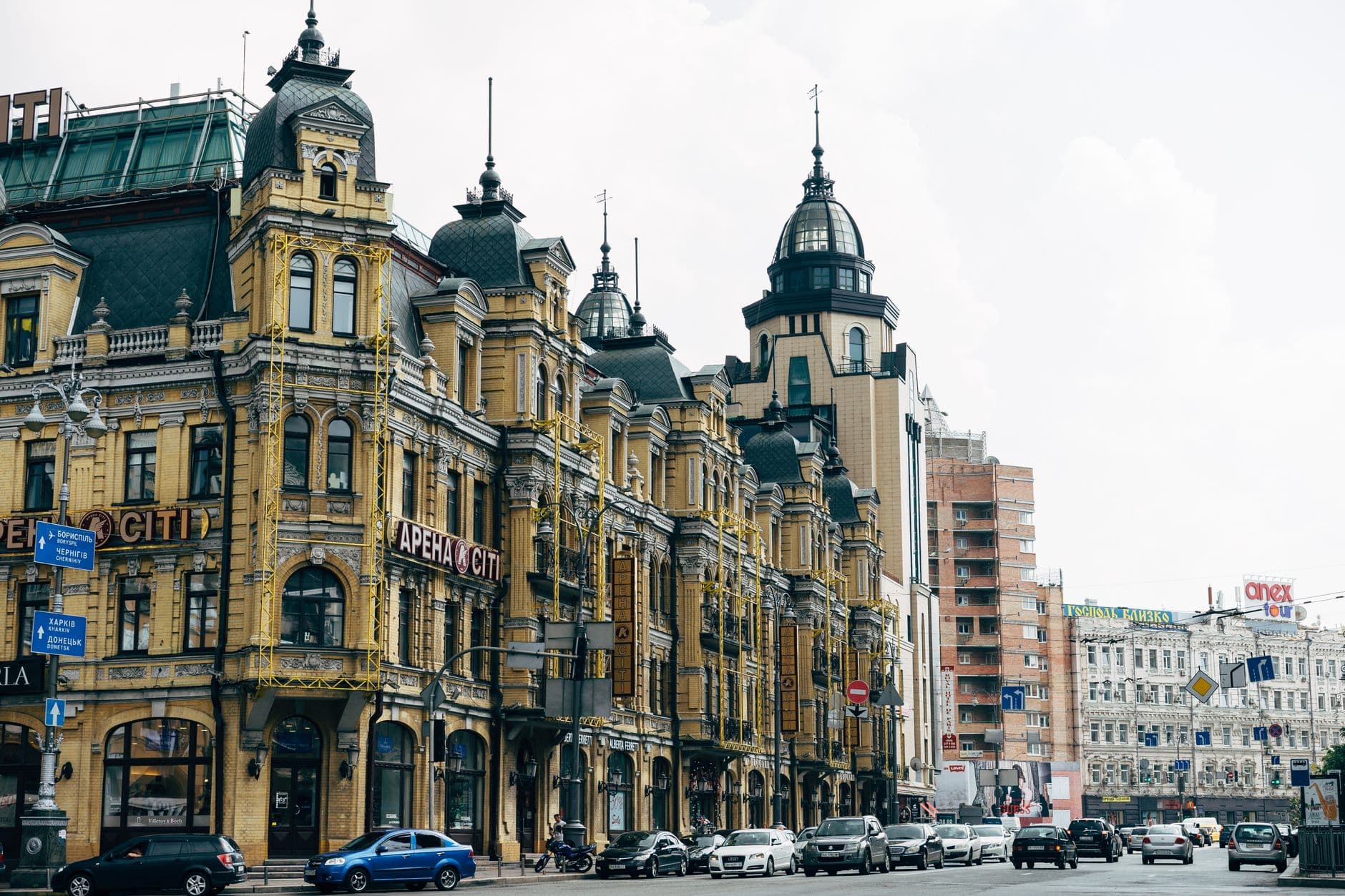
Pianifica un giro di due giorni nel centro: scarica le mappe offline, installa la traduzione e carica un percorso preimpostato nei quartieri centrali utilizzando una carta Troika. Questo ti permette di esplorare con sicurezza anche se perdi la connessione.
Ecco una lista concisa di 6-8 stazioni divise in due zone: centro storico e lungofiume. Per ogni fermata, indica una passeggiata di 15-20 minuti verso un punto di riferimento, un posto per un caffè e un pasto economico. Prepara 2-3 itinerari pronti da adattare al meteo e al tuo livello di energia, tenendone uno di riserva per i giorni di pioggia. Il piano varia con le stagioni e offre maggiore flessibilità: in inverno, preferisci percorsi al chiuso; in estate, aggiungi una passeggiata lungo il lungofiume. Usa un'app di traduzione per leggere i cartelli e i menu, e tieni una mappa offline sempre a portata di mano. Se hai bisogno di un'opzione di trasporto rapido, ci sono taxi o servizi di rideshare, e i servizi di consegna possono portarti spuntini in hotel. Chi ha viaggiato prima sa che un ritmo costante ti aiuta a notare dettagli che altri perdono.
Salute e sicurezza di base: portare un kit di pronto soccorso compatto, una fotocopia dell'assicurazione e annotare la clinica più vicina alle principali stazioni. In caso di problemi minori, le farmacie nei paraggi spesso hanno personale che parla un inglese base. Salvare i numeri offline per le emergenze sanitarie e tenere una foto del passaporto. Un piccolo piano di emergenza aiuta se ci si trova in movimento tardi e si è sorpresi da quanto velocemente può arrivare l'assistenza.
Mercati e locali offrono spuntini economici: prova i piatti di pesce vicino al fiume e assaggia il miele locale da un venditore ambulante come piccolo souvenir. Usa gesti semplici per navigare nei menu o chiedere traduzioni; la maggior parte dei posti risponde a un sorriso amichevole. Per una serata rilassante, usa le app di consegna per farti portare un pasto all'alloggio, o pianifica un picnic al tramonto in un parco se il tempo lo permette. Restando curiosi e seguendo un piano solido, esplorerai la capitale con facilità e potresti imbatterti in qualche sorpresa lungo il cammino.
Solo Mosca con sicurezza: un piano pratico e autonomo
Inizia con un giro di due giorni intorno al centro storico: Piazza Rossa, la Cattedrale di San Basilio e il Giardino di Alessandro. Controlla il calendario ufficiale per eventuali modifiche a novembre e pianifica gli itinerari nelle ore di luce per massimizzare la visibilità.
Prepara uno zaino leggero con acqua e una power bank. Usa una eSIM da un negozio ufficiale per cercare percorsi offline e confrontare i prezzi. Mantieni i dispositivi connessi mentre esplori e consulta le note offline quando il segnale cala.
Segui un percorso intelligente attraverso diversi quartieri vicini; tuttavia, gli orari di apertura possono cambiare, quindi è meglio avere un piano di riserva. Inizia presto e mantieniti flessibile per ridurre il rischio di perdere gli orari disponibili o di avere problemi con il meteo.
Le pause per il cibo sono essenziali: pancake nei caffè vicino alla cattedrale e alla zona della Piazza Rossa. Cerca posti con menu per la colazione semplici e buon caffè; le panetterie vicine vanno bene mentre ti muovi. La luce di novembre è più breve, quindi programma i pasti prima di mezzogiorno per sfruttare al massimo la luce.
Trasporti e ritmo: preferisci un unico circuito di trasporto invece di tornare indietro. In treno, il prezzo per corsa è trasparente; per soggiorni più lunghi, un biglietto giornaliero può risparmiare denaro. Controlla le connessioni del circuito, poi gestisci il tempo con un'app di calendario per restare in pista. Elimina passi sprecati allineando i percorsi alle visite ai negozi e alla piazza.
Prenotazioni e pianificazione: consulta i siti ufficiali per gli orari dei musei e le visite alle cattedrali; prenota le visite quando possibile per evitare la folla. Usa l'esim per controllare gli aggiornamenti in tempo reale e i negozi vicini se hai bisogno di supporto SIM. Se vuoi prolungare una visita, puoi aggiungere soste più lunghe in più luoghi spostando leggermente il percorso. Pianifica la tua giornata in modo da poter fare aggiustamenti in corso d'opera.
I quartieri di Mosca offrono opzioni compatte per un viaggiatore indipendente: soggiorna in un appartamento o ostello centrale, confronta i prezzi nei negozi vicini e tieni d'occhio i tempi di transito. Usa piccoli cambiamenti per ridurre il tempo di viaggio e mantenere il rischio basso.
| Day | Route | Distanza | Tempo stimato | Notes |
|---|---|---|---|---|
| 1 | Anello del centro storico (Piazza Rossa, Cattedrale di San Basilio, Giardini di Alessandro) | ~5 km | 3-4 h | Arriva presto, visita l'interno della cattedrale se permesso; evita le ore di punta |
| 2 | Vicino alle arterie principali di Tverskoy e Arbat (caffè, locali per blini, negozi) | ~4 km | 2-3 h | Controlla i prezzi dei trasporti; prenota 1-2 slot per i musei se possibile |
Verifica il visto, le regole di ingresso e i documenti di viaggio prima della partenza.
Inizia a controllare un mese prima per evitare problemi dell'ultimo minuto. Utilizza la pagina ufficiale del consolato o dell'ambasciata online per determinare se è necessario un visto, un invito o un e-visto per la tua nazionalità. Raccogli i documenti con il tuo team: foto per il passaporto, una lettera di invito o la conferma dell'hotel e una copia del tuo itinerario. Assicurati che il passaporto sia valido per almeno sei mesi oltre alla tua permanenza prevista. Salva copie digitali e porta versioni stampate di tutti i documenti, compresa l'invito se necessario; tienili in una cartella facilmente accessibile durante il viaggio.
Specifiche sul visto: se è richiesto un visto, sarà necessario un invito formale o una conferma dell'hotel. Per alcune nazionalità è disponibile un'opzione elettronica tramite la pagina ufficiale; i tempi di elaborazione variano in base al paese e alla stagione - prevedere almeno un mese. Le tariffe sono indicate nella valuta locale, comunemente rubli o la valuta di scambio; verificare i metodi di pagamento accettati prima di presentare la domanda. Una domanda online chiara e accurata riduce i ritardi e allinea i tempi al tuo anno di viaggio.
Documenti da portare: passaporto con validità di almeno sei mesi oltre la durata del soggiorno; conferma del visto o e-visto; lettera di invito; polizza assicurativa di viaggio; biglietto di ritorno o di proseguimento; prenotazioni alberghiere e un piano giornaliero. Conserva copie digitali online e tieni una copia stampata a portata di mano. Porta con te la pagina con i contatti dell'autorità locale o dell'albergo e una copia del tuo itinerario, così che i locali o il personale di un ristorante possano aiutarti se necessario.
Arrivo e ingresso: il controllo di frontiera potrebbe chiedere il motivo del tuo viaggio, dove alloggerai e come ti sposterai. Se includi una tappa a Pskov nel tuo itinerario, accertati che i documenti coprano anche quella zona. Porta con te la prova delle prenotazioni di trasporto e alloggio, nonché un contatto in loco. Tieni a portata di mano contanti in tagli piccoli per le spese minori, ma usa anche le carte di credito dove accettate negli hotel, nelle stazioni di trasporto, nei caffè lungo i canali e negli aeroporti. Conserva sempre copie dei documenti importanti in un'altra borsa o in un cloud storage nel caso vadano persi.
Meteo, eventi e pianificazione: la città si sveglia brulicante e vivace, con spettacoli teatrali e concerti durante le stagioni di punta. Controlla il calendario mensile online per gli eventi, per evitare rischi di cancellazione e per sincronizzare le tue serate con spettacoli o mercati. Cerca ristoranti di pesce e altre opzioni di ristorazione vicino al lungomare o nelle zone del centro storico per bilanciare le passeggiate di visita con i pasti. Sincronizzando il tuo piano con le pagine ufficiali, arriverai preparato per il meteo variabile e le folle, godendo di esperienze autentiche nei luoghi preferiti dai locali.
Connettività sicura: SIM/eSIM locali, mappe offline e app di traduzione
Acquista una SIM/eSIM locale subito dopo l'arrivo e completa eventuali registrazioni richieste; questo ti servirà per la navigazione, le comunicazioni con le ambasciate e i messaggi urgenti, evitando i costi di roaming. I prezzi variano in base all'operatore e alla quantità di dati, quindi valuta tre opzioni prima dell'acquisto. Scegli un piano che includa dati, messaggi e un piccolo limite di utilizzo offline, poi attivalo nei negozi ufficiali o ai chioschi dell'aeroporto. Assicurati che il tuo dispositivo sia sbloccato per cambiare profilo se necessario; una connessione affidabile è fondamentale per muoversi agevolmente tra le strade affollate e vicino alle ambasciate.
- Controlla la compatibilità del dispositivo, richiedi un QR code eSIM o una SIM fisica e registrati come richiesto. Tieni il passaporto a portata di mano per i controlli e scegli un pacchetto che includa dati per mappe e traduzioni. Gli itinerari spesso coprono più regioni, quindi un piano flessibile o add-ons sono importanti. Prima di partire, confronta i prezzi tra i vari fornitori e scegli rivenditori affidabili per evitare carte contraffatte.
- Scarica le mappe offline Scarica le mappe delle regioni che visiterai, inclusi i quartieri delle città e i principali hub di trasporto. App da utilizzare: Maps.me, 2GIS e Google Maps offline. Salva la zona dell'hotel, le principali stazioni di transito e i dintorni dell'ambasciata; i dati offline garantiscono la copertura anche in caso di maltempo o di segnale debole. Aggiorna i dati periodicamente se attraverserai zone remote come le regioni del Baikal. Le mappe offline riducono il consumo di dati e supportano un ritmo costante.
- Installa traduttori offline e un piccolo fraseggio. Tra le opzioni più popolari ci sono i pacchetti offline di Google Translate e Yandex.Translate. Carica frasi relative agli acquisti, alle indicazioni e all'alloggio, poi abbinale a note veloci per consultazioni in movimento. Questo risponde alle esigenze di scambi quotidiani nei mercati, nei caffè e negli uffici. Spesso, un pubblico di viaggiatori si affida a una coppia di app per coprire le comunicazioni essenziali.
- Pianifica e raccogli informazioni sulla città di Cascade da pagine ufficiali e fonti di viaggiatori per informare gli itinerari e prendere decisioni consapevoli del clima. Porta con te un piccolo lettore offline per una panoramica simile a una rivista sulla cultura e sugli eventi; verifica gli orari e le condizioni meteorologiche tramite fonti affidabili. Per un pubblico in cerca di cultura, pianifica intorno ai teatri di balletto e ai luoghi di culto dedicati ai santi per arricchire le tue esperienze. Usa note virtuali per mantenere gli itinerari ordinati e assicurati di poter raggiungere i luoghi chiave anche offline; una rapida pausa per una frittella durante il turismo aiuta a mantenere la concentrazione.
In pratica, questa configurazione supporta l'esplorazione di aree oltre il centro città, inclusi percorsi distanti ed escursioni nel fine settimana. L'approccio rimane pratico: prima di tutto la connessione sicura, scaricare i dati offline e tenere a portata di mano un traduttore compatto. Le folle natalizie, il freddo e il clima variabile influenzano i piani, quindi è bene avere un piano di riserva e un ritmo flessibile. I tuoi dispositivi daranno il meglio quando abbinati a fonti affidabili con mappe offline, e l'esperienza complessiva rimane confortevole per un pubblico diversificato.