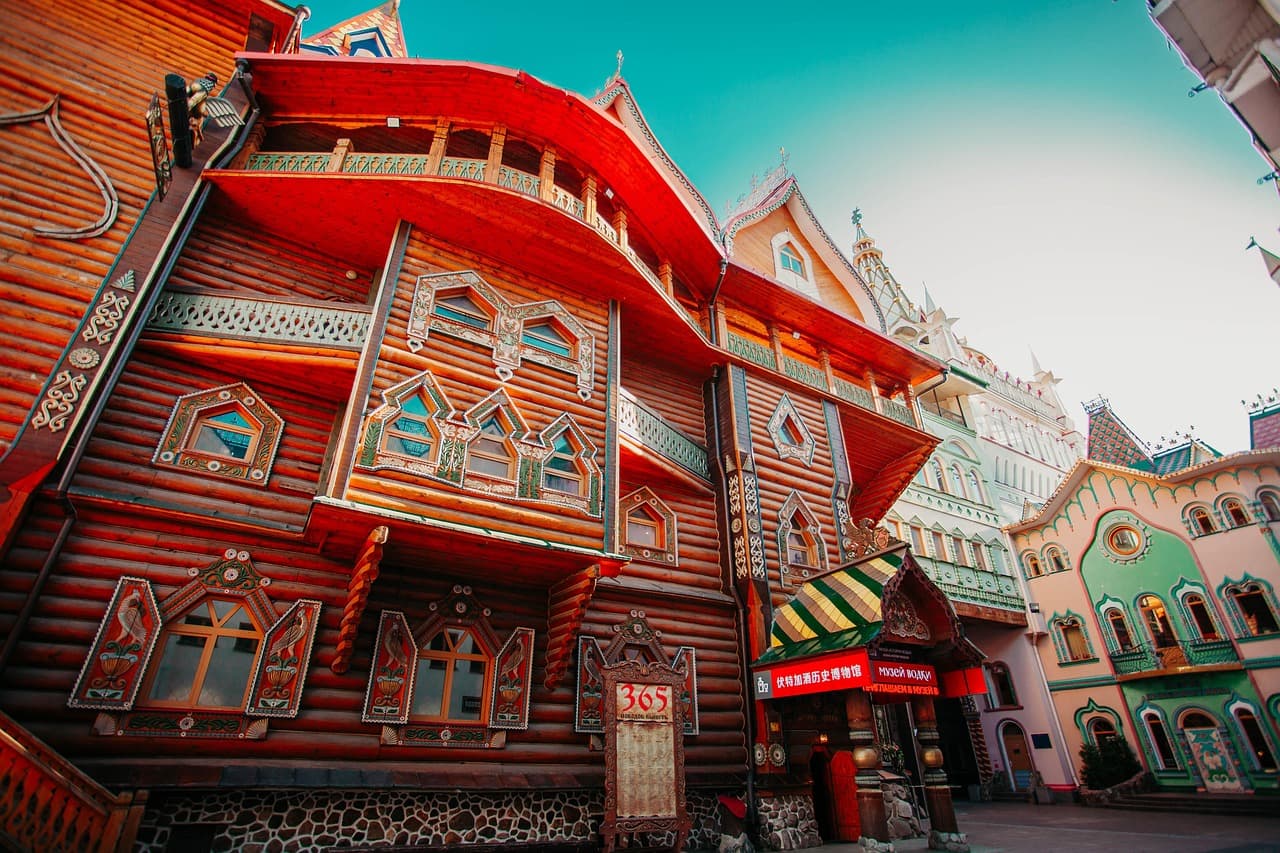
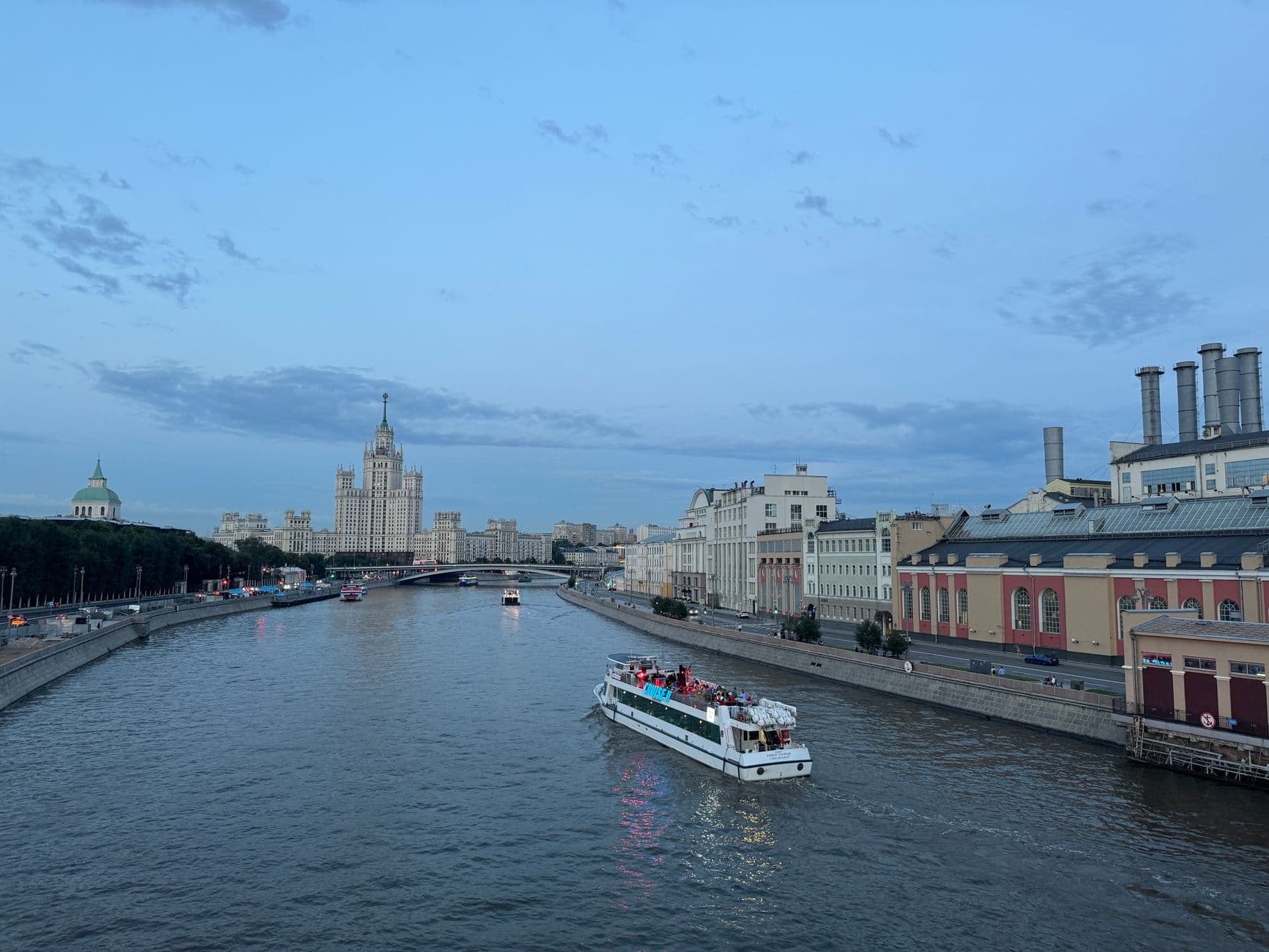
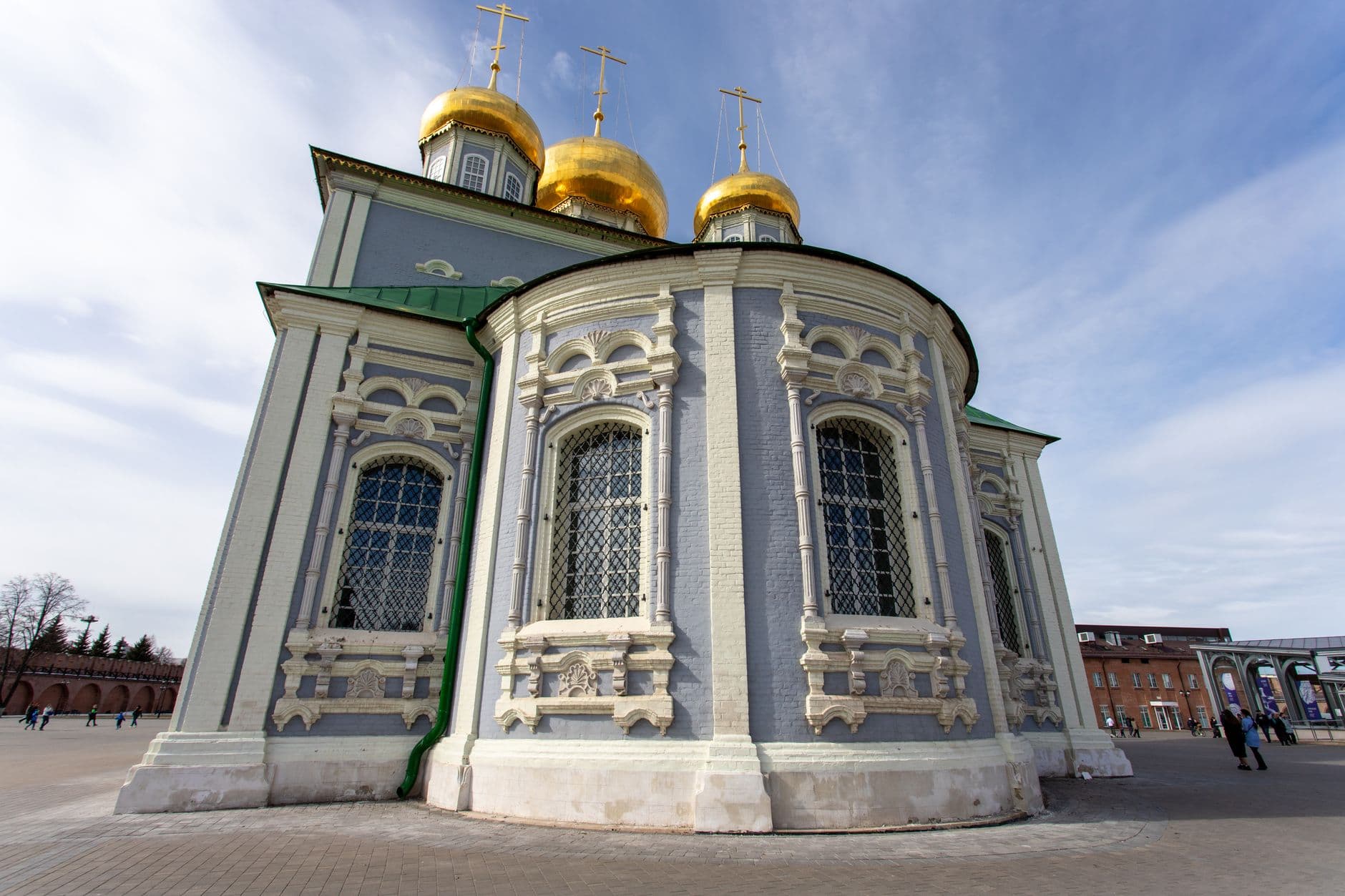
Inizia con Samovar Row per sentire il vapore, odorare il metallo e vedere i colori che segnano il giorno attraverso le vie della capitale russa già animate da chiacchiere.
Per chi si aggira, gioielli ispirati a Fabergé, porcellane dipinte a mano con smalti a crema e montature in smalto attendono lungo banchi famosi per artigianato e imperfezioni.
I prezzi variano notevolmente; vedrai cartelli con prezzi da modesti a fantastici, con trattative frequenti; migliaia di venditori offrono articoli diversi, e puoi trovare sia un pezzo di gioielleria vintage che un tessuto contemporaneo.
Pianifica un giro nella zona ristorante dove vengono serviti pasticci salati, ravioli e tè; pasticci alla crema spessa invitano, aromi di samovar riempiono l'aria e campioni gratuiti compaiono lungo il percorso; chiunque può trovare qualcosa da amare.
Aperto tutti i giorni, con bancarelle di produzione che mostrano tecniche secolari; arriva presto per evitare la folla, porta contanti per una negoziazione più facile e confronta l'artigianato prima di scegliere; gli oggetti con la glassa crème sulle ceramiche invecchiano magnificamente, incredibilmente duraturi, che aggiungono sempre valore.
Piano pratico per una visita fluida e orientata al valore
Arriva all'alba dall'ingresso orientale per evitare le lunghe code e assicurarti i pezzi originali dai negozi affidabili. Un giro di 3-4 ore copre la maggior parte delle offerte tra le vie principali e lascia spazio a pause pranzo tranquille.
Prima di partire, prepara un piano compatto con una lista di acquisti: libri, mobili, scarpe e seleziona bevande o piccoli oggetti decorativi. Assegna un tetto di spesa per ogni categoria e annota dove ti aspetti i migliori affari. Tra questi, dai priorità agli articoli considerati duraturi e ben fatti; confronta almeno due o tre campioni per la qualità. Questo tesoro di oggetti spesso contiene qualcosa di adatto a diversi budget.
Segui un percorso segnato da un chiosco di riferimento; questo simbolo di artigianato aiuta a evitare di tornare indietro e semplifica la navigazione. Usa una semplice linea sulla tua mappa per tracciare il tuo percorso, e tieni presente che i venditori spesso modificano i prezzi in base alla domanda.
- Pianificazione e tempistica: Arriva nelle prime ore per evitare la folla; stabilisci un orario di fine preciso per conservare le energie.
- Starta dalle zone dei punti di riferimento, poi prosegui nelle file adiacenti per coprire un'ampia gamma di negozi.
- Valutazioni e selezione mobili: ispezionare la falegnameria, la finitura e la stabilità; i test devono essere delicati, le venature del legno devono essere dritte; non ignorare mai le crepe.
- Libri: controlla le rilegature, i margini e la qualità dell'edizione; cerca pagine di esempio leggibili.
- Scarpe e piccoli accessori: verifica i modelli di usura e lo spessore delle suole; chiedi sui materiali utilizzati.
- Le trattative e i costi I prezzi sembrano alti all'inizio; proponi offerte eque e sii pronto ad andartene. Potrebbero essere accettati sia contanti che carta; conferma il metodo accettato all'arrivo.
- Per gli articoli di valore, richiedi un preventivo scritto o una ricevuta da un venditore affidabile e confrontalo con un altro negozio.
- Mantieni una lista breve di fornitori preferiti e intervalli di prezzo di esempio per accelerare le decisioni.
- Pianifica una pausa per il pasto in un angolo tranquillo; scegli opzioni leggere per mantenere l'energia necessaria per continuare a esplorare.
- Porta acqua e scegli bevande con poco zucchero per un'energia costante.
- Fotografia ed etichetta La fotografia è frequente; chiedi il permesso prima di fotografare esposizioni private. Rispetta i cartelli e evita di ostruire i passaggi.
- Note post-visita
Documenta cosa ha funzionato, inclusi costo, contatto del venditore e condizioni dell'articolo; crea un elenco per gli amici.
- Condividi i tuoi risultati con gli amici per raccogliere opinioni e decidere cosa acquistare la prossima volta.
Arrivo e orari: orari precisi e accesso ai cancelli
Arriva per le 08:45 per assicurarti l'ingresso prima dell'affollamento mattutino e inizia con una visione chiara delle offerte.
Orari di apertura: 09:00-18:00 tutti i giorni; nei fine settimana l'orario può essere esteso fino alle 19:00. L'ultimo ingresso è alle 17:30 nei giorni feriali e alle 18:30 nei sabati e domeniche. I cancelli chiudono alle 18:40; pianifica di arrivare prima per evitare la folla vicino agli ingressi di Sergiev e Lenin.
Accesso ai cancelli Due ingressi principali: Sergiev e Lenin. Dalle uscite della metropolitana, le indicazioni portano al cancello Sergiev; il cancello Lenin si trova più vicino alle fermate degli autobus esterne. Entrambi sono accessibili, con pavimentazioni piatte e rampe dove necessario; i percorsi restano praticabili per passeggini, sedie a rotelle e visitatori circondati da bancarelle. Se viaggi con amici o membri di un gruppo turistico, designa un punto d'incontro vicino al cancello Sergiev per identificare tutti rapidamente utilizzando punti di riferimento come esposizioni decorative o bancarelle di fiori.
Pagamenti e accesso Le carte sono ampiamente accettate; tieni una piccola riserva di contanti per i banchetti più piccoli. Google Maps fornisce lo stato in tempo reale dei cancelli e i percorsi consigliati; condividere la posizione live con gli amici aiuta a mantenere il gruppo unito. Per comodità, alcuni hotel offrono orari di navetta anticipati; esperienze di gruppo possono essere organizzate tramite host che si concentrano sulla cultura russa e sulle esperienze con il samovar.
Le intuizioni sulla cultura storica arrivano attraverso i motivi del folclore, gli articoli di recensione dei viaggiatori e le chiacchiere dirette con le venditrici. Cerca articoli autentici come scatole di lacca decorate, tessuti floreali e set di samovar originali; identifica gli oggetti per dimensioni e finitura per evitare falsi. I venditori delle campagne offrono pezzi vari; alcuni membri gestiscono famiglie da generazioni, qualcosa di speciale da esplorare; potresti andartene con ricordi che sembrano storici e russi nello spirito. Pianifica una breve sosta nelle vicine strutture alberghiere per riposare, se necessario, prima di continuare a esplorare altre bancarelle.
Opzioni di trasporto: come arrivare dal centro città e dalle fermate della metropolitana
Raggiungi il distretto orientale con la metropolitana, scendi a un grande interscambio, poi passa ai mezzi di superficie verso una grande area parco; cammina per 10-15 minuti fino all'ingresso. Usa Google Maps o app per identificare le fermate esatte e gli orari in tempo reale; i tempi di viaggio variano con la folla, pianifica un tempo extra nei fine settimana. Cerca occasioni speciali per risparmiare su pasti o piccoli souvenir.
Prendi la metropolitana diretta verso i quartieri orientali, poi trasferisciti su un tram o un autobus di superficie lungo i confini del parco; i cartelli indicano l'ingresso principale. Questo percorso comodo è adatto alle famiglie con bambini e ai visitatori per la prima volta, e riduce al minimo la camminata garantendo un flusso costante e affidabile nei periodi di maggiore affluenza. Se sei disposto a esplorare, scoprirai angoli nascosti.
Stime di percorrenza: dai centri principali alla zona del parco solitamente 40-60 minuti nei giorni feriali, con il fine settimana più lungo di 10-20 minuti a causa della folla. Quello che cerchi conta, da piccoli souvenir a tessuti più grandi; le folle di turisti creano uno sfondo vasto e vivace per le foto.
Cammina dall'uscita della metropolitana alla piazza; lungo la strada noterai vaste texture architettoniche, facciate vivaci e un'atmosfera che sembra catturare lo spirito della vita locale. Piazze aperte, chioschi adatti alle famiglie e una miscela di venditori affidabili offrono l'opportunità di contrattare e trovare buoni affari su articoli fatti a mano e opere d'arte. Tieni a portata di mano una mappa per identificare i punti di riferimento iconici e i simboli per una visita più veloce e sicura.
Una volta arrivati, pianificate in anticipo: passeggini per i bambini, scarpe comode, pause per i pasti e un ritmo flessibile; questo bazar all'aperto può diventare affollato, quindi indossate colori vivaci per restare visibili. Gli slot di tempo libero per le visite guidate sono rari, fate affidamento sul vostro piano; usate Google Maps o app per tracciare gli orari degli stand e eventuali chiusure temporanee. Se volete confrontare le merci dei vari paesi, esplorate gli stand vicino alle vie principali per trovare articoli più piccoli, autentici, che sembrano storicamente radicati e ben prezziati.
Essenza dell'esperienza: camminando tra le vivaci file di bancarelle, si possono riconoscere i buoni venditori con una lunga reputazione; alcuni gestori delle bancarelle esibiscono con orgoglio un "simbolo" di qualità o storia. Considera di portare una borsa riutilizzabile, indossare scarpe comode e tenere al sicuro i tuoi oggetti di valore. Per ulteriori ispirazioni, cerca su Google e controlla le app prima di uscire: queste fonti ti aiutano a non perderti gli orari di apertura o gli eventi del fine settimana.
Souvenirs da questa destinazione includono spesso artigianato in legno, tessuti e arte locale; conoscere gli orari e pianificare in anticipo può aumentare le possibilità di trovare buoni affari; molte visite guidate includono una pausa caffè o un pasto prenotato per assaporare l'atmosfera locale. Se viaggi con bambini, ci sono aree con sedute ombreggiate e bancarelle più piccole dedicate alle famiglie, rendendo l'esperienza confortevole e ben organizzata. Per i collezionisti, alcune bancarelle presentano motivi regali in intagli in legno e tessuti, aggiungendo un tocco regale ai reperti.
Cosa indossare e portare: calzature, politica delle borse, attrezzatura per il meteo
Calzature: scegli scarpe da ginnastica chiuse e antiscivolo o scarpe da trekking leggere. Evita le infradito; i vicoli affollati e i selciati irregolari richiedono aderenza. Questo ti aiuta a muoverti tra le file accanto alle tavolozze di colori dei tessuti e alle merci multicolori, navigando con facilità il ritmo della vita di strada durante le lunghe ore trascorse a cercare oggetti imperdibili mentre identifichi motivi e texture.
Politica per le borse: portare una borsa a tracolla compatta o un piccolo marsupio; gli zaini ingombranti sono spesso sconsigliati nelle zone affollate. I cartelli governativi e le regole degli organizzatori indicano i limiti di dimensione; tenete i valori nelle tasche anteriori o in una borsa con cerniera. Questa impostazione velocizza gli acquisti e riduce il rischio di smarrimento, soprattutto quando si effettuano acquisti pezzo per pezzo.
Abbigliamento per il meteo: nelle giornate calde opta per tessuti traspiranti, un cappello, occhiali da sole, crema solare e una bottiglia riutilizzabile. In caso di pioggia o venti freschi, porta con te un poncho compatto o una giacca impermeabile ultraleggera insieme a un ombrello piccolo; lo strato di vestiti aiuta a gestire le variazioni di temperatura tra le diverse ore del giorno. Se piove, ti servirà un leggero windbreaker, altrimenti rimani comodo sotto le luci elettriche dopo il tramonto.
Pagamenti e scoperte: molti venditori accettano carte, incluse le carte baltiche; porta contanti come riserva per i posti dove le opzioni sono limitate e disponibili indipendentemente dalla segnaletica. Se sei un amante di pezzi autentici, studia le etichette per identificare dimensioni, materiale e provenienza; cerca dettagli architettonici sui cartellini e menzioni di motivi regionali. Se un pezzo ti colpisce, prendilo presto, perché le scoperte popolari non durano a lungo; portare il telefono ti aiuta a confrontare i prezzi o identificare un negozio menzionato da locali appassionati di scoperte.
| Categoria | Tip | Why |
| Calzature | Scarpe da ginnastica chiuse e antiscivolo o scarpe da trekking | Stabile su sentieri affollati e irregolari |
| Politica sui bagagli | Borsa a tracolla compatta o piccolo marsupio; evitare zaini ingombranti | Muoviti agevolmente in spazi stretti; gestione più sicura degli acquisti |
| Abbigliamento per il maltempo | Cappello, crema solare, poncho o guscio leggero antipioggia, piccolo ombrello | Adatta al sole, al caldo e alla pioggia improvvisa |
| Pagamenti | Carte (inclusi i Baltic Cards); portare contanti come riserva | Molti banchi offrono opzioni flessibili; i metodi di pagamento disponibili variano. |
| Trovate autentiche | Identifica dimensioni, materiale, provenienza; controlla i cartelli; cerca dettagli architettonici. | Qualità e dettagli aiutano a distinguere gli affari vantaggiosi da quelli meno desiderabili. |
Budgeting e contrattazione: contanti vs. carta, controlli dei prezzi, consigli per mercanteggiare
Per risparmiare in modo intelligente, porta contanti in tagli piccoli (200, 500, 1000 rubli) e tieni traccia di ogni acquisto; il contante è fondamentale per la maggior parte delle transazioni, soprattutto lungo le vie Arbatskaya e Pavlovo, dove i venditori sono circondati da una grande folla. I terminali per carte di credito compaiono solo in alcuni banchi più grandi e i pagamenti con Visa possono essere poco affidabili; se devi pagare con carta, conferma con il personale prima di pagare e preparati a eventuali commissioni aggiuntive o tempi di elaborazione più lunghi.
- Metodi di pagamento: il contante è il re per la maggior parte degli acquisti; porta con te una miscela di banconote e monete per coprire le trattative rapide per oggetti di minor valore. Se vuoi usare una carta, verifica prima con il venditore e preparati a un costo effettivo più alto sul posto.
- Controlla i prezzi: fai una breve passeggiata e confronta i prezzi di antichità, tappeti, tessuti e altri oggetti; i collezionisti spesso cercano pezzi autentici, quindi chiedi informazioni sull'origine e le marche. Cerca i cartellini con il prezzo, ma confronta almeno tre bancarelle per evitare basi di riferimento gonfiate. Per articoli come cosmetici o creme, come la crème lenins, verifica l'autenticità e il peso prima di acquistare.
- Approccio alla contrattazione: inizia con un'offerta del 30-40% inferiore al prezzo indicato, poi trova un punto di incontro a metà strada. Mantieni la calma, sorridi e accenna al fatto che sei in viaggio; questo può portare a uno sconto senza compromettere il rapporto. Se il venditore rifiuta, allontanati brevemente e torna più tardi dopo esserti calmato, il che potrebbe segnalare un interesse serio senza pressare il personale.
- Controlli dettagliati: per i piccoli acquisti (gioielli, ceramiche o tessuti) esigi un prezzo chiaro e una nota scritta; per gli acquisti più grandi (antichità, opere d'arte o tessuti vintage) richiedi una ricevuta e conferma il costo totale, sconti inclusi; mantieni le spese entro il tuo limite giornaliero per non sforare il budget.
- Arriva presto per esplorare le navate centrali prima che la folla si addensi; le sezioni coperte intorno ad Arbatskaya e Pavlovo ti proteggono dalle intemperie, aiutandoti a valutare colore, texture e stato di oggetti come tessuti e tappeti.
- Visa e limiti: alcuni banchi nelle zone coperte potrebbero accettare pagamenti con carta di credito tramite lettori mobili; confermare commissioni e tempi di elaborazione con il personale prima di pagare. Se arrivi con un visto o altri documenti di viaggio, tieni tutti i ricevute a portata di mano per eventuali scambi o resi futuri.
- Cibo e riposo: sono disponibili opzioni vegetariane nelle vicinanze per sostenere una lunga sessione di ricognizione; pianifica pause brevi per rivedere il tuo budget e annotare il denaro rimanente per gli eventuali acquisti della giornata.
Strategia generale: pianifica un budget intorno a oggetti più piccoli e autentici e riserva una parte separata per vere e proprie scoperte di valore da venditori con una solida reputazione. Già familiare con la disposizione intorno ad Arbatskaya e le vie centrali? Usa quella conoscenza per mirare ai venditori che offrono costantemente prezzi equi sia ai locali che ai viaggiatori. Se viaggi con un programma di ritorno, programma le tue visite per evitare le ore di punta, poiché le folle dense possono far aumentare i prezzi per gli acquirenti frettolosi. L'approccio più affidabile rimane il contrattare in contanti con limiti chiari; molto probabilmente te ne andrai con ottimi acquisti, che tu sia alla ricerca di antichità, tessuti baltici o altri tesori da collezione, e tornerai con storie, non con rimpianti.
Cibo, sicurezza e buone maniere: assaggi, sicurezza tra la folla e regole per le foto
Inizia con un assaggio economico in una postazione compatta vicino a pareti fiorite per identificare un sapore preferito prima di espandere la tua ricerca nell'ampia area. Per un gruppo familiare, condividi 2-3 articoli da diverse gamme per mantenere lo stomaco pieno senza rallentare il ritmo; questo approccio rende l'esperienza più confortevole e fattibile per chi è nuovo alle scene di vita. Cerca postazioni che offrano una miscela di articoli illustrati e descritti; identifica quelli che si allineano ai tuoi gusti e inizia con un piatto piccolo così potrai passare ad antichità, giocattoli o altri se il tempo lo permette. Se vuoi una tappa ricca di cultura, scegli siti che mettono in risalto artigianato locale dei villaggi del paese, dove il profumo del pane fresco e le note floreali aiutano a creare un'atmosfera incantevole. Contratta educatamente sul prezzo dove appropriato e indica il tuo budget in anticipo per mantenere la fila fluida. Un buon piano è quello di fare pause intorno alle pareti e alla fila per non perderti l'opportunità di provare una gamma di sapori, dal salato al dolce, e per evitare di sovraccaricare lo stomaco. Tieni la tua fotocamera pronta per scene che mostrano la cultura; momenti fotografati di venditori sorridenti, bancarelle adornate di fiori e file di esposizioni artistiche possono essere conservati nella memoria e come souvenir fotografici.
La sicurezza della folla è fondamentale: muoviti con il flusso del traffico, resta da un lato e evita di bloccare la fila vicino ai negozi affollati e all'ampia area dove si radunano i visitatori. Tieni gli oggetti piccoli vicini e i valori in una borsa comoda e sicura, soprattutto quando la zona è affollata; i bambini dovrebbero rimanere a portata di mano. Quando pensi alle regole per le foto, chiedi il permesso prima di scattare a persone e evita di ostacolare chi vende merci; usa una fotocamera o un telefono con una presa stabile e scatta da una distanza rispettosa per catturare la cultura vivente e le scene magnificamente illuminate. Se uno stand indica "no foto", rispetta l'icona sul muro e asteniti; altrimenti, fotografa con cura le scene che mostrano l'atmosfera dei villaggi di questo paese e le esposizioni artigianali. Chi scatta dovrebbe concentrarsi su ampie vedute delle file, dei negozi e delle pareti per trasmettere l'atmosfera senza disturbare il commercio o il traffico.