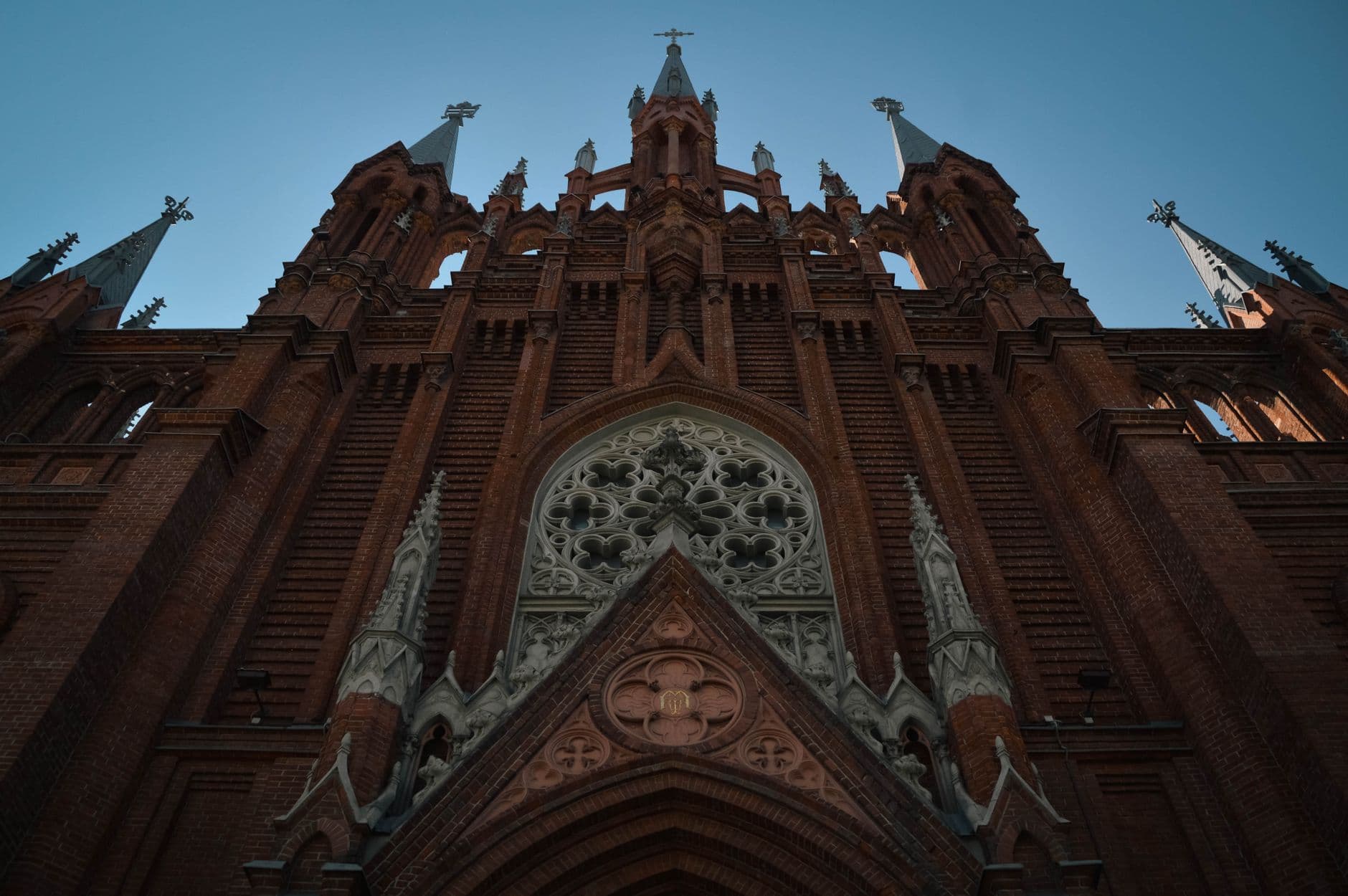
Scopri oggi la guida per esplorare come religione e cultura si intrecciano nelle strade e negli spazi sacri di Mosca. Questa risorsa compatta aiuta viaggiatori e residenti a interagire con il patrimonio, l'educazione e la vita quotidiana con sicurezza.
Tre filoni plasmano il contenuto: i luoghi spirituali, i quartieri brulicanti e le azioni che si sono susseguite lungo la storia di Mosca. Incontri Stepan, un narratore pronto, e una madre che organizza piccoli incontri dopo un matrimonio e visite al tempio per condividere ricordi in parole che illuminano la vita quotidiana.
La tradizione ebraica è mostrata accanto a moschee e chiese, riflettendo la diversità di Mosca. Alcune comunità hanno sofferto sotto passate restrizioni, e la guida indica i luoghi dove le comunità di fede si riuniscono, con consigli pratici per visite rispettose, orari di apertura e sicurezza. Include anche note educative per studenti e curiosi locali per riflettere su come la fede plasmi la vita cittadina.
Nel terzo distretto, un breve percorso collega una chiesa, una sinagoga e un piccolo museo vicino al Parco della Vittoria, con monumenti lungo il fiume e note sulla memoria della Vittoria, oltre a indicazioni su come appaiono i cartelli di Vypolzov e i termini locali nella vita quotidiana.
La risorsa include indirizzi concreti, consigli sui trasporti e tour gratuiti che si svolgono quando si prenota in anticipo. Utilizzala per pianificare visite rispettose, coordinarti con guide locali e mettere l'educazione al centro della tua esperienza.
Guida pratica al panorama religioso di Mosca
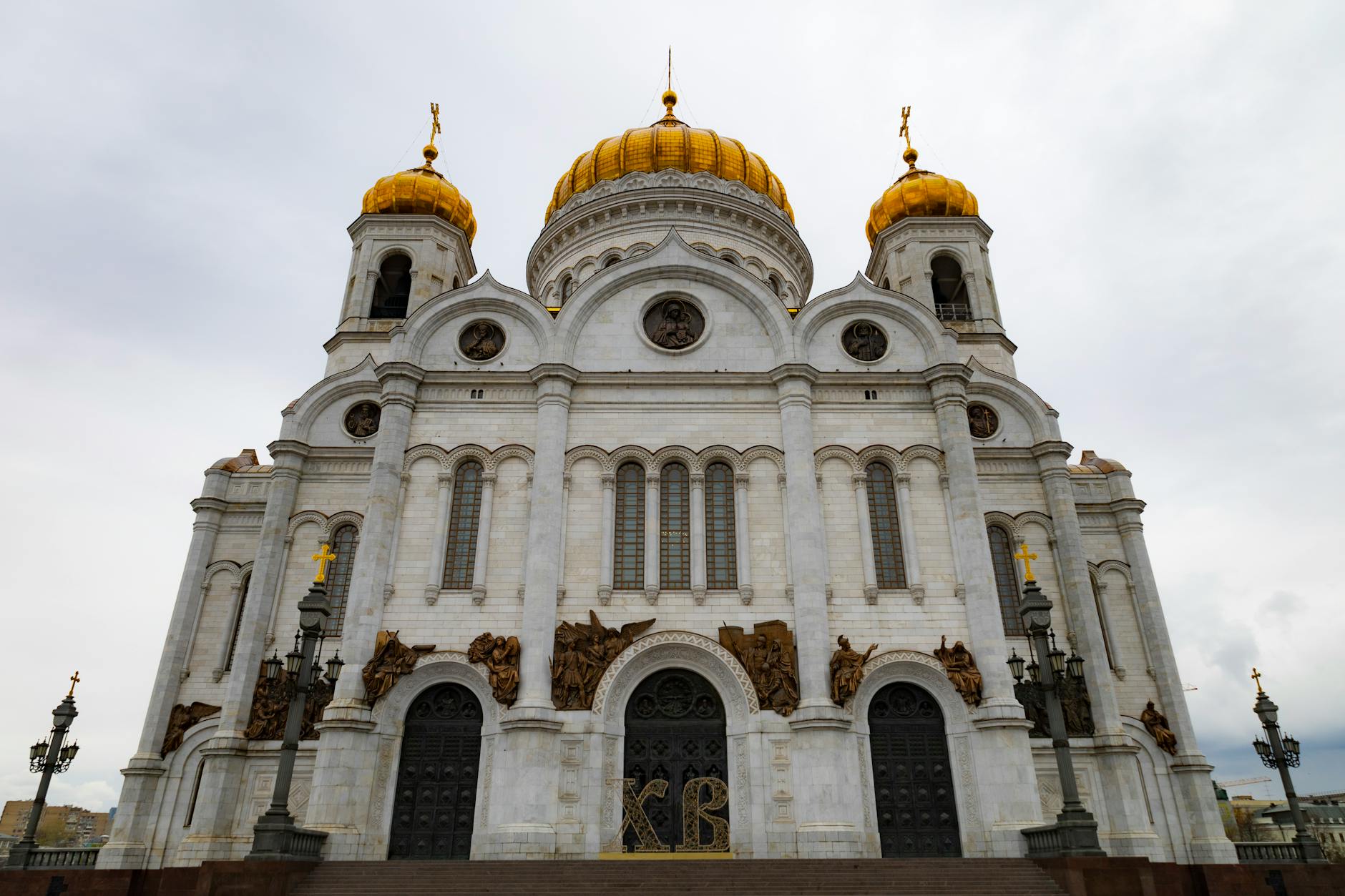
Inizia la giornata con una visita alla Cattedrale di Cristo Salvatore, e come seconda tappa, recati al Monastero di Novodevičij per assistere a solenni devozioni affiancate alla vita cittadina.
Pianifica ogni tappa del tuo percorso con la metropolitana; Lubyanka si trova al centro di Mosca, permettendoti di raggiungere i templi lungo le principali linee con facilità e velocità. Ti piacerà come la città unisce spazi spirituali alla vita quotidiana.
Controlla gli orari di apertura immediatamente; gli orari cambiano nei giorni festivi e nelle festività, quindi pianifica in base agli orari annunciati per avere abbastanza tempo per visite, servizi e un pasto veloce.
Dagli anni '90, sono comparsi nel centro città centri buddhisti che offrono sessioni di meditazione e conferenze pubbliche, complementari alle devozioni presenti nelle chiese di tutta la Russia. Accolgono persone di ogni estrazione e forniscono materiale informativo in inglese per i visitatori.
Dalla prospettiva di un viaggiatore, mescola le chiese ortodosse con l'Islam e gli spazi buddisti per vedere le ampie tradizioni religiose d'Europa riflesse a Mosca. Le organizzazioni stesse coordinano passeggiate guidate, brevi conferenze e conversazioni informali; ogni aspetto della vita devota di Mosca offre un'altra prospettiva.
La vita religiosa del paese continua a crescere grazie a comunità attive; i monasteri spesso ospitano modeste caffetterie con cibo semplice dopo le preghiere. Già, i visitatori notano come le devote preghiere si riversino nella vita di strada, e i simboli rappresentano la storia multiconfessionale di Mosca. I luoghi stessi sono stati creati da generazioni di fedeli, e gli archivi Niebuhr forniscono il contesto su quando e come questi edifici sono apparsi ed evoluti.
Site
Focus
Tips
Etiquette
Cattedrale di Cristo Salvatore
Culto ortodosso; cupole iconiche
Arriva prima delle 09:00 per un accesso più tranquillo; verifica gli orari del servizio sul sito ufficiale; prevedi controlli di sicurezza
Vestiti in modo modesto; mantenete le voci basse; la fotografia è consentita solo in alcune zone
Convento di Novodevičij
Complesso monastico e cimitero
Pianifica 60-90 minuti; i giorni feriali sono più tranquilli; abbinalo a una passeggiata intorno ai laghetti
Rispetta le aree vietate; evita di portare cibo nelle cappelle; mantieni il silenzio nelle sale di preghiera.
Moschea di Mosca
Culto islamico; moschea centrale
Copri spalle e ginocchia; le donne possono indossare un velo; gli orari di preghiera variano
Entra con abbigliamento modesto; chiedi prima di scattare foto nelle zone di culto
Monastero di Don
Monastero ortodosso
Visita al mattino per un'atmosfera tranquilla; controlla i programmi all'aperto
Rispetta gli spazi di culto; evita conversazioni rumorose; valgono le regole sulla fotografia all'interno delle chiese
Centro Buddhista di Mosca
Pratica buddhista
Partecipa alle preghiere private se invitato; spesso ci sono discorsi in inglese nei fine settimana
Parla a bassa voce; chiedi prima di scattare foto; togliti il cappello al chiuso
Chiese vicino a Lubyanka
Il culto cristiano nel centro della città
Gli orari di apertura variano; pianifica una visita breve tra le altre attrazioni
Rispetta la preghiera privata; non toccare le icone; limita l'uso del flash.
al cambio della Banca di Russia del 17.10.2026 · powered by tutkakdoma
Codice di abbigliamento ed etichetta per le visite alle chiese ortodosse
Indossa abiti modesti che coprano spalle e ginocchia e togliti il cappello quando entri in chiesa. In molte città russe, questa semplice regola segna il rispetto durante la cerimonia e aiuta tutti a concentrarsi sulla preghiera.
Le donne dovrebbero portare un foulard o uno scialle per coprire i capelli; gli uomini dovrebbero togliersi il cappello all'interno. Seguite sempre i cartelli locali, poiché le indicazioni variano in base all'autorità di ogni parrocchia, ma lo standard generale rimane conservatore e pulito nell'aspetto.
Ufficialmente, la fotografia durante le funzioni è sconsigliata; se hai bisogno di uno scatto, chiedi il permesso all'ingresso. Le informazioni sulle autorizzazioni sono solitamente esposte all'entrata o disponibili tramite il club informativo della parrocchia, e i volontari possono indirizzarti alla persona giusta.
Durante una cerimonia o rito, alzati per le letture, inchinati nei momenti di preghiera e fati il segno della croce con movimenti quieti e deliberati. Evita di parlare nella navata e astieniti dall'usare il telefono; l'etichetta sociale preferisce il silenzio e la solennità per preservare l'atmosfera di culto.
L'abbigliamento conta per comfort e rispetto: evitare colori vivaci, tessuti trasparenti o abiti che scoprano troppo. Le gonne dovrebbero essere al ginocchio o più lunghe, e gli uomini dovrebbero indossare camicie con le maniche. Cinque consigli pratici aiutano i visitatori a integrarsi con i fedeli: coprire le spalle, riporre i telefoni, entrare con discrezione, seguire la processione e lasciare che il clero indichi quando sedersi o alzarsi.
Le festività portano chiese più affollate e servizi più lunghi; pianifica la tua visita di conseguenza e concediti tempo extra. Alcuni centri organizzano incontri più brevi nei giorni feriali, di martedì, ma gli orari possono cambiare, quindi verifica il programma in anticipo. Se viaggi verso città come Vladimir, noterai aspettative simili nei centri russi, dove le guide di etichetta sono esposte per i nuovi arrivati e i locali.
Storicamente, le influenze occidentali si sono affiancate alle pratiche del rito locale, e gli strumenti musicali vengono utilizzati in modo variabile a seconda dell'istituzione. Nelle regioni con una forte presenza occidentale, come alcuni centri, l'organo e la musica corale possono accompagnare alcuni momenti della cerimonia, mentre altre osservano un approccio più sobrio. Questo contrasto è naturale e deriva da una lunga tradizione che si è evoluta sotto popoli diversi, tra cui le comunità tartare e bulgare, plasmando poi usanze e norme sociali locali distinte.
Se siete in visita dall'estero o da un club parrocchiale, utilizzate le informazioni fornite dalla chiesa per allinearvi al ritmo liturgico in corso. Per un inizio rispettoso, salutate con modestia i sacerdoti e i volontari, comportatevi con calma sicurezza e ricordate che il rito invita alla quiete personale come parte della devozione condivisa.
Cosa succede in una funzione ortodossa russa: una guida passo-passo
Arriva presto ed entra in silenzio per osservare la funzione dal centro. L'aria è carica di cera di candela e di un canto sommesso mentre i fedeli si radunano. Se arrivi da Maryina, pianifica il percorso verso Lubyanka per unirti al cerchio dei fedeli prima che le porte si aprano.
Passo 1: Alla porta, inchinatevi all'iconostasi, fate il segno della croce e accendete una candela se lo desiderate. Il sacerdote guida le preghiere; i fedeli rispondono con un sommesso "Amen" e movimenti coordinati. Usando la vasca dell'acqua santa, beneditevi e entrate in chiesa con solennità e rispetto.
Il Divino Liturgo si svolge attraverso atti fissi: salmi, letture, risposte del coro e la preghiera eucaristica centrale. Ogni gesto porta con sé la storia, e l'inno terzo spesso segna un punto di svolta. Il coro, con il canto tradizionale, dona una calda atmosfera che può ricordare i concerti, pur mantenendo lo scopo liturgico.
Passo 3: Le letture e le risposte guidano la congregazione attraverso le Scritture e la preghiera. Il canto comunitario accompagna la proclamazione del Vangelo, e il sacerdote offre istruzioni o una breve riflessione. Se non partecipi alla comunione, resta in piedi con gli altri e ricevi una benedizione mentre la fila passa; coloro che partecipano avanzano con reverenza per ricevere l'Eucaristia.
Step 4: Dopo la distribuzione, la benedizione conclude la liturgia formale e i fedeli venerano le icone o accendono ulteriori candele. In molte chiese, l'epistola di ringraziamento viene scambiata a bassa voce, e l'atmosfera invita alla riflessione spirituale per chi ha necessità personali. Se rimani, puoi salutare brevemente il sacerdote per un consiglio o una benedizione.
Passo 5: Dopo il servizio, esplora la vita parrocchiale e le risorse disponibili. La biblioteca offre libri di storia, credenze e pratica, mentre il sito web elenca gli orari delle liturgie, le feste e gli eventi in programma. Il centro ospita concerti tradizionali, conferenze e incontri per famiglie, frequentati sia da locali che da visitatori. In alcune occasioni, un piccolo tavolo offre cibi e dolci benedetti, tra cui i pasticcini tartari, per chi desidera partecipare dopo le preghiere.
Pratiche note: vestitevi in modo modesto e evitate conversazioni rumorose all'interno della navata; tenete i telefoni in modalità silenziosa e resistete alla fotografia se non espressamente permesso. Se siete in visita dalla strada, prendetevi un momento per osservare l'etichetta post-servizio e ringraziate il sacerdote per la benedizione. Questo semplice approccio vi aiuterà a vivere il servizio con maggiore chiarezza e rispetto per le loro credenze e storia. Per ulteriori dettagli, consultate il sito web e pianificate la vostra visita in base al prossimo servizio al centro, vicino a Lubjanka, o lungo le strade limitrofe.
Visitare i Templi Buddistici a Mosca: Orari, Programmi e Sessioni di Meditazione
Visita il centro Starosadsky alle 9:00 per la sessione di meditazione principale; se quell'orario non ti va bene, partecipa al programma delle 18:00 per una conclusione più tranquilla della giornata.
Gli orari variano a seconda del centro, ma il ritmo standard include una meditazione guidata alle 09:00, un pranzo comunitario alle 12:30 e una pratica serale alle 17:30 con le candele accese nella sala principale.
I programmi includono esercizi di respirazione, meditazione seduta, meditazione camminata e brevi discorsi sul dharma; nei fine settimana, una riflessione di nove minuti chiude la sessione, seguita da una leggera sessione di domande e risposte per i visitatori curiosi.
Vestiti in modo modesto, togli le scarpe prima di entrare nello spazio di preghiera e scegli un posto sul pavimento o sui cuscini nella sala principale; le candele brillano, la postura tranquilla è rispettata, una parola di benvenuto da parte dei volontari aiuta a creare l'atmosfera per tutti i partecipanti, e le pareti sono dipinte con motivi semplici che riflettono la saggezza.
I centri accolgono persone di molte nazioni, tra cui cristiani, italiani, tatari e locali; ispirandosi all'idea che la saggezza non conosce confini, offrono tour, traduzioni e assistenza volontaria. Il coro, diretto da Stepan Obraztsov, spesso si esibisce dopo il blocco di meditazione, creando un ambiente accogliente per chi crede nei valori buddisti e vuole approfondire. Il distretto di Vypolzov e le vicine rotte di Starosadsky collegano diversi centri, e dalla metropolitana di Vladimir è possibile raggiungerli facilmente per una visita compatta in un giorno.
Accesso alle Moschee di Mosca: Preghiere, Ingresso delle Donne e Programmi Educativi
Pianifica la tua visita utilizzando il calendario ufficiale del Consiglio Musulmano di Mosca e arriva 30 minuti prima dell'orario della preghiera. Per le preghiere del venerdì, le porte si chiudono pochi minuti prima dell'inizio del sermone; indossa abiti modesti e togliti le scarpe prima di entrare nella sala principale. Non c'è un altare nelle moschee; il mihrab indica la qibla. Le indicazioni ti guidano all'ingresso centrale, situato al centro del complesso nella capitale. L'edificio include personale di accoglienza che può aiutarti a conoscere le pratiche locali, anche se hai visitato altri luoghi.
L'ingresso per le donne è segnalato nella maggior parte delle moschee; possono entrare da un ingresso separato o da un corridoio laterale e sedersi in uno spazio dedicato di fronte al mihrab. Le madri con bambini spesso trovano comode le zone familiari. Le donne dovrebbero portare un velo per la testa; se dimenticato, le coperture sono di solito disponibili all'ingresso. Il personale o un volontario del consiglio può guidarvi, soprattutto quando arrivate da un'altra parte della città, e potreste sentire la chiamata alla preghiera risuonare nel cortile.
I programmi educativi includono letture del Corano, corsi di tajwid e di lingua araba; le lezioni trattano la vita nell'Islam e la pratica quotidiana. Le moschee più antiche di Mosca offrono corsi estesi; il giovedì, laboratori aggiuntivi attirano famiglie e studenti. I programmi sono solitamente gratuiti o a basso costo e aperti al pubblico; puoi partecipare per scoprire come le tradizioni plasmano i rituali personali e la vita comunitaria.
All'interno della capitale, le moschee si trovano vicino alle chiese e ad altri centri di fede. Il consiglio coordina l'interazione interreligiosa con dialoghi aperti e reciproco rispetto. I visitatori sanno che questa città include un paesaggio spirituale variegato; alcuni eventi coinvolgono i metodisti e altre denominazioni, con cori che cantano insieme. Tale collaborazione onora ogni tradizione e aiuta i residenti a comprendere come la religione plasmi la vita economica e culturale del futuro.
Tips pratici: togliete le scarpe all'ingresso, vestitevi in modo modesto e mantenete un tono di voce basso nelle sale di preghiera. Evitate di scattare foto senza permesso; se desiderate registrare, chiedete prima al personale. Sono disponibili fontanelle; ci sono spazi riservati alle donne e angoli tranquilli per le mamme con bambini; nei periodi di maggiore affluenza potrebbe essere necessario fare la coda, ma il personale si impegna a mantenere l'accesso aperto.
Pianifica in anticipo la tua visita per un'esperienza fluida; il centro ti collega con la vita spirituale e le tradizioni di Mosca. Prima di partire, verifica gli orari del centro e troverai spazi accoglienti e consigli pratici che rendono semplice partecipare alle preghiere, ai programmi educativi e agli eventi culturali.
Sinagoghe a Mosca: Orari di Visita, Servizi e Programmi Culturali
Chiamare la reception per confermare gli orari di visita e prenotare una visita guidata di gruppo. Forniranno le opzioni linguistiche, organizzeranno una visita breve e ti indirizzeranno all'orario giusto della funzione.
A Mosca, le sinagoghe offrono spazi sacri per la preghiera, lo studio e la carità. Le strutture includono sale di preghiera, biblioteche e spazi per conferenze e mostre. Sono aperte anche a chi desidera imparare, e i programmi sono gestiti da organizzazioni locali e volontari che accolgono visitatori europei e di lingua spagnola.
Sinagoga Corale di Mosca - sede storica nel centro della città che funge da centro culturale oltre che luogo di culto. Gli orari di visita variano a seconda del giorno; è meglio verificare con la reception prima di una visita di gruppo. Le funzioni includono tipicamente il servizio del venerdì sera per lo Shabbat e le preghiere del sabato mattina, con minyan durante la settimana su richiesta di un gruppo. Il dipartimento organizza visite guidate per i primi visitatori e gruppi scolastici, e il programma include conferenze, mostre d'arte e raccolte fondi. Le strutture comprendono una grande sala di preghiera, una modesta biblioteca e un angolo museo. Le visite sono disponibili in inglese e spagnolo, e accolgono ospiti internazionali che hanno vissuto all'estero o sono viaggiatori di passaggio. Collaborano con diverse organizzazioni per promuovere il dialogo tra le fedi, e a volte invitano gruppi buddisti per discussioni interreligiose. Lo spazio è aperto al pubblico, e gli ospiti dovrebbero sapere che potrebbero esserci incontri di dialogo interreligioso nell'area dell'atrio. Obraztsova è stata menzionata in passati eventi di outreach culturale associati alla sede.
Chabad House Mosca - un centro accogliente dedicato allo studio, alla preghiera e alle attività comunitarie. Gli orari di visita si adattano agli eventi, ma possono accogliere gruppi su prenotazione. I servizi del venerdì sera e le preghiere del sabato mattina sono comuni, con circoli di studio diurni nei giorni feriali per chi vuole approfondire. L'approccio amichevole verso i gruppi facilita l'organizzazione di visite, soprattutto per programmi scolastici o aziendali. Il programma include raccolte fondi e eventi sociali, oltre a conferenze sulla storia e la cultura ebraica, a volte in collaborazione con partner europei vicini. Le strutture comprendono una sala di studio compatta e uno spazio per la preghiera, con volontari multilingue disponibili per traduzioni. Accolgono tutti i visitatori, inclusi i bambini, e spesso collaborano con il dipartimento per programmi speciali. I partecipanti di lingua spagnola sono supportati, e il centro partecipa ad attività interreligiose più ampie con altre comunità di fede, tra cui gruppi buddisti in alcuni anni.
Centro per la Cultura e l'Educazione Ebraica (CJCE) - Mosca - un punto di riferimento per gruppi locali e visitatori che cercano un approfondimento culturale e uno scambio. Gli orari di visita sono prenotati in anticipo per tour, conferenze e ospiti. I servizi si concentrano sulle festività ebraiche, sui rituali e sulle preghiere, con opportunità per volontari e programmi di beneficenza. Il centro include aule, una biblioteca e uno spazio espositivo dove vengono mostrate mostre sulla storia ebraica in Europa e sulle comunità locali di Mosca. Collaborano con diverse organizzazioni per offrire tavole rotonde su temi che spaziano dalla storia alla vita ebraica moderna in Europa, e a volte invitano partecipanti interreligiosi a condividere le loro prospettive, tra cui buddisti e altre tradizioni di fede. Aperto al pubblico, il personale del CJCE può personalizzare i tour in base alle esigenze linguistiche, tra cui inglese e spagnolo, e fornisce i contatti alla reception per una prenotazione facile. Obraztsova ha partecipato a alcune delle loro attività di outreach culturale come ospite.
Consigli per una visita rispettosa e gratificante: verifica gli orari in anticipo, arriva un po' prima per i controlli di sicurezza e vesti in modo modesto nelle aree del santuario. Se partecipi a una funzione, ascolta i segnali delle campane e segui l'esempio della congregazione. Porta un'offerta caritatevole se possibile per sostenere i programmi locali. Avrai una visione più chiara della vita ebraica di Mosca, incontrerai guide che conoscono la storia e vedrai come carità e cultura si intrecciano nella pratica quotidiana. Altri che partecipano ai programmi spesso apprezzano come questi spazi accolgono curiosità e domande, mantenendo al contempo il silenzio sacro quando richiesto. Se sei a Mosca per poco tempo, considera un giro di visite mirate con un unico gruppo per massimizzare l'apprendimento, poi ringrazia i volontari che hanno reso possibile l'esperienza.