


Registrarsi prima del viaggio è essenziale: portare un passaporto con almeno sei mesi di validità e conservarlo in una custodia libera e accessibile. Questo facilita l'ingresso nei terminal e aiuta a evitare ritardi ai posti di frontiera. Pianifica un percorso circolare che dia priorità alla affidabilità rispetto al capriccio, e preparati alle emergenze annotando i numeri locali e gli ospedali più vicini.
Attraverso le terre che si estendono dalle vaste pianure fino al confine della Zabaykalsky, opta per opzioni low-cost per i lunghi tragitti e per i treni express per un progresso rapido. In ogni terminal, controlla le regole per i bagagli, conferma le opzioni di cibo nelle vicinanze e verifica la disponibilità di Wi-Fi gratuito e dati mobili. L'obiettivo è mantenere un ritmo costante e una gestione intelligente del budget.
La cosa da ricordare è assaporare le cucine regionali e saltare i posti troppo costosi. Le connessioni con i principali hub ferroviari d'Europa ti permettono di arrivare e partire con facilità, mentre un passaporto ben pianificato e una validità adeguata mantengono il viaggio fluido. Tieni traccia dei confini di ogni provincia e porta con te un elenco stampato dei permessi necessari.
Il meteo e le interruzioni del trasporto possono essere imprevedibili: porta sempre con te una giacca leggera, un power bank e un piano per le emergenze. Quando pianifichi il tuo itinerario, bilancia i luoghi celebri con angoli meno noti e affidati ai servizi express per regolare il ritmo senza perdere slancio.
In pratica, il kit dovrebbe includere una pagina del passaporto copiata, indicatori per la registrazione e liste di contatti per assistenza medica e trasporti. Tieni presente le regole di ogni zona e conserva una mappa di riserva per riferimenti rapidi. Questo approccio pragmatico trasforma un semplice viaggio in un attraversamento sicuro del territorio e dei suoi celebri paesaggi, pronto ad adattarsi a qualsiasi imprevisto lungo il percorso.
Guida di viaggio per la Russia 2024
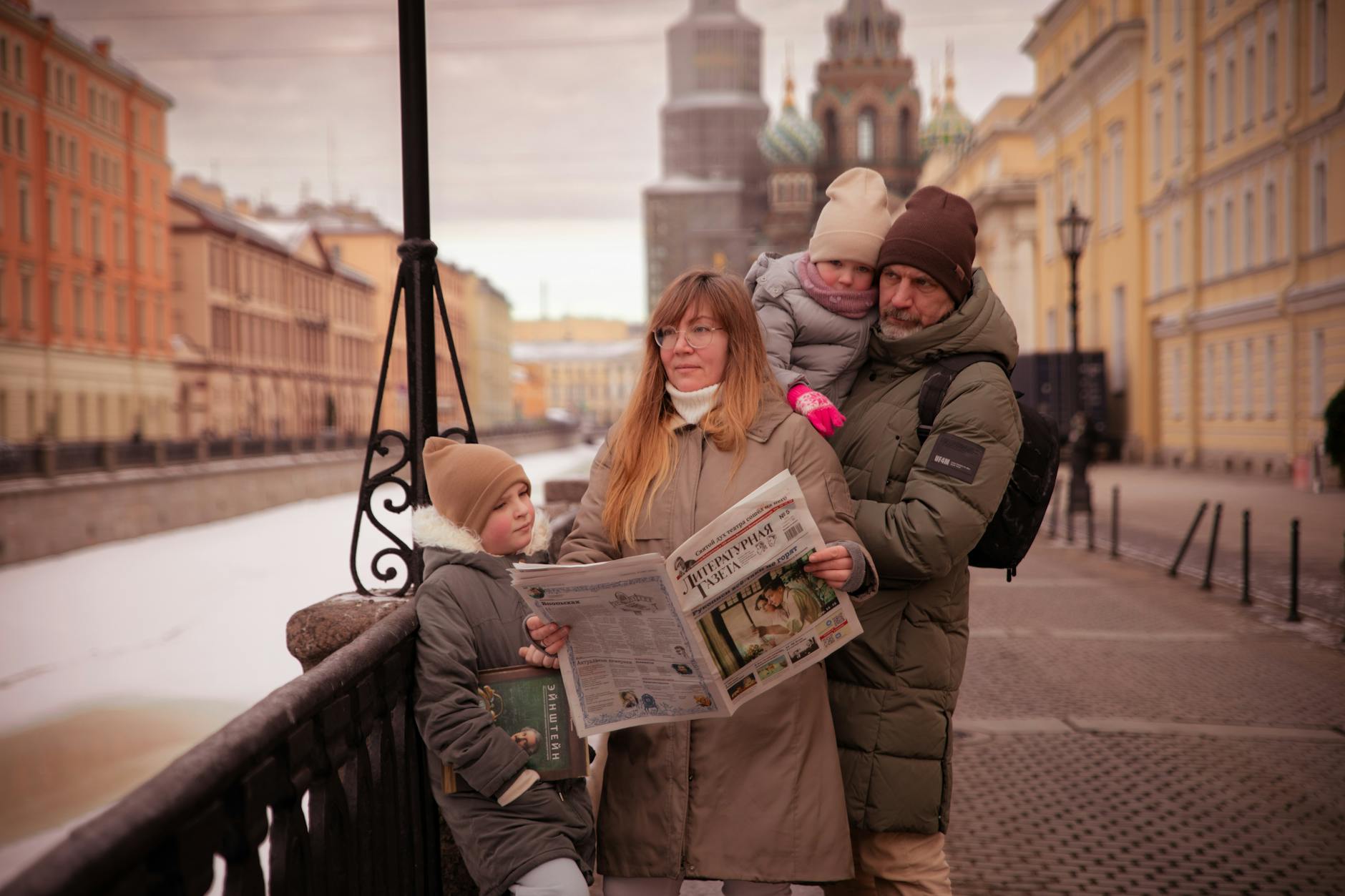
Atterra nella regione della capitale e prendi un collegamento ferroviario veloce verso il centro culturale del nord. Il percorso efficiente riduce i trasferimenti; prenota i biglietti 2-3 settimane prima per i migliori prezzi e le scelte di posti; punta a 6-7 giorni pieni per esplorare entrambe le città e aggiungi un viaggio di 2 giorni come escursione.
Le note erano pratiche e aggiornate da visitatori che hanno testato i percorsi sul campo.
In alloggi, dai priorità alle pensioni a gestione familiare per incontrare i locali; avrai più accesso a consigli autentici, dai piatti classici a base di formaggio agli snack regionali; creare connessioni dirette porta a pasti e approfondimenti più ricchi rispetto agli hotel a catena.
Le esperienze variano in base alla dimensione del paese: le grandi città ospitano grandi gallerie e monumenti storici, mentre i piccoli centri offrono artigianato e mercati più intimi. Una classica deviazione di mezza giornata a una fortezza o a un monastero può bilanciare il tuo itinerario senza intaccare il tempo dedicato alle città.
I cartelli nei principali hub sono tradotti, ma le zone rurali dipendono dagli abitanti locali; ci si muove facilmente con una SIM locale e un'app di mappe semplice in inglese o russo. In Ossetia, la regione vanta le proprie tradizioni di pasticceria e formaggi; la cucina spesso include formaggio fresco, erbe e carni alla griglia, un abbinamento classico.
Le opzioni di volo collegano angoli remoti; organizzare le connessioni in anticipo riduce lo stress; i voli nazionali tra i principali hub sono comuni, con tempi tipici di circa 1-2 ore per le regioni più lontane. Se hai piani per attraversare i confini, verifica le regole sui visti e la nazionalità per l'ingresso e assicurati di avere i documenti necessari per ogni persona. I controlli doganali potrebbero richiedere la consegna di alcuni piccoli oggetti; viaggia leggero e dichiara i beni vietati per evitare ritardi.
Per percorsi più ampi, l'Azerbaigian può essere combinato con tratte regionali; alcuni itinerari iniziano con un volo in Azerbaigian e poi proseguono in treno o su strada. Quando si organizza questo, verifica le regole del visto per la nazionalità di ogni viaggiatore e assicurati di avere i documenti necessari per ogni persona.
Durante un viaggio, pianifica interazioni con attività locali: parla con i negozianti, coordina con un esperto locale che condivide i tuoi interessi; potresti incontrare una persona che parla la tua lingua e può tradurre articoli per te. Portare un piccolo taccuino di frasi è utile con gli abitanti del posto, soprattutto in Ossetia e nelle zone limitrofe.
Con questo piano, puoi creare un itinerario che unisce grandi monumenti classici a angoli nascosti, mantenendo la logistica snella e le esperienze autentiche.
Voyager Network; 3 Shopping
Visita i mercati regionali per souvenir autentici; preferisci articoli con origine chiara e prezzi visibili; chiedi delle politiche di reso prima di pagare. Cerca artigianato e tessuti ispirati alla Iacutia, soprattutto pezzi con paesaggi; il mercanteggiamento è comune ma resta entro prezzi equi. Le bancarelle delle località balneari del Mar Baltico offrono prodotti stagionali; preferisci qualità che duri nel tempo.
I nodi ferroviari trasportano bagagli, lucchetti, adattatori e prolunghe; i prezzi differiscono dai negozi in città e si applicano le commissioni per l'assistenza post-vendita; poiché le valute variano, verifica il prezzo nella valuta locale prima di pagare; questo può farti risparmiare per mesi a venire. Se prevedi di acquistare un biglietto al chiosco, confronta il prezzo nella valuta locale prima di pagare; questo può farti risparmiare per mesi a venire.
Tieni il passaporto a portata di mano; alcuni articoli richiedono permessi; i permessi potrebbero essere richiesti per l'esportazione; a volte le spedizioni sono limitate e potrebbe essere addebitata una multa per dichiarazione errata. Questo articolo delinea i controlli chiave: chiedi delle opzioni di reso, verifica se è possibile una proroga del reso e assicurati che le etichette corrispondano agli acquisti. Gli abitanti rispondono a volte con "люблю" quando fai un complimento alla merce, segnalando buona volontà.
Requisiti di ingresso e opzioni di visto per il turismo nel 2024
Controlla l'idoneità sul sito ufficiale e inizia ora la domanda di e-visa se il tuo profilo passaporto è idoneo.
Percorsi chiave e note pratiche si concentrano sull'accesso regionale, con cinque opzioni comuni e prezzi aggiornati. Verifica le regole per ogni regione, soprattutto dove i corridoi del nord-est o le rotte europee corrispondono al tuo itinerario.
- Visto elettronico (e-visa): disponibile per alcune zone; verificare l'applicabilità per le destinazioni del nord-est e altre sul portale ufficiale.
- Soggiorno e ingressi: fino a 60 giorni per ingresso; la durata varia a seconda della regione e può richiedere un singolo o più ingressi.
- Requisiti: passaporto valido almeno sei mesi oltre la data di viaggio, foto digitale, itinerario previsto, assicurazione medica e pagamento tramite il sito web.
- Elaborazione e prezzi: elaborazione standard 4-16 giorni; servizio espresso disponibile a un costo aggiuntivo; i prezzi variano in base alla nazionalità.
- Applica all'interno del portale ufficiale; riceverai una lettera di approvazione tramite il sito web; stampala per presentarla ai controlli di frontiera.
- Visto convenzionale con invito: come funziona: ottenere un invito da un hotel autorizzato o da un ospite, quindi presentare una domanda di visto standard presso un consolato o un centro regionale per i visti.
- Durata e visti: generalmente fino a 90 giorni ogni 180 giorni; le opzioni di ingresso multiplo dipendono dal consolato.
- Documenti richiesti: passaporto valido, foto, invito, itinerario, assicurazione, prova di disponibilità finanziaria e il modulo compilato.
- Tempi e costi: tipica consegna in 7-20 giorni; opzioni di consegna accelerata potrebbero essere disponibili in alcune stazioni a prezzi più elevati.
- Accesso senza visto per i titolari di passaporti selezionati. Ambito: non universale; verificare la pagina ufficiale per le nazionalità e le condizioni ammissibili.
- Durata: generalmente una finestra breve; confermare i giorni esatti sul sito web.
- Servizi di transito speciali o percorsi express regionali Scopo: visti di transito a breve sosta o percorsi express progettati per semplificare brevi soggiorni intorno a grandi hub e stazioni.
- Requisiti: dati anagrafici del passaporto, piano di viaggio e, a volte, prova del viaggio di ritorno.
- Viaggio in famiglia o con i genitori Se viaggiate con i genitori o come famiglia, assicuratevi che tutti i viaggiatori abbiano i documenti validi; per i minori, portate con voi i moduli di consenso dove richiesto.
Documentazione e controlli interni
- I passaporti devono essere validi e contenere dati biometrici se richiesti; tenete copie fotostatiche e backup digitali; conservateli in un luogo sicuro separato.
- Regole interne possono richiedere un indirizzo locale per la durata del soggiorno; è necessario avere una prenotazione confermata per almeno i primi giorni.
- Le questioni relative alla GIBDD non sono un problema di visto, ma se hai intenzione di guidare, assicurati di avere una patente di guida internazionale e di conoscere le norme del codice della strada locale.
Consigli pratici e note culturali
- I prezzi sul portale del visto riflettono la politica attuale; usa sempre la pagina ufficiale e leggi la frase utilizzata nella procedura per maggiore chiarezza.
- L'accesso alle destinazioni più popolari è ben supportato attraverso i principali hub ferroviari e gli aeroporti regionali; alcune tratte potrebbero subire variazioni stagionali.
- Negli eventi culinari, i pancake (blini) sono celebrati in molte città; pianifica intorno a queste fiere per un'esperienza più ricca.
- Eventi annuali possono influenzare gli orari dei musei e l'accesso ai siti; controlla i calendari regionali prima di viaggiare.
- Comprendere le usanze locali e la lingua aumenta la conoscenza e aiuta a interagire con il personale di frontiera e degli alberghi.
- Se viaggi con i genitori o in famiglia, conferma tutti i documenti in anticipo e considera opzioni di prenotazione adatte ai bambini.
- Per guidare, verifica le norme locali in base al tuo contesto di visto; la rete ferroviaria e le opzioni di trasporto interno offrono un buon accesso alle regioni rurali.
- Ecco la traduzione: Nota culturale: alcuni siti commemorano eventi storici con cerimonie; verifica gli orari di accesso per evitare chiusure durante tali giorni (decessi e commemorazioni possono essere indicati nei programmi annuali). Nota: i nomi di luoghi, monumenti, musei, cattedrali, strade, città e paesi sono stati tradotti utilizzando i loro equivalenti italiani standard (es. "Cattedrale di Sant'Isacco" → il nome standard in italiano; "San Pietroburgo" → il nome standard in italiano; "Mosca" → il nome standard in italiano). I nomi di marchi, aziende, prodotti, numeri di telefono e prezzi sono rimasti invariati rispetto al testo originale. Gli indirizzi (numeri civici e nomi originali delle strade) sono stati mantenuti esattamente come nel testo di partenza.
Ecco la traduzione: San Pietroburgo è una città affascinante con una ricca storia e una cultura vibrante. La Cattedrale di Sant'Isacco è una delle principali attrazioni, insieme alla Fortzza di Pietro e Paolo e al Museo dell'Ermitage. Le strade come Nevskij Prospekt e Via Gorokhovaja sono piene di vita, mentre il Palazzo d'Inverno e la Chiesa del Salvatore sul Sangue Versato sono imperdibili. Se ami l'arte, il Museo Russo è un must, e per una vista mozzafiato, sali sulla Colonna di Alessandro. Non dimenticare di visitare il Giardino d'Estate o di fare un giro in barca lungo i Canali di San Pietroburgo. Per un'esperienza autentica, prova i piatti locali come il borscht o il pelmeni, e non perdere l'occasione di assaggiare un blini con la panna acida. Se hai bisogno di un caffè, Starbucks è sempre una scelta affidabile, ma per un'esperienza più locale, cerca una caffetteria tradizionale. Se hai domande, non esitare a chiedere!
- Visita il portale ufficiale per le categorie di visti e le linee guida interne; il sito elenca cinque percorsi principali e i relativi requisiti.
- Esplora i contesti storici e le vetrine regionali per comprendere come i luoghi di interesse culturale plasmano gli itinerari; molte aree mettono in risalto l'architettura dell'epoca sovietica e le influenze europee.
Denaro e pagamenti: valuta, carte e mance in contanti
Porta con te 3.000-4.000 rubli in banconote di carta all'arrivo per coprire taxi, spuntini e piccoli negozi. Tieni solo un po' di contanti extra a portata di mano per piccoli acquisti.
Le carte di credito sono accettate nella maggior parte dei luoghi nelle città del nord-ovest, negli hotel, nei musei e nelle catene di ristoranti. Cerca i loghi di Visa, MasterCard e Mir. Le carte americane potrebbero funzionare nei negozi più grandi, ma il contante rimane un'alternativa più sicura in molti luoghi con un'elevata affluenza di turisti.
Gli sportelli bancomat sono numerosi nei principali centri; preleva rubli per evitare conversioni dinamiche. Controlla il sito web della tua banca per i limiti di prelievo e le commissioni ridotte per le transazioni estere. Utilizza le reti locali per minimizzare le spese.
Le banconote variano in denominazione e qualità; alcune risalgono a periodi più antichi. Ispeziona i biglietti prima di pagare e separa le banconote più recenti da quelle più vecchie per evitare problemi con i venditori.
Le mance in contanti rimangono comuni per i tassisti e il personale di servizio; il 5-10% è tipico se non è inclusa la mancia. Arrotonda per piccoli acquisti o nei mercati dove i lettori di carte non sono affidabili.
Nelle destinazioni occidentali e nordoccidentali troverai cattedrali, siti di fortezze e tour con casse. Diversi luoghi hanno lanciato quest'anno un'estensione delle opzioni di pagamento, tra cui portafogli mobili; i cartelli e i menu appaiono in più lingue, quindi un'app di traduzione compatta è utile. Vicoli laterali fiancheggiati da alberi portano a mercati dove il sapore dei piatti locali, tra cui l'aneto, si gusta spesso in contanti. Per i bagagli nelle gite di un giorno, porta una piccola borsa con banconote; se possibile, controlla il sito web del luogo per le opzioni aggiornate prima di arrivare.
I quartieri e i mercati più famosi per lo shopping a Mosca e San Pietroburgo
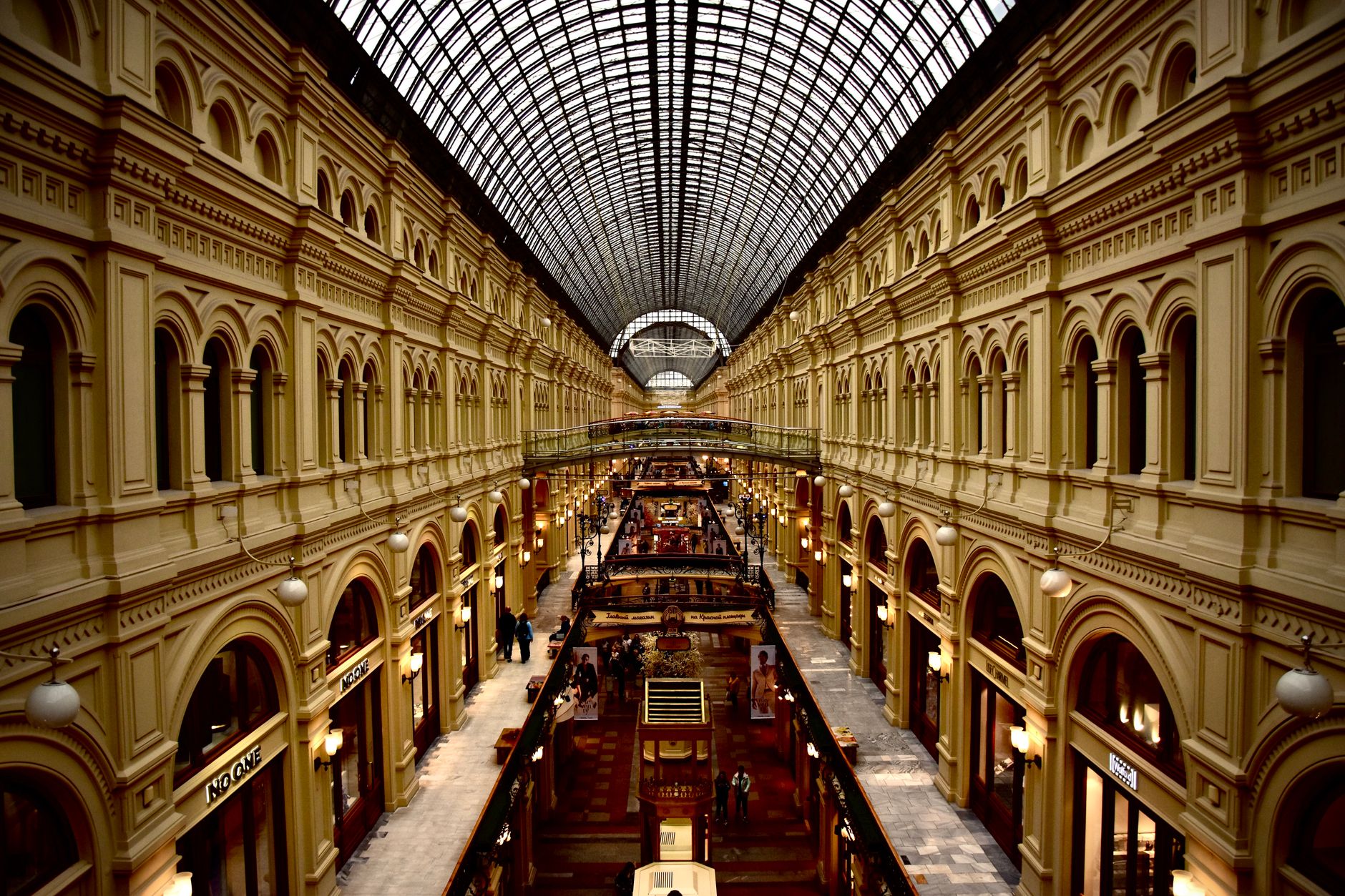
Vai al GUM a Mosca per i marchi di lusso, poi dirigiti al mercato di Izmailovo per artigianato tradizionale e souvenir economici.
A Mosca, il circuito principale intorno alla Piazza Rossa copre gli spazi più visitati. GUM e TSUM ospitano le etichette più celebri, e il GUM stesso è un monumento da ammirare tra un acquisto e l'altro. Una breve passeggiata lungo la via Arbat aggiunge studi intimi e negozi dal sapore casalingo. Il mercato Danilovsky offre prodotti freschi, spezie e snack pronti, con le trecce d'aglio che spesso attirano l'attenzione. Per affari e arte popolare, il mercato Izmailovo opera nei fine settimana vicino all'area del giardino del parco Izmaylovo, dove gli stand propongono artigianato tradizionale, matrioske e giocattoli dipinti. Il mercato Dorogomilovsky fornisce generi alimentari e ferramenta. L'accesso è semplice con la metropolitana; per gli ultimi tratti, sono disponibili i marshrutka e i taxi. Un biglietto per le fermate vicine può essere acquistato al chiosco ferroviario, e i prezzi sono esposti localmente per aiutarti a pianificare la mossa successiva. Per evitare la stanchezza, pianifica brevi pause in punti ombreggiati tra gli stand.
San Pietroburgo offre un circuito di shopping compatto e facilmente percorribile a piedi. Il Gostiny Dvor, un'antica galleria vicino al Nevsky Prospekt, è esso stesso un monumento storico con decine di negozi su più piani. L'Eliseevsky Gastronom sul Nevsky Prospekt è una rinomata sala gastronomica con prodotti gourmet ed eleganti souvenir. Il mercato Sennoy in piazza Sennaya offre una vivace selezione di frutta fresca, snack e regali economici. Alcuni cartelli mescolano caratteri cirillici e latini, con la parola меня che appare sugli striscioni per attirare l'attenzione dei turisti stranieri. Il Nevsky Prospekt e le vie limitrofe ospitano boutique raffinate e gioiellerie. Controlla i consolati nelle vicinanze per le pratiche burocratiche e assicurati di avere a portata di mano i numeri di emergenza in inglese, se necessario.
Ecco la traduzione: Note pratiche: porta con te la valuta locale poiché alcuni banchi preferiscono il contante, mentre molti accettano carte. I servizi sono disponibili nelle principali sedi, con personale designato che parla inglese in alcuni sportelli. Per le rotte settentrionali, considera i marshrutkas dai principali hub; la rete ferroviaria collega i principali quartieri con accesso facile. Trova il tempo per visitare alcuni monumenti o giardini nelle vicinanze per riposare tra un acquisto e l'altro, e acquista souvenir che ti ricordino una casa che apprezzerai dopo il viaggio. In caso di emergenza, tieni a portata di mano i contatti dei consolati e componi il 112 se necessario.
Consigli per evitare i prodotti contraffatti e per fare acquisti intelligenti
Devi verificare le credenziali del venditore prima di effettuare qualsiasi pagamento, richiedere una ricevuta legittima e assicurarti che il marchio e i numeri di serie del prodotto corrispondano alle voci su mappe ufficiali di negozi affidabili. Se un venditore offre un affare qui zdes che non può essere supportato da documenti, il problema è probabilmente contraffatto. Controlla il nome dell'azienda sull'etichetta e confrontalo con il sito ufficiale del marchio.
Bandiere rosse includono loghi sfocati, frasi scritte male e affermazioni di origine vaghe. Un prodotto che ha un odore strano o residui di latte nel sigillo, o una confezione che sembra lucida ma illeggibile, dovrebbe essere scartato. Tracci di odore di sigilli manomessi o un sigillo che è stato riattaccato con la colla possono indicare falsi; non fidarsi mai di articoli con etichette letali o inchiostri sospetti. Alcuni falsi possono causare un problema che risulta in delusione post-acquisto.
Durante la contrattazione, insisti su preventivi scritti e documentazione autentica; confronta i prezzi con tre bancarelle vicine. Usa frasi come "Insisto su un campione testato" e "mostrami il certificato". Concentrati su specifici SKU o dimensioni delle porzioni, e nota che gli articoli di marchi con origini a Samara o in Prussia sono comuni in questa regione. Preferisci i negozi situati vicino a luoghi come il complesso Mariinskij; alcune bancarelle restano aperte fino a mezzanotte, ma stai attento alle forti oscillazioni di prezzo nei mercati di Zabajkalskij. Se pensi che un affare sia troppo bello per essere vero, allontanati, perché le offerte risultanti spesso finiscono per costare di più nel lungo periodo.
| Ecco la traduzione: Branding check | Capisco. Fornisci il testo da tradurre e procederò con la traduzione in italiano di alta qualità, mantenendo i nomi di luoghi, musei, cattedrali, strade, città e paesi con le loro denominazioni italiane standard, mentre lascerò invariati nomi di aziende, prodotti, numeri di telefono e prezzi. Non paraphraserò i fatti concreti e rispetterò l'originale per indirizzi e numeri civici. Non aggiungerò preamboli o virgolette. Inserisci il testo da tradurre. |
| Imballaggio e sigilli | Ispezionare i sigilli, le caratteristiche di inviolabilità e eventuali segni di manomissione; assicurarsi che il sigillo sia integro. |
| Origine e prezzo | Chiedi i dettagli sull'origine; se il prezzo è molto al di sotto delle medie settimanali, allontanati. Questo evita il problema. |
| Ricevuta e politica | Ottieni una ricevuta scritta e una politica di reso chiara; insisti su un indirizzo di contatto visibile. |
| Ecco la traduzione: Demo o campioni Se hai bisogno di ulteriori dettagli, fammi sapere! | Chiedi una dimostrazione rapida o un test di profumo; se il venditore rifiuta, c'è qualcosa che non va. |
| Controlli di reputazione | Controlla la reputazione del venditore tramite mappe e recensioni; sii scettico se i rapporti negativi sono costanti. |
| Ecco la traduzione: San Pietroburgo è una città affascinante con una ricca storia e una cultura vibrante. La Cattedrale di Sant'Isacco è uno dei suoi monumenti più iconici, mentre il Museo dell'Ermitage ospita una delle collezioni d'arte più importanti al mondo. Mosca, la capitale della Russia, è famosa per il Cremlino e la Piazza Rossa. Se visiti San Pietroburgo, non perdere una passeggiata lungo il Canale Griboedov o una visita al Palazzo d'Inverno. Per chi ama la letteratura, la Casa Museo di Dostoevskij è una tappa imperdibile. Se hai bisogno di ulteriori informazioni, puoi contattare il Tourist Information Center al numero +7 (812) 123-4567. I prezzi variano a seconda della stagione, ma un biglietto per il Museo dell'Ermitage costa circa 700 rubli. Non dimenticare di visitare Nevsky Prospekt, la via principale della città, e di assaggiare un blini in un ristorante tradizionale. Per chi preferisce un'esperienza più moderna, il Galleria Shopping Center offre un'ampia scelta di negozi e ristoranti. Se hai bisogno di un hotel, il Grand Hotel Europe è una scelta elegante e centrale. Ricorda che San Pietroburgo è famosa per i suoi palazzi barocchi e i canali, quindi non perdere l'occasione di fare un giro in barca lungo la Neva. Se hai domande specifiche, non esitare a chiedere! | Ecco la traduzione: San Pietroburgo è una città affascinante con una ricca storia. La Cattedrale di Sant'Isacco è una delle sue principali attrazioni. Mosca, la capitale della Russia, è famosa per il Cremlino. Se viaggi verso nord, potresti visitare l'Artico, mentre a est si trova la regione del Zabaykalsky. La Prussia è una regione storica dell'Europa. Se hai bisogno di ulteriori dettagli, fammi sapere! |
Shopping tax-free, rimborsi e ricevute per i viaggiatori
Chiedi un modulo Tax Free all'acquisto, allega la ricevuta e presentalo insieme al passaporto in partenza per i beni idonei; assicurati che il modulo riporti il codice fiscale del venditore, il tuo nome, le voci dettagliate e una finestra di validità chiara.
Quando fai shopping lungo le rotte transiberiane o in diverse città, raccogli moduli separati per ogni negozio e conserva tutte le ricevute integre; il banco dei rimborsi potrebbe richiedere tutti i documenti insieme, quindi organizza tutto per data e negozio per accelerare le procedure.
Al chiosco o al confine, esibisci le merci nel tuo bagaglio e chiedi alle dogane di timbrare il modulo; il timbro conferma l'esportazione e valida i dettagli di idoneità; senza il timbro, i rimborsi spesso non vengono elaborati.
Le opzioni di rimborso variano in base al punto di ingresso nel paese: contanti presso i banchi dell'aeroporto, credito immediato sulla carta o elaborazione per posta; verifica in anticipo le code e gli orari di apertura, poiché alcune finestre chiudono la sera e nei fine settimana.
Ricorda che i generi alimentari, i prodotti simili e le verdure spesso non sono idonei; usa un elenco chiaro dello scontrino per i beni idonei come abbigliamento, scarpe, elettronica o peluche, e verifica i dettagli prima di metterti in coda per una lunga attesa.
Ecco la traduzione: Fai più copie di tutto e considera di scansionare le versioni digitali; alcuni viaggiatori parlano con il personale per confermare quali articoli sono ammessi e per verificare la validità del modulo prima di raggiungere il punto di controllo.
Pianificare in anticipo aiuta: traccia quali città hanno sportelli di rimborso dedicati lungo le strade e tieni presente che un programma successore potrebbe aggiornare le regole; rimani aggiornato sulle ultime indicazioni del governo e su eventuali modifiche alle regole di elaborazione.
Ecco la traduzione: Consigli utili da condividere: scatta foto delle ricevute per gli album Instagram, poi archivia gli originali con i bagagli; la sera, dopo aver visitato una chiesa o un mercato locale, verifica quali acquisti danno diritto a rimborso e quali no; usa questo per festeggiare la pianificazione pratica e evitare ritardi.
- Cerca i cartelli con la scritta "Tax Free" o "Rimborsò IVA"; chiedi il modulo e assicurati che tutte le righe degli articoli siano complete.
- Documentazione: passaporto, ricevuta, modulo e merci; mantenere gli articoli nell'imballaggio originale e in condizioni visibili fino all'ottenimento del timbro.
- Gestione del tempo: prevedi almeno 60-90 minuti negli aeroporti o ai punti di frontiera durante le ore di punta (a volte anche di più nei periodi di alta stagione).
- Consegna dei fondi: confermare se i rimborsi vengono effettuati in contanti, su carta o tramite bonifico bancario, e tenere conto dei tempi di elaborazione.
- Ecco la traduzione: Articoli come abbigliamento, calzature, cosmetici, elettronica e peluche; si noti che verdure e altri generi alimentari di solito non rientrano in questa categoria.
- Mantenere una registrazione: conservare una cartella con tutti i dettagli, incluse le righe del negozio, le date e gli importi totali, per evitare confusione in seguito.
- Salute e sicurezza: in caso di necessità sanitarie urgenti, conoscere i numeri di emergenza locali (ambulanza) e procedere con la richiesta di rimborso dopo la stabilizzazione.
- Pianificazione a lungo termine: per viaggi con più tappe, pianifica le procedure di rimborso nel tuo itinerario, soprattutto se prevedi di viaggiare fino alla stazione finale o di tornare in grandi hub.
- Mantieni i materiali di supporto: opuscoli informativi del governo e moduli ufficiali in più formati (cartaceo e digitale) per un facile riferimento.
- Controlla tutti i moduli prima di lasciare il paese, assicurati che tutte le righe siano leggibili e conferma di avere le copie necessarie di ogni ricevuta.
Ecco la traduzione: Controlla che ogni voce corrisponda ai beni che esporti, inclusa la descrizione degli articoli e l'IVA corretta; se hai dubbi, chiedi al personale di ristampare una ricevuta consolidata con le voci di spesa e le tasse chiaramente indicate.


