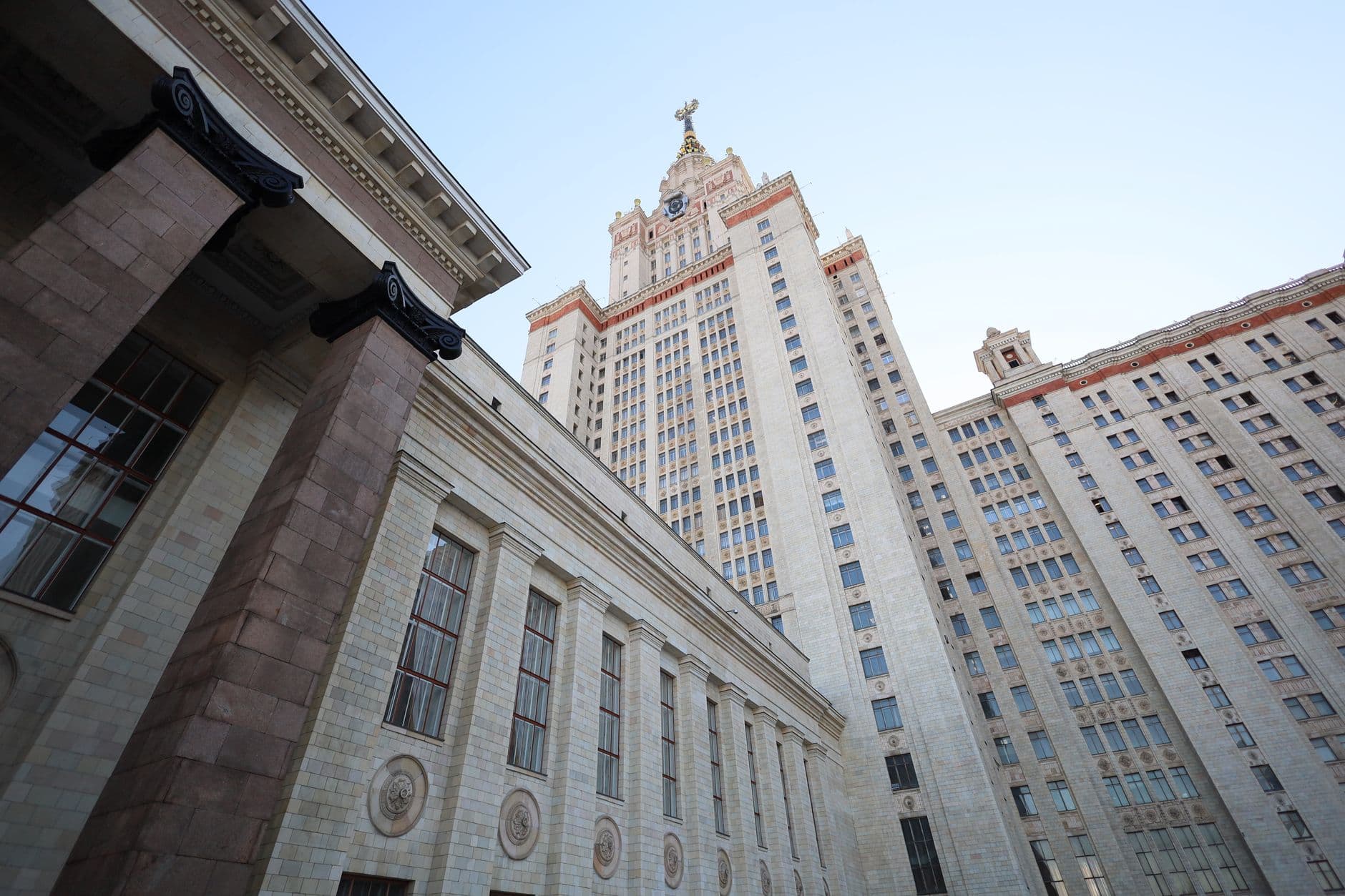
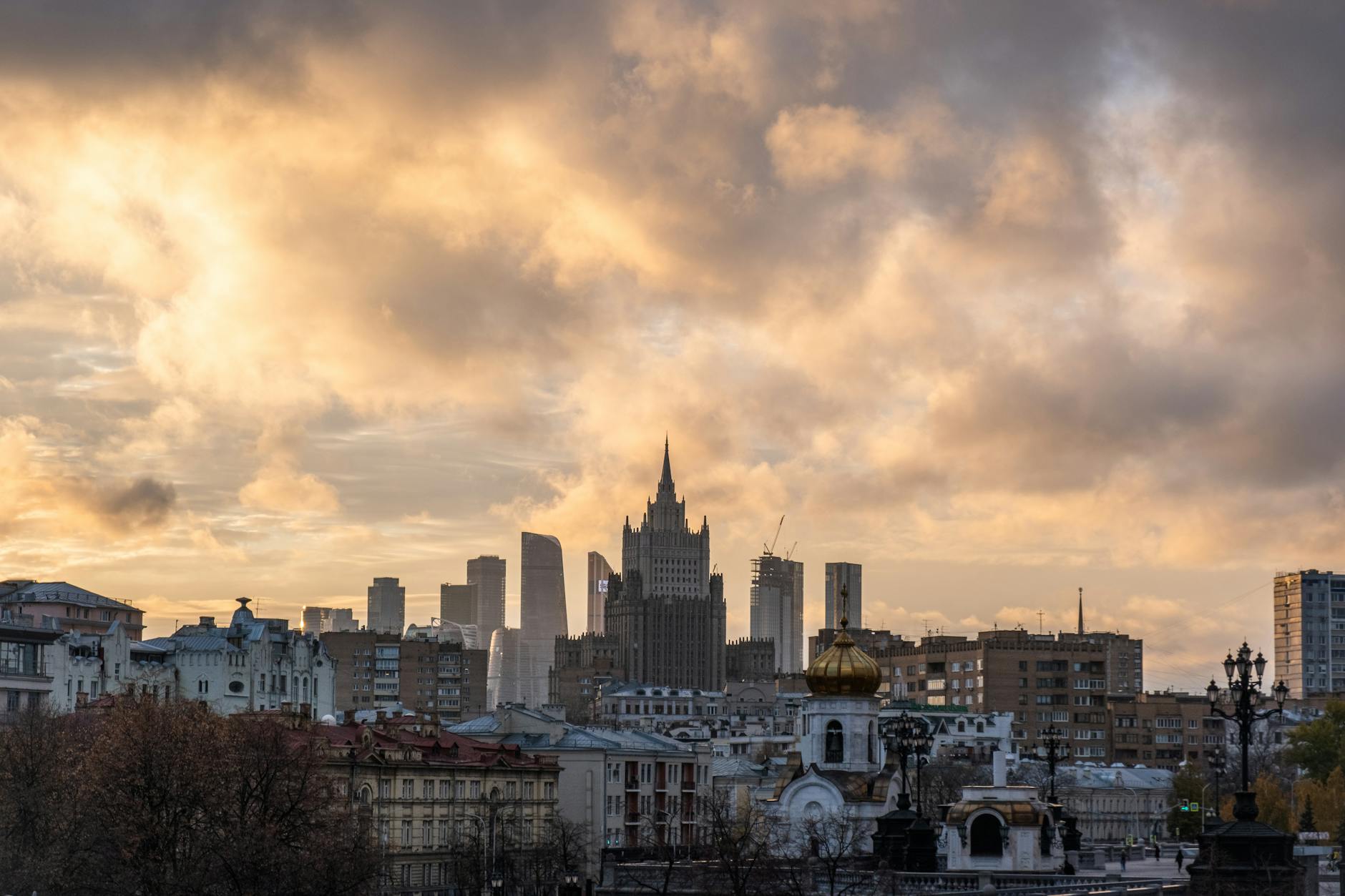
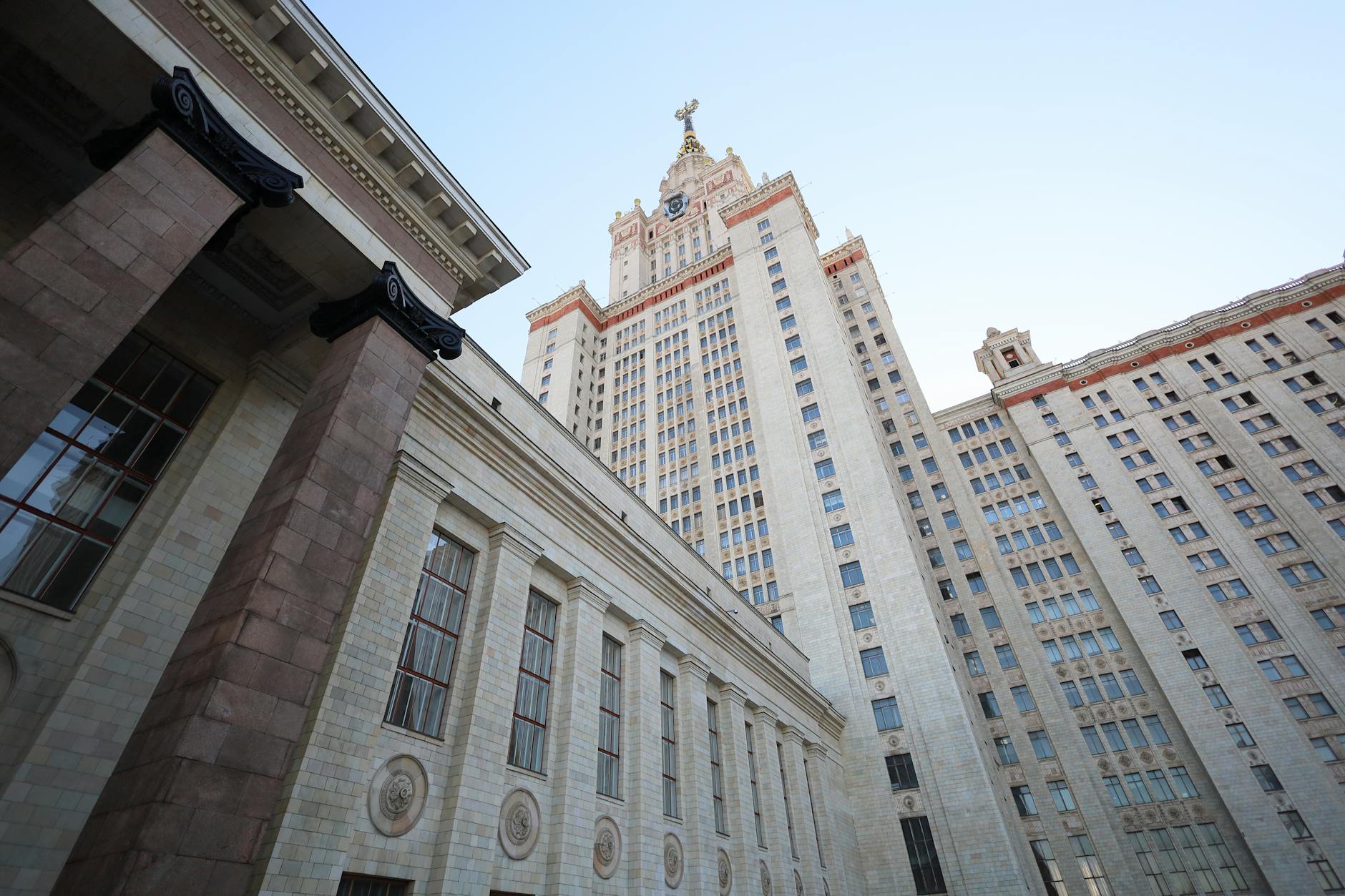
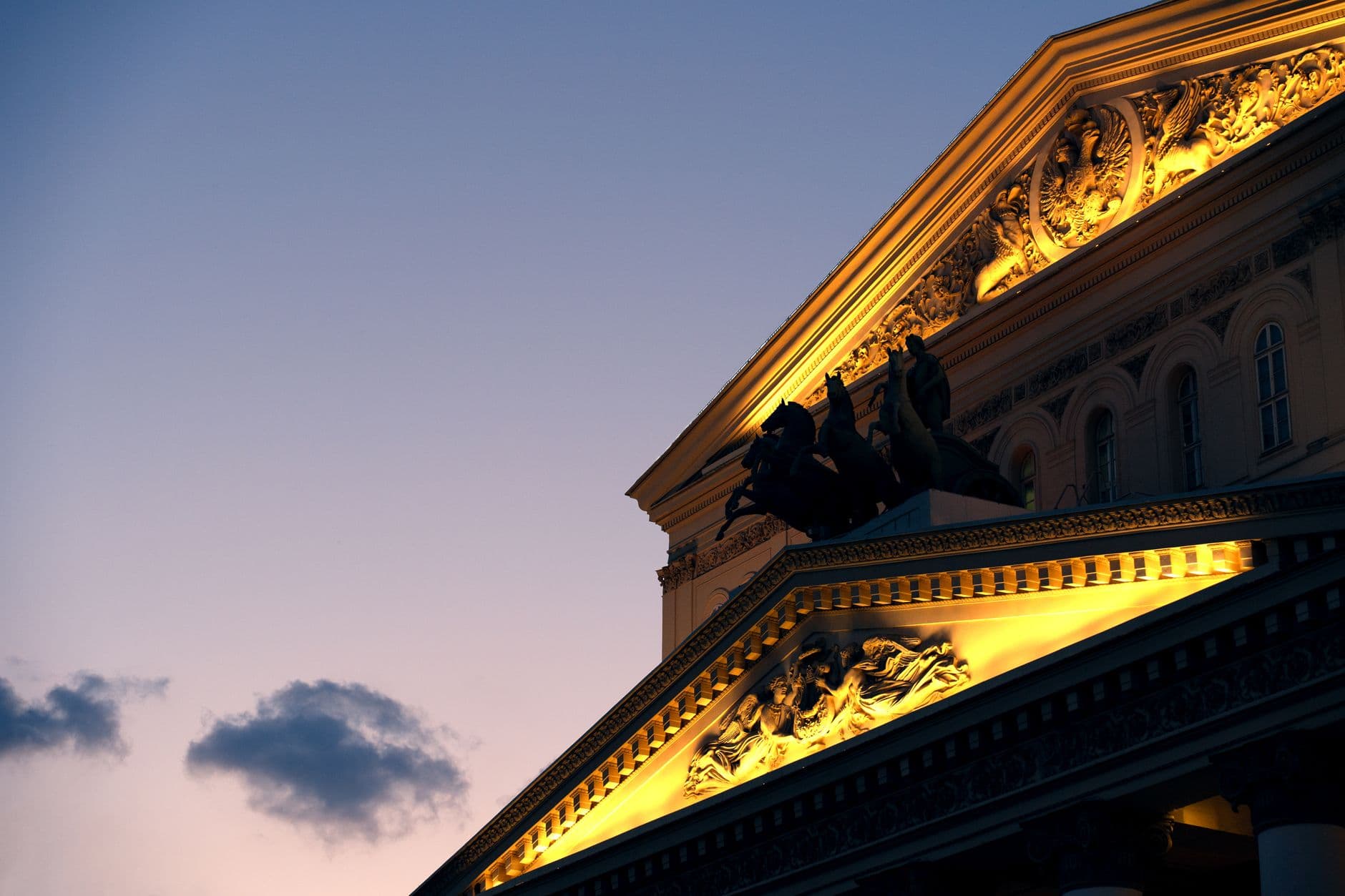
Lo skyline di Mosca è segnato dalla presenza imponente dei grattacieli di Stalin, una costellazione di dominio architettonico che mette in mostra l'esclusiva fusione tra funzionalità e ideologia. Situati principalmente lungo le rive del fiume Moscova, questi imponenti edifici, conosciuti localmente come le "Sette Sorelle", servivano a vari scopi, tra cui appartamenti residenziali, hotel e uffici amministrativi. I loro design a forma di U e le stelle a 5 punte in cima a ogni edificio simboleggiano le aspirazioni di una nazione, migliorando al contempo l'identità culturale della città.
Tra i più iconici di questi grattacieli c'è quello situato in Smolenskaya Ulitsa, che, come le sue controparti, presenta una doppia facciata adornata da intricate sculture e finiture in granito che riflettono gli obiettivi architettonici dell'epoca. Quando gli studenti della Rostkovsky Academy incontrarono per la prima volta queste imponenti strutture, provarono probabilmente un senso di meraviglia, poiché ogni edificio è dotato di tonnellate di attrezzature per supportarne le varie funzioni. Questi edifici non solo servivano ai loro scopi previsti, ma divennero anche punti di riferimento visivi per coloro che visitavano Mosca, illustrando la fusione di arte e ingegneria.
Successivamente, i progetti di ristrutturazione hanno aggiornato questi grattacieli preservando il loro fascino storico, permettendo loro di resistere alla prova del tempo. L'hotel Hilton, uno dei più alti delle "Sorelle", incorpora servizi moderni che si rivolgono a una nuova generazione, assicurando che rimangano rilevanti nel panorama culturale odierno. Le aree attorno a questi grattacieli, come il Parco Zaryadye, offrono piattaforme gratuite ai cittadini e ai turisti per passeggiare e ammirare la bellezza architettonica, mostrando un rapporto armonioso tra storia e vita urbana moderna.
In una fila di imponenti giganti, i grattacieli di Stalin non sono solo edifici; riflettono un'epoca in cui l'architettura era fatta per durare, progettata per indicare potere e promessa. Presumibilmente, mentre si cammina per le strade fiancheggiate da queste significative creazioni, non si può fare a meno di apprezzare i piccoli dettagli, i tetti a punta e l'attenta considerazione che sono stati dedicati a ogni progetto. L'eredità architettonica di Mosca, manifesta nei suoi grattacieli, continua a ispirare coloro che vivono e soggiornano in questa vibrante città.
Contesto storico dei grattacieli di Stalin
La costruzione dei grattacieli di Stalin, spesso definiti "vysotki", emerse in un periodo in cui l'Unione Sovietica cercava di proiettare la propria forza e resilienza sia ai propri cittadini che al mondo. Nati dalle aspirazioni di una nazione in ripresa dai tumulti dei primi del XX secolo, queste imponenti strutture furono progettate per simboleggiare il dominio architettonico di Mosca.
Negli anni '30, con l'ascesa al potere di Stalin, ci fu una calma nella nazione dopo anni di sconvolgimenti. I grattacieli furono progettati come parte di una più ampia strategia di sviluppo che includeva la modernizzazione delle infrastrutture della città, come la metropolitana e la creazione di nuove stazioni ferroviarie. Le imponenti altezze di questi edifici, alcuni dei quali raggiungevano i 200 metri, erano destinate a essere i punti più alti della città, dominando lo skyline e mostrando la potenza del socialismo.
Nomi come le Sette Sorelle divennero in seguito sinonimo della visione di Stalin per Mosca. La costruzione di queste strutture richiese uno sforzo notevole, spesso utilizzando il lavoro dei detenuti dei gulag, il che rappresenta una grave accusa contro il regime, anche se posizionava gli edifici come simboli di progresso. Esempi degni di nota includono l'edificio di Smolenskaya e l'imponente struttura che ospita il Ministero degli Affari Esteri, spesso considerato uno dei più decorati in termini di caratteristiche architettoniche.
Il design dei grattacieli fu fortemente influenzato dall'architettura neoclassica e incorporò elementi come tetti a punta e facciate ornamentali in ceramica che celebravano l'identità sovietica, con decorazioni legate alla storia e alla cultura russa. Ogni grattacielo fu meticolosamente pianificato; architetti di vari istituti furono impegnati nella ricerca per creare strutture che avrebbero resistito alla prova del tempo e affermato la statura della città a livello globale.
Mentre questi edifici prendevano forma, segnavano anche un cambiamento nel panorama architettonico di Mosca, allontanandosi da costruzioni più piccole e umili. La trasformazione rifletteva un tema più ampio di aspirazione, in cui residenti e governo immaginavano una città che emanasse potere. Lo stesso periodo vide lo scioglimento delle tensioni politiche durante l'era di Krusciov, eppure i grattacieli rimasero come testimonianze durature delle grandi ambizioni del regime precedente.
I grattacieli di Stalin si sono successivamente radicati nella vita quotidiana dei cittadini, guidandoli attraverso le vaste distese di Mosca. Situati vicino a ambasciate e ristoranti di spicco, non servono solo come meraviglie architettoniche, ma anche come parti integranti della vita urbana, attirando l'attenzione sia dei locali che dei turisti che ne ammirano la statura.
In sintesi, il contesto storico dei grattacieli di Stalin è strettamente legato alla narrazione culturale della Russia. Essi rappresentano un'epoca in cui ambiziosi progetti architettonici si stagliavano sullo sfondo di una città in rapida trasformazione, eretti sotto gli occhi vigili dei suoi residenti e viaggiatori.
Origini e significato ideologico
Le origini dei grattacieli staliniani risalgono al primo periodo sovietico, quando la necessità di affermare potere e modernità divenne fondamentale. Questi edifici iconici, soprannominati "le Sette Sorelle", miravano a mostrare la forza e l'ideologia dell'URSS in tutta Europa. I loro ingegnosi design a forma di U crearono un'estetica potente, massimizzando al contempo luce e spazio per gli interni.
Strategicemente situati in luoghi di spicco in tutta Mosca, questi grattacieli non erano solo funzionali ma anche simbolicamente significativi. Rappresentavano un sistema di governo in cui i ministeri dell'agricoltura, della difesa e degli affari esteri estendevano la loro influenza in tutta la città. Questo dominio architettonico era simile a quanto si osservava in altre nazioni potenti, come gli stabilimenti Hilton nelle grandi metropoli, dove le migliori risorse venivano allocate per impressionare gli ospiti.
Ogni edificio aveva il suo scopo, ospitando ambasciate, uffici governativi e persino aree residenziali. I progetti di Mikhail Oltarzhevsky enfatizzavano la muratura e incorporavano servizi a cinque stelle, attirando visitatori sia locali che internazionali. Ad esempio, l'edificio Ustinsky presenta una peculiare terrazza con fontana che funge da area di ritrovo per gli ospiti, mentre altri ospitano ancora mostre ed eventi culturali.
Queste strutture furono leggermente più costose da costruire rispetto ad altri sviluppi contemporanei, con il risultato di un ambiente edilizio paralizzato poiché le risorse vennero riallocate a progetti così grandiosi. Ciononostante, il risultato fu una collezione dei più grandi edifici della città, ognuno alto oltre 150 metri. Rappresentavano non solo un cambiamento nell'architettura ma anche un'affermazione ideologica del potere sovietico, poiché suscitavano ammirazione da paesi lontani come l'Ucraina.
Con l'espansione del sistema metropolitano, questi grattacieli divennero punti di riferimento che collegavano varie aree della città, facilitando gli spostamenti sia dei cittadini che dei turisti. Questo sforzo deliberato per creare visibilità e accessibilità sottolineava l'ambizione del regime sovietico di proiettare la propria influenza e le proprie capacità sia a livello interno che esterno.
al cambio della Banca di Russia del 30.09.2026 · powered by tutkakdoma
Confronto con i trend internazionali dell'epoca
Lo stile architettonico esemplificato dai grattacieli di Stalin, spesso definito "Gotico Stalinista", riflette notevolmente le tendenze prevalenti della metà del XX secolo, pur discostandosene in modi unici. Mentre i sovietici cercavano di affermare il proprio dominio, queste strutture servivano non solo come edifici funzionali, ma anche come grandi simboli di potere e ideologia. Mentre le città internazionali sperimentavano con design modernisti, la costellazione di grattacieli di Mosca incorporava un intricato miscuglio di stili che dimostrava un impegno verso la grandiosità.
Le sagome imponenti di questi edifici, come l'Università Lomonosov e l'hotel Radisson, presentano guglie svettanti e cornicioni ornati che rimangono ben distinti dalle tendenze minimaliste viste in città come Bucarest e New York. Qui, la qualità totale di ogni struttura era significativa; ogni livello era meticolosamente progettato, incorporando elementi decorativi come torrette e ornamenti aggiuntivi. Queste caratteristiche non si troverebbero tipicamente negli edifici contemporanei delle capitali occidentali, che spesso privilegiavano la semplicità rispetto all'eccesso nei loro progetti.
Al contrario, le fontane interattive e gli spazi pubblici che accompagnavano i grattacieli sono un dono al popolo di Mosca, invitando residenti e visitatori a interagire con il loro ambiente. A differenza di molte strutture occidentali dell'epoca, spesso in rovina, le eredità dell'architettura sovietica sono state create con un senso di permanenza. L'imbarazzante equilibrio tra utilità funzionale ed eccesso visivo (излишеств) dell'era staliniana servì a proiettare forza e resilienza, specialmente in un periodo segnato dai conflitti del Gulag e dalle difficoltà sociali.
Mentre i movimenti architettonici internazionali di quest'epoca promuovevano l'uniformità, i sovietici abbracciarono la diversità nei loro progetti, incorporando elementi vari che riflettevano l'orgoglio nazionale. Di conseguenza, il paesaggio architettonico di Mosca presenta un ambizioso gioco di stili che ispira i visitatori moderni. Ogni grattacielo rimane una testimonianza dell'idea che il dominio potesse essere raggiunto attraverso la bellezza e l'intricatezza, creando uno skyline dinamico che continua ad attrarre ammirazione, misurata metro per metro, da architetti, storici e turisti allo stesso modo.
Influenza della politica sovietica sull'architettura
Il panorama architettonico di Mosca è stato profondamente plasmato dalla politica sovietica, dando vita a uno stile distintivo che rifletteva le aspirazioni ideologiche dell'epoca. Alti grattacieli, noti anche come grattacieli di Stalin, furono progettati per mostrare il potere e il dominio dello stato, con le loro eleganti silhouette che divennero rappresentazioni iconiche dell'ambizione sovietica.
Visitare queste strutture offre agli ospiti una visione unica di come la politica abbia influenzato il tessuto urbano. Le stelle a 5 punte che coronano questi edifici simboleggiavano il Partito Comunista, affermando con decisione il loro posto nello skyline. Ogni volta che veniva costruito un nuovo grattacielo, non si trattava semplicemente di un edificio, ma piuttosto di un'incarnazione del controllo e della visione dello stato. La decisione di costruire era spesso dettata dalla necessità politica, con l'obiettivo di raggiungere i massimi traguardi architettonici.
In particolare, le facciate di questi grattacieli erano adornate con complessi bassorilievi e archi, che aggiungevano alla loro grandiosità. I costruttori originali impiegarono materiali in acciaio e ceramica, garantendo durata e importanza architettonica. Nello specifico, furono progettati complessi residenziali per ospitare i lavoratori, riflettendo l'ideale sovietico della vita comunitaria. Nonostante i grandi progetti, parte dell'essenza culturale fu persa nella ricerca del monumentalismo, con alcuni dettagli coperti o semplificati durante la costruzione.
All'interno di questi grattacieli, le funzioni erano distribuite tra vari istituti e facoltà, esemplificando l'approccio multiforme all'edilizia abitativa e allo sviluppo culturale. Vladimir Chechulin e altri architetti iniziarono a integrare elementi di stili precedenti, creando un diorama delle aspirazioni dell'era sovietica. Questo profondo legame con il panorama politico garantiva che ogni angolo di questi edifici avesse uno scopo, incarnando un'ideologia collettiva.
Le fondamenta poste durante questo periodo hanno continuato a influenzare l'architettura contemporanea, mostrando una fusione di tecniche tradizionali e moderne. L'eredità di questi edifici è evidente non solo a Mosca, ma si estende a città come San Pietroburgo, dove sono stati adottati progetti simili. Reimmaginando il passato, l'influenza della politica sovietica sull'architettura continua a stimolare la riflessione sull'intersezione tra controllo statale ed espressione culturale.
Architetti
Caratteristiche principali
Posizione
Mordvinov
Sagome eleganti, bassorilievi
Moscow
Chechuline
Stelle a 5 punte, strutture in acciaio
San Pietroburgo
Gruppo di Costruttori
Facciate in ceramica, archi
Varie località
Caratteristiche Architettoniche di Triumph Palace
Il Palazzo Triumph è una testimonianza dell'ambizione architettonica di Mosca, mostrando una struttura tentacolare che cattura l'essenza delle priorità sovietiche nell'era modernista. Pianificato come un complesso residenziale di lusso, questo edificio monumentale è stato progettato da un gruppo di architetti, con contributi notevoli di Leonid Mordvinov. Il risultato è un imponente edificio che incorpora elementi sia funzionali che decorativi, ogni strato contribuisce alla sua grandezza complessiva.
In cima al Triumph Palace, svetta un'elegante guglia, che lo rende uno dei grattacieli più alti di Mosca, raggiungendo quasi 200 metri. Questa cima non serve solo come punto focale visivo, ma ospita anche un'antenna utilizzata per le comunicazioni. Al di sotto, l'edificio presenta ampie aree sotterranee, che aumentano la sua capacità di soddisfare le esigenze abitative dei suoi abitanti. La struttura è progettata per offrire uno stile di vita moderno, incorporando al contempo ornamenti decorativi tradizionali che rendono omaggio al ricco patrimonio artistico della Russia.
Ogni aspetto del Triumph Palace è stato accuratamente pianificato, riflettendo il desiderio della parte di creare un'eredità duratura. Statue ed elementi interattivi adornano l'esterno e l'interno, incarnando lo spirito dell'orgoglio sovietico. La facciata dell'edificio presenta un mix di linee laconici e intagli intricati, uno stile che può essere ricondotto all'architettura sovietica precedente, ma che presenta un tocco moderno per competere con qualsiasi struttura contemporanea. In questo modo, il Triumph Palace esiste non solo come residenza, ma come simbolo guida dell'evoluzione architettonica di Mosca.
In un contesto storico, sebbene l'edificio sia stato costruito in un periodo in cui le eredità belliche influenzavano pesantemente la progettazione, rimane un dono per le generazioni future. È stato visitato da molti, tra cui dignitari e turisti che ne ammirano la presenza imponente sulla riva del fiume Moscova. La posizione dell'edificio in periferia evidenzia una dualità di Mosca, un'area caratterizzata sia da un'intensa vita urbana che da spazi tranquilli.
Con l'evoluzione della città, il Palazzo del Trionfo si è adattato, testimoniando i cambiamenti attraverso il mutare del panorama politico. Elementi della struttura furono infine adattati per allinearsi alle nuove tendenze architettoniche, assicurando che rimanesse rilevante nonostante il passare dei decenni. Anche sotto la guida di Nikita Khrushchev, che spesso criticò la sontuosità dell'architettura stalinista, le caratteristiche principali del Palazzo sono rimaste intatte, a testimonianza del suo design senza tempo.
Nella luce del mattino, il Palazzo Triumph si erge risolutamente, a ricordo di ciò che si può realizzare attraverso il connubio tra scienza e arte, anche nei periodi più difficili. Fin dalla sua costruzione, l'edificio ha simboleggiato un processo trasformativo nel panorama architettonico di Mosca, un'evoluzione dinamica che continua a influenzare il paesaggio urbano di oggi.
Elementi di Design Unici del Triumph Palace
Il Palazzo della Gloria si erge come una straordinaria rappresentazione di grandezza architettonica nella costellazione di austeri grattacieli di Mosca. Questo edificio, completato nei primi anni 2000, è noto per i suoi elementi di design distintivi che combinano estetica moderna e riferimenti storici. In particolare, la silhouette dell'edificio presenta una serie di archi che conferiscono un fronte aggraziato e imponente al paesaggio urbano. Questi archi servono non solo come elementi decorativi ma forniscono anche supporto strutturale alla lunga e imponente struttura.
Uno degli aspetti più sorprendenti del Triumph Palace è il suo campanile, che si eleva a un'altezza notevole, segnando l'edificio come un punto di riferimento ufficiale nello skyline della città. Questo elemento migliora lo status generale della struttura, creando una gerarchia visiva tra gli edifici circostanti. Il design include una combinazione di architettura russa tradizionale infusa con elementi moderni che riflettono le tendenze e gli stili di vita attuali. L'uso di materiali lussuosi come marmo e piastrelle di alta qualità conferisce agli interni un'atmosfera prestigiosa, rafforzando al contempo lo status dell'edificio come luogo desiderabile per uffici e residenze.
Progettato da Mikhail Posokhin, il progetto è iniziato con ambiziose intenzioni, mirando a creare uno spazio che non solo ospitasse residenti e attività commerciali, ma fungesse anche da punto centrale per tour e osservazione. Il numero totale di piani e gli spazi variati del Palazzo del Trionfo garantiscono che ogni stanza offra viste uniche su Mosca e sulla vibrante vita della città. Alcune delle aree di osservazione offrono linee di vista nitide sulla metropoli, permettendo ai visitatori di immergersi nei panorami sconfinati della città, nonostante si trovino in un ambiente urbano frenetico.
Nonostante il suo aspetto moderno, alcuni elementi di design riflettono i rigidi stili strutturali che erano prevalenti nell'architettura di Leningrado. L'insieme generale include elementi che rispettano la discendenza architettonica di Mosca, integrando al contempo linee e funzionalità contemporanee. Questo connubio rende il Triumph Palace non solo un'abitazione, ma anche una raccolta di uffici innovativi ed efficienti in termini di spazio, progettati per efficienza e comfort. Nel complesso, il Triumph Palace rappresenta un nuovo capitolo nella narrazione architettonica di Mosca, mostrando filosofie di design che piacciono sia ai residenti che ai ricercatori.
Innovazioni Strutturali e Sfide di Ingegneria
La costruzione dei grattacieli di Stalin a Mosca fu una notevole impresa di ingegneria e design, mostrando una fusione di tecnologia moderna ed estetica tradizionale. Gli edifici servirono a scopi sia funzionali che sociali, mirando a ispirare stupore e proiettare la potenza dello stato. Tuttavia, il cammino verso il loro completamento fu pieno di sfide significative e soluzioni innovative.
Una delle innovazioni strutturali chiave fu l'uso della muratura armata. A differenza di altri grattacieli contemporanei che si affidavano spesso a scheletri in acciaio, gli architetti e gli ingegneri dell'era stalinista affermarono i benefici della muratura robusta, che forniva sia durabilità che uno stile distintivo. Questo approccio non fu privo di sfide, in particolare nel raggiungere l'altezza necessaria garantendo al contempo la stabilità.
L'Edificio degli Argini di Kotelnitcheskaya è un esempio lampante di questa innovazione. Sopra la sua massiccia base, la struttura si innalza con grazia, mostrando una caratteristica dorata simile a una corona. Fu progettato per enfatizzare la grandezza dello skyline di Mosca. Nonostante i vantaggi della muratura, il processo di costruzione fu a volte ostacolato dalle limitazioni dei materiali disponibili, richiedendo un attento reperimento e la stesura di risorse aggiuntive.
Le sfide ingegneristiche affrontate durante la costruzione includevano:
Bilanciamento della distribuzione del peso nelle strutture estese.
Implementazione di intricati elementi decorativi che richiedevano una lavorazione precisa.
Garantire che gli ingressi e i corridoi fossero sia funzionali che di design ricercato.
Integrazione di sistemi moderni per illuminazione e idraulica nei vincoli del design storico.
Quando iniziarono i lavori di costruzione, gli operai riscontrarono talvolta problemi con gli strati fondamentali, che si trovavano al di sotto del livello stradale. Questi strati richiedevano un'attenzione supplementare per garantire la stabilità di edifìci così imponenti. Purtroppo, i ritardi erano comuni e alcuni progetti furono cancellati o sospesi a causa di cambiamenti politici o carenze di risorse.
L'insieme architettonico dei grattacieli di Stalin rappresenta una missione per creare strutture iconiche che resisterebbero alla prova del tempo. Ogni edificio, compreso quello in via Arbat, è stato accuratamente decorato con elementi sia funzionali che decorativi che ne esaltano l'appeal estetico. I visitatori di Mosca possono apprezzare la vista dall'alto da queste strutture, meravigliandosi della loro scala e grandiosità.
Nel complesso, i successi ingegneristici associati ai grattacieli di Mosca sono stati fondamentali per dimostrare le capacità sovietiche, fornendo una visione grandiosa che è stata sia un trionfo architettonico che una dichiarazione sociale. Come ha osservato Arkady Polyakov in un recente seminario, questi grattacieli non sono solo esempi di eccellenza ingegneristica, ma anche una testimonianza delle ambizioni culturali del loro tempo.