Ecco la traduzione:
Inizia con un piano concreto: mappa i quartieri e le vie del distretto di Ustinsky, registra le facciate sotto il profilo del cielo e seleziona le opzioni di accesso.
Ogni volta che è possibile, combinare le osservazioni esterne con le scansioni interne per catturare i dettagli delle stanze, notando le silhouette appuntite e i pannelli rimodellati che definiscono estetiche di classe.
I precedenti amministrativi plasmano le tempistiche; in seguito, lettori curiosi scoprono come sistemi rivali di diversi paesi abbiano influenzato la disposizione, il ritmo delle facciate e la massa verticale.
Attraverso gli ensemble d'élite di Mosca, si nota una progettazione interna che massimizza la luce, con stanze che si affacciano su cortili soleggiati e corridoi ombreggiati lungo gli angoli di via.
Considerazioni sui visti per i visitatori di origine americana; tra i consigli pratici, osservare le iconiche guglie appuntite dalle strade pubbliche e notare gli ingressi rimodellati per la luce naturale.
Note seguenti aiutano i lettori a confrontare le altezze, valutare l'accessibilità e rispettare le norme amministrative mentre esplorano questo particolare gruppo.
Dove si possono trovare all'estero i grattacieli di Stalin?
Il Palazzo della Cultura e della Scienza di Varsavia rappresenta l'esempio più evidente all'esterno. Alto 237 metri, completato nel 1955, funge da quartier generale del governo e sede culturale. L'ingresso è contrassegnato da un portale monumentale lungo ampie strade. L'elaborata muratura in mattoni e i dettagli in pietra calcarea definiscono il suo design, con progetti di Lev Rudnev che si estendono fino alle arterie circostanti. Questa struttura rimane veramente monumentale, un simbolo di spicco tra le capitali mondiali oltre Mosca.
- Varsavia, Polonia - 237 metri; completato nel 1955; funzione: sede governativa e luogo culturale; l'ingresso presenta un portale monumentale; la facciata mostra un lavoro in mattoni e dettagli in pietra calcarea; la struttura è stata progettata da Lev Rudnev; i progetti si estendono nelle strade circostanti; rimane un simbolo di primo piano oltre Mosca nel contesto mondiale; l'uso attuale include conferenze, musei e uffici.
- Riga, Lettonia - 107 metri; completato nel 1956; funzione: Accademia delle Scienze della Lettonia; l'ingresso conduce in un atrio a doppia altezza; la struttura presenta moduli impilati; motivi vitruviani rilevati nei rilievi decorativi nelle guide aggiornate; gli uffici ospitano istituti di ricerca; rimane un monumento emblematico lontano da Mosca.
- Tallinn, Estonia - 106 metri; completato nel 1962; funzione: uffici governativi e spazi culturali; l'ingresso si apre su un atrio centrale; il design fonde granito e acciaio; i progetti consentono un'estensione profonda nel distretto centrale; ora ospita ministeri e università; visite guidate mostrano gli spazi interni.
- Bucarest, Romania - Casa Scânteii; circa 65-70 metri; completata nel 1957; funzione: quartier generale della stampa centrale; ingresso affacciato su ampi viali; balconi a doppia curvatura e rilievi richiamano i prototipi di Mosca; progetto integrato con le piazze pubbliche; utilizzo aggiornato include centri mediatici e sale espositive.
- Kyiv, Ucraina - Casa dei Sindacati (Budynok Profspilok); circa 70 metri; completato nel 1957; funzione: uffici governativi e spazi culturali; l'ingresso si affaccia su un importante viale; la facciata presenta torri monumentali e rilievi scultorei; gli spazi ospitano eventi, conferenze e amministrazioni.
Attraverso diverse capitali, questi monumenti restano significativi ricordi di un linguaggio architettonico condiviso. Guide aggiornate evidenziano gli ultimi utilizzi e, nel tempo, radici profonde nelle strade pubbliche. La tua visita rivela come la pianificazione ispirata a Mosca si è estesa oltre i confini, rimanendo veramente monumentale mentre si adattava a uffici, musei e terrazze per i visitatori.
Identifica ogni torre: nome, quartiere, altezza e anno di completamento
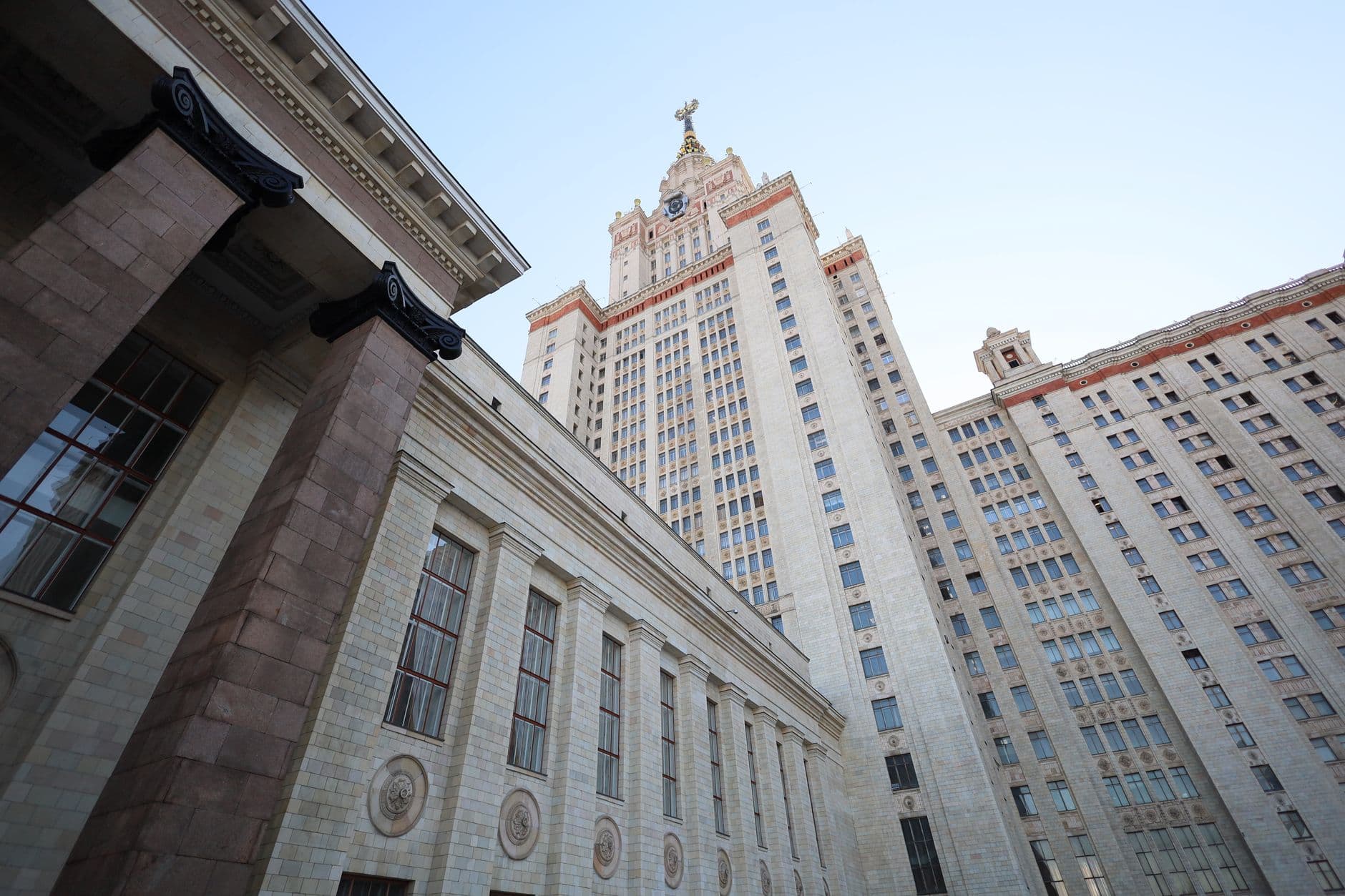
Edificio principale dell'Università statale di Mosca - ubicazione Vorobyovy Gory; distretto Centro; altezza 240 m; completato 1953. Struttura statale iconica dell'URSS, tipicamente sovrastante viste legate all'acqua, accesso ai parchi circostanti, imperdibile per la fotografia turistica; indirizzo disponibile nelle guide cittadine; cinema e musei nelle vicinanze; ruolo architettonico descritto come paradigma di altezza e prestigio; influenze riecheggiate negli skyline di Praga e York; spesso presentato su piattaforme turistiche come una tappa obbligata.
Edificio sul lungofiume Kotelnicheskaya - ubicazione lungofiume Kotelnicheskaya, centro di Mosca; distretto Centrale; altezza 176 m; completato nel 1952. Caratterizzato da una silhouette con corona dorata, questa struttura statale presenta un atrio simile a un salotto e piazze adiacenti a cinema; l'accesso pubblico è limitato alle viste esterne, ma rimane una popolare piattaforma fotografica per escursioni turistiche gratuite; l'indirizzo è riportato nelle guide; icona di punta della classe S che mostra il design del primo dopoguerra.
Piazza Kudrinskaya Edificio - ubicazione Piazza Kudrinskaya, distretto Presnensky; distretto Presnensky; altezza ~174 m; completato 1954. Questa torre è iconica per le sue elaborate cornici e la robusta massa; l'accesso è limitato ai piani principali, ma le viste esterne attirano i visitatori; i musei vicini arricchiscono un itinerario combinato; solitamente inserita tra le panoramiche cittadine da non perdere; l'indirizzo è citato nelle guide architettoniche; un ruolo chiave nella formazione del panorama di Mosca durante l'era sovietica.
Hotel Leningradskaya - ubicazione zona Komsomolskaya, vicino al prospetto Leningradskij; distretto Tverskoj/area adiacente a Presnenskij; altezza 176 m; completato nel 1955. Questo albergo presenta una sommità a forma di corona e un atrio simile a un salotto, con dettagli d'epoca cinematografica ancora molto riconoscibili; l'accesso a punti panoramici pubblici è comune durante le visite; l'indirizzo compare sulle mappe ufficiali; struttura iconica che ha contribuito a definire il ruolo dell'ospitalità della città a metà degli anni '50, spesso paragonata ai progetti di Bucarest e Praga; i turisti passano spesso per scattare foto.
Hotel Ucraina - ubicazione viale Kutuzovsky, distretto Presnensky; distretto cluster centro-occidentale; altezza 176 m; completato nel 1957. Ora associato al marchio Radisson in alcune sistemazioni, questo edificio iconico dello Stato presenta uno stemma dorato e viste panoramiche dal tetto; l'accesso è riservato agli ospiti, ma i punti di osservazione esterni attirano sessioni fotografiche gratuite per i visitatori; l'indirizzo è spesso riportato nelle guide turistiche; il suo ruolo nel plasmare l'identità della città rimane pronunciato per molti itinerari turistici; le prospettive sull'acqua e sul fiume migliorano la fotografia vicino alla sua area piattaforma.
Edificio amministrativo Red Gate - ubicazione vicino al viale Vozdvizhskiy/corridioio Vecchio Arbat; distretto cluster centro-occidentale; altezza intorno ai 172 m; completato nel 1953. Caratterizzato da un rilievo solido e simmetrico e da una massa simile a una fortezza; l'accesso agli interni è limitato, ma le viste esterne sono iconiche per i tour della città; l'indirizzo compare sulle mappe storiche; musei e altri punti di riferimento popolano le vie vicine, rendendo questa struttura una tappa obbligata in un tour più ampio del centro.
Ministero degli Affari Esteri - ubicazione zona Smolenskaya-Sennaya, distretto Presnensky/adiacente ad Arbat; altezza ~172 m; completato nel 1953. Questa torre dell'epoca sovietica rappresenta un pilastro dell'architettura postbellica, con un asse verticale slanciato e un ingresso cerimoniale che richiama un'eleganza da salotto; l'accesso alle aree interne è limitato, ma le viste esterne restano un punto focale per fotografi e passeggiate turistiche gratuite; l'indirizzo è ben documentato, come parte di un cluster di musei e spazi culturali; la sua piattaforma domina tratti di fiume, offrendo prospettive classiche sull'acqua per i visitatori.
Decifrare il linguaggio del design: cluster, materiali e note stilistiche
Concentrati sulla geometria centrale e sulle facciate in pietra calcarea per interpretare il linguaggio di queste torri. Leggere la massa come un unico organismo urbano chiarisce la funzione e le linee visive dal Cremlino verso il prospetto.
Attraverso le linee dei prospetti, tre volumi principali si allineano verso l'asse del Cremlino, formando una profonda silhouette all'interno di una struttura edilizia che si sviluppa in un'unica espressione urbana lungo l'intero isolato.
I materiali si basano su facciate in pietra calcarea, nuclei in calcestruzzo armato e ampie vetrate. In particolare, la pietra calcarea offre una texture fresca e tattile che cattura la luce in modo diverso all'alba e al tramonto, mentre il calcestruzzo sostiene la spinta verticale di ogni torre.
La disciplina interna favorisce atri a doppia altezza che organizzano uffici e abitazioni con una circolazione chiara. Un outlet Radisson occupa un settore ai piani superiori, con un ristorante e spazi per conferenze, offrendo un punto di riferimento per ospiti e locali. Questa presenza ha agito come un salvatore per l'ospitalità locale.
Guglie in cima a ogni silhouette punteggiano lo skyline, offrendo un profilo fantastico che bilancia la massa monumentale con una grazia scolpita. La finestreggiatura sottolinea il ritmo verticale, mentre le corone a gradoni creano ombre profonde che si muovono sulle superfici in pietra calcarea durante il giorno.
I cluster funzionali uniscono esigenze pratiche alla vita pubblica: uffici centrali, strutture per le scienze di ricerca e alloggi per il personale, con un quartiere ristoranti lungo il prospetto che invita i forestieri a trattenersi. Sale pubbliche ospitano piccoli concerti e programmi di divulgazione, trasformando i passaggi in gallerie informali per le scienze e le idee.
La bellezza emerge nei dettagli: cornici profonde, texture fini del calcare e il contrasto tra massa solida e vetro. I visitatori vivranno un'esperienza interattiva, con segnaletica e tour virtuali che spiegano la logica costruttiva e il ruolo dei nuclei centrali nella distribuzione dei carichi.
Diagrammi e fotografie accompagnano le didascalie sotto una licenza by-sa, garantendo uno studio accessibile per studiosi e appassionati. In sintesi, la lettura guidata di questo linguaggio architettonico rivela un sistema coerente in cui ogni altezza, materiale e arretramento racconta una parte di una più ampia narrazione urbana.
Tappe fondamentali dell'ingegneria: metodi di costruzione, tecnologie principali e innovazioni
Raccomandazione: impiegare nuclei in opera con spina centrale rinforzata, abbinati a solai prefabbricati e archi modulari per accelerare l'erezione; i vantaggi includono una migliore visuale per gli spettatori ai piani superiori, il supporto per gli appartamenti previsti e la possibilità di mantenere l'area libera per l'accesso stradale mentre i treni passano nelle vicinanze.
I metodi di costruzione combinano la colata continua per i nuclei, i solai gettati in opera e le strutture portanti in calcestruzzo armato; le fondazioni a pozzo ancorano le torri vicino all'acqua, mentre le operazioni di gru a fasi rispettano il traffico aereo, i blocchi stradali e le linee tranviarie in prossimità di un'area collinare urbana. I siti di Kudrinskaya e Ustinsky illustrano questo equilibrio tra velocità, spazio e vincoli del sito.
Le tecnologie principali includono calcestruzzo ad alta resistenza, precompressione e un allineamento centrale del nucleo degli ascensori che sostiene la circolazione verticale; gli elementi modulari della facciata consentono un rivestimento più rapido e una manutenzione più semplice, mentre i soffitti e gli archi portanti sono regolati per ridurre le vibrazioni e migliorare le prestazioni complessive sui margini cittadini trafficati.
Innovazioni si sono basate sulla collaborazione sino-sovietica, su ingegneri bulgari e su proporzioni ispirate all'Europa per creare un linguaggio architettonico che rimane leggibile sia dal livello del suolo che da punti di osservazione ai piani superiori; finiture in vetro sulle facciate, appartamenti dalle dimensioni adeguate e disposizioni efficienti delle stanze definiscono un ambiente di vita compatto ma umano per visitatori e residenti.
| Era | Metodo / Tecnologia principale | Torre Eiffel
Torre di Pisa
Torre di Londra
Torre di Babele
Torre di Pisa
Torre di Pisa
Torre di Pisa
Torre di Pisa
Torre di Pisa
Torre di Pisa
Torre di Pisa
Torre di Pisa
Torre di Pisa
Torre di Pisa
Torre di Pisa
Torre di Pisa
Torre di Pisa
Torre di Pisa
Torre di Pisa
Torre di Pisa
Torre di Pisa
Torre di Pisa
Torre di Pisa
Torre di Pisa
Torre di Pisa
Torre di Pisa
Torre di Pisa
Torre di Pisa
Torre di Pisa
Torre di Pisa
Torre di Pisa
Torre di Pisa
Torre di Pisa
Torre di Pisa
Torre di Pisa | Altezza / Piani | Innovazioni |
|---|
| Dopoguerra | getti in opera; nuclei a forma scorrevole; scheletro in calcestruzzo armato | Kudrinskaya | ~150-170 m; ~25-28 piani | allineamento della colonna vertebrale centrale; nuclei degli ascensori |
| Metà degli anni '50 | pannelli prefabbricati; archi modulari | progetto collina ustinsky | ~170 m; ~28-32 piani | facciata modulare; finiture macchiate |
| Fine anni '50 | post-tensioning; wind bracing | Collaborazione bulgara | ~160-180 metri | impermeabilizzazione al fuoco; stile europeo |
| Maturità | cooperazione sino-sovietica; ascensori migliorati | esempi misti | ~150-210 m | gerarchia architettonica; archi e soffitti |
Consigli per la visita: accesso al pubblico, piattaforme panoramiche e orari migliori per la fotografia
Pianificare in anticipo aiuta: verifica i requisiti per il visto, nota gli orari di apertura e ottieni eventuali autorizzazioni aggiuntive.
- Accesso pubblico: Molti punti di osservazione sono accessibili al pubblico in giorni prestabiliti; gli interni possono richiedere accesso guidato - controllare le note di Rudnev e i portali ufficiali prima della visita; i siti visitati a volte operano con orari limitati. Questi grattacieli dominano i panorami urbani, formando profili di classe rivale che richiedono punti di osservazione distanti.
- Piattaforme panoramiche: le piattaforme panoramiche e i balconi delle torrette offrono prospettive panoramiche e spettacolari; scegli una piattaforma fissa per stabilizzare l'inquadratura e catturare ottime silhouette contro lo skyline della città all'interno delle inquadrature per sequenze drammatiche; punta la tua lente verso gli angoli appuntiti per enfatizzare il ritmo verticale.
- Dettagli architettonici e composizione: catturare le facciate degli edifici, i monumenti e i dettagli architettonici raffinati; sequenze di piani che passano dagli esterni del sito alle abitazioni e alla vita di strada adiacenti; l'aggiunta di elementi stradali aggiunge contesto e profondità.
- Timing e luce: Per risultati ottimali, scatta durante le ore dorate del mattino o le ore blu del tardo pomeriggio; in estate, mira alle 05:30-07:30; nelle stagioni intermedie, 07:00-09:00 e 17:00-19:00; le giornate nuvolose offrono tonalità bilanciate per la texture.
- Logistica e attrezzatura: l'accesso alla metropolitana è comodo per la maggior parte dei percorsi; le fermate più popolari ti portano a pochi minuti dalle facciate principali; porta una batteria di scorta e una scheda di memoria come aggiunta standard; le aree aperte possono essere affollate, pianifica in base alla folla per mantenere le foto pulite.
- Controlla il meteo vicino alle torri; porta un treppiede compatto o un monopiede per le foto a luce bassa nei punti panoramici; alcuni luoghi potrebbero vietare i treppiedi: rispetta le regole del sito; completa le foto da angoli più tranquilli dopo che la folla si è dispersa.
- Comodità e pianificazione finale: a breve distanza a piedi si trovano quartieri residenziali e ristoranti popolari per rifornirsi durante lunghe giornate; controlla le liste locali per le aperture vicino a monumenti e edifici; pianificare con queste opzioni aiuta a concludere una forte serie fotografica.
Oltre Mosca: le locationi dei grattacieli staliniani nel mondo e come si confrontano
Oggi, questo editoriale presenta un percorso pratico per il confronto tra paesi: iniziare con il Palazzo della Cultura e della Scienza di Varsavia come punto di riferimento, poi confrontarlo con l'Edificio dell'Accademia delle Scienze di Riga e con l'Hotel Uzbekistan di Tashkent per valutare l'altezza, il linguaggio delle facciate e come i blocchi civici incorniciano le strade attraverso la città.
La Polonia è caratterizzata da un edificio emblematico che si eleva fino a circa 237 metri, con 42 piani, completato nel 1955. La sua sommità forma un anello intorno alla parte superiore, mentre la facciata combina piastrelle in ceramica con dettagli barocchi e accenni gotici sottili.
A Riga, l'edificio dell'Accademia delle Scienze della Lettonia supera di poco i 100 metri di altezza, completato nel 1956-57, con circa 31 piani e un marcato ritmo verticale. Pannelli in ceramica evidenziano la sommità, creando una silhouette simile a una cattedrale che domina le strade e i parchi centrali della città.
A Tashkent, l'Hotel Uzbekistan si eleva a quasi cento metri, con i lavori di rifinitura completati alla fine degli anni '50. La facciata in mattoni e rivestimenti in ceramica riflettono una palette di lusso; l'ornamentazione unisce movimento a un uso contenuto di anelli e una corona che richiamano suggestioni barocche e gotiche.
L'orizzonte centrale dell'Ucraina a Kiev ospita un complesso di grattacieli lungo una grande arteria, con una massa simile a una cattedrale e una corona visibile dall'altra parte della strada e attraverso le vie adiacenti; l'altezza si aggira intorno ai cento metri, accogliendo ospiti amministrativi e visitatori quotidiani.
Gli ingegneri hanno progettato questi blocchi con una formula standard: verticali decise, podi simmetrici e una corona che segna l'arrivo. Le successive ristrutturazioni hanno conservato gli accenti in ceramica mentre hanno migliorato le utenze; i resti delle decorazioni originali attirano ancora oggi passeggiate editoriali e ospiti turistici.
Attraverso i paesi, queste strutture offrono una lente senza pari su un'epoca condivisa, rivali in scala ma diverse nelle funzioni urbane. La prospettiva dell'autore lo conferma attraverso percorsi comparativi; oggi i lettori possono tracciare un circuito stradale per vederle da viali, cattedrali e piazze cittadine.