


Prenota un turno guidato intorno alle 11:00 per mantenere un ritmo costante e godere di una luce più morbida all'interno. La dimora sorge in un vicolo tranquillo, ospitando collezioni che spaziano da bozzetti iniziali a tele tardive, con spazi organizzati per favorire l'attenzione individuale.
Orari e ingresso: il sito è aperto dalle 10:00 alle 18:00 da martedì a domenica, con chiusura il lunedì; l'ultimo ingresso è solitamente intorno alle 17:30. Il biglietto d'ingresso in rubli varia generalmente tra i 700 e i 1.000 per gli adulti, con sconti per studenti e anziani; alcuni giorni offrono l'ingresso gratuito per i giovani o le famiglie. Se viaggi con un gruppo, prenotare più slot può semplificare la visita; sono disponibili visite guidate in inglese e russo, e puoi scegliere uno slot che si adatti ai tuoi piani successivi.
Il nucleo centrale si concentra su maestri dal XVIII al XX secolo, con opere che spaziano dai paesaggi, ai ritratti, fino alle scene di vita quotidiana. Nelle sale si percepisce un senso quasi profetico dell'umore dell'epoca, un linguaggio che si può decifrare attraverso il tratto, il colore e la composizione, invitando a un'osservazione ravvicinata e a una personale interpretazione.
Pratiche per una visita più agevole: arriva presto per evitare la folla, fai pause in angoli tranquilli e mantieni un ritmo flessibile per poter rivedere un'opera preferita in seguito. Per spostarti tra le stanze, passeggia lungo il corridoio e immagina la storia della dimora; questo ti aiuta a collegare il contesto all'arte e a capire perché queste opere erano considerate tesori culturali. Se cerchi un'esperienza completa, scarica la mappa o usa l'app ufficiale per seguire un percorso mirato che unisce le collezioni e gli interni.
Dopo la visita, una rapida rassegna ti aiuta a conservare le impressioni: annota i tuoi ritratti preferiti e confrontali con le texture più morbide degli interni; i tuoi appunti diventano promemoria, aiutandoti a costruire un ricordo che va oltre il giorno. Se stai pianificando altro in città, abbinare la tappa a una passeggiata lungo il fiume o a un caffè in un vicolo vicino ti permette di riflettere sulle opere viste.
Biglietti e Prenotazioni: Ingresso a Orario, Sconti e Come Prenotare
Prenota online almeno due settimane prima per bloccare una finestra di accesso oraria; gli slot del mattino si esauriscono per primi. Il tuo e-pass arriva via email dopo il pagamento e può essere scansionato sul telefono o stampato. Immagina di trovarti di fronte a opere famose, tra cui pezzi di Repin e Ivanov; l'eredità dei Tretyakov arricchisce la tradizione e la varietà che incontrerai nelle collezioni. La collaborazione della galleria con i partner aiuta ad accelerare l'ingresso e riduce le code.
Come prenotare: visita la pagina delle prenotazioni sul sito ufficiale, seleziona una data, scegli un orario, inserisci il numero di visitatori e completa il pagamento. Riceverai un pass digitale via email; mostralo sul tuo telefono o stampalo per accedere. Se visiti con altre persone, prenota lo stesso orario per mantenere il gruppo unito. I venditori non ufficiali potrebbero offrire pass più economici, ma rischiano di essere invalidati; usa sempre la piattaforma ufficiale. Se hai tempo libero dopo, il vicino muzeon offre sculture e spazi esterni che si abbinano bene alla visita.
Sconti e agevolazioni: tariffe ridotte si applicano agli anziani, agli studenti con documento valido e alle famiglie; i gruppi di 10 o più persone potrebbero avere diritto a una tariffa ridotta dopo conferma con il personale. Verifica la pagina di pianificazione per le regole e i requisiti attuali, poiché alcune mostre sono incluse nel biglietto standard mentre altre richiedono un supplemento separato. La programmazione include opere finanziate da mecenati filantropi, e si aggiunge alle collezioni insieme a pezzi di altri. Assicurati di verificare i termini esatti prima di acquistare, poiché le politiche possono variare in base alla data e all'evento.
Consigli per pianificare la tua giornata: arriva presto per goderti l'esterno e la forma distintiva dell'edificio, poi muoviti attraverso le sale per massimizzare la tua visione della varietà di esposizioni. Accanto alle famose tele, troverai attività per famiglie e studenti, tra cui talk dietro le quinte e visite non ufficiali offerte da volontari o cooperative. Se sei entusiasta di un particolare periodo o artista, pianifica un percorso che metta in risalto repin, ivanov e altri che vuoi vedere, e lascia spazio per una pausa veloce nella zona vicina. Questo approccio mantiene l'esperienza focalizzata sui tuoi interessi e ti aiuta a lasciare con una comprensione più approfondita delle collezioni.
Galleria: Ali, Piani e Percorsi Principali a Colpo d'Occhio
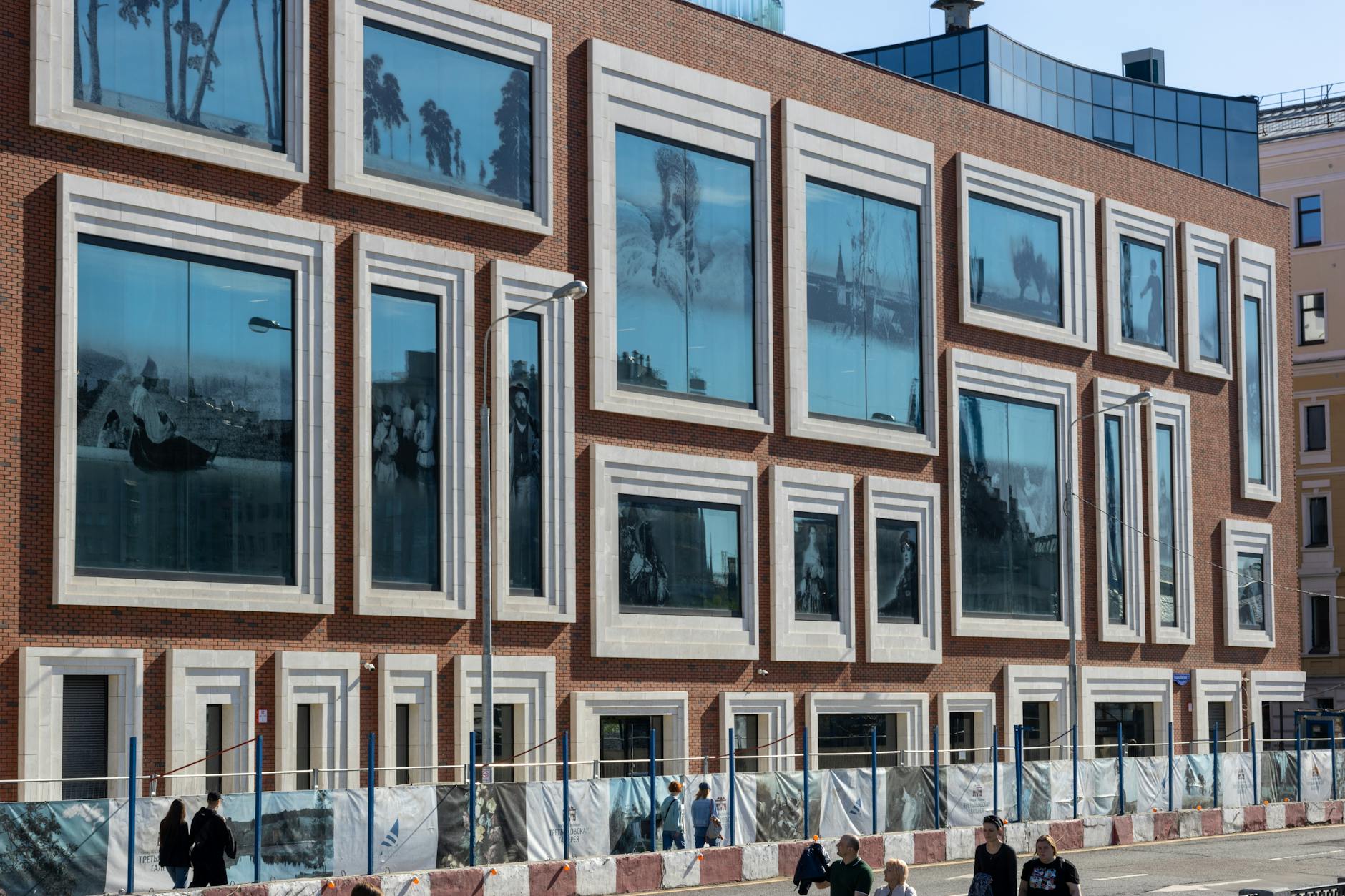
Inizia al piano terra nell'ala centrale e sali la Scala Principale al Primo Piano, poi completa il giro al Secondo Piano per vedere le preziose opere di Rublev, Repin e Rodin senza dover tornare indietro.
Il complesso è organizzato in quattro ali collegate da un'asse centrale, con ogni sezione chiaramente etichettata e inclusa in un sistema di percorsi a colori. Sebbene la disposizione sia semplice, le mappe vicino agli ingressi presentano didascalie in stile Wikipedia, aiutando i visitatori a seguire le tracce della tradizione attraverso i secoli e la collezione d'arte nelle quattro gallerie. L'Ala Nord presenta vedute urbane e scene cittadine; l'Ala Est ospita opere religiose antiche, tra cui quelle di Rublev; l'Ala Sud espone le sculture di Rodin insieme ad altre opere tarde; l'Ala Ovest contiene una sezione d'avanguardia e numerose opere maestose.
L'accessibilità è migliorata grazie a rampe, ascensori e corridoi ampi, rendendo le visite facili per ogni ospite, incluse le famiglie. Personalmente, questa disposizione rende la visita semplice e confortevole per chi preferisce un ritmo lento, con il percorso che ti guida attraverso numerose opere d'arte senza fretta. Le segnaletiche forniscono contesto su ogni pezzo e aiutano a collegare le opere ai paesaggi urbani e alla tradizione.
Percorsi piano per piano
Il piano terra concentra il centro nevralgico e le esposizioni introduttive, con un percorso facile che ti guida verso le prime commissioni importanti. Il primo piano ospita ritratti e scene storiche, tra cui opere di Rublev, Repin e pezzi correlati. Il secondo piano accoglie sculture tardo-ottocentesche e opere di Rodin, collegate da un percorso secondario ben definito. Tutti i piani sono accessibili tramite rampe e ascensori per facilitare la visita con la famiglia o i compagni. Aperto in più fasi a partire dalla fine del XIX secolo, il layout è stato progettato per offrire maggiore comodità ai visitatori con poco tempo.
Wing Highlights per una Visita Veloce
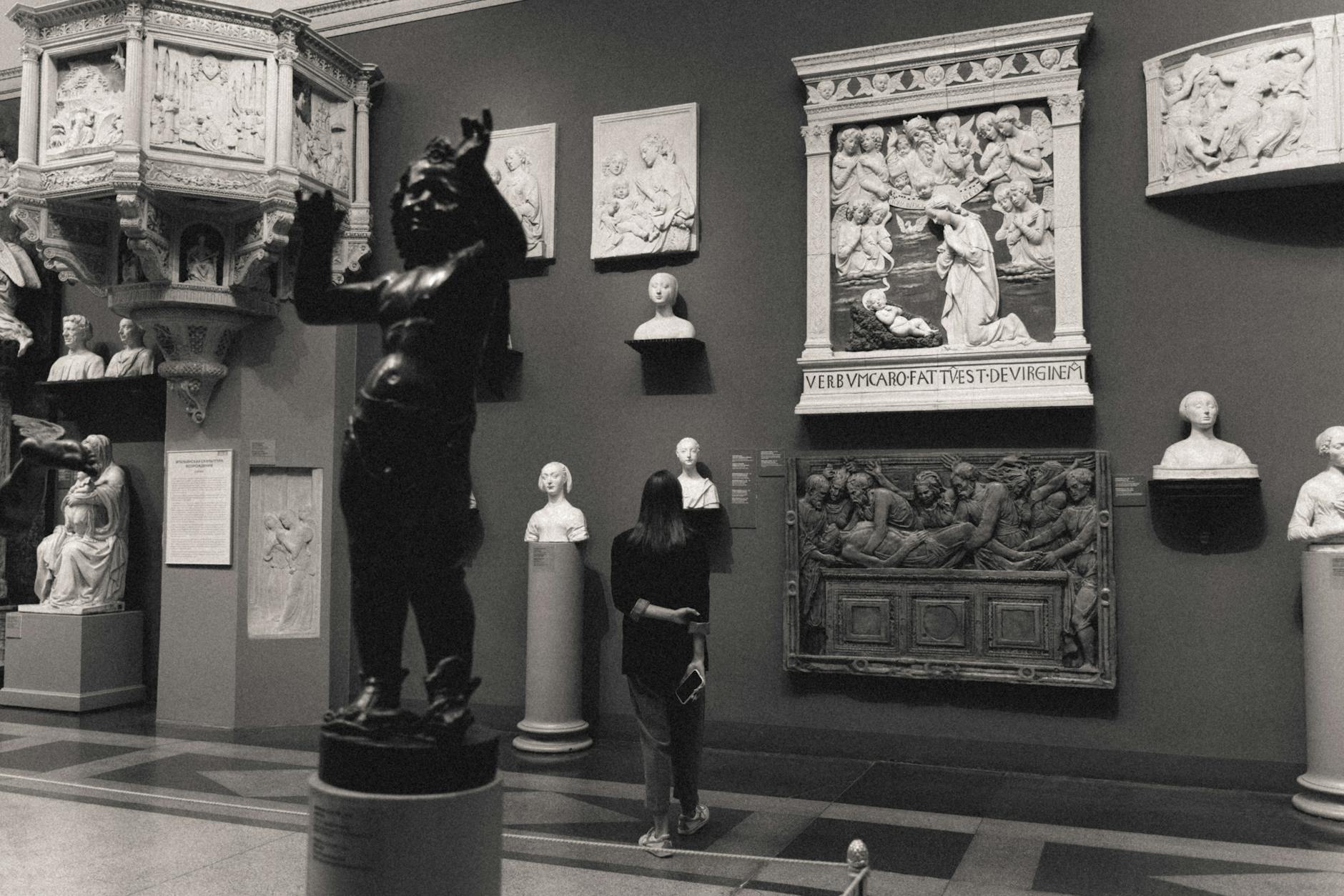

L'Ala Nord offre viste urbane e tracce di vita cittadina attraverso i secoli. L'Ala Est ospita opere d'arte religiose antiche, tra cui Rublev; l'Ala Sud presenta le sculture di Rodin e altre opere tarde; l'Ala Ovest fonde opere d'avanguardia con altri pezzi pregiati. Ogni ala comprende più sezioni e una buona segnaletica, rendendo una visita di 2-3 ore pratica per i visitatori che arrivano con amici o familiari. Per un percorso conciso, dare priorità a Rublev, Repin e Rodin nella prima visita, poi passare alle vedute urbane a Nord e alle opere d'avanguardia a Ovest.
Percorsi Imperdibili: Brevi Itinerari tra le Icone e i Capolavori di Mosca
Inizia dalla porta contrassegnata come Ingresso Principale e segui il breve percorso ad anello lungo l'ala est; questa opzione mantiene i flussi ordinati e rende facile per chiunque coprire le principali attrazioni. I visitatori e gli appassionati hanno rapidamente apprezzato i contrasti più morbidi tra gli schizzi iniziali e le grandi tele. Proseguendo, il percorso collega le principali tappe con etichette chiare, e i circuiti ispirati alla Tretyakov guidano molti appassionati. Andrey, un appassionato locale, è rimasto entusiasta di quanto velocemente si raggiunge la sezione centrale; inizia qui e continua come preferisci, perché questo percorso ha senso per una prima visita.
Itinerario A: Cerchio Classico
Situato in una maestosa dimora sul lungofiume, questo percorso raccoglie opere celebri in un arco stretto: una composizione monumentale di vedute cittadine, una serie di ritratti e un gruppo di studi dell'epoca scolastica che rivelano l'evoluzione della tecnica. Il percorso è ben segnalato con etichette e ha una progressione naturale da toni più chiari a quelli più ricchi; chiunque può iniziare dalle sale principali, per poi proseguire verso spazi più profondi se il tempo lo permette. Per gli sconti, considera i programmi del giovedì o gli aggiornamenti della newsletter; molti visitatori hanno acquistato pass combinati che hanno fatto risparmiare denaro, e alcuni repins mostrano come altri si sono mossi in modo efficiente.
Percorso B: Angoli insoliti
Esplorazioni in spazi meno affollati, questa pista presenta tele meno conosciute e idee di composizione sperimentali. Aspettatevi grandi tele, porte drammatiche e stanze situate oltre l'asse centrale. Il percorso è ideale per chi vuole immaginare come i maestri hanno testato i limiti; questo percorso mette anche in evidenza opere di artisti morti prematuramente. I consigli di andrey sottolineano percorsi rotanti per catturare diverse luci nel tardo pomeriggio. La collaborazione tra il personale garantisce transizioni fluide; alcuni utenti hanno acquistato cataloghi dopo le mostre.
| Route | Stops | Tempo stimato | Notes |
|---|---|---|---|
| Cerchio Classico | Atrio d'ingresso; Salone dei Ritratti; Grande Salone | 45-60 minuti | Migliore per i principianti; i cartelli e le etichette semplificano la navigazione. |
| Incrocio Contemporaneo | Studio Wing; Sala Innovazione; Corridoio dell'Annesso | 30-50 minuti | Più tranquillo; sconti il giovedì; i ripostaggi sono incoraggiati per la condivisione sui social. |
Opere Iconiche per Epoca da Prioritizzare
Inizia con paesaggi urbani luminosi e studi delle scuole tardo ottocentesche e primi del Novecento per stabilire l'atmosfera, poi passa a grandi tele del periodo sovietico. Questo approccio mirato offre chiarezza alla visione del visitatore e aumenta l'engagement. Per i collezionisti e gli ospiti curiosi, la sequenza aiuta a identificare quali opere confrontare tra siti e stazioni durante una singola visita.
Paesaggi urbani e ritratti del tardo XIX-inizio XX secolo
Focus quattro capolavori per epoca: vedute urbane, ritratti e grandi allegorie. Per ciascuno, nota i cambiamenti di umore, luce e colore. Solo pochi pezzi per sito sono messi in evidenza in ogni rotazione, quindi pianifica di tornare se possibile. Chiedi al personale delle stazioni dove sono esposti questi lavori e considera di prenotare una visita guidata per ascoltare le voci di un collezionista e di un curatore. Gli ospiti Mikhail e Andrey tengono brevi lezioni che aggiungono contesto. Cerca linee pittoriche che rivelano la vita urbana, con cieli luminosi e riflessi crema che elevano l'atmosfera.
Era sovietica, realismo urbano e echi d'avanguardia
Durante gli anni sovietici, si privilegiano le tele che illuminano il ritmo della vita cittadina, degli operai e degli ideali collettivi. Le vedute urbane di pittori di diverse scuole rivelano cambiamenti di atteggiamento e tecnica, ma conservano un'atmosfera vivida attraverso toni notturni e bagliori di brace. Da qui in poi, una rotazione settimanale guida le opere esposte; seguite le raccomandazioni del personale per scoprire pezzi che risuonano con la visione del visitatore. Prenotare una visita guidata offre una pluralità di voci da collezionisti, curatori e siti regionali.
Consigli Pratici per la Visita: Accessibilità, Guide, Regole Fotografiche e Servizi
Arriva all'apertura dall'ingresso accessibile dell'ala est, prendi una piantina alla reception e prenota una visita guidata per attraversare i sette piani in modo efficiente.
Accessibilità, Arrivo e Visite Guidate
- Percorsi accessibili attraversano la casa, con ascensori che servono tutti e sette i piani; i posti a sedere tra le sale agevolano il comfort durante una lunga passeggiata attraverso la collezione.
- Chiedi al personale un pass o un badge temporaneo per evitare le code; è disponibile un supporto dedicato per i visitatori che necessitano di assistenza.
- Rivedi un piano interrato prima di iniziare per identificare un percorso logico attraverso le principali sale di pittura e le epoche, mantenendo il piano per mezza giornata realistico.
- Programmi guidati disponibili in più lingue; le spiegazioni mettono in evidenza il contesto, i temi e il contributo del fondatore, con riferimenti a Konstantin Korovin e alla linea realista.
- I pannelli contestuali aiutano a tracciare i cambiamenti politici, inclusi pezzi dell'epoca di Stalin, in modo da poter attraversare le stanze in un ordine coerente.
Regole, etichette e strutture fotografiche
- La fotografia è consentita nella maggior parte degli spazi senza flash; non sono ammessi treppiedi o attrezzature professionali senza autorizzazione preventiva.
- Evitare primi piani di etichette o opere dove la segnaletica lo vieta, e utilizzare i testi murali per seguire i temi e la forma del dipinto.
- Ecco la traduzione: Per la condivisione sui social, si prega di rispettare le linee guida; le ripubblicazioni devono rispettare il copyright e non rappresentare in modo errato scene o aree vietate.
- Le strutture includono un guardaroba, armadietti e bagni accessibili a ogni piano; un caffè con opzioni stagionali e un negozio con riproduzioni sono facilmente raggiungibili.
- Sconti stagionali e opzioni di pass sono disponibili; verifica le offerte attuali sul posto o online, inclusi tariffe di gruppo e giorni di ingresso gratuito occasionali per i visitatori idonei.
- Pianifica un percorso con il personale per coprire la collezione principale in modo efficiente; assegna il tempo alle sette ali e adatta il percorso se un'epoca o un tema ti attira particolarmente.
- I visitatori possono usufruire di mappe adatte alle famiglie e zone tranquille; pianificate pause per mantenere il ritmo in base alle vostre esigenze e interessi.

