


おすすめ モスクワ川のほとりで夕焼け時に、なめらかな反射とカラフルな表面を目撃することから始めましょう。長めのシャッターで、水面に沿って夢のような軌跡が現れます。事前に計画を立てましょう。コンパクトなカードに2〜3回のショットシーケンスをロードし、光が変化するタイミングをメモします。
静かな近所から人里離れた池まで、水が鏡のように作用する静かな場所を探検しましょう。探して、スカイラインを映し出す池の端を見つけたら、長めのレンズに切り替えて、街灯からの線と白いハイライトを捉えます。軽量の三脚、予備のカード、予備のバッテリーを詰めてください。オンラインの予報を使用して、突風と波のパターンを予測し、さまざまなショットとルックスを用意してください。
橋や川岸に沿って強い線を配置して、構図に焦点を当てます。カラフルな光がガラス、レンガ、石とどのように相互作用するかを観察します。計画を使用して、前景から遠くのシルエットへと視線を誘導します。太陽が沈むと、表面は白い輝きを帯び、安定した手と注意深いタイミングで捉えることができる夢を作り出します。
実際には、ブルーアワーの間に都市のラインを研究して、写真の目的をサポートするシーケンスを形作ります。シンプルなキットを使用し、表面を清潔に保ち、有利な場所の周りの人々に注意してください。日没後、ショットとメモをオンラインで確認します。したがって、光がレンガやガラスとどのように相互作用するかを確認するために、次のパスを改良し、次回アプローチを調整します。
首都のフレーム:熱心なシューターを対象とした実践的なヒント
頑丈なバックパックにコンパクトな三脚を入れて持ち運び、早い時間に始めて、鮮明な構図を最大限に活用し、ダイナミックなフレームを目撃しましょう。
- ギアと持ち運び:ギアは控えめに-汎用性の高いレンズ1つ、予備のバッテリー、メモリーカード、レインカバー。水と小さな布を持ち運びます。軽いバックパックは、市内を移動しやすくします。長時間の撮影に備えておくことが絶対に必要です。
- 光とタイミング:ブルーアワーと日没をターゲットにします。時間は大きく異なります。夕焼け時と早いブルーアワーに黄金色のトーンが現れます。これにより、フレームの色とムードが向上します。次に、露出を調整してディテールを保持します。可能であれば、結果を比較するためにいくつかの撮影を計画します。
- 構図とジオメトリ:リーディングラインとシェイプでフレームを作成します。あなたの目はジオメトリにマッピングされます。次に、最も強いフレームを最大化します。有利な場所の高さと、それがより明確でバランスの取れたフレームにどのように視点を変えるかを念頭に置いてください。
- スポットの選択と安全性:ここでは、多くのエリアを飛び回るのではなく、単一の強力なスポットに焦点を当てます。金色のファサード、庭の景色、または人里離れた川岸の有利な場所。シリーズのずれを減らすために、1つのスポットに焦点を当てます。風の強い状況でも安定性を確保するために、三脚を持ち運びます。
- ポストプロセッシングと共有:鮮明なディテールを維持するために編集します。自然なトーンを維持します。オンラインでアップロードします。あなたのポートフォリオは際立っています。ここでは、一貫性のあるスタイルを維持できるため、オーディエンスは成長します。
夜明けの赤の広場:角度、タイミング、群衆管理
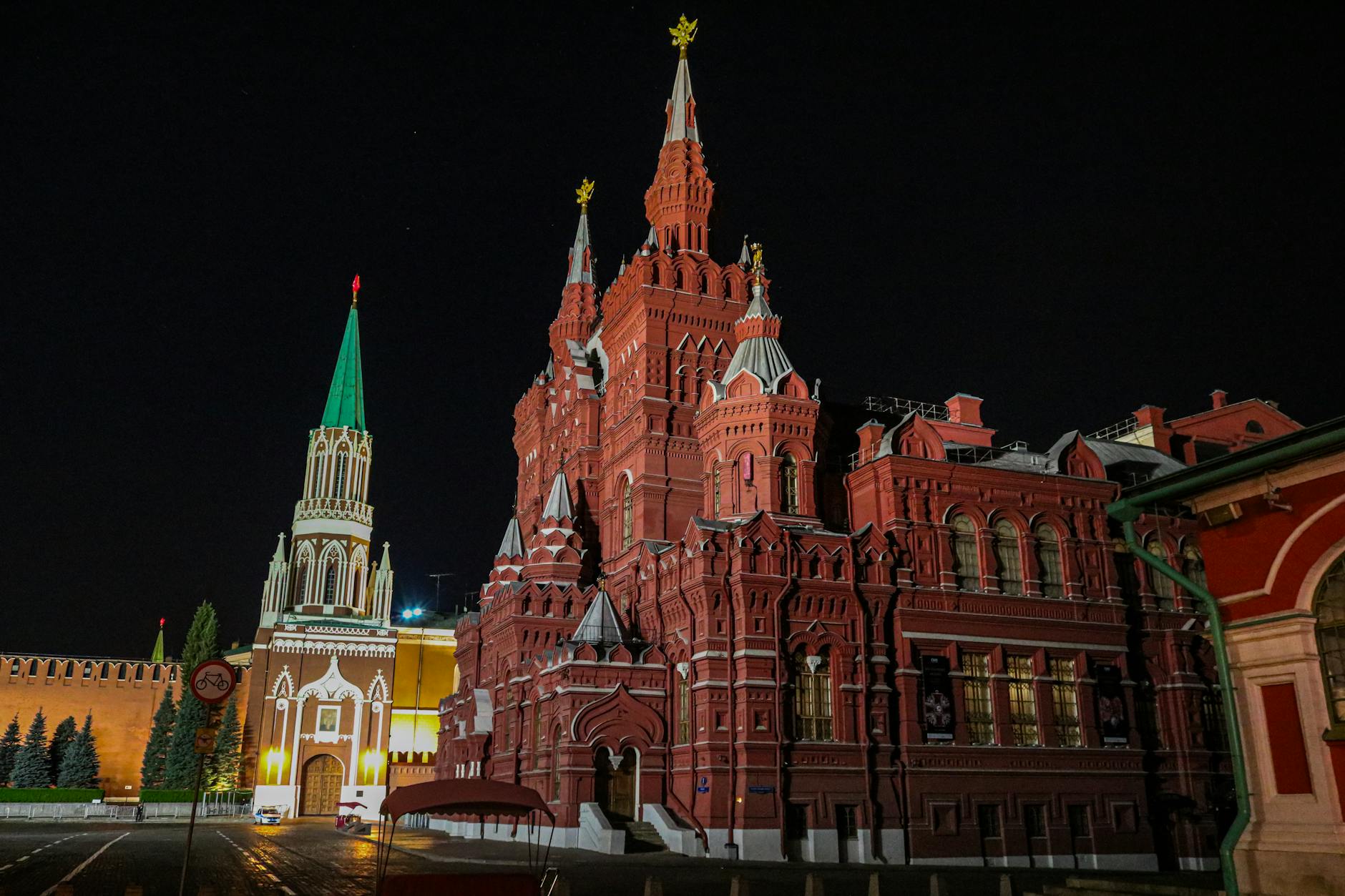
夜明けの30分前に到着し、パルテール近くの中央軸に沿って頑丈でタイトな位置を確保することから始めます。これにより、鮮明な光と、空間を囲む金色の外観にわたる劇的なシルエットが得られます。
角度の選択肢には、群衆が生き生きとしたコンテキストを形成している間、中央のモニュメントに焦点を当てるために、低いレンガの有利な場所が含まれます。偏光フィルターを使用して、濡れた石のグレアを管理し、他の顔の中でクリーンな構図を維持します。一部のフレームは、生垣に沿って、パルテールを横切って歩き、奥行きを構築し、同じ劇的なムードを捉えるのに役立ちます。反射光の池は、夜明けと場所の感覚を強めます。
人々の移動に合わせてタイミングを計ります。銀行の近くの列とオープンスペースの休憩を待ち、群衆が戻る前に新しいタイトな角度に移動します。グループが中央のアーチの近くに集まる傾向があることに注意してください。他の人の邪魔にならないように、そこで少し停止してから、広場を横切る平行線にピボットして、被写体を環境から分離します。
ギアとプロセス:バックパック、選択した設定のカード、予備のバッテリーを持ち運びます。低いISOと控えめなシャッターから始めます。夜明けの光が許せば、より長い露出で表面をテクスチャリングします。反射が脅威になる場合は、偏光フィルターに切り替えます。一部のフレームは、ワイドからミッドの焦点距離でメリットがあり、劇的なレイヤー化されたパルテールと外観ラインが得られます。
動きのコンテキストに注意してください。動きをスムーズに保ち、急ぐのではなく歩き、他の訪問者と調整して、有利な場所をブロックしないようにします。絶対にルーチンを準備してください。クリーンで映画のような結果の夢は、計画と規律あるタイミングから生まれます。
| スポット | 角度 | 根拠 |
|---|---|---|
| 中央のアーチの近く、低い縁石 | ローアングル、地平線がわずかに下向きに傾いている | 金色の外観とパルテールのジオメトリに焦点を当てます |
| 西端の生垣線に沿って | ワイドビュー、スケールとしての群衆 | コンテキスト、奥行き、劇的なラインを作成します |
| パルテールの北側を横切って | 夜明けの反射、鮮明なハイライト | シフトの中で穏やかな対称性を生み出します |
雀が丘の夕日:スカイラインの視点、レンズの選択、構図
南向きの見晴らしの良い場所から始めます。金属製の手すりの横にある石は見つけやすく、参照ポイントでスカイラインをすぐにフレームに収めます。
2つのスカイラインゾーンは、異なるムードを提供します。長い視線のある上部テラスと、木のラインと建築がよりタイトなテクスチャを作成する下部遊歩道です。
レンズの選択:シーンを広範囲に保つには24〜70mmを使用するか、シルエットと建築のジオメトリを分離するには85〜135mmに切り替えます。内蔵の安定化機能は、手持ちの場合に役立ちます。頑丈な三脚は揺れを最小限に抑えます。予備のカードと予備のギアを持ち運び、長時間の露出をトリガーするためにタイマーを手元に置いてください。
構図のヒント:手すりや外観の表面からのリーディングラインを使用して、視線を地平線に向かって誘導します。表面の劇的なテクスチャと池や水面の反射を探します。建築要素を配置して、訪問者が光と影の間のリズムを目撃できるようにします。
タイミングと天気:ゴールデンアワーは約60分続きます。ブルーアワーの前の最後の時間に撮影する予定を立ててください。晴れた夜は色を最大限に引き出し、軽い風は水面を穏やかに保ちます。ヒストグラムとカメラの測光を使用して、露出とホワイトバランスをその場で調整します。
適用したい実践的なヒントを次に示します。フレーム内の乱雑さを避けるために、脇に寄ってラインを最小限に抑えます。予備のバッテリー、予備のカード、コンパクトな三脚を持ち運びます。タイマーを使用して露出をトリガーし、レンズを交換するときに表面を清潔に保ちます。訪問者は手すりの近くに集まることが多いため、静かな時間にショットを計画して、反射水に街の輝きを目撃してください。
ゴーリキー公園とモスクワ川:川岸の反射と長時間露光のトリック
モスクワ川に淡い光を捉え、群衆を最小限に抑えるために、中央の埠頭に沿って夜明けに始めます。ここでは、石の手すりに軽量の三脚をセットアップし、偏光フィルターを使用してグレアを抑えます。同じフレームが雲でどのように変化するかに注意してください。したがって、各条件で短いシーケンスを計画します。
- タイミングとフレーミング
- 最も信頼できる時間は早い時間です。淡い光は色を柔らかくレンダリングし、過酷なコントラストを軽減します。
- 生垣の近くの角から、外側の公園のラインと反対側の建物の間に水をフレームに入れて、バランスの取れたシナリオにします。
- 川の端を前景の石の棚に合わせることで、中央軸をきれいに保ちます。これは奥行きを維持するのに役立ちます。
- ギアと準備
- 軽量の三脚とコンパクトなリモコンを持ち運びます。視点間を簡単に移動できます。
- 偏光フィルターを取り付けて、水面の反射を制御し、春やその他の季節の色を深めます。
- 空を露出オーバーにすることなく、より長い露出を可能にするために、小さなニュートラルデンシティオプションを持参してください。
- 露出のトリック
- 特に夜明けに表面が穏やかな状態を保っている場合は、より長い露出時間を使用してモスクワ川を滑らかにします。
- ハイライトのディテールを保持するために、2ストップまたは3ストップの削減から始めます。次に、ブラケットを使用して、淡い色とカラフルなトーンをキャプチャします。
- RAWで撮影して、空、水、葉全体にわたるダイナミックなコンテキストと色の変化を保持します。
- 構図とムード
- 公園の生垣と石の堤防の劇的な反射を水中で探します。外側の反射は、適切な光の中でほとんどロイヤルに見えることがあります。
- 川の両側をキャプチャして、緑と都市のファサードのコントラストを示します。これにより、物語が広がり、奥行きが増します。
- 建物のファサードと木の天蓋に光を当てて、淡い空に対してカラフルなシルエットを作成します。
- 実践的なメモ
- 複数の時間帯に訪問して、トーンの変化を比較します。したがって、最終的なフレームに最も劇的なウィンドウを選択できます。
- 水に沿った突風から機器を保護します。計画を柔軟に保ち、コーナーをすばやく切り替えることができるようにします。
- 群衆とルートのコンテキストに注意してください。簡単な有利な場所がここにありますが、石の壁の近くの予約された場所は、最もクリーンな反射を提供します。
要約すると、早く始めて、石の端の近くにとどまり、川に沿った中央のラインを利用して、静かな表面とカラフルな街の輝きの両方を捉えます。これらは、ここで思い出に残るより長い露出に不可欠な2つの要素です。
コロメンスコエエステート:広い風景、木造建築のフレーミング、季節
コロメンスコエエステートを夜明けまたは午後の遅い時間に訪れて、ワイドショットを最大化し、中央のアベニューと白い外観とレンガの翼の統一感を捉えます。そこの光は石のテクスチャを柔らかくし、広いスペースの寛大なフレーミングを誘い、レンズを長い視線に沿って誘導します。計画は、どのコーナーを訪れるかを決定するのに役立ちます。
オープンゾーンが滑らかな石の道と木造建築につながるコーナーポケットを移動します。パルテールガーデンをスケールのホイルとして使用し、秋の金色の葉がフレームを暖め、涼しいレンガの外観にコントラストを加えます。
春はカラフルな花と明るい空をもたらします。白いファサードが輝き、庭は生き生きとして見えます。冬には、滑らかな石とレンガの外観が鮮明な影を帯び、夏には、オープンな中庭がさわやかで広くフレーム化された景色を提供します。
実践的な計画のヒント:中央ゾーンをマッピングし、2つまたは3つの有利な場所への立ち寄りを計画し、ショットのアイデアを小さなカードに保管します。これらの動きは、さまようことを最小限に抑え、絞り設定でクリーンなディテールをキャプチャする可能性を最大化します。ワイドで撮影してスケールを強調し、手すり、階段、パルテールを1つのフレームに収めます。
川岸と金色の庭の回廊に沿って座っている会場があります。ベンチはレンガの角の近くにあり、立ち止まって振り返るのに穏やかな場所を提供します。これらのシーンを中心に計画を立てることで、訪問者は色、テクスチャ、季節性のまとまりのある物語を構築できます。
中央軸に沿って移動すると、夢のフレームが現れ、一歩下がってより広い風景を明らかにします。その結果、建築、庭のジオメトリ、季節の色を組み合わせた、非常に多様なショットのセットが得られます。
市内中心部の夜景:トヴェルスカヤ、オホートヌイリャド、クレムリンのシルエット
ブルーアワーが到着すると、トヴェルスカヤ-オホートヌイリャド軸から始めます。白い街灯と暖かい建物の光は、夕焼けのトーンが夜に溶け込む間、ディテールを読みやすく保ちます。劇的なコントラストのために、クレムリンのシルエットをスカイラインの上に浮かび上がらせます。白は、ライトが変化しても色を忠実に保ちます。
構図とフレームの選択:クリーンな建築ラインでシルエットをフレームに収め、70〜135mmの焦点距離を使用して機能を分離し、前景を乱雑にするフレームを最小限に抑えます。活気のある会場の中で、標識はあなたが望むリズムを作り出し、ルックスとコンテキストのバランスを取るためのヒントを提供します。
技術的なアプローチ:ISO 100〜400、f / 8、2〜8秒の露出。頑丈な三脚が不可欠です。リモコンまたは内蔵タイマーを使用して、揺れを回避します。これらの撮影では、鮮明なシルエットと濡れた通りの光沢のある反射が得られます。可能な結果には、強いシルエットと鏡のような舗装が含まれます。
実践的なルート:群衆が増える前に到着します。オホートヌイリャドの入り口近くのトヴェルスカヤから始めて、中心に向かって撮影します。次に、舗装が光の池になる栗色の街灯柱の角に移動します。この視点により、広い街のムードとタイトな建築形状を組み合わせることができます。次に、より劇的なフレーミングのために2番目の位置を選択できます。
ポストプロセッシングとキャプション:ホワイトバランスを暖かい色調に調整して、青と金色のトーンを調和させる方法に注意してください。露出の科学は、グローを洗い流すことなくコントラストを維持するのに役立ちます。劇的な形状、標識、クレムリンのアウトラインのルックスなど、あなたが見るものを説明するキャプションを作成します。
ヒントと最後のメモ:交通量が静まる時に訪れます。一部の会場は暗くなっても活気があります。夕焼けから夜に光が変化する時に到着する予定を立ててください。設定と場所の実用的なログを保管してください。あなたのビジュアルは、一貫した色と慎重なフレーミングから恩恵を受けるでしょう。


