Obtaining a visa to Russia from Hungary can appear daunting at first, especially for ordinary travelers. However, with the right information and a structured approach, the process can be simplified. This guide will provide a recommended step-by-step plan to help you navigate the visa application process efficiently and ensure that your travel plans remain on track.
The first step in acquiring a Russian visa is understanding the eligibility criteria and the types of visas available for different purposes, including tourism, business, and cultural exchanges. You must gather the necessary documentation associated with your specific visa type. This often includes printed letters of invitation from organizations or individuals in Russia and supporting information about your planned stay.
Once you have prepared your documents, it's vital to schedule an appointment with the nearest Russian consulate or visa application center. Direct contact via phone can also be useful to confirm any specific requirements you need to fulfill. Keep in mind that the processing period can vary, with options available for regular and urgent requests. It is recommended to double-check the expiration dates of your documents to avoid any delays. You can find further details on the visa application process by visiting visakdmid.ru, which offers comprehensive information and additional resources throughout your application journey.
Understanding the Russian Visa Types
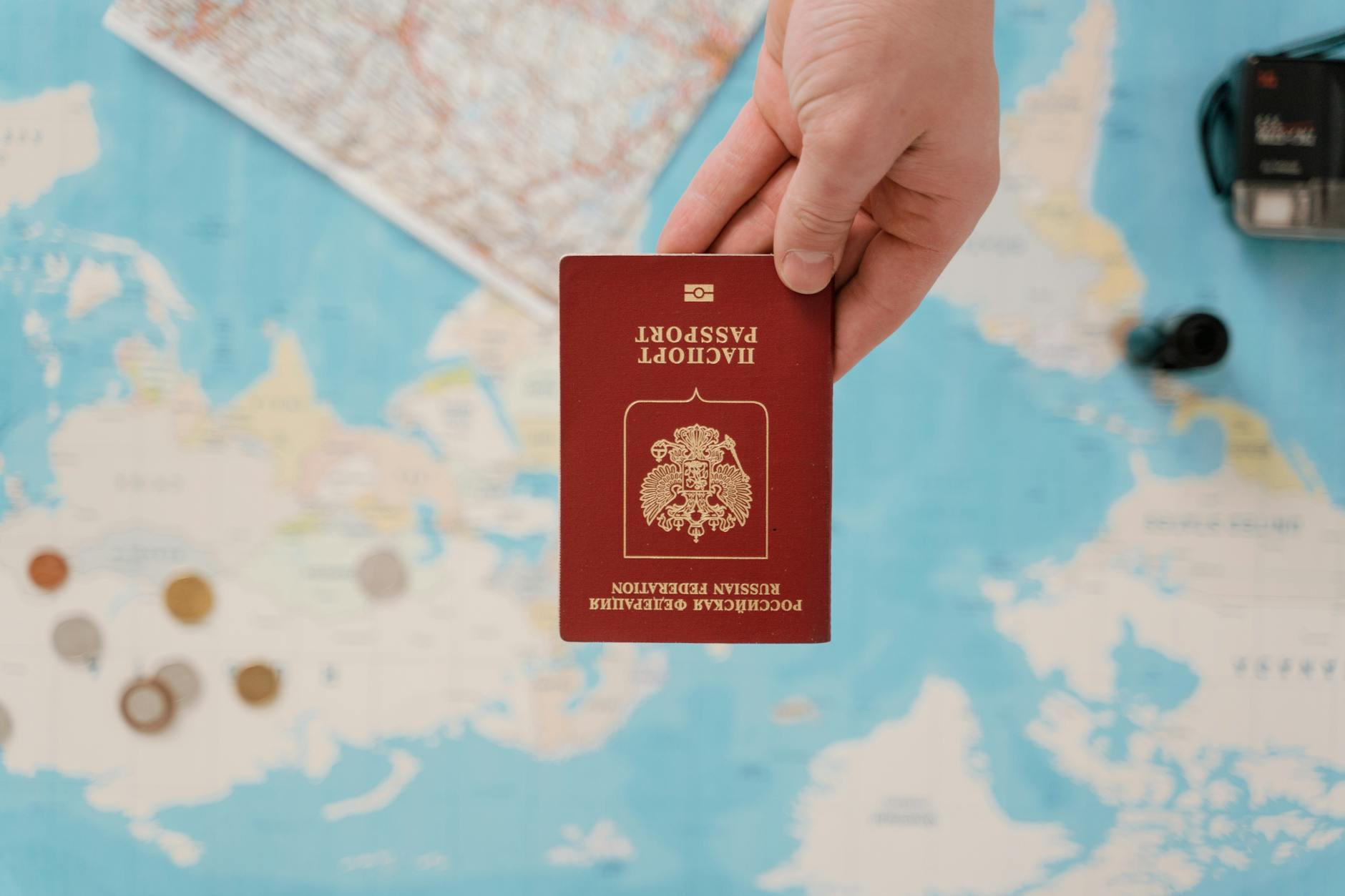
Obtaining a visa to Russia involves understanding the various types of visas available. Each type is designed to serve specific purposes for travelers and foreigners wishing to enter the country. The major categories of Russian visas include tourist, business, diplomatic, and work visas.
| Visa Type | Description | Validity | Suitable For |
|---|---|---|---|
| Tourist Visa | Enables travelers to visit Russia for leisure. Valid for staying in hotels or arranged tours. | Up to 30 days | Tourists |
| Business Visa | Used for attending meetings and business negotiations. Requires a letter from a Russian organization. | Up to 90 days, single-entry or multiple-entry | Business travelers |
| Work Visa | Required for foreigners seeking employment in Russia. Must obtain a work permit prior to application. | Up to 3 years | Foreign employees |
| Student Visa | For individuals who wish to study in Russian educational institutions. | Generally valid for the duration of study | Students |
| Family Visa | Applies to citizens or grandchildren of Russian citizens wishing to reunite with their family. | Varies | Family members |
Each visa type comes with specific application procedures, fees, and requirements that must be satisfied. For instance, documents such as a valid passport, application form, invitation letter, and proof of sufficient funds are typically required. In recent years, the application methods have evolved; many can now be completed online through the embassy's website, allowing travelers to arrange appointments digitally.
It's important for applicants to verify if their chosen visa is suitable for the intended trip, as entering Russia on an inappropriate visa may lead to complications or refusals upon entry. Furthermore, previous regulations allowing easier access for certain categories have been re-evaluated during economic changes and international agreements.
In conclusion, understanding the different types of visas can significantly aid in the application process. Travelers should gather all relevant info and details early, ensuring they meet all the necessary requirements to avoid delays in their trip. Keeping an eye on Russian travel policies can also prove beneficial, as adjustments may be made periodically.
Different Types of Visas Available
Travelers from Hungary looking to visit Russia must understand the various types of visas available and the appropriate procedure to obtain them. Each visa type corresponds to the activities the applicants plan to engage in while in Russia.
The most common visa is the tourist visa, which is valid for a single-entry. This visa allows a duration of stay typically not exceeding 30 days. Travelers must collect necessary documents, including a hotel booking confirmation and a travel insurance certificate, to meet the requirements.
For those intending to stay longer or engage in work-related activities, a work visa is required. This visa has more extensive documentation and necessitates approval from the Russian government. Additionally, the applicant must provide an invitation letter from a registered company in Russia.
Another option is the student visa, which is designed for those planning to study in Russia. It typically requires proof of enrollment in a recognized educational institution, along with the necessary blank forms and supporting documentation.
Travelers should note that it is crucial to begin the visa application process in advance. Appointments at the Russian embassy can have a waiting period, and appointments may only be available on specific days, such as Wednesday. For urgent cases, there may be an expedited service available for an additional fee.
Hungarians traveling with children need to obtain separate visas for minor children, which involves additional paperwork. It is important to ensure all documentation is complete to avoid any delays in the process.
Lastly, documents must exceed basic requirements, including proof of return travel and financial means to support the stay. Travelers must carefully review the corresponding steps in the visa application process to ensure compliance with Russian legal requirements.
When to Apply for Each Visa Type
When planning a trip to Russia from Hungary, understanding the timing of your visa application is crucial. Each visa type has specific circumstances and deadlines that should be considered to ensure a smooth process. For tourist visas, it is recommended to apply at least 30 days before your planned trip dates. This allows ample time for processing and ensures that you do not exceed the permitted stay in Russia.
When applying for a business visa, you should plan for an extended application period, often requiring at least 45 days in advance of your departure. Due to the need for confirmation from the Russian Ministry of Foreign Affairs, the complexity can vary based on your previous visits and kinship relationships in Russia.
For students and those conducting cultural exchanges, applying for a student visa should be done at least 60 days in advance. This allows for the completion of required documents, including a certificate of enrollment from an official educational institution in Russia.
If you are a citizen of China considering an eVisa option, applying is usually quicker, often requiring just a few days. However, ensure that all necessary documents, such as your passport and recent photograph, are ready to avoid unnecessary delays.
In all cases, having your insurance coverage confirmed prior to your appointment is essential. This includes understanding socio-political relationships between nations, which can impact visa approval times. Bookings and travel plans should remain flexible until your visa is granted.
Keep in mind that circumstances can change rapidly, so staying informed about the latest visa regulations and terms is vital. For those visiting family or friends, sometimes additional documents or permits may be required, and application dates should reflect those additional requirements.
Ultimately, planning ahead and allowing for potential delays will help ensure that your visa application process goes smoothly, granting you peace of mind as you prepare for your trip to Russia.
Specific Requirements for Tourist vs Business Visas
When planning to enter Russia from Hungary, it is crucial to understand the specific requirements for obtaining a tourist or business visa, as these two types of visas serve different purposes and have distinct procedures.
For a tourist visa, your primary goal is leisure travel. You will need a printed invitation from an authorized travel organization or hotel in Russia. This document must include details of your stay and comply with the validity terms set by Russian authorities. Generally, this visa is valid for up to 30 days and allows you to stay in Russia for a short duration. Foreigners applying for a tourist visa should also submit proof of travel insurance alongside their application.
In contrast, a business visa is intended for individuals traveling to Russia for work-related purposes. The main requirement for this visa is a business invitation letter from a Russian organization. This document serves as proof of the nature of your trip. Unlike tourist visas, business visas can be valid for several months and may allow multiple entries. Processing this type of visa can take longer, and it is advisable to avoid any rush because of the socio-political factors that may influence your application.
Both visa types require you to submit a completed application form, a valid passport, and a photograph. Ensure that your documents are accurate and ready before submitting them to the consulate or embassy. Additionally, travelers must provide proof of financial means to support their stay in Russia. Depending on the method of application (through an online service or in person), you may need to make a payment as part of the processing procedures, which is typically based on the type selected.
It is essential to note that while the tourist visa is less complicated, it may still get denied if you fail to provide the correct information or if there are discrepancies in your application. In comparison, applying for a business visa can be more complex, especially with the need for organizational invitations. Therefore, you should prepare meticulously, ensuring you have signed and printed every necessary document before proceeding.
For both visa types, you can use an eVisa as an alternative option if eligible. This method simplifies the process, allowing you to apply online for a short stay. However, always check the specific requirements for eVisas in advance, as these can vary.
In conclusion, whether you are a tourist seeking to explore Russia or a business traveler handling professional matters, understanding the specific requirements for each visa type will help facilitate a smoother visa acquisition process from Hungary.