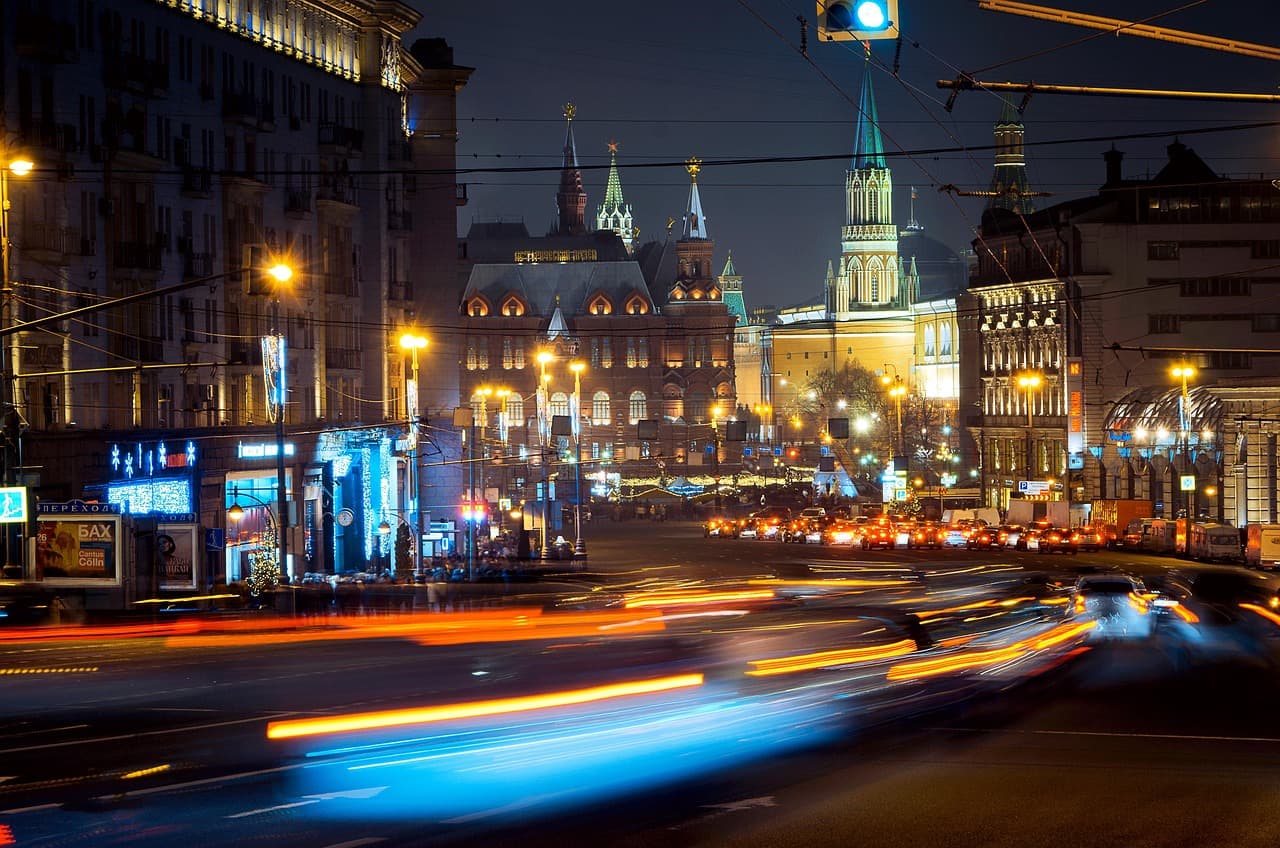
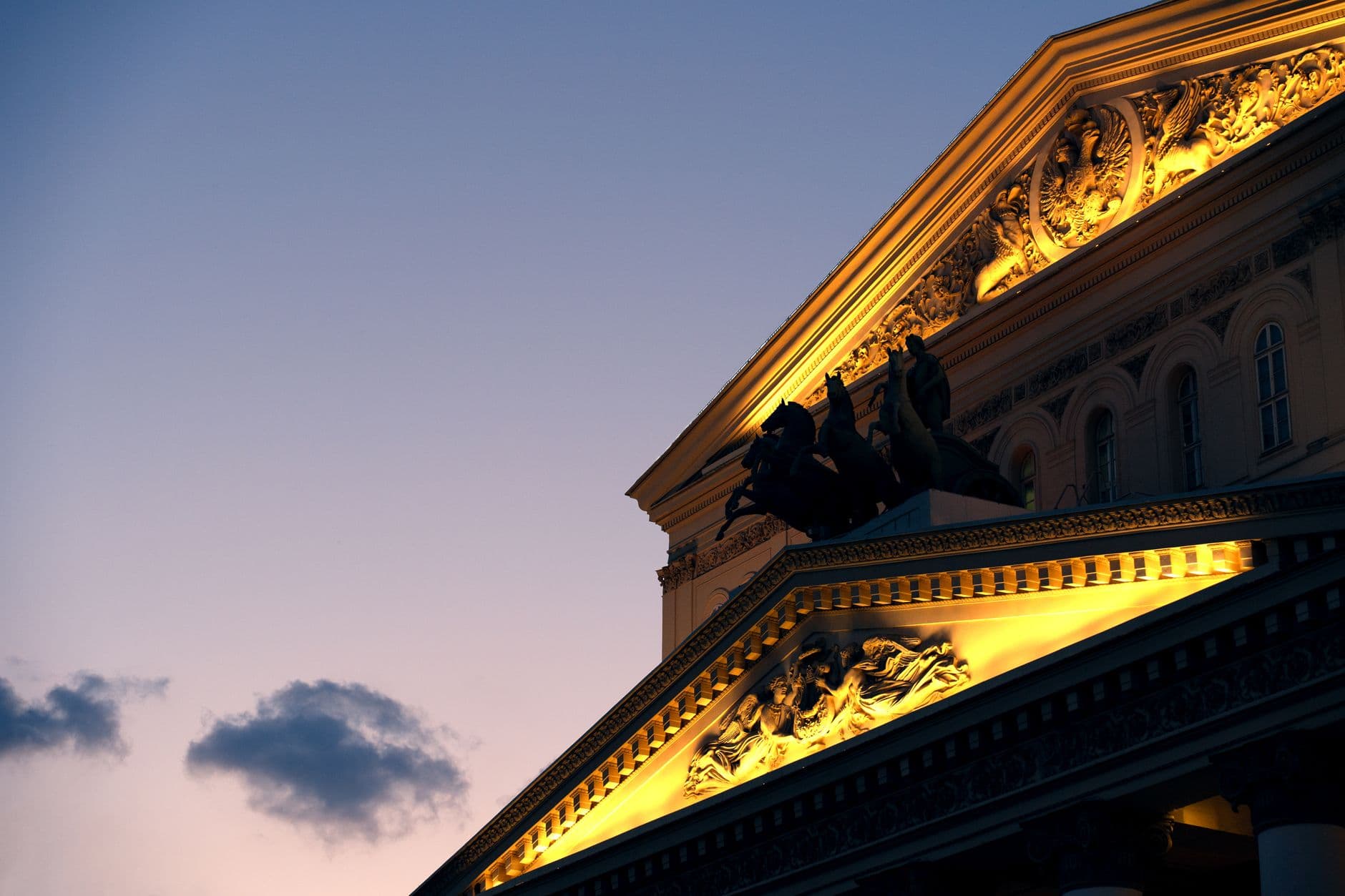
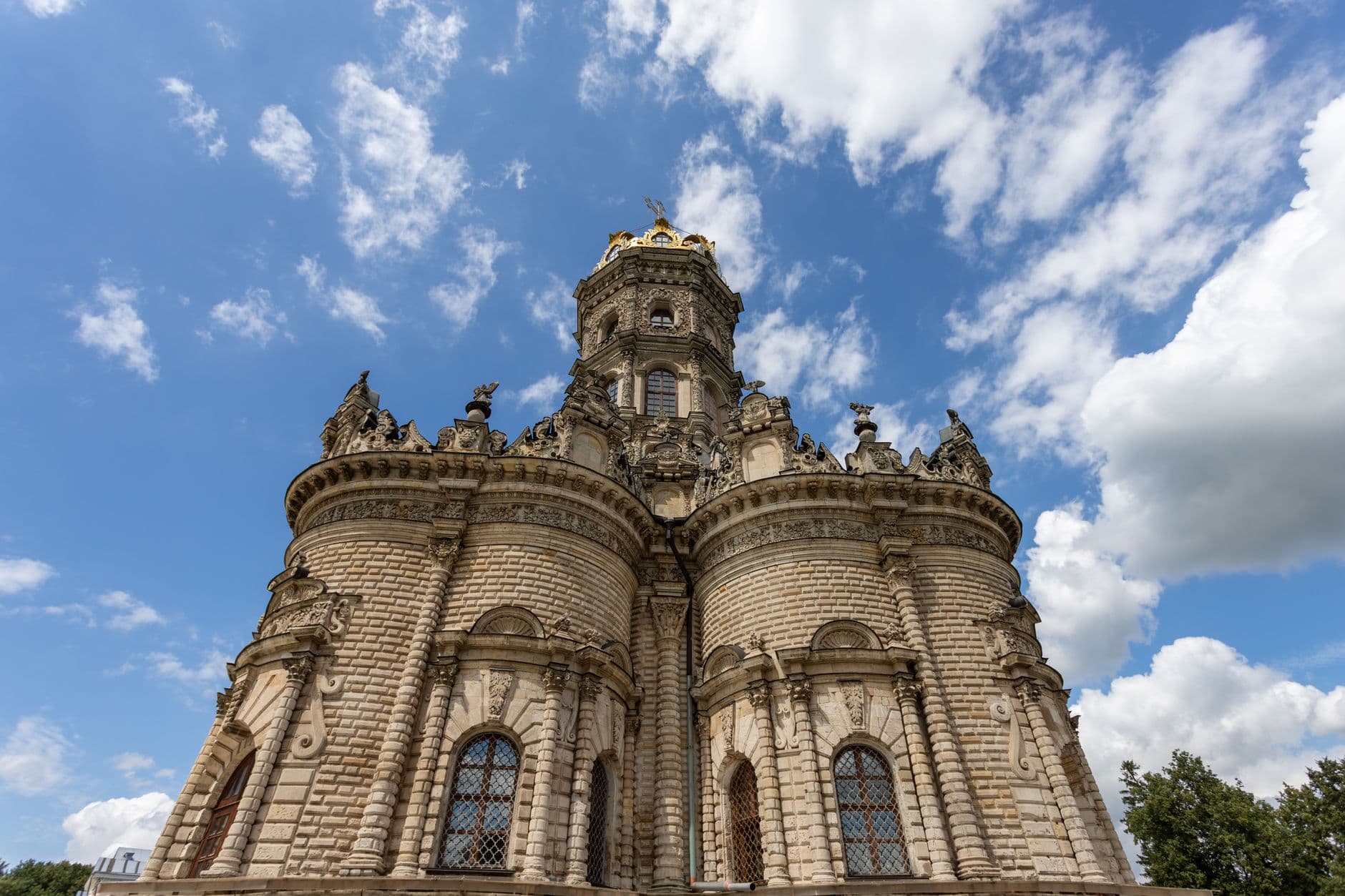
通りに面したファサードには、温かみのある電球を使用することから始めましょう。これにより、感情的なトーンが設定され、輝度を強調するのではなく、アクセントを強調することから始めます。省エネオプションが普及するにつれて、設計者は制御の精度を高め、光がレンガの質感や石のディテールをどのように明らかにするかを形作りました。静かなビーコンのように、光は入り口と線を強調し、まぶしさのない歩行者を誘う場所の感覚を生み出します。外部照明器具を目の高さより下に配置して、光の漏れを最小限に抑え、特に南側の立面では、建築のリズムに注意を向けます。穏やかな光は、歩行者が歓迎されていると感じるのに役立ちます。
実際には、ファサードの照明と庭の考慮事項を組み合わせることで、通りを圧倒することなく質感が生まれます。一般的なスキームでは、光をコーニスや柱に広げ、内部に侵入しないように制御された光の漏れがあります。静かなパートナーのように、温かみのある電球はクールなアクセントを補完し、下からも上からも判読可能なダイナミックなパレットを生み出します。夜になると、ファサードはそのリズムを明らかにし、シーンは光で呼吸します。
照明のレイヤー化を検討してください:ベースウォッシュ、コーニスへのアクセントビーム、庭の縁の光。この一般的なアプローチは、通りを圧倒することなく、視聴者が建築の感覚を感じるのに役立ちます。温かみのある電球と微妙な色のアクセントを組み合わせることで、下からも遠くからもはっきりと読み取れる奥行きが生まれます。夜が更けるにつれて、効果は深まります。
実践的な地図から計画を立てます:各ファサード、入り口、庭の縁をマークします。色を過負荷にしないでください。一貫した温度を維持してください。南側では、純粋な白色光で照らすのは避けてください。代わりに、より暖かい色調と制御可能なゾーンを使用してください。これにより、アクティビティが変化するにつれて光を暗くすることができます。光を軒下に保ち、器具を遮蔽して窓のまぶしさを防ぎ、階段やテラスに沿って空間と安全の感覚を維持します。
夜間のファサードの強化:実用的な照明技術
レイヤー化された計画から始めます:レリーフをアップライトして奥行きを彫刻し、コンクリート面を照らして質感を明らかにし、アンカーに選択的なハイライトを適用します。総出力を控えめに保ち、色温度を2700〜3000K程度に設定して、遠くからでも読みやすい白熱灯の温かさを実現します。器具を遮蔽してオーバーフローを防ぎ、調光可能な回路を実行して、群衆が到着するにつれて明るさを調整できるようにします。
張り出しの下の領域は、歩行者を誘導しながら窓のまぶしさを避けるために、低角度で遮蔽されたダウンライトの恩恵を受けます。垂直ジョイントに沿って2〜3メートルごとに15°〜25°の狭角ビーム器具を配置して、リズムを維持します。ファサードの見かけ上の質量をシフトさせないように、クーラーなアクセントは控えめに使用してください。アプローチしやすさと安全性を高めたい場合は、暖かさを選択してください。
インスピレーションはロンシャンから得られます:彫刻的な光は、表面を洗い流すのではなく、質量と形状を強調する必要があります。フラットな照明は避けてください。制御された指向性ビームで、ひだ、コーニス、くぼみを強調します。同様のアプローチは、慎重なコントラストと建物のシルエットを空に対して強調することで、コンクリートのファサードにも有効です。
ケルサレのアプローチは、粗いテクスチャに輝きをもたらすのに役立ちます:エッジに沿って小さくてコントラストの低いビーコンを配置して、やりすぎることなく活気のあるエッジを作成します。アップライトと彫刻的な要素へのターゲットを絞ったハイライトを組み合わせます。強調したい機能にのみフラッシュレベルのタップを使用し、立面全体には絶対に使用しないでください。テクスチャと影が互いに作用し合う場所で、奥行きが増加することに気付くでしょう。
科学的な観点から見ると、照明設計には効率と知覚のバランスが含まれます:ルクス、演色性、フリッカー制御の測定されたステップは、幸福と知覚される安全性に影響を与えます。CRIが80を超えるLEDを優先し、人間にとって快適な暖かさのために2700〜3000Kを維持し、深夜の過酷な明るさを避けるために調光を採用します。このアプローチの変更により、エネルギー使用量が削減され、深夜の時間帯でもサイトの魅力と読みやすさが維持されます。
実行が最も重要です:すべての領域をマッピングし、3層の計画(ベースウォッシュ、彫刻的なアップライト、および機能のハイライト)を作成し、実際の視距離を模倣した条件下でテストし、それに応じてビーム角度を調整します。周囲の変化に応じて将来の再照準のためにモジュール式器具を選択し、特にテクスチャードコンクリートの近くで、これらの表面の輝きを長期にわたって一貫して維持するためのメンテナンスルーチンを文書化します。
テクスチャを強調するために、ビーム角度をファサードの詳細に合わせます
器具を配置して、主ビームが浅い角度(表面に対して10°〜15°)でファサードのテクスチャをかすめるようにして、奥行きと木目を明らかにします。これにより、昼光の凝集性が維持され、昼光が薄れるにつれて、コンクリート、レンガ、石がより立体的に見えます。
一般的な立面に適用できる具体的な方法を次に示します。
- 材料別の角度戦略
- コンクリート:レリーフラインの側に配置された、より長く、狭いビーム。型枠のテクスチャを記述するための8°〜12°のかすめ角度。
- レンガ:モルタルラインを持ち上げ、表面を読みやすくするための12°〜20°。
- 石:自然な木目とエッジのディテールを捉えるための6°〜14°。
- 器具の配置と距離
- くぼんだ領域のすぐ外側に器具を取り付け、各ベイに沿って1.5〜3.0 mの間隔を空けます。一貫性を保つために、ビームをテクスチャ機能の中央に配置します。
- 高さ:低いファサードの場合はグレードより0.5〜1.5 m上に、高いファサードの場合は最大2.5〜3.5 m上に配置します。テクスチャバンド全体でかすめを維持するように傾けます。
- 電気と制御
- 狭角から中角のビーム角度を備えた、耐候性、電気的に調光可能なLED器具を使用します。10°〜25°のかすめが一般的です。忠実な色のためにCRI > 80。ソフトスタートを提供します。
- 同期された側面およびアップライト効果のためのシングルゾーン制御。
- アップライトとサイドライトの相乗効果
- 垂直面を照らすアップライトと、テクスチャを記述するサイドかすめを組み合わせます。これらを組み合わせることで、ディテールを洗い流すことなく奥行きが生まれます。
- テストと実践的な例
- 段階的なテスト計画から始めます:チャペルのファサードに沿って約12個の器具を取り付け、2700K〜3000Kを使用します。結果を記録し、5°刻みで調整します。この例は、昼光雑誌の記事で説明されているセットアップを反映しています。コンクリート要素から始まり、夕暮れ後に改良され、テクスチャを強化する効果的で集中的な照明結果が得られました。
- 昼光の中では、外観ははっきりと読み取れます。豊かな表面の夢は、中レベルの角度から見たときに非常に読みやすくなります。
- 入り口のダムニッチは、そのレリーフを強調するために照らされました。
- コントラストを作成するために、選択したベイでより明るい3000Kオプションを使用します。
- 注意すべき材料とテクスチャ
- 型枠マークのあるコンクリートはかすめに反応します。レンガのモルタルラインは鮮明なエッジを獲得します。自然石は、レリーフの側に配置されたかすめビームで、より明確に亀裂を示します。
- 事例
- 昼光雑誌で説明されているプロジェクトであるダムチャペルは、くぼみを照らすために側面に沿って配置された器具から始まりました。長いスローは奥行きを提供し、その結果は昼から夜への移行に非常に効果的でした。
奥行きを出すために、かすめ、ウォールウォッシュ、シルエットのテクニックを使用します
壁の基部に沿って、表面から0.6〜1.2 mの位置に器具を戦略的に配置し、5〜15°上向きに傾けてテクスチャを彫り込みます。3000〜3500K、CRI > 90を使用し、グレージングのまぶしさを避けてください。ヨーロッパの街並みでは、このアプローチは夜間のカーサファサードで人気があり、壁に沿ったエネルギーがテクスチャを強化し、近所のアイデンティティの一部としてターゲットにしている人々に特別な魅力を提供します。
ウォールウォッシュの仕様:広くて平らな表面全体で均一な照明を実現するには、壁から1.5〜4 mの位置に60〜90度のビームスプレッドで器具を配置します。長いファサードの場合は、器具を3〜6 mの間隔で配置します。オパールディフューザーを選択し、石または石膏のグレーの色調を維持するように強度を調整します。壁の輝度を約10〜40 cd/m²にターゲットを絞り、反射率のさまざまな側面に対処します。自然な暖かさを維持し、営業時間後に生命感を解放するために、色温度を2700〜3200Kに保ちます。
奥行きを出すためのシルエットテクニック:鉄細工、スクリーン、プランターなどの選択された要素を、6〜12°の狭いビームで2〜4 m離れた場所からバックライトで照らします。鮮明な側面のアウトラインと意味のあるネガティブスペースを作成しながら、ブルームを避けるために強度を低く保ちます。このレイヤー化のインスタンスにより、構造が3次元に感じられ、同様に、夜間やこれらのエリアの歩道に沿って読み取れるテクスチャの側面と一致します。
フォルハーディングと多層キャリブレーション:フォルハーディングのアプローチは、かすめ、ウォールウォッシュ、シルエットをブレンドして、平らな立面を奥行きの豊かな表面に変えます。下側のバンドのかすめから始め、ウォールウォッシュを追加してより広い面を均一にし、次に側面要素にシルエットを配置して形状を定義します。この方法は、ファサードに沿って、隣接するスペースの内側で自然との一貫性を保証します。また、屋外ディスプレイや夕暮れ後に訪れるエリアを計画している人のために広告の読みやすさをサポートし、近くのカーサや近所のパーツに一貫した光を提供します。
実践的なヒント:セットアップするときは、少なくとも3つのシーンをテストします:夕方の早い時間、ピークアクティビティ、深夜。角度と強度のみを調整することで、オパールディフューザーとグレーの素材がどのように異なって読み取られるか、そしてヨーロッパのカーサがどのように人気を博しているかがわかります。同様に、退屈なファサードを都市構造のダイナミックなパーツに変えるプロセスは、広告エリアのモデルになり、監視している人々に自然な内側の光を提供するエネルギー効率を保証します。
夜間の雰囲気に合わせて色温度とCRIを調整します
プライマリアンビエントの色温度を2700Kに設定し、ほとんどの夜間スペースでCRI 90+を維持します。外観のアクセントには、最大3000Kを使用して、石膏や白い家で暖かい白を維持し、肌の色調が正確に読み取れるようにしながら、ファサードのテクスチャの詳細が意図したとおりに読み取れるようにします。
適用されるレイヤー化が重要です:3層スキーム(アンビエント、タスク、アクセント)を使用し、各レイヤーを2700〜3000K以内に保ちます。調光するときは、50K以下の色シフトを受け入れます。ミスマッチを防ぐために、単一のボードまたはコントロールコンソール上の器具全体で同一の色温度をターゲットにし、最終承認まで夜間の電気建物のより大きく、まとまりのある構成を保証します。
スペースごとのCRIターゲット:バスルームでは、正確な白と化粧品のためにCRI 95+が必要です。部屋とリビングエリアでは、快適な色の忠実度のために90+が必要です。キッチンとワークゾーンでは85〜90が必要です。色のレンダリングが重要でない場合、外観の作業はCRI 80+で機能しますが、看板や素材を深夜の角度で正しく読み取る必要がある場合は、90+と評価されたランプを選択します。このリードは、白とテクスチャの品質、色の忠実度について維持するのに役立ちます。
実践的な考慮事項:大規模な建物の場合、すべてのフロアにわたって標準を適用し、集中制御ボードを使用して、色温度を定義された範囲内にロックします。複数の部屋で比色計を使用して、読み取り値が±50K以内に一致することを確認します。フィンランドのコンテキストでは、石膏のテクスチャを保護するために2700Kを維持します。ロサンゼルスのプロジェクトでは、白い表面と深い影を強調して形状を強調し、テクノロジーとスマート調光を通じてエネルギー使用量を抑制します。
さらに、急激なシフトを避けるために部屋全体で一貫性を維持し、バランスの取れたスペクトルを備えた高CRIランプを選択します。インテリアスペースでは2700〜3000K、深く静かな夜の光が必要な特定の外観アクセントでは2000〜2500Kに偏らせ、アプローチがより長い距離から、また昼光とともに一般の人々から見たときに、快適で一貫性のある状態を維持します。
遮蔽とゾーニングでまぶしさと光の侵入を最小限に抑えます
推奨事項:完全遮断器具を統合された遮蔽を備えた建物の端に配置します。配置が光を地面の表面とターゲットを絞った機能に厳密に向け、窓へのこぼれを防ぐようにします。
遮蔽ツールキット:耐久性のあるUV耐性材料で作られたパネル、ルーバー、バッフルは、迷光を減らします。ハウジングの内側に白い仕上げを使用して、まぶしさの知覚を最小限に抑え、ファサード全体でまとまりのある外観を維持します。こぼれを増幅する反射面または光沢のある表面は避けてください。
ゾーニング戦略:エリアを明確なゾーンにマッピングします - 庭の近さ、休憩席、キッチンの窓の近く、彫像のアクセント、入り口エリア。庭と彫像のゾーンにはより長いスロー距離を割り当て、休憩とキッチンに隣接するゾーンは、インテリアの快適さと色の精度を維持するために低いレベルに保ちます。急激な変化なしにゾーン間のコントラストを維持するために、調光可能なLEDを使用します。
窓とファサードの考慮事項:インテリアに通過する視線から器具を遠ざけます。光が上層階の窓に登らないようにシールドをクランプします。グレージングではなく、舗装と植栽ベッドにビームを保つために、下向きの角度でより高い壁レベルに取り付けることをお勧めします。
制御とタイミング:期間の開始後に出力を減らすために、占有センサーと天文タイマーを実装します。深夜まで、全容量の20〜30%をターゲットにし、最終段階では5〜10%に下げます。これにより、近くの住民や彫像の検査に不快感を与えることなく、スペースを歓迎的な状態に保ちます。
材料と美学:落ち着いた色調の、より軽く耐久性のあるハウジングを選択します。隠されたハードウェアは、視覚的な侵入を最小限に抑えながら、長持ちする低メンテナンスシステムを維持します。パネルとシールドは、窓枠と庭の境界線と調和するように設計されており、偶発的ではなく意図的な外観を作成します。
ヨーロッパのコンテキスト:ベルリンやその他のヨーロッパの都市では、歴史的な地区で厳格な遮蔽が実施されています。都市の基準を満たしながら、夜間の美学を維持するために、より長いスロー設計と遮蔽された照明器具を適用します。持続可能性の目標は、エネルギーの無駄を減らし、より長い屋外期間にわたる思慮深い配置をサポートする人工照明によってサポートされています。
スマートコントロールの実装:調光、スケジューリング、シーン管理
壁や部屋全体で一貫した照明を確保するために、調光、スケジューリング、シーンキューを管理するための中央集中型スマートコントロールハブをインストールします。
コントローラーと照明器具間の信頼性の高い通信を保証するために、標準プロトコル(Zigbee、DMX、KNX)を使用した永続的なインストールを採用します。アプリケーションは、ギャラリー、ロビー、公共の廊下に及びます。単一のスペースを超えて再現できるように設計されたユニークなシーンは、各エリアに合わせて調整できます。プロセスは、昼光、壁の仕上げ、鏡面の簡単な監査から始まり、センサーの配置、配線、試運転が続きます。南向きのゾーンでは、可視コントラストを維持するために、より高い調光範囲で昼光を補正します。照明の選択は知覚される奥行きに影響するため、スムーズなトランジションを計画し、急激なシフトを避けてください。
チームにとって、システムは操作が簡単である必要があります。ゾーン全体の明るさを調整し、シーンを呼び出し、変更をスケジュールします。コントローラーを最もアクセスしやすい場所に配置できることで、継続的な調整が日常のワークフローの一部になり、同じコントロールでさまざまな部屋に対応しながら、まとまりのある美学を維持できます。ただし、コンパクトなシーンセットから始めて、必要に応じてスケールアップして、標準が管理可能で非難の余地がないようにします。
| 側面 | アプローチ | 理論的根拠 |
|---|
| 調光戦略 | スムーズなフェードで0〜100%。対数曲線を使用します | 美学を維持し、まぶしさを防ぎ、エネルギー消費を削減します |
| スケジューリング | 占有ベースに加えて天文時計。日の出/日の入りを含めます | エネルギー効率。時間帯全体で快適なレベル |
| シーン管理 | ゾーンごとに3〜5つのプリセット:アンビエント、タスク、アクセント、プレゼンテーション。エリアごとにコントロールをグループ化します | 同じスペースのさまざまなビュー。高速シーンリコール |
| 配置と統合 | 入り口の近くおよび南側の壁にあるコントローラー。表面を覆うように配置された器具 | 均一なカバレッジ。鏡からの不要な反射を最小限に抑えます |
| 品質とエネルギー | 高CRI LED(> 90)。ドライバーは連続調光をサポートします | 本質的な品質。最適なエネルギー使用は、正確な色と密接に関連しています |