まずはこちらから: 主要な地区の建築的な背骨に焦点を当てて、コンパクトな散歩で中心的な物語を把握してください。このエリアには、記念碑的なマイルストーン、現代的なギャラリー、歴史的な家屋が集まっており、迂回することなく文脈を容易に評価できる過去と現在を行き来する機会を提供します。保存された邸宅博物館が広場の近くにあり、訪問者に日常生活の具体的なスナップショットを提供します。
首都の中心部では、クレムリンの壁と赤の広場が、権力、信仰、公共生活の物語を固定しています。そこから、石畳の側面を少し歩くと、大聖堂、王室の邸宅、教育博物館にたどり着きます。このルートは、音声だけに頼るのではなく、雰囲気のある景色を眺めながらガイドとチャットできるように設計されています。このレイアウトにより、体験はまとまりがあり、その後の訪問で繰り返しやすいため、短期旅行に効率的です。
教育プログラムは家族や学生を魅了します。チケットには、あらゆる年齢層向けに設計されたワークショップや短いパフォーマンス(劇)が含まれる場合があります。これらの体験は、より深い学習への道を開き、多くの会場が参加証明書を発行します。12月には、営業時間が延長されるため、美術館訪問とガイド付きツアーを組み合わせやすくなり、支払いの最も簡単な方法は、カードまたはデジタルウォレットで、メインエントランスの近くで処理されます。
選択できるルートはたくさんあります。地元の人々が何世代にもわたって歩いたルートがあり、教育の中心地と市場やストリートパフォーマンスを結びつけ、都市構造の深さを明らかにしています。また、サウジアラビアの協力者がリソースを提供し、ワークショップを開催するために最近オープンした会場もあります。日中の散歩と劇場での夜を簡単に組み合わせることができます。
本質を捉えるには、暑さが和らぎ、都市生活のテンポが変わる午後の遅い時間に計画してください。このアプローチは季節を問わず有効ですが、12月には、暖かいカフェや遅くまで営業しているコンパクトなギャラリーがありがたく、散歩といくつかの講義や時折の劇を結びつける時間を増やすことができます。近くのスタジアムでイベントが開催されるタイミングに合わせて行くと、スポーツから彫刻へ、そしてまたスポーツへとシームレスに移行する体験ができます。旅程全体はアクセス可能であり、簡単なループから、興味に合わせたより長い教育ルートまで調整できます。
ランドマークサイトが訪問者や研究者のためにロシア文化をどのようにエンコードしているかの実践的な概要
主要な広場を5分間、自分でガイドしながら歩き回り、建物の形と日常生活の関係をマッピングし、視線、歩行者のルート、オープンな緑地に焦点を当てます。 ここでは、壁画や建築モチーフが、遺産が公共スペースでどのように伝えられているかを明らかにしています。
散歩中は、いくつかの高い都市の層を観察してください。家族、労働者、女性、地元の産業の物語をエンコードする彫像、レリーフ、碑文です。これらの要素は、訪問者をより広範な物語と各モチーフの背後にある物語を解釈するように誘います。ビュー角度によって意味がどのように変化するかを比較するために、いくつかのモチーフをオンサイトでメモしてください。
オンサイトの研究所または大学の学部と連携します。国際的な同僚は、アーカイブ資料、口述歴史、フィールドレコーディングのコンテキストを提供できます。記録にギャップがない堅牢な研究のために彼らのリソースを使用します。成功指標には、エンゲージメントとメモの質が含まれます。
傑作として説明されている壁画に出会ったら、作成者、年、媒体、影響などの詳細を記録します。100年前の作品が修復され、緑のアクセントが改善された場合は、新しい線と保全に関するメモをメモしてください。
コミュニティの物語では、オルガやその他の地元の人物への言及がストーリーラインを固定できます。アデレードとの交流プログラムが存在する場合は、学習パスとコラボレーションのフットプリントをどのように形成したかなど、結果を文書化します。
天候と健康上の考慮事項は、訪問者の体験に影響を与えます。晴れた日に屋外ルートを計画し、水を持参し、安全性とデータストレージのために研究所で屋内のメモ取りを予約します。気象条件をメモし、フィールドフォームを使用してデータの品質を確保します。
最後に、観察された要素、研究者による適用された方法、およびさらなる調査の可能性のある道筋を統合する簡潔なレポートを作成します。この実用的なツールキットは、ゲストと学者の両方が、遺産のキューとオンサイトのアーカイブ参照を解釈するのに役立ちます。
クレムリン訪問の計画方法:チケット、時間、ガイド付きツアー、およびベストプラクティス
モスクワクレムリン美術館のポータルサイトから、少なくとも4〜6週間前に公式の入場時間指定チケットをオンラインで購入してください。平日には早い時間帯を選んで、混雑を最小限に抑え、暑さを避け、探索に費やす時間を最大化してください。複合施設は9つの美術館で構成されており、最新の設備が整っているので、主要なハイライトをグループ化し、ある程度の柔軟性を可能にするルートを計画してください。
営業時間は季節や翼によって異なります。一般入場は午前9時00分〜9時30分頃に始まり、午後17時00分〜19時00分までで、一部のセクションは一部の日に再建または修復のために閉鎖されます。到着前に現在の時刻表を確認し、ゾーン全体の建設と修復のタイムラインを検討してください。セキュリティチェックのために30分早く到着してください。天候が許せば、屋内ギャラリーが閉鎖されたときに屋外の中庭で訪問を延長できます。
チケットのセキュリティと入場:公式ポータルまたはデスクのみを使用してください。偽造チケットは拒否されます。確認のためにパスポートまたは承認されたIDを持参してください。グループの場合は、全員が一緒にいられるように事前に予約してください。遠足者は歓迎されており、専用のガイドまたは待ち合わせ場所は、スムーズな到着を調整するのに役立ちます。
ガイド付きオプション:公式のクレムリン美術館ツアーは複数の言語で実施されており、小グループまたはプライベート遠足を選択できます。遠足者の場合、キュレーションされたプログラムに参加すると、コースを効率的に管理し、許可されている制限区域へのアクセスを確保できます。オーディオガイドと地図ベースのツアーは、グループにとどまりながら快適なペースで移動できる柔軟性を提供します。
実践的なヒントとベストプラクティス:9つの美術館と周囲の中庭をカバーする回路を計画してください。典型的な訪問は約2時間半から4時間です。天候は要因です。屋外の散歩は快適な場合もあれば、そうでない場合もあるので、それに応じて荷物をまとめ、水を持参してください。ほとんどのスペースで写真撮影は許可されていますが、特定のホールではフラッシュが制限されています。機密性の高い展示や大理石のインテリアに関するセキュリティ規則を尊重してください。快適な靴を履き、可能であれば小さなバッグを持ち、内部の温度に影響を与える可能性のある環境制御に注意してください。計画は、一緒に旅行するグループを含む、すべての人にとって実行可能である必要があります。アーカイブノートでは、ラティニンは西翼の大規模な再建を開始しました。これは、地球規模の訪問者のために複合施設の継続的な進化に合わせて、体験の深さを形作る近代化の兆候です。
| 側面 | 詳細 | ヒント |
|---|
| チケット | 公式の入場時間指定; 9つの美術館; 言語オプション | 早めに予約する; パスポートを携帯する; 公式チャネルを使用する |
| 時間 | 季節、9:00〜19:00の範囲; 一部のゾーンは再建のために閉鎖されます | 時刻表を確認する; 2.5〜4時間を割り当てる |
| ガイド付きツアー | 複数の言語での公式オプション; プライベートおよびグループ形式; オーディオガイド | 事前に予約する; 快適な言語を選択する |
| グループとアクセシビリティ | 事前予約をお勧めします; 待ち合わせ場所あり; 遠足者は歓迎されます | 到着を調整する; 結束のために単一のガイドを割り当てる |
| 実用性 | セキュリティチェック; 写真ルール; 服装規定; アクセシビリティノート | 身軽に旅行する; 快適な靴を履く; 天候を考慮して計画する |
聖ワシリイ大聖堂が象徴性、色、国民的アイデンティティについて明らかにすること
ドームの5分間の外観調査から始めて、色のブロックと形が信仰、主権、共同体の記憶の物語をどのように伝えているかを特定します。
玉ねぎ型のドームは天体のマーカーとして機能し、そのらせん状の形は目を上向きに導き、垂直軸を中心とした中央の配置は、共有の天蓋の下にある多様な聖域間の統一を意味します。多数の詳細は地域のスタイルを参照していますが、複数の声を収容する1つの記念碑的な全体にまとまっています。
明るい赤、緑、青、金色のアクセントの色パレットは、視覚的な賛美歌のように読めます。金は神の光を、赤は犠牲と勇気を、青は天国を、緑は再生を意味します。長い色相のシーケンスは、神聖な空間が単一の糸ではなく、多くのストランドから構築されていることを強調しています。
公共の記憶では、アンサンブルは都市の中心軸に沿って共有のアイデンティティを固定します。そのシルエットは、鉄道ルートや賑やかな広場から見ることができ、このモニュメントは地元の人々や訪問者にとって、常に方向性の良い焦点として機能します。生きた体験は何世代にもわたります。それは彼らが日常生活、誕生日の祝賀、市民の儀式を通してその意味を解釈し、時間を超えて印象を共有するように誘います。
ラティニンは、建物がどのように記憶と空間をエンコードするかについて質問を提起しました。ラティニンが書いた論文の中で、著者は、アンサンブルが人々が会話や祝賀で繰り返す階層化された物語をエンコードしていると主張しました。この読み取りは、コムソモルスカヤ(комсомольская)、フルンゼンスカヤ、バウマンスカヤの近くの場所や通りに聴衆がどのように重要性を割り当てるかを導き、時間を超えて伝わる一連の埋め込まれた物語を指しています。
サイトの都市環境は、追加の観察を促します。鉄道、歩行者のルート、急速な都市生活によるアクセスは、人々が構造とどのように関わるかを形作ります。コムソモルスカヤ、フルンゼンスカヤ、バウマンスカヤの駅はこの体験を固定し、周囲の広場は地元の人々や訪問者が都市の過去と未来を一緒に想像するのに役立ちます。これは、このモニュメントがすべての人にとって試金石となった瞬間です。
訪問者は、コペンハーゲンや他の都市で見られるデザインとパレットを比較し、折衷的なミックスが最も読みやすいシルエットを維持しながら、多様な好みにどのように対応できるかを指摘しています。この体験は、研究者や、色と形が個々の解釈をどのように促すかを知りたい人にとって興味深いものであり、記憶とアイデンティティに関する議論のより良い出発点となり、有意義な結末を提供します。
エルミタージュ美術館が芸術と建築を通して帝政ロシアと現代ロシアをどのように強調するか
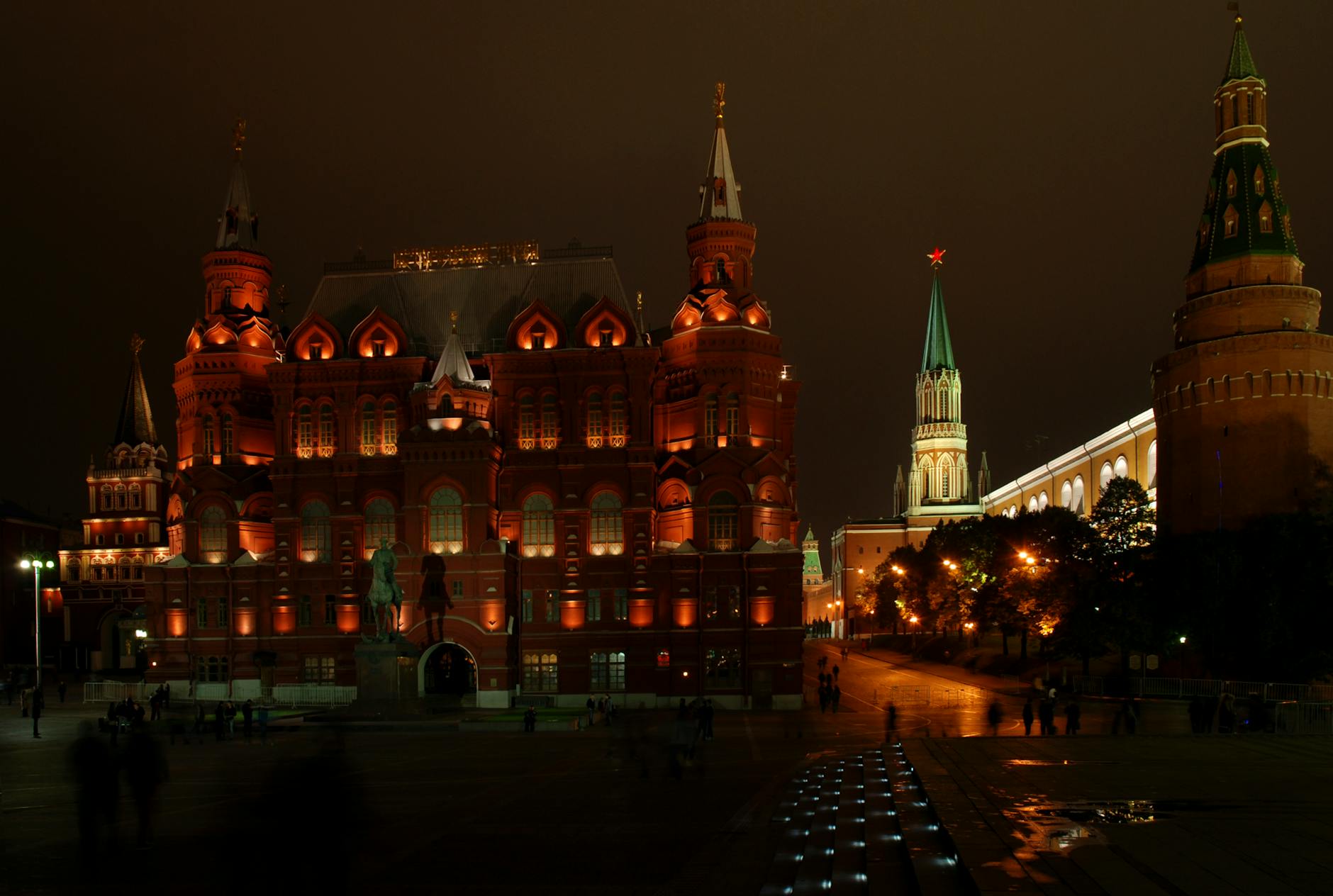
目的を持って訪問する:主要な翼のシーケンスとその部屋のレーンをたどって、帝国の壮大さから現代の美術館の実践まで、明確な弧を描きます。 冬宮は、王国の規模の展示を象徴する部屋とヨルダン階段を備えた、儀式的な権力のレベルとして立っています。計画は壮大なホールの背骨に沿って展開し、その後、親密なギャラリーにカーブし、宮廷での生活と1世紀を定義した活動を想像するように誘います。
今日、コレクションのアイテム数は約300万点で、レオナルド、レンブラント、ルーベンス、ベラスケス、ゴヤの有名な傑作が複合施設全体で見られます。所蔵品は、イタリアルネサンスからオランダとフランドルの画家まで、ヨーロッパ全体の特定の学校をカバーしており、彫刻、装飾芸術、時代のインテリアの関連アンサンブルも含まれており、あらゆるレベルの訪問者に生きた遺産を作り出しています。
建築はいくつかの建物にまたがっています。カルロ・ロッシによる旧エルミタージュ美術館、小エルミタージュ美術館、新エルミタージュ美術館はそれぞれ、本館のバロック様式の壮大さとは対照的な新古典主義の明快さを表現しています。このリンクされた構造の計画は徐々に公開され、スペースは自立型の廊下と丸い階段で接続されており、時代を飛び越え、学習と反省のためのシームレスなルートを提供しています。
ソビエト時代には、この機関は中核となる遺産を保存しながら、より幅広い聴衆にサービスを提供するためにその使命を適応させました。この時代は、新しいキュレーションアプローチを開始し、教育活動を拡大し、時には初期の傑作と並んで革命時代の展示を含めました。環境制御と保全研究所は、今日と明日のために作品を保護する慎重で測定されたプログラムの基礎となっており、これらの取り組みは学者、学生、国際的な友人から継続的な支援を受けています。
没入感を最大限に高めるには、宮殿のステートルームから始めて、旧エルミタージュ美術館と新エルミタージュ美術館のギャラリーに向かってレーンを移動し、最後に一時コレクションと研究コレクションを収容する近くの翼にループします。全体の弧を把握する最も簡単な方法は、ヨーロッパの芸術の中心地と帝国の独自の伝統を結びつける駅ごとの旅程を想像することです。海外からの訪問者にとって、環境はアクセスしやすく、文明の進化する創造的な言語のコンパクトでありながら包括的なビューを求めるハウスゲスト、学校グループ、友人と簡単に共有できます。
修道院や教会で永続的な図像を見つける場所:ルートのアイデアとアクセスのヒント
モスクワからセルギエフ・ポサド、次にペレスラヴリ・ザレスキー、ロストフ・ヴェリーキーまで鉄道で2日間の小旅行から始め、ウラジーミルとスーズダリをループします。このルートは、歴史的な建物のアンサンブルを中心としており、その壁画は日光の下で生き残り、回廊や教会内の永続的な図像の集中的なビューを提供します。
聖書のサイクルを語るメインの壁の壁画を観察します。最も注目すべき例は、貴族の委託と関連するスタジオからのもので、絵画は大聖堂や修道院などの建物の建築フレーム内にあります。上部の光の相互作用は奥行きを加え、いくつかのシーンは壁に捉えられた貴族の献身を明らかにしています。
アクセスのヒント:修道院の管理者が投稿した開館時間を確認してください。アプシスから差し込む日光を捉えるために、午前の訪問を目指してください。事前に計画している場合は、ビジターセンターにお問い合わせください。多くは複数の言語でのガイド付きツアーと、トイレや座席などのアメニティを提供しています。鉄道またはコーチで到着する必要があります。すでに計画されている場合は、混雑を避け、より良い写真を撮ることができます。一部のサイトでは事前登録が必要です。この問題はピークシーズンによくあります。
次に、スーズダリとウラジーミルに向かってルートを延長します。そこでは、ファサードが遠くの山々に向かってそびえ立っています。雰囲気は歴史に浸りながらもモダンであり、日光は微妙な図像の詳細を明らかにします。コンパクトな1日のために、単一の回廊と壁画の目立つ壁のある大聖堂を含むループを選択してください。この旅は、コミュニティ全体で運命と学習をマッピングしたい好奇心旺盛な旅行者にアピールし、丘の中腹の道への短い登りを含む場合があります。
学者は何世代にもわたってこれらのサイクルを研究してきました。主な洞察は、絵画がどのように献身とストーリーテリングを融合させているかです。アーティストとワークショップネットワークは、神聖なイメージの世界を明らかにする壁画を作成します。修復により顔料に一定の明瞭さが与えられ、壁は物語の焦点になります。この研究は、パイプとフレームワークサポートシステムがシーンをより長く保存するのにどのように役立つかを示しました。
保全の問題はアクセスを形作ります。一部のホールではフラッシュ写真が制限されており、他のホールでははしごを登って高いセクションに到達することが禁止されています。ガイドは壁画と関連するシンボルを解釈するのに役立ち、当局と連携して壁の表面が損傷しないようにします。境内には、ティールームや休憩所などのアメニティがメインギャラリーの近くにあります。それに応じて計画してください。
このルートは、長年の芸術的伝統を理解する上で高貴な貢献をします。各ストップは学習の瞬間となり、その経験は間違いなくあなたの一日を豊かにします。アイコンと献身的な絵画の世界はあなたの認識の中で成長し、あなたはより好奇心旺盛な旅行者になり、運命があなたの旅行を導くように次の章を発見する準備ができています。
ソビエトの記念碑が公共スペースや美術館でどのように記憶の政治を反映しているか
推奨事項:学校や地元のグループからの参加者を確実に巻き込み、大通りルートに沿って記憶の痕跡をマッピングし、ファサード全体に水平に描かれた屋外展示と壁のテキストを使用する、学際的なテーマ主導のプログラムを実施します。このアプローチは、公式のスクリプトにもかかわらず、神話化されていない生きた体験を明らかにし、他の声、アーカイブ、口述歴史を公共の会話に招きます。ペンドルトン研究所は、これらの取り組みを組織するためのガイドラインとトレーニングを提供できます。最近、コミュニティ主導の解釈の方法を概説しました。
- 公共スペースの回路と標識:壁パネルがファサードの外側と緑地に沿って配置されている主要な大通りに沿って、記憶ルートを確立します。建築図面とユーザーフレンドリーなキャプションを組み合わせた、水平方向のテキストブロックと建築的に情報に基づいたディスプレイを使用します。目に見えるパイプやその他のインフラストラクチャの残骸をコンテキストとして含め、訪問者が物質文化と記憶を結び付けられるようにします。通行人や学校グループが同様に自由にアクセスできるように、多言語ラベルと地元の学校の参加者が実施する無料ツアーを提供します。
- 美術館のプログラミングとアーカイブ:英雄的な物語と労働者、居住者、若者の日常の体験を対比させるテーマベースのプレゼンテーションを設計します。建物の形の文体分析を使用して、口述歴史、写真、市町村の記録を添えます。静的なショーケースとは異なり、さまざまな視点を反映するように再配置できるローテーションモジュールを編成し、訪問者が描かれた主張をアーカイブにたどることができるように、ソースを公然と引用します。比較参照として、近隣の都市からの外部の視点を含め、可能であれば、mipimのようなフォーラムからの視点を含めますが、地元のソースからの資料を主な強調点としてください。
- コミュニティのエンゲージメントと教育:学生が退役軍人、建設者の子孫、記念碑の近くに住んでいた居住者にインタビューする、学校主導のワークショップと参加型ツアーを作成します。これらのセッションは、訪問者が自由にアクセスできる具体的な共有可能な資料(ポスター、小規模モデル、デジタルタイムライン)を出力するように編成する必要があります。参加を最大化し、参入障壁を取り除くために、週末または放課後の時間にセッションが実行されるようにします。次のインストールのサイクルを改善するために、フィードバックを公に収集します。
- 評価、資金調達、タイムライン:マイルストーンを含む3年間の計画を策定します。最近、いくつかの都市は、記憶の表示を近くの公園や図書館に結び付けることで、同様のプログラムを試験的に実施しました。参加者数、関与した学校数、入場料無料で開催されたオープンデーなどの指標を追跡します。これらのデータを使用して展示テーマを調整し、記念機能と批判的考察の間の最適なバランスを確保します。建築要素(スペース、壁、ファサード)が単一のストーリーラインではなく、複数の記憶を明らかにするためにどのように活用されたかを示す最終レポートを作成します。