
 日本語
日本語  English (UK)
  Русский
  العربية
  한국어
한국어  Magyar
  Türkçe
  Español
  Čeština
  Svenska
  Português
  Ελληνικά
  Suomi
Suomi  Nederlands
  Română
  Italiano
  Français
  Polski
  Українська
  Deutsch
  简体中文
简体中文  Slovenčina
 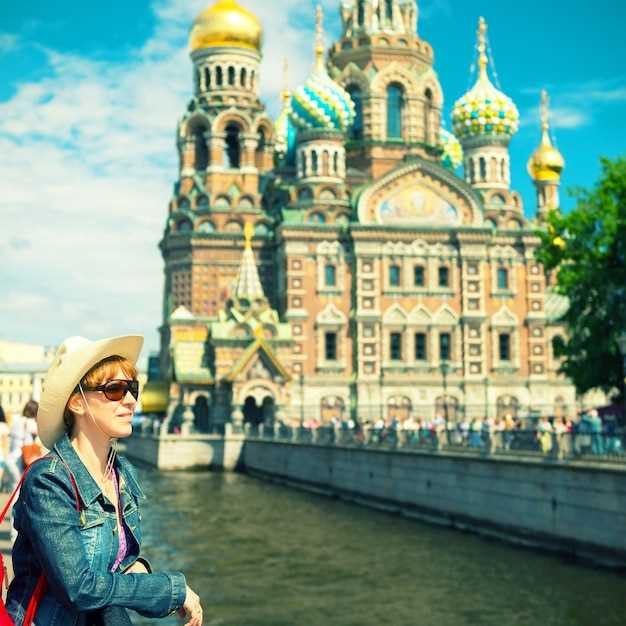 聖ワシリイ大聖堂 – モスクワの象徴的ランドマーク – 歴史、建築、観光のヒント">

日の出鑑賞ツアーを計画し、オンラインで事前にチケットを購入して待ち時間を最小限に抑えましょう。. 聖なる建造物が集まって屋外に配置され、色鮮やかな尖塔の横には鐘楼がそびえ立っている。通りの側から見るとその配置はより大きく、広場から見るとより複雑に見える。.
1555年~1561年建造 イヴァン雷帝による;9つのドームが全体を飾る;中央の教会が広場の上にそびえ立つ;象徴性はエルサレムのイメージをなぞる;放射状の平面は中心軸の周りに広がる。.
外から, 、北の玄関口には細い鐘楼が目印としてあり、明るい帯で彩られた尖塔が並木道に万華鏡のような模様を描き出し、西門から眺めると地平線がより大きく見える。.
力 色彩は幾何学と融合し、職人たちが時代を超えて追い求めたアイデンティティを創造する。ファサードは伝統が混ざり合ったグラフィックモチーフ、彩色された装飾、象徴的なデザインを特徴とし、その結果は訪問者にとって記憶に残るものとなる。.
内部では、, 九つの教会 中央の聖域に集まり、選ばれた礼拝堂で聖歌隊が練習する。; 歌うこと 丸天井の廊下に響き渡るこだま。78年から85年にかけてヤコブレフが主導した修復作業中、安全のため一般公開は中止された。.
時間取りを計画する際は、身廊に沿って見通しの良い場所を選びましょう。; 更新済み スケジュールは公式通知に掲載。カメラは屋外エリアでのみ使用可。フレスコ画の近くでは禁止。; 覚えていてください。 モザイク周辺の立ち入り禁止区域を尊重すること。.
ワシリー 古文書の注釈に登場するこの象徴的なアイデンティティは、時が包囲を通じてこの場所を維持したことを思い起こさせ、聖歌隊が演奏し、鐘が鳴り響き、色鮮やかなドームが訪問者に記憶を与えたことを今に伝えている。.
修復 更新済み 外観は78-85年のもの;足場のために開口部が塞がれた箇所あり;外からの眺めはシルエットを際立たせる;広場沿いの写真撮影は構図が強力;石細工保護のため接触制限あり。.
Remember 彼らのアイデンティティは、ここで開催される儀式と結びついていた。儀式、詠唱、行列が、この建造物に根ざした国民の記憶を形作ったのだ。.
遠くからでもそのシルエットは写真家にとって魅力的であり続ける。常にデバイスの準備を。その記憶は、周囲の日常生活を邪魔することなく提供される。.
モスクワの聖ワシリイ大聖堂:歴史、チケット、周辺スポットの実用ガイド
公式ポータルサイトからオンラインでチケットを購入できます。レッドスクエア近くの現地ブースでは当日券を販売しています。都市観光に合った時間帯をお選びください。.
1555年、ツァーリ・イヴァン4世のもとで建設が開始。ビザンティン様式、レンガ造り、色彩のモチーフが融合された設計であった。プロジェクトは1560年代後半まで及んだ。スターリン時代には、聖地を再解釈するキャンペーンによって、一般の人々の認識が再構築された。.
内装は、救世主の玉座、側面の礼拝堂、華麗な装飾品、豪華な装飾を際立たせています。平面図は、垂直のライン、クリーミーな白い表面、広大なレンガ造りの模様を強調しています。オリジナルのフレスコ画が衝立の背後に残り、宗教的献身を反映しています。全体的な空間構成が際立っています。.
開館時間は季節によって異なります。セキュリティチェックで入場に時間がかかる場合があります。モバイルチケットの方がスムーズに入場できる可能性が高いです。見学時間は内部で約60分、写真撮影などのために外部で約15分程度を見込んでください。.
近隣にはザリャジエ公園、赤の広場、グム百貨店、キタイ・ゴロドの遊歩道があります。ウォーキングコースは都市の個性を際立たせ、美しい景色が歩みを進めるごとに広がります。季節ごとのキャンペーンでは、テントのようなパビリオンの近くでコンサートが開催されます。周辺の建物も同様の装飾が施されています。.
地下鉄オホートヌイ・リャド駅から赤の広場へ。ザリャジエ公園からの遊歩道は、白いファサードや色とりどりの建造物を通り過ぎます。イベントとしては、王位ゾーン付近での歌唱などがあります。聖日や時間指定のパレードについては、オンラインカレンダーをご確認ください。.
写真撮影のルールでは、敬意を払った距離を保つこと、フラッシュの使用は制限されていること、ドローンの使用は禁止されていること、典礼の間は静寂を保つことが求められます。また、内部空間には服装規定があり、これらは訪問者が聖域とどのように関わるかを反映しています。.
装飾には、レリーフに彫られた繊細なフロール模様が含まれており、白いレンガ造りとカラフルなパターンが融合していることを反映しています。訪問者は、円の周りの構造物が、平面図の上にテントのような配置を形成していることに気づきます。.
聖ワシリイ大聖堂の起源と歴史
1555–1561年、イヴァン4世は、カザンとアストラハンを打ち破った偉業を讃え、首都のメイン広場に多重礼拝堂アンサンブルを設置するよう命じた。力強い意思表示であった。.
計画は首都の赤の広場として知られる場所から始まり、中央の教会を中心に9つの構造物を配置し、周囲の舗装よりも高い場所にアンサンブルを持ち上げる共有プラットフォームで結ばれました。レンガ造りは密集した質感のある表面を形成し、白いトリムが窓を縁取り、塗装されたファサードはロシア人が時代の特徴と見なす色彩を放っています。職人自身が最後の仕上げを監督し、デザインが厳密にまとまっていることを確認したと言われています。.
その計画は、儀式のためにより多くの場所を確保することを目的としていた。.
バルマ、ポストニク・ヤコブレフという名が年代記に棟梁として登場する。総主教の支援と資金提供者の協力により、プロジェクトが実現した。オンラインのアーカイブにはこれらの名前が保存され、モスクワのコレクションに保管されている図面は、規模、プロポーション、独特なドームを示している。.
宗教的中心地として、この複合施設はモスクワ総主教庁の権威を反映しており、典礼儀式はロシア全土から人々を集めました。9つのドームは天上の秩序を象徴し、その構造は、地元の人々が戦い、勝利、信仰の記憶として祝福する神殿として機能します。.
時を経て、内部には変化が及び、17世紀には煉瓦造りの外観が洗練され、後に改修によって塗装面が手直しされ、そして20世紀には反宗教運動の中で抑圧を受けました。全体は国家の管理下にある博物館として機能し、1990年以降、広範な復興の一環として礼拝儀式が再開されました。.
- 制作年代:1555年–1561年
- 場所:赤の広場、首都(記録にはモスクワに関する記述あり)
- 構造:中央の聖域を取り囲むように配置された9つの礼拝堂。壇上に設置。
- 材料:白いトリムのレンガ造り、窓枠付き、大胆な色調で塗装された表面
- 建設者の名前:バルマ;ポストニク・ヤコヴレフ;職人自身も仕上げに貢献したとされる
- 総主教:典礼儀式の監督;その場所に関連した宗教的権威
- オンライン証拠:保管された図面、オンラインソースが詳細を裏付け
- 航海日誌注:78-85は、記録保管記録における小規模な改修期間を示す。
- 象徴:勝利の記憶;ロシア人にとっての国民的アイデンティティの象徴;石に刻まれた記憶
- 聖なる記憶:地元住民はこの地を神聖な場所とみなし、ロシア人にとって大切な記憶となっている。
建築的なハイライトと象徴性
下記より開始します。 三 カラフル 教会の頂を飾るドーム状の形状、そして entry 壁に足を踏み入れ、どのようにスキャンするか それぞれ 房は視線を上へ、金色の先端へと導く。.
象徴的な言語は、あらゆる側面に組み込まれている: アイコン 戸口の上に、 traditional 配色、そしてその方法 それぞれ ドーム状のクラスターが垂直方向のリズムを刻み、視線を上へと направляет。この配置は、 救世主 物語であり、神聖な秩序についての熟考を誘う。.
学者は作者について議論する: earlier アカウント名候補 ピエール ~として first デザイナーもいれば、他の人は次のように指摘しています。 ワシリー そして、それらの 建築家. レイアウトでは 三 中央の軸の周りの礼拝堂であり続ける 係争中, しかしながら、全体的な計画は都市のスカイラインに対して一貫性を保っています。.
について 壁 素材——赤レンガに白い石のアクセント——が、時代を感じさせるファサードを創り出し、 図形 塔とドラムが組み合わさって great 視覚的なケイデンス、そして金色の冠が引き立てる 陛下 光を捉え、そう見えるまなざし 承知いたしました。翻訳のみを提供します。 調整された 救世主 エントリの上に表示されるアイコン。.
について 鐘楼 垂直方向の集中を固定し、 聖歌隊 美術館やギャラリーはメイン軸に沿って配置され、世代を超えて工芸や伝統が成熟していく様子を垣間見ることができます。.
ドキュメント用にキャプチャ videos 日没前の時間帯に広場から、レンガや石の色合いを捉えよう。 本 計画とともに year- 年度別の修復スケジュールは available, and you だろう。 デザインに込められた目的を明確に理解して帰っていただけるように。.
内部の見どころ:イコノグラフィー、礼拝堂、詳細
回廊を取り囲む礼拝堂へ、ガイド付きのルートで進みましょう。描かれたイコンが空間を縁取り、金箔の下で色彩が豊かに輝きます。姿はほっそりとした聖人から、たくましい使徒まで様々です。いくつかの模様には9世紀の影響が見られます。奥の礼拝堂へは日中に入れますが、案内係が訪問者を案内します。.
図像学的詳細:描かれた要素が現れる開いたフレームを精査。祝福された人物が場面を支配し、暗い背景に光輪が輝く。碑文は、どのパネルが誰によって書かれたか、ワークショップのノートが誰を参照しているかを示し、論争が残るものもある。コロメンスコエ・ポサドの工房が様式的な手がかりとして浮かび上がり、コロメンスコエをイヴァン・ワシリーエヴィッチの源流と結びつける道筋を描く。カザンのモチーフがいくつかのメダリオンに現れ、ハン国の影響を示唆。それらは様々な工房の手を反映している。.
礼拝堂の見どころは、垂直方向のアクセントとなる鐘楼、カザンモチーフ近くの第9礼拝堂では絵画のサイクルに集中して鑑賞できること、ドームをイメージした天井の模様が高さの感覚を生み出していること、狭い部屋にある彫刻が施されたイコノスタシス後方には聖遺物が安置されていることなどです。これらの要素は、二度目に注意深く見たときに目に留まるでしょう。.
実用メモ:ポサド、コロメンスコエに近いロケーションは、徒歩または河川ルートでのアクセスが容易です。 प्रवेश口には標識があり、メインルートは日中開放されています。ガイド付きグループは、開放された प्रवेश口からスタートします。スチュワードの説明は、'ivans'、'vasilevich'の碑文、その他のモチーフを見つけるのに役立ちます。短い散歩で、訪問者は狭いフレームを通り過ぎ、より明るいニッチにたどり着きます。繊細なパネルの近くではフラッシュは禁止されています。モスクワからの旅行者は、鉄道の便が良いでしょう。.
チケット、スケジュール、ガイドツアー
24時間前までにオンラインで購入してください。特に週末はすぐに予約で埋まります。.
モスクワのワシリー寺院はザリャジエの近くに位置し、レンガの壁がビザンチン様式の神聖な内観を縁取る。9つ目の礼拝堂が特徴的な配置の中心にあり、ドームは約40メートルの高さまでそびえ立ち、街のスカイラインの上に現れる印象的なシルエットを描く。内部には、祝福された壁画と救世主のイコンが神聖な物語を描いている。.
アーカイブ映像は、この地区を形作ったスターリン時代を物語ります。これらの映像は、見学ルートに組み込まれています。特定のゾーンでは、撮影に関する規則が適用されます。規則では、指定された入口でセキュリティチェックが必要です。これは、芸術作品を保護するためであり、訪問者を保護するためでもあります。小さなバッグをお持ちください。サイズ制限は、人の流れを円滑にするためです。.
ガイド付きオプションは少人数グループを重視し、ユルガノフはお客様だけのVIPスタイル体験を先導します。標準ルートは初めて訪問する方にとって堅実な選択肢です。近隣のザリャジエ公園との散策を組み合わせると、街の建築的な雰囲気をより幅広く理解できます。.
| チケットオプション | 価格 (RUB) | エントリーウィンドウ | 注記 |
|---|---|---|---|
| 成人 | 1000 | 毎日 11:00; 12:30; 14:00 | オンライン予約必須。モバイルチケット利用可能 |
| 子供 (6~15歳) | 500 | 毎日 11:00; 12:30; 14:00 | 6歳未満無料 |
| 家族パック(大人2名+子供1名) | 2300 | 11:00; 12:30 | お得なオプション。予約が必要な場合があります。 |
| ガイドツアー | Duration | ガイド | 価格 (RUB) | 注記 |
|---|---|---|---|---|
| 標準ルート | 60分 | 社内 | 600 | 関係者以外立入禁止;フラッシュ撮影禁止 |
| VIP by yurganov | 90分 | ユルガノフ | 1200 | 少人数グループ;より詳細なコンテキスト;指定された屋外ゾーンでのみビデオ許可 |
| ザリャジエ公園散策とセットで | 120分 | 熟練ガイド | 1800 | 近隣の公園が含まれます。計画では市街地の散策時間も確保されています。 |
クレムリンと混同しないで:場所、違い、そして背景

推奨:場所がモスクワ中心部であることを確認してください。該当の建造物はクレムリンの壁の西側、赤の広場の近くに位置しており、要塞の敷地内ではありません。.
相違点を明確化しましょう:クレムリンは、レンガ造りで強化された政治権力を宿しています。この神聖な複合施設は、聖なる儀式、伝統文化、家父長制的な記憶を中心としています。.
実用的な注記:チケットはオンラインで購入可能;服装規定を確認;敬意を払うこと;最大のレンガ造りが西正面を示す;屋根付きの中庭は瞑想を誘う;ポサド通りはジャコヴォ地区へと続く。.
歴史的背景:ハン国時代の名残が、通りの名前、地域文化、宗教的献身に浸透している。広大なクレムリンの景観の中に佇む聖地を敬う。長年の伝統が訪問者の体験を形作る。オンラインガイド、チケット、地図が計画を支援する。ノラが古文書地図に現れ、フロルの言葉が民話に登場する。ロシア化可能な記憶は、何世紀にもわたる実績にこの追加を記憶する。.
 Tickets Privileges – What They Are, How They Work, and Exclusive Benefits">
 Moscow Sheremetyevo SVO Airport Guide – Terminals, Transit and Tips">
 My Russian TRKI Level 3 Certificate Results – Insights for Your Advanced Language Exam Preparations">
 VDNH Moscow – Exhibition of Achievements of the National Economy – Visitor’s Guide">
 Great Patriotic War Museum Gori – WWII History & Visitor Guide">
 Provence Lavender Fields – An Essential Guide to Visiting, Bloom Times, and Tips">
 Real Vintage Street Signs – Authentic Collectibles and History">
 Moscow Tea Time Project – Where Tea Becomes Art">
 Top 10 Most Amazing Roofs Worldwide You Probably Haven’t Heard Of">
 7 Very Unusual 20th-Century Avant-Garde Buildings in Moscow">