


月曜日は閉館日です;トレチャコフ美術館はその日に閉まっています。火曜日から土曜日の午前中に訪れると混雑が少なく、ハイライトをゆっくりと見ることができます。
この複合施設は、2つの主要な建物から成り立っています:歴史的なメインビルディングはラヴルシンスキー通りに、もう一つの支部はクリムスキー・ヴァールにあり、後期のロシア美術を収蔵しています。1日で両方の場所を訪れることで、古い巨匠と新しい動向を比較し、ロシア美術の進化をたどることができます。
開館時間は10:00~18:00(火~日)、季節によって変更される場合があるので公式サイトを確認してください。入場料は大人約700~1,000ルーブルで、学生、シニア、子供には割引があります。両方の施設の共通チケットを購入できる窓口があります。
中には、中世のイコンから19世紀末の写実主義、20世紀初頭のアヴァンギャルドまで、巨大なギャラリーが連続するアークが広がっています。肖像画家や彫刻家の作品を目にし、軍事肖像画や制服を展示する部屋にも出会えます。そのレイアウト自体が、訪問者が探索をペースよく進め、興味を持続させるのに役立っています。
プーシキン時代の肖像画から始め、メインホールで鑑賞した後、20世紀初頭の実験的作品を探るために別館へ移動しましょう。適切なペースで回れば、見逃せない作品を効率的に楽しむことができます。カウンターのスタッフは、道案内を喜んでしてくれます。子どもと一緒に訪れる場合は、現代アートのコーナーにあるインタラクティブな展示を探してみてください。
ノボシビルスクからの旅行者の皆さんへ、飛行機はモスクワに着陸します。地下鉄でクリムスキー・ヴァールまで約30~40分で移動できます。両方の場所を午後一気に見ようとすると、ギャラリーは混雑するので、各場所に2~3時間をかけて、出会うアーティストの作品や背景を深く理解し、ロシア美術の未来を想像する時間を持つことをおすすめします。
トレチャコフ美術館は帝政ロシア時代の美術館として、訪問者向けの実用的なガイドです。
チケットはオンラインで購入し、時間指定の入場を確保できます。最終入場は通常閉館の1時間前までです。料金は展示によって異なり、一部の団体は無料入場となる場合があります。公式サイトまたは当日ボックスオフィスで確認してください。
パーヴェル・トレチャーコフは、最初からロシア美術の公共記念館となるコレクションを築き上げました。創設者たちは、この美術館を教育目的と歴史的作品の保存を目的とした幅広い作品群として位置づけました。展示には都市風景、肖像画、イコン(聖像画を含む)、日常生活の場面が含まれ、ロシアの都市や文化の変遷が明らかにされました。帝政ロシア時代、モスクワや各地の美術館や支部会場で展示された作品は、訪問者が見るものに影響を与えました。この歴史的な重点は、常設コレクションやそれに付随する教育プログラムに今も残っています。作品自体は、様式の進化を示しています。
ルートを計画する際の実用的なアドバイスをご紹介します:
- チケットと入場: オンラインで予約して時間枠を確保してください。最終入場枠は、ギャラリーでの滞在時間を延長できます。料金と割引は展覧会によって異なります。対象グループには無料オプションがありますので、公式サイトをご確認ください。
- ベストなルートは、常設展示から始め、その時代の流れを理解した後、特定のアーティストやテーマを深く掘り下げる特別展示に移ることです。
- モスクワやその他の都市の街並みを描いた作品、歴史的なロシアの生活を描いた大規模な歴史画、そして主要な肖像画などの分野に焦点を当てています。ロダンの作品は、教育プログラムやゲスト展示で時折登場します。
- 帝政時代に訪れていたモスクワの人々は、地元の住民、役人、商人、学生などで、ギャラリーは社会的・教育的な場として機能していた。
- プーシキンやその他の文化的な響き合い:芸術作品とより広範な記憶とのつながりを探る素材が期待されます。これは、プーシキンや文学が絵画に与えた影響への言及を含みます。
- 支部とギャラリー:この複合施設には、メインビルと支部が含まれており、後者は追加の展示を行っています。これらが合わさることで、ロシアの芸術的発展の多様な側面と歴史的な作品群を包括的に見ることができます。
- 持ち物と服装:メモを取るためのコンパクトなノート、長い廊下を歩くための快適な靴、必要に応じて休憩を取る計画。
年月を経て、来場者は、美術品を都市生活や社会史と結びつける看板によって、帝政時代に引き寄せられてきました。このアプローチにより、訪問は教育的なものとなり、ロシア美術の発展を国家の物語として理解することができます。見逃した細部を捉えるために、モスクワや他の都市の広範な記憶と作品を結びつけるために、二度目の訪問を計画してください。
ロシア帝国美術のハイライトを鑑賞:トレチャコフ美術館
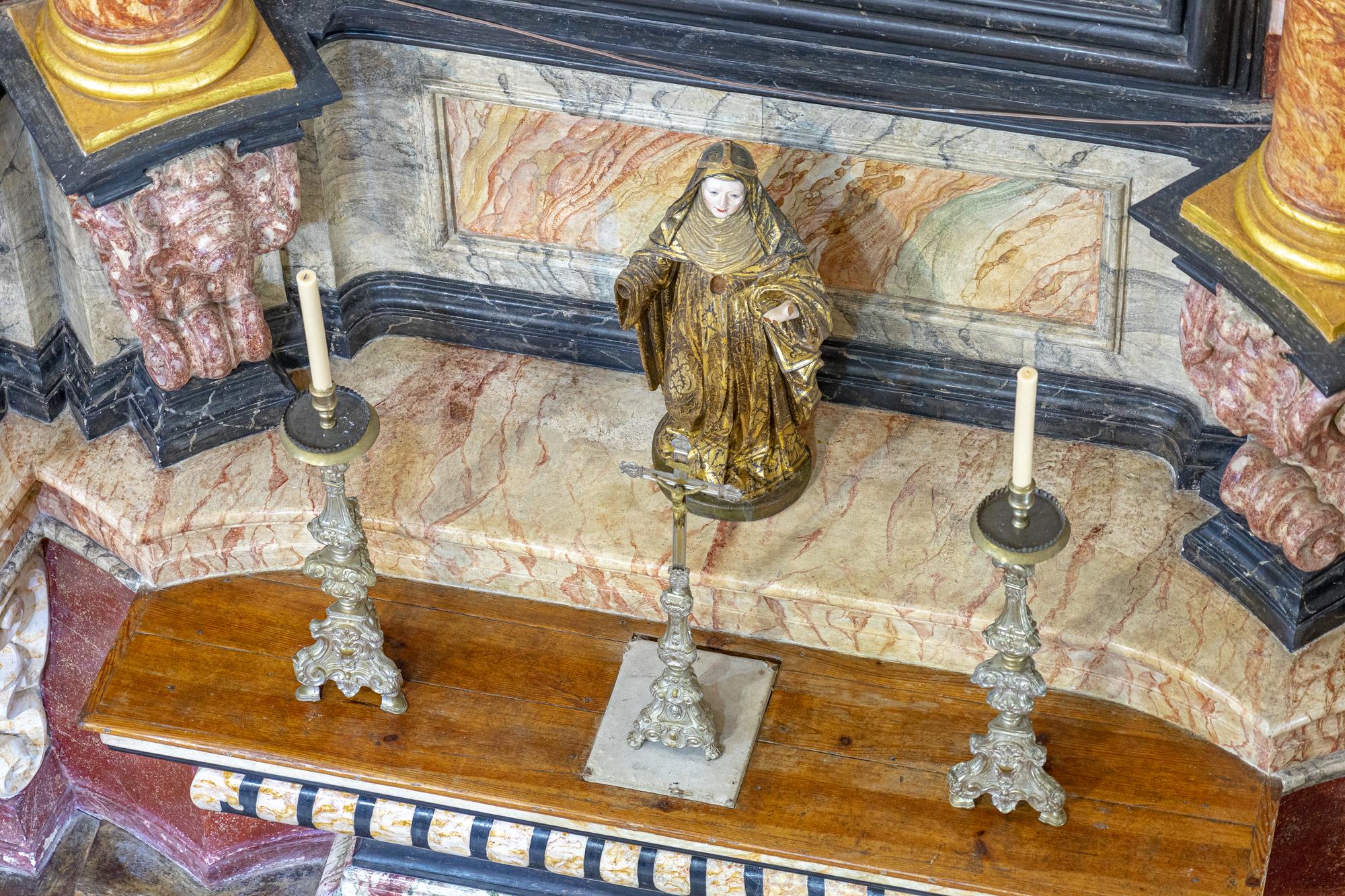
チケットはカウンターで購入し、まずはロシア帝国コレクションの7つのハイライトから始めてください。その後、ギャラリー間を移動しながら様々なスタイルを比較してみてください。住所はモスクワ市ラヴルシンスキー巷10番地で、メインの入り口からロビーに入ります。ロビーには地図があり、訪問ルートを計画するのに役立ちます。
ハイライト1: ヴァスネツォフの「ボガティリ」が、19世紀後半のギャラリーの高い壁を飾っています。この絵はグラフィックで、強い光と筋肉質の人物が民話から取られた神話的な物語を語っています。構図を全体的に見渡し、その後廊下を進んで近くの肖像画と比較してみてください。
ハイライト2:19世紀中頃から末期にかけてのジャンル画や肖像画の集まりは、帝国の日常生活を描いています。作者の手腕は、表情豊かな顔や、布地や質感の細やかな描写に現れています。労働、家族、都市の賑わいをテーマにした作品、特に温かみのある土色系の色調で描かれたものに注目してください。
3番目のハイライト:海洋や風景を描いた作品は、光の表現に優れています。輝く水面、桃色に染まる夕日、そして岸と地平線の間に広がる空間感を探してみてください。これらの作品は、色と雰囲気が主題と同じくらい明確に気分を表現していることを示しており、特に12月の柔らかい日光の下でその効果が際立っています。
ハイライト4:宗教的・儀礼的な委託作品は専用のエリアに展示されています。モチーフには権威と儀礼的な重みがあり、静謐で壮大な人物像と、公の場で静かな脆弱性を表現したより親密な肖像画を比較することができます。
ハイライト5:ロシアの主要な画家たちによる初期の実験は、ロシア派を形成し、1870年代から1880年代にかけて、学院派の構成からより個性的な筆致への移行が見られます。フォーマルなポーズと、個人の気質を表現するより自由なタッチが交互に現れる様子に注目してください。
ハイライト6:この展示は文学と絵画の関係を探り、作家や場面が視覚芸術に与えた影響を紹介しています。例えば、肖像画やジャンル画には偉大な作家たちの思想が反映されており、ラベルには「プーシキン」の名前が頻繁に登場し、時代の文化的対話を読み解く手がかりとして機能しています。
21世紀に入って、コレクションは新たな活力を帯びています。ゆったりとした時間をかけて、1点の絵画に集中することで、その時代の好奇心を感じ取ることができます。この瞬間が、トレチャコフ美術館のコレクション全体の帝政ロシア美術の流れを理解する手がかりとなります。
散策のコツ:中央の回廊を使って部屋と部屋をスムーズに移動し、キャンバスに降り注ぐ光をじっくり観察する時間を作りましょう。12月の訪問は混雑が少ないため、近くで立ち止まり、筆触やラベルの署名、日付を詳しく見ることができます。この概要は、ロシア帝国のコレクションを、メインホールから静かな隅まで、集中して楽しむための計画を立てるのに役立つように設計されています。そこでは、暖かい夕暮れのような柔らかい光が、壮大な歴史の輪郭をやわらげ、ピーチのような色合いを添えています。
来場のご案内:営業時間、チケット、アクセス方法
家を早く出て、ラヴルシンスキー通りのトレチャコフ・ドアに向かいます。メインの入口はラヴルシンスキー通りにあり、そこから入ると、静かな光に包まれた絵画が迎えてくれます。この伝統はここで始まり、世代を超えて受け継がれてきたものです。静かな入り口は、訪問の雰囲気を決めます。
営業時間:火曜日~日曜日 10:00~18:00(最終入場17:30)。月曜日は休館。より遅い時間帯を希望する場合は、公式ページで季節による変更を確認してください。隣接するギャラリーでは、特定の日に限り営業時間を延長することがあります。
チケットと料金:大人700~900ルーブル、割引350~500ルーブル、7歳未満の子供は無料。両方のトレチャコフ美術館の共通チケットは約1100~1200ルーブル。オンライン予約で時間帯を確保でき、待ち時間を短縮できます。料金には絵画、デッサン、版画の鑑賞が含まれます。
最寄り駅はトレチャコフスカヤ駅で、市中心部からのアクセスが便利です。駅からは6~8分歩き、ラヴルシンスキー通りに到着します。入り口は複数のバス停と短い道路を渡った場所にあります。サンクトペテルブルクを中心にした旅程の場合、中央モスクワを横断し、川沿いのエリアを経由して、博物館がある場所に到着します。
このコレクションでは、18世紀の作品やイワーノフやユーリの後期の絵画に出会えます。これらの作品は、モスクワで育まれた伝統を反映し、ペテルブルクのアトリエからインスピレーションを得ています。版画作品はキャンバスの隣に展示されており、遠い昔に亡くなったアーティストの作品も見られます。時間が限られている場合は、まずメインのコレクションから始め、最も有名な作品を最初に鑑賞し、その後イワーノフやユーリの肖像画がある隣の部屋へ移動してください。以下のヒントを参考に、訪問時間を効率的に使い、自分が関心のある作品とじっくり向き合う時間を作ってください。
宇宙をナビゲート:ギャラリーのレイアウト、ウィング、必見ルート

トレチャコフ美術館の常設展示室から始め、モスクワの歴史的なトレチャコフ美術館の館内を数字で示された地図に従って各翼を巡ります。この計画により、来館者は混雑した日でも1回の訪問でどこに行き、何を見るべきかを把握できます。
ルートA - 歴史的な翼:肖像画や初期のロシアの風景を展示する廊下を進んでください。部屋と部屋の間で、イコンから19世紀の写実主義へと続く伝統の糸を感じることができます。簡潔なルートを回るには約60~75分を想定してください。個人の肖像画や静かな隅で、短い休憩を取るのに最適な場所を通過します。このゾーンでは、いくつかの肖像画がウラジーミル時代を想起させ、その歴史的瞬間の一端を垣間見ることができます。
ルートB - 現代とソビエトの声:この翼は、19世紀後半から20世紀中頃にかけての作品を展示しており、社会的テーマや都市生活の研究が特徴です。装飾研究の中にイタリアの影響を探し、アーティストが親密な場面からより広範な社会的メッセージへと移行する様子に注目してください。このルートは、個人コレクターの展示やガイドツアーが始まる公共ギャラリーの近くで終わり、どの作品が訪問後も心に残るかを決めるのに役立ちます。
ロディンの注記:回転するコーナーにロディンの参考文献が表示され、ロシアの彫刻とのコンパクトな比較を提供し、ルートに世界的な次元を加えます。
グループで来る場合は、プライベートツアーを予約するか、スタッフが案内する概説ツアーに参加しましょう。混雑する日には、混雑を避けるために側面の入り口を利用してください。近くには、博物館訪問を食事やモスクワでの散歩と組み合わせるのに便利なホテルがあり、ユニオン・ギャラリー周辺の街は一日中賑わっています。地図を使って、静かな場所で休憩できる場所を確認してください。翼の間を移動すると、光や展示の工夫によって雰囲気が変わることに気づくでしょう。
1日で回る短いコースとして、まずは常設展示を観てから、現代の回廊に渡りましょう。このレイアウトなら、共感する絵を選びやすく、数世紀にわたる肖像画を比較するのにも最適です。
ガイドツアー、オーディオガイド、教育プログラムでより深く楽しむ
ガイドツアーをチケットカウンターで予約してから、館内を自由に散策する前に、迷わないようにしてください。特に、ヴルーベルの彫刻やセロフの肖像画が展示されている部屋の配置を把握するのに役立ちます。
ガイドツアー
ガイド付きツアーは60~90分、小グループで行われ、歴史的なギャラリー内の主要作品をカバーします。ガイドはミハイル、セロフなどの巨匠のハイライトを指し示し、創設者の初期の購入から現在の多様な展示まで、コレクションがどのように成長してきたかを直接体験できます。ツアーはカウンター近くで集合し、非ロシア語話者向けにアメリカ版に参加するオプションもあります。
オーディオガイド
オーディオガイドは複数の言語で利用可能で、ホール内で自分のペースで探索できます。ヴルーベルの不気味で魅惑的な線に焦点を当てたルートを選び、その後、アレクセイとユーリの裏話に切り替えることもできます。アメリカ英語版は明確な地図と公園や周辺の歴史的空間の記念タイムラインと組み合わせています。
教育プログラム
教育プログラムは、教師、家族、コレクターを結びつけ、実践的な活動やキュレーターによるトークを通じて学びを深めます。プログラム内では、特定のイベントに関連した活動が用意されており、ギャラリーの歴史的な発展や、数十年にわたってコレクションを築いてきたさまざまなコレクターの役割を反映した資料が提供されます。
| Option | あなたが体験すること | ベストな選択 | 参加方法 |
|---|---|---|---|
| ガイドツアー | 60~90分、小グループ、ヴルーベル、セロフ、その他のホールを巡るハイライトツアー;マルチリンガルガイド | 初めての訪問者、家族、アート愛好家 | チケットはカウンターまたはオンラインで購入可能です。個人用または裏方の調整をリクエストしてください。 |
| オーディオガイド | アーティストのノート、タイムラインの背景、裏話を交えた自主学習ルート | 自主探索、コンパクトなスケジュール | 情報デスクで受け取り、出口で返却してください。 |
| 教育プログラム | 歴史的な時代や重要な作品に関連したキュレーターのトーク、ファミリー向けワークショップ、学校向けプログラム | 教育者、学生、美術館クラブ | 教育デスクまたはウェブサイトから登録してください。グループ割引あり。 |
実用的なマナーとアクセシビリティ:写真撮影、アクセシビリティ、来場者サービス
写真撮影のルールを入口で確認し、訪問中はそれに従ってください。フラッシュ撮影や三脚の使用は禁止されています。また、ドアや展示物の視界を遮らないようにしてください。情報デスクで簡単に確認することで、時間のロスを防げます。館長やギャラリースタッフは、来場者からの意見を受け付け、保存とアクセスのバランスを取りながら、数十年にわたる公開活動を通じてルールを調整しています。
モスクワのザモスクヴォレチェ地区に位置するこのギャラリーは、ラヴルシンスキー通りにあります。この建物は、著名な建築家によって伝統的なスタイルで建てられ、広々としたホールから静かな研究スペースまで、探索する価値があります。入口は段差なしで設計されており、エレベーターが全階を結んでいます。車椅子は要望に応じてご用意できます。英語の案内板やオーディオガイドが国際的な来場者をサポートし、触覚地図が視覚障害のあるお客様をお手伝いします。主要な交通機関へのアクセスが良く、通り沿いにバリアフリーのルートが明確に表示されています。
アクセシビリティオプションには、ゲストのご要望に応じたサービスが含まれています。例えば、ルートアシスト付きツアー、調整可能なペース、そしてサポートが必要な場合に対応できる訓練を受けたスタッフがいます。標準的な設備に加え、大判のラベルや英語の携帯オーディオガイドが利用可能です。特定のご要望があれば、事前に情報デスクにお問い合わせください。スタッフがルートを調整したり、ご要望に合わせて滞在時間を延長するなど、ご要望に沿った対応をいたします。
来場者サービスには、複数言語でのガイドツアー、ファミリー向けリソース、荷物預かり、瞑想のための静かなスペースが含まれます。一部のサービスは入場料に含まれていますが、他のサービスは事前予約が必要です。英語サイトには現在のオプションと予約可能なスケジュールが掲載されています。学校、研究者、または特定の関心を持つグループ向けには、専門の部門がアウトリーチとカスタマイズされたプログラムをサポートしています。
包括的な鑑賞計画で魅力を最大限に活かす:7つのポイントに基づくマナーとアクセスチェックリスト。写真撮影のルールから始まり、看板、ルート計画、そして敬意ある振る舞いまでを網羅。レピン、シャガール、マレーヴィチのような主要画家の作品に焦点を当て、ヴァレンティンのキャンバスと対比させることで、1世紀にわたるスタイルの変遷を理解する。中央ホールの霊廟のような雰囲気は反省を誘いながらも、来場者を迎える公共の空間として設計されている。声の大きさは控えめにし、壁や作品に触れないようにすること。
ギャラリーのリーダーシップは、重要で包括的な体験を重視しています。ディレクターは、創設者のビジョンを反映した政策を監督し、観客が増え、ニーズが変化するにつれてそれを適応させています。この長年のアプローチは、コスト、サービス、アクセシビリティをコミュニティの期待に合わせて包括的に整えています。ラヴルシンスキー通りに位置するこの複合施設は、ロシア美術の歴史を1世紀にわたり体現し、あらゆる背景を持つ訪問者に対してアクセス、学習、鑑賞を促進し続けています。


