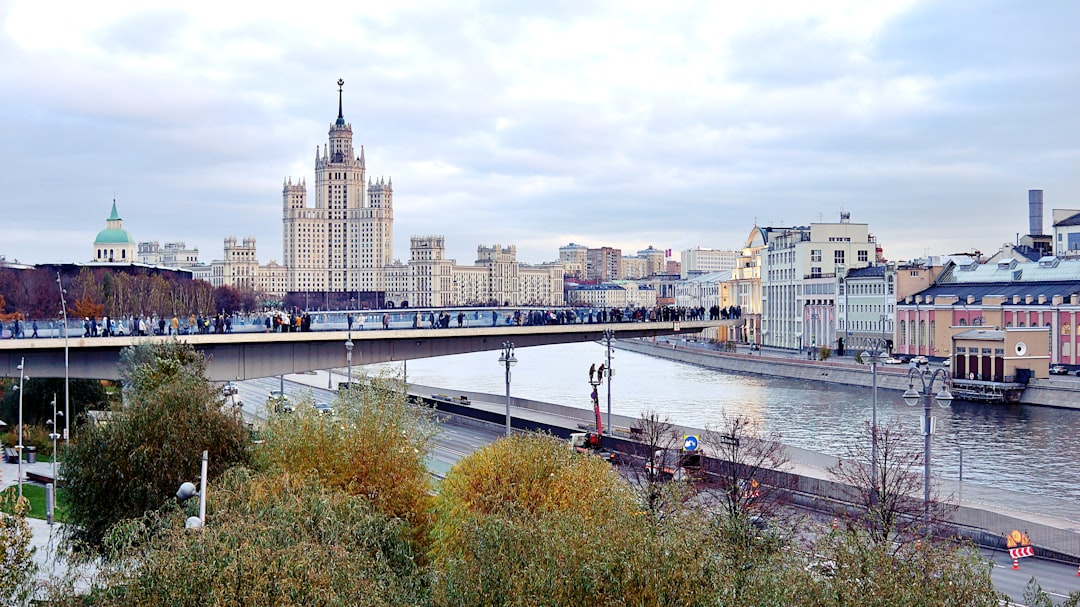
상트페테르부르크에서 실용적인 첫걸음은 트로이카 지하철 카드를 구입하고 물병을 휴대하는 것입니다. 시장 상점에서는 현금이 필요할 수 있으므로 소액의 루블 지폐를 준비하세요. 대부분의 대중교통과 많은 상점에서는 카드를 사용 가능합니다.
첫인상은 당신을 놀라게 할 수 있습니다. 단단한 악수로 시작하세요, 그 다음 간단한 고개를 끄덕이며, 눈을 편안하게 유지하고 오래 쳐다보지 마세요. 상점이나 택시에서 직원에게는 정중한 형식으로 말하며, 러시아어로 "스파시바(спасибо)"라는 간단한 감사 인사로 대화가 원활해집니다.
식당에서 식사를 할 때는 현지인들의 결제 방법을 관찰하고, 큰 소리로 건배하지 않으며, 목소리를 조절하는 것이 좋습니다. 유명 카페나 건물 입구 근처에서는 차례를 기다리고, 다른 사람에게 문을 열어주며, 공간을 내주기 위해 뒤로 물러나는 것이 좋습니다. 피해야 할 실수는 유리 표면에 기대거나, 입구에 몰리거나, 허락 없이 사적인 공간을 사진으로 찍는 것입니다. 분위기를 읽고, 예절 팁을 빠르게 확인하면 빠르게 적응할 수 있습니다.
시장이나 박물관에서는 소중품을 안전하게 보관하세요. 모든 것을 한 번에 보여주지 말고, 출입구를 막지 마세요. 우리 가이드는 군중이 많은 곳을 주의해야 할 곳, 유명 건물의 최적 방문 시간, 실수를 피하는 팁을 알려드립니다. 또한 제스처, 줄 서는 예절, 신호를 읽는 방법 등을 설명해 오해를 방지하는 데 도움이 됩니다.
여행의 첫 단계부터 실용적인 팁을 따라 자신감 있는 여행자가 되세요. 긴 산책에 편안한 신발을 신고, 종교 시설이나 정부 건물에서는 화려한 복장을 피하세요. 또한, 휴대폰은 무음으로 유지하세요. 다음으로, 몇 가지 예의 바른 표현과 기본적인 인사말을 배워보세요. 감사 표현은 현지인과의 관계를 돈독하게 합니다. 진심으로 "спасибо"를 말하며, 눈까지 웃어보세요.
모스크바의 실제 생활에서 예절에 능숙해지는 방법을 배우는 전체 가이드를 다운로드하세요. 구체적인 팁, 시장 장소, 건물 입구, 예절 노트 등을 포함하고 있어 실수를 피하고 현지와의 상호작용을 즐길 수 있도록 도와줍니다. 지금 다운로드하여 더 큰 인지력과 감사함을 가지고 여행하세요.
모스크바 여행 예절
안녕하세요. 공공장소에서는 인사할 때 "안녕하세요" 또는 "здравствуйте"라고 말하며, 목소리를 낮추세요. 이런 작은 행동들이 긍정적인 분위기를 만들며, 주변의 조용함을 인지하는 것이 모스크바에서 빠르게 적응하는 데 도움이 됩니다.
모스크바의 집에 초대받으면 초콜릿이나 사탕 같은 작은 선물을 가져가는 것이 좋습니다. 깔끔한 봉지에 담긴 과자를 선물하면 감사함을 표현하고 손님도 환영받는 느낌을 받을 수 있습니다.
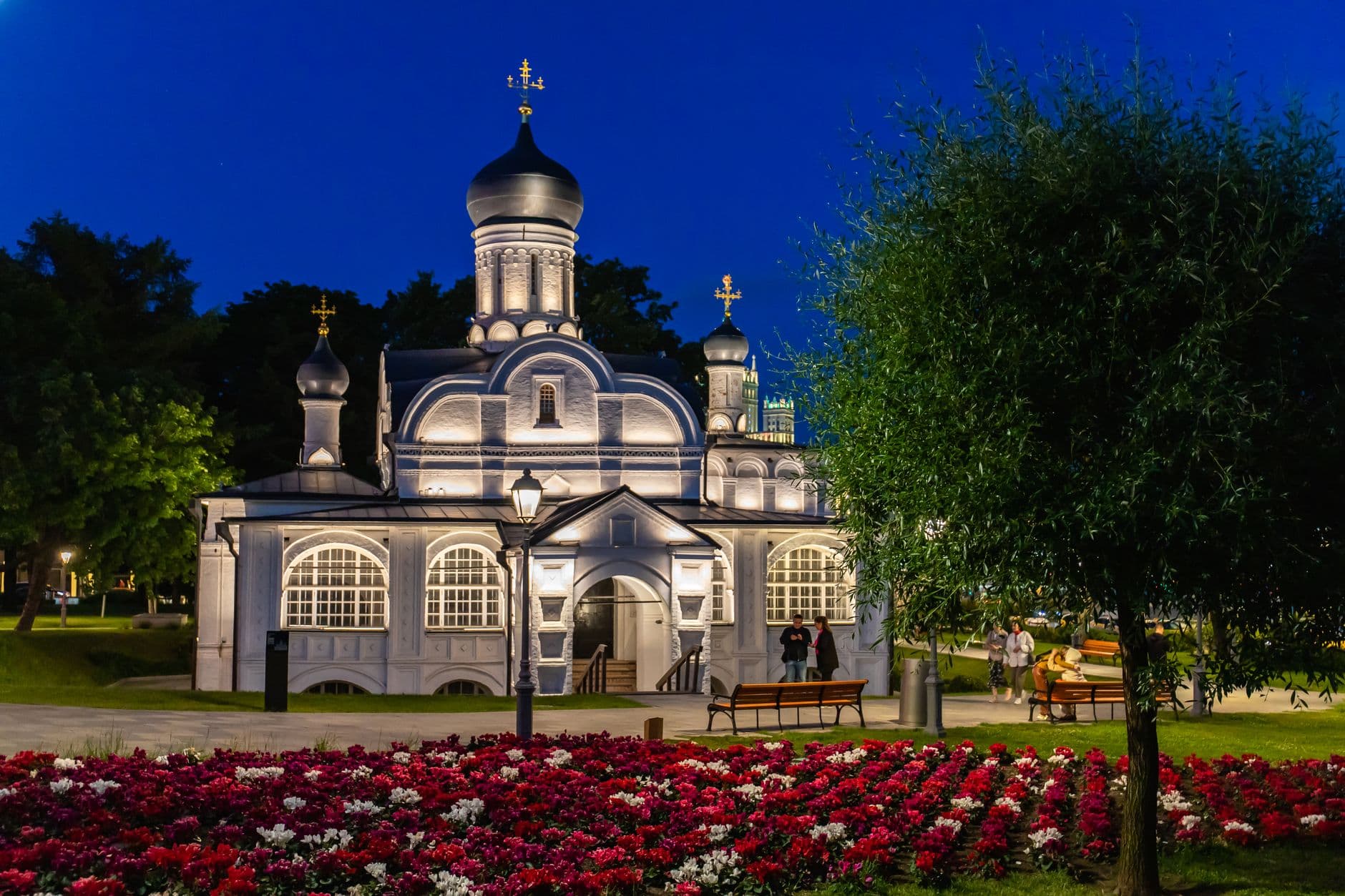
신성한 공간에서는 수수한 옷을 입으세요. 여성은 어깨가 드러나는 옷이나 민소매를 피하고, 실내에서는 모자를 벗으세요. 조용한 목소리로 행동하면 현지인과 잘 어울릴 수 있습니다. 화려한 로고가 있는 옷을 입은 여성은 주목을 받을 수 있으니, 분위기에 맞춰 차분한 스타일을 선택하세요.
에스컬레이터와 대중교통에서는 오른쪽에 서고 왼쪽에 서지 마세요. 표 판매창구에서는 줄을 서고, 출퇴근 시간에는 다른 승객이 지나갈 수 있도록 양보하세요. 이 간단한 규칙이 공공장소에서 군중이 원활하게 이동할 수 있도록 합니다.
카페나 레스토랑에서는 서비스 요금이 포함되지 않았다면 5-10%의 팁을 주는 것이 좋습니다. 고급스러운 장소에서는 10-15%가 일반적입니다. 영수증이나 안내판을 확인해 팁이 포함되었는지 확인하세요. 확실하지 않으면 웨이터에게 물어보아도 좋습니다.
시장에서는 다양한 가격대를 제공하며, 여러 판매자와 친근한 어조로 협상할 수 있고 구매 전에 견적을 비교할 수 있습니다. 대형 매장에서는 가격이 고정되어 있지만, 시장에서는 제안을 들을 수 있습니다. 진정성 있는 할인에 주목하고 신뢰할 수 있는 노점상을 선택해 공정한 구매를 하세요.
선물 문화는 간단합니다. 초콜릿, 사탕, 과자 같은 작은 선물을 가벼운 도자기 상자나 도자기 접시에 담아 양손으로 드리면 됩니다. 이런 작은 예절이 손님에게 따뜻한 추억으로 남을 수 있습니다.
주요 장소인 박물관이나 갤러리에서는 게시된 규칙을 준수하고 전시물에 집중하세요. 제공된 지정된 가방이나 사물함 사용, 정보 안내판 읽기, 혼잡한 시간대를 피하기 위해 방문 경로를 계획하세요.
모스크바 방문객을 위한 도움말: 인사, 개인 공간, 그리고 사소한 대화
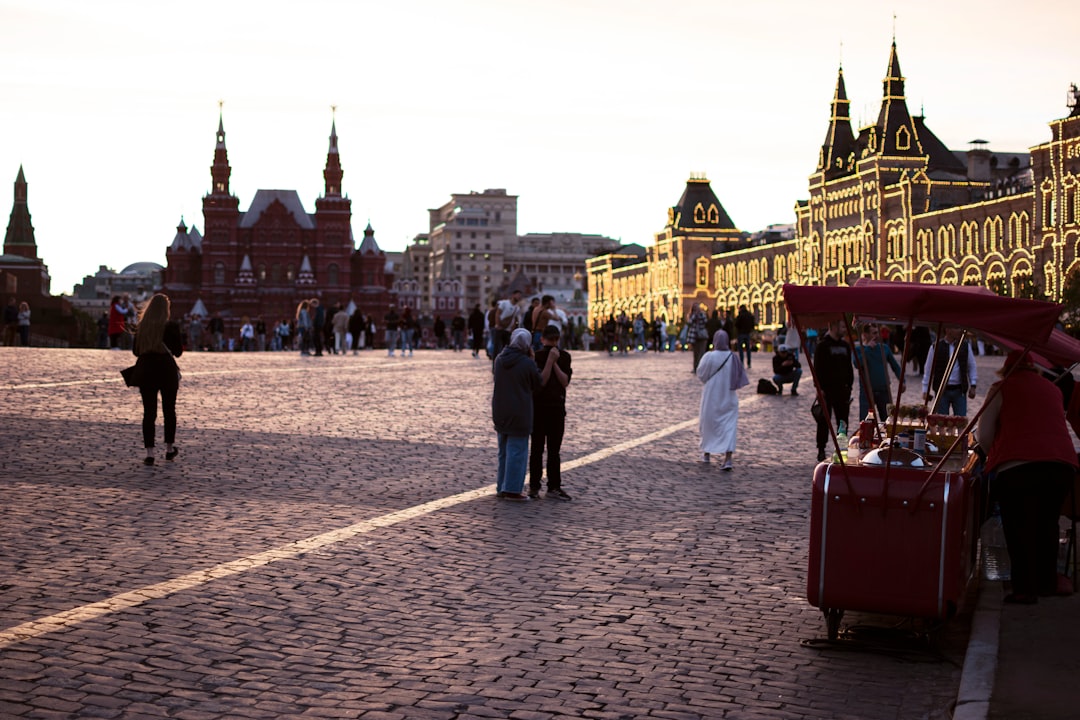
안녕하세요. 또는 (더 공식적인 경우) "Здравствуйте"로 인사하세요. 단호한 악수와 함께 명확한 인사로 분위기를 잡으세요. 간단한 눈맞춤을 유지한 후, 자신의 이름과 출신지를 밝히세요. 이 간단한 직접적인 인사로 어색함을 줄이고, 호스트와 발언자 모두에게 존중을 표하세요.
편안한 개인 공간을 유지하세요: 팔 길이 정도 거리에서 서고, 접촉을 피하며, 대화가 친밀해지면 뒤로 물러나세요; 혼잡한 장소에서는 분위기에 맞춰 가되 여전히 경계선을 유지하세요, 그리고 혼성 그룹의 여성들과는 공간을 주고 대화의 속도를 그들에게 맡기세요; 긴 대화에서는 상대방이 말할 수 있도록 잠시 멈추고, 리듬을 자연스럽게 유지하세요.
Here's the translation with natural, native-quality Korean, including proper place names and cultural nuances: --- 원문: "Hello! I'm visiting Saint Petersburg for the first time. What would you recommend to see first? I love history and architecture, so I'm especially interested in places like Saint Isaac's Cathedral and the Hermitage Museum. Also, I heard Nevsky Prospect is a must-visit. Are there any hidden gems or local favorites you'd suggest?" 번역: "안녕하세요! 저는 생트페테르부르크를 처음 방문하는 중이에요. 먼저 어떤 곳을 추천해 주실까요? 저는 역사와 건축을 좋아해서, 이사키예프 대성당이나 에르미타주 박물관 같은 곳을 특히 보고 싶어요. 네프스키 대로는 꼭 가봐야 한다는 소문도 들었죠. 숨겨진 명소나 현지인들의 추천 장소도 알려주실 수 있나요?" --- 원문: "Where are you from? I'm curious about your travel plans—how long will you be staying in Moscow?" 번역: "어디에서 오셨나요? 여행 계획에 대해 궁금하네요—모스크바에서 얼마나 머무실 계획이신가요?" --- 원문: "Could you recommend a good café near Red Square? I'd love to try some local pastries." 번역: "레드 스퀘어 근처에 좋은 카페를 추천해 주실 수 있나요? 현지 과자도 맛보고 싶어요." --- 원문: "Is there a good bookstore in Saint Petersburg? I'm looking for English books." 번역: "생트페테르부르크에 좋은 서점이 있나요? 영어 책도 구할 수 있을까요?" --- 원문: "Would you like to join me for dinner at a traditional Russian restaurant? I heard the one on Nevsky Prospect is excellent." 번역: "전통 러시아 레스토랑에서 저녁을 함께 하실래요? 네프스키 대로에 있는 곳도 정말 좋다고 들었어요." --- 원문: "Could you tell me the best way to get to the Kremlin from my hotel on Tverskaya Street?" 번역: "트베르스카야 거리 호텔에서 크렘린으로 가는 가장 좋은 방법을 알려주실 수 있나요?" --- 원문: "Have you been to the Tretyakov Gallery? I heard it's a must-see for art lovers." 번역: "트레티야코프 미술관에 가보셨나요? 미술 애호가라면 꼭 봐야 한다는 소문이에요." --- 원문: "Where should I go for a relaxing evening? Maybe a park or a riverside walk?" 번역: "편안한 저녁을 보내기 좋은 곳은 어디인가요? 공원이나 강변 산책로 같은 곳도 추천해 주세요." --- 원문: "Is there a local market where I can buy souvenirs? I'd like to take home some Russian crafts." 번역: "현지 시장에서 기념품을 살 수 있는 곳 있나요? 러시아 공예품도 가져가고 싶어요." --- 원문: "Could you recommend a good place to try borscht? I've heard so much about it!" 번역: "보르시 추천해 주실 수 있나요? 정말 유명하더라고요!" --- 원문: "Where is the nearest metro station from here? I want to explore more of the city." 번역: "여기서 가장 가까운 지하철역이 어디인가요? 도시를 더 탐험하고 싶어요." --- 원문: "Is there a good place to see ballet in Moscow? I've always wanted to experience it live." 번역: "모스크바에서 발레를 볼 수 있는 좋은 곳이 있나요? 라이브로 경험해 보고 싶어요." --- 원문: "Could you tell me the best time to visit the Armoury Chamber? I don't want to miss it." 번역: "오루제이니 카모라(Armoury Chamber)를 보는 가장 좋은 시간이 언제인가요? 놓치고 싶지 않아요." --- 원문: "Where can I find a good bakery for fresh bread? I love the smell of freshly baked goods." 번역: "신선한 빵을 파는 좋은 베이커리 어디에 있나요? 신선하게 구운 빵 냄새를 좋아해요." --- 원문: "Is there a good place to take photos of the city skyline? I want to capture the beauty of Saint Petersburg." 번역: "도시 스카이라인을 찍기 좋은 곳이 있나요? 생트페테르부르크의 아름다움을 담고 싶어요." --- 원문: "Could you recommend a good place to try caviar? I've never had it before." 번역: "캐비어를 맛볼 수 있는 좋은 곳을 추천해 주실 수 있나요? 아직 먹어본 적이 없는데요." --- 원문: "Where is the best spot to watch the sunset in Moscow?" 번역: "모스크바에서 석양을 보는 가장 좋은 곳은 어디인가요?" --- 원문: "Is there a good place to buy Russian tea? I'd like to bring some home." 번역: "러시아 차를 살 수 있는 좋은 곳이 있나요? 가져가고 싶어요." --- 원문: "Could you tell me the best way to get to the Peter and Paul Fortress? I heard it's historic." 번역: "페트로파블롭스키 요새로 가는 가장 좋은 방법을 알려주실 수 있나요? 역사적이라고 들었어요." --- 원문: "Where can I find a good place to try pelmeni? I've heard it's a must-try dish." 번역: "펠멘이를 맛볼 수 있는 좋은 곳을 추천해 주실 수 있나요? 꼭 먹어봐야 할 요리라고 들었어요." --- 원문: "Is there a good place to buy matryoshka dolls? I'd like to get one as a souvenir." 번역: "마트료시카 인형을 살 수 있는 좋은 곳이 있나요? 기념품으로 하나 사고 싶어요." --- 원문: "Could you recommend a good place to try blini? I've heard they're delicious." 번역: "블리니를 맛볼 수 있는 좋은 곳을 추천해 주실 수 있나요? 맛있다고 들었어요." --- 원문: "Where is the best place to see the White Nights in Saint Petersburg?" 번역: "생트페테르부르크에서 화이트 나이트를 보는 가장 좋은 곳은 어디인가요?" --- 원문: "Is there a good place to buy Russian vodka? I'd like to try some local brands." 번역: "러시아 보드카를 살 수 있는 좋은 곳이 있나요? 현지 브랜드도 맛보고 싶어요." --- 원문: "Could you tell me the best way to get to the Catherine Palace? I heard it's stunning." 번역: "카테리나 궁전으로 가는 가장 좋은 방법을 알려주실 수 있나요? 정말 아름다다고 들었어요." --- 원문: "Where can I find a good place to try shashlik? I've heard it's a must-try." 번역: "샤슈릭을 맛볼 수 있는 좋은 곳을 추천해 주실 수 있나요? 꼭 먹어봐야 할 요리라고 들었어요." --- 원문: "Is there a good place to buy Russian honey? I'd like to bring some home." 번역: "러시아 꿀을 살 수 있는 좋은 곳이 있나요? 가져가고 싶어요." --- 원문: "Could you recommend a good place to try okroshka? I've heard it's refreshing." 번역: "오크로슈카를 맛볼 수 있는 좋은 곳을 추천해 주실 수 있나요? 시원하다고 들었어요." --- 원문: "Where is the best place to see the Aurora cruiser? I heard it's historic." 번역: "아우로라 순양함을 보는 가장 좋은 곳은 어디인가요? 역사적이라고 들었어요." --- 원문: "Is there a good place to buy Russian caviar? I'd like to try some." 번역: "러시아 캐비어를 살 수 있는 좋은 곳이 있나요? 맛보고 싶어요." --- 원문: "Could you tell me the best way to get to the Winter Palace? I heard it's impressive." 번역: "겨울 궁전으로 가는 가장 좋은 방법을 알려주실 수 있나요? 정말 인상적이라고 들었어요." --- 원문: "Where can I find a good place to try sbiten? I've heard it's a traditional drink." 번역: "스비텐을 맛볼 수 있는 좋은 곳을 추천해 주실 수 있나요? 전통 음료라고 들었어요." --- 원문: "Is there a good place to buy Russian tea sets? I'd like to get one as a souvenir." 번역: "러시아 차 세트를 살 수 있는 좋은 곳이 있나요? 기념품으로 하나 사고 싶어요." --- 원문: "Could you recommend a good place to try kasha? I've heard it's a staple dish." 번역: "카샤를 맛볼 수 있는 좋은 곳을 추천해 주실 수 있나요? 대표 요리라고 들었어요." --- 원문: "Where is the best place to see the Church of the Savior on Spilled Blood? I heard it's beautiful." 번역: "피 흘린 구원자 성당을 보는 가장 좋은 곳은 어디인가요? 아름다다고 들었어요." --- 원문: "Is there a good place to buy Russian samovars? I'd like to get one as a souvenir." 번역: "러시아 사모바르를 살 수 있는 좋은 곳이 있나요? 기념품으로 하나 사고 싶어요." --- 원문: "Could you tell me the best way to get to the Peterhof Palace? I heard it's stunning." 번역: "페테르호프 궁전으로 가는 가장 좋은 방법을 알려주실 수 있나요? 정말 아름다다고 들었어요." --- 원문: "Where can I find a good place to try solyanka? I've heard it's a must-try soup." 번역: "솔랴НК이를 맛볼 수 있는 좋은 곳을 추천해 주실 수 있나요? 꼭 먹어봐야 할 수프라고 들었어요." --- 원문: "Is there a good place to buy Russian nesting dolls? I'd like to get one as a souvenir." 번역: "러시아 마트료시카 인형을 살 수 있는 좋은 곳이 있나요? 기념품으로 하나 사고 싶어요." --- 원문: "Could you recommend a good place to try olivye salad? I've heard it's delicious." 번역: "올리비에 샐러드를 맛볼 수 있는 좋은 곳을 추천해 주실 수 있나요? 맛있다고 들었어요." --- 원문: "Where is the best place to see the Kazan Cathedral? I heard it's impressive." 번역: "카잔 대성당을 보는 가장 좋은 곳은 어디인가요? 인상적이라고 들었어요." --- 원문: "Is there a good place to buy Russian fur hats? I'd like to get one as a souvenir." 번역: "러시아 모피 모자를 살 수 있는 좋은 곳이 있나요? 기념품으로 하나 사고 싶어요." --- 원문: "Could you tell me the best way to get to the Alexander Column? I heard it's historic." 번역: "알렉산드르 기둥으로 가는 가장 좋은 방법을 알려주실 수 있나요? 역사적이라고 들었어요." --- 원문: "Where can I find a good place to try pirozhki? I've heard they're delicious." 번역: "피로시키를 맛볼 수 있는 좋은 곳을 추천해 주실 수 있나요? 맛있다고 들었어요." --- 원문: "Is there a good place to buy Russian lacquer boxes? I'd like to get one as a souvenir." 번역: "러시아 라커 박스를 살 수 있는 좋은 곳이 있나요? 기념품으로 하나 사고 싶어요." --- 원문: "Could you recommend a good place to try medovik? I've heard it's a must-try dessert." 번역: "메도비크를 맛볼 수 있는 좋은 곳을 추천해 주실 수 있나요? 꼭 먹어봐야 할 디저트라고 들었어요." --- 원문: "Where is the best place to see the Bronze Horseman? I heard it's iconic." 번역: "청동기사 동상을 보는 가장 좋은 곳은 어디인가요? 아이콘이라고 들었어요." --- 원문: "Is there a good place to buy Russian matryoshka dolls? I'd like to get one as a souvenir." 번역: "러시아 마트료시카 인형을 살 수 있는 좋은 곳이 있나요? 기념품으로 하나 사고 싶어요." --- 원문: "Could you tell me the best way to get to the Mariinsky Theatre? I heard it's famous for ballet." 번역: "마린스키 극장으로 가는 가장 좋은 방법을 알려주실 수 있나요? 발레로 유명하다고 들었어요." --- 원문: "Where can I find a good place to try borscht? I've heard it's a must-try dish." 번역: "보르시 추천해 주실 수 있나요? 꼭 먹어봐야 할 요리라고 들었어요." --- 원문: "Is there a good place to buy Russian tea sets? I'd like to get one as a souvenir
집에서 숙박하거나 가족과 함께 있을 때는 모두에게 개인적으로 인사하고, 앉을 것을 권유받을 때까지 기다린 후, 초대받으면 기꺼이 참여하세요. 다음 단계에 대한 계획을 포함시켜 기대치를 명확히 하고 조율을 쉽게 하세요. 예를 들어, 식사나 관광 계획 등을 구체적으로 제시하세요.
상대방의 인사에 너무 서둘러 답하지 말고, 대화 중간에 끼어들거나 너무 큰 소리로 말하지 마세요. 톤과 속도를 의식하고, 상대방의 리듬을 관찰하며 따라가세요. 처음에는 익숙하지 않을 수 있지만, 이렇게 하면 불편한 순간을 줄이고 편안해질 수 있습니다. 특히 혼잡한 환경에서도 대화가 더 부드러워질 거예요. 연습을 하면 긴 대화도 자연스럽게 진행될 거예요. 처음 만날 때 장례식이나 개인적인 의식에 대해 논의하지 마세요.
모스크바에서 지역 인사이트를 얻으려면, 간결한 인사말이 대부분의 상황에서 잘 통한다는 점을 참고하세요. 더 깊은 인사이트를 원한다면 유연하게 대처하고 상황을 읽어보세요. 현지인이나 대화 상대와 이야기할 때는 답변을 짧고 관련성 있게, 그리고 존중하는 태도로 전달하세요. 그러면 긍정적인 인상을 남길 가능성이 높습니다. 존중은 경청과 적응에서 비롯되며, 여행자들의 공유 경험은 향후 만남에서 선물, 감사 인사, 작별 인사 등을 어떻게 처리할지 결정하는 데 도움이 될 수 있습니다.
러시아의 선물 문화
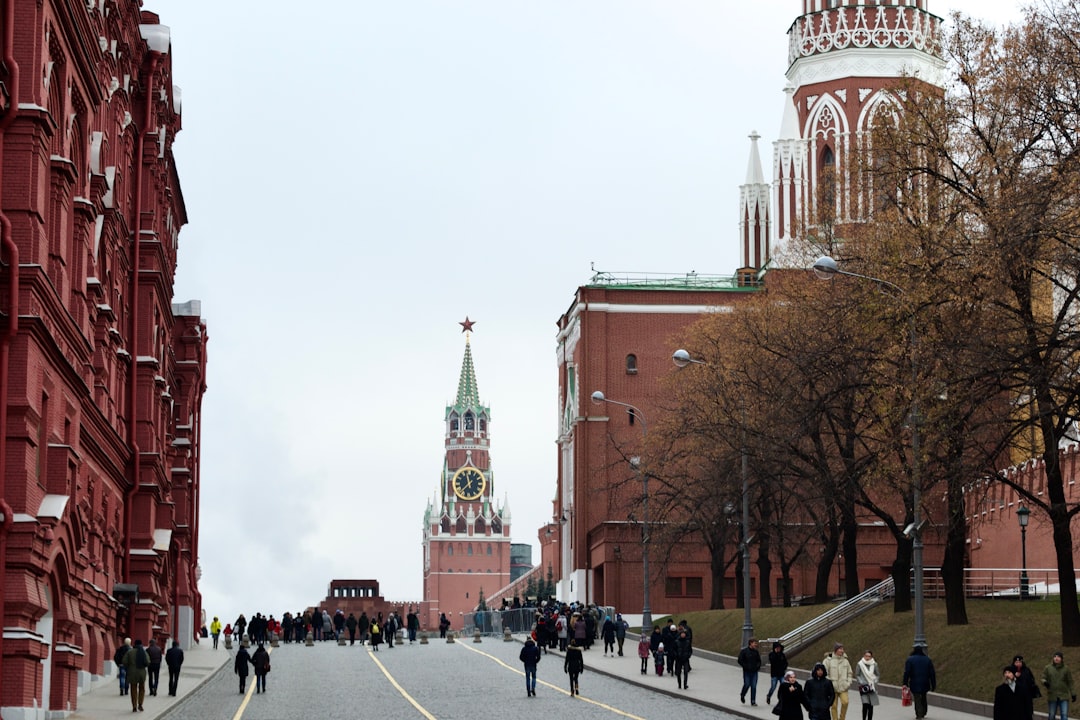
러시아를 방문할 때 호스트에게 작은 선물을 준비하고, 양손으로 선물을 전달하세요.
원주민 호스트는 과자 상자, 초콜릿, 차, 커피 또는 지역 특산품과 같은 실용적인 선물을 좋아합니다. 파티에 방문할 경우 과자 상자나 몇 가지 작은 요리를 나누기 위해 가져오세요. 현금이나 귀중품은 피하세요.
선물을 평범한 종이와 중립적인 리본으로 포장하고 깔끔하게 준비하세요. 양손으로 선물을 건네며 잠시 눈맞춤을 하세요. 호스트가 처음에는 선물을 거절할 수 있지만, 한 번만 고집스럽게 권하면 기꺼이 받을 가능성이 높습니다.
꽃은 적당히 가져가는 것이 좋습니다. 소박한 꽃다발로 선택하고, 데이지는 일부가 장례와 연상할 수 있으므로 피하는 것이 좋습니다. 인사할 때는 보통 악수를 합니다. 친한 사이에서는 호스트가 볼에 키스를 제안할 수 있지만, 방문 시에는 호스트의 신호를 따라가는 것이 좋습니다. 주의 깊게 행동하면 분위기가 편안하게 유지됩니다.
러시아에서는 교환 후 차를 마시고 가벼운 대화를 나누는 것이 좋습니다. 종종 음식도 함께 나누고, 이야기를 나누며, 호의를 더해갑니다. 이 가이드는 예절 아카데미의 실용적인 팁을 반영했지만, 현지 분위기를 관찰하고 즉흥적으로 적응하세요.