
 한국어
한국어  English (UK)
  Русский
  العربية
  日本語
日本語  Magyar
  Türkçe
  Español
  Čeština
  Svenska
  Português
  Ελληνικά
  Suomi
Suomi  Nederlands
  Română
  Italiano
  Français
  Polski
  Українська
  Deutsch
  简体中文
简体中文  Slovenčina
 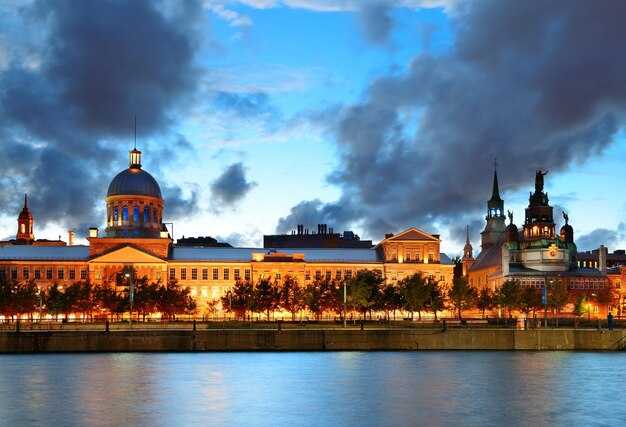 2025년 최고의 러시아 여행 가이드 – 방문하기 좋은 8곳">

Begin with a winter-forward starting point: the northern capital on the Neva glows in frost, where the Hermitage and bridges shine after dusk. This choice simply anchors a route that honors traditions, 문화의 depth, and provides a well-detailed glimpse into history that you’ll chase across eight highlights.
From there, most travelers reach Moscow by 항공편 or fast trains, and Golden Ring clusters of towns offer a compact, comprehensive look at imperial architecture and daily life. Looking further, Kazan supplies a cross-cultural layer between europe and asian influences, while the Black Sea coast gives a milder winter option that many visitors find appealing.
For winters enthusiasts, Lake Baikal delivers ice-crystal scenery, unique wildlife, and a deep sense of history; detailed itineraries mix ice cruises with village stays, and you’ll find options that are designed to be smooth for beginners and seasoned travelers alike. Whether you plan a compact loop or a longer horizon, the route adapts to your pace and passions.
In the south and east, the black Sea shore complements snowbound towns with milder days, seaside walks, and a taste of local traditions. This eight-destination set is well-balanced for everyone, combining culture, sport, and easy transfers with a focus on comfort and safety.
Further east, Vladivostok presents a Pacific-facing chapter with maritime history and a rugged winter vibe, while Murmansk offers Arctic landscapes and polar lights. The combination illustrates how many different climates and histories exist in a single, diverse land, yet still ties together with a smooth flow of rail and air connections, making a trip feasible for most schedules.
To maximize your experience, map home bases around two hubs, pick seasons with higher daylight in the west and more snow in the interior, and use 항공편 to stitch the long distances. The result is a comprehensive, detailed introduction that helps you find what you love most about this vast nation, whether you’re chasing 전통 or chasing new horizons.
Practical planning for exploring Russia’s eight top destinations
Begin with a two-week planning framework that links russias eight hubs in a logical arc, giving 1–2 days to each and a couple of flexible slots there for weather or delays. The whole approach is designed to make museum visits, street life, and vibrant places easier to manage.
Official requirements vary by nationality; apply early through official channels, attach passport-size photo, and check approved visa centers. Track processing times so you avoid last-minute stress and stay on schedule.
Winter in the north brings frost and quiet landscapes, while march can wake up street markets; hail is possible in transitional weeks, so pack versatile layers and waterproof footwear. These conditions set the mood for paradise in the frost or bright sun in other regions.
Ways to move between eight hubs include high-speed rails, domestic flights, and long-distance buses; pick a schedule where the majority of hops stay under two hours. Which routes you choose can greatly affect time on the road, so plan accordingly for russias eight hubs.
Accommodations should be approved options near central museums and the main street arteries; pick places that cut transit time and offer easy access to the most vibrant experiences each city has to offer.
Wildlife experiences belong to protected areas around lakes and taiga; plan early mornings when wildlife is most active and sightings are exciting. Those trips offer unique insights into the regional ecosystem and working conservations with local guides.
Documentation should include passport-size backups, travel insurance, and a compact budget; keep a right set of contacts and the official numbers for emergencies there. The future nature of your trip depends on careful preparation.
Budgeting tips: plan ahead for peak-season surcharges, use local SIMs, and compare ticket prices across hubs to save; this planning helps you make eight destinations affordable. Each city has its own vibe, from historic quarters to modern districts, and the plan should reflect those differences.
источник notes emphasize starting in spring or late winter to enjoy milder weather and smaller crowds; begin by mapping a route that consolidates the eight hubs as a coherent circuit, with each day building on the previous one.
Allocate time per destination: suggested days and pacing
Moscow: four days, a well-paced sequence that blends power architecture with everyday life. Day 1 core sights: Red Square, the Kremlin, and the Armory, featuring palaces and ceremonial spaces that show unity of history and power. Day 2 museums and historic neighborhoods, with clear information points to connect old and new. Day 3 parks and the riverfront for nature in the city, creating diverse vibes across urban landscapes. Day 4 Arbat and a nearby estate visit offer a relaxed finish, balancing activity with rest.
St. Petersburg: four days to absorb culture-rich highlights and water routes. Day 1 centers on Hermitage and the surrounding museum quarter, where many masterpieces await and the Hermitage provides a dense collection. Day 2 visits to Peter and Paul Fortress and imperial palaces along the Neva, highlighting an iconic site. Day 3 a canal cruise and Catherine Palace at Pushkin, showcasing traditions that shaped northern art. Day 4 a slower day for museums and neighborhoods, with time for a market and a stroll along the embankments.
Sochi: three days to balance sea and mountains for travelers seeking adventures and a restorative vacation. Day 1 beach and boardwalks for a vacation rhythm; Day 2 adventurous climbs or cable car rides in Krasnaya Polyana, linking sea views with alpine landscapes; Day 3 relaxed circuit through Sochi National Park and nearby villages, preserving untouched nature.
Kazan: two to three days to savor diverse traditions and modern energy. Day 1 Kremlin and Kul Sharif Mosque mark the crossroads of many cultures. Day 2 Bauman Street, markets, and Tatar cuisine celebrate traditions; Day 3 optional excursion to Bulgar fort or nearby monasteries.
Veliky Novgorod: two days to walk a cradle of old Rus. Day 1 Detinets (Kremlin) with St. Sophia Cathedral; Day 2 the open-air museum and riverside paths, a compact site that preserves untouched heritage and offers quiet landscapes.
Yekaterinburg: two to three days to bridge continents. Day 1 city core with Church on the Blood and the theater; Day 2 route to Ganina Yama and the Ural viewpoints; Day 3 a dive into industrial heritage and markets, highlighting how the city sits between Europe and Asia and helps connect cultures.
Irkutsk and Baikal region: three to four days for untouched nature and deep calm. Day 1 Irkutsk’s wooden architecture and local museum district; Day 2 Listvyanka on the shore with a small museum and a boat ride; Day 3 hike along the Baikal coastline to view ice or calm water; Day 4 a lake-side village stay to savor landscapes and daily life.
Vladivostok: three days to end with a new horizon. Day 1 Russky Island and Eagle’s Nest Hill; Day 2 harbor walks and Golden Horn Bay with Pacific views; Day 3 ferry trips to nearby islands or a day trip to Primorsky region. Check visa options and gather information; relocating or extending a stay is easier when you look ahead, plan with home comfort in mind, and connect with local communities.
Best seasons and weather windows for each site
Moscow May–June and September offer a clear vacation and walk window around the Kremlin and riverside precincts. Источник data shows highs around 18–23°C, nights 7–12°C, and modest rainfall, with winter markets supplying a cozy alternative. Pack layers, begin with a museum circuit, and choose a canal walk to stay connected; the service network is robust and approved, giving you practical ways to tailor your itinerary. The allure is famous, and the city tells a rich story through architecture and parks–thrilling yet efficient in this shoulder season.
Saint Petersburg Late May to early July (the White Nights) is ideal for a vacation built on walks along bridges and canals. Average highs stay in the 16–22°C range, humidity is comfortable, and evenings glow with extended daylight. Museums such as the Hermitage form a core, while river and canal routes offer refreshing pauses; waiting times are shorter outside peak midsummer, and many guided services provide a seamless experience. Begin with a palace-and-mattery loop, then tuck in a night stroll for a shared, enchantingly illuminated city–a famous state treasure with a cosmopolitan allure.
Lake Baikal (Irkutsk region) July–August is the primary window for boat trips, trail walks, and lake access; September brings brilliant foliage and quieter routes. Water warms to a pleasant 10–18°C by mid-summer, while surrounding air sits around 15–25°C; mornings can be cool and misty. If you’re chasing ice and winter scenery, December–February offer a separate thrill but require preparedness for extreme conditions; the source notes variable conditions and the need for seasoned guides (источник). Pack for rapid weather changes; a detailed plan lets you mix hikes, boat tours, and visits to museums and villages along the shore. The integration of step-by-step routes and local services keeps things moving, like a well-rehearsed vacation script.
<strong Kamchatka Peninsula알겠습니다. June–August delivers the core window for volcanic treks, geysers, and wildlife-packed walks; July is often peak. Temps range from 12–18°C in the day, dipping cooler at night, with frequent showers and unpredictable weather. This is a thrilling, lightly populated region where controlled tours and safety-approved guides are essential; choose a few forced-march activities or soft walks to pace your day. If you’re arriving by air and sea, book early through trusted service providers to maximize time on trails, and begin with a volcano-view circuit before moving to fishing towns and thermal areas. The state of remote accessibility means you’ll want a tight plan and a comfortable pack; the allure of untouched landscapes is shared among seasoned travelers who tell that Kamchatka is unlike anywhere else.
Sochi May–June and September form the warm shoulder seasons for a seaside vacation and walk along promenade paths. Daytime highs hover near 22–28°C, with sea temperatures around 20–24°C; late spring and early autumn bring occasional rain but ample sun breaks. This climate supports outdoor activities, from coastal strolls to botanical gardens; a well-developed service network helps you avoid crowds and maximize beach time. Pack light, breathable clothing and a waterproof layer; begin with a coastal walk, then transition to park trails and museum visits before cooling down with evening seaside meals. The city’s allure is famous for its subtropical mix, and the integrated experience feels both relaxed and thrilling when you plan smartly.
골든 링 클러스터 (수즈달, 블라디미르, 로스토프, 야로슬라블 등) 5월부터 10월까지가 여러 마을을 돌아다니거나, 당일치기 산책, 박물관 관람 등을 하기에 가장 쾌적한 시기입니다. 봄과 초가을에는 낮 기온이 보통 16~22°C 정도이며, 밤에는 12°C 내외로 선선합니다. 7월과 8월은 가장 더운 날들이지만 여행객들이 머무는 시기이므로, 어깨 시즌에 여행하면 더 여유로운 방문을 즐길 수 있습니다. 이 지역은 교회 건축, 목조 가옥, 강변 풍경이 풍부하게 어우러져 있습니다. 적절한 속도로 계획을 세우면 역사 속으로 한 걸음씩 몰입하는 즐거움을 누릴 수 있으며, 성당, 공예 시장(butina 공예품 판매대와 같은), 리버 크루즈를 다양하게 조합할 수 있습니다. 가벼운 옷, 편안한 운동화, 카메라를 챙기세요. 이 공유 여정은 종종 수즈달 박물관에서 시작하여 블라디미르 크렘린에서 끝나며, 모두 쉽게 연결되어 있고 현지 가이드의 승인을 받았습니다.
Kazan 5월 말에서 8월은 타타르와 러시아 문화가 어우러진 도시를 탐험하며 강변을 산책하고 공원에서 시간을 보내기에 가장 좋은 시기입니다. 한여름 최고 기온은 22–28°C 정도이며, 밤에는 12–18°C로 선선해집니다. 강수량은 적당하며 예측 가능합니다. 도시의 박물관과 모스크는 자세한 문화 탐방의 중심지가 됩니다. 가이드 투어를 예약하여 건축물 내부와 볼가 강둑을 따라 펼쳐진 야외 시장을 함께 둘러보세요. 편리한 대중교통과 시티 패스를 이용할 수 있으며, 융합과 전통의 조화로운 이야기를 통해 도시의 환대 정신을 느낄 수 있습니다. 햇볕을 가릴 수 있는 용품과 가벼운 재킷을 챙기세요. 고풍스러움과 현대적인 감각이 매력적으로 어우러진 카잔은 다채로운 경험과 현지적이면서도 세계적인 감각을 추구하는 여행객들에게 유명한 여행지입니다.
알타이 산맥 알프스 트레일, 빙하 계곡, 강변 산책로를 즐기기 가장 좋은 시기는 7~8월이며, 6월은 비교적 선선하고 9월에도 인파가 적어 괜찮습니다. 낮 최고 기온은 15~25°C 정도이고, 밤에는 기온이 더 내려가며, 산악 날씨는 급변합니다. 이 험준한 지역은 트레킹, 드라이브, 외딴 마을 방문을 결합한 일정으로 보상해주므로, 믿을 수 있는 배낭과 레이어드 의류를 사용하여 고지대에서도 편안하게 지내세요. 여러 트레일이 아름다운 전망대, 강, 지역 박물관 및 공예 스튜디오와 같은 문화 명소를 연결합니다. 자세한 계획을 세우면 오래 기다리지 않고 가장 스릴 넘치는 풍경을 경험할 수 있습니다. 이 여행지의 매력은 점진적인 하이킹과 공유된 전원 풍경의 자연스러운 통합에 있으며, 계곡과 봉우리 사이를 이동하기 가장 좋은 시기를 아는 현지 가이드의 승인을 받았습니다.
도시 간 이동: 기차, 항공편, 소요 시간 및 예약 팁
모스크바-상트페테르부르크 구간 고속 열차는 2~3주 전에 예약하세요. 삽산 열차는 최고 시속 310km로 3시간 40분~4시간이 소요되며, 다른 지상 교통편보다 훨씬 빠릅니다. 1월과 8월에는 수요 변동이 있으니, 비싼 요금을 피하려면 미리 좌석을 확보하세요. 혼자 여행하는 경우, 2등석 지정 좌석이 가격과 편안함의 균형을 맞춰줍니다. 단체 여행객의 경우, 쿠페 또는 침대차를 이용하면 장거리 구간 비용을 절감할 수 있습니다.
동일한 구간에 대해 철도와 항공 중 하나를 선택할 때는 총 이동 시간을 고려하십시오. 비행은 통상 1시간 15분 정도 소요되지만, 공항 이동 시간 때문에 2.5~3시간까지 늘어날 수 있습니다. 철도는 꾸준한 속도를 유지하며 8월의 백야부터 겨울의 새하얀 아침까지 다양한 풍경을 감상할 수 있습니다. 주요 도심 지역에 도착하는 것이 목표라면 기차를 이용하면 환승 없이 역에서 바로 걸어갈 수 있는 경우가 많습니다.
예약 팁: rzd.ru 또는 tutu.ru와 같은 공식 포털을 이용하여 시간표 및 정보를 확인하세요. 최적의 가격을 확보하려면 미리 예약하고, 요금 인하 알림을 설정하세요. 여행을 계획 중이라면 철도와 항공을 통합하여 단일 계획으로 만들 때 여러 구간 여정이 전체 비용과 시간을 줄일 수 있습니다. 유연한 요금을 찾고, 계획이 변경될 경우를 대비해 반환 옵션이 있는지 확인하세요.
다른 인기 있는 도시 간 연결편으로는 모스크바-카잔, 모스크바-니즈니노브고로드가 있습니다. 기차는 약 3시간 30분~4시간이 걸리는 반면, 항공편은 약 1시간 15분 정도입니다. 예카테린부르크까지의 비행 시간은 약 2시간 30분~3시간이며, 이 구간의 기차는 하룻밤을 보내는 선택 사항과 함께 24~28시간까지 늘어날 수 있는데, 이는 그 자체로 문화적 경험이 될 수 있습니다. 바이칼 호수 지역에 가려면 이르쿠츠크나 울란우데(비행기로 약 4~5시간)로 비행한 다음, 주요 풍경을 자세히 보기 위해 인근 정착지까지 짧은 철도 구간을 이용하세요.
더 넓은 계획을 위해, 발견의 즐거움을 유지하면서 속도를 극대화하는 복합 운송 경로를 고려하십시오. 운송 수단 간 통합이 개선되고 있으며, 짧은 항공 이동과 편안한 철도 구간을 결합하면 전체적인 노력을 줄일 수 있습니다. 플랫폼과 터미널 사이를 빠르게 이동할 수 있도록 짐을 가볍게 꾸리고, 8월의 백야 현상으로 인해 체크인 시간이 변경될 수 있음을 유념하십시오. 유연성을 유지하면 일정을 그대로 유지하고 여행 중 낭비되는 시간을 줄일 수 있습니다.
2025년 비자, 입국 요건 및 여행자 보험
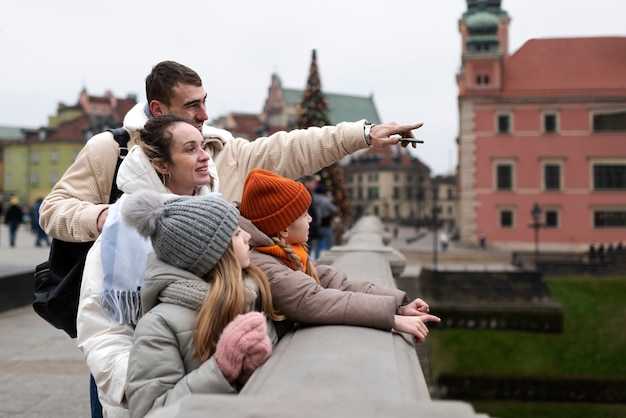
공식 채널을 통해 일찍 신청하십시오. 이 절차는 명확성을 제공하고 대기 시간을 줄여줍니다. 러시아 연방의 유서 깊은 지역에서 겨울 여행 일정은 여행자들의 마음을 사로잡으며, 특히 승인된 서류가 준비되어 있는 경우 더욱 그렇습니다. 전통적인 비자의 경우 비자 초청장 또는 호텔 바우처가 일반적으로 필요하며, 해당 지역의 정책에 따라 일부 지역에 대해 전자 비자가 제공된다는 점을 알아두십시오.
지금 뭘 해야 할까: 단계별 안내
- 1단계: 공식 영사관 사이트에서 승인된 지역을 확인하여 e-비자(제공되는 경우) 또는 일반 관광 비자 자격이 되는지 확인합니다.
- 2단계: 필요한 서류 준비: 계획된 출발일로부터 최소 6개월 이상 유효한 여권, 빈 페이지 2장, 여권 사진, 비자 초청장 또는 호텔 예약 확인서, 의료 보험 증빙 서류.
- 3단계: 신청서를 꼼꼼히 작성하세요. 지연을 방지하려면 이름과 날짜가 여권과 일치하는지 확인하십시오.
- 4단계: 공식 채널을 통해 신청서를 제출하십시오. 전자 비자의 경우 이메일로 승인을 받고 인쇄하고, 표준 비자의 경우 비자 센터에 원본을 제시하고 승인을 기다립니다.
- 5단계: 출발 전 입국 규정 확인: 지역 제한 사항이 있는지 확인하고 정책이 연중 유효한지 확인합니다.
입학 요건
- 여권 유효기간: 예정 출국일로부터 6개월 이상 남아있어야 합니다.
- 비어 있는 비자 페이지 2면; 손상 없는 문서.
- 최근 사진 1~2매; 디지털 사본이 필요할 수 있습니다.
- 전통 비자 신청 시 초청장 또는 호텔 예약 확인서.
- 의료 치료 및 긴급 대피에 충분한 보장을 제공하는 의료 보험.
- 일부 사무소에서는 숙박 증명서와 왕복 또는 다음 여정 티켓을 요구할 수 있습니다.
- 해당 기준을 충족하는지 확인하는 국경 검사에 대비하십시오.
보험 및 보장 범위
- 최소 보장 범위: 30,000 EUR 또는 이에 상응하는 금액; 의료 지원 및 본국 송환 포함 필수.
- 러시아 연방 내에서 체류 기간 전체 동안 유효하며, 디지털 또는 인쇄된 인증서를 소지하십시오.
- 24시간 연중무휴 지원 및 영어 지원 제공; 출발 전 연락처를 확인하십시오.
- COVID-19 및 기타 감염병 관련 보장은 권장되지만 필수는 아닙니다.
- 겨울 액티비티 특약은 계획된 경우에만 포함하고, 보험사에 확인하십시오.
카잔을 넘어: 실용적인 팁
카잔에서 1월의 겨울날은 짧고, 매서운 바람이 크렘린과 성당 구역을 거닐기에 더할 나위 없이 좋은 분위기를 만들어냅니다. 이 외딴 도시는 러시아 역사의 단합된 이야기를 들려주는 유산과 현대적인 편의 시설의 생생한 조화를 제공합니다. 잘 계획된 경로는 매끄럽고 성공적인 숙박을 만들어주며, 많은 고급 여행객들이 만족하는 여정에 기여합니다. 공식 요건에 맞는 입국 계획을 대체할 수 있는 것은 없으며, 모든 서류가 제대로 갖춰져 있을 때는 분명한 징후가 나타납니다.
잘 짜여진 접근 방식은 가치가 있습니다. 승인된 규칙을 읽고 사본을 보관하며 최신 업데이트를 어디에서 찾을 수 있는지 시간을 들여 알아두면 국경 데스크에서 기다리는 일이 드물어질 것입니다.
실용적인 참고 사항
- 공식 서류: 여권, 비자, 초청장 또는 호텔 바우처, 보험 증서.
- 요청 시 자금 증명, 중요 연락처 및 숙박 시설 상세 정보 사본.
- 승인서 인쇄본 및 디지털 사본을 소지하고, 종이와 전자 형태 모두 보관하십시오.
- 지역별 규칙이 다를 수 있는 외딴 지역을 방문하는 경우 시간을 넉넉히 잡으세요.
예산 책정 및 자금 관리: 통화, 카드 및 일반적인 일일 비용
해외 결제 수수료가 없는 카드를 발급받고 해외 사용을 설정하세요. 여행 중 많은 구매에서 예산을 절약할 수 있습니다. 현지 시장과 택시 이용을 위해 소량의 루블화를 준비하고, 긴 줄을 피하고 높은 수수료를 피하기 위해 공식 ATM을 이용하세요. 여행을 계획할 때는 일일 한도를 설정하여 계획에 맞추고 거래 SMS 알림을 활성화하세요.
기본 통화는 루블화이며, 공식 환율에 따라 가격은 RUB로 표시되고 Visa, MasterCard 및 MIR 카드가 널리 통용됩니다. 일부 소규모 상점과 시골 지역에서는 현금만 받는 곳도 있습니다. 암시장 위험을 피하려면 의심스러운 환전소를 건너뛰고 은행 창구나 호텔 프런트 데스크에서 공정한 환전을 받으세요. 비용을 절약하려면 거래당 비용을 줄이기 위해 한 번에 더 많은 금액을 인출하되, 일일 한도 내에서 유지하세요. 여행 전에 항상 카드 혜택을 확인하세요. 일부 계좌는 해외 인출 수수료를 면제하고, 일부는 인출 건당 고정 수수료를 부과합니다. 주요 도시에서는 많은 장소에서 카드를 받지만 저녁과 야간 외출 시에는 현금이 필요할 수 있습니다.
일반적인 하루 경비는 도시에 따라 다릅니다. 아침 식사 150–300 RUB, 점심 식사 350–700, 저녁 식사 700–1500, 간식 100–400. 지하철 요금은 1회 탑승 당 60–70 RUB, 택시는 도착 후 약 150–300 RUB부터 시작, 박물관 입장권 300–800, 호스텔 1박당 600–1200, 중급 호텔 2500–6000, 종일 투어 또는 공연 1500–4000. 지역 허브 간 직항편을 이용할 수 있는 경우가 많지만 가격이 더 비쌀 수 있습니다. 거리에 따라 5000–15000 RUB이며, 일찍 예약할수록 가장 좋은 상품을 얻을 수 있습니다. 여름 성수기에는 특히 주말과 유명 명소의 피크 타임에 가격이 상승하며, 지역에 따라 가격이 크게 다를 수 있습니다. 유럽에서 온 여행자에게 이곳은 문화와 경제성을 갖춘 탐나는 천국입니다. 계획을 잘 세우면 대중교통과 가끔씩 이용하는 가이드 옵션을 결합하여 전체 예산을 관리할 수 있습니다. 매혹적인 문화에 흠뻑 빠질 기회가 있습니다.
 러시아 음료 – 진정성과 전통의 맛">
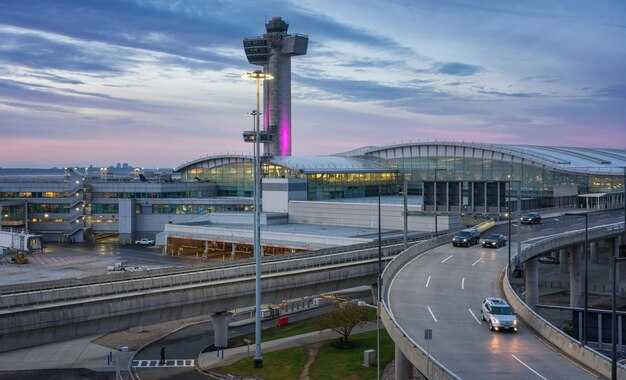 셰레메티예보 국제공항 – 러시아로 향하는 관문">
 최고의 맥주 농담 – 맥주 애호가를 위한 웃긴 일화와 짧은 농담">
 빅 티니 월드 트래블 – 작은 여행지, 거대한 세계 모험">
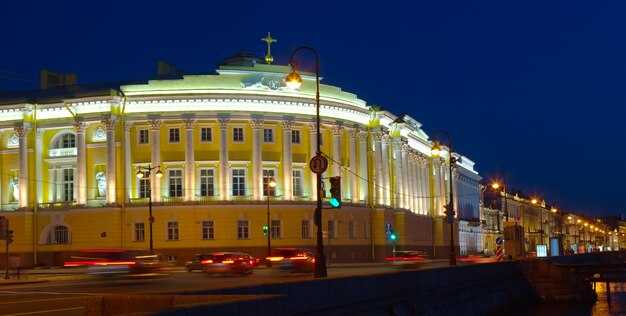 아르한겔스코예 궁전 모스크바 주 – 역사, 건축, 방문 팁">
 Moscow-City Observation Decks – Best Views and Tips">
 Harmony of Flavors – 7 Best Beer Snacks for Perfect Pairings">
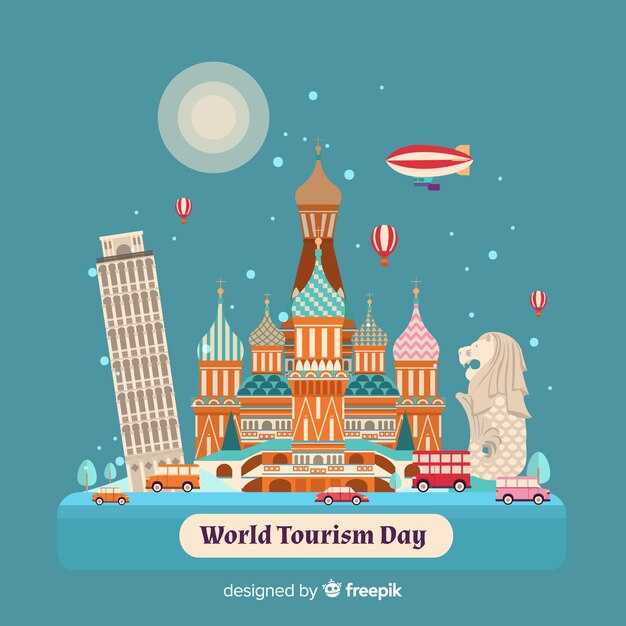 Moscow Travel Guide – History, Culture, and Top Attractions">
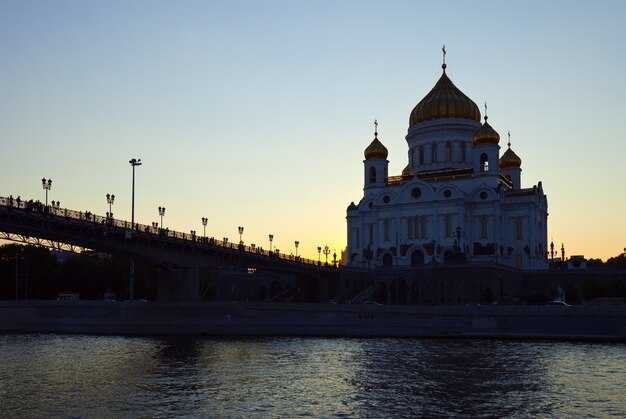 The Moscow River Age – How Moscow’s River Shaped Its History">
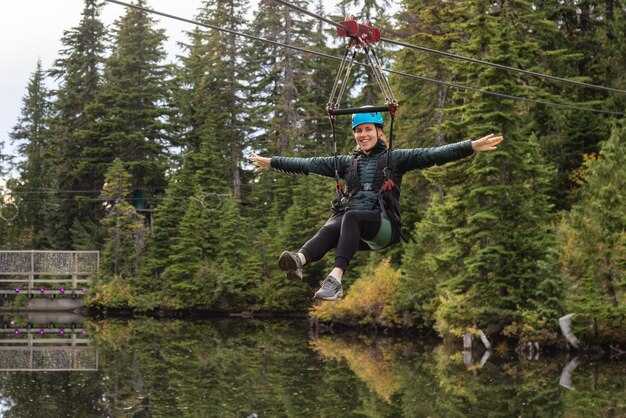 Bungee Jumping in Moscow Oblast – A Thrill-Seeker’s Paradise">