
 Nederlands
  English (UK)
  Русский
  العربية
  日本語
日本語  한국어
한국어  Magyar
  Türkçe
  Español
  Čeština
  Svenska
  Português
  Ελληνικά
  Suomi
Suomi  Română
  Italiano
  Français
  Polski
  Українська
  Deutsch
  简体中文
简体中文  Slovenčina
  Vodka-mythes ontkracht – Topmisvattingen die je niet langer moet geloven">

First, do this practical check: compare two samples side by side–the premium label and a craft blenden–then log data on aroma, texture, and finish. Watch for things like how the water (watering) changes mouthfeel. Across bottles, marketing images rarely tell the whole story; never rely on the pretty copy on the label.
One stubborn belief is that this neutral spirit is flavorless. Data from tasting panels shows subtle notes: soft grain sweetness, mineral sharpness from water quality, and a clean finish when filtration removes sulfur compounds. Their base matters; four variables drive character: grain or potato source, watering quality and mineral balance, distillation count, and filtration media – thats four variables, assessed with literary benchmarks. Images of flawless labels rarely reflect these differences.
Brand prestige does not guarantee purity. Data from independent tastings shows price and perceived prestige correlate poorly with test results. In many markets, legaal standards fix 40% ABV and still allow different filtration paths. Been there: some producers claim ultra-high purity, yet little measurable difference shows in blind tests. Aromas can echo notes resembling smoke, including cigarettes, as these cues derive from solvents or reduction compounds during processing. dont rely on slogans; examine the ingredients list and the production steps. The cause of misperception often lies in branding rather than base material, which is why blind comparisons matter.
Four concrete checks guide a reliable assessment. First, verify ingredients: only sugar-rich grains or potatoes plus clean water; second, review the distillation count and filtration method; third, confirm legal labeling claims about origin and processing; fourth, compare with a control sample in a blinded setup. These checks log data and allow comparisons across trials. An insight that comes from controlled processes helps separate noise from signal. In practice, one finds that subtle differences appear in aroma and mouthfeel during side-by-side tastings; data found in trials supports these observations. This knowledge becomes a good tool when markets vary, where labeling differs.
Common Vodka Myths Debunked: Practical Facts You Can Use
Aanbeveling: store the spirits in temperatures around 15°C in a cool, stable space; the freezer isn’t ideal for daily use, since fluctuations can dull odorless aroma and flavor and affect safety. Surely, a steady environment preserves consistency across bottles.
Stirred versus shaken reality – stereotypical belief says stirred drinks preserve flavor; actually, both stirred and shaken approaches work, depending on the goal of the mix. Distillers emphasize that the differences lie in dilution and texture, not safety; there seems to be no harmful effect when ice quality and technique are sound. For those concerned about flavor changing for them, the effect is minimal with proper method.
Freezer storage fact – Freezer temperatures can keep beverages very cold, but there is no safety gain and aroma tends to be muted. weve learned in tasting labs that a brief chill in a fridge or a glass rinse yields better odorless flavor clarity around serving time. For brands such as delcheva, preserving a clean profile benefits from avoiding prolonged freezing.
Odorless misconception – although many describe the base as odorless, there are like subtle flavor notes that vary by grain or base, distillation, and filtration. Experts help clarify that odorless does not equal flavorless; there is a light flavor around the grain or corn, even in neutral styles. This awareness matters when want to evaluate quality without relying on aroma alone.
Culture and selection – babushka stories and brand songs aside, the real gauge is consistency in quality, temperature control, and clean distillation. With proper practices, harmful impurities are minimized and the profile remains safe and smooth. Though the profile may be mild, it helps to compare multiple brands, including delcheva for a reference taste.
Practical takeaways – to optimize the experience, keep bottles away from heat and light and avoid frequent temperature swings; serve neat at around 6–12°C or use cold for cocktails at 4–6°C. There is surely no need for exotic rituals; use clean glass, and ensure there are no lingering odors in the room, as this can influence perception. If a tasting session is planned, start with a small amount and assess progression at proper temperatures; this helps reveal reliable quality and safe characteristics.
Is vodka flavorless or does it carry detectable notes?
Answer: Not tasteless; detectable notes exist around most bottles. In reality, the notion of a flavorless spirit is a simplification. Four factors shape profile: mash bill (rye, wheat, corn, or potato), fermentation congeners, distillation cuts, and filtration. Differences between brands come from these elements, alone, and how the liquid is stored before release. Against the tasteless myth, reality shows notes appear around each bottle, not in isolation.
Notes commonly spot include grain sweetness, peppery spice, citrus zest, vanilla, and mineral edge from water. Across brands, you may find a spectrum from crisp, neutral lines to fuller, bread-like or creamy finishes. The reality is that many modern expressions are designed for smoothness, but theyre rarely completely without character. The government framework ensures safety and purity, while a blend of process choices and technique drive flavor–not luck. Filtration can act as a suppressant for harsher notes, shifting the balance toward more approachable profiles. Lets compare around four typical paths: grain-forward profiles, corn-sweet lines, potato-rich textures, and blended styles that combine ingredients. A blend helps explain why two bottles may taste differently even if they come from the same brand.
To judge notes reliably, readers should read the label for mash bill, distillation method, and filtration steps. The particular details contribute to aroma and mouthfeel. When tasting around the store, let samples rest in the hand to warm slightly, spot the aroma before sipping, and consider the finish. youll notice differences in four samples side-by-side: rye-forward blends may deliver pepper and dried fruit; wheat-based bottlings tend toward light bread crust and cream; corn-based varieties emphasize sweetness and a clean mouthfeel; potato-based expressions can feel creamy with subtle earth tones. The differences, though subtle, matter for cocktail balance or sipping style. This usually holds true across brands, and youll likely spot variation based on mash and filtration too.
Practical takeaway: seek brands that publish mash bills, use refined distillation regimes, and apply targeted filtration. If a reader wants more expressiveness, babushka-inspired or craft houses often deliver more pronounced notes than mass-market bottles. Store in a cool, dark, dry place, away from sunlight, and hand them with care during tasting to preserve aroma. In liquorcom discussions and reading, youll find guidance on how to store, handle, and serve; these factors contribute to aroma and flavor over the beverage’s life. If you want a reliable partner for cocktails, a brand with controlled filtration usually yields a balanced, enjoyable experience that spot pleasant notes rather than a tasteless profile.
Do Russians really drink vodka by the liter?

Reality check: liter-size sessions are not the norm. For someone ordering a bottle, the usual size is 0.5 or 0.7 liters, which keeps per-person portions modest; 1 liter appears mostly in bulk orders or larger gatherings. The legal drinking age is 18, and stores follow strict verification and responsible-service norms. Thus, the image of continual, gallon-like consumption is not representative of typical behavior. An order for a bottle by a group usually results in 1–2 bottles over an evening.
In Russia, drinking is a cultural practice tied to meals and toasts; typical servings are around 25–40 ml per shot, often followed by water. Data found by observers show a decline in binge episodes since the 2000s, though regional variation exists. When someone orders a bottle for a party, the total volume over several hours tends toward 1–2 bottles, not a single liter. This is not the only pattern around the country.
Brand and quality considerations: choose products from licensed producers; check the label for legal origin, ABV, and distillation method. In particular, seek a brand with clean filtration and a clear creation story; some stores stock the teodora line, alongside international names. For a smoother experience, some producers offer odorless variants marketed for easy sipping, but taste remains distinct. For those curious about the process, remember that the base distilled spirit is produced from grains or potatoes and blended with water to achieve the desired strength; the truth about cleanliness lies in impartial testing and transparent labeling. Lets compare options on price, reviews, and brand heritage to make a wise choice that helps them feel confident in what they buy.
Truth vs. stereotype: the long-held idea that Russians drink by the liter is an oversimplification found in some images. The reality depends on region, age, and context. The practice usually involves moderate pacing, with toasts and water between rounds, and a diversity of preferences including beer or wine in many households. If a spectacle is desired, plan the event with responsible ordering of toasts and ensure access to non-alcoholic options. Although heavy drinking remains a concern in some areas, current patterns around major cities and rural areas show variation; the goose is not the master of culture, and the idea of unending pours is not accurate in most everyday settings. This approach respects legal norms and cultural context, and helps everyone enjoy a balanced creation of experiences with brands that surely reflect truth rather than sensational images.
Is vodka the strongest common spirit by ABV?

Not by a wide margin. In mainstream retail, baseline for this clear, neutral distillate sits near 40% ABV; higher proofs exist, but they aren’t typical in everyday bottles.
Where ABV varies by category, concentration and flavor differ. For those seeking stronger options, navy-strength gin runs about 57% ABV, while overproof rums and absinthe-style bottles span roughly 50–75% ABV. Between these mainstream tiers, a few bottles emphasize potency, but the standard 40% ABV remains the anchor, before any water is added in a cocktail.
For those tracking a diet or celiac considerations, most distillates are gluten-free by distillation, unless flavorings introduce gluten traces. assume that higher ABV does not guarantee better flavor. Always check labels, unless a product explicitly states gluten-free. those with gluten sensitivity should approach flavored or infusion variants with caution. weve observed that some brands maintain distinctive, flavorful profiles while keeping a mindful concentration of alcohol.
Short take:
- Baseline: 40% ABV is the norm; most bottles sit here.
- Higher range: gin at 57% ABV; overproof rums and absinthe-family products reach 50–75% ABV.
- Brand examples: delcheva and teodora have released high-ABV editions, showing that strength can sit alongside balance.
- Labels, campaigns and ambassadors: read the ABV on the label; campaigns may emphasize potency, but real strength is what’s in the bottle.
- Smaak versus sterkte: bieren met uitgesproken, smaakvolle tonen kunnen nog steeds goed gedijen met een lager alcoholpercentage, terwijl een hogere concentratie het mondgevoel verandert; de herinnering aan het aroma is belangrijk bij een proeverij.
- Let op: smakeloze varianten bestaan ook in deze categorie; zonder aroma of textuur is de ervaring beperkt.
Weerspiegelt de prijs de kwaliteit van wodka?
Het antwoord is simpel: prijs garandeert geen hoge kwaliteit; de literaire definitie van kwaliteit berust op basismateriaal, zuiverheid van distillatie en een zuivere afdronk, in plaats van prestigieuze etiketten.
Een basis op basis van granen biedt doorgaans een strakkere controle over de smaak, terwijl een geurloos profiel het makkelijker maakt om te combineren met cocktails. Probeer bij het proeven van een nieuwe fles de eerste geur en de nasmaak te beoordelen; als er een scherpe branderigheid is, kun je het beter heroverwegen. Afbeeldingen op het etiket kunnen misleidend zijn, en zelfs afbeeldingen die zijn gemaakt tijdens marketing shoots weerspiegelen mogelijk niet de smaak.
Prijzen weerspiegelen vaak de verpakking, marketing en distributie, niet alleen de zuiverheid. Voor 15–25 USD kan een fles verrassende helderheid leveren; voor 30–50 USD neigt de consistentie te verbeteren; voor 60–100+ USD kan de textuur gladder zijn, hoewel er geen universele regel is dat een hogere prijs betere smaak of een langere afdronk betekent. Ze behouden hun waarde vanwege het vakmanschap achter de basis, maar de bewegende prijs-kwaliteitverhouding is niet vast en varieert per producent.
Na een praktische test, verifieer een graangebaseerde bron, schoon water en robuuste filtratie. Bij blinde vergelijkingen kunnen flessen uit het middensegment overeenkomen met duurdere opties; door er meerdere naast elkaar te proberen, kan het gehemelte identificeren wat belangrijk is. Maak alstublieft met de hand een proefnotitie; noteer dat geurloze, zachte en evenwichtige smaak betere beslissingen ondersteunt voor zowel consumptie als voor martinicocktails.
Ontdek en beoordeel dan op waarde aan de hand van criteria die verder gaan dan de prijs: een product met een hoge zuiverheid, een bondig smaakprofiel en een consistente afdronk. De liefde voor een goed gemaakte fles groeit wanneer het aroma ingetogen blijft en de textuur standhoudt; mooie branding kan de aandacht trekken, en afbeeldingen op het etiket kunnen overtuigend zijn, maar de drinkervaring blijft de ultieme test. De definitie van kwaliteit is in deze context een schoon, helder mondgevoel dat goed samengaat met een mixer of op zichzelf staat in een straight shot.
Kan vodka gezondheidsvoordelen claimen of ziektes genezen?
Aanbeveling: er is geen bewijs gebaseerde basis voor gezondheidsvoordelen of genezingen door ethanol in welke hoeveelheid dan ook; gegevens uit studies ondersteunen dergelijke resultaten niet, en alleen een voorzichtige interpretatie is gerechtvaardigd.
Gegevens uit gecontroleerde onderzoeken tonen geen robuuste voordelen aan; observationele resultaten laten vaak kleine verbanden zien, meestal tussen de drie en vijf procent, maar deze signalen bewijzen geen causaliteit en worden sterk beïnvloed door levensstijl en bijkomende gezondheidsfactoren.
Tussen marketingclaims en wetenschappelijke rapporten in, zijn gevoelens van warmte of affect tijdelijk en vertalen zich niet in ziektepreventie of -behandeling. Dagelijkse consumptie wordt niet aangeraden als gezondheidsstrategie; in plaats daarvan bieden patronen van volwaardige voeding, regelmatige lichaamsbeweging, voldoende slaap en vaccinaties duidelijkere, bewezen voordelen. Ambassadeurs van de gezondheid benadrukken gematigdheid en context, niet universele winst.
Op de markten van Petersburg en in veel media circuleren beelden en literaire uitspraken die overtuigend lijken; echter, veel van dit discours berust op smakeloze sensatiezucht in plaats van solide gegevens. Wat bijdraagt aan daadwerkelijk welzijn blijft bewezen in onderzoek, niet in gelikte signalen of slogans.
Drie praktische conclusies: ten eerste, er bestaat geen genezing van ethanol; ten tweede, potentiële verbanden met een verminderd risico zijn geen betrouwbaar bewijs van voordeel; ten derde, betere resultaten komen voort uit evidence-based benaderingen in plaats van welke dagelijkse inname dan ook.
| Claim | Bewijs | Practical takeaway |
|---|---|---|
| Gezondheidsvoordelen of genezingen | Gerandomiseerde onderzoeken tonen geen causaal voordeel aan; data vaak verward en resultaten variëren tussen studies. | Vertrouw op bewezen leefstijlmaatregelen voor een betere algehele gezondheid. |
| Stemmingverbetering of warmte als therapie | Kortstondige psychologische effecten, geen ziekte-modificerende werking; dagelijks gebruik vergroot het risico op schade en afhankelijkheid. | Zoek naar alcoholvrije strategieën voor stemmingsondersteuning en energie. |
| Preventieve gezondheidsstrategie | Voldoet niet aan de bewijsstandaarden voor risicovermindering; hogere inname verhoogt het risico op kanker en leverziekte. | Geef de voorkeur aan praktijken die gebaseerd zijn op bewijs, in plaats van een regelmatige inname. |
 Russische uitnodigingsbrief voor visum online bestellen | Snelle & veilige verwerking">
 Een tour door de Arbatstraat – De beroemdste straat van Moskou">
 Kan ik mijn reisroute wijzigen en mijn Russische visum verlengen? Een praktische gids">
 Visumondersteuning – De complete gids voor visumaanvragen, documentatie en verwerkingstijden">
 Heb ik een ziektekostenverzekering nodig om zonder visum naar Rusland te reizen?">
 De Zarengold Privétrein – Luxe privéreizen per spoor in Rusland">
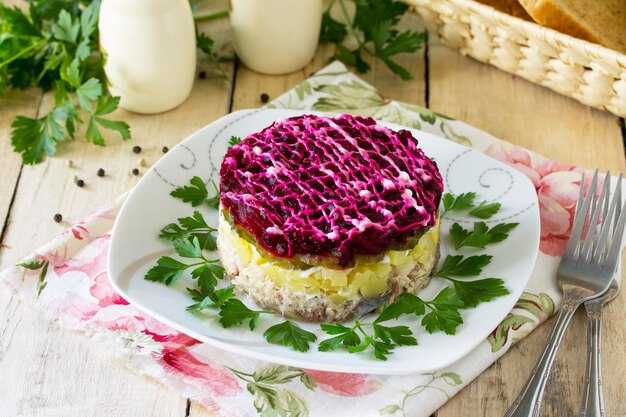 Russisch vegetarisch eten – 25 heerlijke gerechten die u moet proberen">
 Top 10 winteractiviteiten in Moskou en Sint-Petersburg">
 Wintervakantie – Russisch-orthodoxe kersttradities">
 Beste plekken om uit te rusten in Rusland – Waarheen te gaan deze zomer 2019">