Stel een budgetkader in: een eenkamerappartement in het centrum kost meestal rond de 60.000-90.000 roebel per maand; buiten het centrum bieden ze 35.000-60.000 roebel. Gebruik boekingssites, betrouwbare platforms en log in om listings op te slaan, en sluit snel een deal om een gunstige prijs te vergrendelen.
Utilities en diensten bedragen 8.000-12.000 roebel per maand in een moderne woning, waarbij internet ongeveer 500-1.000 roebel kost en mobiele data 400-900 roebel. Boodschappen kosten 25.000-40.000 roebel per persoon, afhankelijk van de voorkeuren. Uit eten gaat 6.000-12.000 roebel per maand extra kosten. Mobiliteitskosten variëren: een maandkaart voor de metro kost doorgaans 2.500-3.500 roebel; incidentele ritten met een ritdiensten-app of taxi voegen 1.000-3.000 roebel toe. Prijzen schommelen per seizoen, dus controleer de actuele aanbiedingen maandelijks. Voor een stel verdubbelen deze bedragen ongeveer, en er is extra ruimte voor seizoensgebonden pieken.
The job market in this country offers opportunities across sectors. Salaries vary by title and industry: mid-level roles commonly pay 80,000-180,000 RUB monthly gross; senior positions reach 250,000-500,000 RUB or more in finance, tech, or multinational teams. Years of experience raise the chances for higher mobility and expanded responsibilities. Build a salary map on reputable sites, then login to compare against offers and set realistic expectations.
Cultuur en dagelijks leven beïnvloeden de kosten: historische bezienswaardigheden langs de rivieroevers, een paleisdistrict in de oude stadswijken en galeries bieden waarde wanneer je ze combineert met tijdgebonden tickets of gratis dagen. Plan bezoeken in de late namiddag om de beste prijs-kwaliteitverhouding te krijgen. Raadpleeg officiële websites om de openingstijden te controleren en boek op tijd om rijen te vermijden. Het hele jaar door bieden seizoensgebonden programma's extra mogelijkheden om te ontdekken zonder de portemonnee te veel te belasten.
Slimme opzet: eis een huurovereenkomst met duidelijk gescheiden servicekosten indien nodig en bevestig de betalingsschema's in roebels. Gebruik één inlog voor verhuurplatforms, bankapps en OV-passen om het bijhouden te vereenvoudigen. Houd een kleine extra buffer aan voor seizoensgebonden prijsveranderingen, vooral rond Oudjaar en zomerfestivals, wanneer de mobiliteitsvraag in de metropool stijgt. Een realistische titel op een cv, gecombineerd met geloofwaardige referenties, vergroot de kansen om gunstige voorwaarden te onderhandelen voor huisvesting en diensten.
Expat Financieel Plannen Serie
Stel een noodfonds voor zes maanden aan in liquide middelen, ondergebracht in een mix van rekeningen in roebel en harde valuta om vrijheid te behouden bij de dagelijkse marktschommelingen. Deze reserve verankert je huishoudbudget en stelt je in staat om plotselinge huurveranderingen, medische kosten of reiskosten te dekken zonder in lange-termijninvesteringen te hoeven grijpen.
Bouw een budgetvriendelijk kader door uitgaven te groeperen in categorieën: huisvesting, nutsvoorzieningen, boodschappen, vervoer, gezondheidszorg, verzekeringen en vrije tijd. Stem je doelen af op een gedocumenteerd plan en volg elke geboekte transactie op tegen de totale bedragen per categorie om overschrijdingen te voorkomen, terwijl je een budget ontwikkelt dat je gewend raakt wekelijks te bekijken.
Huisvestingsstrategie zou het gebied moeten indelen in zones met verschillende huurprijzen; woningen in buitenwijken kunnen kosten besparen terwijl ze nog steeds gemakkelijk toegang bieden tot bezienswaardigheden. Bij het evalueren van opties kun je rekening houden met westerse appartementindelingen, mogelijkheden voor een korte huurperiode en de algemene stijl die je in je woning wilt.
Inkomensplanning en valutabeheer: beslis hoe lonen binnenkomen en waar fondsen worden aangehouden. Als mogelijk is, spreid dan inkomsten over rekeningen om valutarisico te verminderen, houd wisselkoersen bij en los wisselkoersproblemen op. De werelden van online bankieren en lokale vestigingen verschillen in kosten; kies instellingen met transparante valutakosten en redelijke doorlooptijden, zodat je flexibiliteit behoudt rond eventuele uurlonen.
Verzekeringen en veiligheid: controleer je ziektekosten-, inboedel- en brandverzekering om onverzekerde schades te voorkomen. Een goed doordacht plan dekt medische noodgevallen, schade aan je eigendommen en aansprakelijkheid; overweeg extra dekking voor reisvertragingen en voor de bescherming van je gestalde gelden.
Cultuur- en risicobeschouwingen: je doelen moeten een balans omvatten tussen een degelijk budgetbeheer en het genieten van de bezienswaardigheden van de stad, maar houd rekening met risicofactoren die verbonden zijn aan geopolitieke verschuivingen. Hoewel macro-economische schokken prijzen en wisselkoersen kunnen beïnvloeden, zorgt spreiding over valuta's, activa en financieringsbronnen ervoor dat je op koers blijft. In extreme gevallen onderstreept een geopolitiek conflict zoals genocide een wereldwijd probleem dat het belang van voorzichtig plannen benadrukt.
Stel je zesmaandelijkse reserve vast, categoriseer je uitgaven, kies woonruimte in betaalbare wijken, open twee of drie bankrekeningen bij betrouwbare instellingen, houd de gepubliceerde wisselkoersen in de gaten en beoordeel jaarlijks. Na zes maanden pas je de budgetposten aan, verminder je discretionaire uitgaven en zorg je ervoor dat je keuzes overeenkomen met je doelen, terwijl je je levensstijl en gevoel van vrijheid behoudt.
Huren in Moskou: Typische prijzen per district en appartementgrootte
Aanbevolen zijn de buitenste ringen voor de beste prijs-kwaliteitverhouding: een eenkamerwoning kost doorgaans 40.000-70.000 RUB per maand, een tweekamerwoning 70.000-120.000 RUB; in de centrale gebieden bedragen de prijzen ongeveer 90.000-170.000 RUB voor een 1-kamer en 150.000-260.000 RUB voor een 2-kamer.
Prijzen worden per maand en per grootte van het appartement berekend, waarbij nutsvoorzieningen vaak apart worden gefactureerd. Prijzen die in roebels zijn gepubliceerd, variëren wanneer je valuta vergelijkt op internationale sites, dus controleer de wisselkoersen en bereken een verblijf van een jaar met de actuele tarieven. Afstanden tot de grens tussen de centrale districten en de kern van de stad beïnvloeden sterk de waarde en de onderhandelingsruimte.
- Central districts (Tverskoy, Meshchansky, Arbat): 1BR 90,000-170,000; 2BR 150,000-260,000; 3BR 230,000-380,000 rubles. Typical sizes: 28-45 m2 for 1BR, 50-90 m2 for 2BR, 90-120 m2 for 3BR.
- Inner-ring areas (Presnensky, Basmanny, Khamovniki, Dorogomilovo): 1BR 65,000-110,000; 2BR 110,000-180,000; 3BR 170,000-280,000 rubles. Common sizes: 35-50 m2, 55-85 m2, 85-110 m2.
- Outer districts inside the Garden Ring (tag along districts like Bulevarda, Izmailovo, Kapotnya): 1BR 40,000-90,000; 2BR 70,000-150,000; 3BR 110,000-210,000 rubles. Typical sizes: 40-60 m2, 60-90 m2, 90-130 m2.
- New Moscow territories (Kommunarka, Rublyovo-Arkhangelskoye, Voskresenskoye): 1BR 30,000-70,000; 2BR 60,000-110,000; 3BR 90,000-140,000 rubles. Common sizes: 40-60 m2, 60-90 m2, 90-140 m2.
Enkele adviezen: concentreer u bij een zoekopdracht op weken met stabiele wisselkoersen als u valuta vergelijkt; bezichtigingen in het weekend zijn druk, plan indien mogelijk weekdagen. Controleer altijd de basisvoorzieningen en bijkomende kosten - niet alle aanbiedingen zijn inclusief verwarming, warm water of internet. Opties voor verlenging zijn belangrijk: verduidelijk of de huurovereenkomst een verblijf na de oorspronkelijke termijn toestaat zonder verlengingskosten. Verhuurders verwachten steeds vaker de benodigde documenten, inkomensbewijs en een borgsteller voor langere verblijven.
Sites en rapporten tonen prijs patronen die werelden overschrijden tussen valuta's; zelfs rapporten uit andere steden zoals Chicago of Shanghai geven vergelijkbare ranges aan voor vergelijkbare districten, wat helpt bij het kalibreren van verwachtingen. De waardelijn tussen het stadscentrum en de buitenwijken is duidelijk: gebieden dichter bij centrale lijnen vragen een premie, terwijl gebieden daarbuiten doorgaans grotere ruimtes bieden voor hetzelfde geld. Je huiswerk doen op verschillende sites helpt voorkomen dat je te veel betaalt voor een dure deal die niet voldoet aan je behoeften voor het hele jaar.
Voor een verblijf van jaren, bereken de totale lasten met basis huur plus nutsvoorzieningen, servicekosten en incidentele reparaties. Sommige verhuurders bieden basisinrichting; anderen vragen extra betalingen voor meubilair. Als je een langere verlenging onderhandelt, kun je een beter tarief per maand bedingen en het weekendgedrang in de zoekrij verminderen. Stadsbuurten verschillen in karakter en voorzieningen - drank-cafés, parken en menselijke zorg van het management verbeteren het dagelijks leven, vooral in het weekend wanneer je gewoon een rustig hoekje wilt om te werken of te ontspannen.
Nutsvoorzieningen en internet: wat u maandelijks kunt verwachten
Plan to allocate 8,000-15,000 RUB monthly for utilities and internet in a typical Moscow rental, with winter heating pushing toward the higher end. This budget keeps seasonal spikes predictable ahead of september tariff shifts.
- Electricity and heating Electricity: 1,000-2,500 RUB in warm months; 1,800-4,000 RUB in cold months. Use LED lighting, run full loads, unplug idle devices, and install smart plugs to curb phantom power. Prices hover and vary across stations, districts, and insulation.
- Verwarming: centraal in de meeste gebouwen; winterkosten bedragen gewoonlijk 2,000-6,000 RUB voor een compact appartement; grotere ruimtes 8,000-12,000. In september en bij de eerste koudegolven kunt u een geleidelijke stijging verwachten naarmate de stad tarieven en regels aanpast.
Water en riolering
Koud water: 300-700 RUB maandelijks; warm water, 200-600 RUB, afhankelijk van het verbruik en het seizoen. Sommige huizen bundelen warm water met de algemene servicekosten; verifieer dit met de verhuurder en controleer het contract.
Afvalbeheer en onderhoud van gebouwen Vuilnisophaling en onderhoud: 300-700 RUB; kan als aparte post in de servicekosten voorkomen en varieert per stadsdeel. Controleer of dit is inbegrepen in de basishuur of dat er extra kosten voor worden gerekend.
Internet and television Internet: 300-700 RUB for basic service; 1,000-2,000 RUB for fiber with higher speeds. TV packages run 250-600 RUB. Programmes vary across providers, and you can hover between bundles to match usage. If you need reliable streaming, aim for 100-200 Mbps.
Kwaliteit en bundels: bij providers zijn aanbiedingen vaak inclusief een vast installatietarief en een promotieperiode; overweeg kaarten of online betalingen om het beheer te vereenvoudigen. Prijzen hebben de neiging om in september te dalen naarmate promoties binnenkomen.
Mobile data SIM and data: 350-600 RUB monthly for 5-10 GB; 1,000-2,000 RUB for unlimited. A common approach is to pair home internet with a local SIM to keep costs low and avoid roaming charges.
Betalingen, regels en installatie Betaalmethoden: bankkaarten worden breed geaccepteerd; sommige aanbieders vereisen overschrijvingen of portemonneebetalingen. Te late betalingen zijn ongebruikelijk, maar kunnen in sommige gebouwen van toepassing zijn. Bekijk de regels in uw contract om extra kosten te voorkomen.
Starttips voor de installatie: bevestig de meterstanden bij intrek, controleer of warm water is inbegrepen en verifieer de uitsplitsing van de servicekosten over de nutsvoorzieningen. Dit is belangrijk voor het plannen van de cashflow en het vermijden van verrassingen.
Praktische besparingen en notities
Neem een slanke basis: stel een maandelijkse limiet in en vergelijk aanbiedingen van providers; een behoorlijk eenvoudige aanpak helpt. In de praktijk melden Alisa en Donald dat een snelle overstap naar een goedkoop pakket met een stabiele routerkaart de betrouwbaarheid verbetert zonder aan snelheid in te boeten.
Seizoensbewustzijn: kosten fluctueren gedurende de seizoenen; september brengt vaak promotionele tarieven voor internet en bundels met zich mee. Vermijd dure pakketten met onnodige extra's; kies een contract dat past bij het werkelijke gebruik en later kan worden aangepast.
Extra tips: houd een paar huishoudelijke artikelen bij de hand om minder vaak vervanging te hoeven kopen; gebruik een apart budget voor taxi's, los van de nutsvoorzieningen, en maak zoveel mogelijk gebruik van het openbaar vervoer om de totale kosten te besparen. Proactief blijven is belangrijk bij het plannen van betalingen en het beoordelen van facturen.
Quick reference ranges (monthly) by category Electricity: 1,000-4,000 RUB
Heating: 2,000-12,000 RUB
Water/sewage: 300-1,300 RUB
Vuilnis/onderhoud: 300-700 RUB
Internet: 300-2,000 RUB
Mobile data: 350-2,000 RUB
Boodschappen en Uit Eten: Budgetbereiken en tips
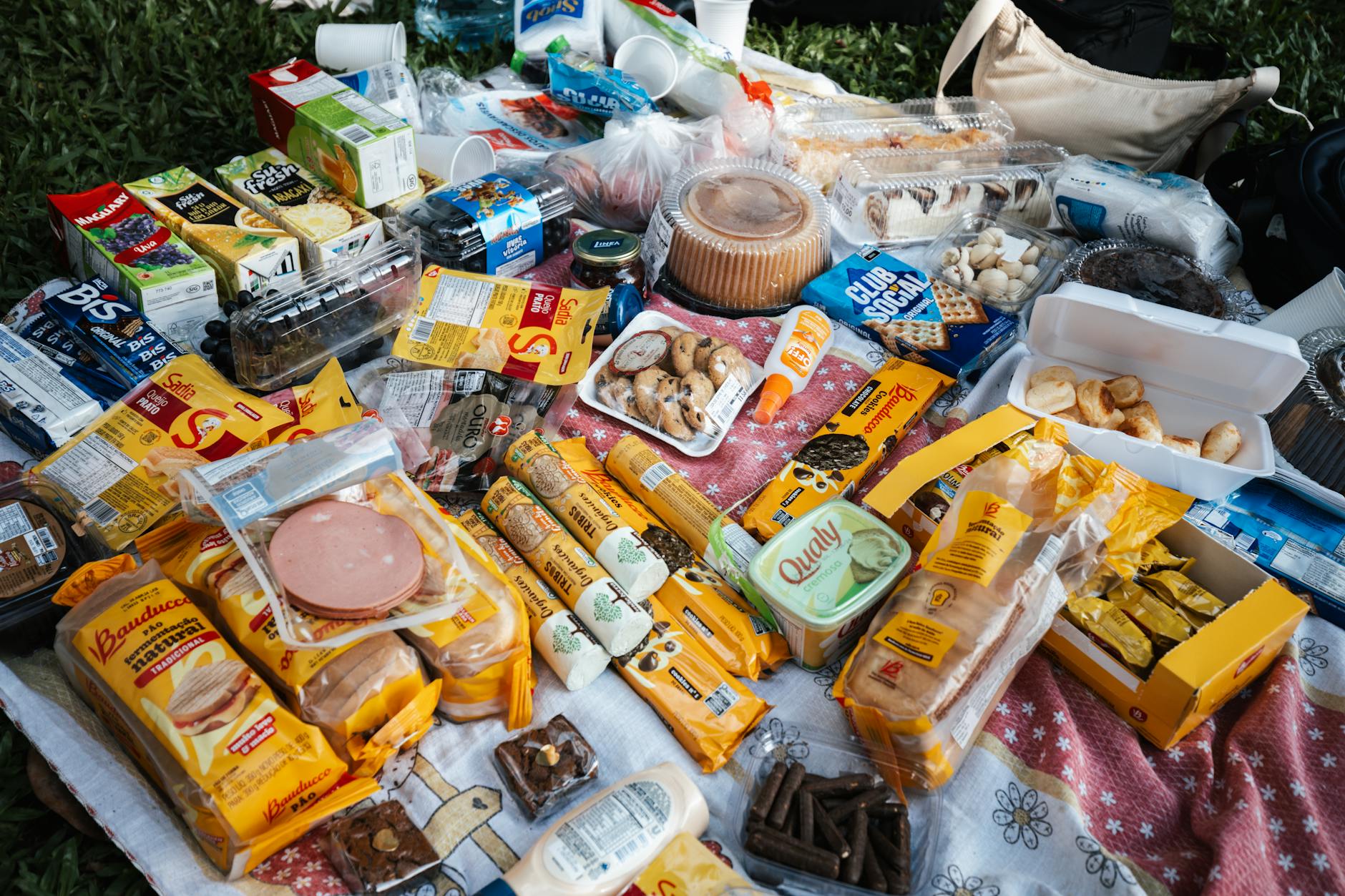
Your budgeting started with a baseline of roughly 25,000-35,000 RUB monthly on groceries per person in the Russian capitals, then adjust quickly based on preferences and sales.
Shopping list essentials typically consume the base budget: dairy 2,000-4,000 RUB, meat 3,000-7,000, vegetables 3,000-6,000, fruits 2,000-4,000, grains and bakery 2,000-3,500, other staples 2,000-4,000; total often lands in the thousands of rubles, below the higher end when you favor local staples.
Eetgelegenhedenprijzen: goedkope maaltijden 350-700 roebel; maaltijden in het middensegment, twee personen, 2.500-4.500 roebel; koffie 120-250 roebel; drankjes 200-500 roebel. Snelle snacks en af en toe een hapje kunnen de wekelijkse kosten opdrijven, dus balanceer met thuismaaltijden.
Budgettips: let op seizoensgroenten en -fruit, vergelijk de prijs per kilogram en maak gebruik van loyaliteitsprogramma's; koop in bulk bij diepe kortingen; vermijd impulsaankopen; plan maaltijden rond wat in de aanbieding is; draai het menu om verspilling te verminderen. Moet je nog verder bezuinigen? Kies dan voor kleinere verpakkingen en shop slimmer. Zie je ergens een koopje? Grijp je kans; zo niet, overweeg dan alternatieven zoals huismerkproducten om de kosten laag te houden.
Vervoersuitgaven bepalen de bestedingen; een maandkaart zorgt voor voorspelbare kosten. Bewust zijn van waar je moet winkelen bespaart duizenden; de stadsarchitectuur en een verkopersbond beïnvloeden waar aanbiedingen op de schappen verschijnen. Kijken naar bannerpromoties en weekendmarkten helpt een stabiele lijst op te bouwen en pieken te verminderen.
Starter list: staples include milk, eggs, bread, pasta or rice, cooking oil, seasonal vegetables, fruit, dairy products, yogurt, cheese, tea or coffee, and basic spices; add meat or fish a few times weekly. Approximate weekly spend ranges 4,000-7,000 RUB depending on choices and quantity, with a monthly total near the 25,000-35,000 RUB range. Birth of new markets in neighborhoods expands options, so keep eyes open and refresh the list to cover essential needs.
Je bouwt een gewoonte op die misschien levenslang standhoudt; onthoud dat prijswijzigingen soms snel kunnen optreden, dus bewaar bonnetjes en pas je budget tijdig aan, terwijl je een positieve instelling behoudt.
Openbaar vervoer: Opties voor openbaar vervoer en maandkaarten
Koop een Troika-kaart bij elk metrostationkiosk en laad er een maandelijks bedrag op. Dit biedt uitstekende waarde en is de beste manier om efficiëntie te maximaliseren. Ga stations binnen met één tik, en overstappen binnen een venster van twee uur houden verbindingen open over drie routes, waardoor levens in de hele stad verbonden blijven.
De metro is de ruggengraat, maar drie hoofdvervoersmiddelen werken met de kaart: metro, bus en tram. Het trolleybusnetwerk en voorstadstreinen breiden de reikwijdte uit naar de buitenwijken. Overstappen tussen de vervoersmiddelen is eenvoudig, en het open netwerk maakt routeplanning voor reizigers wereldwijd eenvoudig. Voor Britse reizigers is het systeem bekend en gemakkelijk te navigeren.
Maandabonnementen bieden onbeperkt reizen binnen een kalendermaand. De maandoptie is snel rendabel als je dagelijks reist; verwacht enkele duizenden roebels te besteden. Prijzen worden in roebels weergegeven, en één abonnement dekt de meeste frequent bereden routes binnen de stad en nabijgelegen zones; de waarde is uitstekend.
Praktische tips voor Britse reizigers: Koop bij officiële kiosken of via de betrouwbare app en laad het maandabonnement dat bij je uren past. Herken de officiële programma's en hulpbalies die Engelstalige assistentie bieden, wat de overgang vergemakkelijkt voor zowel nieuwe aankomelingen als inwoners.
Tijdsgebonden toegangsmomenten zijn er op sommige routes om piekmomenten te reguleren. Raadpleeg de routekaart voor drie belangrijke corridors in het westen; later op de dag blijft de dienstverlening betrouwbaar, hoewel de frequentie afneemt. Het systeem ondersteunt open planning met eenvoudige aansluitingen en minder overstappen om je bestemming te bereiken.
Voor budgetplanning lopen de benzinekosten in taxi's of ridesharing al snel op; een slim gekozen abonnement verlaagt de totale reiskosten en sluit aan bij dagelijkse routines, van korte boodschappen tot langere woon-werkverkeer, met een systeem dat geschikt is voor kleinere wijken in het stadscentrum. Geen nukkige prijs trucs hier; de tarieven zijn helder en van tevoren bekendgemaakt.
Wees voorzichtig met onbetrouwbare aanbieders buiten de stations; er zitten oplichters rond de ingangen. Blijf bij officiële loketten en legitieme opladpunten; let op reizigers - sorry voor het gedoe, maar door je aan officiële kanalen te houden blijf je veilig en voorkom je oplichting.
Uiteindelijk raakt dit netwerk levens in de hele stad; de betrouwbaarheid en het brede bereik maken het de beste keuze voor veel inwoners en bezoekers die de westelijke wijken en andere districten willen verkennen. Het blijft open voor reizigers wereldwijd, en de programma's bieden voortdurende ondersteuning voor latere aankomsten en mensen uit kleinere plaatsen, met eenvoudige navigatie en voorspelbare kosten.
Gezondheidszorg, Verzekeringen en Medicijnen: Kosten en dekking uit eigen zak
Regel binnen enkele weken na aankomst een particuliere ziektekostenverzekering die doktersbezoeken, onderzoeken en voorgeschreven medicijnen dekt; vergelijk vijf aanbieders om te veel betalen te voorkomen.
Openbare ziektekostenverzekeringen bieden gratis eerstelijnszorg en spoedeisende hulp, maar wachttijden kunnen lang zijn en veel medicijnen worden niet volledig vergoed. De beschikbaarheid van specialisten is afhankelijk van de locatie; privéklinieken vullen de leemte, dus u moet budgetteren voor eigen betalingen.
Private doctor visits typically range from 1,500 to 5,000 rubles; specialists 2,000-6,000 rubles. A basic private consultation costs less in some districts, while a hospital stay in a private facility can run from 8,000 to 25,000 rubles per day, with differences by compact room type and service level. When planning, have a clear sense of the numbers to avoid surprises on the bill. If you travel by trains or walk, choose a clinic within convenient distance to minimize time and stress.
Medicijnen zijn breed verkrijgbaar bij apotheken in de buurt van elke wijk; farmaceutische goederen worden op voorraad gehouden met voortdurende ontwikkelingen die de toegang verbeteren. Generieke medicijnen helpen de rekening met 30-70% te verlagen in vergelijking met merkmedicijnen; controleer altijd het actieve ingrediënt op de fles en het recept. Vergeet niet de fles en het recept mee te nemen bij een bezoek aan een andere apotheek om extra ritten te voorkomen. Voor dure therapieën kunt u zoeken naar kortingsprogramma's of patiëntenhulpprogramma's; sommige plannen bevorderen besparingen door medicijnaankopen te bundelen. Prijzen variëren per district en onder de bevolking.
Niet-voorgeschreven artikelen zoals pijnstillers, vitamines en zelfs drankjes hebben geen invloed op de dekking; echter, sommige klinieken oefenen druk uit voor sneltests die de rekening opdrijven. Naar mijn mening verdienen onschuldige patiënten duidelijke uitleg en moeten ze onnodige tests vermijden; vraag altijd om een gespecificeerde factuur waarop elke bezoek, procedure, medicatie en korting staat vermeld; cijfers op de factuur helpen u te begrijpen waar het geld naartoe gaat. Als u details vergeet, vraag dan om een kopie van de bon en bewaar deze bij uw administratie. Houd er rekening mee dat matigheid ertoe doet: vermijd bier voor procedures of tests om nauwkeurige resultaten te garanderen.
Bij het selecteren van zorgaanbieders kunt u overwegen om opties in de buurt te kiezen die te voet of met het openbaar vervoer, inclusief treinen, bereikbaar zijn. Vijf praktische stappen helpen de kosten te minimaliseren: verifieer bestaande dekking; kies voor generieke medicijnen; vergelijk apotheekprijzen; kies voor gebundelde plannen wanneer aangeboden; reserveer premium kamers alleen indien medisch noodzakelijk. Ontwikkelingen in het systeem zijn onder meer telezorg en digitale planning die bezoeken verminderen; dit houdt een snel tempo aan voor routinematige zaken en verlaagt de totale kosten.
Prijzen variëren per district en per bevolking; op sommige plekken bieden privéklinieken korte servicetijden, en op andere blijven lange wachtrijen bestaan. Houd een kalme benadering aan, respecteer schema's en bevorder transparantie door gedetailleerde rekeningen en kwitanties te vragen om elke kostenpost bij te houden. Voor dagelijkse behoeften maken nabijgelegen klinieken en apotheken en compacte winkels het gemakkelijk om de continuïteit van zorg te handhaven zonder ver van huis te dwalen.
Onderwijs, kinderopvang en scholen: Kosten voor afhankelijken
Kies een locatie waar betrouwbare centra dicht bij uw appartement geclusterd zijn om de reistijd te minimaliseren en ontwikkeling te maximaliseren, zodat uw kind een glimlach behoudt. Zulke nabijheid bevordert ook de interactie met leraren en leeftijdsgenoten, waarbij een levendige dagelijkse routine gestage vooruitgang ondersteunt. Overweeg tijdens verhuizingen hotels die kindvriendelijke programma's aanbieden terwijl u zoekt naar een stabiele optie.
Regionale aanbieders gaven aan dat de grootste kloof ligt tussen gemeentelijke en particuliere opvanglocaties. Gemeentelijke centra hanteren lage tarieven, soms met kortere openingstijden, terwijl particuliere centra hogere tarieven hanteren voor verlengde opvang en gespecialiseerd personeel. Zulke gevestigde faciliteiten hebben de neiging om hogere normen te handhaven, wat vertrouwen wekt bij ouders die waarde hechten aan voorspelbare schema's en geduldige leerkrachten tijdens de cruciale vroege jaren.
Typical options and fees, expressed in local currency, help families plan ahead. For municipal preschool and kindergarten, expect 0-12,000 RUB monthly. Private centres charge about 60,000-180,000 RUB monthly, translating roughly to 700-2,000 USD monthly. International K-12 schools publish annual tuition in the 15,000-40,000 USD range, with additional charges for exams, uniforms, and transport. Nannies or au pairs bill around 600-1,000 RUB per hour, equating to roughly 25,000-70,000 RUB monthly depending on hours. After-school clubs run about 5,000-25,000 RUB monthly, offering important development time beyond core hours.
| Option | Typische maandelijkse kosten (RUB) | Jaarlijkse collegegeld (USD) / opmerkingen | Notes |
|---|
| Gemeentelijke peuterspeelzaal/kleuterschool | 0-12,000 | 0-140 maandelijks equivalent | Laag segment, locatie-afhankelijk; kortere werktijden gebruikelijk |
| Particuliere kleuterschool/kinderdagverblijf | 60,000-180,000 | 700-2,000 | Vaak verlengde openingstijden; kunstverlichting en goed uitgeruste ruimtes gebruikelijk |
| Internationale school (K-12) | N/A | 15,000-40,000 per year | Uniformen, examens, vervoer meestal extra |
| Oppas / au pair | 600-1,000 per hour | 25,000-70,000 monthly (depends on hours) | Achtergrond verifiëren; gebruik contracten |
| Naschoolse clubs | 5,000-25,000 | 60-300 per maand | Belangrijk voor sociale interactie en gestructureerde activiteit |
Plan met een stabiele wisselkoers om verrassingen te voorkomen; koersen fluctueren, soms door regionale gebeurtenissen. De meest betaalbare optie is een gemeentelijke voorziening, maar de grootste langetermijnwinsten komen van internationale of gerenommeerde particuliere centra, waar gestructureerde curricula en onderhouden faciliteiten gestage vooruitgang ondersteunen. Als je het vergelijkt met Chicago, is het spectrum vergelijkbaar qua breedte, maar lokale opties binnen een beperkte straal kunnen snellere toegang bieden tot gespecialiseerde Engelstalige programma's en regionale netwerken, waar emissievrij transport en consistente openingstijden verstoringen van dagelijkse routines minimaliseren.