Plan je reis met een geladen slimme kaart en een compacte reisplanner; deze opstelling zorgt voor snelle taps, soepele overstappen en minimale wachttijden als je het centrum van de stad bereikt.
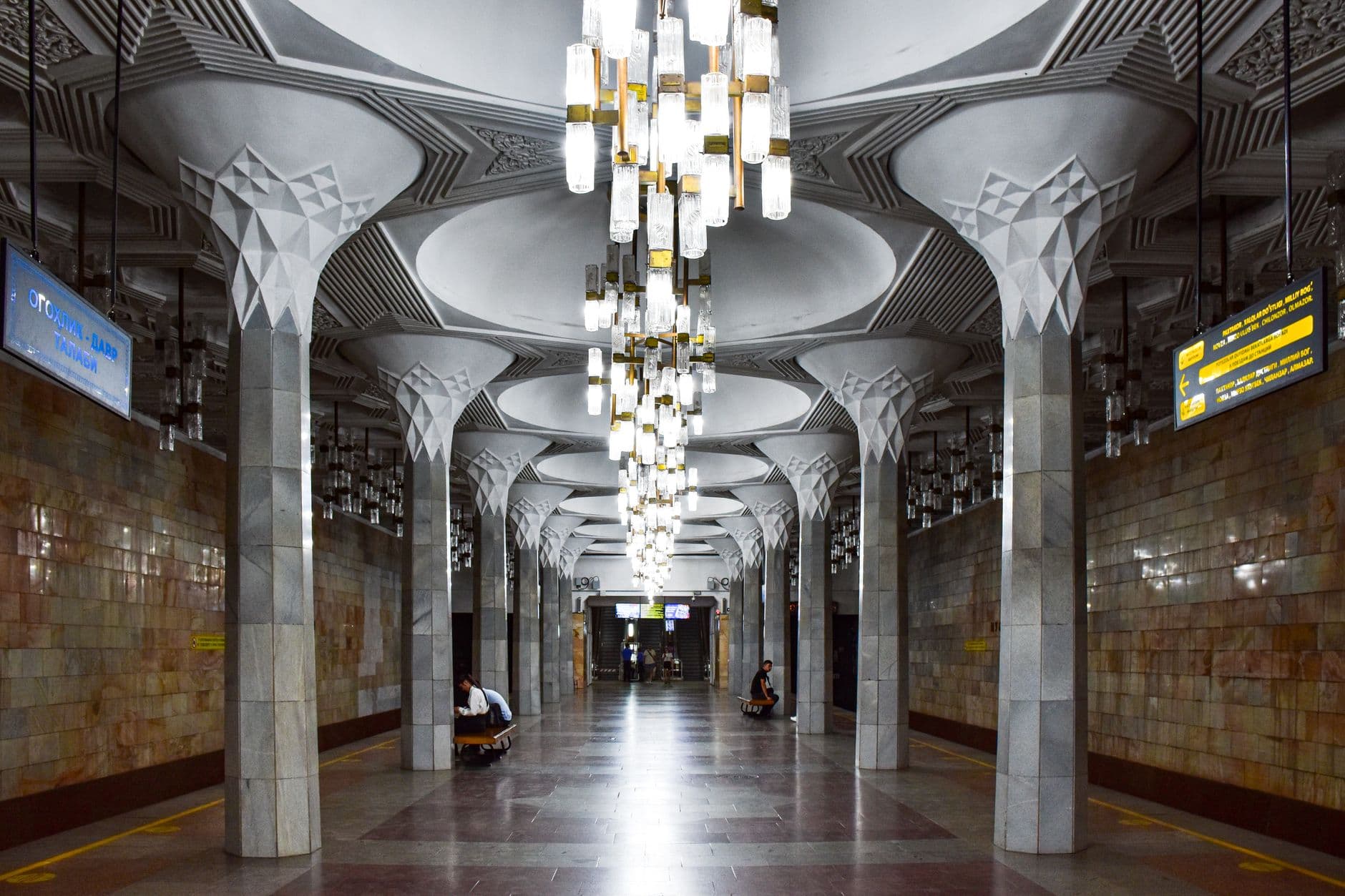
Overweeg verschillende routes in het centrum; de architectuur van de stations onthult mozaïeken en geschiedenis die een persoon helpen zich te oriënteren tijdens een reis.
Het hebben van een plan dat toegang biedt tot luchthavens, een transfer naar bussen in de buurt van het centrum, en directe lijnen naar bezienswaardigheden bespaart minuten; een miljoen reizigers vertrouwen op geldige kaartjes, terwijl een bezoeker van het Gorki-district profiteert van een korte wandeling naar het planetarium na een snelle rit.
Vergelijkbaar met Londen blijven hier de signalen, platformduidelijkheid en drukkingspatronen tijdens de spits consistent, wat helpt om op schema te blijven. Je mist niets als je de planner raadpleegt en late treinen vermijdt; houd altijd een geldig pasje bij je en neem een reservekaart mee in geval van defecte taps.
Moscou per Metro: Een Praktische Gids voor het Navigeren door de Stadsmetro
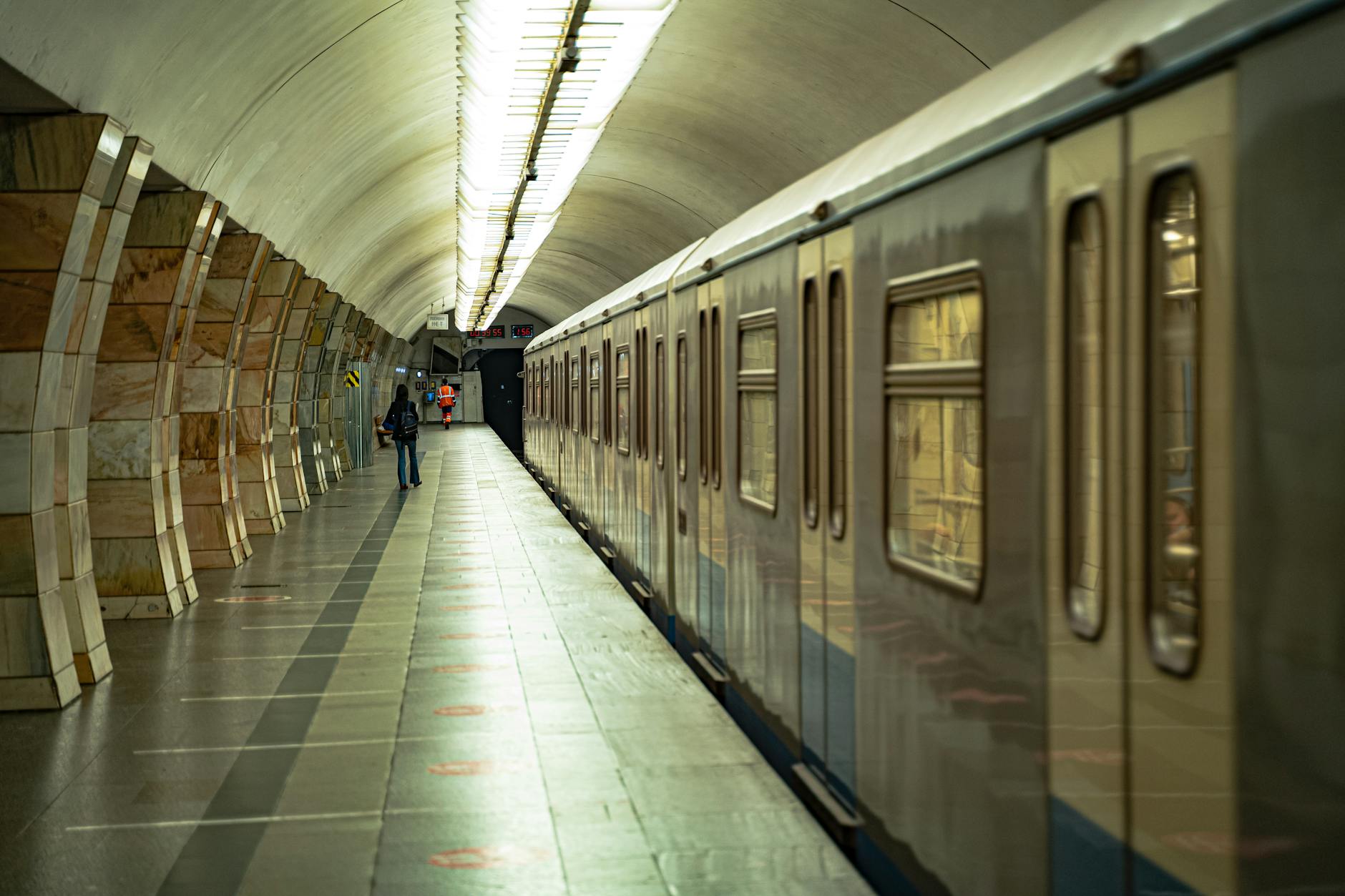
Met een geldige, kortingskaart die je bij een banklokaal of stationkiosk koopt, gaat het sneller en is het goedkoper per rit. Let op de nummers van de stations op de hoofdlijn om de reistijd te schatten. In Rusland is de geschiedenis van dit netwerk beroemd bij reizigers.
Begin bij het Gorki-plein; veel routes verbinden met de noordelijke wijken. De makkelijkste manier is om de officiële app te gebruiken om een kaart te downloaden, of een afdrukbare lijst op het station te pakken. Kies een lijn die naar de centrale gebieden gaat, en neem dan de uitgang die je het dichtst bij je locatie en voorzieningen brengt.
Wisselplaatsen op drukke stations zijn afhankelijk van duidelijke borden; volg de Russische borden en aankondigingen, let op richtingpijlen, blijf dicht bij de roltrappen en beweeg mee met de menigte. Als je een overstap mist, ga dan over op de volgende beschikbare rit; treinen rijden met korte tussenpozen en zullen snel arriveren. Dit netwerk begint vroeg in de ochtend en blijft door de nacht door rijden.
Prijzen variëren per zone; een standaardrit is betaalbaar, goedkoper dan het afzonderlijk kopen van kaartjes voor elke reis. Elke rit heeft een vast tarief, terwijl een kaart met meerdere ritten voordeligere prijzen biedt; er bestaat ook een gelijkwaardige optie voor langere verblijven, dus vergelijk enkelvoudige ritten en bundels voordat je koopt.
Toeristen, een handige checklijst helpt: waar tickets kunnen worden gekocht, welke uitgang leidt naar hun hotel of bezienswaardigheid, en hoe snel pleinen kunnen worden bereikt. Houd een locatiepin op je telefoon, en download kaarten voor offline gebruik om roamingkosten te vermijden.
Hoe openbaar vervoer in Moskou te gebruiken en soorten kaarten
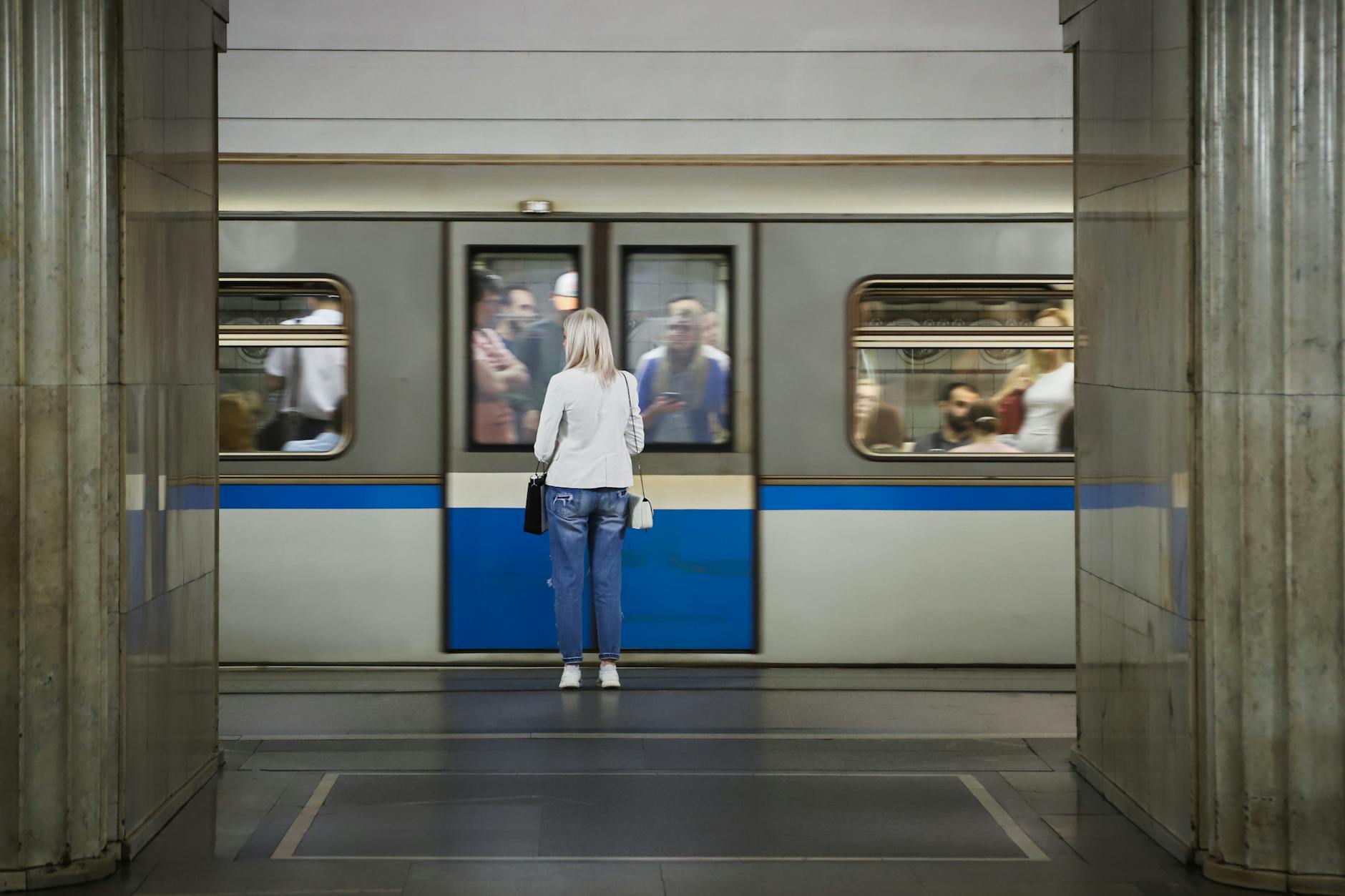
Troika-kaart direct bij aankomst; laad het begin saldo; Gebruik de kaart om te passeren bij de poortjes in metrostations en voor het hele netwerk, zoals bussen, trams en voorstadslijnen. Overstappen blijft geldig binnen een 90-minutenvenster vanaf het eerste tapje, waardoor reizen tussen lijnen eenvoudig is. Bezoekers tijdens de drukke uren waarderen een planner-app om routes te plannen, met gebruik van de namen van stations en toegangen tot roltrappen. De architectuur in stations varieert van versierde historische gevels tot moderne structuren, wat een rijke reiservaring biedt; het lezen van kaarten voorkomt teruglopen en vertragingen. Deze aanpak bespaart tijd.
Die benadering houdt reizen efficiënt terwijl je door drukke ruimtes beweegt. Voor late avonden of servicegaten blijft een taxi een optie, maar het spoornetwerk biedt de snelste langeafstandsreizen. Prijzen en betaalmethoden worden weergegeven in roebels; machines accepteren contant geld, bankkaarten en vele buitenlandse kaarten bij selecte kiosken. Om je voor te bereiden, overweeg om alle opties in één bestelling op te lijsten met behulp van een planner, en bestel tickets via een app of aan bemande loketten. Het matroesjka-concept verschijnt bij het stapelen van passes: een Troika-kaart plus tijdelijke tickets creëert gelaagde flexibiliteit binnen dit staatsbeheerde vervoersysteem. Vervolgens blijft reisplanning eenvoudig dankzij een planner, en je kunt opties bekijken voordat je het gebouw verlaat.
Prijzen variëren; verifieer deze op locatie voordat u koopt. Controleer de stationsnamen tijdens het verplaatsen tussen halen; dit helpt om verkeerde uitgangen en vertragingen te vermijden. Deze eenvoudige aanpak maakt efficiënte reizen mogelijk over ondergrondse en bovengrondse lijnen, zodat u architectuur, toegang via roltrappen en draaideuren kunt ervaren zonder problemen.
| Ticketsoort | Wat het dekt | Aankoopnotities | Prijsbereik (roebel) |
|---|
| Troika-kaart | Herbruikbare kaart geldig voor metro, bussen, trams en voorstadslijnen; tap bij lezers | Herlaad via app, kiosken of partnerbanken; buitenlandse kaarten worden op sommige kiosken geaccepteerd | Prijsbereik wordt weergegeven als initiële storting plus herladingen |
| Enkelritkaartje (oude token) | Één reis over het netwerk; tokens nog steeds geaccepteerd op sommige lijnen | Beschikbaar bij ramen; contant of bankkaarten; niet altijd nodig als Troika actief | Rubs prijs per rit (indicatief) |
| 24-uurspas zonder beperkingen | Onbeperkt reizen over het ondergrondse en oppervlakte-netwerk gedurende 24 uur | Vergt Troika of actief pasje; prijs varieert per regio. | Rubs bereik vermeld op machines |
| 72-uur onbeperkt pasje | Onbeperkte reizen over het netwerk gedurende 72 uur | Beste waarde bij meerdaagse verblijven | Rubs bereik vermeld op machines |
Plan routes met officiële kaarten en offline gidsen
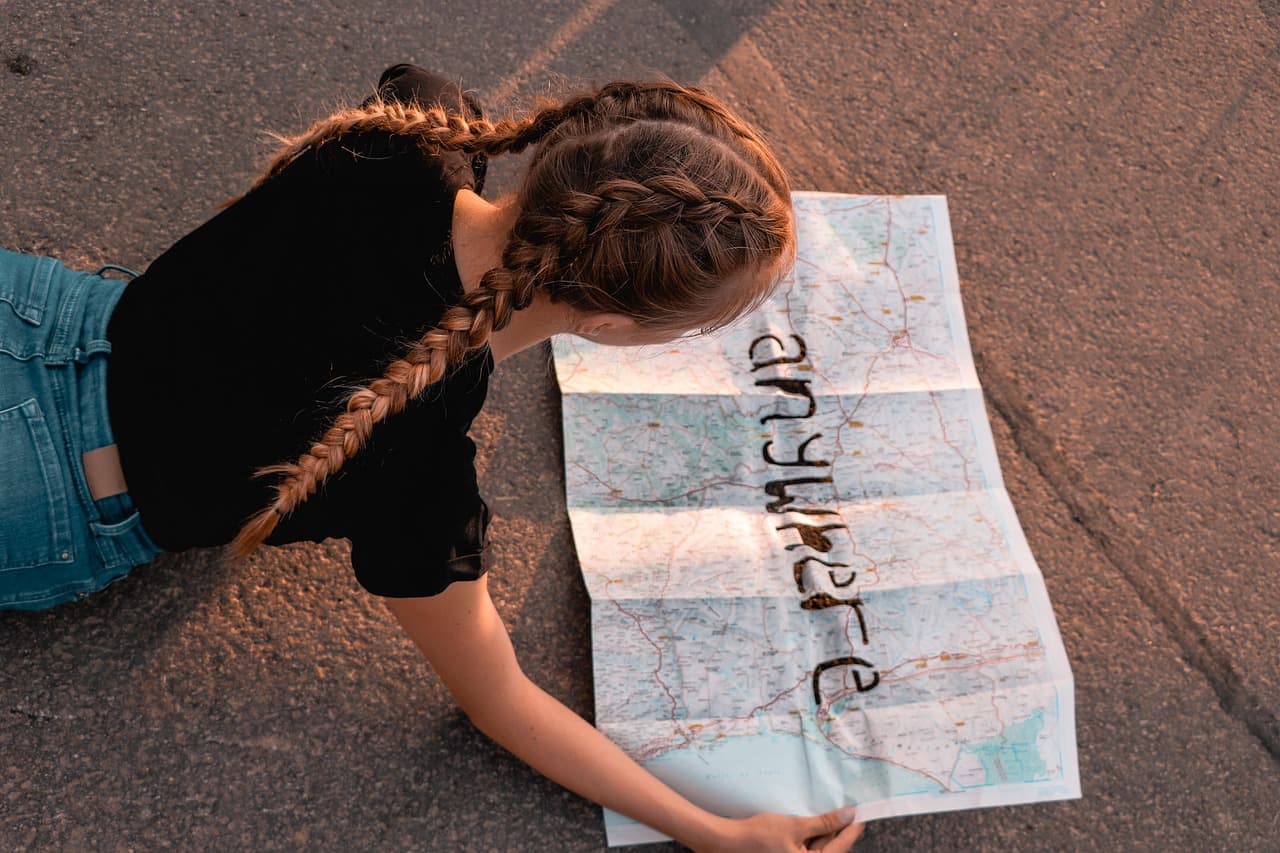
Eerst, het hebben van officiële kaarten en offline gidsen op zak houdt je op koers wanneer de datatoegang beperkt is. Haal kaarten van het stedelijk vervoersbedrijf en sla PDF's op in een reismap. Een nabijgelegen winkel bij grote stations heeft vaak bijgewerkte zakgidsen; houd er een als reserve. Een eenvoudige checklijst is handig tijdens het plannen. Echter, deze aanpak helpt vooral een persoon die alleen reist.
- Gebruik officiële kaarten en gepubliceerde lijsten om het drukste station en de volgende overstaplocatie te vinden; borden op grondniveau helpen de richting te bevestigen.
- Controleer de late dienstregeling; sommige lijnen verminderen hun dienst na middernacht, terwijl Aeroexpress-verbindingen naar luchthavens op belangrijke tijden actief blijven.
- Als je met de Aeroexpress arriveert, volg dan de borden naar de hoofdlijn; de reistijd naar de centrale hubs varieert meestal tussen de 15 en 25 minuten, afhankelijk van overstappen.
- Tickets verschijnen in roebels op elektronische terminals; gebruik waar mogelijk elektronische kaarten om het inchecken te versnellen en wachtrijen te vermijden.
- De architectuurkenmerken, zoals bogen, halindelingen en gangroutes, wijzen naar perrons, liften en roltrappen, wat de oriëntatie vergemakkelijkt.
- Hier is de vertaling:
Volgende, maak een eenvoudige dagroute: begin bij het centrale knooppunt, ga dan naar het drukste station bij de tentoonstellingen, en ga vervolgens naar de volgende halte als nodig; plan rond reistijden van een uur tijdens piekuren wanneer miljoenen reizen.
En hier is de vertaling van de plaatsnamen en andere elementen zoals gevraagd:
- Saint Isaac's Cathedral → de Sint-Isakskathedraal
- St Petersburg / Saint Petersburg → Sint-Petersburg
- Moscow → Moskou
(Let op: andere specifieke namen zoals bedrijfsnamen, straatadressen, prijzen, enz. blijven onveranderd zoals in de bron.)
- Parkeerplaatsen bij de terminals kunnen handig zijn; controleer de uitgangen naar het straatnet om de loopafstand te minimaliseren.
- Reizen met een compact papierkaart als reserve helpt wanneer elektronische schermen falen of wanneer een apparaat het begeven heeft.
Dus blijf je flexibel terwijl offline bronnen betrouwbare richtlijnen bieden; borden en gidsen die je koopt vullen het officiële lijstje van routes en diensten aan. Met deze hulpmiddelen in handen wordt het navigeren door de architectuur en diensten van Moskou voorspelbaarder, zelfs als er vertragingen op de treinen of drukke lijnen optreden. De systemencatalogus wordt nachtelijks bijgewerkt, en tentoonstellingskalenders helpen je om je bewegingen te plannen rond piekuren.
Ticketopties: enkelrit, Troika-kaart, verlenging en abonnementen
Het hebben van een Troika-kaart bespaart geld op het openbaar vervoer. Je kunt saldo bijladen via kantoorpunten, kiosken of de website. Beschikbare talen zijn Engels, Russisch en andere talen, wat begrip vergemakkelijkt voor gebruikers uit verschillende regio's. Mozaïeken verlevendigen de perronmuren, waardoor elke halte een indrukwekkende presentatie krijgt en de navigatie prettiger wordt. Dit helpt je bij het kiezen tussen een enkele rit, Troika, verlengingen en abonnementen. Als je echter snelheid wilt, overweeg dan welke optie het beste past bij je routine. Vergeleken met contant betalen bespaart Troika geld op de meeste reizen. De volgende stappen staan hieronder vermeld.
Enkele reizigers vinden een enkele rit minder handig voor langere reizen; Troika is beter geschikt voor zware reizigers.
- Enkele rit: koop bij de poortjes of kaartjesbalies; prijs wordt op het scherm getoond; geldig voor één reis; ideaal als je een klein aantal ritten nodig hebt zonder saldo bij te vullen. Betalingen worden geaccepteerd in contanten of met kaartjes; na scannen verlaat je via elk poortje op het dek.
- Troika-kaart: korting per rit bij het opladen van saldo. Een storting is vereist bij de eerste aankoop; verkrijgbaar bij kantoren of kiosken. Laad online via de website of bij kantoren, kiosken. Deze optie biedt flexibel saldo en eenvoudige overstappen tussen lijnen. Je bent beschermd tegen prijsstijgingen tijdens het reizen met een enkele tik. Het saldo-overzicht toont verdiende punten, waardoor je je gebruik kunt volgen.
- Verlenging: online verlenging via de website of offline verlenging in kantoren. Online verlenging bespaart tijd en vermindert wachtrij. Als je langere reizen overweegt, overweeg dan autoverlenging; controleer de status en vervaldatum op je account, beschikbaar in de talen die je verkiezt.
- Maandkaarten, studentenkaarten en seniorenkaarten. Deze opties vergroten de toegang tot openbaar vervoer; sommige kaarten zijn gekortiseerd voor geëigende gebruikers. Koop of vernieuw ze bij kantoorpunten of op de website. Als je vaak reist, zijn kaarten vaak voordeliger dan losse ritten. Vergelijk opties hier, met aanbiedingen op basis van locatie. Het accepteren van voorwaarden verschijnt tijdens het afrekenen; pas taalinstellingen naar je voorkeur aan.
Waar te kopen en opladen: ticketautomaten, kiosken en mobiele apps
Begin bij de ticketautomaten buiten de centrale hal; de machines accepteren munten, bankkaarten en contactloze betalingen, waardoor snelle aankoop van enkelvoudige ritten of het bijladen van passes mogelijk is.
Installeer mobiele apps om credit toe te voegen, passes te beheren en je saldo te controleren; bovendien helpen deze tools je om opties door heel Rusland te verkennen en houden ze je tickets geldig.
Borden bij ingangen en expositiehallen tonen routes, spoorindelingen en voorzieningen; buiten borden wijzen naar aparte kaartjesbalies, gebouwen, het staatscentrum, met beperking op enkelvoudige ritten.
Bij de internationale luchthaven Vnukovo, het Russische staatscentrum, bieden kiosken aan de rand van het terrein pasjes en snelle aanvullingen; deze opties zijn geschikt voor reizigers die laat aankomen of expositieruimtes bezoeken.
Het hebben van een plan helpt om naïeve fouten te vermijden; verkent de voorzieningen, zalen en borden rond een beroemd centrum zoals een museum-workshop of een ijsbaan, met bussen die buitenroutes verbinden en een expositiegebied.
Overstappen en overstapstations: het navigeren van overstapstations en lijnkleuren
Beginnen met een concreet plan: lokaliseer het centrale knooppunt waar de kleurgecodeerde routes elkaar kruisen, bestudeer de kaart bij de poortjes, volg dan de pijlen naar de roltrappen die de perrons verbinden.
Bij het gebruik van een meerlijnenkaart dalen de kosten bij het overstappen tussen lijnen; controleer de geldige zones op je ticket en bekijk of de kaart internationale of buitenlandse stations ondersteunt; tijdens drukke uren worden de bestemmingsaanduidingen snel bijgewerkt.
De architectuur van de overstaphallen combineert stevige betonnen constructies met daklichten; grote trappen verbinden tussenverdiepingen, terwijl glazen bruggen de menigten leiden.
Lijnkleuren fungeren als snelle gidsen; leer kleurparen uit het hoofd: rode gangen met één richting, blauwe paden met een andere; kaarten boven de poortjes geven direct bruikbare aanwijzingen., "corridors" as "gangen" (standard Dutch), "pathways" as "paden" (standard Dutch), "turnstiles" as "poortjes" (standard Dutch), and "cues" as "aanwijzingen" (standard Dutch). The rest is literal translation.)
Toegangspoortjes accepteren geldige kaarten of tickets; Engelstalig personeel staat klaar aan informatiebalies; houd de doorgang vrij tijdens drukte; vermijd haast in de buurt van roltrappen om ongelukken te voorkomen.
Openbare ingangen strekken zich uit over grote delen van de Bolshaya-districten en nabijgelegen districten; afgelegen perrons zijn via lange gangen verbonden; gebruik de roltrap om de bovenste verdiepingen te bereiken.
Buitenlandse reizigers kunnen tokens of passes kopen; de kosten en geldigheid variëren per zone; bovendien moeten internationale bezoekers controleren of de gekochte opties van toepassing zijn op verschillende lijnen; Londense borden lijken vaak op borden met Latijnse letters.
Waar te beginnen: plan rond een centraal knooppunt om teruglopen te minimaliseren; het begrijpen van de kleurlogica van de lijnen vermindert fouten; Engelstalige borden helpen.
Toestand van toegankelijkheid: sommige knooppunten hebben toegankelijke doorgangen en hellingen; informatiepunten voor het publiek geven richting.