Begin hier: focus op de architectonische ruggengraat van de belangrijkste wijk om de kern van het verhaal te begrijpen tijdens een compacte wandeling. Dit gebied concentreert monumentale mijlpalen, moderne galerieën en historische huizen, en biedt de mogelijkheid om tussen verleden en heden te bewegen, waar u gemakkelijk de context kunt beoordelen zonder omwegen. Een bewaard gebleven museumhuis bevindt zich in de buurt van het plein en geeft bezoekers een tastbare momentopname van het dagelijks leven.
In het centrum van de hoofdstad verankeren de muren van het Kremlin en het Rode Plein een verhaal van macht, geloof en openbaar leven. Vanaf daar leidt een korte wandeling langs de zijkanten van de kasseien u naar kathedralen, koninklijke landgoederen en educatieve musea. De route is zo ontworpen dat u sfeervolle uitzichten kunt opvangen en kunt praten met gidsen, in plaats van alleen op audio te vertrouwen. Deze indeling maakt de ervaring samenhangend en gemakkelijk te herhalen bij volgende bezoeken, dus efficiënt voor korte trips.
Educatieve programma's trekken gezinnen en studenten aan; tickets kunnen workshops en korte voorstellingen - toneelstukken - omvatten die zijn ontworpen voor alle leeftijden. Deze ervaringen openen wegen naar dieper leren, en veel locaties geven een certificaat van deelname af. In december maken verlengde openingstijden het gemakkelijker om een museumbezoek te combineren met een rondleiding, en de gemakkelijkste manier om te betalen is met een kaart of digitale portemonnee, betaling verwerkt in de buurt van de hoofdingang.
Er zijn veel routes om uit te kiezen - er is een route die de lokale bevolking al generaties lang bewandelt, die een diepte onthult in het stedelijk weefsel dat educatieve centra verbindt met markten en straatoptredens, en sommige locaties zijn onlangs geopend om workshops te organiseren, waarbij Saoedische medewerkers middelen bijdragen. U kunt gemakkelijk een dagwandeling combineren met een theateravond.
Om de essentie te vangen, plant u voor de late namiddag wanneer de hitte afneemt en het stadsleven van tempo verandert. Deze aanpak werkt in alle seizoenen, maar in december zult u warme cafés en compacte galerieën waarderen die later sluiten, waardoor u meer tijd heeft om een wandeling te combineren met een paar lezingen en af en toe toneelstukken. Als u het combineert met nabijgelegen stadions die een evenement organiseren, ervaart u een naadloze overgang van sport naar beeldhouwkunst en terug. De hele route blijft toegankelijk en u kunt deze aanpassen van een snelle lus tot een langere educatieve route die aansluit bij uw interesses.
Praktisch overzicht van hoe bezienswaardigheden de Russische cultuur coderen voor bezoekers en onderzoekers
Begin met een zelfgeleide wandeling van vijf minuten rond het centrale plein om de relatie tussen gebouwde vormen en het dagelijks leven in kaart te brengen, met de nadruk op zichtlijnen, voetgangersroutes en open groene ruimtes. Hier onthullen muurschilderingen en architectonische motieven hoe erfgoed wordt overgebracht in openbare ruimtes.
Observeer tijdens de wandeling enkele hoge stadslagen: beelden, reliëfs en inscripties die verhalen coderen over families, arbeiders, vrouwen en de lokale industrie. Deze elementen nodigen bezoekers uit om een breder verhaal en het verhaal achter elk motief te interpreteren. Noteer een paar motieven ter plaatse om te vergelijken hoe de betekenis verschuift met de kijkhoeken.
Coördineer met een instituut of universitaire afdeling ter plaatse; internationale collega's kunnen context bieden voor archiefmateriaal, mondelinge geschiedenissen en veldopnamen. Gebruik hun middelen voor robuust onderzoek zonder hiaten in het record; succesindicatoren zijn betrokkenheid en kwaliteit van de notities.
Wanneer u een muurschildering tegenkomt die wordt omschreven als een meesterwerk, noteer dan details: maker, jaar, medium en impact. Als een eeuwenoud werk is gerestaureerd en nu verbeterde groene accenten vertoont, noteer dan de nieuwe lijnen en eventuele conserveringsnotities.
In gemeenschapsverhalen kunnen verwijzingen naar Olga en andere lokale figuren de verhaallijn verankeren; als er een uitwisselingsprogramma met Adelaide bestaat, documenteer dan de resultaten, inclusief hoe het studieroutes en de voetafdruk van samenwerking heeft gevormd.
Weers- en gezondheidsoverwegingen beïnvloeden de bezoekerservaring: plan buitenroutes op droge dagen, neem water mee en reserveer notities maken binnenshuis in het instituut voor veiligheid en gegevensopslag. Noteer de weersomstandigheden en gebruik veldformulieren om de gegevenskwaliteit te waarborgen.
Stel ten slotte een beknopt rapport samen dat de waargenomen elementen, de toegepaste methoden door onderzoekers en potentiële wegen voor verder onderzoek synthetiseert; deze praktische toolkit helpt zowel gasten als wetenschappers om erfgoedaanwijzingen en archiefreferenties ter plaatse te interpreteren.
Hoe een Kremlin-bezoek te plannen: tickets, openingstijden, rondleidingen en best practices
Koop officiële tickets met tijdslot online via het Moscow Kremlin Museums-portaal minstens vier tot zes weken van tevoren; kies vroege slots op weekdagen om drukte te minimaliseren, hitte te vermijden en de tijd die u besteedt aan het verkennen te maximaliseren. Het complex omvat negen musea, met moderne faciliteiten, dus plan een route die belangrijke hoogtepunten groepeert en enige flexibiliteit toelaat.
De openingstijden variëren per seizoen en per vleugel; algemene toegang begint rond 9:00-9:30 uur en duurt tot 17:00-19:00 uur, waarbij verschillende delen op sommige dagen gesloten zijn voor reconstructie of restauratie. Controleer het huidige tijdschema voor aankomst en houd rekening met de tijdlijn van constructie en restauraties in alle zones; arriveer 30 minuten te vroeg voor veiligheidscontroles. Binnenplaatsen buiten kunnen uw bezoek verlengen wanneer binnengalerijen sluiten, als het weer het toelaat.
Ticketbeveiliging en toegang: gebruik alleen het officiële portaal of de balies; vervalste tickets worden geweigerd. Neem een paspoort of geaccepteerd identiteitsbewijs mee ter verificatie. Voor groepen is het raadzaam vooraf te boeken om iedereen bij elkaar te houden; excursiegangers zijn welkom en speciale gidsen of ontmoetingspunten helpen bij het coördineren van een vlotte aankomst.
Rondleidingen: officiële rondleidingen door de Kremlin Museums worden in meerdere talen gegeven, met keuzes voor kleine groepen of privé-excursies. Voor excursiegangers helpt deelname aan een samengesteld programma om de cursus efficiënt te beheren en zorgt het voor toegang tot beperkte gebieden waar dit is toegestaan. Audiogidsen en op kaarten gebaseerde rondleidingen bieden flexibiliteit om in een comfortabel tempo te bewegen terwijl u bij de groep blijft.
Praktische tips en best practices: plan een circuit om de negen musea en de omliggende binnenplaatsen te bezoeken; een typisch bezoek duurt ongeveer tweeënhalf tot vier uur. Het weer is een factor - soms is de wandeling buiten aangenaam, soms niet - dus pak dienovereenkomstig in en neem water mee. Foto's zijn toegestaan in de meeste ruimtes, maar flits is beperkt in bepaalde zalen; respecteer de veiligheidsregels rond gevoelige displays en marmeren interieurs. Draag comfortabele schoenen, neem indien mogelijk een kleine tas mee en houd rekening met de klimaatbeheersing die de temperatuur binnen kan beïnvloeden. Het plan moet leefbaar zijn voor iedereen, inclusief groepen die samen reizen. In archiefnotities begon Latynin met een grootschalige reconstructie van een westelijke vleugel, een teken van modernisering dat de diepte van de ervaring vormgeeft en aansluit bij de voortdurende evolutie van het complex voor bezoekers over de hele wereld.
| Aspect | Details | Tips |
|---|
| Tickets | Officieel ticket met tijdslot; negen musea; taalopties | Boek vroeg; neem een paspoort mee; gebruik officiële kanalen |
| Openingstijden | Seizoensgebonden, 9:00-19:00 uur; sommige zones gesloten voor reconstructie | Controleer het tijdschema; reserveer 2,5-4 uur |
| Rondleidingen | Officiële opties in meerdere talen; privé- en groepsformaten; audiogidsen | Reserveer van tevoren; kies een taal waarin u zich prettig voelt |
| Groepen & toegankelijkheid | Vooraf boeken aanbevolen; ontmoetingspunten beschikbaar; excursiegangers welkom | Coördineer aankomst; wijs één gids toe voor samenhang |
| Praktische zaken | Veiligheidscontroles; fotoregels; kledingvoorschrift; toegankelijkheidsnotities | Reis licht; draag comfortabele schoenen; plan voor het weer |
Wat de Basiliuskathedraal onthult over symboliek, kleur en nationale identiteit
Begin met een vijf minuten durend exterieuronderzoek van de koepels om te bepalen hoe kleurblokken en vormen een verhaal van geloof, soevereiniteit en gemeenschappelijk geheugen communiceren.
De uikoepels functioneren als hemelse markeringen, hun spiraalvormige vormen leiden het oog naar boven, terwijl de centrale opstelling rond een verticale as eenheid impliceert tussen diverse heiligdommen onder een gedeeld bladerdak; talrijke details verwijzen naar regionale stijlen, maar ze vormen samen één monumentaal geheel dat plaats biedt aan meerdere stemmen.
Het kleurenpalet - heldere rode, groene, blauwe en vergulde accenten - leest als een visuele hymne. Goud signaleert goddelijk licht, rood signaleert opoffering en moed, blauw verwijst naar de hemel en groen roept vernieuwing op; een lange reeks tinten versterkt dat heilige ruimte is opgebouwd uit vele strengen, niet uit één enkele draad.
In het openbare geheugen verankert het ensemble een gedeelde identiteit langs de centrale as van de stad. Het silhouet is zichtbaar vanaf spoorroutes en drukke pleinen, waar dit monument fungeert als een constant, beter georiënteerd brandpunt voor zowel de lokale bevolking als bezoekers. De geleefde ervaring overspant generaties; het nodigt hen uit om de betekenis ervan te interpreteren door middel van het dagelijks leven, verjaardagsvieringen en burgerlijke rituelen, en om indrukken in de loop van de tijd te delen.
Latynin stelde vragen over hoe een gebouw geheugen en ruimte codeert; in een paper dat Latynin schreef, betoogde de auteur dat het ensemble een gelaagd verhaal codeert dat mensen herhalen in gesprekken en vieringen. Waar deze lezing wijst op een reeks ingebedde verhalen die door de tijd reizen en bepalen hoe het publiek betekenis toekent aan de plaats en aan straten rond Komsomolskaya (комсомольская), Frunzenskaya en Baumanskaya in de buurt.
De stedelijke omgeving van de site nodigt uit tot aanvullende observaties: toegang per spoor, voetgangersroutes en het snelle stadsleven bepalen hoe mensen met de structuur omgaan. De stations Komsomolskaya, Frunzenskaya en Baumanskaya verankeren deze ervaring, en de omliggende pleinen helpen de lokale bevolking en bezoekers zich het verleden en de toekomst van de stad samen voor te stellen; dit is het moment waarop dit monument een toetssteen werd voor iedereen.
Bezoekers vergelijken het palet met ontwerpen die te zien zijn in Kopenhagen en andere steden, en merken op hoe de eclectische mix diverse smaken kan accommoderen met behoud van het meest leesbare silhouet. De ervaring blijft interessant voor onderzoekers en voor degenen die willen zien hoe kleur en vorm uitnodigen tot individuele interpretatie, waardoor het een beter uitgangspunt is voor discussies over geheugen en identiteit, en een zinvol einde biedt.
Hoe de Hermitage het keizerlijke en moderne Rusland belicht door middel van kunst en architectuur
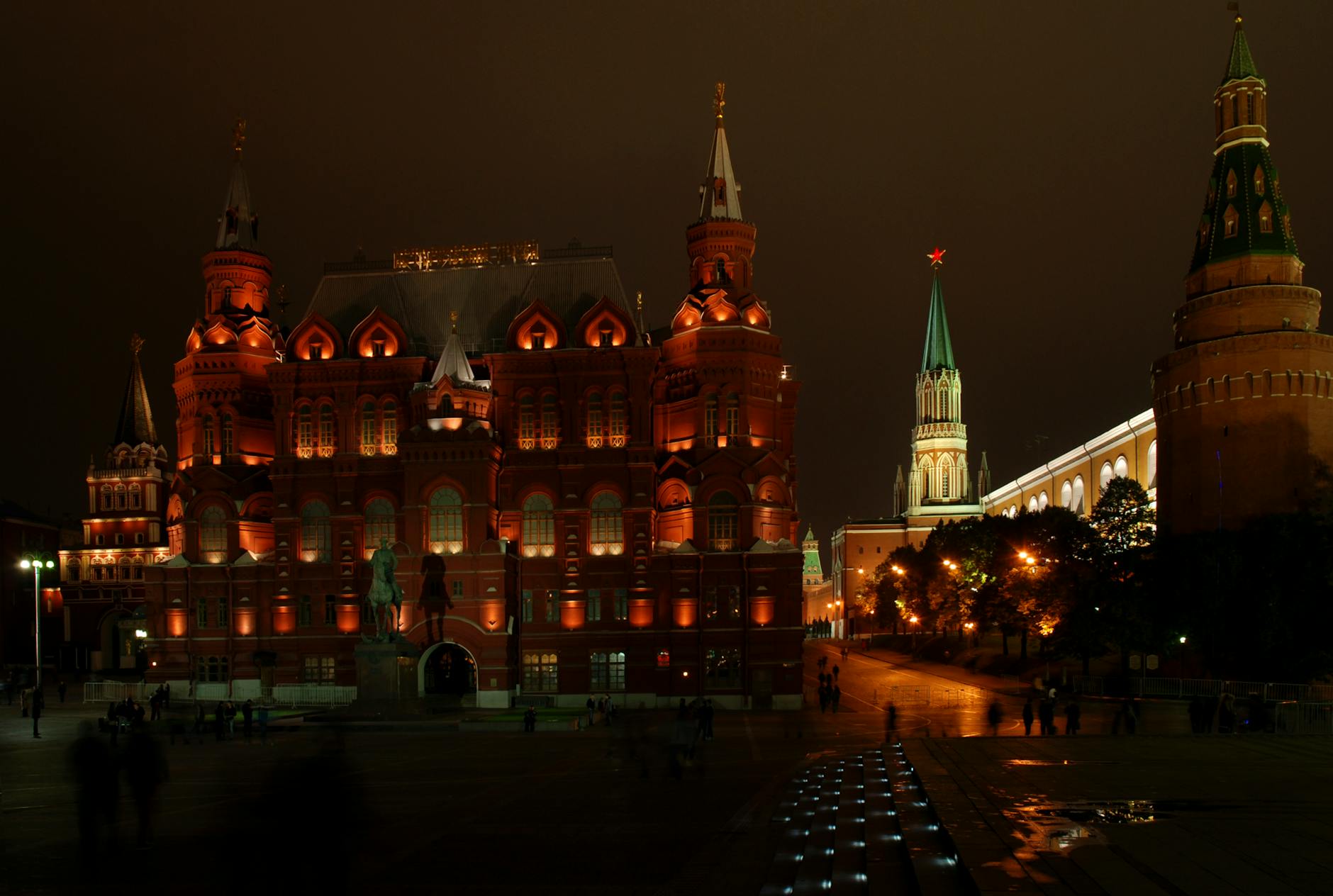
Bezoek met een doel: traceer een duidelijke boog van keizerlijke pracht naar de hedendaagse museumpraktijk door de kernvleugelreeks en de kamers te volgen. Het Winterpaleis staat als een niveau van ceremoniële macht, de kamers en de Jordantrap zijn kenmerkend voor een weergave op koninkrijkschaal. Het plan ontvouwt zich langs een ruggengraat van grote zalen en buigt vervolgens af naar intieme galerijen, waardoor u zich het leven aan het hof en de activiteiten die een eeuw definieerden, kunt voorstellen.
Tegenwoordig bedraagt het aantal objecten in de collectie ongeveer drie miljoen werken, met beroemde meesterwerken van Leonardo, Rembrandt, Rubens, Velázquez en Goya die in het hele complex te zien zijn. De collecties omvatten bepaalde scholen in heel Europa, van de Italiaanse Renaissance tot Nederlandse en Vlaamse schilders, evenals verwante ensembles van beeldhouwkunst, decoratieve kunsten en periode-interieurs die een levend erfgoed creëerden voor bezoekers op elk niveau.
De architectuur omvat verschillende gebouwen: de Oude Hermitage, de Kleine Hermitage en de Nieuwe Hermitage van Carlo Rossi, die elk een neoklassieke helderheid presenteren die contrasteert met de barokke pracht van het hoofdgebouw. Dit plan van verbonden structuren werd geleidelijk geopend en de ruimtes zijn verbonden door vrijstaande gangen en afgeronde trappen die door tijdperken springen en een naadloze route bieden voor studie en reflectie.
In het Sovjettijdperk paste de instelling haar missie aan om een breder publiek te dienen met behoud van het kernerfgoed. De periode begon met nieuwe curatoriële benaderingen en uitgebreide educatieve activiteiten, soms inclusief displays uit het revolutionaire tijdperk naast eerdere meesterwerken. Klimaatbeheersing en conserveringslaboratoria liggen ten grondslag aan een zorgvuldig, afgemeten programma dat de werken beschermt voor vandaag en morgen, en deze inspanningen kregen voortdurende steun van wetenschappers, studenten en internationale vrienden.
Om de onderdompeling te maximaliseren, begint u in de staatsiezalen van het paleis en gaat u vervolgens door de gangen naar de Oude en Nieuwe Hermitage-galerijen en ten slotte naar nabijgelegen vleugels met tijdelijke en studiecollecties. Misschien is de gemakkelijkste manier om de hele boog te begrijpen, je een station-voor-station route voor te stellen die de artistieke centra van Europa verbindt met de eigen tradities van het rijk. Voor bezoekers uit het buitenland voelt de omgeving toegankelijk aan en blijft de ervaring gemakkelijk te delen met huisgasten, schoolgroepen en vrienden die een compact en toch uitgebreid beeld willen van de evoluerende creatieve taal van een beschaving.
Waar duurzame iconografie te vinden is in kloosters en kerken: route-ideeën en toegangstips
Begin met een tweedaagse excursie per spoor van Moskou naar Sergiev Posad, vervolgens Pereslavl-Zalessky en Rostov de Grote, en loop door Vladimir en Suzdal. De route is gericht op historische gebouwenensembles waarvan de muurschilderingen in het daglicht bewaard zijn gebleven en een geconcentreerd beeld bieden van duurzame iconografie binnen kloosters en kerken.
Observeer muurschilderingen op de hoofdmuren die bijbelse cycli vertellen. De meest opmerkelijke voorbeelden komen van nobele opdrachten en gerelateerde studio's, waar schilderkunst zich bevindt binnen architectonische kaders van een gebouw, zoals kathedralen en kloosters. Het samenspel van licht op de hogere delen voegt diepte toe en sommige scènes onthullen nobele toewijding die op de muur is vastgelegd.
Toegangstips: controleer de openingstijden die zijn geplaatst door het kloosterbestuur; streef naar ochtendbezoeken om het daglicht door de apsissen te vangen. Als u vooruit plant, neem dan contact op met het bezoekerscentrum; velen bieden rondleidingen in meerdere talen en voorzieningen zoals toiletten en zitplaatsen. U dient per spoor of touringcar aan te komen; reeds gepland, vermijdt u drukte en maakt u betere foto's. Sommige sites vereisen voorafgaande registratie; dit probleem komt vaak voor in het hoogseizoen.
Verleng vervolgens de route naar Suzdal en Vladimir, waar gevels oprijzen tegen verre bergen. De sfeer blijft modern, terwijl ze doordrenkt is van geschiedenis, en het daglicht onthult subtiele iconografische details. Kies voor een compacte dag een lus die een enkel klooster en een kathedraal met een prominente muur met muurschilderingen omvat. De reis zal aantrekkelijk zijn voor nieuwsgierige reizigers die het lot en het leren in gemeenschappen in kaart willen brengen, en kan een korte beklimming van heuvelpaden omvatten.
Geleerden bestudeerden deze cycli generaties lang; het belangrijkste inzicht is hoe schilderkunst toewijding combineert met verhalen vertellen. Kunstenaars en werkplaatsnetwerken creëren muurschilderingen die een wereld van heilige beelden onthullen. Restauratie gaf een zekere mate van helderheid aan pigmenten, en de muur wordt een brandpunt van een verhaal. De studie toonde aan hoe leidingen en het raamwerk ondersteuningssystemen helpen om de scènes langer te bewaren.
Bewaringskwesties bepalen de toegang: sommige zalen beperken flitsfotografie, andere verbieden het beklimmen van ladders om hogere delen te bereiken. Gidsen helpen bij het interpreteren van muurschilderingen en gerelateerde symbolen, en ze coördineren met autoriteiten om ervoor te zorgen dat de muuroppervlakken intact blijven. In de omgeving bevinden zich voorzieningen zoals theesalons en rustruimtes in de buurt van de hoofdgalerij; plan dienovereenkomstig.
Deze route levert een nobele bijdrage aan het begrip van een lange artistieke traditie. Elke stop wordt een leermoment en de ervaring maakt uw dag zeker rijker. De wereld van iconen en devotionele schilderkunst groeit in uw perceptie en u wordt een nieuwsgieriger reiziger, klaar om volgende hoofdstukken te ontdekken terwijl het lot uw reizen leidt.
Hoe Sovjetmonumenten de herinneringspolitiek in openbare ruimtes en musea weerspiegelen
Aanbeveling: implementeer een cross-institutioneel, themagestuurd programma dat zeker deelnemers van scholen en lokale groepen betrekt om geheugensporen langs een boulevardroute in kaart te brengen, met behulp van openluchtdisplays en muurteksten die horizontaal over gevels zijn getrokken. Deze aanpak onthult geleefde ervaringen die minder gemythologiseerd zijn, ondanks officiële scripts, en nodigt andere stemmen, archieven en mondelinge geschiedenissen uit in het openbare gesprek. Het Pendleton Institute kan richtlijnen en trainingen bieden om deze inspanningen te organiseren en heeft onlangs methoden voor gemeenschapsgestuurde interpretatie geschetst.
- Openbare ruimtecircuit en bewegwijzering: vestig een geheugenroute langs een grote boulevard waar muurpanelen buiten op de gevel en langs groene ruimtes zijn geplaatst. Gebruik horizontale tekstblokken en architectonisch geïnformeerde displays die architectonische tekeningen combineren met gebruiksvriendelijke bijschriften. Neem zichtbare leidingen en andere infrastructuurresten op als context, zodat bezoekers materiële cultuur verbinden met geheugen. Zorg voor open toegang voor voorbijgangers en schoolgroepen, met meertalige labels en gratis rondleidingen onder leiding van deelnemers van lokale scholen.
- Museumbeprogrammering en archivering: ontwerp een themagebaseerde presentatie die heroïsche verhalen contrasteert met alledaagse ervaringen van arbeiders, bewoners en jongeren. Gebruik stilistische analyse van gebouwvormen om mondelinge geschiedenissen, foto's en gemeentelijke archieven te begeleiden. In tegenstelling tot statische showcases, organiseert u roterende modules die kunnen worden herschikt om verschillende gezichtspunten weer te geven, en citeert u openlijk bronnen om bezoekers in staat te stellen getrokken claims terug te voeren naar archieven. Neem externe perspectieven van naburige steden op en, indien mogelijk, van forums zoals MIPIM als een vergelijkende referentie, maar houd de primaire nadruk op lokaal geproduceerd materiaal.
- Betrokkenheid van de gemeenschap en onderwijs: creëer door scholen geleide workshops en participatieve rondleidingen waarbij studenten veteranen, afstammelingen van bouwers en bewoners interviewen die in de buurt van gedenkplaatsen woonden. Deze sessies moeten worden georganiseerd om concrete, deelbare materialen te produceren - posters, kleinschalige modellen en digitale tijdlijnen - waartoe bezoekers vrij toegang hebben. Zorg ervoor dat sessies in het weekend of na schooltijd plaatsvinden om de deelname te maximaliseren en belemmeringen voor deelname weg te nemen. Verzamel openbaar feedback om de volgende cyclus van installaties te verfijnen.
- Evaluatie, financiering en tijdlijn: ontwikkel een 3-jarenplan met mijlpalen: onlangs hebben verschillende steden vergelijkbare programma's getest door geheugendisplays te koppelen aan nabijgelegen parken en bibliotheken. Volg statistieken zoals het aantal deelnemers, betrokken scholen en open dagen zonder toegangsprijzen. Gebruik deze gegevens om tentoonstellingsthema's aan te passen en de beste balans te garanderen tussen herdenkingsfunctie en kritische reflectie. Bereid een eindrapport voor waarin wordt aangetoond hoe architectonische elementen - ruimtes, muren en gevels - werden gebruikt om meerdere herinneringen te onthullen in plaats van een enkele verhaallijn.