15 tradycyjnych rosyjskich dań, które każdy turysta powinien spróbować, to barszcz, pierogi, bliny, okroszka, szczy, soljanka, sałatka Olivier, śledź pod szubą, winietka, warzywa, pierogi, pierogi z twarogiem, kwas chlebowy, kisiel i draniki. Razem one przedstawiają zupy, pierogi, sałatki, naleśniki i napoje, które definiują rosyjską kuchnię domową i menu restauracji — praktyczny list smakowy na wycieczkę do Moskwy.
Rosyjska kuchnia jest obfita i sezonowa, a nie pikantna, oparta na burakach, kapuście, życie, ziemniakach, słodkowodnych rybach, śmietanie i koperku, a także na powolnych technikach takich jak gotowanie na wolnym ogniu, fermentacja i pieczenie. Przekąska może być lekka, na przykład solona, a następnie zupa, następnie pierogi lub mięsny danie, a na koniec słodkie bliny lub fermentowany napój, taki jak kwas chlebowy. Oto każde danie, jak smakuje i jak jest podawane.
15 Tradycyjnych Rosyjskich Potraw, Które Musisz Spróbować
Barszcz - czerwona zupa buraczana z kapustą, marchewką i cebulą; podawana gorąco z kropką śmietany; ma niezwykłe, starożytne korzenie, które sięgają wielu wiejskich kuchni, czyniąc ją doskonałym przystawką do poznania historii kuchni regionalnej.
2) Pelmeni - małe, mięsne pierogi gotowane i podawane z masłem; podstawowe danie na rodzinnych spotkaniach i na targowiskach, ulubione danie, które prezentuje umiejętności w robieniu ciasta i kontrast między delikatną wnętrznością a chrupiącymi krawędziami.
3) Bliny - cienkie placek z ikrą, śmietaną lub dżemem; te okrągłe placki przechodzą od śniadania do stołów świątecznych, co czyni je elastycznym daniem dla gości i ulubionym daniem podczas świąt.
4) Okroszka - zimna zupa letnia na bazie kwasu z drobno pokrojonymi warzywami, takimi jak ogórek i rzodkiewka; odświeżająca podczas gorących dni na miejskich placach i w daczkach.
5) Barszcz z kapustą - z kiszonej lub świeżej kapusty, często wzbogacony mięsem lub grzybami; stara potrawa z kuchni wiejskiej, łatwa do przygotowania w dużych ilościach na posiłki rodzinne.
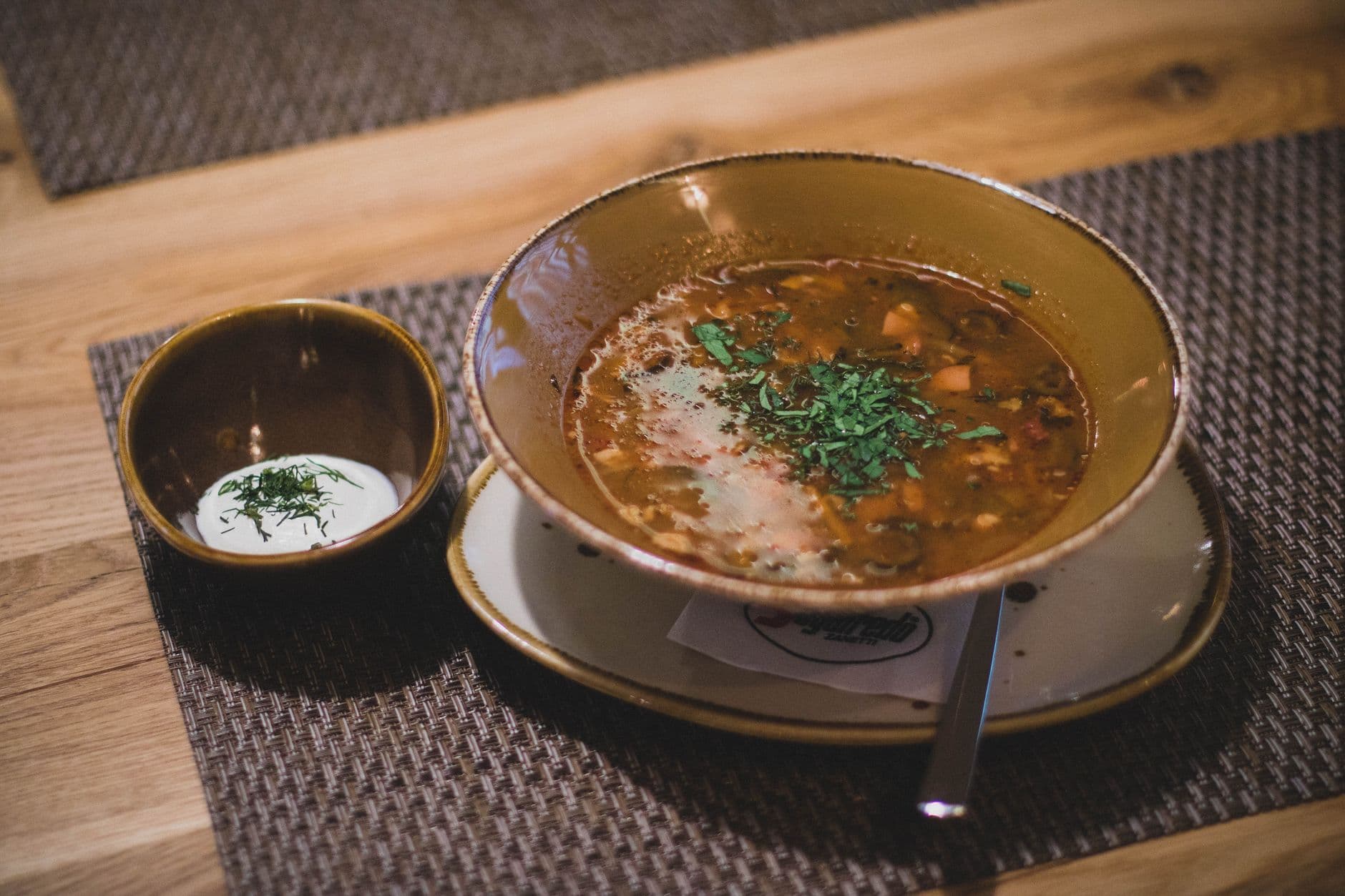
6) Solanka - gęsty, kwaśny zup z ogórkami kiszonymi, oliwkami, kaparami i mięsem; jej wyrazisty charakter sprawia, że wyróżnia się na wspólnych stołach i stanowi dobry przykład ewolucji smakowych dzięki regionalnym modyfikacjom; jej cechy obejmują jasny, kwaśny finał, który przecina bogatsze dania.
7) Salatka Olivier - jajka, ziemniaki, ogórki kiszone i pokrojone mięsa połączone majonezem; ulubiona potrawa na przyjęciach, której historia wędruje od miejskich kawiarni do wiejskich kuchni, odzwierciedlając mieszankę wpływów i zapamiętywalną listę tekstur.
8) Szuba - śledź pod futrem; warstwowy z burakiem, ziemniakami i majonezem, kojarzy się z zimą i długimi rodzinnymi spotkaniami, oferując chrupiący kąsek i kremową kontrastowość, którą wielu gospodarzy uważa za podstawę.
9) Vinegret - sałatka z buraków i ziemniaków z marynowanymi warzywami; jej żywe kolory i chrupkość sprawiają, że jest niezawodnym przystawką na wielu stołach, co pomaga utrwalić dziedzictwo prostych, zdrowych składników.
10) Pierogi - kluski nadziewane ziemniakami, serem lub owocami; wersja nadziewana owocami poszerza listę deserów i przekąsek, oferując wszechstronny przysmak, który cieszy się popularnością w domach i na targach, prawdziwy element listy.
11) Pirożki - małe pieczone lub smażone ciastka z różnymi nadzieniami, takimi jak mięso, kapusta lub grzyby; te małe wypieki idealnie nadają się na pikniki i spotkania, często pojawiają się jako przekąski i łatwe w zjedzeniu przysmaki.
12) Syrniki - placki z twarogu posypane cukrem i podawane z dżemem; ulubione poranne danie w kawiarniach i domach, o kremowej konsystencji w środku i delikatnej skorupce na zewnątrz, zachęcające do długich opowieści.
13) Kwass - lekko fermentowany napój chlebowy, łagodny i odświeżający; pasuje do posiłków i podawany jest gościom podczas świąt, co ilustruje długą tradycję fermentacji i codziennych nawyków nawadniania.
14) Kissel - napój deserowy oparte na owocach, przygotowywany z jagód, aby uzyskać gładką, lekko słodką sos; podawany ciepły lub zimny, jest częścią opowieści o jesiennym zbiorze i pocieszającym zakończeniu posiłku.
15) Draniki - smażone placki ziemniaczane, chrupiące na zewnątrz; proste, naturalne danie, które podkreśla wszechstronność ziemniaków, często podawane z śmietaną i ziołami; przy stole towarzyszą różnym mięsom i warzywom, stanowiąc pewny finał listy degustacyjnej.
Pelmeni, Barszcz, i Bliny: Podstawowe Techniki, Tradycyjne Nadzienia i Porady Serwowania
Uformuj ciasto: 3 szklanki mąki zbożowej, 1 duże jajko, 1/2 szklanki zimnej wody, 1 łyżeczka soli. Zagnieć do gładkości, zawiń, odpocznij 30 minut. Rozwałkuj do 1,5-2 mm, wycinaj okrągłe kawałki, umieść łyżeczkę nadzienia (wieprzowo-wołowo-cebula), zamknij mocnym zaciśnięciem; gotuj w osolonej wodzie, aż wypłyną, odcedź, dokończ kawałkiem masła. Zamrażaj nadmiar na papierze do pieczenia na później; wiele przepisów dokumentuje ten sposób, a tekstura pozostaje niezawodna nawet podczas zajętych tygodni.
Nadzienie do pierogów pozostaje klasyczne: równe części mielonego wieprzowiny i wołowiny, drobno posiekanej cebuli, soli i pieprzu; niektórzy dodają czosnek lub grzyby dla głębi smaku. Ta mieszanka daje soczysty kęs i stała się produktem praktyki regionalnej, zwłaszcza w kuchniach z czasów ZSRR, z najstarszymi odmianami skłaniającymi się ku bogatszym kompozycjom. Poznaj specyficzne modyfikacje, aby dostosować smak, i zobaczysz, jak ta baza staje się płótnem dla regionalnych niuansów.
Dla barszczu przygotuj bulion z buraków: upiec lub ugotować buraki, aby wzmocnić kolor, a następnie gotować z kapustą, ziemniakami, marchewką i cebulą; łyżka pasty pomidorowej, liść laurowy, czosnek i odrobinę octu uzupełnią smak. Podawaj na ciepło lub na zimno, dodając śmietanę i świeżą koper. W wielu domach to danie sygnalizuje sezon spotkań i ciepła wspierającego zdrowie; kiszone ogórki na bok i mały kieliszek wódki - często z samogonu - dodają kontrast do jasnych nut buraków. Zachodnie warianty czasem podkreślają słodsze buraki lub owocowe dodatki, pokazując, jak doświadczenie kształtuje preferencje, a wydarzenia stają się okazją do smakowania.
Blini to ciasteczkowa masa na placki, w której mieszane są mleko, jaja i mąka: 2 szklanki mleka, 3 jaja, 1 1/2 szklanki mąki, 2 łyżki cukru, 1/2 łyżeczki soli; pozostawić na 20 minut, a następnie smażyć na gorącej, lekko nasmarowanej patelni, aż pojawią się pęcherzyki i brzegi zaczynają się utrwalać. Typowe okrągłe stosy delikatnie rosną i pozostają ciepłe pod czystym ręcznikiem. Nadzienia obejmują wędzoną ryby, smażone grzyby, solony ser lub mielone mięso; dodatki to masło, majonez lub łyżeczka śmietany. Na bok podawane są kiszone ogórki lub kompot owocowy, aby zapewnić chrupiący kontrast, a kilka ziaren ikry może podnieść prezentację, szczególnie podczas uroczystości. To urozmaicone rozwiązanie pozwala eksperymentować z teksturami, zdrową równowagą i kulturowym smakiem, który stał się podstawą w wielu domach, oferując szybki sposób na syte posiłki, które dobrze podróżują przez granice i towarzyszą spotkaniom.
| Dish | Technika rdzenia | Nadzienia & pomysły na podanie |
|---|
| Pelmeni | Wałkuj ciasto cienko, wycinaj koła, zlepaj brzegi, gotuj w osolonej wodzie, aż wypłyną, dokończ masłem. | Nadzienia: wieprzowo-wołowe z cebulą; warianty: jagnięcina, grzyby; podawanie: śmietana, koper, ogórki kiszone; opcjonalnie: majonez na bok |
| Borscht | Barszcz z burakiem, kapustą, ziemniakami i marchewką; gotować, dokończyć śmietaną i koperkiem. | Buraki dodają koloru; dodatki: śmietana; dodatki: chleb żytni, kiszone ogórki; ikra opcjonalnie |
| Blini | Cienki ciastopod; smaż na gorącej patelni, aż złocisto się upiecze; układaj w stos i trzymaj w ciepłym miejscu | Nadzienia: wędzone ryby, grzyby, ser solony; dodatki: masło, majonez; dodatki: ogórki kiszone, kompot owocowy |
Pirożki, syrniki i pierogi: ciasta, nadzienia i połączenia na szybko
Wybierz pierogi z ciasta drożdżowego i nadzieniem z sera i ziemniaków, aby mieć pewne, kompaktowe posiłki w drodze.
- Ciasto na pierogi: Drożdżowe ciasto wzbogacone mlekiem i masłem daje większą, powietrzną strukturę; jaja pomagają wiązać, a trochę śmietanki dodaje miękkości.
- Nadzienie: Najpopularniejsze to ser z ziemniakami; inne stałe opcje to grzyby, buraki oraz kombinacja sera z mielonym mięsem, która pozostaje spójna podczas jedzenia w ruchu.
- Na bieżąco: mała słoiczek owocowego kompotu, świeże zioła takie jak koper lub szczypiorek, a jeśli szukasz bardziej intensywnego smaku, pasmko wędzonego jesiotra w kontrast; strzałka kompotu odświeża między kąskami.
- Ciasto na syrniki: Grubą masę z twarogu (tvorog) miesza się z mlekiem i jajkami, a następnie lekko wlewa z mąką; nadzienia są słodkie (wanilia, rodzynki), ale można je dostosować szczyptą soli dla smaku słonego.
- Na wynos: śmietana lub jasny dżem owocowy podkreślą puszyste wnętrze; rozważ mały wybór jagód dla naprawdę zbalansowanego kęsa.
- Wskazówki: aby zachować ich funkcjonalność podczas przeprowadzki, usmaż je w lekkiej panierce i dokończ piec delikatnie, aby utrwalić zewnętrzną stronę, zachowując wilgotność wnętrza.
- Ciasto do pierogów: cienka warstwa mąki i wody (opcjonalnie jajko) tworzy delikatne sakiewki odpowiednie do wielu farszów; takie ciasto łatwo zamrozić na później.
- Nadzienia: ziemniaki z podsmażoną cebulką to wciąż klasyka; ser z ziemniakami to faworyt; kapusta, grzyby lub buraki dodają koloru i różnorodności; nowoczesne wariacje mogą obejmować niewielkie ilości ryb, takich jak jesiotr, dla dymnego posmaku.
- Idealne w drodze: lekka sałatka z buraków, posiekane zioła i słoik kompotu owocowego zapewnią kontrast; podawaj z mlekiem lub kefirem, aby szybko nawodnić organizm; przechowuj w małych porcjach, łatwych do zjedzenia w ruchu.
Uwagi i regionalne odmiany: ukraińskie stoły często łączą te pierożki z burakami i sałatką Olivier, podczas gdy Gruzini wpływają na mieszanki ziół i dymne akcenty; co zaskakujące, warzywa lub grzyby wędzone węglem drzewnym mogą wzbogacić nadzienie, nie komplikując w kęsie. Według poprzednich degustatorów, najbardziej wszechstronnym podejściem jest przygotowanie kilku ciast i farszów, co pozwala na tanie, wysokiej jakości przekąski, które wydają się naprawdę wyjątkowe. Dodanie kilku „funkcjonalnych" dodatków - kopru, pietruszki i mięty - pozwala dostosować je do bardziej sycącego lub lżejszego posiłku, w zależności od apetytu. Są zaprojektowane do jedzenia w drodze, a jednak ich farsze pozostają spójne i aromatyczne, co jest oznaką jakości, której można zaufać.
Boeuf Stroganow, Szczawy i Solianka: Metody gotowania, bazy bulionowe i warianty regionalne
Zacznij od praktycznego planu: przesmaż wołowinę partiami na głęboki, złoty kolor, odtłuszczaj lekkim napojem, zeskrob przysmażone resztki i buduj warstwową sos w solidnych naczyniach. Utrzymuj stałe, łagodne gotowanie, a następnie zakończ pikantnym dodatkiem kwaśnej śmietany. Takie podejście daje elastyczne trio, gdzie standardy dostosowują się do regionu, ale techniki pozostają niezmienne. To znaczenie jest widoczne zarówno podczas zjazdów narodowych, jak i festiwali.
- Wołowina po stroganowsku (stroganow) - techniki: pokrój wołowinę w cienkie plastry, przesmażaj partiami, aż brzegi nabiorą brązowego koloru, odłóż na bok, na tym samym tłuszczu zeszklij posiekane cebule i pieczarki, dodaj z powrotem mięso, wlej bulion i odrobinę soku lub białego wina, gotuj na wolnym ogniu przez 15-25 minut, następnie wmieszaj śmietanę; utrzymuj niską temperaturę, aby zapobiec zwarzeniu się sosu.
- bazy bulionowe: bulion wołowy jako podstawa; woda po grzybach dodaje głębi; niewielka ilość bulionu drobiowego może rozjaśnić profil; nuta kwasowości podobna do barszczu pojawia się okazjonalnie w regionalnych odmianach, równoważąc bogactwo.
- warianty regionalne: kuchnia niżo-rosyjska często opiera się na suszonych grzybach dla intensywności; w wybranych wsiach używa się glinianych naczyń marani, aby wpłynąć na rozkład ciepła; podawać na ziemniakach, jajecznym makaronie lub tostowym chlebie; święta i rodzinne uczty stawiają stroganowa w centrum kulturalnej obfitości; normy krajowe podkreślają kremowe, zrównoważone wykończenie, a danie staje się sercem stołu.
Techniki robienia szczi: kapusta jako bohater; gotować na wolnym ogniu z wołowiną lub bulionem warzywnym, aż będzie bardzo miękka; dodać grzanki z chleba żytniego lub suszone grzyby, aby zgęścić; na koniec, jeśli chcesz, dodać kleks kwaśnej śmietany.
Bazy bulionowe: bulion z dominującą nutą kapusty, przygotowany na bulionie wołowym lub mieszanym; grzyby i resztki mięsa pogłębiają smak; opcjonalne dodatki pomidorowe lub solankowe mogą dostosować wyrazistość, zachowując klarowność.
wariacje regionalne: wpływy ukraińskie skłaniają się ku kiszonej kapuście i grzybowemu wywarowi; potrawy z okolic Briańska mogą zawierać suszone mięso lub wędzone kawałki; podawaj z posiekanymi ziołami i sałatką dla zbalansowania smaku; stoły festiwalowe często łączą Szczi z chlebem żytnim i burakami jako częścią kulturalnej uczty.
Techniki solianki: połącz mieszane mięsa (wołowina, wieprzowina, kiełbasa) z posiekaną cebulą; podsmażaj, aż stanie się szklista; dodaj marynowane warzywa (marynowane ogórki, oliwki, kapary), pastę pomidorową lub rozdrobnione pomidory i bulion; gotuj na wolnym ogniu do uzyskania sycącej, kwaskowatej konsystencji; dopraw sokiem z cytryny i ziołami dla orzeźwienia.
bazy: bulion mięsny jako podstawa; baza pomidorowa i solanka zapewniają kwasowość; bulion warzywny może regulować konsystencję; kilka dodatków, takich jak suszone owoce lub skórka cytrusowa, może wyostrzyć smak.
odmiany regionalne: bryanskie kuchnie zawierają suszone grzyby nadające głębi; odmiany ukrainskie dodają kopru i pieprzu; menu festiwalowe prezentują solankę obok barszczu i sałatek kulturowych jako część szerszego poczęstunku; danie to zapewnia rozgrzewający, słono-kwaśny profil, który zajmuje szczególne miejsce w światowych kuchniach i podczas uroczystych okazji.
Śledź pod futrem, Ikra i Chłodiec: Tekstura, przygotowanie i okazje sezonowe
Zalecenie: Zbuduj talerz wokół trzech kluczowych elementów - śledzia pod szubą, ikry i chołodźca - dla kontrastu tekstur i łatwego, praktycznego ułożenia. Każdy składnik oferuje wyraźne odczucie w ustach i zestaw sycących warstw, które stanowią podstawę stołu.
Tekstura odgrywa wielką rolę: wierzchnia warstwa śledziowego pasztetu stanowi kremowy kontrast, gdy warzywa są drobno starte, ikra dodaje jedwabistej, słonej fali, a kholodets dostarcza delikatnej galaretki, która spaja całość. Podejście warstwowe i dekoracyjne utrzymuje wizualną równowagę potrawy i zgrywa się z poszczególnymi przejściami smaków w kęsie, od chrupkich po rozpływające się w ustach.
Szczegóły składania: która sekwencja gwarantuje schludne porcje? Buduj na schłodzonej podstawie z drobno posiekanej kapusty lub cienkiej warstwy ziemniaków, dodaj widoczny pas buraków lub marchewki dla koloru, następnie dodaj śledzia pod pierzynką lub rozłóż ikrę jako cienką warstwę, a na koniec uformowaną warstwę chłodnika w pierścieniu kształtującym, aby zachować schludny wygląd. Aby uzyskać ukrytą niespodziankę, odwróć foremkę tuż przed krojeniem, aby galareta ujawniła się. Pokrój w kostkę cebulę i marynowane ogórki, aby uzyskać chrupkie akcenty; grzyby można dodać jako subtelną, ziemistą nutę, chociaż są one opcjonalne. Ta lista kroków zapewnia świetny rezultat, który zachowuje kształt po podaniu na talerzu w stylu stołówkowym.
Okazje sezonowe: letnie spotkania przy stołowym stole w pobliżu Kijowa skorzystają z lżejszych dodatków, takich jak marynowane warzywa i pokrojone owoce, z trio ułożonym w osobnych segmentach, aby zachować każdy smak. Wizyta na targach przyniesie delikatne buraki, świeżą kapustę i opcjonalne grzyby do dekoracji. Na koniec użyj posiekanej cebuli i ziół; takie podejście sprawia, że sekwencja jest atrakcyjna dla tłumu, pozostając jednocześnie przyjaznym dla budżetu z finansowego punktu widzenia.
Znaczenie i właściwości: trio oferuje typowy balans tekstur, od chrupiącej kapusty po delikatne galaretki i jedwabisty kawior. Szczerze mówiąc, kontrast ten ułatwia docenienie smaku jako pojedynczego dania lub jako standardowej listy małych przekąsek, przemawiając do gości ceniących warstwowe dekoracje i wyraźne rozróżnienie między składnikami.
Kwas, Miodownik i ciasto Napoleona: Fermenty, słodycze i propozycje deserów
Na szybkie pierwsze parowanie podaj schłodzony kwas z cienkim plastrem miodownika i kwadratem ciasta napoleonka.
Kwas to napój o niskiej zawartości alkoholu, na bazie pszenicy. Producenci piwa tworzą słodowy, lekko cierpki smak, który oczyszcza podniebienie między kęsami, a te napoje dobrze komponują się z miodową glazurą Medovika i kremowymi warstwami ciasta Napoleona.
Medovik oferuje wiele warstw nasączonych miodem z kremowym nadzieniem. Nadzienie znajduje się między płatami, często śmietana lub krem maślany, podczas gdy ciasto pozostaje pocieszające i bogate, a podczas degustacji kontrasty ujawniają różne tekstury.
Napoleon delights with chrupiącymi płatami ciasta przełożonymi kremem mleczno-waniliowym; nadzienie jest lekkie, lecz sycące, stanowiąc gładki kontrapunkt dla słodyczy kwasu chlebowego i miodownika. Ogólna tekstura jest odmienna, lecz spójna.
Na wydarzeniach lub w restauracjach doskonale sprawdzi się kompaktowa deska: śledź na chrupkach żytnich ze śmietaną, plasterki ogórka oraz kilka kawałków miodownika i ciasta napoleonka. Oznacza to zbilansowane degustowanie, które ujawnia, co wnosi każdy składnik. Czytelnicy wiedzą, że słone ryby i nabiał równoważą miód i ciasta, a ogórki dodają chrupkości.
FAQ: Tradycyjne rosyjskie potrawy
Co jest najbardziej znanym tradycyjnym rosyjskim daniem?
Barszcz, głęboko czerwona zupa z buraków podawana na gorąco ze śmietaną i koperkiem, to potrawa najsilniej kojarzona z Rosją, zaraz po pelmeni (pierogach z mięsem) i blinach (cienkich naleśnikach).
Co powinienem zamówić najpierw w rosyjskiej restauracji?
Zacznij od zupy, takiej jak barszcz lub szczaw, przejdź do dania pierogowego, jak pielmieni lub wareniki, a na koniec zjedz syrniki lub bliny. Szklanka kwasu chlebowego lub kompotu dobrze komponuje się z jedzeniem, nie przytłaczając smaku.
Czy rosyjskie jedzenie jest ostre?
Nr. Rosyjska kuchnia jest smaczna i pocieszająca, a nie pikantna; smak pochodzi od koperku, śmietany, ogórków kiszonych, grzybów i żyta. Soljanka, przygotowywana z ogórków kiszonych i kaparów, jest najbardziej kwaśnym z popularnych dań.
Co to za tradycyjna rosyjska słodkość?
Medovik (ciastko miodowe w warstwach) i Napoleon (ciastko z ciasta francuskiego z kremem waniliowym) to klasyczne ciasta świąteczne, podczas gdy kissel, gęsty napój-deser owocowy, jest tradycyjnym codziennym słodkim daniem.